Best lake in Nevada for ice fishing in winter
When most folks picture Nevada, they imagine scorching deserts, dazzling lights, and endless dry landscapes. It's easy to overlook the hidden gems that transform into winter havens when the temperatures drop. For those of us who love the crisp bite of winter air and the thrill of pulling fish through a hole in the ice, the thought of ice fishing in Nevada might seem like a mirage. But trust me, it's not! If you've been wondering if ice fishing is even a thing here, and more importantly, which spot offers the absolute best experience for a winter angling adventure, this guide is for you.
The Unique Allure of Nevada Ice Fishing
It’s true, Nevada isn't exactly the first place that springs to mind when you think of ice fishing. Images of frozen Minnesota lakes or vast Canadian wilderness are probably what fill most people's minds. But tucked away in the higher elevations of the Silver State, a different kind of winter magic unfolds. For those willing to bundle up and brave the cold, ice fishing in Nevada offers a tranquil escape and some truly rewarding angling experiences that defy the desert stereotype.
Dispelling the Desert Myth
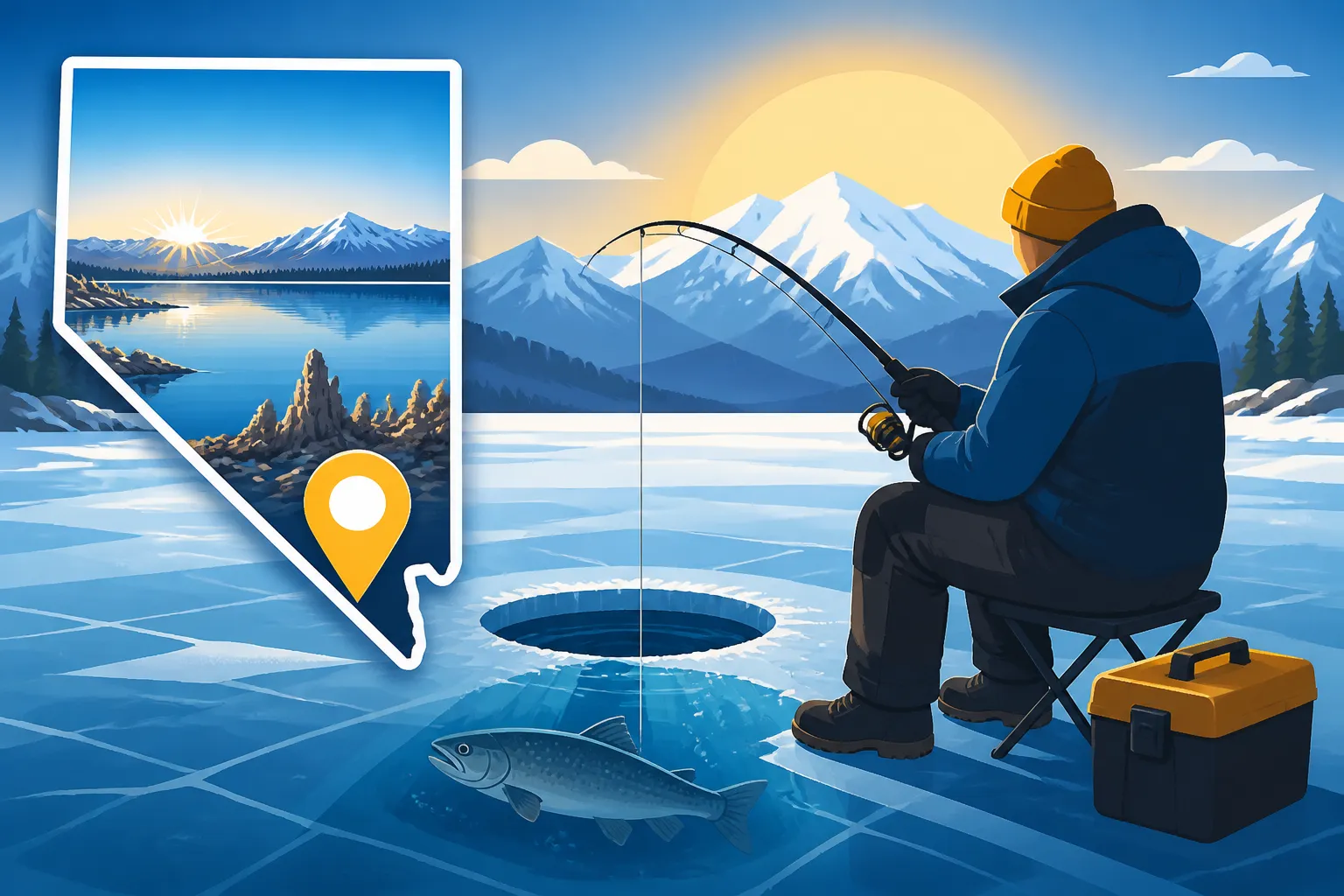
The biggest misconception about Nevada is that it's all hot, dry desert, all the time. While vast stretches of the state certainly fit that description, Nevada is also home to incredible mountain ranges, with peaks soaring well over 10,000 feet. These higher elevations, particularly in the northern and eastern parts of the state, experience genuine, cold winters with consistent freezing temperatures. This allows many reservoirs and high-mountain lakes to develop a thick, safe layer of ice, perfect for dedicated anglers. It’s a shock to many, but seeing ice shanties dotted across a frozen reservoir in Nevada is a beautiful, albeit unexpected, sight.
Why Ice Fishing Here is Different
Compared to more traditional ice fishing locales, Nevada offers a unique flavor. You won't find endless, flat stretches of ice, but rather a rugged, high-desert backdrop. The intense sun can still be a factor, even in winter, making good sun protection absolutely critical. The winds can also be notoriously unpredictable, howling across open reservoirs, which means sturdy shelters are a must. Yet, the relative solitude, often stunning mountain views, and the opportunity to target diverse species like various trout, perch, and even bass, make it incredibly appealing. It’s a more intimate, less crowded experience than you might find elsewhere, giving you ample space to enjoy the quiet beauty of a Nevada winter.
The Thrill of the Winter Catch
There’s something truly special about ice fishing. The silence, broken only by the crunch of snow underfoot or the whir of an auger, creates an almost meditative experience. Then comes the sudden, exhilarating tug on your line, a burst of energy from the cold water below. In Nevada, you might find yourself battling a feisty rainbow trout, a chunky yellow perch, or even a spirited smallmouth bass that, despite the frigid water, puts up a surprisingly strong fight. Each successful catch feels like a hard-earned victory against the elements, a testament to patience and perseverance. It’s a different kind of fishing challenge, and for many, that’s precisely why it's so addictive.
Unveiling Nevada's Premier Ice Fishing Destination: Wildhorse Reservoir
When it comes to the absolute best spot for ice fishing in Nevada, one name consistently rises to the top: Wildhorse Reservoir. Located in northeastern Nevada, near the small community of Wild Horse and about 65 miles north of Elko, this expansive body of water is a true gem for winter anglers. Its high elevation, typically hovering around 6,200 feet, ensures a more reliable and thicker ice cap than many other lakes in the state.
Why Wildhorse Stands Out
Wildhorse Reservoir is a beloved destination for a multitude of reasons, especially for those seeking frozen water adventures. Firstly, its elevation almost guarantees a good, solid freeze each winter, usually from late December through February or even early March, depending on the severity of the season. This consistency is crucial for safety and planning. Secondly, the sheer size of the reservoir, covering over 2,800 surface acres when full, offers plenty of room for anglers to spread out and explore different depths and structures. The Nevada Department of Wildlife (NDOW) actively manages and stocks the reservoir, ensuring a healthy fish population. If you're looking for detailed information on how to get there and the available facilities, our guide on Wildhorse Reservoir Nevada Fishing Guide offers a comprehensive overview.
Target Species and What to Expect
Wildhorse Reservoir is renowned for its diverse fishery, providing exciting opportunities for various species beneath the ice. The undisputed star of the show for ice anglers here is the Yellow Perch. These panfish are abundant, often found in large schools, and provide fast-paced action that's perfect for keeping warm on a cold day. Many anglers find themselves reeling in dozens of perch throughout the day, making for excellent table fare. You can find more specific details on these prolific fish in our guide to Yellow Perch at Wildhorse Reservoir.
Beyond perch, Wildhorse is also a fantastic spot for Trout, including plentiful Rainbow Trout and sometimes even the elusive Tiger Trout. These larger, harder-fighting fish offer a different kind of thrill. And don't be surprised to hook into Smallmouth Bass or even Largemouth Bass, which, despite the cold water, can still be quite aggressive. Understanding the specific Nevada Trout Season Dates can also help you plan your trip optimally.
Here's a quick look at the main target species at Wildhorse Reservoir:
| Species | Typical Size | Best Baits/Lures Under Ice |
|---|---|---|
| Yellow Perch | 6-10 inches, up to 12 inches | Small jigs (chartreuse, pink), wax worms, mealworms, maggots, small spoons |
| Rainbow Trout | 12-20 inches | PowerBait, small spoons, jigs tipped with a grub, minnows |
| Tiger Trout | 15-22 inches (less common) | Larger spoons, minnows, Rapalas, Kastmasters |
| Smallmouth Bass | 10-16 inches | Small jigs, spoons, minnows, blade baits |
Access and Amenities for Winter Anglers
Access to Wildhorse Reservoir is generally good, even in winter, though road conditions can vary significantly with heavy snowfall. The main access point is via State Route 225 from Elko. The Wildhorse State Recreation Area offers various amenities. While the main boat ramps are often inaccessible or unusable due to ice, there are usually points along the shoreline where anglers can safely walk onto the ice.
For those planning an extended trip, the state park has primitive campgrounds and a few cabins available, but it's always wise to check availability and winter accessibility beforehand. Given the remote nature of the area, come prepared with all your essentials. You won't find a bait and tackle shop right on the water, so stock up in Elko or other larger towns. For those who prefer to have everything organized or are new to ice fishing, looking into guided trips offered by local experts, often found on platforms like FishingBooker, can make the experience seamless and productive.
Essential Gear and Safety for Wildhorse Ice Fishing
Ice fishing, especially in a place like Wildhorse with its high-desert conditions, requires careful preparation. You're not just fishing; you're operating in a potentially extreme environment. Having the right gear and prioritizing safety are non-negotiable for an enjoyable and successful trip.
Must-Have Ice Fishing Gear
When you’re heading out onto the ice, your gear list looks a bit different from a summer fishing trip. First and foremost, you'll need an ice auger to cut your holes. A hand auger works for thinner ice, but for Wildhorse's often thicker ice, a power auger (gas, propane, or electric) is a real back-saver. Next, an ice fishing shelter (shanty or pop-up tent) is a lifesaver against the notorious Nevada wind and sun. Brands like Clam or Eskimo offer excellent options for both warmth and portability. To stay warm and fish comfortably, a portable heater designed for enclosed spaces (like a Mr. Heater Buddy) is essential.
For fishing itself, you'll want dedicated ice fishing rods and reels. These are shorter, designed for jigging directly over a hole, and offer better sensitivity to detect subtle bites. Stock up on small jigs, spoons, and live bait like wax worms, mealworms, or minnows, which are consistently productive for the species found at Wildhorse. A fish finder (flasher or portable unit) can dramatically increase your success by showing you fish and your lure in real-time beneath the ice. For a more exhaustive rundown, check out our Nevada Ice Fishing Gear Checklist.
Prioritizing Ice Safety
This is the most critical aspect of any ice fishing trip. Never assume the ice is safe. Always check the ice thickness with an auger or spud bar as you venture out. A general rule of thumb for safe ice is:
- 2 inches or less: STAY OFF!
- 4 inches: Safe for ice fishing on foot.
- 5-7 inches: Safe for a snowmobile or ATV.
- 8-12 inches: Safe for a small car or light pickup.
- 12-15 inches: Safe for a medium truck.
However, these are just guidelines. Ice thickness can vary dramatically even on the same body of water due to currents, springs, or pressure ridges. Always go with a buddy, inform someone of your plans, and carry essential safety gear: ice picks worn around your neck, a throw rope, and a whistle. For those looking for more in-depth advice on this crucial topic, our article Ice Fishing Safety on Nevada Reservoirs is a must-read. If you're new to the sport, consider hiring a guide through services like FishingBooker to ensure a safe and knowledgeable introduction.
Winter Apparel for Nevada's High Desert
Even on a sunny winter day, temperatures at Wildhorse Reservoir can be well below freezing, and the wind can make it feel much colder. Dressing in layers is key. Start with a moisture-wicking base layer, add insulating middle layers like fleece or down, and top it off with a waterproof and windproof outer shell (jacket and bibs/pants). A good quality insulated hat, warm gloves or mittens (perhaps even heated ones), and waterproof, insulated boots are absolutely non-negotiable. Don't forget polarized sunglasses and sunscreen – the reflection off the snow and ice can be intense. Staying dry is paramount, so consider bringing a change of clothes, especially extra socks.
Techniques for Success on Wildhorse's Ice
Once you're safely on the ice with the right gear, it's time to focus on the art of catching fish. Wildhorse Reservoir presents its own unique challenges and opportunities, and understanding how to adapt your techniques can make all the difference.
Mastering Perch and Trout Tactics
For the abundant yellow perch at Wildhorse, a common and effective tactic is jigging. Small tungsten jigs in bright colors like chartreuse, pink, or orange, tipped with a wax worm, mealworm, or a few maggots, are incredibly productive. Fish these jigs with small, sharp twitches, bringing them up a few inches and letting them flutter back down. Perch often hold near the bottom, but will rise to investigate. If you're not getting bites, try different depths.
For trout, slightly larger baits and lures can be effective. Small spoons (like Kastmasters or Swedish Pimples) or vertical jigs tipped with a minnow head or a piece of Berkley Gulp! can entice strikes. PowerBait, especially garlic or cheese-flavored, fished just off the bottom with a small split shot and hook, is also a perennial favorite for stocked rainbows. Remember that trout can be suspended at various depths, so experimenting is crucial. Understanding the typical Yellow perch size at Wildhorse Reservoir can also help tailor your tackle.
Reading the Ice and Locating Fish
Just like open water fishing, finding structure and understanding fish behavior is vital on the ice. While it might look like a flat, uniform surface, fish still relate to underwater features like old creek channels, humps, points, and drop-offs. Using a depth finder or even a paper map of the reservoir can help identify these potential hotspots before you even cut a hole. Often, finding the "community holes" where others have fished successfully is a good starting point, but don't be afraid to venture out a bit. Look for subtle changes in bottom composition, baitfish schools, or areas where the contours change. Fish activity often peaks during dawn and dusk, but on a good perch day, the action can be steady throughout.
Adapting to Wildhorse's Unique Challenges
Wildhorse Reservoir, while fantastic, isn't without its quirks. The wind, as mentioned, can be a major factor. A sturdy ice shelter is indispensable, but be prepared to anchor it securely. Snow cover on the ice can also impact light penetration, sometimes pushing fish to shallower depths or making them more active with less overhead light. Always stay flexible with your tactics. If one spot isn't producing, try moving a hundred yards and drilling new holes. The key is perseverance and willingness to adapt. For more insights on how to rig your setup for different species, consider consulting a local expert, many of whom are available for hire via platforms like FishingBooker, providing invaluable firsthand knowledge. Our guide on How to ice fish on a Nevada reservoir also offers more detailed techniques.
Disclaimer
Please remember that fishing regulations, ice conditions, and local access can change. Always check with the Nevada Department of Wildlife (NDOW) for the most current information regarding fishing licenses, species limits, and specific regulations for Wildhorse Reservoir before heading out. Safety should always be your top priority when venturing onto the ice.