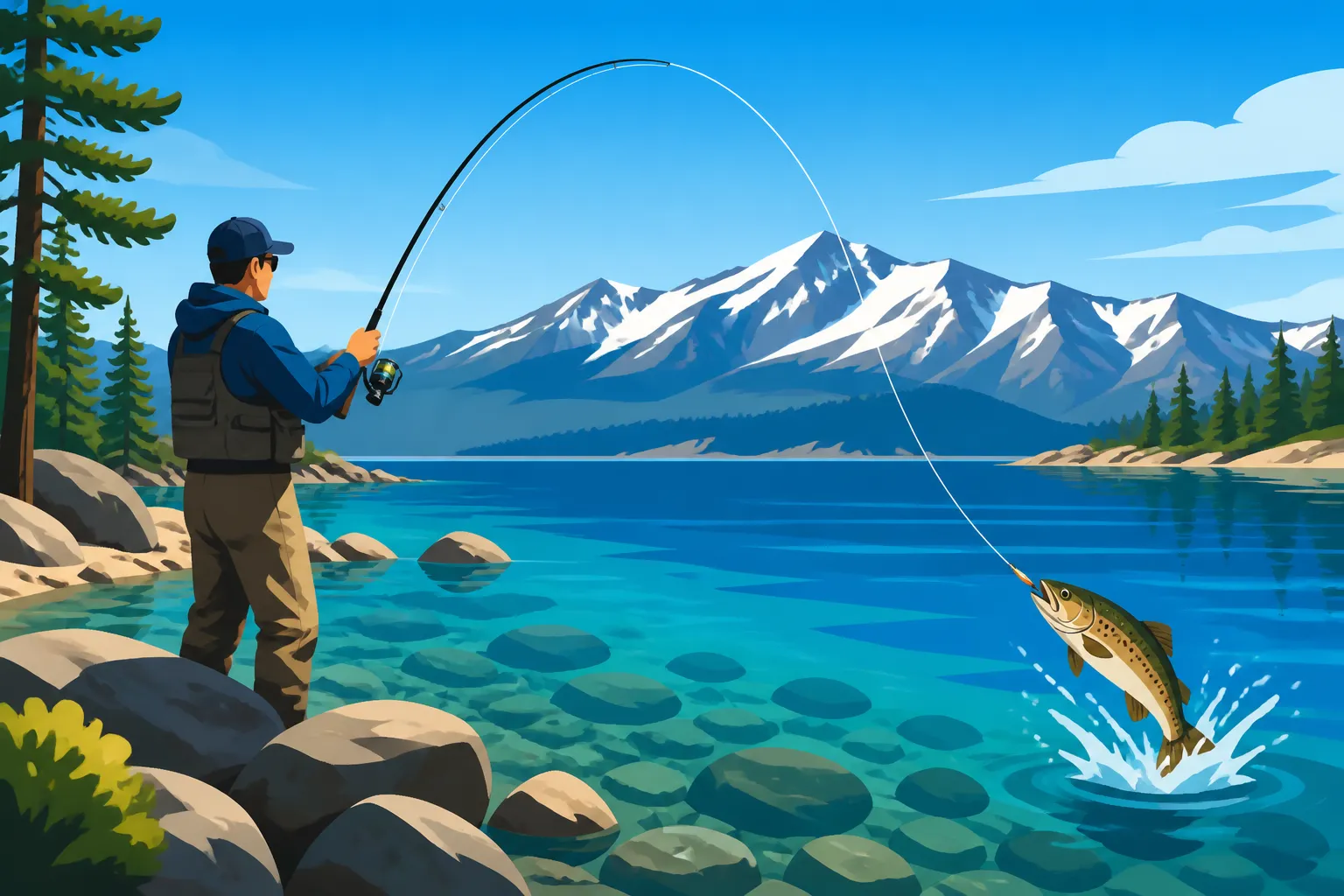
Lake Tahoe Nevada Shoreline Fishing
Oh, Lake Tahoe! Just the name conjures up images of crystal-clear water, stunning mountain backdrops, and, for us anglers, the promise of incredible fishing. But let's be real, not everyone has a fancy boat with all the sonar gadgets, and the thought of navigating those deep, sometimes choppy waters can be intimidating. If you're wondering if you can still experience the magic of fishing Tahoe without a boat, especially from the Nevada side, you're in luck! This guide is tailor-made to show you exactly how to find success casting from the shore, making those Tahoe fishing dreams a reality.
Why Shoreline Fishing at Lake Tahoe is a Great Option
For many, the sheer size and depth of Lake Tahoe can feel daunting, leading to the assumption that you absolutely need a boat to catch anything worthwhile. I'm here to tell you that's simply not true! Shoreline fishing on the Nevada side of Lake Tahoe offers a fantastic, accessible, and often surprisingly productive way to enjoy this magnificent fishery. It's an experience that connects you directly with the raw beauty of the lake, far from the engine noise and crowded marinas.
Accessibility for All Skill Levels
One of the biggest hurdles for new anglers, or even seasoned ones trying a new spot, is the perceived complexity of the gear and techniques required. Lake Tahoe's shoreline fishing largely removes that barrier. You don't need a deep understanding of boat navigation, complex electronics, or specialized trolling patterns. It's about finding a good spot, understanding the basic habits of the fish near the bank, and making a good cast.
This accessibility makes it perfect for everyone, from absolute beginners taking their kids out for their first fishing adventure to experienced anglers looking for a peaceful escape. Many spots along the Nevada shore offer easy access, often just a short walk from parking, making it convenient for families, seniors, or those with limited mobility. It truly is about enjoying the moment, soaking in the panoramic views, and the simple thrill of a tug on your line, rather than chasing trophy fish in the middle of the lake. Plus, it's a lot lighter on the wallet than fueling up a boat or renting a charter!
No Boat? No Problem!
It’s easy to feel like you’re at a disadvantage without a vessel on a lake as vast as Tahoe. However, many of the prized fish species in Lake Tahoe regularly patrol the shallows and structural elements close to the shore. Think about it: baitfish, insects, and other forage often congregate near the banks, especially around rocky points, submerged logs, and weed beds. Where the food is, the predators will follow.
Furthermore, relying on the shore means you're less susceptible to the sudden weather changes that can make boat fishing treacherous on a large body of water like Tahoe. Strong winds can whip up quickly, turning a calm morning into a white-capping nightmare. From the shore, you can often find sheltered coves or simply pack up and head home without the added stress of trailering a boat in adverse conditions. This offers more consistent and safer opportunities to get your line in the water, making those fishing plans a reality more often. You'll primarily be targeting species like Rainbow Trout and Smallmouth Bass, both of which offer exciting battles from the bank.
Understanding Lake Tahoe's Unique Fishing Regulations
Fishing Lake Tahoe can be a bit tricky because the lake straddles two states: Nevada and California. This means understanding and adhering to the correct regulations is absolutely paramount. Ignorance of the law is no excuse, and wardens patrol both sides of the lake regularly. Always double-check where you are and what rules apply!
Nevada vs. California Rules from Shore
This is arguably the most crucial piece of information for any angler fishing Lake Tahoe. If you are casting from any point on the Nevada shoreline, you must possess a valid Nevada fishing license and follow all Nevada Department of Wildlife (NDOW) regulations. It sounds obvious, but it's surprisingly easy to get confused, especially if you're traveling between different parts of the lake or if your hotel happens to be right on the border.
Think of the state line as an invisible, yet very real, barrier. Even if you cast from Nevada and your line drifts into California waters, you are still bound by Nevada regulations if you're physically standing on the Nevada side. The reverse is also true. For comprehensive details on getting your permit, check out our guide on the Nevada Fishing License Guide. Remember, if you cross into California, even just a few feet, your Nevada license is no longer valid, and you'll need a California fishing license. Always know your location!
Licenses, Limits, and Special Considerations
For anyone 12 years or older, a valid Nevada fishing license is a non-negotiable requirement to fish from the Nevada side of Lake Tahoe. The good news is that for Lake Tahoe, a separate trout stamp is generally not required, unlike some other Nevada waters. However, it's always best practice to consult the most current NDOW fishing regulations handbook before heading out, as rules can and do change.
When it comes to limits, there are specific regulations for various species found in Lake Tahoe. You'll want to be familiar with the Nevada Statewide Bag Limits Explained, and specifically the Nevada Trout Daily Limit Rules and Nevada Bass Daily Limit and Size Rules. While Rainbow Trout and Brown Trout are common catches, Mackinaw (Lake Trout) are also present, though typically caught in deeper waters by boaters. A very important note: Lahontan Cutthroat Trout are a native, protected species in Lake Tahoe. If you happen to catch one, it must be immediately released back into the water unharmed. Proper fish handling techniques are essential, especially for these sensitive native species.
Top Nevada Shoreline Fishing Spots
The Nevada side of Lake Tahoe boasts some truly spectacular and accessible shoreline fishing spots. From the bustling north shore to the tranquil east and south, there’s a diverse range of environments perfect for casting a line. Each area offers its own unique charm and fishing opportunities, so exploring a few different locations can definitely pay off.
North Shore Gems: Incline Village and Crystal Bay
The North Shore of Lake Tahoe, particularly around Incline Village and Crystal Bay, is a true gem for shoreline anglers. Here, the water is famously clear, and the shore offers a mix of sandy stretches and impressive rocky points. Public access points are available, though some, like the incredibly scenic Sand Harbor State Park, might have entrance fees and can get extremely crowded, especially during peak summer days. It's often worth the early start to beat the rush and find a good spot.
These areas are characterized by large boulders, dramatic drop-offs relatively close to shore, and occasional sandy coves. This diverse underwater structure provides excellent habitat for both smallmouth bass, who love to ambush prey from rocky crevices, and cruising trout, who patrol the edges looking for an easy meal. While there aren't many dedicated fishing piers, some natural jetties or large rock formations can extend your casting range over deeper water. Parking can be a challenge in these popular areas, so plan to arrive early, especially on weekends or during peak tourist season. The stunning views alone make the trip worthwhile, even if the fish are playing hard to get!
East Shore Hotspots: Zephyr Cove and Cave Rock
Moving along the east shore, Zephyr Cove and Cave Rock offer more fantastic opportunities. Zephyr Cove is well-known for its beautiful sandy beaches, but it also features rocky sections that transition into deeper water, making it a versatile spot. It's generally more family-friendly, with facilities like picnic areas, making it great for a full day out. You'll often find cruising trout here, especially in the cooler months, and smallmouth bass can be found around any available structure in the shallower, warmer waters during summer.
Cave Rock, on the other hand, is an iconic landmark and a favorite among anglers due to its unique geology. Here, you can find incredibly deep water very close to shore, making it one of the few spots where you might have a shot at larger trout species without a boat. However, its popularity also means it can be incredibly crowded, with limited parking that fills up fast. Anglers here often focus on casting spoons or bait rigs that can reach the deeper ledges and drop-offs. While beautiful, be mindful of other visitors and ensure you're fishing safely and respectfully.
South Shore Access: Stateline and Nevada Beach
As you head towards the south end of the Nevada side, the Stateline area offers convenient access points, often close to hotels and public parks. This can be an easy spot to drop a line if you're staying in the bustling South Lake Tahoe area. Just remember to always be aware of the exact state line and ensure you are within Nevada's jurisdiction. Further south and a bit more spread out is Nevada Beach, a beautiful, long sandy stretch interspersed with rocky outcroppings.
These south shore spots are excellent for targeting both cruising rainbow and brown trout, particularly during the spring and fall when water temperatures are ideal. The shallower, warmer waters near the beaches can attract baitfish, which in turn draws in predatory bass and trout. During summer, the key to success here often involves walking further down the beach to find less pressured sections and focusing your efforts during the cooler, low-light hours of early morning or late evening. The combination of easy access and diverse shoreline habitat makes these areas very productive for Lake Tahoe Nevada Shoreline Fishing.
Gear Essentials for Lake Tahoe Shore Anglers
You don't need a boatload of specialized equipment to successfully fish Lake Tahoe's shores, but having the right basic gear can significantly increase your chances of success and enjoyment. Think versatile, durable, and suited for clear, cold water conditions.
Rods, Reels, and Line Choices
For shoreline fishing on Lake Tahoe, a medium-light to medium action spinning rod, typically between 6.5 and 7.5 feet in length, is your best friend. This length offers a good balance of casting distance – crucial for reaching deeper water or structures from the bank – and sensitivity, allowing you to feel subtle bites. The medium-light action provides enough backbone to handle a good-sized trout or feisty smallmouth bass, yet it's forgiving enough for lighter lures and baits.
Pair this with a reliable 2500-3000 series spinning reel. This size reel holds plenty of line and provides a smooth drag system, which is vital when battling strong fish in clear water. For line, you have a couple of good options: 6-10 lb test monofilament or fluorocarbon. Monofilament offers a bit of stretch, which can be forgiving, and is easier for beginners to manage. Fluorocarbon, on the other hand, is nearly invisible underwater, extremely sensitive, and has less stretch, making it excellent for detecting light bites and offering a more direct connection to the fish. For more detailed advice, check out our guide on the Best Fishing Rods for Nevada Lakes.
Best Baits and Lures for Tahoe Species
When it comes to enticing Tahoe's fish from shore, having a varied tackle box is key. Your choices will largely depend on whether you're targeting trout or bass, but some overlap exists.
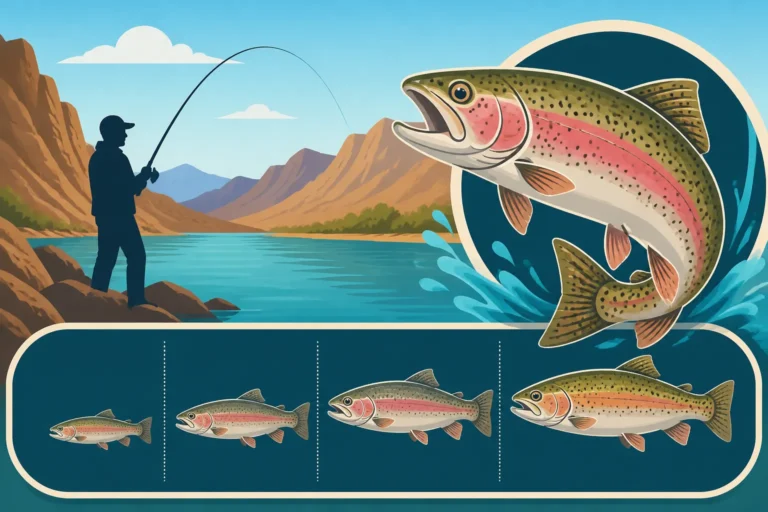
For trout, classic baits often perform best. Think PowerBait in colors like chartreuse, rainbow, or white, fished on a small treble hook with a sliding sinker to keep it off the bottom. Salmon eggs, Gulp! trout baits, or even a simple nightcrawler can also be incredibly effective, often fished under a bobber or slowly drifted along the bottom. For lures, small spoons like a Kastmaster or Thomas Buoyant (silver or gold are go-to colors) or inline spinners (like Panther Martins or Rooster Tails) are fantastic for casting and retrieving, mimicking baitfish.
For smallmouth bass, focus on lures that imitate crawfish, minnows, or small baitfish. Small crankbaits in natural shad or crawfish patterns, tube jigs (especially in green pumpkin or brown), and drop shot rigs with small plastic worms or minnow imitations (like a Gulp! Minnow) are incredibly productive. During low light or calm conditions, don't shy away from throwing small topwater poppers or walk-the-dog style lures; a smallmouth blowing up on a topwater is an unforgettable experience!
Targeting Tahoe's Prized Fish from Shore
While Lake Tahoe is home to a variety of fish, shore anglers on the Nevada side will most frequently encounter Rainbow Trout, Brown Trout, and Smallmouth Bass. Each species has its preferred habitats and feeding patterns, so understanding these can greatly improve your success.
Rainbow and Brown Trout Strategies
Trout in Lake Tahoe, especially Rainbows and Browns, are often found cruising the shorelines, particularly where there are rocky points, submerged structure, or where small streams and culverts feed into the lake. These areas provide cover, cooler water, and a steady supply of food. The prime times to target these beautiful fish from shore are typically early mornings and late evenings, especially as the water warms up in the spring and summer. During the cooler months of fall and early spring, they might be active throughout the day.
Your approach should involve a mix of still fishing with bait and active casting with lures. When bait fishing, a setup with a sliding sinker (1/4 to 1/2 oz, depending on current and depth) and a short leader (1-3 feet) ending in a small hook baited with PowerBait or a nightcrawler is effective. Allow the bait to float just off the bottom. For lures, cast spoons or spinners as far as you can, allowing them to sink a bit, then retrieve them at a steady pace, varying your speed to see what the fish prefer. Fan casting an area helps you cover more water. Patience is a virtue when trout fishing, but understanding How to Fish for Trout in Nevada will certainly shorten the learning curve.
Smallmouth Bass Tactics
Smallmouth bass are absolute kings of the rocky structure, and Lake Tahoe's Nevada shoreline provides an abundance of their preferred habitat. Look for them around large boulders, submerged rock piles, natural jetties, and ledges. They are ambush predators and will often hide among the rocks, darting out to strike at unsuspecting prey. Unlike trout, smallmouth bass tend to be more active during the day, especially when the sun is high and warms the shallow water.
To target smallmouth from shore, focus on casting lures that mimic their natural prey. Tube jigs, drop shot rigs with small soft plastics, and small crankbaits that dive to a few feet are excellent choices. Cast your lure parallel to the shoreline, or towards any visible structure, and work it slowly, allowing it to bounce off the rocks. A retrieve with pauses and subtle twitches can often trigger a strike from a curious bass. When the water is calm and conditions are right, don't hesitate to throw a topwater lure; smallmouth are known for their aggressive surface strikes, which can be incredibly exhilarating. Focusing your efforts around broken rock and transition areas between sand and rock can significantly boost your chances.
Seasonal Shoreline Fishing Strategies for Lake Tahoe
The beauty of Lake Tahoe's shoreline fishing is that it offers opportunities year-round, but your strategies will need to adapt to the changing seasons. Each season presents its own unique challenges and rewards, influencing where the fish are, what they’re eating, and when they’re most active.
Spring and Fall Action
If you ask seasoned Tahoe anglers for the prime times to fish from shore, spring and fall would likely top their list. These transitional seasons offer arguably the best combination of comfortable weather, fewer crowds, and highly active fish. In spring, as the ice recedes and water temperatures begin to rise, trout become more active and cruise closer to the shore in search of food. Smallmouth bass also awaken from their winter lethargy, moving into shallower, warmer areas to feed and eventually spawn.
Similarly, fall sees fish entering a "feeding frenzy" phase as they bulk up for the upcoming winter. Trout become aggressive, and smallmouth bass will hit a wide variety of lures. The crisp, clear air and stunning fall foliage create an unforgettable backdrop for your fishing adventure. During these seasons, fish are often less finicky, meaning you can experiment with a wider range of baits and lures. Focus on sunny days in spring to find warmer pockets of water, and capitalize on clear, calm days in the fall.
Summer Challenges and Solutions
Summer on Lake Tahoe is undeniably gorgeous, but it can present some challenges for shoreline anglers. The warmer water temperatures and increased recreational activity (swimmers, boaters, jet skis) often push fish deeper or into more secluded, shaded areas during the day. This doesn't mean fishing is impossible; it just requires a shift in strategy and timing.
During the summer, your best bet is to become an early bird or a night owl. Fish during the cooler hours of early morning (pre-dawn to mid-morning) or late evening (dusk into the night). These are the times when fish are most likely to move into shallower waters to feed under the cover of low light and cooler temperatures. Target areas with immediate drop-offs, or any shoreline feature that provides shade during the hottest parts of the day. Using lighter lines and more subtle, finesse presentations can also be key, as the clear summer waters make fish warier. If permissible in your chosen spot, night fishing can be incredibly productive for species like brown trout and even smallmouth bass who become more active after dark.
Winter Opportunities
While winter fishing from the shore of Lake Tahoe requires a hearty spirit and proper attire, it can be incredibly rewarding for the dedicated angler. Many of Lake Tahoe's surrounding waters like Wildhorse Reservoir Nevada Fishing Guide freeze over for ice fishing, but Tahoe itself rarely freezes enough to be safe for ice anglers. However, open-water shoreline fishing is still possible, especially on milder days. Fish activity slows down significantly in the cold water, so your techniques will need to adapt.
Focus on slow retrieves and smaller baits or lures, mimicking the sluggish movement of winter forage. Look for protected coves or areas that receive direct sunlight for extended periods, as these might offer slightly warmer water and more active fish. Safety is paramount during winter; be extremely mindful of slippery rocks and dress in layers to combat the cold. While not for the faint of heart, winter fishing can often reward you with larger, less pressured fish that are willing to bite if you present your offering just right.
| Nevada Shoreline Spot | Primary Target Species | Best Baits & Lures (Shore) | Key Tips for Success |
|---|---|---|---|
| Incline Village / Sand Harbor | Rainbow Trout, Smallmouth Bass | PowerBait, Spoons, Tube Jigs | Target rocky points and drop-offs. Go early to beat crowds, especially at Sand Harbor. Focus on low light for trout, sunny afternoons for bass. |
| Crystal Bay | Rainbow Trout, Brown Trout, Smallmouth Bass | Spinners, Worms, Small Crankbaits | Explore submerged boulders and rock crevices. Fan cast to cover water. Can be less crowded than other North Shore spots. |
| Zephyr Cove | Rainbow Trout, Smallmouth Bass | Salmon Eggs, Inline Spinners, Drop Shot Rigs | Good for sandy stretches (trout) and rocky areas (bass). Ideal in spring/fall. Family-friendly, but can be busy. |
| Cave Rock | Rainbow Trout, Brown Trout | Heavy Spoons, PowerBait (bottom rigs) | Offers deep water access from shore. Cast far and let lures/bait sink. Extremely popular; parking fills quickly. |
| Nevada Beach | Rainbow Trout, Smallmouth Bass | Nightcrawlers, Small Jigs, Minnow Imitations | Walk the long sandy beach to find less pressured spots. Focus on early mornings or late evenings. Look for subtle structure changes. |
| Stateline / South Shore | Rainbow Trout, Smallmouth Bass | Spoons, Grubs, PowerBait | Convenient access near amenities. Fish around public access points. Best during cooler parts of the day in summer. |
Sometimes, even with all the best advice, figuring out a new body of water can be tough. If you're feeling a bit overwhelmed or just want to fast-track your learning, consider connecting with a local expert. Services like FishingBooker can help you find experienced guides who know Lake Tahoe like the back of their hand. While many guides focus on boat charters, some local pros might even offer shore-based clinics or can provide invaluable insights into the local bite, helping you pinpoint the best spots and techniques for a successful day. Even if you don't book a full boat charter, local guides on platforms like FishingBooker are a goldmine of information, and many offer shore-based guiding for a few hours to teach you the local spots and techniques.
Important Disclaimer
Fishing involves inherent risks. Always prioritize safety, check current weather conditions, and be aware of your surroundings. Fishing regulations can change, so always consult the most current Nevada Department of Wildlife (NDOW) regulations booklet or website before heading out. This guide is for informational purposes only and does not guarantee fishing success.