Where to fish near Valley of Fire State Park
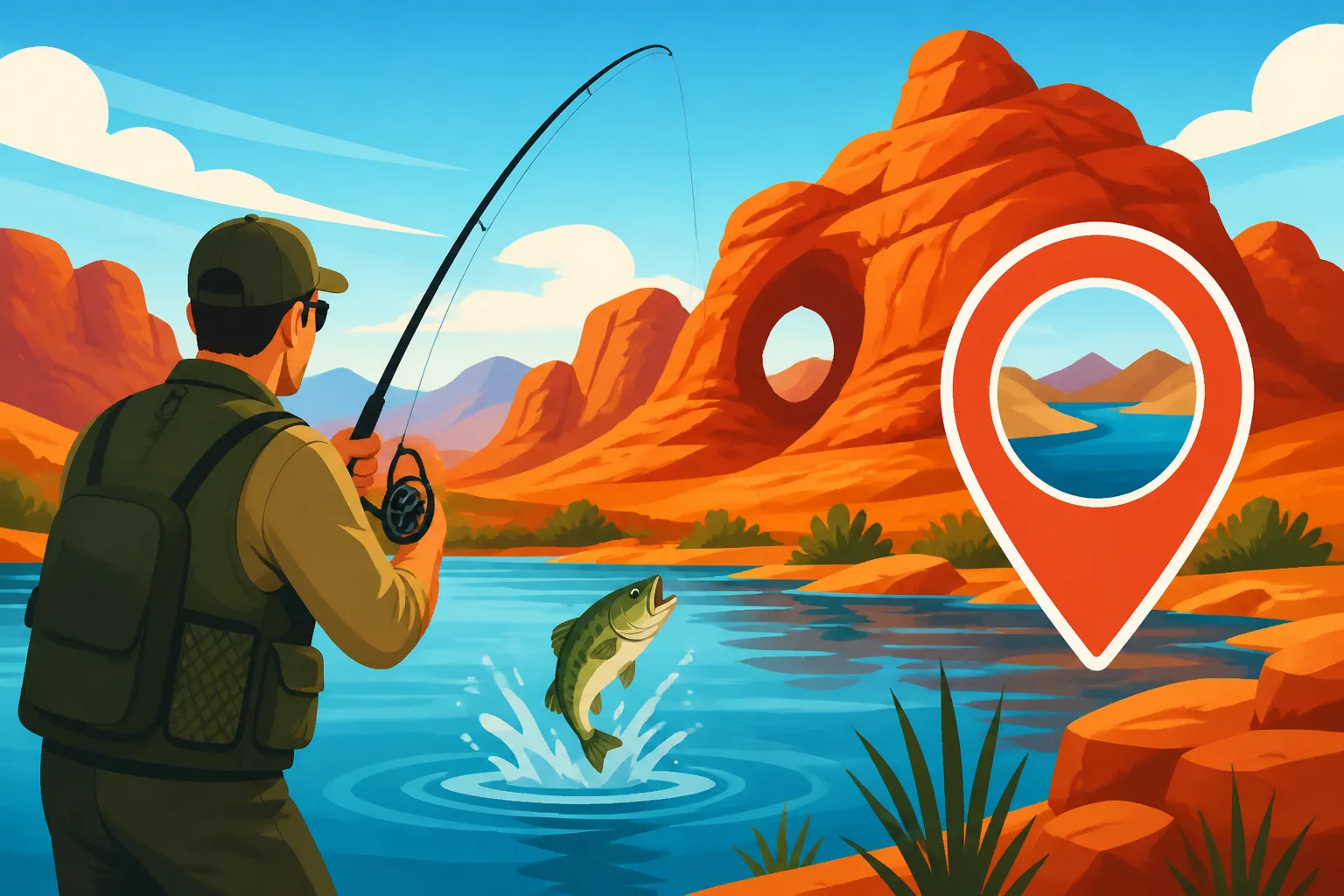
Venturing into the stunning, fiery landscapes of Valley of Fire State Park, you might not immediately think of fishing. But for many of us, a day in nature just isn't complete without casting a line. The challenge is figuring out where to find good water when you're surrounded by towering red rocks and seemingly endless desert. This guide is here to unravel that mystery, pointing you to the best, most accessible fishing spots near Valley of Fire, ensuring your visit to this incredible region can include both its iconic scenery and some relaxing time on the water.
The Grand Aquatic Neighbor: Lake Mead National Recreation Area
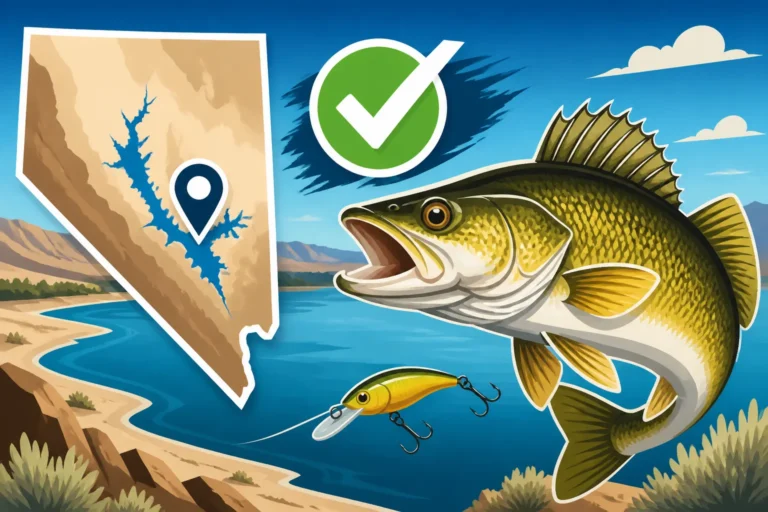
When you're looking for fishing near Valley of Fire State Park, there's really one colossal, sparkling answer that stands out: Lake Mead. This isn't just a lake; it's a massive reservoir, a true desert oasis, and a national recreation area that sprawls right up to the edges of the captivating red rock formations. It’s the closest and most viable option for anglers, offering diverse fishing opportunities despite its fluctuating water levels over the years. Don't let its size intimidate you; with a little guidance, you can pinpoint the best access points and target your desired species.
Navigating to Lake Mead's Closest Access Points
From the heart of Valley of Fire, the drive to Lake Mead is surprisingly short and scenic, usually taking less than 30 minutes, depending on which part of the park you're leaving from and your exact destination on the lake. The two most immediate access points that anglers should consider are Overton Beach and Echo Bay.
Overton Beach, historically a bustling marina, still offers shoreline access. While the marina facilities themselves might have changed due to receding water levels, the general area remains a spot where you can often find good bank fishing opportunities. Imagine standing on the shore, casting your line with the rugged McCullough Mountains in the distance—it's a unique desert fishing experience. You’ll want to scout the area for accessible points and be prepared for potentially long walks to the water's edge, depending on current conditions.
Echo Bay, slightly further south from Overton, is another prime spot. It boasts a boat ramp, though its usability depends heavily on current lake levels, so always check with the National Park Service or local bait shops before heading out with a trailer. Even if launching a large boat isn't feasible, Echo Bay often provides excellent shore fishing, especially around any remaining submerged structures or deeper channels. Both these locations are part of the vast Lake Mead National Recreation Area, which means you might encounter park fees in addition to needing your Nevada Fishing License Guide. Remember, the sheer scale of Lake Mead means that water conditions and access can vary greatly, so flexibility and a good sense of adventure are key!
The Diverse Fish Species of Lake Mead
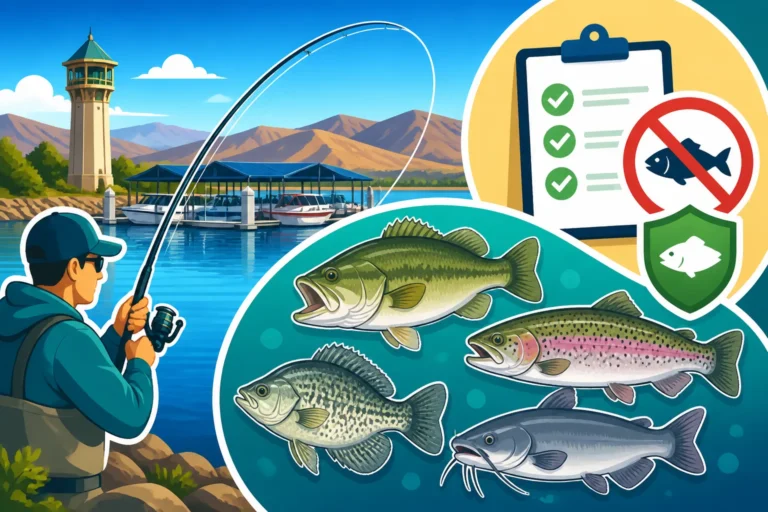
Lake Mead is a true angler's paradise when it comes to variety, especially for a desert lake. You'll find a robust population of both warm water and cool water species, making it a dynamic fishery throughout the year. The most sought-after fish here include Striped Bass, Largemouth Bass, Smallmouth Bass, and Channel Catfish, with occasional catches of Crappie and Bluegill.
Striped Bass are undoubtedly the lake's superstars. These hard-fighting fish can be found throughout the lake, often schooling in open water, chasing baitfish. Anglers frequently target them with cut anchovies, shad imitations, or by trolling crankbaits. The thrill of hooking into a powerful striper is something every angler should experience, and Lake Mead offers ample opportunities, especially around its many coves and points. You can find more specific tips and tactics for these fish in our Lake Mead Striped Bass Hotspots guide.
For the bass enthusiasts, Lake Mead holds both largemouth and smallmouth. Largemouth bass tend to prefer the shallower, brushier coves and areas with submerged vegetation (when present), while smallmouth bass are more commonly found around rocky points, ledges, and deeper clear waters. Targeting them with soft plastics, jigs, and crankbaits can be incredibly rewarding. Catfish, particularly the Channel Catfish, thrive in Lake Mead's warmer waters and are often caught closer to shore, especially during the evening hours. They're excellent table fare and provide a fun, relaxed fishing experience with simple bait setups like stink baits or chicken livers. No matter your preference, Lake Mead offers a chance to hook into some truly memorable fish.
Essential Gear and Regulations for Desert Lake Fishing
Fishing in the Nevada desert, even on a large lake like Mead, requires specific considerations for both your gear and understanding the local regulations. First and foremost, a valid How to Get a Fishing License in Nevada is absolutely essential for anyone 12 years of age or older. You can purchase these online, at many sporting goods stores, or through the Nevada Department of Wildlife (NDOW) offices. Knowing your Nevada Fishing License Cost Breakdown ahead of time helps with planning. It's also vital to be aware of the Nevada Fishing Regulations Explained, including bag limits and size restrictions, which can vary by species and even by specific areas within Lake Mead.
When it comes to gear, remember you're in a high-desert environment. Sun protection is paramount: wide-brimmed hats, sunglasses, long-sleeved UPF shirts, and plenty of sunscreen are not optional—they are absolutely necessary. Hydration is also key, so bring more water than you think you'll need. For fishing, a medium-action spinning rod paired with 8-12 lb test line is a versatile setup for most species you'll encounter. Lures like crankbaits, swimbaits, plastic worms, and jigs are great for bass and stripers, while a simple bobber and hook setup with worms or PowerBait is often all you need for catfish or panfish closer to shore. If you're considering a boat, make sure it's well-maintained and that you have all required safety equipment. You can learn more about suitable watercraft in our Best Boats for Nevada Reservoir Fishing article. Given the often vast and open nature of Lake Mead, having a robust anchor is also a smart move, especially on windy days.
Beyond the Immediate Shoreline: Exploring Lake Mead Further
While Overton Beach and Echo Bay are your closest access points from Valley of Fire, the sheer magnitude of Lake Mead means there are countless other prime fishing spots if you're willing to venture a bit further. Sometimes, the best fishing is found by exploring areas that require a bit more travel, or by getting out on the water itself.
Expanding Your Horizons: Hemenway Harbor and Government Wash
If the immediate areas around Overton aren't producing or you're looking for different amenities, extending your reach to spots like Hemenway Harbor and Government Wash can pay off. These areas are closer to Boulder City and Henderson, but still very much part of the Lake Mead ecosystem and renowned for their fishing.
Hemenway Harbor, one of Lake Mead's largest marinas, offers more developed facilities, including boat launches (again, check current water levels), shops, and even boat rentals. This spot is famous for its incredible striped bass fishing, with anglers often finding success near the marina entrance, around submerged structures, or by heading out into the main basin. The deeper waters here often hold larger schools of stripers, especially in cooler months.
Government Wash, on the other hand, is a bit more rustic but a favorite among local bass anglers. It's known for its rocky points, submerged brush, and diverse underwater structures, making it a fantastic location for both largemouth and smallmouth bass. Shore fishing here can be quite good, but having a small boat or kayak allows you to access more secluded coves and productive areas. These spots offer a different flavor of Lake Mead fishing and can be well worth the extra drive if you're staying in the Valley of Fire area for an extended period. For an even deeper dive into these locations, check out our comprehensive Lake Mead Nevada Fishing Guide.
Guided Trips and Boat Rentals for Deeper Waters
For many visitors to Valley of Fire, bringing a boat isn't practical, and navigating a vast reservoir like Lake Mead for the first time can be daunting. This is where the invaluable option of a guided fishing trip or a boat rental comes into play. If you're serious about maximizing your fishing experience and tapping into the lake's deeper, often more productive waters, these are excellent avenues to consider.
Hiring a local fishing guide is arguably the best way to ensure a successful and enjoyable day on Lake Mead, especially if you're unfamiliar with the area or targeting specific species like trophy striped bass. These professional guides know the lake like the back of their hand, constantly tracking fish movements, understanding the best techniques for current conditions, and often having specialized equipment. They can take you directly to the hot spots, provide all the necessary gear, and teach you the tricks of the trade. If you're looking for a hassle-free experience, especially on a vast lake like Mead, considering a guided fishing trip is a fantastic option. Services like FishingBooker can help you find local charters and experienced guides who know the best spots and techniques for different species on Lake Mead. A reputable guide found through platforms like FishingBooker will not only put you on fish but also ensure you're fishing legally and safely.
Alternatively, if you prefer to captain your own adventure, several marinas around Lake Mead, including those closer to Las Vegas, offer boat rentals. From small fishing skiffs to pontoon boats, you can rent a vessel for a half or full day. This gives you the freedom to explore at your own pace. Just remember to familiarize yourself with boating safety regulations and always keep an eye on weather conditions, as Lake Mead can get rough quickly. Utilizing resources like FishingBooker can also sometimes provide options for self-guided rentals or connect you with local outfitters.
Practical Tips for a Successful Desert Fishing Trip
Fishing near Valley of Fire means embracing the unique challenges and rewards of a desert environment. A little preparation and local insight can go a long way in ensuring your trip is both enjoyable and successful.
Best Times to Fish Near Valley of Fire
Understanding the best times to hit the water is crucial, especially in the desert heat. While Lake Mead is fishable year-round, certain seasons and times of day offer significantly better chances for success.
Spring (March-May) and Fall (September-November) are generally considered the prime seasons for fishing on Lake Mead. During these months, water temperatures are moderate, and fish like bass and stripers are highly active, often moving into shallower waters to feed or spawn. The weather is also much more pleasant for anglers. Our Best Time of Year to Fish in Nevada guide can give you a more detailed seasonal breakdown.
Summer (June-August) can be productive, but it requires an early start or late finish. The midday heat is brutal, pushing most fish into deeper, cooler waters. Fishing from dawn until mid-morning and then again from late afternoon into the evening (or even night) will yield the best results. Night fishing for catfish and even stripers can be particularly exciting during the summer months. Check out our Summer Fishing Techniques for Hot Desert Lakes for specific strategies.
Winter (December-February) fishing can be surprisingly good, especially for striped bass and even some trout that are stocked in specific areas or come down from tributary rivers. The key is to fish on warmer, sunny days and target deeper structures. Always check local forecasts, as desert winters can bring unexpected cold fronts.
| Season | Best Target Species | Optimal Time of Day | Key Considerations |
|---|---|---|---|
| Spring | Bass (Largemouth, Smallmouth), Striped Bass | Early Morning, Late Afternoon | Active fish, comfortable weather, potential spawn. |
| Summer | Striped Bass, Catfish | Dawn, Dusk, Night | Extreme heat, fish go deep during midday, hydration. |
| Fall | Bass, Striped Bass, Crappie | Early Morning, Midday, Late Afternoon | Aggressive feeding before winter, pleasant weather. |
| Winter | Striped Bass, Catfish | Midday (Warmer days) | Fish hold in deeper water, slower bite, few crowds. |
Licenses, Permits, and Safety First
We've touched on this, but it bears repeating: your Nevada fishing license is non-negotiable. Make sure it's current and readily accessible, as game wardens do patrol Lake Mead. If you're heading out to Lake Mead National Recreation Area, be aware that there might be entrance fees for the park itself. These are separate from your fishing license.
Safety in the desert environment cannot be overstated. Beyond sun protection and hydration, consider these points:
- Tell someone your plans: Let a friend or family member know where you're going and when you expect to return. Cell service can be spotty in remote areas.
- Check the weather: Desert storms can form quickly, bringing high winds, lightning, and flash floods in washes. Conversely, extreme heat can lead to heatstroke.
- Footwear: Sturdy, closed-toe shoes are a must, especially if you're walking along rocky or uneven shorelines. Rattlesnakes are present in the area, so watch your step.
- Boat Safety: If you're using a boat, ensure all safety equipment (life jackets, throwable device, horn, fire extinguisher) is on board and in good working order. Understand the rules for Nevada Boat Registration and Titling Guide.
Always err on the side of caution. No fish is worth risking your safety.
Leveraging Local Knowledge and Resources
One of the greatest advantages you can have on any fishing trip is tapping into local knowledge. Before you even leave for Valley of Fire, a quick call or visit to a local bait and tackle shop in towns like Overton, Logandale, or even on your way through Las Vegas, can provide invaluable, up-to-the-minute information on where the fish are biting, what baits or lures are working, and current lake conditions. These folks live and breathe local fishing, and their insights are often more accurate than anything you'll find online.
The Nevada Department of Wildlife (NDOW) website is another fantastic resource, offering stocking schedules (for other lakes, not typically Mead's main species), regulation updates, and general information about Nevada's fisheries. They also publish annual fishing guides that are packed with useful maps and rules.
And again, consider a guide. If you're feeling overwhelmed by the sheer size of Lake Mead or want to make the most of a limited timeframe, a local fishing guide is an exceptional investment. They provide equipment, expertise, and often a truly memorable experience. Many anglers also find immense value in hiring a local guide, especially through platforms like FishingBooker, who can provide real-time insights into fish behavior and prime locations. Booking a trip through a service like FishingBooker ensures you’re getting an experienced, licensed professional who can show you the ropes and the best spots around Lake Mead. Even if you only go with a guide once, the knowledge you gain can make your future self-guided trips far more successful.
Disclaimer
Please be aware that fishing conditions, regulations, and water levels can change rapidly. Always consult the latest regulations from the Nevada Department of Wildlife (NDOW) and check current conditions with local authorities or bait shops before planning your trip. Fishing in Lake Mead National Recreation Area may also be subject to National Park Service fees and specific rules.