Best fishing lake in the Ruby Mountains
Finding that truly exceptional fishing spot, especially hidden away in Nevada's majestic mountains, can feel like a quest for a mythical treasure. Many anglers get frustrated trying to decipher vague maps or outdated reports, yearning for specific, actionable advice on where to cast their line for an unforgettable experience. This guide cuts through the noise, revealing the undisputed gem for fishing in the Ruby Mountains and providing you with all the insider details you need to plan a successful and rewarding high-elevation angling adventure.
Lamoille Lake: The Crown Jewel of Ruby Mountain Angling
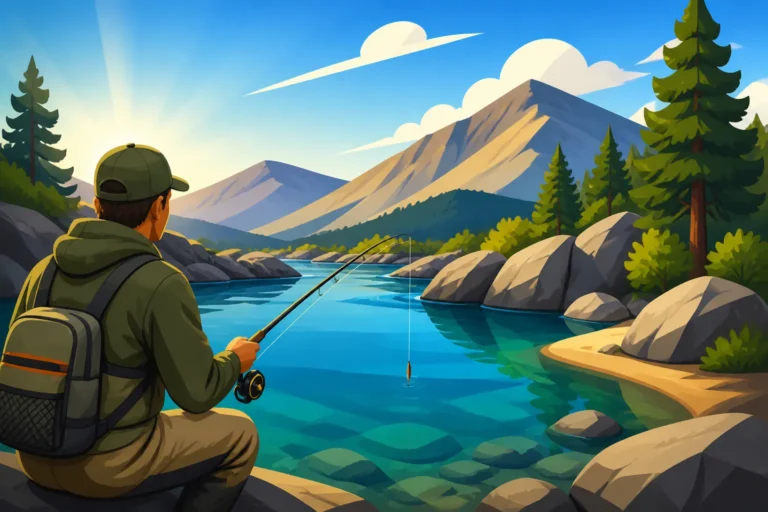
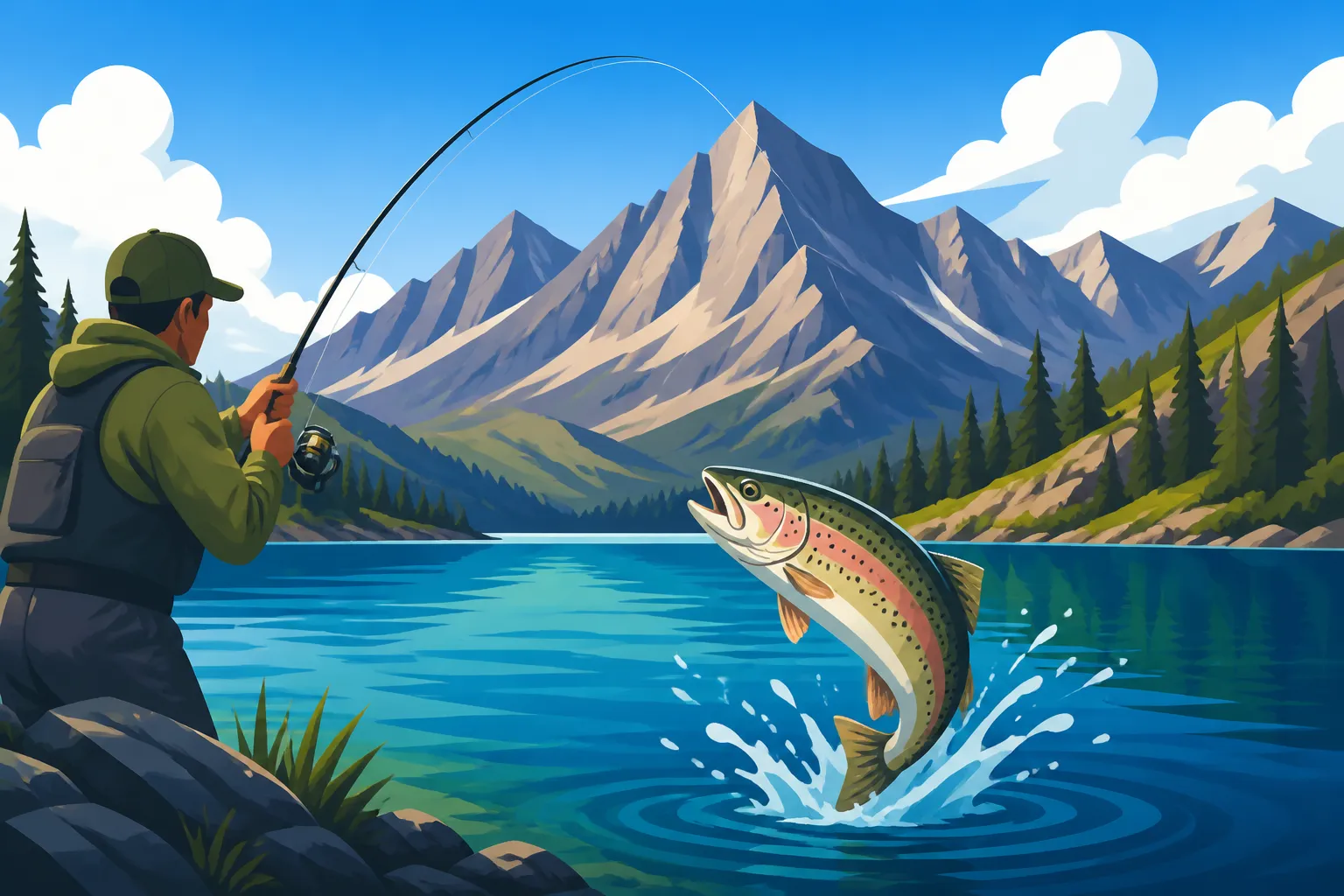
When it comes to the best fishing lake in the stunning Ruby Mountains, one name consistently rises above the rest: Lamoille Lake. Nestled high in Lamoille Canyon, this alpine masterpiece offers more than just incredible fishing; it provides an entire wilderness experience that will leave you breathless, both from the altitude and the sheer beauty. It's not the easiest place to reach, but the effort involved is precisely what preserves its pristine character and makes every cast feel like a privilege.
Why Lamoille Lake Shines Bright
What truly sets Lamoille Lake apart is its unique combination of accessibility (for an alpine lake), the quality of its fishery, and the jaw-dropping scenery that surrounds it. You're not just going fishing; you're immersing yourself in an untouched ecosystem where rugged granite peaks pierce the sky, wildflowers carpet meadows, and the air is crisp with the scent of pine.
The lake itself is home to thriving populations of Lahontan Cutthroat Trout and, in some seasons, Rainbow Trout. These aren't your average stocked pond fish; these are robust, feisty mountain trout that fight hard in the cold, clear water. The Lahontan Cutthroat, in particular, is a species deeply ingrained in Nevada's natural history, and catching one in its native high-mountain habitat is a truly special moment. The clear waters of Lamoille Lake allow you to often spot the fish cruising the rocky ledges or rising to feed, adding an extra layer of excitement to the pursuit. While the hike in can be challenging, clocking in at around three miles with significant elevation gain, the reward of solitude, stunning vistas, and excellent fishing makes every step worthwhile. Many anglers find the peace and quiet, far from the bustling crowds of more accessible lakes, to be just as valuable as the fish they catch.
Navigating the Trail to Lamoille Lake
Getting to Lamoille Lake is half the adventure. Your journey begins by driving the scenic Lamoille Canyon Scenic Byway, a truly spectacular road that winds its way up into the heart of the Ruby Mountains, offering panoramic views and frequent wildlife sightings. This paved road makes the initial approach incredibly easy, but don't let that fool you into thinking the rest will be a breeze.
The actual trailhead for Lamoille Lake, often called the Ruby Crest Trailhead, is located at the very end of the Lamoille Canyon Scenic Byway, just past the Terraces Picnic Area. From here, you'll embark on a well-maintained but definitely uphill trail. The hike to Lamoille Lake is roughly 3 miles one-way, with an elevation gain of around 1,500 feet, taking you to an elevation of approximately 9,700 feet. It's considered a moderate to strenuous hike, depending on your fitness level and how much gear you're carrying. You'll pass through shaded forests, open meadows, and traverse rocky sections. It's not uncommon to encounter deer, marmots, and a variety of birds along the way. Be sure to carry plenty of water, as the high altitude and physical exertion will dehydrate you quickly. The best season for accessing the lake is typically from late June or early July, after the majority of the snow has melted, through September or early October, before significant snowfalls close the higher elevations. Always check local trail conditions with the Humboldt-Toiyabe National Forest office before heading out, as weather can change rapidly in the mountains.
Mastering the Waters of Lamoille Lake
Once you've made the trek to Lamoille Lake, the real fun begins. Fishing in such an environment requires a slightly different approach than your typical lowland lake. The clear, cold water and the specific feeding habits of alpine trout mean that stealth and presentation are often key to success.
Targeted Species and Their Habits
Lamoille Lake is primarily known for its Lahontan Cutthroat Trout in Nevada and robust populations of Rainbow Trout. These fish thrive in the cold, oxygen-rich waters and tend to be opportunistic feeders. In the early morning and late evening, especially during summer, you'll often see them rising to the surface to snatch insects. During the brighter parts of the day, they'll typically retreat to deeper waters, near drop-offs, submerged rocks, or ledges, where they feel secure and can ambush smaller prey.
Lahontan Cutthroat Trout are particularly revered for their beauty and fighting spirit. They're characterized by their distinctive red or orange "cutthroat" markings under their jaw. It's crucial to handle these native fish with care, especially if you plan on releasing them, to ensure their continued health. Respecting their fragile ecosystem is part of the privilege of fishing here. Rainbows, equally beautiful, are often a bit more aggressive and can provide consistent action throughout the day. Understanding where these fish hold at different times and how they react to presentations is essential for a successful day.
Effective Techniques and Tackle for Alpine Trout
For spinning anglers, light tackle is your best friend at Lamoille Lake. A 5 to 6-foot ultralight or light action rod paired with a small spinning reel spooled with 4-6 lb test monofilament or fluorocarbon line is ideal. Small inline spinners (like Panther Martins, Mepps, or Rooster Tails in sizes #0 to #2) in silver, gold, or black are incredibly effective. Small spoons, such as Kastmasters or Little Cleos (1/8 oz to 1/4 oz), also work wonders, especially when cast towards deeper water and retrieved with a jigging motion. Many anglers also find success with PowerBait or worms fished under a small bobber or on a light Carolina rig setup, cast near the shore or over submerged structure. When fishing with bait, adjust your depth until you find where the fish are holding.
Fly fishing at Lamoille Lake can be incredibly rewarding, though it often requires a bit more finesse. A 3-weight to 5-weight fly rod is perfect, allowing for delicate presentations. During hatches, dry flies like Parachute Adams, Elk Hair Caddis, or small Tricos can be deadly. When fish aren't rising, nymphs such as Prince Nymphs, Hare's Ear Nymphs, or Copper Johns fished under an indicator or with a Euro-nymphing technique can entice bites. Streamers like Woolly Buggers (black or olive) or small sculpins are excellent for prospecting deeper water and targeting larger fish. Remember that the water is exceptionally clear, so a longer leader and lighter tippet (5x to 7x) will often increase your success. For more general insights into How to Fish for Trout in Nevada or specialized advice on Fly Fishing in Nevada, be sure to explore those resources.
| Technique/Bait | Target Species | Best Conditions | Key Tips |
|---|---|---|---|
| Small Inline Spinners | Rainbow, Cutthroat | All conditions | Vary retrieve speed, cast near structure |
| Small Spoons | Rainbow, Cutthroat | Deeper water, sunny days | Jigging retrieve, let it flutter |
| PowerBait/Worms | Stocked Rainbow, Cutthroat | Slow periods, bank fishing | Adjust depth, use light leader |
| Dry Flies | Rainbow, Cutthroat | Hatches, calm surface | Delicate presentation, match the hatch |
| Nymphs/Streamers | Rainbow, Cutthroat | Subsurface, active feeders | Fish near structure, vary retrieve |
Beyond Lamoille: Exploring Other Ruby Mountain Gems
While Lamoille Lake is undoubtedly a highlight, the Ruby Mountains are a treasure trove of high-alpine fishing opportunities. For those willing to hike a bit further or explore different drainages, there are numerous other lakes and streams that offer unique angling experiences, often with even more solitude.
The Dollar Lakes and Beyond
Just a short, but still uphill, hike past Lamoille Lake, you'll find the picturesque Dollar Lakes. These two smaller lakes (Upper and Lower Dollar Lake) are often less crowded than Lamoille and hold healthy populations of trout, including Brook Trout, Rainbows, and Cutthroat. They offer a slightly different character, with shallower sections and more prominent weed beds in some areas, which can be fantastic for stalking cruising fish with dry flies or small spinners. The hike continues along the Ruby Crest Trail, leading to even more remote and breathtaking destinations like Liberty Lake, Favre Lake, and the stunning Island Lake. Each of these lakes presents its own challenges and rewards, often with even larger, wilder trout for the determined angler. A trip to Island Lake, for instance, is a serious endeavor, usually involving an overnight stay, but the fishing for large, native cutthroat can be phenomenal. Exploring these further-flung lakes truly embodies the spirit of wilderness angling. For a broader look at prime trout destinations, check out our guide on the Best Nevada Trout Lakes.
River and Stream Fishing Opportunities
Don't overlook the smaller veins of water crisscrossing the Ruby Mountains. The creeks and streams that feed these alpine lakes, such as Lamoille Creek itself as it flows down the canyon, offer fantastic opportunities for fly fishing with smaller gear. These waters typically hold wild, smaller trout – primarily Brook Trout and Rainbow Trout – that are incredibly eager to take a well-presented dry fly or small nymph. Fishing these streams is a more intimate experience, often requiring a "stalk and cast" approach, moving carefully through dense vegetation to reach prime pockets and runs. The fish might not be huge, but their vibrant colors and aggressive strikes in such pristine environments make for incredibly rewarding fishing. Always consult the Nevada Fishing Regulations Explained for specific rules on stream fishing, as some areas may have special restrictions on bait or gear. Pay attention to seasonal changes, as trout activity in streams can vary significantly; our Nevada Trout Season Dates guide can offer more specific timing.
Essential Preparations for Your Ruby Mountains Fishing Trip
A successful trip to the Ruby Mountains, especially for fishing, isn't just about knowing where to go; it's about being prepared for the unique challenges of high-altitude wilderness. A little planning goes a long way in ensuring a safe and enjoyable experience.
Gear Up for High-Altitude Success
Packing smart is critical for a Ruby Mountain fishing trip. Your gear checklist should go beyond just fishing tackle.
First, hiking essentials: Sturdy hiking boots are non-negotiable. Layered clothing is crucial, as mountain weather can shift dramatically from warm sunshine to cold rain or even snow, even in summer. A waterproof and windproof outer shell is a must. A good quality backpack to carry your gear, food, and water is essential. Don't forget navigation tools – a map, compass, or a reliable GPS device, as cell service is non-existent in much of the canyon. A first-aid kit, headlamp, and fire starter are also prudent safety items.
For your fishing gear, think light and compact. A collapsible rod, a small tackle box with essential lures/flies, extra line, and pliers are key. If you're planning on a guided trip or want to explore various options and gear before heading out, platforms like FishingBooker can sometimes help connect you with local experts who can advise on specific gear rentals or purchases. Consider investing in a high-quality fishing vest or chest pack to keep your essentials organized and easily accessible. Sun protection is paramount at high altitudes, so a wide-brimmed hat, sunglasses, and strong sunscreen should always be in your pack. Hydration is also incredibly important; carry more water than you think you'll need, or bring a water filter for refills from streams. For a more general overview of what to bring, our Nevada Fishing Gear Essentials article covers the basics, and if you're looking for new equipment, we also have recommendations for the Best Fishing Rods for Nevada Lakes.
Understanding Regulations and Responsible Angling
Before you even tie a knot, make sure you're compliant with all Nevada Department of Wildlife (NDOW) regulations. You will absolutely need a valid Nevada Fishing License Guide, which can be purchased online, at NDOW offices, or various sporting goods stores across the state. In some areas, special regulations may apply, such as Nevada Barbless Hook and Bait Rules for certain sensitive trout populations or specific limits on native species. Always consult the current NDOW Fishing Regulations booklet for the Western Region, which covers the Ruby Mountains, before your trip. This information is usually available at tackle shops or on the NDOW website.
Responsible angling goes beyond just legal compliance. The Ruby Mountains are a pristine wilderness, and it's up to every visitor to help keep them that way. Practice "Leave No Trace" principles: pack out everything you pack in, including all trash and fishing line. If you're practicing catch and release, especially with Lahontan Cutthroat, handle the fish as little as possible, keep them in the water, and release them quickly. Barbless hooks minimize harm and make releasing fish much easier. Being a good steward of these incredible resources ensures that future generations can also enjoy the magic of fishing in the Ruby Mountains. If you're unsure about any specific rules or want local advice on responsible angling in this unique area, platforms like FishingBooker can sometimes connect you with experienced local guides who adhere strictly to conservation practices.
Nevada Ruby Mountains High-Alpine Lake Comparison
For those looking to compare Lamoille Lake with another nearby Ruby Mountain fishing destination, here's a quick overview of some key characteristics:
| Feature | Lamoille Lake | Upper Dollar Lake |
|---|---|---|
| Location | Ruby Mountains, Lamoille Canyon | Ruby Mountains, just above Lamoille Lake |
| Elevation | Approx. 9,700 feet | Approx. 9,900 feet |
| Primary Access | Lamoille Canyon Trailhead, ~3 mile hike | Lamoille Canyon Trailhead, ~3.5 mile hike |
| Hike Difficulty | Moderate to Strenuous | Strenuous (slightly more elevation gain) |
| Target Species | Lahontan Cutthroat, Rainbow Trout | Brook Trout, Rainbow Trout, Cutthroat |
| Water Clarity | Very clear | Very clear |
| Crowd Level | Popular, but less crowded than lowland lakes | Less crowded than Lamoille Lake |
| Scenery | Spectacular alpine views | Equally spectacular, more secluded feel |
| Best Techniques | Spin, Fly (dry, nymph, streamer), bait | Fly (dry, nymph), small spinners |
This table highlights that while Lamoille Lake is the undisputed star, its neighbors like Upper Dollar Lake offer excellent alternatives for those seeking a slightly more secluded experience, often with a different mix of trout species. No matter which lake you choose, the Ruby Mountains promise a fishing adventure unlike any other in Nevada.
Disclaimer
Please remember that fishing conditions, regulations, and access can change. Always check the latest Nevada Department of Wildlife (NDOW) regulations and local weather and trail conditions before planning any fishing trip. Safety in the backcountry is paramount, and preparation is key to a successful and enjoyable experience.