Spring Trout Stocking in Nevada
It's a familiar feeling for many anglers in Nevada: the spring air warms up, the ice melts off the higher lakes, and you know trout stocking is happening, but pinpointing when and where those fresh fish are released can feel like a game of hide-and-seek. This guide is here to end that frustration, providing you with a comprehensive look at spring trout stocking across the Silver State, how to find the critical information, and the best ways to capitalize on these exciting fishing opportunities.
The Significance of Spring Trout Stocking in Nevada
Spring isn't just a beautiful time of year in Nevada; it's a critical period for trout fishing, largely thanks to the strategic stocking efforts by the Nevada Department of Wildlife (NDOW). This season breathes new life into many waters, offering fantastic chances to catch vibrant, eager trout.
Why Spring is Prime Time for Trout
After the long, cold winter, spring ushers in warmer temperatures, melting snowpack, and a general awakening of the aquatic world. For trout, this means more active metabolism and a renewed appetite. When NDOW releases thousands of hatchery-raised trout into various lakes, reservoirs, and urban ponds, these fish are often disoriented but very hungry, making them highly receptive to anglers' offerings. The milder weather also makes for a much more comfortable fishing experience compared to the extreme heat of a Nevada summer or the freezing conditions of winter. You won't be battling scorching sun or numb fingers, allowing for a more enjoyable day on the water, whether you're a seasoned pro or just starting out.
This seasonal shift provides a welcome change for anglers. Unlike the dog days of summer where trout retreat to deeper, cooler waters and become more lethargic, spring trout are often found closer to the surface and in shallower coves, actively cruising for food. It’s also often less crowded than peak summer fishing, offering a more serene experience before the summer recreationalists take over.
NDOW's Role in Maintaining Healthy Fisheries
The Nevada Department of Wildlife (NDOW) plays an indispensable role in ensuring that Nevada's waters remain vibrant and productive for anglers. Through their dedicated hatchery programs, NDOW annually raises and stocks hundreds of thousands of trout, predominantly Rainbow Trout, into various locations throughout the state. These stocking efforts aren't just about putting fish in the water; they're a carefully managed part of a larger conservation strategy. NDOW biologists study water conditions, fish populations, and angler demand to determine the best species, sizes, and locations for stocking. While Rainbow Trout are the most common, some waters may also receive Brown Trout or even unique hybrids depending on the specific fishery management goals. If you're curious about the diverse array of species thriving in Nevada's waters, explore our detailed Nevada Fish Species Guide. This proactive management ensures that even in waters where natural reproduction might be limited, there are still ample opportunities for a rewarding fishing experience.
These hatcheries are marvels of aquatic engineering, designed to raise healthy, robust fish that have a good chance of survival after release. From fry to catchable-sized trout, each stage of development is carefully monitored. The goal is not only to provide immediate fishing opportunities but also to sustain a recreational resource that can be enjoyed for generations.
Economic and Recreational Impact
The impact of NDOW's spring trout stocking program extends far beyond just catching fish. It's a significant driver for local economies, especially in smaller, rural communities near popular fishing destinations. When anglers travel to fish stocked waters, they often spend money on gas, food, lodging, and, of course, fishing tackle. Local bait and tackle shops see a surge in business, selling everything from PowerBait and worms to new fishing lines and nets. This influx of activity supports jobs and businesses, turning a recreational pastime into a valuable economic engine for the state.
From a recreational standpoint, spring stocking is a huge win for families and novice anglers. The higher catch rates immediately after stocking provide an exciting and encouraging experience for kids, often sparking a lifelong passion for fishing. It makes fishing accessible to everyone, regardless of skill level, offering a chance to connect with nature and create lasting memories. For many, it's a cherished annual tradition, a sign that winter is truly over and the outdoor season has officially begun.
Deciphering the Nevada Trout Stocking Schedule
One of the biggest challenges for anglers eager to hit the stocked waters is knowing when the fish are actually going in. NDOW's stocking schedule isn't always set in stone months in advance, and it can fluctuate based on a number of factors. However, knowing where to look and what to look for can give you a significant advantage.
Where to Find the Latest Stocking Reports
The absolute best and most official source for up-to-date trout stocking information in Nevada is the Nevada Department of Wildlife's official website. They typically maintain a frequently updated Nevada Trout Stocking Schedule that lists recent and upcoming stocking events by region and waterbody. You can usually find details on the species stocked, the number of fish, and the date of release. Beyond their website, NDOW often utilizes social media channels like Facebook and Twitter to announce stocking events, sometimes even with photos or videos. Following these accounts can give you real-time alerts.
While the official sources are crucial, don't underestimate the power of local knowledge. Your local bait and tackle shops are often privy to stocking information, sometimes even before it hits the NDOW website. Their staff talks directly with NDOW personnel and other anglers, so a quick phone call or visit can yield invaluable insights. Online fishing forums and local angling groups on social media are also great places to check, as passionate anglers often share recent reports and observations. Just remember to verify information from unofficial sources against NDOW's official reports when possible.
Understanding Stocking Frequencies and Amounts
Not all waters are stocked equally, and understanding the patterns can help you plan your trips more effectively. Generally, high-traffic urban ponds, especially those designed for family fishing, receive the most frequent stockings, often on a weekly or bi-weekly basis throughout the spring. These smaller, accessible waters are designed to provide consistent opportunities. Larger reservoirs and lakes might receive fewer, but larger, stockings. For instance, a popular reservoir might get a massive infusion of trout once a month, whereas a small community pond could see smaller batches of fish every week.
Several factors influence these frequencies and amounts. Hatchery production capabilities play a significant role; NDOW can only raise so many fish at a time. Weather conditions can also impact schedules; heavy storms, unsafe ice conditions (early spring), or unexpected water level fluctuations might delay or alter planned stockings. Even the health of the fish themselves can cause adjustments. NDOW prioritizes the well-being of the fish, so if conditions aren't optimal for transport and release, they'll adjust the schedule accordingly. Being aware of these variables helps manage expectations and stay flexible with your fishing plans.
Predicting "Hot Zones" Post-Stocking
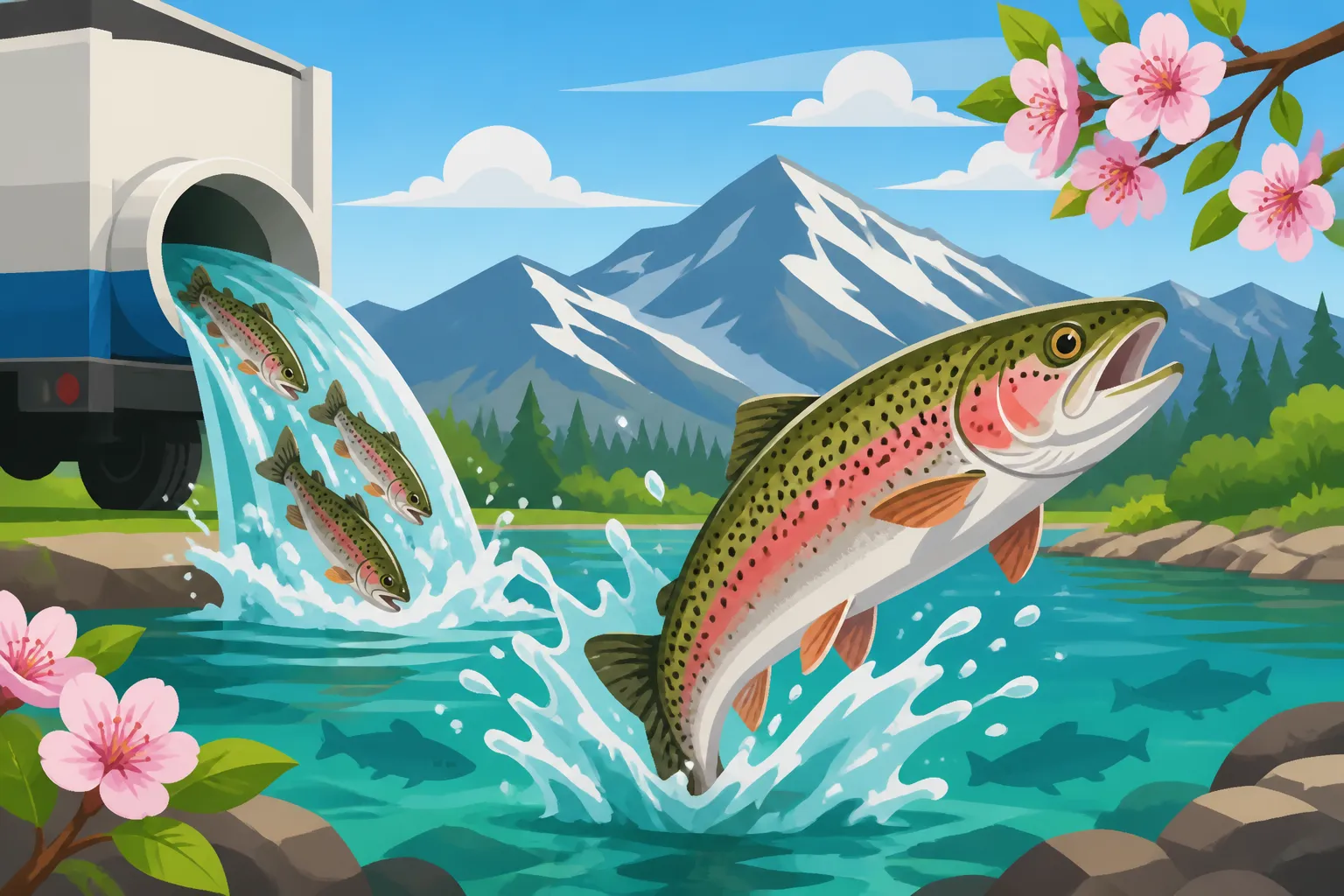
When thousands of hatchery trout are introduced into a new environment, they often behave predictably, at least initially. These fish have spent their lives in concrete raceways, so a large, open lake or pond is a significant change. For the first few days, they tend to stay relatively close to where they were released. This means boat ramps, easy shoreline access points, and areas near inflow pipes are often "hot zones" immediately after a stocking. These areas provide the easiest transition from truck to water, and the fish will mill around there, disoriented but actively looking for food.
As the days progress, the stocked trout will begin to disperse and explore their new surroundings. They'll start seeking cover – submerged brush, rock piles, drop-offs, or areas with aquatic vegetation – and more natural food sources. However, they will still remember their hatchery diet, making baits like PowerBait and salmon eggs extremely effective even a week or two post-stocking. For a more detailed look at the seasonal movements and feeding habits of various species, you might find our guide on the Best Time of Year to Fish in Nevada useful. Observing other anglers and noting where they're catching fish can also be a strong indicator of where the trout have congregated. Don't be afraid to move around and cover different areas until you find an active school.
Top Nevada Waters for Spring Trout Stocking
Nevada's diverse landscape offers a variety of fishing experiences, and spring trout stocking highlights some key locations that every angler should know. From easily accessible urban ponds to expansive reservoirs, there's a spot for every preference and skill level.
Urban Ponds: Accessible Angling for Everyone
For many families and those new to fishing, Nevada's urban ponds are absolute treasures during the spring stocking season. These ponds, often located within city parks, are regularly stocked with catchable-sized Rainbow Trout, providing consistent action and easy access. In the Las Vegas area, popular spots include Floyd Lamb Park, Lorenzi Park, and Sunset Park. These ponds are specifically managed to provide high-yield fishing experiences, making them ideal for a quick outing or introducing kids to the sport. The Nevada Urban Pond Fishing Rules are generally geared towards maximizing accessibility and enjoyment, often with amenities like paved paths, restrooms, and picnic areas.
Similarly, in northern Nevada, areas around Reno might have smaller community ponds that receive regular trout plants. These spots are fantastic because they offer a safe, convenient environment where you don't need a boat or specialized gear. A simple spinning rod, some PowerBait, and a folding chair are often all you need for a successful day. The frequent stocking ensures that even if you don't hit it right after a plant, there's a good chance fresh fish are still swimming around, eager to bite.
Popular Reservoirs and Lakes
Beyond the urban ponds, several larger lakes and reservoirs across Nevada become prime spring trout destinations after stocking. These waters offer more expansive fishing grounds and the potential for larger "holdover" trout alongside the newly released fish. Wildhorse Reservoir in northeastern Nevada is a consistent producer, often stocked with Rainbow Trout and sometimes even Tiger Trout. Its vast size allows for both shore fishing and boating, and the spring can see excellent action. Topaz Lake, straddling the Nevada-California border south of Gardnerville, is another popular choice, receiving significant trout stockings in spring. Rye Patch Reservoir, though more known for warm-water species, also gets trout plants.
In Eastern Nevada, gems like Cave Lake State Park near Ely, Echo Canyon Reservoir, and Comins Lake are also popular choices for spring trout stocking. These larger bodies of water provide a more traditional angling experience, with opportunities for trolling, casting from shore, or even float tube fishing. While they might not be stocked as frequently as urban ponds, the sheer volume of fish released, combined with the chance to hook into a holdover, makes them incredibly rewarding. For a broader overview of Nevada's angling hot spots, check out our Best Places to Fish in Nevada guide.
Rivers and Streams: Wild vs. Stocked Sections
Nevada also has a network of rivers and streams, some of which benefit from spring trout stocking, while others are managed for wild trout populations. The Truckee River, especially sections closer to Reno and Sparks, sees some stocking, particularly with Rainbow Trout. However, the upper Truckee also boasts a strong wild Brown Trout population, requiring different techniques. The East Walker River, particularly the section near the California border, is renowned for both its wild and stocked trout, offering a fantastic fly fishing experience during spring.
It's crucial to understand that not all river and stream sections are stocked. Many higher elevation streams and remote headwaters are managed for wild trout, often with stricter regulations to protect these naturally reproducing populations. Lower, more accessible river sections or those prone to higher angler pressure are more likely candidates for supplemental stocking. Always consult the specific regulations for the particular river or stream section you plan to fish, as rules can vary greatly. Our Nevada Fishing Regulations Explained guide is an excellent resource for understanding these nuances, ensuring you stay compliant and respectful of these delicate ecosystems.
Effective Techniques for Catching Stocked Spring Trout
Catching recently stocked trout doesn't require advanced skills or specialized equipment, but a few proven techniques will significantly increase your success rate. These fish are often eager biters, and understanding their preferences will give you the edge.
Bait Fishing: The Go-To for Stocked Trout
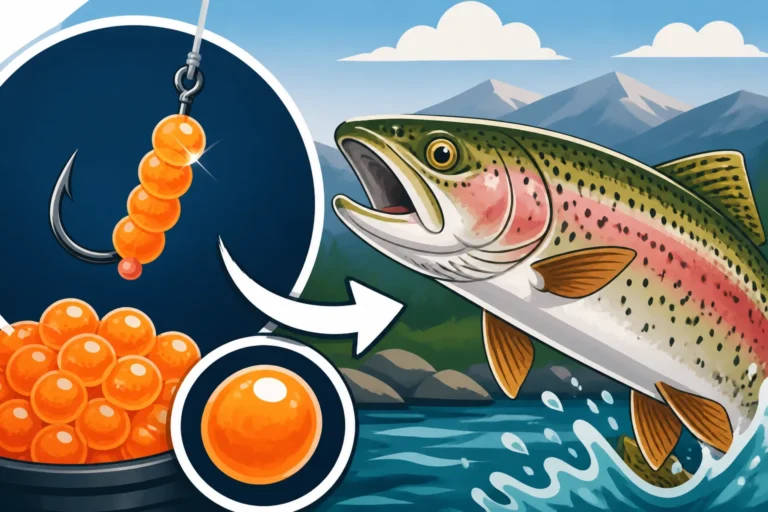
For many anglers, especially those targeting newly stocked trout, bait fishing is the undisputed champion. These hatchery-raised fish are accustomed to a pellet-based diet, so colorful, scented baits that resemble their familiar food are incredibly effective. PowerBait, in various forms like dough or nuggets, is a perennial favorite, with popular colors including chartreuse, rainbow, and salmon peach. Just pinch off a small amount and mold it around a tiny treble or single hook, ensuring it floats just off the bottom. Salmon eggs, whether natural or artificially scented, are also highly effective, particularly for those trout that have been recently introduced. A small cluster of salmon eggs on a size 10 or 12 hook can be irresistible.
Nightcrawlers, either whole or cut into pieces, are another classic option that appeals to a trout's natural foraging instincts. Rig them on a small hook with a slip sinker to allow the bait to drift naturally on the bottom, or use a bobber setup in shallower areas to suspend the bait. The key to successful bait fishing for stocked trout is to use light line (2-4 lb test), small hooks, and minimal weight to present the bait as naturally as possible. If you want to dive deeper into bait options, our guide on the Best Bait for Nevada Trout has even more detailed recommendations.
Lure Fishing: Active Angling for Aggressive Biters
While bait fishing is passive, lure fishing offers a more active and engaging way to target spring trout, often attracting more aggressive fish. Small spinners are incredibly effective, with brands like Mepps, Panther Martin, and Rooster Tail being consistent performers. Their flashing blades and vibrating action mimic small baitfish or insects, triggering a predatory response. Common colors like silver, gold, brass, and firetiger are excellent starting points. Retrieve them at a steady, slow to medium pace, allowing the blade to spin freely. You can find a great selection of these on Amazon, often with quick delivery to get you on the water faster.
Spoons, such as the Kastmaster or Little Cleo, are another excellent choice, especially for casting longer distances or reaching deeper water. Their wobbling action on the retrieve or flutter on the fall can entice strikes. Vary your retrieve speed and add pauses to find out what the fish prefer on any given day. Small jigs, like marabou jigs or those with grub tails, can also be deadly, especially when fished under a bobber or retrieved slowly with a twitching motion. For those interested in catching other species, you might be surprised to find that many of these same lure types are also effective when learning How to Fish for Bass in Nevada, making them versatile additions to your tackle box.
Fly Fishing for Recently Stocked Trout
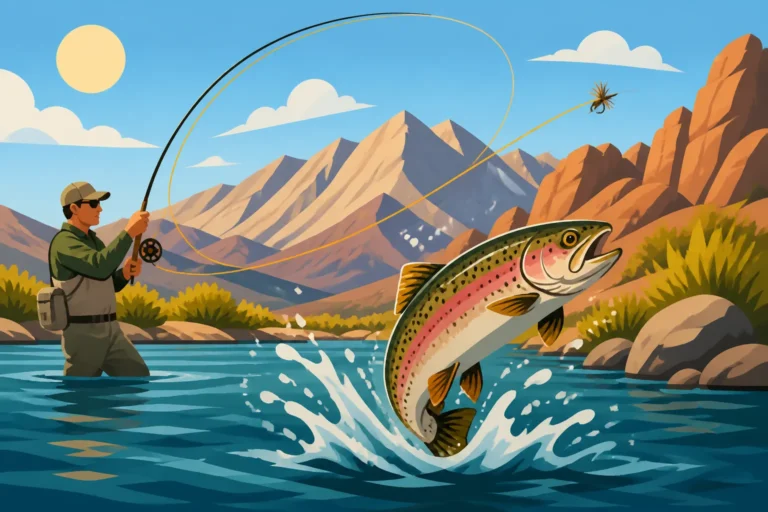
Fly fishing for newly stocked trout can be a bit different than targeting wild, wary fish, but it can be incredibly rewarding. Since these fish are often less selective, attractor patterns tend to work well. Woolly Buggers in black, olive, or brown, fished with a slow strip, can be highly effective, mimicking leeches or baitfish. San Juan Worms or Squirmy Wormies, which imitate small aquatic worms, are also excellent choices, as they represent a readily available food source that stocked trout will often grab without hesitation.
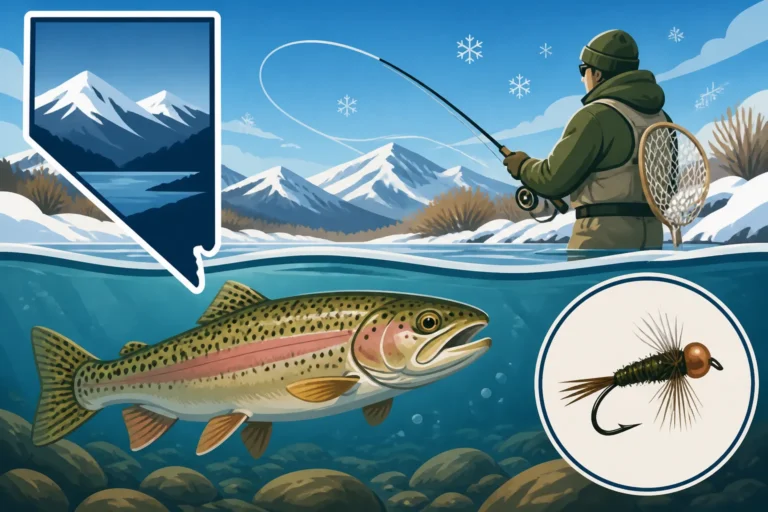
For those who prefer nymphing, a simple two-nymph rig with a small indicator can be productive. Try using common patterns like Pheasant Tail Nymphs, Hare's Ear Nymphs, or even a brightly colored midge pupa pattern. The key is often more about presentation – getting your flies into the feeding zone – rather than perfect imitation. These fish are still learning to forage naturally, so an easy meal is usually hard to pass up. While fly fishing for wild trout often requires more finesse, the aggressive nature of stocked trout in spring makes it a great opportunity for both experienced fly anglers and those looking to try the technique for the first time.
Maximizing Your Spring Trout Success
Beyond knowing where and when the fish are stocked, a few strategic considerations can significantly boost your success rate during the spring trout season. Being prepared with the right gear, timing your trips effectively, and adhering to ethical practices will make all the difference.
Gear Up Smart for Spring Conditions
Having the right gear doesn't mean you need to break the bank, but investing in a few key items will enhance your experience. For spring trout fishing, a lightweight spinning rod, typically 5 to 7 feet long with a light or ultralight action, paired with a small spinning reel (size 1000-2500) spooled with 4-6 lb monofilament or fluorocarbon line, is ideal. This setup provides the sensitivity to detect subtle bites and the finesse needed for lighter baits and lures. Brands like Ugly Stik or Penn offer excellent value, and you can often find competitive prices and a wide range of options on Amazon, making it easy to get rigged up without leaving home. To explore more options, consult our guide on Best Spinning Reels for Trout Fishing.
Beyond the rod and reel, a small tackle box stocked with a variety of PowerBait colors, salmon eggs, nightcrawlers, an assortment of small spinners and spoons, extra hooks (sizes 8-12), split shot weights, and small bobbers is essential. Don't forget a pair of needle-nose pliers or a hemostat for easy hook removal, a small net for landing fish, and a stringer or cooler to keep your catch fresh. Nevada spring weather can be unpredictable, so dressing in layers is crucial – mornings can be chilly, but afternoons can warm up significantly. Check out our comprehensive Nevada Fishing Gear Essentials for a full checklist.
Timing Your Trip for Optimal Results
Timing is often everything in fishing, and spring trout stocking is no exception. The period immediately following a stocking event, often within the first 24-48 hours, is usually the most productive. These newly released fish are often disoriented, hungry, and relatively unpressured, making them eager to bite almost anything that looks edible. Many seasoned anglers keep a close eye on stocking reports to hit the waters as soon as possible after a plant.
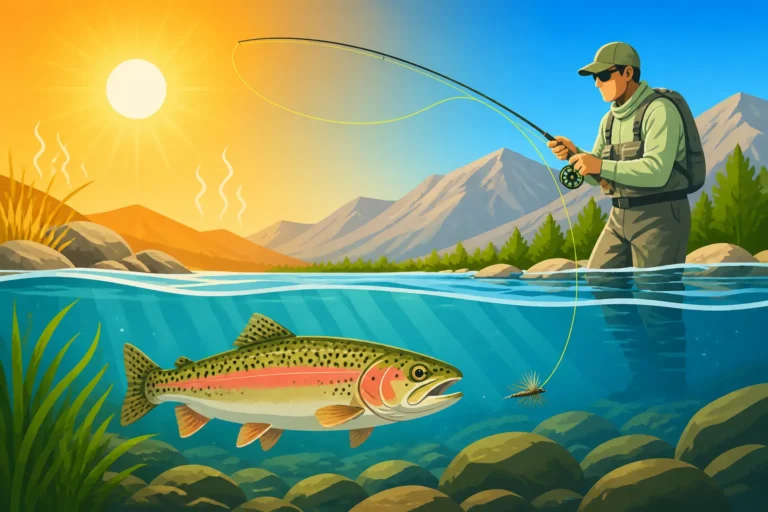
Even if you can't be there on stocking day, early morning and late afternoon/early evening are typically the best times to fish in spring. The cooler temperatures and lower light conditions make trout more active and willing to feed. On bright, sunny days, trout might retreat to deeper, cooler water or seek shaded areas during the midday heat. Conversely, if you're fishing in the desert during summer, you'd be looking for very different windows, as detailed in our guide on Summer Fishing Techniques for Hot Desert Lakes. Pay attention to weather patterns, as cloudy days or periods of light rain can also trigger a good bite by making fish feel more secure.
Practice Ethical Angling and Regulations
Responsible angling is paramount, especially in high-pressure stocked fisheries. Before you even cast a line, ensure you have a valid Nevada Fishing License Guide. This is a fundamental requirement for anyone 12 years and older fishing in Nevada, and the fees directly support NDOW's stocking and conservation efforts. Always carry your license with you, as game wardens frequently check for compliance.
Furthermore, familiarize yourself with the specific regulations for the water body you're fishing, particularly the Nevada statewide trout daily limit and any size restrictions. These rules are in place to manage fish populations sustainably. If you plan to practice catch and release, especially for larger holdover trout, it's crucial to employ proper Catch and Release Techniques for Trout to minimize harm and maximize the fish's chances of survival. This includes handling fish with wet hands, using barbless hooks, and releasing them quickly. Respecting the rules and the resource ensures that these excellent fishing opportunities remain for all anglers.
Beyond the Initial Catch: Exploring Spring Trout Behavior
While the initial post-stocking frenzy is exciting, understanding how trout behave and adapt in their new environment can lead to sustained success throughout the spring season. These fish are not static; their behavior evolves, offering different challenges and rewards.
How Stocked Trout Adapt to Their New Environment
When hatchery trout are released, their world changes dramatically. They transition from the controlled environment of raceways, where food is readily available, to a vast, open body of water with natural predators and varying conditions. Initially, this causes disorientation, making them easy targets. They often school together near the release point, still relying on their ingrained habit of competing for food. This is why fishing immediately after a stocking is so productive.
However, as days turn into a week or two, these trout begin to adapt. They disperse from the initial stocking location, seeking out more natural cover such as submerged rocks, weed beds, or drop-offs, which offer both protection from predators and potential food sources. They also start to forage more on natural insects, crustaceans, and smaller baitfish present in the lake or river. This adaptation means that while PowerBait remains effective, natural baits like worms and a wider array of lures and flies become increasingly important. Their wariness also increases, making a stealthier approach and more subtle presentations necessary.
Targeting Holdover Trout
One of the most exciting aspects of spring trout fishing is the chance to catch "holdover" trout. These are fish that were stocked in previous seasons (or even earlier in the current season) and have survived, grown larger, and become much wiser. Holdovers often have a darker, more vibrant coloration than newly stocked fish, and they fight with incredible power. They are also much more challenging to catch, having learned to evade common angling pressure.
To target holdovers, you'll often need to shift your tactics from the aggressive presentations that work for fresh stock. Think finesse: smaller, more natural-looking lures or flies, longer leaders, and lighter line. They'll typically be found in deeper water or tighter to structure, away from the most heavily fished areas. During early spring, these larger trout might be more active in shallower waters as they begin to shake off the winter lethargy and perhaps even consider spawning in suitable areas. They've learned to feed on natural prey, so matching the hatch with appropriate fly patterns or using realistic swimbaits and jerkbaits can be highly effective.
Reading Water and Habitat in Spring
Successful spring trout fishing, especially as the season progresses, relies heavily on your ability to "read the water" and identify prime habitat. Trout, even stocked ones, are creatures of comfort and opportunity. Look for areas with a good supply of oxygenated water, which often means near inlets or areas with some current. In lakes and reservoirs, focus on areas with submerged structure like rock piles, fallen trees, or transition zones between shallow and deep water (drop-offs). These provide ambush points for feeding and cover from predators.
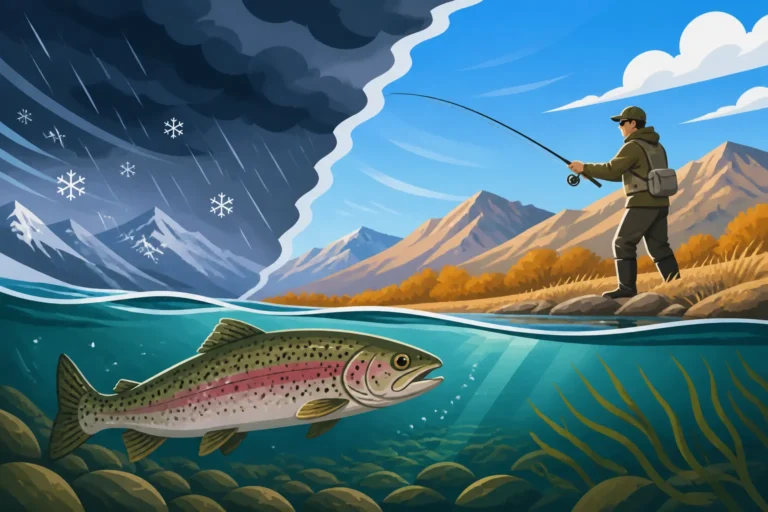
Water temperature also plays a critical role. As surface temperatures rise, trout might seek slightly cooler, deeper water, or shaded areas. Conversely, on colder spring days, they might move into shallower, sun-warmed coves. Pay attention to water clarity; in clear water, stealth and natural presentations are key, while in slightly stained water, brighter colors or baits with strong scent might be more effective. Observing the activity around the water—like insects hatching or baitfish schooling—can also provide clues about where the trout are feeding. Understanding these environmental cues will transform your fishing from a hit-or-miss affair into a more strategic and rewarding pursuit. For specific considerations about fishing during the colder months, our guide on Winter Fishing Techniques for Nevada Trout offers valuable contrasting advice.
| Bait/Lure Type | Common Stocked Trout Species | Best Conditions | Notes |
|---|---|---|---|
| PowerBait | Rainbow Trout, Brown Trout | Post-stocking, all day | Scented dough bait, use small treble or single hook. Floats. |
| Salmon Eggs | Rainbow Trout, Brown Trout | Post-stocking, early morning | Effective for recently stocked, use a small single hook. |
| Nightcrawlers | Rainbow Trout, Brown Trout | All conditions, active bite | Classic natural bait, good for larger trout too. |
| Spinners | Rainbow Trout, Brown Trout | Active feeding, clear water | Retrieve slowly, vary speed; silver/gold are good starting points. |
| Spoons | Rainbow Trout, Brown Trout | Active feeding, deeper water | Cast and retrieve or jig vertically. |
| Small Jigs | Rainbow Trout, Brown Trout | Cooler water, slower bite | Marabou or grub jigs, fish under a bobber or slow retrieve. |
Disclaimer
Fishing conditions and regulations in Nevada can change. Always check the latest Nevada Department of Wildlife (NDOW) regulations and local advisories before heading out. This guide is for informational purposes only and does not guarantee fishing success.