Best anchovy rigging technique for striped bass
One of the most frustrating things for any angler chasing striped bass in Nevada, especially in vast reservoirs like Lake Mead or Lake Mohave, is having your perfectly placed bait stripped clean off the hook without a single solid bite. It feels like you're feeding the fish rather than catching them! This often comes down to the way your bait, particularly a soft, delicate anchovy, is rigged. This guide will walk you through the best anchovy rigging techniques to keep your bait on the hook longer, improve your presentation, and ultimately put more hard-fighting stripers in your cooler.
Why Anchovies Are a Striped Bass Powerhouse Bait in Nevada
Let's face it, striped bass are voracious predators, and they're not always picky. But when they are, or when you're trying to entice a bigger, wiser fish, using bait that mimics their natural forage is key. That's where anchovies shine in Nevada's waters.
Understanding the Striper's Diet
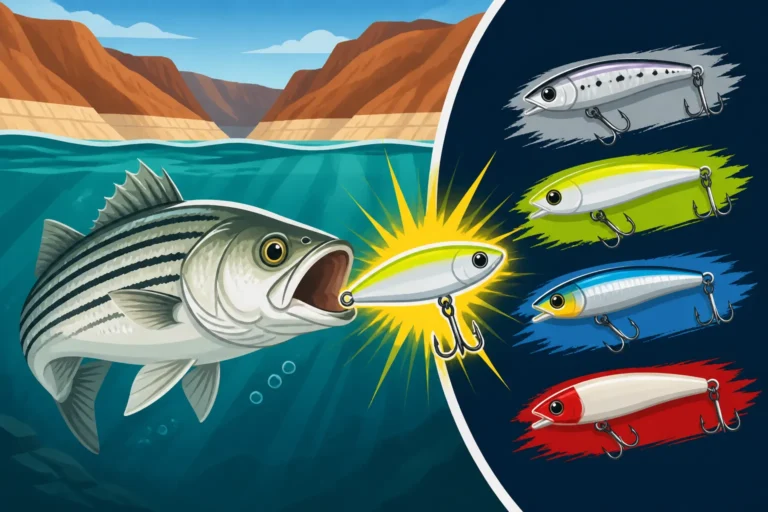
Stripers are opportunistic, highly migratory, and constantly on the hunt for food. In landlocked environments like Lake Mead and Lake Mohave, their diet primarily consists of smaller baitfish such as threadfin shad and sometimes even smaller carp or sunfish. Anchovies, with their slender profile, shimmering scales, and potent scent, perfectly mimic these natural prey items. When you deploy a well-rigged anchovy, you're not just offering food; you're sending out an irresistible invitation that appeals to a striper's keen sense of smell and sight. The oil and scent trail an anchovy leaves in the water can draw in stripers from a significant distance, making it incredibly effective when they're scattered or not actively chasing lures.
Imagine a school of stripers cruising a deep channel. While a flashy lure might catch the attention of an active fish, a slowly drifting anchovy releasing its natural scent can tempt a less aggressive striper hiding near structure or in deeper, cooler water. It's about tapping into their primal hunting instincts. To learn more about what these powerful fish prefer to eat, check out our in-depth article on Striped Bass Feeding Patterns.
Fresh vs. Frozen: Making Your Selection
The quality of your anchovy can make or break your day. While fresh anchovies are undeniably superior in scent and texture, they're not always readily available in every tackle shop, especially if you're far from the coast. Most Nevada anglers rely on frozen anchovies, which can still be highly effective if handled correctly.
When choosing frozen anchovies, look for packages where the bait is individually quick-frozen (IQF) and appears bright, firm, and intact, with no signs of freezer burn or discoloration. Avoid any that are soft, mushy, or smell excessively "fishy" (beyond their natural briny aroma) right out of the bag, as this indicates poor quality or thawing and refreezing. Once you have them, proper thawing is crucial. Don't just dump them in hot water! Thaw them slowly in a cooler with ice or in the refrigerator overnight. This preserves their natural oils and firm texture, making them much easier to rig and less likely to fall apart on the cast or after a gentle strike. Many anglers even prefer to keep their anchovies slightly chilled, almost slushy, in a saltwater brine mixture while fishing, as this can help firm them up and add a little extra scent.
Essential Gear for Rigging Anchovies
Having the right bait is only half the battle; the other half is having the right tackle to present it effectively and handle the powerful fight of a Nevada striper. Forget dainty ultralight gear for these bruisers!
Rod, Reel, and Line Considerations
For serious striped bass fishing with anchovies, you'll want a rod with some backbone. A medium-heavy to heavy action rod, typically between 7 and 9 feet long, is ideal. This length provides excellent casting distance, which is often crucial when fishing from shore or trying to reach schools of stripers busting in the distance. The heavier action allows you to cast a weighted anchovy rig without fear of snapping your rod and gives you the leverage to pull in a large striper against strong currents or deep water.
When it comes to reels, both baitcasting and spinning reels have their place. Many experienced striper anglers prefer baitcasting reels for their power and control when battling big fish, especially when jigging or live-lining heavier baits. However, a good quality spinning reel in a 4000-6000 size range can also be incredibly effective, offering ease of casting and good drag systems. The key is a smooth, reliable drag that won't lock up when a big striper decides to make a run.
For your main line, braided line is a popular choice due to its sensitivity and strength-to-diameter ratio. A 20-30 lb test braided line is a good all-around option. However, for the last few feet before your hook, you'll absolutely want a fluorocarbon leader. Fluorocarbon is nearly invisible underwater, more abrasion-resistant than mono, and less prone to stretching. A 15-25 lb test fluorocarbon leader is usually sufficient. You can find a wide range of reliable braided and fluorocarbon lines from reputable brands on Amazon. If you're unsure about the best line setup, consult our guide on Best Line Test for Striped Bass Fishing.
Hooks, Sinkers, and Swivels: The Small but Mighty Components
These often-overlooked components are critical to your success when rigging anchovies.
- Hooks: The type and size of your hook matter. For anchovies, many anglers opt for either circle hooks or J-hooks in sizes ranging from 2/0 to 5/0.
- Circle Hooks: These are fantastic for catch-and-release fishing as they almost always hook in the corner of the fish's mouth, minimizing gut hooks. They also require less aggressive hook sets – just let the fish take the bait and reel tight.
- J-Hooks: These offer a more direct hook set and can be preferred by anglers who like to feel the bite and set the hook manually. However, they carry a higher risk of gut-hooking if you're not quick to react.
- Regardless of type, choose sharp, strong hooks that won't bend under pressure.
- Sinkers: Your choice of sinker depends heavily on the fishing scenario.
- Egg Sinkers: These are popular for Carolina rigs, allowing the line to slip freely through them, so the fish doesn't feel the weight immediately. Weights can range from 1/2 oz to 2 oz or more, depending on depth, current, and casting distance needed.
- Pyramid Sinkers: Good for holding bottom in strong current or on sloping terrain.
- Drop-Shot Weights: Specifically designed for drop-shot rigs, these come in various shapes and allow for quick weight changes.
- Swivels: Swivels are essential for preventing line twist, especially when using rigs that allow the bait to spin or drift in current. A good quality ball-bearing swivel or a strong barrel swivel (size 4 to 7) will connect your main line to your leader. Consider purchasing high-quality swivels in bulk on Amazon to always have them on hand.
The Art of Rigging a Whole Anchovy for Success
Now for the main event! Rigging an anchovy might seem intimidating at first, but with a little practice, you'll be doing it like a pro. The goal is always a natural, lifelike presentation that stays on the hook.
The Standard Carolina Rig for Anchovies
The Carolina Rig is a staple for bait fishing in Nevada's reservoirs, particularly when targeting striped bass near the bottom or along submerged structure. It offers a subtle presentation that allows your anchovy to drift naturally, enticing wary fish.
Here’s how to set it up:
- Main Line: Start by threading your main line through an egg sinker (choose a weight appropriate for your depth and current, typically 1/2 oz to 1.5 oz).
- Bead: Next, slide a small plastic or glass bead onto your main line. This bead protects your knot from the sinker, preventing chafing and potential breakage during casting or a fish fight.
- Swivel: Tie your main line to one end of a strong barrel or ball-bearing swivel using a reliable knot like a Palomar knot or improved clinch knot.
- Leader: To the other end of the swivel, tie your fluorocarbon leader. The leader length can vary, but generally 18 to 36 inches works well. A longer leader allows for more natural bait movement, while a shorter one can reduce tangles in certain situations.
- Hook: Finally, tie your chosen hook (2/0 to 4/0 circle or J-hook) to the end of your leader.
Attaching the Anchovy: This is where the "art" comes in. The key is to keep the anchovy straight and secure.
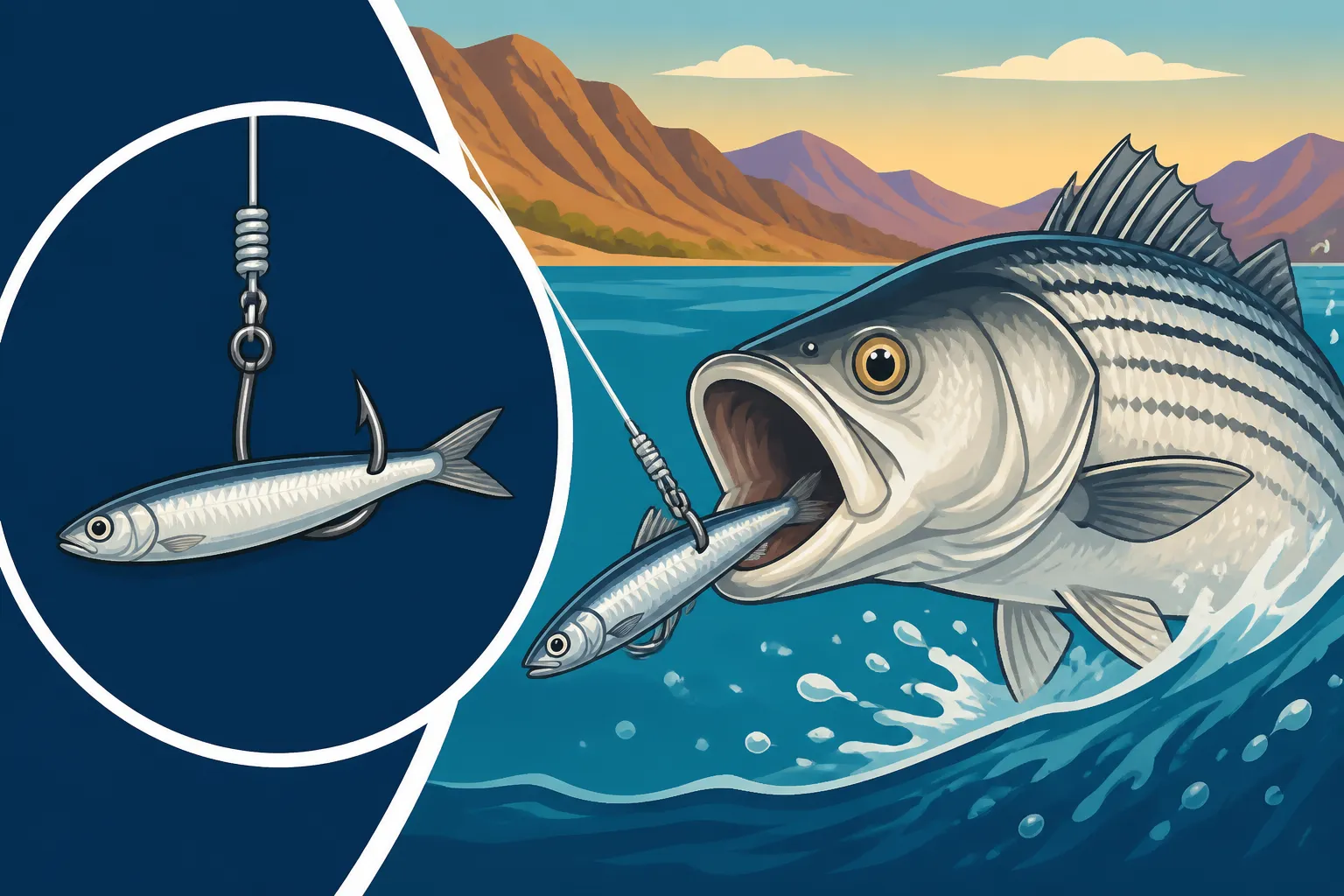
- Through the Nose: This is a simple and common method. Pass the hook point up through the bottom jaw of the anchovy and out the top of its nose. This keeps the hook exposed and generally allows for a natural drift.
- Through the Eyes: Similar to through the nose, but pushing the hook point up through one eye socket and out the other. This can provide a slightly more secure hold, especially on softer bait.
- "Sewing" the Anchovy: For maximum security and a straight presentation, especially if you're casting aggressively, try sewing the anchovy onto the hook. Start by inserting the hook point near the tail, pushing it through the body, then out and back in a few times, exiting just behind the head. This method secures the entire bait, reducing chances of it flying off. Some anglers use a small piece of bait thread (available from many tackle shops or online at Amazon) to further secure the anchovy by wrapping it around the head and the hook shank, creating a very durable presentation.
A Carolina Rig is fantastic for covering ground from a boat by slowly drifting or for casting from shore to fish bottom structure. If you’re fishing from the bank at a spot like Hemenway Harbor or Government Wash on Lake Mead, this rig allows you to fan-cast and explore different depths. For more general guidelines on fishing regulations, check out Nevada Fishing Regulations Explained.
The Drop-Shot Anchovy Rig for Suspended Stripers
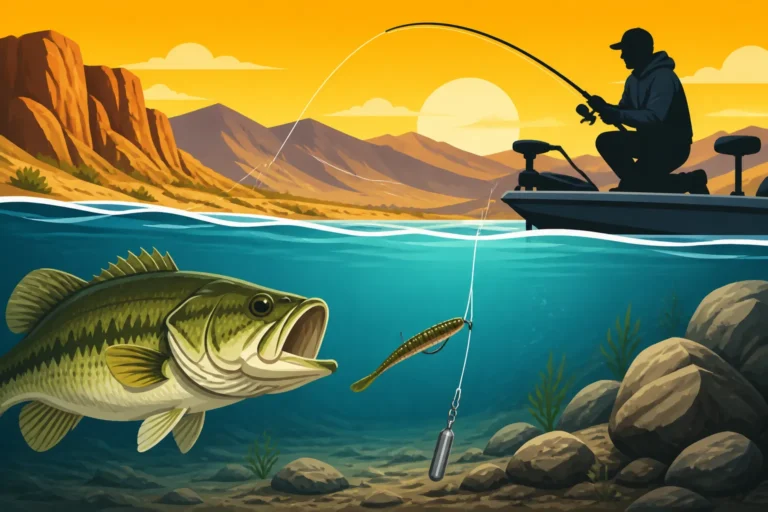
When stripers aren't hugging the bottom but are suspended in the water column—perhaps chasing baitfish in open water or holding over deep points—the drop-shot rig becomes incredibly effective. This rig keeps your anchovy at a precise depth, directly in the strike zone.
- Main Line to Hook: Instead of tying the hook to a leader at the end of your line, you'll tie your hook directly to your main line (or a short leader off the main line) with a Palomar knot, leaving a long tag end. The hook should be tied so it stands out horizontally from the line.
- Attach Anchovy: Thread your anchovy onto the hook, typically through the nose or the eyes, ensuring it hangs naturally.
- Attach Weight: To the tag end of the line (below the hook), attach a specialized drop-shot weight. These weights often have a clip or swivel that allows for quick changes. The length of the tag end determines how far off the bottom your bait will suspend. If fish are suspended 10 feet down over a 30-foot bottom, you might set your tag end to 20 feet.
The beauty of the drop-shot is its ability to present your anchovy precisely where the fish are holding. You can slowly lift and drop your rod tip, making the anchovy dance enticingly without moving your weight off the bottom. This is a subtle yet highly effective presentation for finicky or deep-water stripers.
The Slip Sinker Rig for Finicky Biters
Sometimes, stripers can be incredibly wary. They'll pick up bait, swim with it, and then drop it if they feel any resistance. The slip sinker rig, also known as a sliding sinker rig, addresses this problem by allowing the line to move freely through the weight, giving the fish time to fully commit to the bait before feeling any tension.
- Main Line: Thread a slip sinker (like an egg sinker or a bullet weight) directly onto your main line.
- Bead: Add a small plastic bead after the sinker to protect your knot.
- Swivel & Leader: Tie a barrel or ball-bearing swivel to your main line, then add a fluorocarbon leader (12-24 inches) to the other side of the swivel.
- Hook: Attach your hook to the end of the leader.
With this rig, the sinker sits on the bottom, but when a striper takes the anchovy, the line slides through the sinker. The fish won't feel the weight until it pulls against the swivel, giving you a much better chance of a solid hook set. This is particularly effective when fishing calmer waters or when the fish are tentative. It’s a great option for night fishing when stripers might be less aggressive, as detailed in our guide to Night Fishing Techniques for Striped Bass.
Here's a quick comparison of these popular anchovy rigging techniques:
| Rigging Technique | Best Use Case | Pros | Cons | Typical Sinker |
|---|---|---|---|---|
| Carolina Rig | Bottom fishing, drifting, covering structure | Natural presentation, allows bait to move freely | Can snag on rocky bottoms, requires longer leader | Egg, bullet |
| Drop-Shot Rig | Suspended fish, precise depth presentation, deep water | Excellent control over bait depth, minimizes snags on bottom | Less natural horizontal movement, requires specific weights | Drop-shot |
| Slip Sinker Rig | Finicky biters, calm water, subtle presentation | Allows fish to take bait without feeling resistance | Can tangle easily if not cast carefully | Egg, bullet |
Common Pitfalls and Troubleshooting Your Anchovy Rig
Even with the best rigging techniques, you'll encounter challenges. Understanding common problems and how to troubleshoot them will save you frustration and increase your hook-up ratio.
Dealing with Bait Loss and Snags
Lost bait is the bane of an anchovy angler's existence. It wastes precious bait, time, and momentum. The primary culprits are usually:
- Weak or Thawed Bait: As discussed, improperly thawed or poor-quality anchovies are soft and easily tear off the hook during casting or even a light tug from a fish. Ensure your bait is firm and properly stored.
- Improper Hook Placement: If the hook isn't securely embedded in the anchovy's flesh (especially if you're not "sewing" it on), it can dislodge. Make sure the hook has enough meat to hold onto.
- Aggressive Casting: Whipping your rod too hard can literally rip the anchovy off the hook mid-air. Use a smoother, more controlled casting motion, especially with heavier rigs. If using bait thread, you can be more aggressive.
- Snags: Nevada's lakes have plenty of underwater structure—rocks, brush, old foundations—that love to grab your sinker. To avoid snags, try using lighter sinkers that are less likely to wedge, or switch to a drop-shot rig that keeps your bait above the bottom. When fishing extremely rocky areas, you might also consider a "breakaway" sinker system where a lighter mono line attaches the sinker, designed to break if snagged, saving the rest of your rig.
Don't be afraid to experiment. If one technique isn't working, or you're losing bait frequently, don't just keep doing the same thing. Adapt!
Adjusting for Water Conditions and Fish Behavior
Stripers are creatures of habit, but their habits change with the environment.
- Current and Wind: Strong currents or heavy winds will sweep lighter rigs away, preventing them from reaching the desired depth or area. In these conditions, increase your sinker weight. If fishing from a boat, consider using a drift sock to slow your drift, which allows a lighter rig to present more naturally. For tips on dealing with different weather, consider reading Fishing After a Nevada Cold Front.
- Depth: If you're marking fish deep, ensure your rig is getting down to them. This might mean heavier weights or switching to a faster-sinking lure in combination with your anchovy (like a jig head with a secured anchovy).
- Fish Aggression: If stripers are aggressive and actively feeding, they might strike harder and more frequently. You might get away with simpler rigging. If they are finicky, however, a more natural and resistance-free presentation like the slip sinker rig will be more effective. Observation is key: Are you seeing baitfish schools? Are stripers busting on the surface? Or is it a calm, quiet day? These clues will guide your rigging choices. Our Lake Mead Nevada Fishing Guide can help you understand the specific conditions of that reservoir.
Maintaining Bait Freshness on the Water
Even the best-rigged anchovy won't catch fish if it's degraded. Stripers, like most predators, prefer fresh, vibrant prey.
- Cooler with Ice: This is non-negotiable. Keep your anchovies in a dedicated bait cooler with plenty of ice. A layer of ice or ice packs directly on the bait, or in a saltwater brine, will keep them firm and preserve their scent.
- Out of Direct Sun: Never leave your bait in direct sunlight, even for a few minutes. The Nevada sun can quickly thaw and spoil anchovies, turning them into a mushy mess.
- Change Bait Regularly: Even if it looks intact, an anchovy that's been in the water for a while will lose much of its scent and appeal. Change your bait frequently, especially if you haven't had a bite for 15-20 minutes. A fresh anchovy with a vibrant scent trail is always more attractive. You can get some excellent bait coolers and storage solutions, perfect for keeping your anchovies fresh, on Amazon. It really makes a difference when you're spending all day out on the water chasing those impressive stripers, so ensuring the bait is in prime condition is vital.
By mastering these anchovy rigging techniques, you’ll be well on your way to enjoying some of the best striped bass fishing Nevada has to offer. Remember to always check local regulations for specific areas like Pyramid Lake Fishing Permit Guide or Lake Mohave Nevada Fishing Guide, as rules can vary. Good luck out there, and tight lines!
Disclaimer
This article is for general informational purposes only and does not constitute professional advice. Laws, prices and regulations vary by location and change over time. Consult a qualified professional for guidance on your specific situation.