How to chum for striped bass at Lake Mead
Fishing for striped bass at Lake Mead can be an incredibly rewarding experience, but let's be honest, sometimes those elusive stripers feel like they're playing hide-and-seek. It's easy to get frustrated when you're out on the water, seeing acres of open space, and wondering where all the fish have gone. If you've been searching for a technique to draw those hard-fighting stripers right to your boat or shore spot, you've come to the right place. This guide will walk you through the ins and outs of chumming for striped bass at Lake Mead, helping you bring more fish to the hook and turn those frustrating days into memorable catches.
Understanding Striped Bass Behavior in Lake Mead
Before we dive into the nitty-gritty of chumming, it's crucial to understand why striped bass respond so well to it, especially in a vast fishery like Lake Mead. Stripers are powerful, aggressive predators, and they're always on the hunt.
Why Stripers Love Chum
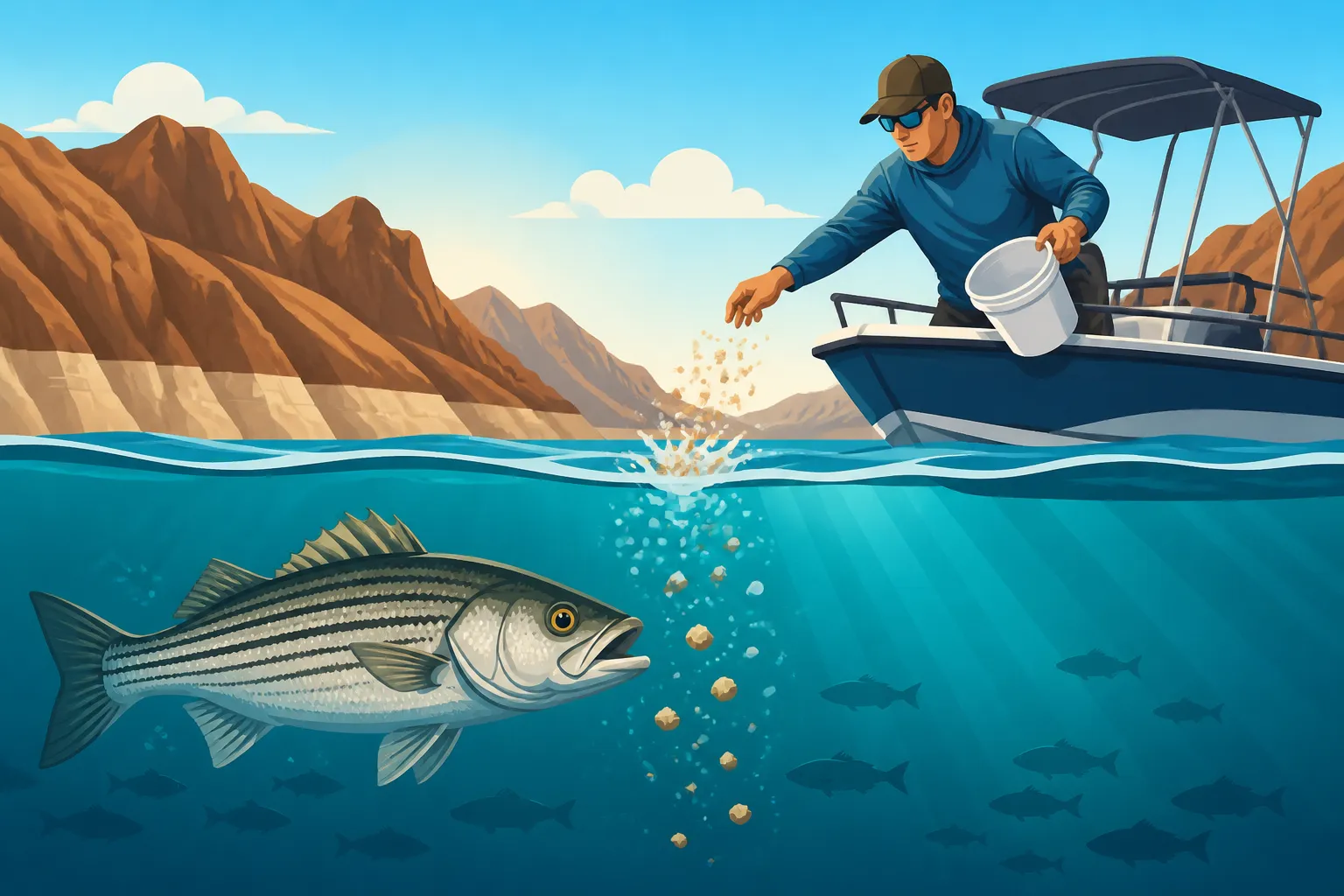
Striped bass are highly social fish, often schooling together in large numbers as they patrol the open waters of Lake Mead. Their predatory nature means they're constantly looking for an easy meal. Chumming works by appealing directly to this instinct. When you introduce small pieces of bait into the water, you're essentially creating a "scent trail" and a visual attractant that mimics a feeding frenzy. This triggers their competitive nature and draws them in, often from a surprising distance.
Think of it like setting a dinner bell in their neighborhood. Even if they're not actively hunting, the smell and sight of an easy meal can turn them on in a heartbeat. The vastness of Lake Mead means that stripers can be spread out, but a good chum line acts like a beacon, concentrating them in your fishing zone. For more insights into their habits, check out our guide on Striped Bass Feeding Patterns.
The Seasonal Dance of Lake Mead Stripers
Striped bass behavior, and thus their response to chumming, can shift with the seasons on Lake Mead. In the warmer months, stripers are often more active, chasing baitfish closer to the surface or in the cooler, deeper thermoclines. This means your chum might need to disperse a bit more widely. During cooler periods, they might hold deeper or be more lethargic, requiring a more direct and concentrated chum approach.
Understanding these seasonal shifts is key to knowing when and where to deploy your chum effectively. Our comprehensive Nevada Fishing Seasons by Month guide can offer more details on what to expect throughout the year. However, regardless of the season, the principle remains: put enticing scent and bits of food in the water, and the stripers will likely investigate.
Choosing Your Chum: What Works Best at Lake Mead
The effectiveness of your chumming operation heavily relies on the quality and type of chum you use. You want something that will attract stripers without filling them up too quickly, and something that disperses well in the water.
The Classic: Cut Anchovies and Shad
For Lake Mead stripers, the undisputed champions of chum are cut anchovies and shad. These baitfish are a natural food source for stripers, making them incredibly effective. You can often purchase frozen anchovies or shad in bulk from local bait shops or even larger retailers.
Preparation is simple: once thawed, cut them into small, manageable pieces. You're not looking for large chunks that will satisfy a fish in one bite, but rather small slivers and crushed bits that release scent and drift enticingly. Some anglers prefer to chop them coarsely, while others finely mince them for maximum scent dispersion. The goal is to create a constant "rain" of appealing morsels and strong oils that drifts down through the water column, luring fish in.
The Mix-Ins: Enhancing Your Chum
While anchovies and shad are fantastic on their own, some anglers like to get a little creative with mix-ins to enhance their chum. A little bit of oats or breadcrumbs can help bind the chum slightly and create a cloudy visual effect, mimicking a school of baitfish or disturbed bottom. Some commercial "fish attractant" oils or sprays, often found on Amazon, can also be added to boost the scent profile. Just remember, less is often more. You don't want to overpower the natural scent or create a substance that doesn't break apart and disperse effectively.
Another popular trick is to add some rock salt to your chum mixture. This not only helps preserve it if you're out for a long day but also helps to further break down the baitfish, releasing more oils and scent into the water. Experiment with small amounts to see what works best for your specific conditions and target.
Considerations for Sustainable Chumming
As responsible anglers, we always want to consider the impact of our methods. When chumming, it's important to use biodegradable materials and avoid introducing anything harmful to the lake ecosystem. Stick to natural baitfish and approved additives. Always be mindful of local regulations regarding chumming, if any apply.
Also, avoid over-chumming. The idea is to attract fish, not feed them a full meal before they even see your hook bait. A steady, consistent trickle of chum is far more effective than dumping a large quantity at once. It keeps the stripers interested and actively searching for the source, which, ideally, is right where your baited hook is waiting.
Essential Gear for Successful Chumming
Chumming isn't just about throwing bait in the water; having the right equipment makes the process much more efficient and effective, and frankly, a lot less messy.
Setting Up Your Chum Station
The cornerstone of any good chumming setup is a reliable chum bag or dispenser. Chum bags, often made of mesh material, allow the scent and small particles to escape while keeping larger chunks contained. You can find various sizes and styles, from simple mesh bags that you tie off, to more elaborate dispensers with weighted bottoms that sink and release chum at a desired depth. Many anglers find durable, affordable chum bags and scent attractants on Amazon.
When fishing from a boat, you'll want to position your chum bag strategically. Often, hanging it off the stern or side of the boat, where the current or wind can naturally disperse the chum downstream, is ideal. If fishing from shore or a dock, a weighted dispenser that can be cast out and slowly retrieved or anchored in place can work wonders. Remember to secure your chum bag or dispenser well, as a strong striper or even boat traffic could dislodge it. Getting your boat anchored correctly is vital, especially on a vast body of water like Lake Mead. Our guide on the Best Anchor for Windy Desert Lakes can give you some great pointers.
Rods, Reels, and Terminal Tackle for Chumming
While chumming helps attract fish, you still need the right setup to catch them. For Lake Mead stripers, you'll want a medium-heavy to heavy action rod, roughly 7 to 8 feet long, paired with a stout spinning or baitcasting reel capable of handling braided line in the 20-30 pound test range. This setup provides the power needed to cast heavier baits and pull in strong stripers.
When it comes to terminal tackle, simplicity is often best. A Carolina rig or a simple dropper loop rig are excellent choices. Use circle hooks sized appropriately for your bait (usually 3/0 to 5/0) to ensure good hooksets and minimize gut-hooking. The weight of your sinker will depend on the depth and current; start with a 1/2 ounce to 1 ounce and adjust as needed to keep your bait in the chum line. For a detailed look at how to prepare your offerings, check out Best anchovy rigging technique for striped bass.
Safety and Comfort on the Water
Lake Mead is stunning, but it's also a vast desert environment that demands respect. Whether you're chumming from shore or a boat, safety and comfort are paramount. Always wear appropriate sun protection, including hats, sunglasses, and long-sleeved clothing. Dehydration is a serious risk, so bring plenty of water. A good cooler, like those available on Amazon, is essential not only for keeping your catch fresh but also for storing your chum and keeping your drinks cold.
If you're boating, ensure you have all the necessary Essential Safety Gear for Boating on Lake Mead. This includes life jackets for everyone on board, a fire extinguisher, signaling devices, and a first-aid kit. A successful fishing trip is a safe one, and being prepared for the elements and potential emergencies is just as important as your fishing tackle.
Step-by-Step Chumming Techniques at Lake Mead
Now that you're geared up and understand the "why," let's talk about the "how." There are a couple of primary methods for chumming that work well for striped bass at Lake Mead, and often, combining aspects of both can be the most effective strategy.
The "Steady Stream" Method
This is arguably the most common and often most effective chumming technique for stripers. The idea is to create a continuous, subtle trail of scent and small food particles that drifts naturally with the current or wind.
- Preparation: Have your pre-cut anchovies or shad ready. You can keep them in a bucket with a scoop, or in a large ziplock bag you can easily access.
- Deployment: If from a boat, hang your mesh chum bag off the stern or side, ensuring it's submerged but not so deep that it gets caught on structure. If from shore, you might use a weighted chum dispenser that you occasionally cast and retrieve or keep in place.
- Consistent Drip: The key here is consistency, not quantity. Every few minutes, introduce a small handful of chum into the water. You want a constant, gentle flow. Imagine individual pieces slowly drifting down, leading the stripers right to your fishing zone. The goal is to keep them in the area, not to fill them up.
- Observe and Adjust: Pay close attention to how the current or wind is carrying your chum. Is it dispersing too quickly? Is it going too deep or too shallow? Adjust your boat's position, the depth of your chum bag, or the frequency of your chum drops accordingly.
This method keeps the stripers actively foraging, building their excitement as they follow the trail to its source – your bait.
The "Chum Bomb" Approach
Sometimes, you need to make a more immediate impact, especially if fish are deeper or you're trying to quickly establish a feeding zone. This is where the "chum bomb" comes in.
- Concentrated Delivery: This method involves dropping a larger, more concentrated mass of chum into the water. This can be done with a dedicated chum dispenser that opens at a specific depth, or simply by filling a weighted bucket with chum and quickly lowering it to your desired depth before tipping it over.
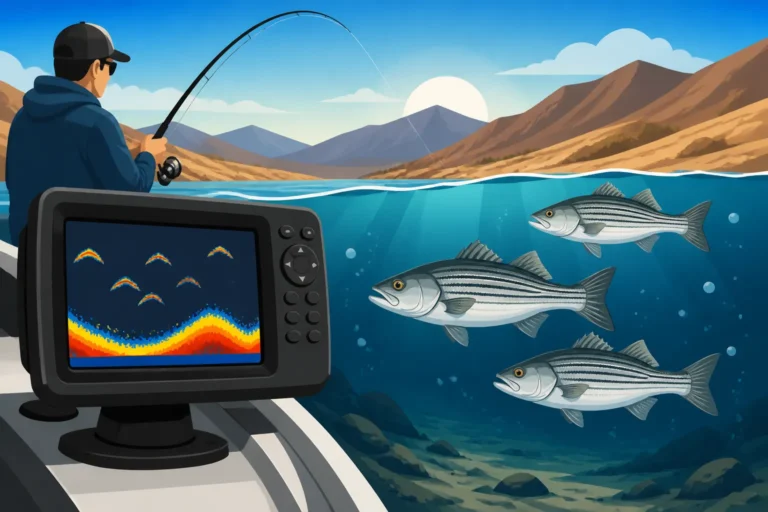
- Visual and Scent Cloud: The "bomb" creates a significant cloud of scent and particles, which can instantly grab the attention of nearby stripers. This can be particularly effective if you've marked fish on your fish finder at a certain depth.
- Follow-Up: Once you've deployed a chum bomb, you'll typically follow up with your baited hooks quickly. The idea is that the stripers are drawn in by the large cloud, and your bait is the most appealing thing they find within it.
- Strategic Use: This isn't a continuous method; it's used to quickly attract fish to a specific area. You might use one or two chum bombs to kickstart the bite, then switch to a more subtle "steady stream" to keep them engaged.
The "chum bomb" can be a great way to initiate a bite or re-energize a slow period, especially when you know fish are in the vicinity but just need that extra push to start feeding.
Combining Chumming with Fishing
The whole point of chumming is to make your baited hook irresistible. When you're actively chumming, your fishing technique needs to complement it.
- Match the Hatch: Use the same bait for your hook that you're using for chumming. If you're chumming with cut anchovies, put a piece of anchovy on your hook. This makes your bait look like just another piece of the tempting meal.
- Present Naturally: Allow your baited hook to drift down naturally with the chum. Use just enough weight to get your bait to the desired depth and keep it in the chum line, but not so much that it sinks unnaturally fast.
- Vary Depth: Stripers might be at different depths, so don't be afraid to fish at various levels within the chum trail. Some anglers will set multiple rods at different depths, or use a slip bobber to present bait high in the water column while the chum drifts deeper.
- Constant Readiness: When the chum is flowing, be ready! Stripers can hit hard and fast. Keep your rod in hand, or ensure your rod holders are secure and your drag is set correctly.
Tips for Maximizing Your Chumming Success
Chumming is an art as much as it is a science. A few extra considerations can turn a good chumming session into a truly fantastic day on Lake Mead.
Reading the Water and Adjusting Your Strategy
Lake Mead is dynamic, and conditions can change quickly. The wind, current, boat traffic, and even water temperature can all impact how your chum disperses and how stripers react.
- Wind and Current: Always observe the wind direction and any visible currents. Your chum line will follow these, and you want your boat or casting position to be "up current" or "upwind" from where you expect the fish to be, allowing the chum to drift towards them. If the wind picks up, you might need more weight on your chum bag or heavier sinkers on your lines to keep everything in the strike zone. Our article on How water level affects fishing at Lake Mead is a must-read for understanding how environmental changes impact fish behavior.
- Depth: Use your fish finder to locate schools of stripers and then adjust your chumming and bait presentation to match that depth. If fish are suspended 30 feet down, you want your chum working its magic around that 30-foot mark, and your bait presenting there too.
- Time of Day: Stripers can be more active during certain times, especially around dawn and dusk. Plan your most intensive chumming efforts during these peak feeding windows. You might find our Best Time of Year to Fish in Nevada useful for planning your trips.
Common Mistakes to Avoid
Even seasoned anglers can make mistakes. Being aware of these common pitfalls can save you a lot of frustration.
- Over-Chumming: This is probably the biggest mistake. Too much chum, too quickly, and you've simply fed the fish. They'll be full, lethargic, and less likely to bite your hook. Remember, it's about enticing, not satiating.
- Incorrect Bait Match: If you're chumming with anchovies but fishing with hot dogs, the stripers might ignore your hook bait. Always match your hook bait to your chum.
- Not Adjusting to Conditions: Sticking to one chumming method regardless of wind, current, or fish depth will often lead to a slow day. Be flexible and willing to adapt.
- Lack of Patience: Sometimes, it takes a little while for the chum to draw fish in. Don't give up after 10 minutes. Give the chum line time to work its magic before moving on.
- Messy Setup: Chum can be greasy and smelly. A disorganized chum station can lead to a big mess, attracting flies and making your boat or fishing spot unpleasant. Keep things tidy and contained.
Pairing Chumming with Other Techniques
Chumming can be an excellent standalone technique, but it can also enhance other methods. For instance, if you're jigging for striped bass, a consistent chum line can draw fish closer to your boat, making it easier to drop your jigs right into the strike zone. The same goes for still fishing with cut bait; the chum simply makes your stationary bait more visible and appealing. For those interested in alternative methods, our guide on Jigging Techniques for Lake Mead Stripers provides detailed insights.
You can even combine chumming with light trolling in an area you know holds fish. By slowly moving through a zone while deploying a continuous chum stream, you're essentially creating a mobile attractant, potentially covering more water and intercepting active schools.
Remember, the goal is to create an irresistible invitation for Lake Mead's striped bass. By understanding their behavior, using the right gear, employing effective techniques, and adapting to conditions, you'll significantly increase your chances of a successful and exciting fishing trip.
Here's a quick comparison of the two main chumming methods:
| Feature | Steady Stream Method | Chum Bomb Approach |
|---|---|---|
| Purpose | Consistent attraction, keeps fish engaged | Immediate, concentrated attraction |
| Chum Quantity | Small, frequent amounts | Larger, single drop(s) |
| Dispersion | Slow, widespread scent trail | Fast, dense cloud of scent and particles |
| Ideal For | Maintaining a bite, covering wider areas | Initiating a bite, targeting specific depths/schools |
| Patience | Requires more patience for fish to arrive and stay | Can trigger quicker responses, then switch to steady |
| Frequency | Continuous, every few minutes | Intermittent, as needed to attract or restart activity |
Disclaimer
This article is for general informational purposes only and does not constitute professional advice. Laws, prices and regulations vary by location and change over time. Consult a qualified professional for guidance on your specific situation.