How to set the hook when bass fishing
There's nothing quite like the electrifying jolt of a bass strike, but if you've spent any time on the water chasing these feisty fish, you know the frustration of a missed hook set. That heart-stopping tug often turns into a disheartening slack line because the hook didn't find its mark. This guide is dedicated to turning those missed opportunities into solid connections, helping you understand the nuances of a bass bite and the critical techniques for an effective hook set, especially in the diverse waters of Nevada.
Understanding the Bass Bite and Why Hook Sets Matter
Bass fishing is a game of intuition and quick reactions, but it all starts with recognizing what's happening at the end of your line. A solid hook set isn't just a powerful yank; it's a calculated response to a subtle or aggressive take, crucial for securing your catch.
The Elusive Nature of a Bass Strike
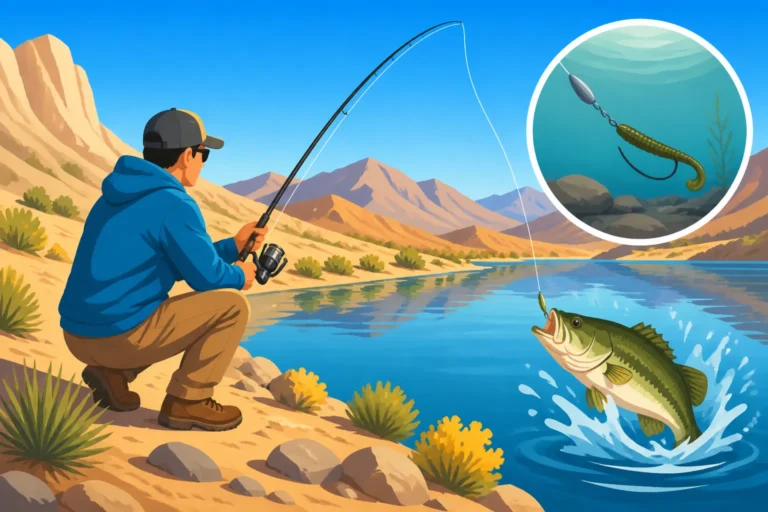
When a bass decides to hit your lure, it's rarely a polite nibble. Depending on the species, their mood, the water temperature, and what they're feeding on, a bass strike can range from a jarring blow that almost rips the rod from your hands to the most delicate "tick" that feels like your line just brushed against a weed. Sometimes, the line simply goes slack as a fish picks up a soft plastic and swims towards you.
Imagine you're casting a Texas-rigged worm into a brush pile on Lake Mead. You feel a light tap, almost imperceptible. Is it a rock? A stray branch? Or is it a hungry largemouth gently mouthing your bait? Misinterpreting these signals is the number one reason anglers miss fish. An aggressive smallmouth hitting a crankbait in the clear waters of Lake Tahoe might be unmistakable, but those more subtle takes in murky water or heavy cover require a heightened sense of feel and understanding.
The Critical Role of Proper Hook Setting
A proper hook set isn't just about showing off your strength; it's about physics and leverage. Bass have incredibly tough mouths, with bony plates and cartilage, especially the larger ones. If the hook doesn't penetrate deeply and securely past the barb, it's essentially just resting in the fish's mouth. The moment the fish shakes its head, jumps, or makes a powerful run, that hook can easily pop out.
Think about the crushing disappointment of fighting a beautiful bass for a few seconds, only to watch it throw the hook right at the boat. This often stems from a shallow hook set, where the point merely pricked the outer lip. A good hook set ensures the barb is fully embedded, making it much harder for the fish to dislodge the lure. It's the difference between a triumphant landing and a frustrating story about "the one that got away."
Essential Gear Considerations for Effective Hook Sets
Your equipment plays a surprisingly large role in your ability to convert bites into landed fish. The right rod, line, and hooks work together to give you the best chance for a successful hook set.
Rod Action and Power
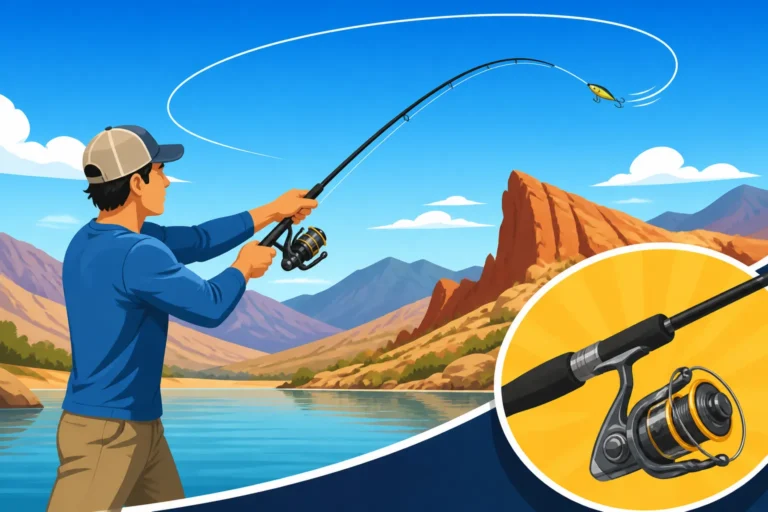
When it comes to bass fishing, your rod is your primary tool for detecting bites and delivering that crucial hook set. Rods are generally described by their action and power. Action refers to where the rod bends (fast, moderate, slow), while power describes its lifting strength (light, medium, heavy). For most bass fishing applications, especially with single hooks and soft plastics, you'll want a rod with a fast action and medium-heavy to heavy power.
A fast-action rod bends mostly in the tip, allowing for maximum sensitivity to feel subtle bites and providing a quick, powerful response for the hook set. The stiffer backbone of a medium-heavy or heavy power rod gives you the leverage needed to drive a hook through tough jawbones and pull a fish out of heavy cover. Trying to set a heavy jig hook with a light action, slow bending rod, for example, is like trying to drive a nail with a rubber hammer – it simply won't have the backbone to get the job done. You can find a wide array of options when searching for quality rods on online retailers like Amazon, ensuring you have the right tool for the job. Having the Best Fishing Rods for Nevada Lakes selected for your target species and presentation can make all the difference.
Line Type and Strength
Your fishing line is the direct link between you and the fish, and its properties significantly impact your hook setting effectiveness. There are three main types, each with its own characteristics:
- Monofilament (Mono): Known for its stretch. While this stretch can act as a shock absorber, it also creates a delay in transmitting the power of your hook set, especially on long casts. It's often preferred for treble hook baits like crankbaits where the fish hooks itself, and the stretch helps keep the hooks from tearing out.
- Fluorocarbon (Fluoro): Offers less stretch than mono, providing increased sensitivity and better power transmission. It's nearly invisible underwater, making it a favorite for clear water and finesse presentations. The reduced stretch makes it excellent for feeling subtle bites and delivering solid hook sets with single-hook baits.
- Braided Line (Braid): Has virtually no stretch, offering maximum sensitivity and incredible power transmission. This means you feel everything, and every bit of your hook set power goes directly to the hook. However, its lack of stretch means less forgiveness for sudden lunges, and it's highly visible. Many anglers use braid as their main line with a fluorocarbon leader for stealth and stretch management.
Your choice of line should match your technique and the conditions. The instant feedback of braid can be invaluable for detecting a subtle "line jump" bite when fishing soft plastics, giving you more time to react. Exploring your options on Amazon can reveal a great selection of high-quality fishing lines, including those specifically suited for the varied conditions you find in Nevada. Getting the Best Line for Desert Reservoir Fishing can greatly improve your sensitivity and hook-setting power.
Hook Design and Sharpness
You could have the perfect rod and line, but if your hook isn't up to par, your efforts will be in vain. The design of the hook and, critically, its sharpness, are paramount. Bass fishing involves a variety of hook types:
- J-Hooks: Common for Texas-rigged plastics, jigs, and spinnerbaits. They require a strong, upward hook set.
- EWG (Extra Wide Gap) Hooks: Popular for larger soft plastics, providing more gap to expose the hook point when a fish compresses the bait.
- Treble Hooks: Found on crankbaits, topwater lures, and jerkbaits. With these, bass often "hook themselves" due to multiple points, so a sweeping motion or simply leaning into the fish is often sufficient.
- Circle Hooks: Less common for bass, but used for certain live bait applications, designed to hook in the corner of the mouth, requiring a gentle pull, not a hard set.
Regardless of the design, a dull hook is your enemy. A razor-sharp hook will penetrate with minimal effort, even into bony jaws. Always check your hook points throughout the day. If they feel even slightly rough or don't "stick" to your thumbnail, they need to be sharpened or replaced. Portable hook sharpeners are inexpensive and can be found readily on sites like Amazon, making it easy to maintain peak performance on the water.
Mastering the Art of the Hook Set: Techniques and Timing
The moment of truth—when you feel a bite and need to respond—is where skill and practice truly shine. There's an art to setting the hook effectively, combining power, precision, and perfect timing.
The Traditional "Sweep" Hook Set
For most single-hook bass presentations, particularly with jigs and soft plastics, the traditional "sweep" hook set is your bread and butter. Here’s how it typically works:
- Reel Down to the Slack: As soon as you feel a bite (or see your line jump/move), immediately reel down quickly to take up any slack in your line until you feel direct contact with the fish or the bait.
- Rod Tip Low: Keep your rod tip pointed towards the water or slightly to the side, maintaining a low angle. This gives you the maximum arc for your sweep.
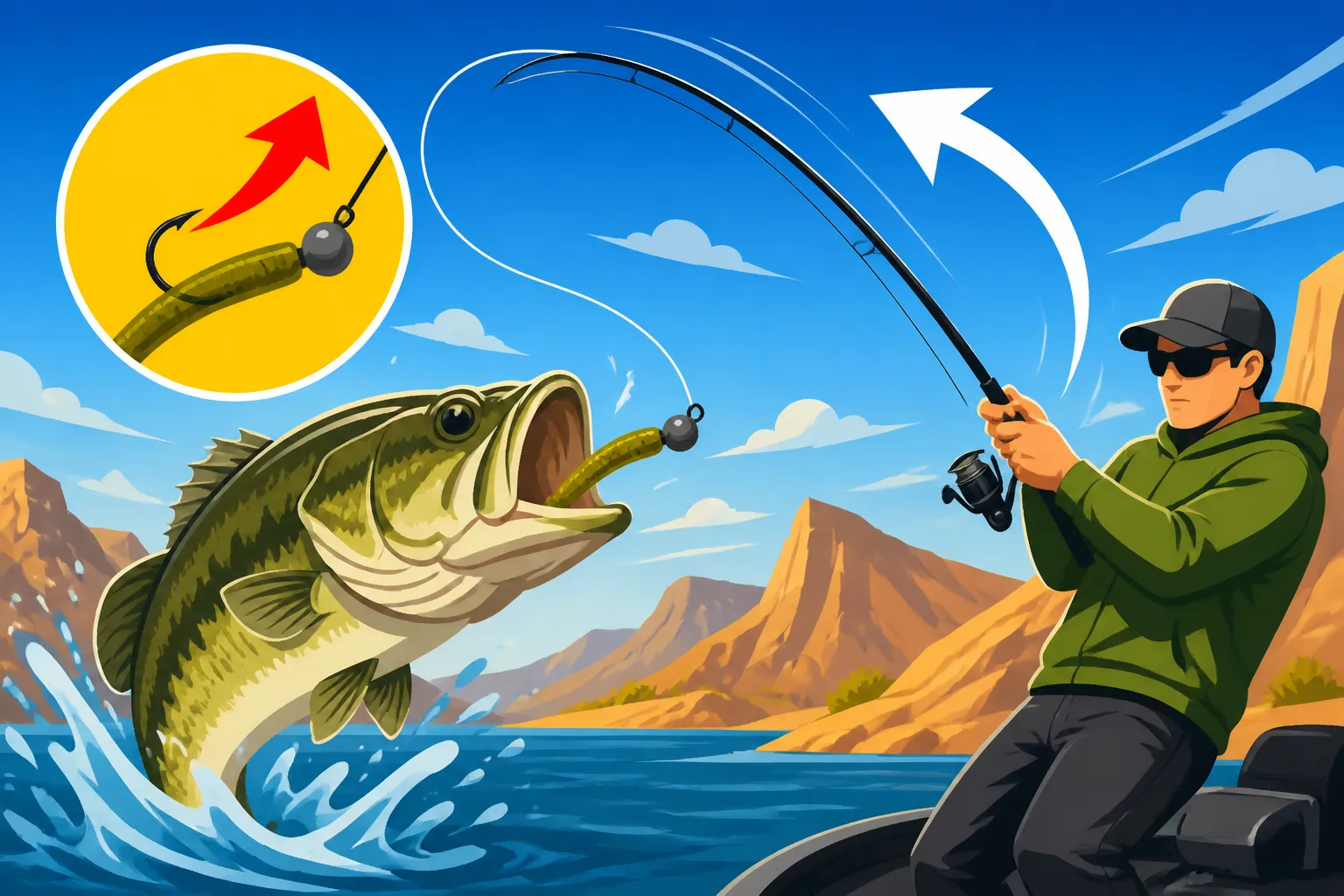
- Powerful Upward and Sideways Sweep: In one fluid, powerful motion, sweep the rod upward and to the side, typically from 8 o'clock to 1 or 2 o'clock, driving the hook home. It's not just an upward jerk; the sideways component helps to turn the hook point and ensure it digs in.
- Maintain Pressure: As soon as you complete the sweep, keep constant pressure on the fish by continuing to reel and maintain a loaded rod. Never let your line go slack after the hook set.
This technique creates incredible leverage, driving the hook deeply into the bass's mouth. It's a quick, forceful movement that ensures the hook point finds purchase and penetrates beyond the barb. Practice this motion at home to build muscle memory, so it becomes second nature on the water.
Setting the Hook with Different Lure Types
While the sweep is versatile, different lure types often call for slightly modified hook-setting approaches:
- Crankbaits and Reaction Baits (Treble Hooks): When a bass hits a crankbait, jerkbait, or spinnerbait, they often inhale the lure aggressively, and the multiple treble hooks usually do most of the work for you. Instead of a hard, snapping set, it's more of a firm "lean into it" or a quick, sideways sweep. A violent upward set can actually rip the trebles out or tear a larger hole, making it easier for the fish to come off. Let the fish load the rod, then apply steady pressure.
- Jigs and Soft Plastics (Single Hooks): This is where the powerful, traditional sweep set described above truly shines. Whether it's a Texas rig, Carolina rig, drop shot, or a jig, you're dealing with a single, often heavier gauge hook. You need to feel for that subtle "tick" or "thump," reel down to the slack, and then deliver a ferocious, upward, and sideways sweep. Many anglers make the mistake of setting too softly, resulting in a shallow hook.
- Topwater Lures: Topwater fishing is visually thrilling, but it's notorious for missed hook sets. The key here is patience. When a bass blows up on your topwater bait, your instinct is to set immediately. Don't! Wait until you feel the weight of the fish, or even better, until your line starts moving away. The bass is often just striking at the lure or pushing it, not fully inhaling it on the initial splash. Give them a beat to fully engulf the bait, then deliver a solid, sweeping hook set. Many anglers find their topwater success skyrockets once they master this slight delay. Searching for specific topwater lures or soft plastics on Amazon can help you build a diverse tackle box. Check out our guide on the Best Lures for Nevada Bass for more recommendations.
Timing is Everything: When to Set
Perhaps the most challenging aspect of hook setting is timing. New anglers, and even seasoned ones, often set the hook too early. Here's a deeper dive into "when to set":
- "Feel the Weight, Not Just the Bite": This is a golden rule for many bass techniques. When a bass mouths a soft plastic, it might feel like a series of light taps. Resist the urge to set on the first tap. Instead, let the fish continue to move with the bait. Often, as the fish moves, you'll feel a subtle "weight" or increased pressure on your line. That's your cue.
- The Slack Line Bite: This is particularly common with weightless worms or Senko-style baits. You'll make a cast, and then instead of a bite, your line suddenly goes slack, or you see it twitch to the side. This means a bass has picked up your bait and is swimming towards you. Immediately reel down quickly to take up all the slack, drop your rod tip, and then deliver a powerful hook set. Setting on "slack" is counterintuitive but incredibly effective.
- Counting to One (or Two): For certain slow-moving baits like plastic worms, some anglers mentally count to one or two seconds after feeling the initial bite before setting. This gives the bass more time to fully inhale the lure. This can be especially important in colder water when bass are less aggressive.
- Observation and Experience: Ultimately, knowing when to set comes down to experience on the water, paying attention to the specific conditions, and understanding the nuances of the particular bait you're using. The more you fish, the better you'll become at discerning a genuine bite from bottom structure or a snag. This skill is critical for consistent success, helping you understand Best time of day to catch bass in summer heat or how bass behave in different conditions.
Advanced Tips and Common Hook-Setting Pitfalls
Even with the right gear and basic techniques, there are always ways to refine your hook-setting skills and avoid common mistakes that lead to lost fish.
Reading the Environment and Adapting Your Set
Bass fishing is rarely static; conditions change, and so should your approach. Your hook set isn't a one-size-fits-all maneuver.
- Wind: Wind can be a major challenge in Nevada's open desert lakes. It creates slack in your line (a "bow"), making it harder to detect subtle bites and significantly reducing the power of your hook set. When fishing in windy conditions, try to cast downwind or crosswind to minimize line bow. Use braided line for maximum sensitivity, and exaggerate your hook set with more power and a longer sweep to compensate for the slack. Keep your rod tip low to the water to keep as much line as possible out of the wind. Understanding Best Wind direction for Bass Fishing on a Reservoir can also clue you into how fish might be positioned.
- Current: If you're fishing in a river or an area with strong current (like parts of the Colorado River), the current can also put a bow in your line. Again, braid helps, and you'll need a more forceful, deliberate hook set to drive the hook home against the resistance of the water.
- Heavy Cover: Brush piles, submerged trees, and dense weed beds demand an immediate, powerful hook set. The moment you feel a bite, you need to drive that hook and horse the fish out of the cover as quickly as possible. Hesitation or a weak set will allow the bass to bury itself in the structure, leading to a lost fish or a tangled mess. This often requires heavier power rods and stronger line.
Learning to adapt your hook-setting strategy to these environmental factors will dramatically increase your success rate.
Eliminating Slack and Maintaining Pressure
This is a fundamental principle that applies not only to hook setting but to fighting fish in general: always eliminate slack and maintain pressure.
- Before the Set: As discussed, reeling down to take up slack before initiating your hook set is crucial. Any slack in the line means the energy from your sweep is absorbed by the stretching line rather than being transferred directly to the hook point. It's like trying to push a rope; you can't. You need a taut line to transfer force effectively.
- After the Set: The moment the hook is set and you feel the fish, do not give it slack. Keep your rod loaded (bent) and maintain constant pressure. If a fish jumps, drop your rod tip towards the water. This helps prevent the fish from using the leverage of a high rod tip to throw the hook. Continuously reel to pick up line when the fish surges towards you, and let your drag work when it runs away. A steady, unyielding retrieve is key to landing your catch.
Common Mistakes to Avoid
Many anglers fall into predictable traps when it comes to hook setting. Recognizing and correcting these common mistakes can significantly improve your catch rate.
| Mistake | Description | Consequence | Solution |
|---|---|---|---|
| Setting Too Early | Reacting to the first "tap" or visual strike without letting the fish commit. | The bass hasn't fully taken the bait; the hook pulls free from the mouth. | Wait for the "weight" or line movement; count to 1 or 2 with plastics. |
| Weak Hook Set | Not sweeping hard enough or not completing the motion. | Hook only pricks the skin, doesn't penetrate deeply past the barb. | Deliver a powerful, full sweep. Use your body, not just your arms. |
| Not Reeling Down | Attempting to set the hook with too much slack in the line. | Energy of the set is absorbed by slack; hook lacks force to penetrate. | Immediately reel down to take up all slack before sweeping. |
| Dull Hooks | Failing to check and sharpen/replace hooks throughout the day. | Even a perfect set won't drive a dull hook into bony mouth parts. | Carry a hook sharpener; check and sharpen hooks regularly. |
| Wrong Rod/Line for Lure | Using a light rod for heavy cover or mono with jigs/soft plastics. | Inadequate power for penetration or insufficient sensitivity to detect bites. | Match your gear to the presentation and conditions. |
| Setting Straight Up | Only lifting the rod vertically instead of sweeping to the side. | Reduces leverage and the angle needed to turn the hook point for deep sets. | Incorporate a sideways sweep (e.g., 8 to 1 or 2 o'clock). |
By being mindful of your gear, understanding how bass feed, and consciously applying these techniques, you'll find yourself landing more fish and spending less time recounting tales of "the one that got away." For those just starting out, mastering Casting Techniques for Beginners will lay a solid foundation for all future fishing endeavors. Remember to always be aware of Nevada Bass Daily Limit and Size Rules and other specific regulations for the waters you're fishing. Having the right Best Tackle for Nevada Bass Fishing setup will help you feel more confident. With practice, you'll develop a keen sense for when to strike and how to ensure that hook finds its mark every time. Learning How to find fish in a new lake will also assist in getting those bites in the first place, leading to more hook-setting opportunities. Mastering the art of the hook set is a crucial step in becoming a more successful angler, regardless of whether you're targeting largemouth, smallmouth, or other bass species. For a deeper dive into the specific species, read our Largemouth Bass Fishing in Nevada guide.
Disclaimer
This article is for general informational purposes only and does not constitute professional advice. Laws, prices and regulations vary by location and change over time. Consult a qualified professional for guidance on your specific situation.