Bank Fishing Techniques for Desert Lakes
Fishing from the bank on Nevada’s vast and often stark desert lakes can feel like an impossible challenge. You're facing expansive, clear water, scorching sun, and often don't have the luxury of a boat to chase fish. Many anglers get frustrated trying to figure out how to effectively reach fish that might be holding deep or far offshore. This guide is here to unravel those mysteries, offering practical, in-depth bank fishing techniques tailored specifically for the unique environment of Nevada's desert reservoirs and ponds, helping you consistently find and catch fish without stepping foot in a boat.
Understanding the Unique Challenges of Desert Bank Fishing
Bank fishing in Nevada isn't your average leisurely stroll along a shaded riverbank. The desert environment throws a lot of curveballs at anglers, from extreme temperatures to highly pressured fish and deceptively deep water right off the shoreline. Understanding these unique factors is the first step to developing effective strategies.
Harsh Environmental Conditions
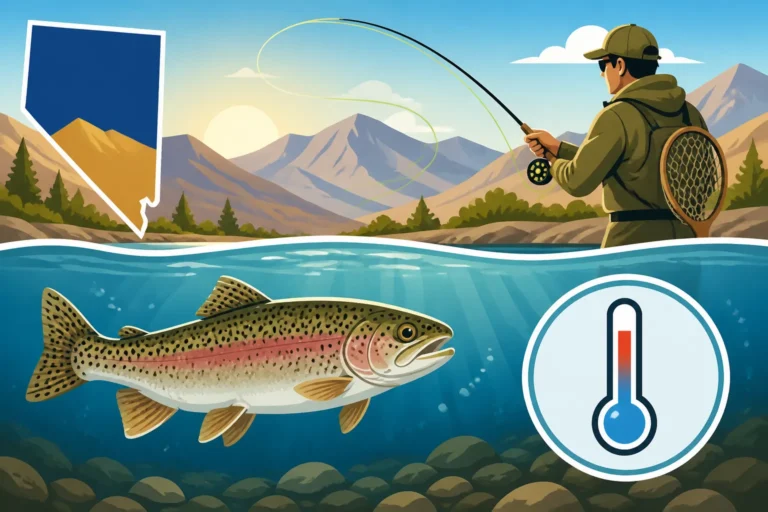
Nevada's desert lakes are defined by their intense conditions. During the summer, air temperatures often soar well over 100 degrees Fahrenheit, which translates to very warm surface water. This heat drives many fish species, especially trout and even some bass, into deeper, cooler zones where they're harder to reach from the bank. The sun's intensity also makes the water incredibly clear in many of these lakes, particularly those with rocky bottoms or minimal inflow. This crystal-clear water means fish have excellent visibility, making them incredibly wary of anglers, shadows, and unnatural presentations.
Winter, while offering a reprieve from the heat, can bring its own challenges with freezing temperatures, strong winds, and sluggish fish metabolism. Furthermore, the exposed, rocky, or sandy shorelines offer little in the way of natural cover for anglers, making it difficult to approach quietly without spooking fish. This lack of cover also exposes you directly to the elements, demanding specific gear choices for personal comfort and safety.
Access Limitations and Fish Behavior
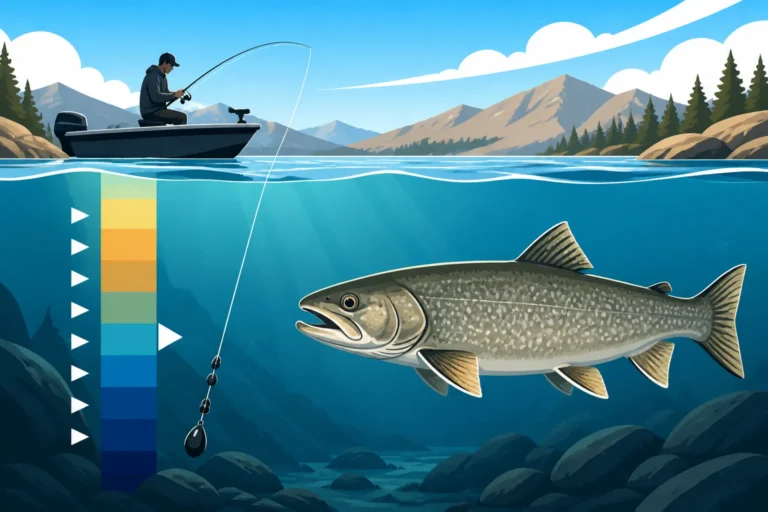
Unlike smaller ponds or rivers, desert lakes like Lake Mead or Lake Mohave are massive bodies of water with vast stretches of inaccessible shoreline. Public access points are often limited, and once you’re there, you’re usually confined to certain areas, often around boat ramps, designated recreation areas, or sparse dirt roads. This means you can't simply move to follow fish migrations or explore new structures as easily as someone in a boat. Fish behavior in these environments is also greatly influenced by the lake's size and depth. Many game fish, especially larger species like striped bass or even big rainbow trout, will hold offshore in deeper water, seeking baitfish or cooler temperatures, well out of casting range from the typical bank.
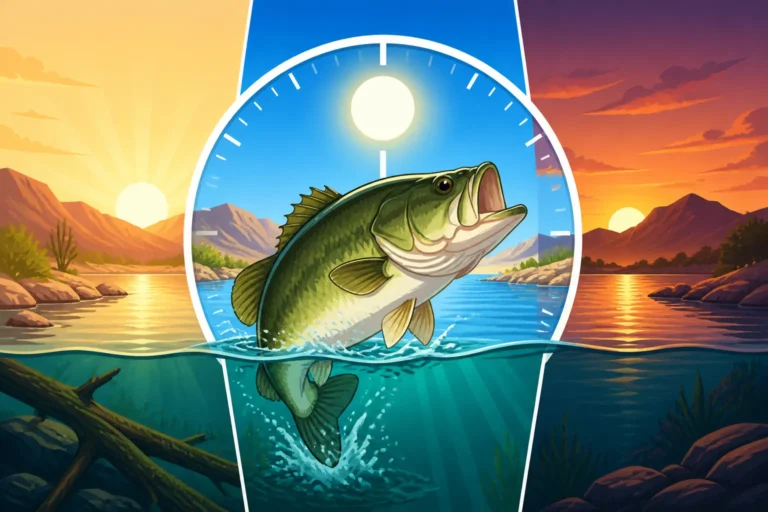
When fish do come shallow, it's often during low-light hours (dawn, dusk, or at night) or specific seasons like the spring spawn for bass. Understanding these patterns is critical. The fish you can reach from the bank might be smaller, or they might be highly concentrated in specific areas that offer them shelter or food, such as small coves, submerged brush piles, or drop-offs near the shore. Your ability to identify and target these specific "fishy" spots from the limited access points you have is paramount to success.
Essential Gear for the Nevada Bank Angler
When you're standing on the shore of a vast Nevada desert lake, you need gear that can handle the elements, reach distant fish, and present your bait or lure effectively. Skimping on the right tools will only lead to frustration.
Rod and Reel Setup for Distance and Power
For bank fishing on desert lakes, you'll generally want a longer rod than you might use for stream or pond fishing. A medium to medium-heavy power spinning rod, typically in the 7 to 9-foot range, is ideal. The extra length provides several advantages: increased casting distance, better line control, and improved leverage when fighting larger fish that might try to run you into structure. A longer rod allows you to propel your lure further out into the lake, often reaching those elusive deeper channels or baitfish schools that hug the main lake body.
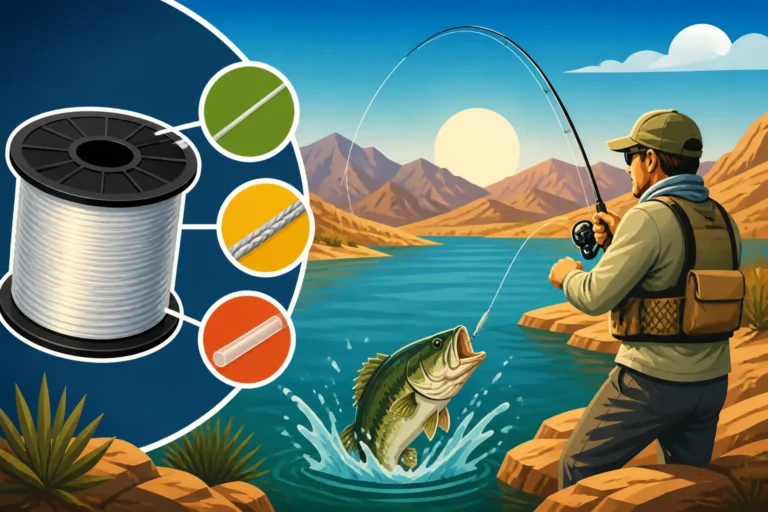
Pair this with a reliable spinning reel in the 3000-4000 size range. Look for models with a smooth drag system and good line capacity, capable of holding 150-200 yards of 8-12 lb test line. A high-quality reel, like those you might find on Amazon, will ensure consistent casting performance and withstand the rigors of heavy use. For your line, consider a main spool of braided line (15-20 lb test) for its incredible casting distance, sensitivity, and strength, especially if you're targeting fish like striped bass or larger channel catfish. Always tie on a fluorocarbon leader (6-12 lb test, 2-4 feet long) to your braid using an FG knot or similar strong knot. Fluorocarbon is nearly invisible underwater, crucial in clear desert waters, and offers excellent abrasion resistance against rocks.
Tackle Box Essentials for Desert Lakes
Your tackle box should be a well-organized arsenal geared for the specific species and conditions you'll encounter. For trout, staples include PowerBait, Gulp! trout dough, and small inline spinners like a Rooster Tail or Panther Martin. Small spoons and Kastmasters are also excellent for casting distance and imitating baitfish. If you're wondering what works best for stocked fish, check out our guide on Best Bait for Nevada Trout.
For bass (both largemouth and smallmouth), a variety of soft plastics are a must. Senkos, plastic worms (Texas-rigged or Carolina-rigged), and creature baits are incredibly versatile. Hard baits like crankbaits (diving to different depths), jerkbaits, and topwater lures (especially for low-light conditions) can also be highly effective. If you’re looking to target the aggressive stripers, consider larger swimbaits, spoons, and heavy jigs. Don't forget an assortment of hooks (worm hooks, treble hooks), sinkers (bullet weights, drop-shot weights), swivels, and perhaps some bobbers for still-fishing. A good pair of pliers or forceps for hook removal, a fish gripper, and a small landing net with a long handle are invaluable for handling your catches safely. Always have extra line, clippers, and a small first-aid kit in your pack.
Comfort and Safety in the Arid Environment
Nevada's desert can be unforgiving, so personal comfort and safety gear are just as important as your fishing tackle. Sun protection is non-negotiable. This means a wide-brimmed hat, polarized sunglasses (essential for spotting fish and structure in clear water), long-sleeved UPF-rated shirts, and plenty of high-SPF sunscreen. Hydration is also paramount; carry a large insulated water bottle or a hydration pack with ample water – more than you think you'll need. A small cooler with ice for drinks and to keep any kept fish fresh is also a smart move, especially in the summer heat.
Comfortable, sturdy shoes with good grip are important for navigating rocky or uneven shorelines. A lightweight, foldable chair can make long waits much more enjoyable. Consider a portable fish finder, especially if you're frequently visiting new spots. Models like the Deeper Smart Sonar or other castable units can give you invaluable information about depth, bottom structure, and even fish presence, extending your reach beyond what your eyes can see. These can often be found readily available on Amazon and can truly enhance your bank fishing experience, helping you understand Reading Water Temperature for Trout Fishing or finding hidden drop-offs.
Mastering Techniques for Different Species from the Bank
Successfully fishing Nevada's desert lakes from the bank often means adjusting your techniques to target specific fish species and their habits. What works for a feisty Lahontan cutthroat might not entice a schooling striped bass.
Targeting Trout and Panfish
Trout are often a primary target in many Nevada desert lakes, especially where they are regularly stocked by the Nevada Department of Wildlife (NDOW). For these fish, the most consistent bank fishing method is still-fishing with bait. PowerBait (in various colors and forms like dough or nuggets), salmon eggs, or even a nightcrawler floated off the bottom with a small split shot and a light leader works wonders. Cast your bait out, let it sink, and keep your rod in a holder, watching for bites. Pay attention to structure near the bank like submerged rocks, drop-offs, or weed lines, as trout will often cruise these areas.
When fish are more active, or if you want to cover more water, casting and retrieving small inline spinners or spoons can be incredibly effective. Vary your retrieve speed and depth until you find what triggers a strike. Early mornings and late evenings are often the best times for trout when they move closer to shore to feed. Panfish like bluegill and crappie, commonly found in urban ponds or warmer, shallower coves of larger lakes, are excellent targets for beginners and kids. Small pieces of worm, corn, or even tiny jigs fished under a bobber in shallower, weedier areas will usually yield plenty of action. For more advanced trout tactics, consider exploring How to Fish for Trout in Nevada.
Landing Largemouth and Smallmouth Bass
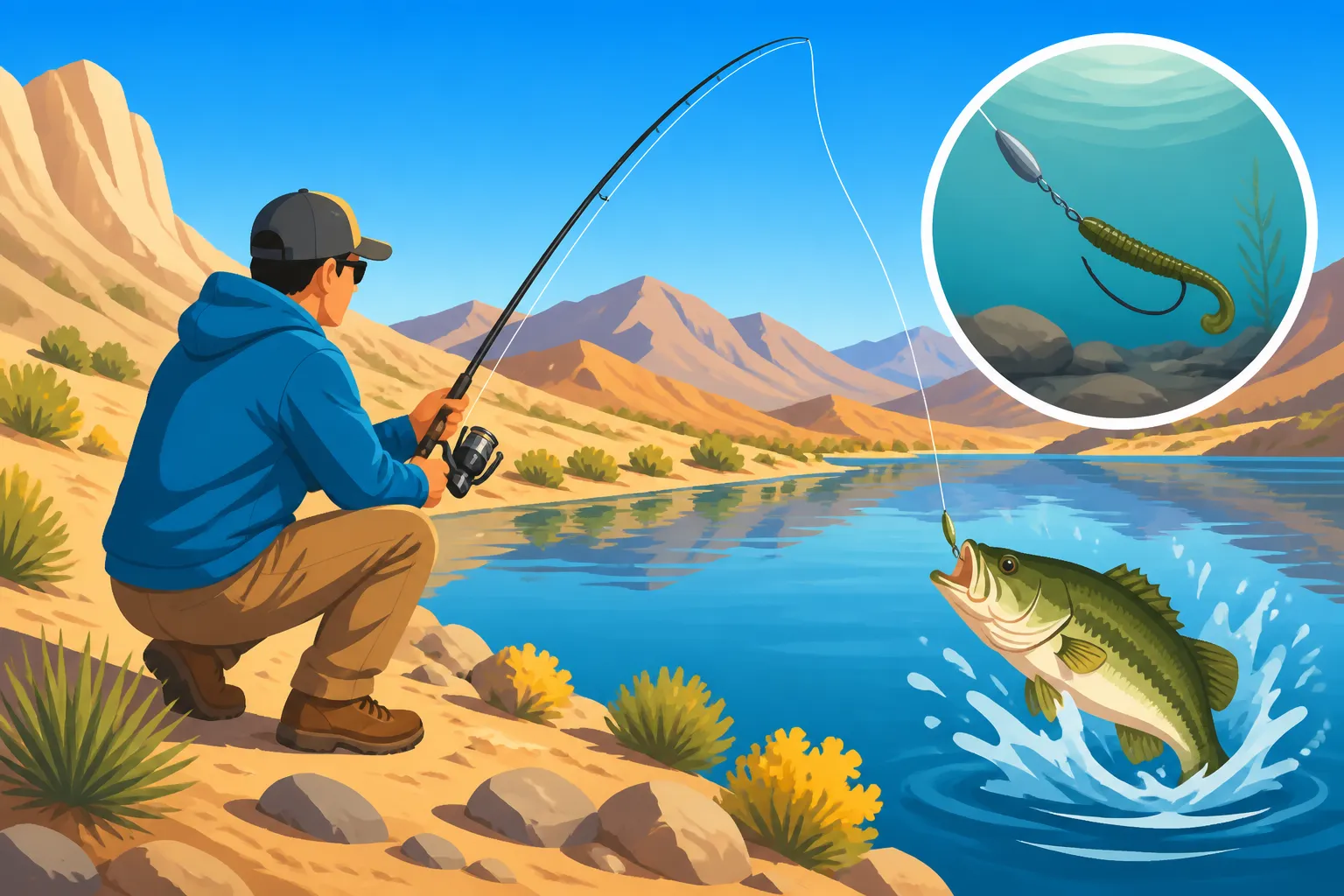
Bass fishing from the bank on desert lakes requires a more active, strategic approach. Both largemouth and smallmouth bass are ambush predators, so you need to present your lure where they're likely to be hiding. For largemouth, focus on areas with submerged vegetation, fallen trees, brush piles, or rocky points. Soft plastics rigged Texas-style (weedless) are your best friend here, allowing you to cast into heavy cover without snagging. Wacky-rigged Senkos are also incredibly effective, slowly fluttering down with an irresistible action. Cast parallel to the shore if there's cover, or fan cast into likely areas.
Smallmouth bass often prefer rocky bottoms, ledges, and drop-offs. They're more likely to chase a moving bait. Small crankbaits, spinnerbaits, jerkbaits, and even topwater lures (during low light) can trigger aggressive strikes. Drop-shot rigs with small worms or creature baits are excellent for probing deeper water adjacent to structure. When fishing for bass, pay close attention to the time of year. During the spring spawn, bass will move into shallower, protected coves, making them highly accessible from the bank. For more in-depth strategies, refer to our How to Fish for Bass in Nevada guide.
Reaching Aggressive Striped Bass
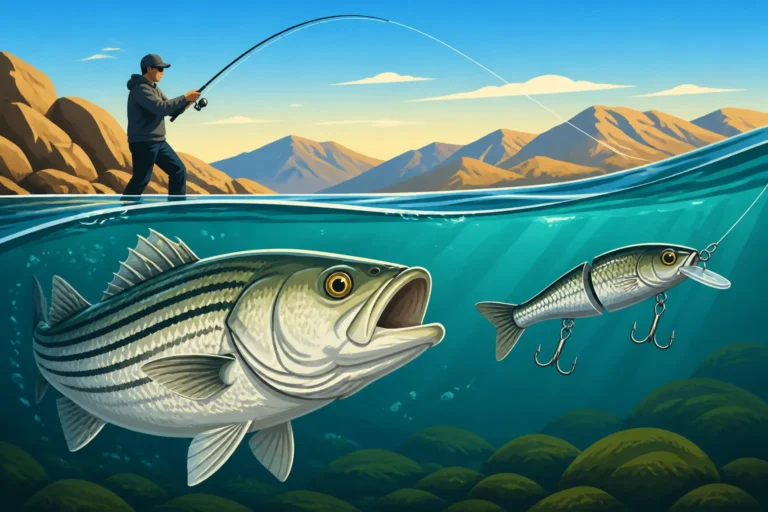
Striped bass, particularly in large reservoirs like Lake Mead and Lake Mohave, are a favorite target, but they can be challenging from the bank due to their tendency to follow baitfish in open water. However, stripers do come close to shore, especially during feeding frenzies or when chasing schools of shad into coves or along main lake points. For bank anglers, the key is often patience and observation. Look for signs of schooling baitfish or active feeding, like birds diving or fish busting the surface.
When you see activity, cast long with heavy spoons (like a Kastmaster), large swimbaits, or even larger bucktail jigs. A popular and effective method is to use cut bait, particularly anchovies or shad, fished on the bottom or under a float. Use a heavy enough sinker to hold your bait in place, and a strong circle hook. The best times for bank stripers are usually early morning, late evening, or even night fishing, when they feel more comfortable cruising shallower water. Targeting areas near deep water access points, rocky ledges, or where current might create a natural ambush point can also improve your odds. Our How to Fish for Striped Bass in Nevada article offers further insights.
| Species Targeted | Preferred Bank Techniques | Ideal Baits/Lures | Key Locations/Times |
|---|---|---|---|
| Rainbow Trout | Still-fishing, slow retrieve | PowerBait, Salmon Eggs, Worms, Small Spinners, Spoons | Stocked ponds, deep coves; Early morning, late evening |
| Largemouth Bass | Casting into cover, slow retrieve | Texas-rigged plastics, Wacky worms, Jigs, Shallow crankbaits | Submerged brush, weed lines, docks; Low light, spring spawn |
| Smallmouth Bass | Casting to structure, faster retrieve | Small crankbaits, Spinnerbaits, Jerkbaits, Drop-shot rigs | Rocky points, ledges, drop-offs; Anytime, more active |
| Striped Bass | Long casts, bottom fishing, cut bait | Heavy Spoons, Swimbaits, Jigs, Cut Anchovy/Shad | Main lake points, deep coves, current areas; Low light, night, feeding frenzies |
| Channel Catfish | Bottom fishing, scent | Cut bait (chicken liver, hot dogs), Stink baits, Worms | Muddy bottoms, deep holes, quiet coves; Night, warm water |
| Panfish (Bluegill, Crappie) | Bobber fishing, small jigs | Worms, Crickets, Small jigs, Corn | Shallow weed beds, docks, protected coves; Daytime |
Maximizing Your Success from Shore
Bank fishing success in Nevada's desert environment isn't just about the right gear and technique; it's also about smart strategy, careful observation, and a willingness to adapt.
Strategic Spot Selection and Reconnaissance
One of the biggest advantages boat anglers have is mobility. As a bank angler, your mobility is limited, so choosing your spot wisely is paramount. Before you even make your first cast, take some time for reconnaissance. Look for visible structure: rocky points, submerged brush, sudden drop-offs, or any irregularities in the shoreline. These are natural fish magnets. If you're at a new lake, use online satellite maps to identify potential access points and areas with promising contours. Google Maps or similar applications can reveal hidden coves, creek channels, or historical riverbeds that might extend into the lake, all of which are excellent fish habitat.
Pay attention to subtle environmental cues. Is there wind blowing into a particular cove, pushing baitfish or plankton? Are there birds diving, indicating active baitfish schools? Are there visible weed lines or patches of shade? Observing other anglers can also provide clues about productive areas. Don't be afraid to walk a bit to find a better spot, rather than just settling for the first access point. A ten-minute walk can sometimes put you on a drastically more productive piece of water. Remember, finding the fish is often 90% of the battle, especially when you're restricted to the bank. You can also explore options like Best Places to Fish in Nevada for general guidance on hot spots.
Adapting to Water Conditions and Time of Day
Desert lakes are dynamic, and conditions can change rapidly. Water clarity, temperature, and level all influence fish behavior. If the water is crystal clear, you'll need to use lighter fluorocarbon leaders, smaller lures, and make longer casts to avoid spooking fish. If the water is stained or murky (perhaps after a rain, which is rare but happens), brighter colored lures and those with more vibration or scent can become more effective. Always be mindful of the lake's water level. Fluctuating levels can push fish off shore, expose new structure, or flood existing cover, changing where fish hold.
The time of day is arguably the most critical factor for bank fishing success in the desert. During the scorching summer months, fishing during the middle of the day is often unproductive and potentially dangerous due to heat exposure. The golden hours of dawn and dusk, when the sun is low, temperatures are cooler, and fish feel safer to move into shallower water, are almost always the most productive. Night fishing can also be incredibly effective for species like striped bass and catfish, which become much more active after dark. Even during cooler seasons, low-light conditions tend to be prime feeding times. Consider Summer Fishing Techniques for Hot Desert Lakes for more insights on warm weather strategies.
Presentation and Retrieval Techniques
Your presentation needs to be impeccable, especially in clear, pressured waters. Avoid heavy splashes when casting; try to lay your lure or bait gently on the water. For still-fishing with bait, use just enough weight to get your bait to the bottom or keep it in place. Too much weight can look unnatural and deter wary fish. When retrieving lures, vary your speed and action. Don't just reel in steadily. Try pauses, twitches, jerks, and changes in speed to imitate an injured baitfish or provoke a reaction strike.
If you're using soft plastics for bass, understand the cadence of a slow, deliberate retrieve that allows the bait to settle and "swim" naturally. For trout, often a steady, moderate retrieve with a spinner or spoon is best. Always pay attention to what the fish are telling you. If you get a follow but no strike, try changing your retrieve. If one color isn't working, switch to another. Sometimes the subtle differences in presentation can make all the difference between a frustrating day and a successful one. Remember, you're trying to fool a wild creature, and they've seen it all. Don't be afraid to experiment with different Best Lures for Nevada Bass or other species.
Staying Safe and Comfortable in the Desert
Beyond the fishing itself, ensuring your well-being in the harsh Nevada desert environment is absolutely crucial. Ignoring safety protocols can quickly turn a fun outing into a serious situation.
Heat Management and Hydration
The most immediate and significant danger when fishing Nevada's desert lakes, especially from spring through fall, is the intense heat and sun exposure. Dehydration and heatstroke are real threats. Always carry significantly more water than you think you’ll need. A good rule of thumb is at least a gallon of water per person for a full day of summer fishing, and electrolyte drinks can help too. Freeze some water bottles to keep your cooler cold and provide chilled drinking water later in the day.
Wear light-colored, loose-fitting clothing made from moisture-wicking materials. As mentioned, a wide-brimmed hat, polarized sunglasses, and high-SPF sunscreen are non-negotiable. Consider a sun buff or neck gaiter to protect your face and neck. If you start to feel dizzy, nauseous, or excessively tired, stop fishing immediately, find shade, and rehydrate. If possible, plan your fishing trips during the cooler months or stick to early morning and late evening sessions during the peak of summer. Remember, fish bite better when it’s cooler anyway!
Navigating Uneven Terrain and Wildlife
Nevada’s desert shorelines are often rugged and untamed. Expect uneven ground, loose rocks, steep inclines, and potentially sharp vegetation. Sturdy, closed-toe shoes with good ankle support and grip are essential. Avoid sandals or flip-flops, as a twisted ankle or a cactus spine in the foot can quickly end your trip. Always watch your footing, especially when carrying gear or navigating near the water's edge.
While less common than in more verdant areas, desert wildlife can pose a threat. Rattlesnakes are present in Nevada and often seek shade under rocks or bushes. Always be aware of your surroundings, wear appropriate footwear, and never put your hands or feet where you can't see them. If you encounter a snake, give it a wide berth and it will usually move on. Other wildlife like coyotes are typically shy but can be a nuisance if you leave food or trash exposed. Always pack out everything you pack in, leaving no trace of your visit.
Emergency Preparedness and Communication
Even a short bank fishing trip in a remote area warrants some basic emergency preparedness. Always let someone know where you are going and when you expect to return. Cell service can be spotty or nonexistent in many remote areas around Nevada’s larger lakes, so don’t rely solely on your phone for communication. A fully charged phone is still important, but consider carrying a personal locator beacon (PLB) or satellite messenger if you plan on venturing into truly isolated areas.
A small, well-stocked first-aid kit is a must for any angler, covering everything from minor cuts and scrapes to insect bites and blisters. Carry a flashlight or headlamp, even if you don't plan to be out after dark, as unexpected delays can leave you walking in the dark. Bring a knife or multi-tool, and some basic repair items like duct tape or zip ties. Staying prepared means you can focus on the fishing, knowing you're ready for most unexpected situations the desert might throw at you.
Disclaimer
Fishing inherently carries risks, including but not limited to drowning, injuries from hooks or wildlife, and environmental hazards. Always exercise caution, wear appropriate safety gear, and be aware of your surroundings. This guide is for informational purposes only, and local regulations and conditions can change. Always consult the official Nevada Department of Wildlife (NDOW) regulations before fishing.