Best Tackle for Nevada Bass Fishing
One of the biggest joys and sometimes biggest frustrations in Nevada fishing is targeting bass. Whether it’s the powerful largemouth, the feisty smallmouth, or the hard-fighting striped bass, these fish demand specific gear to consistently fool them. Trying to use a one-size-fits-all approach often leads to disappointing days on the water. This comprehensive guide will break down the essential tackle you need to maximize your success when chasing bass across Nevada's diverse waterways, from the urban ponds to the expansive desert reservoirs.
Understanding Nevada Bass Species and Their Habitats
Before we even talk about specific lures or rods, it’s absolutely critical to understand what kind of bass you're targeting and where they like to hang out. Nevada is a unique state, offering three primary bass species that each have their own quirks and preferences. Knowing your quarry is the first step to choosing the right tackle.
Largemouth Bass Preferences
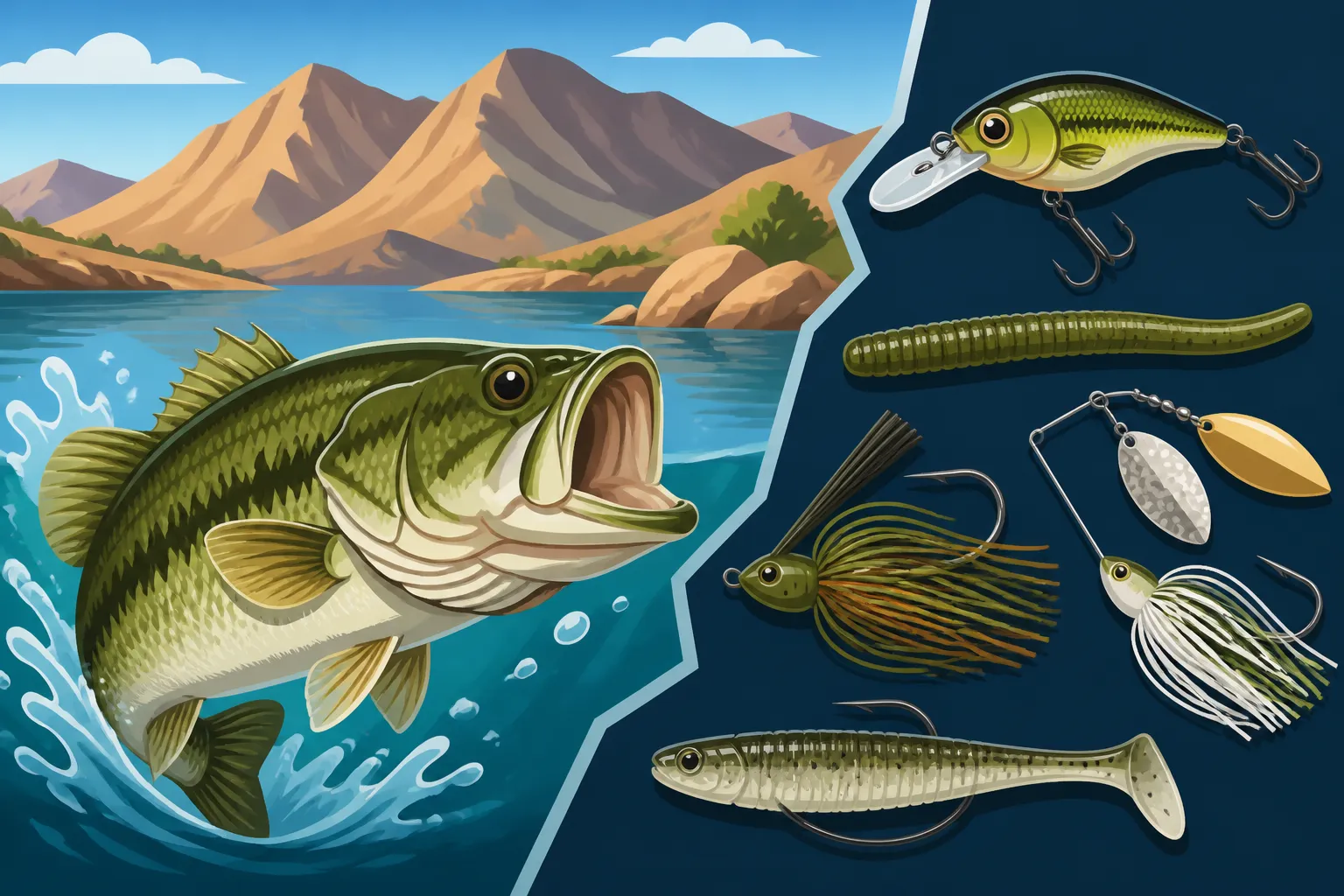
Ah, the largemouth bass – the king of the cover! In Nevada, especially in places like Lake Mead or the urban ponds, largemouths are often found lurking in the shadows. They love structure: submerged brush, weed beds, rocky points, flooded timber, and shady coves. Think about areas where they can ambush prey or hide from the scorching desert sun. They are ambush predators, meaning they'll wait patiently for an unsuspecting baitfish or crawfish to swim by before exploding out of cover. This aggressive feeding style dictates a lot of your tackle choices, leaning towards presentations that can penetrate thick cover and elicit a strong reaction strike. You'll often find them in shallower, warmer water, especially during the spring spawn or in the early mornings and late evenings during summer. Understanding their habitat means you'll need tackle that can handle snags and present baits accurately into tight spots.
Smallmouth Bass Characteristics
If largemouths are the kings of cover, then smallmouths are the emperors of the open, rocky stretches. These bronze battlers prefer clearer, cooler waters and thrive around rocky points, ledges, deep humps, and current breaks. You'll find them in places like Lake Mead and Lake Mohave, often in deeper sections than their largemouth cousins. Smallmouths are incredibly agile and powerful fighters, known for their strong runs and acrobatic jumps once hooked. Their diet often consists of crawfish, baitfish, and even insects, and they tend to hunt in schools. Because they often inhabit clearer water and are less reliant on thick cover, your tackle for smallmouths will often lean towards lighter lines and more finesse presentations that mimic their natural prey without spooking them. They are also highly susceptible to changes in water temperature and clarity, often moving to deeper water during bright, sunny days or when the surface gets choppy. For more on these amazing fish, check out our guide on Smallmouth Bass Habitat at Lake Mead.
Striped Bass Behavior in Nevada
Now, the striped bass is a whole different ballgame. Found predominantly in the massive reservoirs of Lake Mead and Lake Mohave, these are open-water predators that can grow to impressive sizes and put up a truly epic fight. Unlike largemouths and smallmouths, stripers are built for speed and chasing down schools of shad, anchovies, or even other smaller game fish. They are nomadic, constantly on the move, following baitfish schools in wide open water, often suspending at various depths. You'll rarely find them hiding in a brush pile. When they "boil" on the surface, crashing into schools of baitfish, it's one of the most exciting spectacles in Nevada fishing. Targeting stripers requires heavy-duty tackle capable of casting long distances, handling strong currents, and withstanding the immense power of these fish. Their sheer size and aggressive nature mean you’ll often be using larger baits and heavier gear than you would for their black bass relatives. Keeping track of their movements and feeding patterns can be a real challenge, but the reward is definitely worth the effort.
Essential Rod and Reel Setups for Nevada Bass Fishing
Having the right rod and reel combo isn't just about spending money; it's about matching your gear to the specific techniques and fish you're targeting. A heavy flipping stick won't do you much good for tiny finesse baits, and a lightweight ultralight rod will be completely overpowered by a thirty-pound striper.
Choosing the Right Rod: Power, Action, and Length
Your fishing rod is essentially your extension, allowing you to cast, feel bites, and fight fish effectively. There are three main characteristics to consider:
- Power: This refers to the rod's stiffness or resistance to bending. You'll see terms like "ultralight," "light," "medium," "medium-heavy," and "heavy."
- Medium-Light to Medium Power: Great for finesse techniques like drop-shotting for smallmouths, throwing smaller crankbaits, or fishing lighter jigs. It offers sensitivity and a forgiving bend.
- Medium-Heavy Power: This is arguably the most versatile power for general bass fishing in Nevada. It handles a wide range of lures, from jigs and Texas rigs to spinnerbaits and medium crankbaits. It provides enough backbone to set the hook firmly and pull fish out of lighter cover.
- Heavy Power: When you're punching through thick vegetation, flipping heavy jigs into dense brush, or battling large striped bass, a heavy power rod is your best friend. It offers maximum lifting power and hook-setting strength, often used with heavier lines.
- Action: This describes where the rod bends along its length.
- Fast Action: The rod bends mostly in the top third, offering maximum sensitivity and quick hook-sets. Ideal for single-hook baits like jigs, Texas rigs, and spinnerbaits where you need to feel every bump and drive the hook home instantly.
- Moderate-Fast Action: Bends in the top half to third. A good all-around action, offering a balance of sensitivity and forgiveness.
- Moderate Action (or "Cranking" Action): The rod bends more parabolically, through the middle section. This provides more give, which is crucial for treble hook baits like crankbaits and jerkbaits. The softer action prevents hooks from tearing out when a fish surges, and it allows for longer casts with reaction baits.
- Length: Rod lengths typically range from 6 feet to over 8 feet.
- 6 to 7 Feet: Shorter rods are excellent for accuracy in tight casting situations, like skipping baits under docks or targeting specific pockets in heavy cover. They're also easier to manage in smaller boats or kayaks.
- 7 to 7.6 Feet: This is the sweet spot for many bass anglers, offering a great balance of casting distance and accuracy, along with good leverage for fighting fish. Ideal for Texas rigs, jigs, spinnerbaits, and even some heavier crankbaits.
- 7.6 Feet and Longer: Longer rods provide maximum casting distance, which is invaluable for covering open water, especially when targeting schooling stripers or making long casts with Carolina rigs. They also excel for techniques like punching or flipping heavy cover, offering more leverage to pull big fish out. For a deeper dive into rods, take a look at our Best Fishing Rods for Nevada Lakes guide.
Spinning versus Baitcasting Reels
The choice between a spinning reel and a baitcasting reel often comes down to personal preference and the specific technique you're employing. Most serious bass anglers will have both.
- Spinning Reels:
- Pros: Easier to learn, excellent for casting lightweight lures (finesse worms, small jigs, tiny crankbaits), less prone to backlashes, generally more forgiving. They also allow for smooth line flow, which is great for light lines.
- Cons: Less powerful for fighting very large fish or pulling them out of heavy cover, less accurate for pinpoint casting compared to baitcasters in experienced hands, and not ideal for heavy lines or large baits.
- Best for: Finesse fishing for smallmouths in clear water, fishing urban ponds with lighter baits, beginners, or when wind makes baitcasting difficult. When you're focused on sensitivity and presenting small, natural-looking baits, a good spinning setup is indispensable. Best Spinning Reels for Trout Fishing might offer some crossover tips for light bass gear too.
- Baitcasting Reels:
- Pros: More powerful, better for heavy lines and larger lures, incredibly accurate for targeting specific spots once mastered, and provide better torque for fighting big fish and extracting them from heavy cover. The direct contact with the spool allows for better feel and control during the retrieve.
- Cons: Can be challenging for beginners due to the dreaded "backlash" (tangled line), require more practice to cast effectively, and are not ideal for very light lures.
- Best for: Power fishing for largemouths (jigs, Texas rigs, spinnerbaits, crankbaits, topwaters), and for handling the heavy lines and large baits needed for aggressive striped bass. If you're looking to upgrade, our Best Baitcasting Reels for Bass Fishing guide can help.
Line Choices: Monofilament, Fluorocarbon, and Braided
The fishing line is your only connection to the fish, so choosing wisely is paramount. Each type has its advantages and disadvantages.
- Monofilament (Mono):
- Pros: Most affordable, stretches (which can be good for treble hook baits to prevent tear-outs), easy to tie knots, floats (good for topwater lures). It's also fairly abrasion-resistant for its price point.
- Cons: High stretch means less sensitivity, can retain "memory" (coil up), and degrades over time from UV exposure.
- Best for: Topwater lures, crankbaits, and as a general all-around line for beginners.
- Fluorocarbon (Fluoro):
- Pros: Nearly invisible underwater (low visibility), very sensitive (less stretch than mono), sinks (great for diving lures and jigs), and highly abrasion-resistant.
- Cons: More expensive, can be harder to tie knots with, and some brands can be stiff.
- Best for: Jigs, Texas rigs, Carolina rigs, drop shots – any technique where sensitivity and invisibility are key. It’s a favorite among serious bass anglers for a reason.
- Braided Line:
- Pros: Extremely strong for its diameter, virtually no stretch (maximum sensitivity and powerful hook-sets), floats, and casts a mile. Excellent for fishing in heavy cover where you need to cut through weeds or pull fish out of dense brush.
- Cons: Highly visible (usually requires a fluorocarbon leader), can be hard on rod guides and reel components if not properly maintained, and can sometimes "dig in" on the spool if not spooled tightly.
- Best for: Punching, flipping, frogging, heavy cover applications, and long-distance casting for striped bass. Always use a fluorocarbon leader (typically 3-6 feet) when fishing braid in clear water to hide your presentation.
Lures and Baits for Largemouth Bass in Nevada
Largemouth bass are suckers for a well-presented meal, and their aggressive nature allows for a wide array of lures. Matching your lure to the conditions, water clarity, and the fish's mood is key.
Soft Plastics: Worms, Senkos, and Jigs
Soft plastics are undoubtedly some of the most versatile and effective largemouth bass lures. They mimic a variety of prey items and can be rigged in countless ways.
- Plastic Worms: The classic! From Texas-rigged worms slithering through grass beds to Carolina-rigged worms dragging across open flats, plastic worms catch fish. Sizes and colors vary wildly, but natural hues like green pumpkin, watermelon, and junebug are perennial favorites in Nevada's lakes. The key is to impart subtle action with your rod tip, allowing the tail to undulate enticingly. They excel when fish are less active or in pressured situations where a more natural presentation is needed. They can be incredibly effective when slowly worked through submerged cover, giving the bass ample time to react.
- Senko-style Baits: These simple, soft stickbaits have revolutionized bass fishing. Their unique falling action, with a subtle wobble, is irresistible to largemouths. Wacky-rigged, Texas-rigged, or even Neko-rigged, they are fantastic for pitching to docks, laydowns, or simply fan-casting to cover water. The beauty is in their simplicity; often, less action from the angler is more. Just cast it out, let it sink on a slack line, and watch for your line to jump! They are especially potent when bass are staging in pre-spawn or post-spawn periods, or when they are suspended around isolated cover.
- Jigs (Football, Flipping, Swim Jigs): Jigs are meat-and-potatoes bass lures, designed to imitate crawfish or baitfish.
- Football Jigs: Named for their head shape, these are excellent for dragging over rocky bottoms or deep humps, mimicking a crawfish scurrying along. They often come with a brush guard to reduce snags.
- Flipping/Punching Jigs: Heavier and more compact, these are built for penetrating dense cover like thick mats of weeds or brush. Pair them with a stout rod and heavy braided line for maximum effectiveness.
- Swim Jigs: Designed to be reeled steadily through the water column, often dressed with a soft plastic trailer that adds action. They excel in grass or around submerged timber, mimicking a baitfish.
- The beauty of a jig lies in its ability to generate reaction strikes from even lethargic bass. They are a must-have in any Nevada angler's tackle box, especially when targeting larger, more aggressive fish hidden in cover.
Hard Baits: Crankbaits, Jerkbaits, and Topwaters
Hard baits offer a different approach, often designed to cover water quickly or elicit aggressive reaction strikes.
- Crankbaits: These lipped lures dive to various depths and wobble enticingly, mimicking shad or crawfish.
- Shallow Divers: Perfect for targeting bass in 2-6 feet of water, especially around shallow rocky areas or sparse grass.
- Medium Divers: Great for depths of 6-12 feet, effective on points, ledges, and humps.
- Deep Divers: Designed to reach depths of 12-20+ feet, ideal for offshore structure and deep points in larger reservoirs like Lake Mead.
- Matching the crankbait's dive depth to the fish's location is crucial. Experiment with retrieve speeds and deflecting the bait off cover to trigger strikes. The erratic action created by hitting structure can be irresistible.
- Jerkbaits: Long, slender lures designed to be retrieved with a "jerking" or "twitching" motion, followed by pauses. They perfectly imitate a wounded baitfish struggling in the water column. Jerkbaits are particularly deadly in cooler water conditions (spring and fall) or when fish are suspended. The key is the pause; bass often strike when the lure is completely motionless. They can be retrieved with a variety of cadences, making them highly adaptable.
- Topwater Lures: Nothing beats the thrill of a topwater strike! Poppers, walking baits (like a Zara Spook), frogs, and buzzbaits are designed to be fished on the surface. They are most effective in low light conditions (early morning, late evening), overcast days, or when bass are actively feeding on the surface, especially around cover. A frog lure, for instance, is phenomenal for working over heavy lily pads or thick mats where other lures would snag. The visual strike is exhilarating, making topwater fishing a favorite for many anglers.
Spinnerbaits and Chatterbaits
These baits are fantastic for covering water and triggering aggressive, reaction strikes.
- Spinnerbaits: Consisting of a lead head, a skirt, and one or more spinning blades, spinnerbaits create flash and vibration that bass find irresistible. They are incredibly weedless and can be retrieved through various types of cover, from timber to submerged grass. Different blade configurations (Colorado, Willowleaf, Indiana) and colors allow you to adapt to water clarity and desired vibration. They're often best in stained or murky water, or on windy days when fish are actively chasing bait. They are also excellent "search baits" when you're trying to locate active fish quickly.
- Chatterbaits (Bladed Jigs): These hybrids combine the vibration of a bladed lure with the profile of a jig. The unique hex-shaped blade causes the bait to violently shake, producing a tremendous amount of vibration and an erratic, darting action. They are extremely effective in situations where bass are actively feeding on shad or other baitfish, especially around grass lines, docks, or sparse cover. Adding a soft plastic trailer (like a swimbait or grub) enhances the action and profile. Much like spinnerbaits, they excel as a reaction bait, often triggering strikes from bass that might ignore other presentations.
Lures and Baits for Smallmouth Bass in Nevada
Smallmouth bass often require a more nuanced approach than their largemouth cousins, particularly in the clear, rocky waters they inhabit. Finesse is frequently the name of the game, but don't underestimate their willingness to chase a fast-moving bait.
Finesse Presentations: Drop Shots, Tubes, and Small Jigs
When targeting smallmouths, especially in clear water or when they're highly pressured, finesse techniques are absolutely crucial.
- Drop Shot Rigs: This rig keeps your bait suspended off the bottom, directly in the strike zone, while your weight maintains bottom contact. It's incredibly effective for vertical presentations, particularly when fish are suspended or holding tightly to rocky structure. Small worms, minnow imitations, or tiny creatures baits are rigged on a hook tied directly to the main line, with a weight tied below. The beauty of the drop shot is that you can subtly shake your rod tip to impart action to the bait without moving the weight from the bottom, mimicking a struggling baitfish or insect. This technique is deadly when smallmouth are lethargic or spooky.
- Tube Baits: These hollow, soft plastic creatures, often filled with a jig head, are outstanding smallmouth producers. They perfectly imitate crawfish or goby, which are primary food sources for smallmouths in many Nevada waters. They can be dragged, hopped, or even twitched along the bottom, creating a lifelike scurrying action. The spiral descent of a tube bait is often what triggers a strike. Natural colors like green pumpkin, brown, or watermelon are usually the most effective. They are versatile, working well when cast and retrieved, or even when fished vertically.
- Small Jigs (Ned Rigs, Marabou Jigs):
- Ned Rigs: A relatively small, mushroom-shaped jig head paired with a short, buoyant soft plastic worm. Its subtle, stand-up presentation makes it incredibly effective for pressured fish or when smallmouths are finicky. It's designed to mimic a small baitfish or crawfish foraging on the bottom. The key is to fish it slowly, letting the buoyant plastic "stand up" enticingly.
- Marabou Jigs: Often used in cooler water, these jigs have a pulsating, natural action that imitates a small baitfish or insect. Their lifelike movement, even when barely retrieved, makes them irresistible to smallmouth. They are particularly good for suspended fish or when fished over rocky reefs.
Both of these small jig presentations excel where larger, more aggressive baits might be ignored, offering a subtle meal to wary fish.
Moving Baits: Small Crankbaits, Underspins, and Swimbaits
While finesse often rules, smallmouths will absolutely crush moving baits, especially when they're actively feeding.
- Small Crankbaits: Downsized versions of their largemouth counterparts, these lures are perfect for covering rocky points, ledges, and flats. They often feature natural baitfish patterns and can dive to various depths. The erratic wobble and vibration mimic a fleeing baitfish, and deflecting them off submerged rocks can trigger aggressive strikes. Colors that imitate crawfish or shad are often highly effective.
- Underspins: These lures combine a jig head with a small spinner blade positioned underneath the head. When paired with a soft plastic swimbait or grub, they create a subtle flash and vibration that's perfect for mimicking baitfish. They excel in clear water situations, especially when fish are suspended or chasing schools of bait. The continuous flash of the blade acts as an attractor, drawing fish in from a distance.
- Small Swimbaits: Realistic soft plastic swimbaits, either rigged on a jig head or with an internal weight, are fantastic for smallmouth. They offer a natural swimming action that perfectly imitates small shad, trout, or other forage fish. They can be retrieved steadily, paused, or twitched, making them highly versatile. They work well when smallmouth are schooling up and actively chasing bait, allowing you to cover water efficiently and present a natural-looking meal.
Topwater and Jerkbaits for Smallmouth
Just like largemouths, smallmouths will readily hit topwater lures and jerkbaits, especially during certain times of the year.
- Topwater Lures (Walkers, Poppers): The excitement of a smallmouth blowing up on a topwater is hard to beat. Walking baits (like a Zara Spook Puppy) or small poppers can be incredibly effective, particularly during early mornings, late evenings, or overcast days. They excel when smallmouth are feeding on the surface, often chasing baitfish or insects. The key is to impart an enticing "walk-the-dog" action or a "pop and pause" retrieve that mimics a struggling critter on the surface.
- Jerkbaits: The suspending action of a jerkbait is a smallmouth magnet. When twitched and paused, these lures perfectly mimic a dying baitfish, a scenario smallmouths can't resist. They are especially effective in cooler water conditions (spring and fall) and when fish are suspended off rocky points or ledges. Vary your retrieve and pause length until you find what the fish prefer, as sometimes a long, agonizing pause is exactly what it takes to provoke a strike.
Lures and Baits for Striped Bass in Nevada
Striped bass are powerhouses, and your tackle needs to be up to the task. Their open-water, schooling behavior and aggressive feeding habits mean you'll often be fishing with larger, heavier lures and covering vast expanses of water.
Heavy Lures, Jigs, and Trolling Gear
When you're after those big, hard-fighting stripers, you need tackle that can handle the job.
- Heavy Spoons: Metal jigging spoons are incredibly effective for stripers, especially when they are schooled up deep. These lures, often weighing 1 to 3 ounces or more, are dropped to the desired depth and then vertically jigged with aggressive rips and falls. The flash and erratic action mimic a stunned or dying baitfish, triggering violent strikes. Colors like chrome, white, or chartreuse are popular. Knowing how to use a fish finder to locate suspended schools of stripers is key to success with spoons. You can find robust options at stores like Bass Pro Shops.
- Large Swimbaits and Grubs: When stripers are chasing baitfish, large soft plastic swimbaits (4-8 inches or more) rigged on a heavy jig head are deadly. These mimic larger shad or trout, offering a substantial meal. They can be cast and retrieved, trolled, or even jigged vertically. Paddle-tail swimbaits create a lot of vibration and a lifelike swimming action that big stripers can't resist. Similarly, large grubs, often paired with a heavy lead head, can be effective when bounced along the bottom or retrieved through suspended schools.
- Trolling Setups: For covering vast areas of water and targeting suspended stripers, trolling is often the most effective method. This involves pulling lures behind a boat at a specific speed and depth. Deep-diving crankbaits, swimbaits, or umbrella rigs (which imitate a school of baitfish) are common choices. Downriggers or leadcore line may be necessary to get your lures down to the desired depths, especially in large reservoirs like Lake Mead. Trolling allows you to present multiple lures at once and systematically search for active schools. Our guide on Trolling Techniques for Lake Tahoe Mackinaw might offer some general trolling principles that can be adapted for stripers, even though it focuses on a different species.
Live Bait Rigs and Chumming Techniques
Sometimes, nothing beats the real thing, especially when stripers are picky.
- Live Bait Rigs: Live bait, particularly shad or anchovies, can be incredibly effective for striped bass. Common rigs include a simple Carolina rig (leader, swivel, weight) with a circle hook through the nose or back of a live baitfish, allowing it to swim naturally. Another popular method is to float live bait under a bobber or balloon, especially when fish are shallower or near the surface. The key is to keep your bait lively and fresh. Be sure to check Nevada Fishing Regulations Explained for rules regarding live bait, as not all types or sources are legal everywhere.
- Chumming: Chumming involves throwing small pieces of bait (like chopped anchovies) into the water to attract stripers and keep them around your boat. This is often done in conjunction with live bait fishing, as the chum draws the fish in and creates a feeding frenzy, making them more likely to strike your hooked bait. It’s a very effective technique, particularly in areas like Lake Mead, but requires a consistent effort to keep the fish interested. For specific tips on attracting these hungry fish, look into How to chum for striped bass at Lake Mead.
Topwater and Surface Baits for Boils
When striped bass are actively crashing schools of baitfish on the surface, it's called a "boil," and it's one of the most exciting times to fish for them.
- Large Topwater Lures: Big poppers, walking baits, and pencil poppers are phenomenal during a striper boil. The loud splashes and erratic movements of these lures perfectly mimic a struggling baitfish, drawing aggressive strikes from frantic stripers. Casting accurately into the boil and working the lure quickly can yield multiple fish. The chaos of a boil makes stripers less wary, so they'll often hit anything that looks like a panicked meal.
- Surface Poppers and Walkers: These lures, designed for surface commotion, are essential. A well-placed cast into a boil, followed by a quick retrieve that makes the lure splash and dart, can be instantly rewarded. The key is to be ready, as boils can appear and disappear quickly. Keep a rod rigged with a topwater bait handy when you're targeting stripers, because when they come up, you don't want to be fumbling with tackle. Using a durable topwater bait that can withstand the violent strikes of stripers is a good idea.
Terminal Tackle and Accessories You Can't Forget
Having the right rods, reels, and lures is only part of the equation. The small, often overlooked components of your terminal tackle and essential accessories can make or break a fishing trip. These are the unsung heroes that ensure your line stays strong, your hooks stay sharp, and your day on the water is safe and enjoyable.
Hooks, Weights, and Swivels: The Small but Mighty Details
These little pieces of metal and lead might seem minor, but they are critical for effective presentations and successful hook-ups.
- Hooks: The right hook ensures proper lure action and a solid hook-set.
- Worm Hooks (EWG, Straight Shank): Essential for Texas rigging soft plastics. Extra Wide Gap (EWG) hooks are popular for bulkier plastics, while straight shank hooks offer a more direct hook-set for slimmer baits. Choosing the right size to match your plastic is important to ensure a natural presentation and good hook exposure.
- Treble Hooks: Found on crankbaits, jerkbaits, and topwater lures. Upgrading factory trebles to sharper, stronger ones can significantly improve your hook-up ratio and prevent fish from throwing the bait. Many anglers carry spare trebles of various sizes.
- Circle Hooks: Often preferred for live bait fishing, especially for striped bass, as they are designed to hook fish in the corner of the mouth, reducing gut-hooking and making catch and release easier.
- Weights: Weights get your lure to the desired depth and can influence its action.
- Bullet Weights: Tapered weights used for Texas rigging, allowing your bait to slide through cover more easily. Sizes from 1/8 oz to 1 oz are common.
- Drop Shot Weights: Specifically designed for drop shot rigs, these often have a swivel on top for easy line attachment and quick changes.
- Carolina Rig Weights: Typically egg-shaped or cylindrical, these heavier weights (1/2 oz to 1 oz+) are used for Carolina rigging, allowing your leader and bait to float above the bottom.
- Split Shots & Removable Weights: Handy for adding a little extra weight to finesse presentations or adjusting the sink rate of a lure.
Choosing the right weight for current, depth, and desired fall rate is crucial.
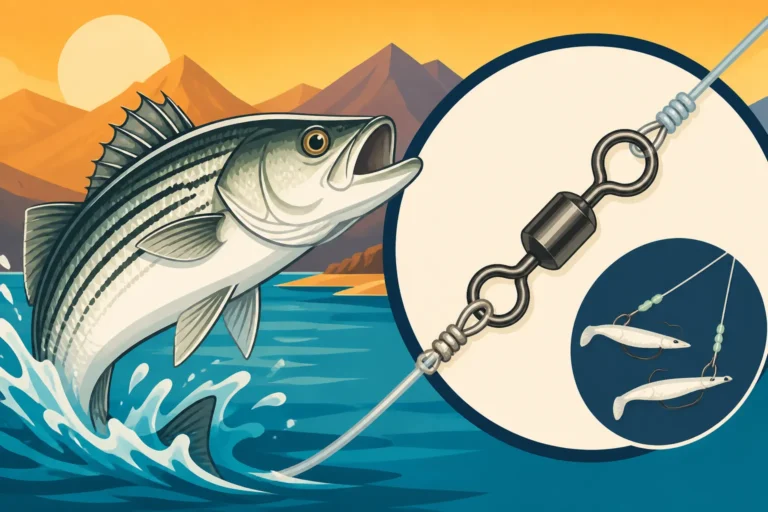
- Swivels: Swivels prevent line twist, which can weaken your line and make casting difficult.
- Barrel Swivels: Basic, effective for preventing twist.
- Ball Bearing Swivels: More expensive but offer superior rotation, especially important when using lures that spin or when fishing with heavier line for powerful fish like stripers.
- Snaps/Snap Swivels: Allow for quick lure changes, but always ensure they are strong enough for the fish you're targeting. Using a good quality swivel is a small investment that can save a lot of headaches on the water.
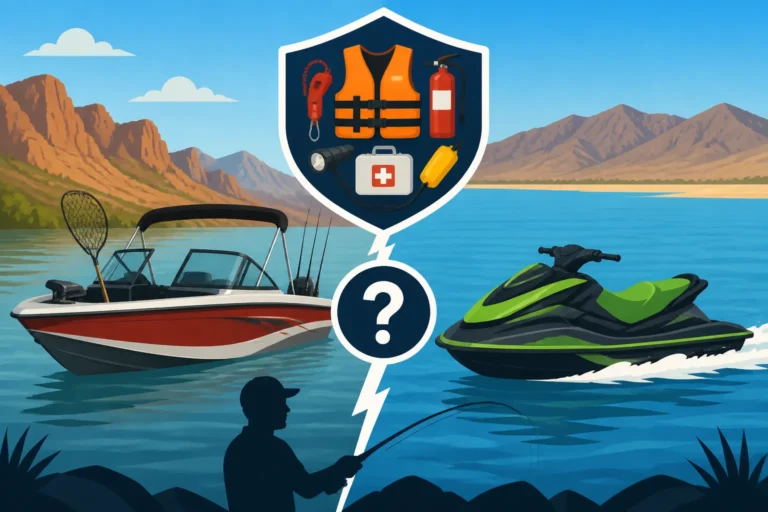
Essential Tools and Safety Gear
Beyond your fishing setup, a few key tools and safety items are absolute must-haves for any bass angler in Nevada.
- Pliers/Forceps: Essential for removing hooks safely from a fish's mouth, especially when dealing with deeply hooked fish or treble hooks. Long-nosed pliers are a lifesaver. Look for options that also have a line cutter.
- Line Clippers/Scissors: A sharp pair of clippers is needed for clean knots and quick line adjustments. Dental floss scissors or specialized fishing line clippers work best.
- Measuring Tape/Scale: To quickly measure your catch against Nevada Bass Daily Limit and Size Rules and to weigh any potential trophy fish. Many anglers like to document their catches, and a good scale is indispensable for bragging rights (and accurate record-keeping).
- First Aid Kit: Accidents happen, especially around hooks and sharp objects. A basic first aid kit with bandages, antiseptic wipes, and pain relievers is a smart thing to have in your boat or tackle bag.
- Sun Protection: Nevada sunshine is no joke! A wide-brimmed hat, polarized sunglasses, and high-SPF sunscreen are absolutely vital to prevent sunburn and protect your eyes. Long-sleeved, breathable shirts also help. Protecting yourself from the elements ensures you can fish comfortably all day long.
- Net or Lip Grippers: For landing larger fish safely. A rubber-coated net is gentler on a fish's slime coat if you plan to release it. Lip grippers can provide control over a feisty bass, especially stripers, allowing for safe hook removal and photos.
- Water and Snacks: Staying hydrated and energized is often overlooked but incredibly important, especially during long days on the water under the Nevada sun. Don't underestimate the desert heat.
Seasonal Tackle Adjustments for Nevada Bass
Nevada’s climate offers distinct seasons, and bass respond to these changes by altering their behavior, depth, and feeding patterns. What works in spring won't necessarily be effective in the dead of summer or winter. Adapting your tackle to these seasonal shifts is crucial for consistent success.
Spring and Spawn Tactics
Spring is a time of transition and excitement for bass anglers in Nevada. As water temperatures begin to rise, bass move from their deeper wintering grounds towards shallower spawning areas.
- Pre-Spawn Aggression: In the early spring, bass are hungry and aggressive, trying to pack on weight before the rigors of spawning. This is a fantastic time for reaction baits. Consider throwing lipless crankbaits, spinnerbaits, and medium-diving crankbaits around points, channel swings, and staging areas near eventual spawning flats. Jerkbaits are also incredibly effective as bass suspend and feed on baitfish moving into shallower water. The fish are often fat and feisty, making for some epic battles.
- The Spawn and Bedding Fish: As water temperatures hit the sweet spot (roughly 58-68 degrees Fahrenheit, depending on the species and location), bass move onto beds to spawn. This is a visually oriented time, where bass will strike at anything they perceive as a threat to their eggs or fry. Texas-rigged soft plastics (lizards, craws, creature baits) pitched directly onto beds are highly effective. Flipping jigs into thick cover adjacent to beds can also entice wary fish. Remember to practice catch and release ethically during this period to protect the future of the fishery. Understanding Nevada Bass Season and Spawn Timing can give you a crucial edge.
- Post-Spawn Recovery: After spawning, bass can be a bit sluggish and recuperating. They might be found deeper off the beds but still close to shallow cover. Topwater lures, weightless Senkos, and small finesse jigs can be excellent choices as bass regain their energy and start feeding again, though often less aggressively than in pre-spawn.
Summer Heat Strategies
Nevada summers are notoriously hot, and this significantly impacts bass behavior. Fish will seek out cooler water, shade, and oxygen-rich areas.
- Deep Water Bass: During the hottest parts of the day, bass will retreat to deeper, cooler water. This is when deep-diving crankbaits, heavy football jigs, and Carolina rigs really shine. Target deep ledges, humps, offshore structure, and points. Look for thermoclines (layers of water with different temperatures) where baitfish and bass often congregate. Vertically jigging spoons or heavy swimbaits can also be effective when you locate deep schools of bass, especially striped bass.
- Early Morning/Late Evening Blitzes: Before the sun gets high or as it starts to set, bass will often move shallower to feed. This is prime time for topwater lures, buzzbaits, and shallow-running crankbaits. Focus on shady banks, docks, and areas with submerged vegetation. The reduced light gives bass a confidence boost to move out of cover and actively hunt.
- Heavy Cover and Shade: Even in the middle of the day, some bass will hold tight to dense cover (like thick brush or docks) where they can find shade. Punching jigs or heavy Texas-rigged creature baits into the thickest cover can produce big bites, but it requires stout tackle and heavy braided line.
Fall Turnover and Winter Fishing
As summer fades and water temperatures drop, bass behavior undergoes another significant change.
- Fall Feeding Frenzy: Fall is often characterized by a "turnover" in larger lakes, where surface waters cool and mix with deeper water. After this, bass become incredibly active, feeding aggressively to build up fat reserves for winter. This is a fantastic time for covering water with crankbaits, spinnerbaits, and bladed jigs as bass chase schools of baitfish. Jerkbaits and topwater lures can also be very effective, especially on sunny days. Focus on points, creek channels, and areas where baitfish are abundant.
- Winter Slowdown: When water temperatures plummet, bass become lethargic and slow down significantly. They'll typically move to deeper, more stable water, often suspending over deep humps or holding tight to vertical structure. This is when finesse techniques are paramount. Drop shots, small jigs (like Ned rigs), and slow-moving retrieves with blade baits or spoons are your best bets. The bites will be subtle, so sensitivity in your rod and line is crucial. Fish very slowly, and be patient; bites can be few and far between, but they often come from larger, less active fish.
Where to Acquire Your Nevada Bass Fishing Tackle
Once you’ve got a handle on the types of tackle you need, the next step is actually getting your hands on it! In today’s world, you have more options than ever, each with its own advantages.
Local Shops Versus Online Retailers
Deciding where to buy your gear can impact not only your wallet but also your overall fishing experience.
- Local Tackle Shops: These are often the heart and soul of the local fishing community.
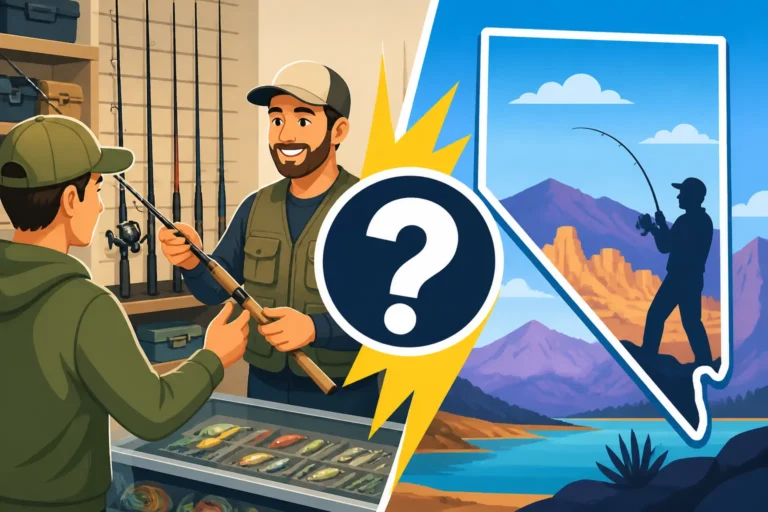
- Pros: The biggest advantage is the local expertise. The folks working there are usually avid anglers themselves and can give you up-to-the-minute reports on what's biting, what lures are hot, and specific techniques for nearby lakes. They can help you with nuanced questions like "What lure color is working best for bass at Lake Mohave right now?" or "Which jig weight should I use on the Truckee River?" You can also physically handle rods, feel reels, and get personalized recommendations, which is invaluable. They're also great for picking up live bait and last-minute essentials. Supporting local businesses is a bonus too!
- Cons: Prices might sometimes be a little higher than online retailers, and their inventory might be more limited to what sells well locally.
- Online Retailers (e.g., Amazon, Bass Pro Shops): The internet offers a massive selection and often competitive pricing.
- Pros: Unbeatable selection! You can find virtually any lure, rod, or reel ever made, often at competitive prices. Convenient 24/7 shopping and direct delivery to your door are huge benefits. Websites like Amazon offer a vast marketplace with customer reviews that can help you gauge product quality. Larger specialty retailers like Bass Pro Shops also have extensive online catalogs, often matching their physical store inventory.
- Cons: You can't physically touch the gear before buying, which can be a drawback for rods and reels where "feel" is important. You also miss out on the invaluable local knowledge that a brick-and-mortar shop can offer about current conditions and hot bites in Nevada. Shipping times can also be a factor if you need something immediately.
A blended approach often works best: buy staples and larger items online for convenience and selection, but always pop into local shops for fresh insights, specific local recommendations, and those last-minute, can't-wait-for-shipping items.
Budgeting for Bass Tackle: Getting Started Smart
Bass fishing can seem expensive, but you absolutely don't need to break the bank to get started or to have a successful setup. Smart budgeting is key.
- Start with Versatility: Instead of buying highly specialized gear right away, focus on versatile rods and reels. A 7-foot medium-heavy baitcasting combo and a 6'6" medium-light spinning combo can cover a vast majority of Nevada bass fishing situations. You can find excellent quality setups that won't cost an arm and a leg. For example, many reputable brands offer rod and reel combos for beginners that provide great performance for their price.
- Prioritize Quality Where it Counts: You don't need the most expensive everything. Invest a bit more in a good quality reel that feels smooth and has a reliable drag, and a sensitive rod that fits your hands well. Cheaper line can be replaced more frequently, and lures can be bought in smaller quantities as you learn what works. Consider brands known for their value and durability.
- Build Your Lure Arsenal Gradually: Don't buy every color and size of every lure. Start with a few proven basics for each species you plan to target: green pumpkin soft plastics, a few shad-colored crankbaits, a couple of spinnerbaits, and maybe a topwater. As you fish more and understand what works in your local Nevada waters, you can gradually expand your collection. Pay attention to what locals are using and what the fish are actually feeding on. A great way to begin is by picking up a pre-selected tackle kit designed for bass fishing, often available from retailers like Bass Pro Shops, as these typically contain a good variety of starter lures.
- Take Advantage of Sales and Used Gear: Keep an eye out for sales, especially during off-peak seasons or around major holidays. You can often snag great deals on quality gear. Another option is looking for gently used rods and reels at consignment shops, online marketplaces, or local fishing forums, though always inspect them carefully.
- DIY and Bulk Buys: Buying soft plastics in bulk or making your own simple rigs (like Carolina rigs) can save money in the long run. Learn to tie your own knots; it's a fundamental skill that saves money on pre-tied leaders and ensures stronger connections. Our guide on Nevada Fishing Gear Essentials can help you round out your basic setup without overspending.
Ultimately, getting set up for bass fishing in Nevada is a journey, not a destination. You'll learn, adapt, and refine your tackle choices as you gain experience on the water. Enjoy the process of learning what works best for you and the incredible bass that Nevada has to offer!
Disclaimer
This article is for general informational purposes only and does not constitute professional advice. Laws, prices and regulations vary by location and change over time. Consult a qualified professional for guidance on your specific situation.