Best boat cover for desert sun and dust
Living in Nevada, you know the harsh reality of our environment: the relentless sun, the scorching temperatures, and that ever-present fine dust that seems to get into everything. If you're a boat owner, especially one who loves hitting our beautiful desert lakes like Lake Mead or Lake Mohave, then protecting your investment from these elements isn't just a suggestion, it's an absolute necessity. This guide will walk you through everything you need to know to choose the best boat cover to shield your vessel from the punishing Nevada sun and pervasive dust.
The Unique Challenges of Protecting a Boat in the Nevada Desert
It's easy to think "a boat cover is a boat cover," but anyone who's spent a summer here knows that the Nevada desert presents a set of unique challenges that standard covers just aren't built to handle. You're not battling salty air or constant humidity; instead, you're up against an entirely different beast.
Intense UV Radiation and Heat Exposure
Nevada boasts some of the clearest skies and most abundant sunshine in the country, which is fantastic for enjoying a day on the water, but brutal on anything left exposed. The sun's ultraviolet (UV) rays are incredibly damaging, and over time, they will degrade almost any material. This isn't just about fading paint or upholstery; it's about the structural integrity of your boat's gelcoat, plastics, and fabrics. A cheap cover might block some light, but if it doesn't have robust UV inhibitors, it will quickly break down, becoming brittle and tearing. The heat itself amplifies this problem, causing materials to expand and contract, leading to cracking and accelerated wear. Imagine your boat sitting out in 115-degree Fahrenheit heat day after day – that's what we're talking about protecting against.
Fine Dust and Abrasive Grit
Beyond the sun, there's the dust. Our desert winds, even on a seemingly calm day, can carry a fine, abrasive dust that settles everywhere. This isn't just unsightly; it can be incredibly damaging. When fine dust lands on your boat's surfaces and a cover is pulled over it, the movement of the cover due to wind or even just putting it on and taking it off can act like sandpaper. This constant abrasion can dull finishes, scratch windows, and wear down stitching on the cover itself. Furthermore, if moisture gets trapped with the dust, it can create a gritty paste that clings and causes problems like mildew or etching on surfaces if not properly cleaned. A good cover needs to be a barrier, not a grinding pad.
Temperature Extremes and Moisture Management
While Nevada is dry, we still experience significant temperature swings, often by 30 or 40 degrees between day and night. This constant fluctuation puts stress on materials. Even in the desert, moisture is a concern, whether it's from morning dew, a rare rain shower, or condensation forming inside the boat due to temperature changes. A cover that traps moisture underneath can lead to mildew, mold, and unpleasant odors, especially in confined spaces. This is why breathability is so crucial, allowing trapped air and moisture to escape without letting dust in. It’s a delicate balance, but essential for the long-term health of your boat.
Key Features to Look For in a Desert-Ready Boat Cover
Now that we understand the unique challenges, let's dive into what makes a boat cover truly "desert-ready." This isn't the place to cut corners; investing in a high-quality cover will save you headaches and money down the line.
Superior UV Resistance and Material Durability
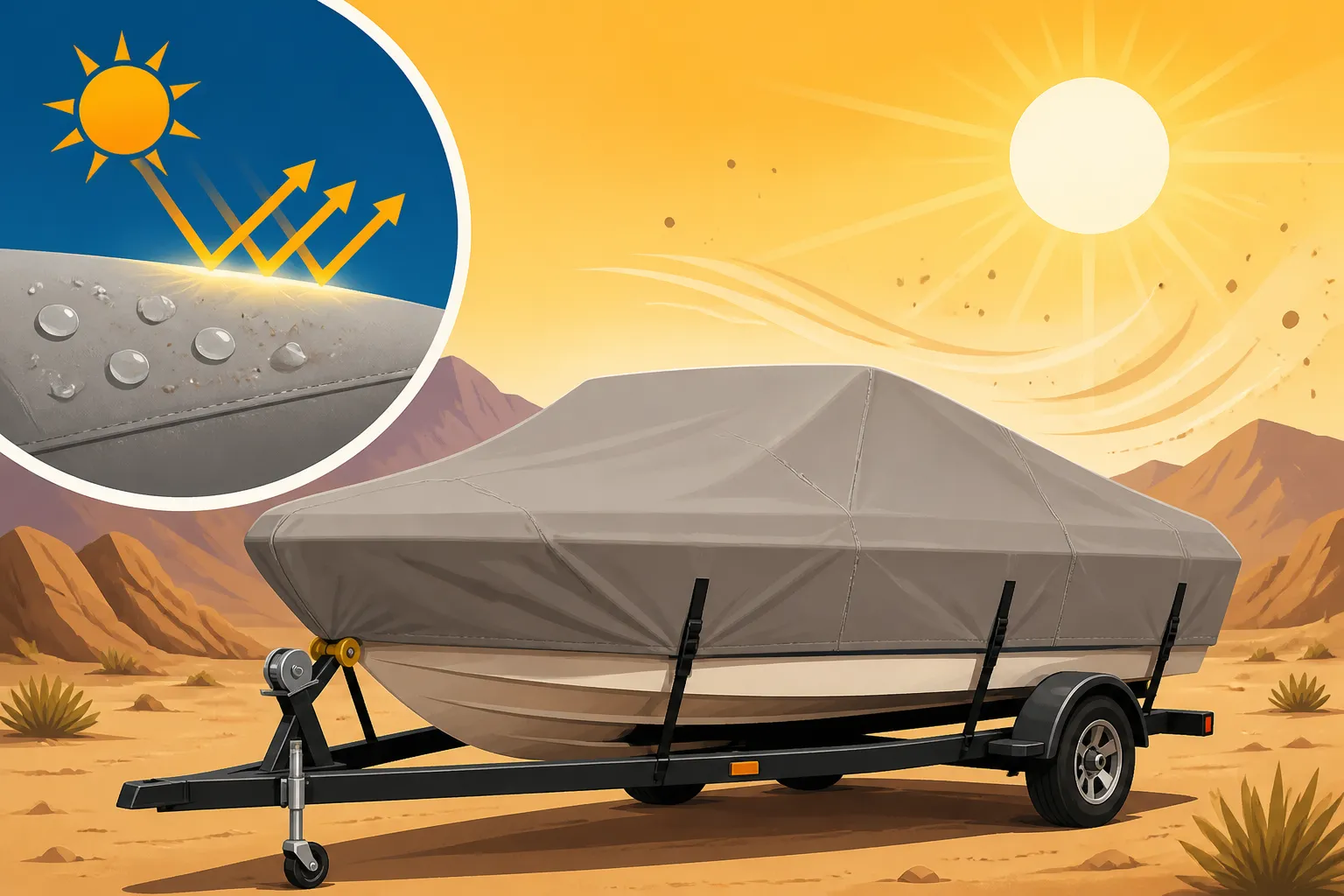
This is paramount. Look for marine-grade fabrics specifically engineered for extreme UV protection. Materials like solution-dyed acrylics (often branded as Sunbrella, for example) or heavy-duty polyester blends with advanced UV treatments are excellent choices. These fabrics are designed to resist fading, cracking, and degradation from intense sunlight. The color of the fabric can also play a role; lighter colors will reflect more sunlight and absorb less heat, which can help keep the interior of your boat cooler.
Consider the fabric's denier count, which indicates its thickness and durability. A higher denier generally means a stronger, more tear-resistant fabric. For desert conditions, you want something robust, not a flimsy material that will start to fray after a single season. Remember, the sun here is relentless, and a cover's ability to stand up to it is its most important job.
Breathability and Ventilation
As discussed, trapping moisture is a recipe for disaster, even in the dry desert air. A good boat cover needs to be breathable. This means the fabric itself allows air to circulate, preventing condensation and inhibiting mold and mildew growth. Many high-quality covers also incorporate strategically placed vents. These vents are designed to promote airflow without letting rain or excessive dust penetrate. This constant air exchange helps regulate temperature and keeps the interior of your boat fresh, even when it’s buttoned up for weeks or months. Think of it as allowing your boat to "exhale" without compromising its protection.
Dust and Water Repellency
While breathability is important, you don't want a cover that lets dust and water seep right through. Look for covers with a water-repellent finish that causes water to bead up and run off, preventing it from saturating the fabric and potentially reaching your boat. This also helps with dust; a smooth, tightly woven, water-repellent surface is much easier to keep clean and prevents fine dust particles from embedding themselves in the fibers. Many covers achieve this with special coatings or treatments that are integrated into the fabric. It’s about finding the sweet spot: breathable enough for ventilation, but repellent enough to keep the elements out.
Reinforced Stitching and Tie-Down Systems
The construction of the cover is just as important as the material. High winds are common in Nevada, especially during seasonal storms or even just a gusty afternoon. A poorly constructed cover will tear at the seams or rip where the tie-downs attach. Look for double-stitched or even triple-stitched seams, especially in high-stress areas. The tie-down system should be robust, with strong straps and buckles that can be adjusted to create a taut fit. Many covers now feature integrated straps or shock cords that cinch tightly around the hull, preventing the cover from flapping and chafing your boat, which can cause its own set of damage. A snug fit is key for both dust and wind protection.
Types of Boat Covers for Nevada's Climate
Choosing the right type of cover for your boat and its specific storage situation is crucial for maximizing protection in the desert. There's no one-size-fits-all solution, and understanding the differences can help you make the best decision.
Custom-Fit Covers
These are, without a doubt, the gold standard for protection. A custom-fit cover is designed specifically for your boat's make, model, and year, taking into account every curve, console, and accessory. The result is a glove-like fit that eliminates flapping, minimizes chafing, and offers superior protection against dust and UV rays. Because they fit so snugly, there are fewer gaps for dust to penetrate, and wind has less surface area to grab onto. This tight fit also ensures proper water runoff, preventing puddles from forming on the cover itself.
The downside, as you might expect, is the cost. Custom covers are typically the most expensive option, but for long-term storage in the harsh Nevada desert, they are often worth the investment. They can be made from the most durable, UV-resistant fabrics available, ensuring maximum longevity for both the cover and your boat. If you plan to keep your boat for many years or have a high-value vessel, a custom cover should be at the top of your list.
Semi-Custom Covers
Semi-custom covers offer a fantastic middle-ground solution. These covers are designed to fit a range of boats with similar hull styles, lengths, and beam widths. They provide a much better fit than universal covers, often accommodating common features like bow rails, cleats, and windshields. While not as precise as a full custom cover, they significantly reduce flapping and provide excellent protection against the elements.
You'll find a wider variety of materials and colors in the semi-custom category, often at a more accessible price point than true custom covers. Many reputable brands offer semi-custom options with excellent UV resistance and robust construction. For many Nevada boat owners, especially those with popular boat models, a good semi-custom cover provides an ideal balance of protection, durability, and cost-effectiveness. You can often find these readily available at marine retailers or through online platforms like Amazon and Bass Pro Shops.
Universal or "Trailerable" Covers
Universal covers are designed to fit a broad range of boat sizes and styles. They are typically the most affordable option, and their main advantage is versatility. However, this versatility comes with trade-offs. The fit is often loose, leading to more flapping in the wind, which can cause chafing on your boat's finish. They also tend to have more areas where dust can settle or sneak underneath. While many are advertised as "trailerable," a loose-fitting universal cover can act like a parachute at highway speeds, potentially tearing or even coming off.
For short-term storage, occasional use, or if you're on a very tight budget, a universal cover might be an option. However, for prolonged exposure to the intense Nevada sun and dust, they are generally not recommended as a primary protection solution. If you do opt for a universal cover, make sure it has an exceptionally strong tie-down system and consider adding extra straps or bungee cords to secure it as tightly as possible, especially if you plan on trailering your boat any significant distance.
Maintenance and Longevity of Your Desert Boat Cover
Even the best boat cover won't last forever, especially under the Nevada sun. However, with proper care and maintenance, you can significantly extend its lifespan and ensure it continues to protect your boat effectively.
Regular Cleaning and Inspection
Dust is the enemy, and a dirty cover is a less effective cover. Regularly brush off loose dust and debris. If the cover gets particularly grimy, wash it with mild soap and water, rinsing thoroughly. Avoid harsh chemicals, as these can strip away water-repellent coatings and damage UV inhibitors. A soft brush or sponge is usually sufficient. Pay close attention to areas where dirt or bird droppings accumulate, as these can degrade the fabric over time.
While cleaning, take the opportunity to inspect your cover for any signs of wear and tear. Look for frayed seams, small tears, thin spots, or areas where the fabric might be degrading. Catching these problems early can prevent them from becoming major issues.
Prompt Repairs and Re-Treatment
If you find small tears or loose stitching, address them promptly. Many marine supply stores sell repair kits with patches and adhesive specifically designed for boat cover fabrics. A small repair now can prevent a large, unmanageable rip later.
Over time, the water-repellent coating on any fabric can diminish. You might notice water no longer beads up as effectively. Many marine fabric care products are available that can restore or enhance water repellency. Applying these treatments periodically can significantly improve your cover's performance and extend its life. This is especially important in the desert, where any moisture that gets trapped can lead to mildew.
Proper Installation and Removal Techniques
Believe it or not, how you put on and take off your cover can impact its lifespan. Always remove the cover carefully, folding or rolling it neatly to avoid dragging it on the ground or across sharp objects. When installing, ensure it's centered and pulled taut, with all tie-downs secured. A flapping cover is a damaged cover, as the constant movement creates friction and stress points. If your boat is stored uncovered for extended periods, consider storing your cover indoors or in a shaded area to minimize its own exposure to UV rays when not in use. You might find some excellent storage solutions for fishing gear at retailers that also offer covers, like Bass Pro Shops.
Making the Right Purchase: Where to Find Your Ideal Cover
With so many options, finding the perfect boat cover can feel a bit overwhelming. But by knowing what to look for and where to shop, you can make a confident decision.
Online Retailers and Specialized Marine Shops
The internet offers a vast selection, and sites like Amazon provide convenience and competitive pricing for many semi-custom and universal covers. Just be sure to read reviews carefully and check the material specifications for UV resistance and durability. For truly specialized desert-grade materials or custom orders, you might need to consult marine-specific online retailers or even direct manufacturers. These often provide detailed fabric information and customer service that can guide you to the best choice for Nevada's conditions.
Local marine supply stores or larger outdoor retailers like Bass Pro Shops can also be excellent resources. They often carry a selection of high-quality semi-custom covers and their staff might have firsthand knowledge of what performs best in the local climate. Plus, being able to see and feel the fabric quality in person can make a big difference.
Important Considerations for Your Boat
Before you even start shopping, measure your boat accurately. You'll need its length (centerline), beam width, and possibly even the height of your console or windshield if it protrudes significantly. Knowing your boat's exact dimensions is crucial for getting a good fit, especially with semi-custom options.
Consider your storage situation. Will your boat be parked under a carport, indoors, or completely exposed to the elements? The more exposed it is, the more robust your cover needs to be. If you plan on trailering with the cover on, ensure it's specifically rated for trailering and has a secure, adjustable tie-down system. Loose covers can cause damage at speed. For those with open fishing boats or pontoons, the design of the cover needs to account for any protruding seats, motors, or fishing accessories.
Here's a quick comparison of common boat cover materials suitable for Nevada:
| Feature | Polyester | Solution-Dyed Acrylic (e.g., Sunbrella) | Vinyl (coated polyester) |
|---|---|---|---|
| UV Resistance | Good to Excellent (with proper treatment) | Excellent (inherent in the fiber) | Good (can degrade over time, prone to cracking) |
| Dust Protection | Excellent (tight weave) | Excellent (tight weave) | Excellent (smooth, non-porous) |
| Water Repellency | Good (with coating) | Good (with coating) | Excellent (non-porous) |
| Breathability | Moderate (depends on coating) | Excellent (natural breathability) | Poor (traps moisture) |
| Durability | Very Durable (tear and abrasion resistant) | Highly Durable (long-lasting, resists fading) | Moderate (can stiffen, crack in extreme temps) |
| Cost | Mid-range | High-end | Lower-end to Mid-range |
| Best for Nevada | Good all-around value, especially for semi-custom | Superior long-term protection against sun and heat | Generally not recommended for exposed desert storage |
When you're ready to make your selection, remember that your boat cover isn't just an accessory; it's a vital piece of protection that will keep your boat looking great and performing well for years to come in the Nevada desert. Protecting your vessel from the elements is just as important as knowing How to Fish for Trout in Nevada or understanding Nevada Fishing Regulations Explained. Think of it as an investment in your fishing future! Make sure you also understand other aspects of boat ownership, like the Nevada Boat Registration and Titling Guide so you're fully prepared. If you're looking for specifics on costs, you might want to review Nevada boat registration cost by boat length.
Considering how much time we spend figuring out the Best Time of Year to Fish in Nevada or the Best Fishing Rods for Nevada Lakes, it only makes sense to give equal thought to protecting our gear when it's not on the water. A good boat cover is an unsung hero of the angling world. From choosing the Best Boats for Nevada Reservoir Fishing to the small but essential Best Cooler for Keeping Fish on Hot Days, every detail counts. Don't forget critical safety items like the Essential Safety Gear for Boating on Lake Mead. When the sun is bearing down, having the Best Sun Protection Gear for Desert Fishing for yourself is also key, and a robust boat cover is essentially the same for your boat!
Disclaimer
This article is for general informational purposes only and does not constitute professional advice. Laws, prices and regulations vary by location and change over time. Consult a qualified professional for guidance on your specific situation.