Desert Fishing Gear and Sun Protection
Fishing in Nevada offers some truly unforgettable experiences, from the vastness of Lake Mead to the unique waters of Pyramid Lake. But let's be real, the Nevada desert environment is no joke, especially when it comes to the sun. Many anglers, especially those new to the region or just having a particularly intense day on the water, underestimate the sheer power of the sun and its reflections, leading to miserable sunburns, heat exhaustion, and even ruined gear. This comprehensive guide is here to walk you through exactly what desert fishing gear and sun protection you need to not only survive but thrive while casting your line in the Silver State, ensuring your comfort and safety so you can focus on the next big catch.
The Harsh Reality of Desert Sun on Nevada Waters
When you picture fishing, you might imagine a gentle breeze, dappled sunlight through trees, and cool water. Forget that idyllic image when you're in Nevada. Our state presents a unique set of challenges, primarily stemming from relentless sun exposure and often minimal natural shade. It's not just about getting a little tan; it's about protecting yourself from serious discomfort and health risks.
Understanding UV Exposure in Nevada
Nevada sits at a higher elevation than many fishing destinations, and with that comes a thinner atmosphere that offers less protection from ultraviolet (UV) radiation. Even on a seemingly mild day, the UV index can be surprisingly high. This means the sun's rays are more direct and intense, penetrating unprotected skin much faster than you might realize. Coupled with the typically clear, cloudless skies, you're looking at prolonged, unobstructed exposure every time you step out onto a lake or river. It’s a common frustration to feel perfectly fine in the morning, only to realize by midday that your skin is already screaming. The arid environment also means less humidity, which can make the air feel cooler than it actually is, tricking you into thinking the sun isn't as strong as it truly is.
The Dual Threat: Sun and Reflection
One aspect often overlooked by anglers is the double whammy of direct sunlight and reflected light. When you're out on the water, the sun's rays aren't just hitting you from above; they're bouncing off the water's surface, hitting you from below and all around. This reflection significantly amplifies your exposure, especially to your face, neck, and under your chin – areas often missed during sunscreen application. Even if you're wearing a hat, the glare off the water can still find its way to vulnerable skin. This intense glare also causes eye strain and makes it incredibly difficult to spot fish or navigate safely. The sheer brightness can be disorienting, and without proper eye protection, you'll be squinting all day, which is tiring and detracts from the enjoyment of your outing. This is where specialized gear truly shines, literally.
Common Mistakes Anglers Make with Sun Protection
Many of us have been there, myself included: you're so excited to get on the water that sun protection becomes an afterthought. A common mistake is relying solely on a basic baseball cap. While better than nothing, a baseball cap leaves your ears, neck, and much of your face exposed to that intense desert sun and its reflections. Another frequent oversight is applying sunscreen once in the morning and thinking you're good for the day. Sweat, splashes from the water, and simply the passage of time degrade sunscreen's effectiveness, necessitating reapplication every couple of hours. I've heard countless stories of anglers ending their day looking like a lobster because they forgot to reapply, especially on the back of their hands or the tops of their feet if wearing sandals. Underestimating dehydration is another big one; people focus on the fishing and forget to drink water regularly, leading to fatigue and more serious heat-related illnesses. Don't be that angler who cuts their trip short because of preventable sun exposure! Taking a few extra minutes to gear up properly can make all the difference between a fantastic day and a painful one.
Essential Clothing for Desert Fishing
Your clothing is your first and most fundamental line of defense against the relentless Nevada sun. It's not just about covering up; it's about choosing the right materials, designs, and colors to maximize protection and comfort. You want gear that keeps you cool, wicks away moisture, and blocks harmful UV rays without feeling heavy or restrictive.
Long-Sleeve Shirts and Pants: Your First Line of Defense
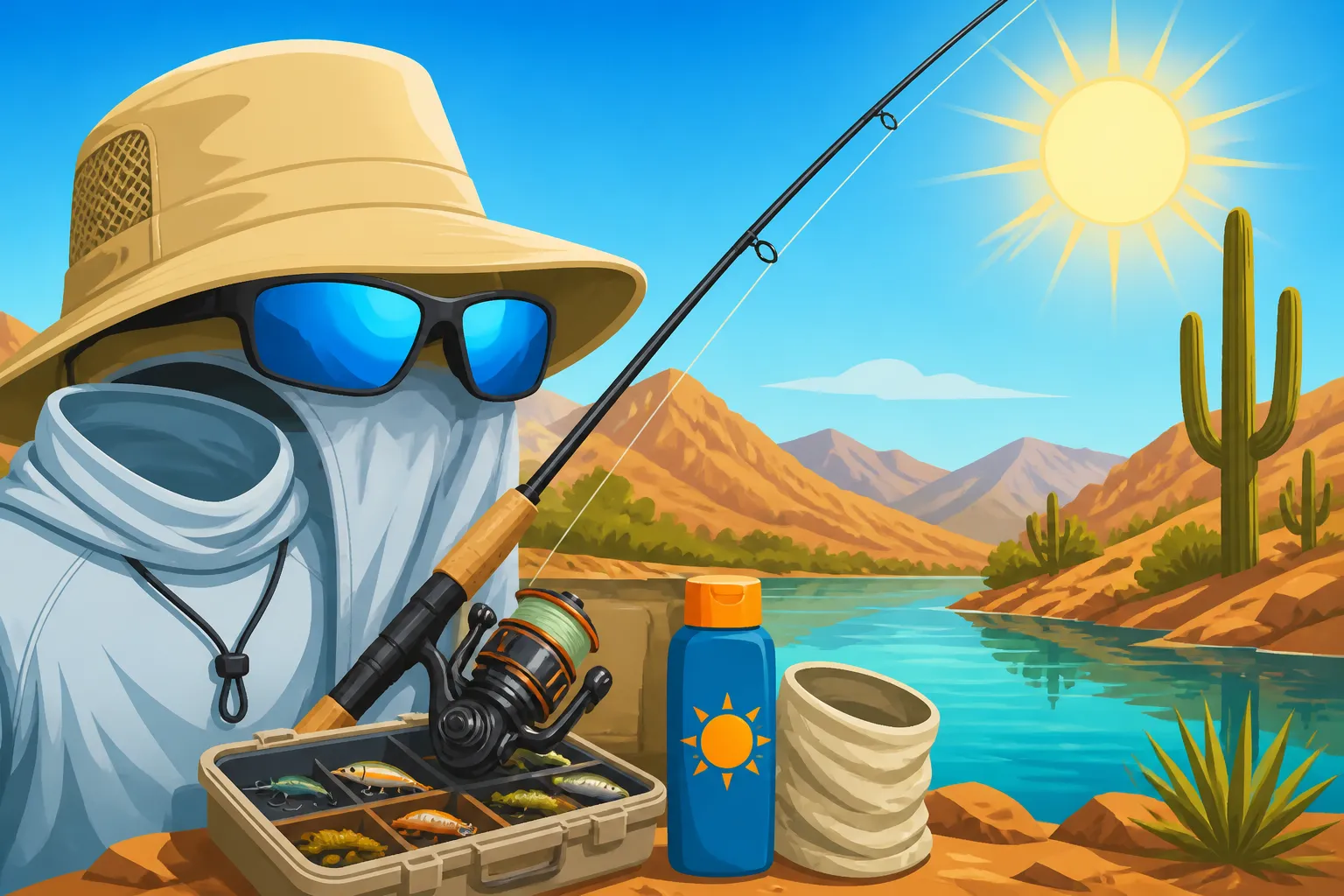
Gone are the days when long sleeves meant sweating profusely. Modern fishing apparel is a game-changer for desert conditions. Opt for lightweight, long-sleeve shirts and long pants made specifically for outdoor activities. These garments offer complete physical coverage, which is far more reliable and long-lasting than sunscreen alone. Look for shirts with a high UPF (Ultraviolet Protection Factor) rating, ideally UPF 30 or 50+. Many brands now offer features like vented backs, mesh panels, and roll-up sleeves to enhance airflow and prevent overheating. Wearing long pants, even in scorching temperatures, will protect your legs from both the sun and any errant hooks or brushes with vegetation. It's a small adjustment in perception, but a huge gain in comfort and protection. You'll thank yourself at the end of a long day when your skin isn't burning. Nevada Fishing Gear Essentials will elaborate on other must-have items.
Wide-Brimmed Hats and Neck Gaiters
While your long-sleeve shirt protects your torso and arms, your head and neck are still prime targets for the sun. A wide-brimmed hat is an absolute non-negotiable. Unlike a baseball cap, a wide-brimmed hat provides shade for your entire face, ears, and the back of your neck. Look for hats with a brim circumference of at least 3-4 inches all the way around. Many also come with a drawstring to secure them in windy conditions, which is often the case on large reservoirs like Lake Mead or Wildhorse Reservoir.
Pairing your wide-brimmed hat with a neck gaiter (also known as a buff or sun shield) creates an almost impenetrable barrier against UV rays. These tubular pieces of fabric can be pulled up to cover your neck, chin, cheeks, and even your nose, protecting those areas that are notoriously hard to cover with sunscreen and are highly susceptible to reflected glare. They're lightweight, breathable, and incredibly versatile, offering protection without making you feel suffocated. Many anglers keep a few on hand, easily switching them out if one gets wet or dirty.
Choosing the Right Fabrics and Colors
The material and color of your fishing apparel play a huge role in your comfort. For desert fishing, lightweight, breathable, moisture-wicking synthetic fabrics are your best friend. Materials like polyester or nylon blends are designed to draw sweat away from your skin, allowing it to evaporate quickly and providing a cooling effect. Cotton, while comfortable in some scenarios, tends to absorb sweat and stay wet, which can lead to chafing and a heavier, less comfortable feel in hot conditions.
When it comes to color, lighter shades are generally preferred. White, light grey, light blue, or even pastel greens reflect sunlight rather than absorbing it, which helps to keep your body temperature lower. Darker colors, while sometimes stylish, will absorb more heat, making you feel hotter faster. Think about how hot a black car gets compared to a white one on a sunny day – the same principle applies to your clothing. Many reputable brands like Bass Pro Shops offer a wide range of fishing-specific clothing with these features, making it easy to find gear that performs well in the Nevada heat.
Eye Protection: Don't Underestimate the Glare
The intense glare off Nevada's lakes and rivers isn't just annoying; it's detrimental to your vision and overall comfort. Protecting your eyes is paramount, not just for long-term health but for immediate fishing success.
Why Polarized Sunglasses are Non-Negotiable
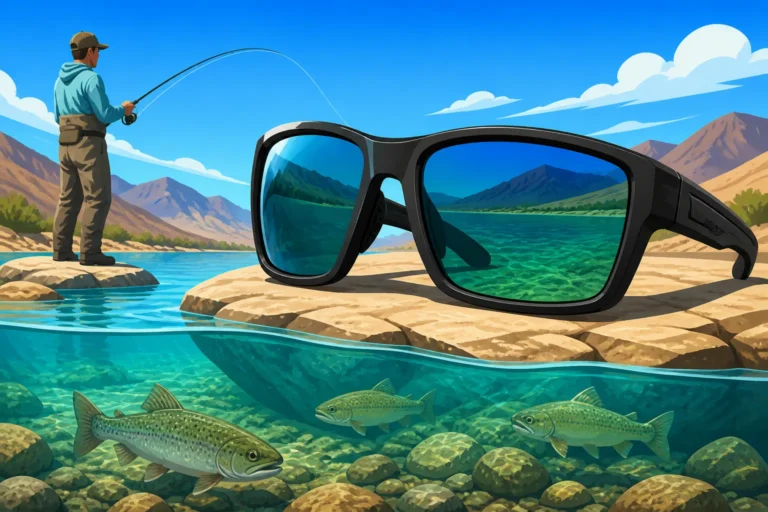
If there's one piece of gear that every Nevada angler needs, it's a quality pair of polarized sunglasses. This isn't just about reducing brightness; it's about eliminating glare. Non-polarized sunglasses simply darken your view, but polarized lenses have a special filter that blocks horizontal light waves – the ones responsible for blinding glare reflecting off water, roads, or any flat surface.
The difference polarized lenses make on the water is astounding. With glare gone, you can actually see into the water, spotting submerged structure, weed lines, and even cruising fish that would be invisible otherwise. This not only enhances your fishing experience but also improves safety, allowing you to see hazards below the surface. Investing in a good pair is investing in your ability to fish effectively and comfortably, all while protecting your precious eyesight from harmful UV rays that can lead to long-term damage.
Choosing Lens Colors for Nevada Waters
Just like choosing the right bait, selecting the correct lens color for your polarized sunglasses can significantly impact your visual acuity and comfort. While personal preference plays a role, certain lens colors are better suited for specific conditions you'll encounter in Nevada.
- Amber, Brown, or Copper Lenses: These are excellent all-around choices for bright, sunny conditions, which describe most days in Nevada. They enhance contrast and depth perception, making it easier to spot fish against varying bottom compositions and through water that might have a slight tint. They're fantastic for seeing through the surface glare on Lake Mead Nevada Fishing Guide or when scouting rocky points for smallmouth bass.
- Grey Lenses: Grey lenses offer true color perception and are ideal for extremely bright, open-water conditions where minimal color distortion is desired. They're great for reducing overall brightness without altering the colors you see, perfect for long days on vast, clear lakes.
- Green Mirror Lenses: Often built on an amber or copper base, green mirror coatings further enhance contrast and are particularly effective in a wide range of light conditions, especially useful for sight fishing in clear water or along shorelines.
Having a couple of different lens colors can be beneficial if you fish frequently and in varied conditions, but a good amber or brown lens will serve most Nevada anglers very well. Best Sun Protection Gear for Desert Fishing further discusses specific gear items.
Proper Sunglass Care and Fit
Even the best polarized sunglasses won't perform their best if they're constantly scratched, smudged, or slipping off your face. Proper care and fit are essential. Always use a microfiber cloth specifically designed for lenses to clean your sunglasses; never use your shirt or paper towels, which can scratch the delicate coatings. Store them in a hard case when not in use to prevent damage.
As for fit, your sunglasses should be snug enough to stay put during casting, reeling, and moving around in a boat, but not so tight that they cause discomfort behind your ears or on your nose. Wraparound styles offer the best protection from peripheral glare and sunlight sneaking in from the sides. Consider a sunglass retainer strap to keep them from falling into the water if they get knocked off your head. Losing a good pair of polarized sunglasses in a deep lake is a frustrating experience, and a simple strap from Amazon can prevent that sinking feeling.
Skincare and Hydration: Beyond the Basic Sunscreen
Even with the best clothing and eye protection, your exposed skin still needs robust defense, and your body needs proper hydration to combat the dry desert air and intense heat. These elements are crucial for a comfortable and safe day on the water.
High-SPF Sunscreen: Application and Reapplication
Sunscreen is the last line of defense for any skin not covered by clothing. In Nevada, you need to think big. Don't skimp on SPF; aim for at least SPF 30, but ideally SPF 50 or higher. Look for "broad-spectrum" formulas that protect against both UVA and UVB rays, and ensure it's "water-resistant" or "sweat-resistant" if you'll be actively fishing, sweating, or dealing with splashes.
The key isn't just applying sunscreen, it's reapplying it. Many anglers make the mistake of putting it on once in the morning and forgetting about it. Sunscreen wears off due to sweat, water, and friction from clothing. A good rule of thumb for desert fishing is to reapply every two hours, or more frequently if you've been swimming or heavily sweating. Pay special attention to often-missed areas: the tops of your ears, the back of your neck (if not covered by a gaiter/hat), your nose, your lips (use a dedicated lip balm with SPF!), and the tops of your hands and feet. These areas are prone to quick, severe burns.
Lip Balm and Moisturizers for Dry Conditions
The arid climate of Nevada is notorious for drying out skin, especially your lips. Chapped, sunburnt lips are incredibly painful and can easily ruin a fishing trip. Always carry a high-SPF lip balm and apply it frequently throughout the day. It provides a protective barrier against the sun's harsh rays and helps keep your lips moisturized.
Beyond your lips, the dry air can also take a toll on other exposed skin. While not always a necessity during your actual fishing trip, having a good moisturizer for after your trip can help soothe and rehydrate your skin, especially if you've been exposed to wind and sun all day. This preventative measure helps avoid cracking and discomfort, making your skin recovery much smoother.
Staying Hydrated: Water, Electrolytes, and Cooler Strategies
Dehydration is a silent but dangerous threat in the Nevada desert. You might not feel excessively hot due to the low humidity, but your body is constantly losing fluids through sweat and respiration. Ignoring your thirst can quickly lead to fatigue, headaches, dizziness, and even heatstroke. This is why hydration is just as crucial as sun protection.
- Water, Water, Water: Bring significantly more water than you think you'll need. A good rule of thumb is at least half a gallon per person for a full day of fishing, but more is always better. Start hydrating even before you leave home.
- Electrolytes: Plain water is great, but for extended periods in the heat, your body also loses essential electrolytes. Consider bringing sports drinks, electrolyte powders, or even salty snacks to replenish these vital minerals. This helps your body retain water and function optimally.
- Cooler Strategies: A well-packed cooler is indispensable. Fill it with ice and your beverages, ensuring they stay cold and refreshing throughout the day. A cold drink can be a lifesaver when you're feeling parched. You might even consider bringing two coolers – one for drinks and snacks, and another for any fish you plan to keep. Best Cooler for Keeping Fish on Hot Days provides more details on effective cooler use. This proactive approach to hydration ensures you remain energized and safe, ready to tackle all the Best Time of Year to Fish in Nevada and beyond.
Gear Protection and Practical Comforts
It's not just about protecting yourself; your valuable fishing gear also needs safeguarding from the desert elements. Moreover, having a few extra comforts can significantly improve your overall enjoyment, especially during those long waits for a bite.
Protecting Your Electronics and Tackle from Heat
The Nevada sun isn't just hard on skin; it can wreak havoc on your electronics and tackle. High temperatures can damage sensitive devices like fish finders, GPS units, and smartphones, causing them to overheat, malfunction, or even permanently fail. Always keep electronics shaded or stored in a cool compartment when not in direct use. Consider a shaded cover for your fish finder if it's mounted in the open.
Your tackle can also suffer. Soft plastic lures can melt or deform in extreme heat, making them unusable. Line can weaken, and even hooks can lose their integrity over time if constantly exposed to high temperatures and UV. Store tackle boxes and soft plastics in shaded areas or inside a cooler if space allows. A dedicated tackle bag with some insulation can also help. Think of it as protecting your investment – replacing melted lures or fried electronics is no fun.
Coolers and Ice Management for Fish and Food
Beyond keeping yourself hydrated, coolers are essential for preserving food, bait, and your catch. For desert fishing, you can never have too much ice. A good quality cooler, especially one with thick insulation, will pay dividends. Pre-chill your cooler overnight with a bag of ice before you pack it. Use a mix of block ice (lasts longer) and cubed ice (chills faster).
If you plan on keeping fish, a separate cooler for your catch is highly recommended. This prevents cross-contamination with your food and drinks and ensures your catch stays on ice immediately after being landed. Keeping fish cool is critical for maintaining their quality and freshness, especially for species like the Lahontan Cutthroat Trout from Pyramid Lake Nevada Fishing Guide or the various bass species from Best Nevada Bass Lakes. Don't just toss fish on the bottom of a hot boat – get them on ice right away.
Comfortable Seating and Shade Solutions for Bank Anglers
For those who prefer to fish from shore, comfort and shade are often luxuries that need to be planned. Standing for hours in direct sunlight can be exhausting. A lightweight, portable folding chair can make a world of difference, allowing you to rest comfortably while waiting for a bite.
Even more crucial is creating your own shade. A large fishing umbrella with a spike base, or even a compact pop-up shade tent, can provide a much-needed respite from the sun's intensity. These are easy to set up and provide a cool zone where you can take breaks, rehydrate, and reapply sunscreen. Remember, the sun moves, so be prepared to adjust your shade throughout the day. Many anglers overlook these simple additions, but they contribute immensely to extending your time on the water and making the experience more enjoyable.
Emergency Preparedness for Desert Conditions
Fishing in Nevada often means venturing into remote and unforgiving landscapes. While sun protection and proper gear enhance comfort, having a solid emergency plan and the right supplies is non-negotiable for safety. Being prepared for the unexpected is part of being a responsible desert angler.
First Aid Kit Essentials for Sun-Related Issues
Your first aid kit for desert fishing needs to address more than just hook injuries. Sun-related ailments can strike quickly. Ensure your kit includes:
- Burn relief cream/gel: For sunburns (despite your best efforts!). Aloe vera or similar soothing gels are excellent.
- Pain relievers: Ibuprofen or acetaminophen for headaches, muscle aches, or general discomfort often associated with heat exposure.
- Antihistamines: For allergic reactions or severe itchiness, sometimes exacerbated by sun or insect bites.
- Electrolyte tablets or powders: To quickly rehydrate and replace lost salts if someone starts feeling symptoms of heat exhaustion.
- Bandages and antiseptic wipes: For cuts, scrapes, and yes, those inevitable hook punctures.
- Moleskin or blister treatment: Long walks or wet feet can lead to blisters.
- Tweezers: For splinters or, unfortunately, fish hooks.
Knowing how to use these items is just as important as having them. Always keep your first aid kit easily accessible and dry.
Communication Devices and Navigation
In many parts of Nevada's vast fishing territories, cell service can be spotty or non-existent. Relying solely on your smartphone for emergencies is a gamble you shouldn't take.
- Satellite Messenger or PLB (Personal Locator Beacon): For truly remote areas, these devices are lifesavers. They allow you to send emergency messages or signal for help even when no cell service is available. Services often involve a subscription, but the peace of mind is invaluable.
- Fully Charged Power Bank: Even if cell service is weak, your phone can still be useful for navigation, taking photos, or making quick calls where service momentarily appears. A power bank ensures your device stays charged.
- Physical Maps and Compass: Never rely solely on electronic navigation. A waterproof map of the area and a basic compass (and knowing how to use them) can get you out of a bind if your electronics fail or run out of battery. Knowing your general location in relation to major landmarks is always a good practice, especially when exploring new fishing spots.
Vehicle Preparedness for Remote Access
Reaching some of Nevada's prime fishing locations, whether it's a secluded cove on Lake Mohave Nevada Fishing Guide or a lesser-known stream, often involves driving on unpaved roads or through remote areas. Your vehicle needs to be as ready as you are.
- Full Tank of Gas: Always start with a full tank. Gas stations can be few and far between once you leave main highways.
- Spare Tire and Tools: Ensure you have a properly inflated spare tire, a jack, and a lug wrench. Know how to change a tire.
- Basic Tool Kit: A few essential tools for minor repairs can prevent a major headache.
- Extra Water and Food: Even if you have plenty for your fishing day, keep an emergency stash in your vehicle in case you get stranded.
- Jumper Cables: A dead battery is a common issue.
- Tow Rope: If you get stuck in sand or mud, a tow rope could be your best friend.
A little planning goes a long way in ensuring your fishing adventure doesn't turn into a survival situation. Always let someone know your float plan – where you're going and when you expect to return.
Special Considerations for Boat and Kayak Anglers
While many of the sun protection principles apply universally, those venturing out on the water in a boat or kayak face amplified challenges and also have unique opportunities for specialized sun and gear protection. The open nature of the watercraft means even less escape from direct and reflected light.
Boat-Specific Shade Options
For larger boats, permanent or semi-permanent shade structures are a game-changer. Bimini tops are incredibly popular, offering a large canopy of shade over the main cockpit area. They fold down when not in use, making trailering easier. For serious anglers, T-tops on center console boats provide both shade and a convenient place to mount electronics or rod holders.
Even small boats can benefit from creative shade solutions. Portable boat umbrellas or even DIY canvas canopies can be rigged up to provide temporary relief. While they might not be as sturdy as a bimini, any shade is better than none when the desert sun is beating down. Remember, the sun moves, so having a shade solution that can be adjusted or provides a broad coverage area is best. Nevada Boat Registration for Anglers covers the legal requirements for getting your vessel on the water, but don't forget the comfort enhancements.
UV Protection for Boat Interiors and Gear
Just like your skin and tackle, your boat's interior and other exposed gear can suffer from prolonged UV exposure. Upholstery can fade, crack, and degrade over time. Plastic components can become brittle, and electronics can overheat.
- Covers: When not in use, keep your boat covered with a high-quality, UV-resistant boat cover. This protects not only from sun but also dust and other elements.
- Protective Sprays: Marine-grade UV protectant sprays can be applied to vinyl seats, dashboards, and other plastic surfaces to help prevent fading and cracking. These are a small investment that can extend the life and appearance of your boat's interior.
- Internal Storage: Utilize internal compartments and storage lockers to stow away gear that doesn't need to be immediately accessible. This keeps rods, reels, and tackle out of direct sunlight and heat. Even something as simple as a towel draped over a hot console can provide some temporary relief for mounted electronics.
Staying Safe While Kayak Fishing in the Open Desert
Kayak anglers face perhaps the most intense sun exposure due to their low profile on the water and open cockpit. Every surface of a kayak angler is exposed, and there's no escape.
- Full Coverage Clothing: This becomes even more critical for kayakers. Long-sleeve, long-pant UPF apparel, wide-brimmed hats, and neck gaiters are an absolute must. Consider sun gloves to protect the tops of your hands, which are constantly exposed while paddling and casting.
- Kayak-Specific Shade: Many fishing kayaks now offer options for small, portable sun canopies or bimini tops designed specifically for kayaks. These can provide a surprising amount of relief.
- Hydration Bladders: Traditional water bottles can be cumbersome to reach and often roll around in a kayak. A hydration bladder with a drinking tube, integrated into a fishing vest or backpack, allows for hands-free, continuous hydration. This is crucial for maintaining energy during long paddling and fishing sessions.
- Leashes and Tethers: Not directly sun protection, but vital for safety. In the desert wind, gear can easily blow out of a kayak. Leashing your rods, paddle, and other essentials prevents frustrating losses and keeps you from having to chase after items in open water, which can expose you to more sun.
- Know Your Limits: Kayak fishing in hot desert conditions is physically demanding. Understand your personal limits for heat exposure and physical exertion. Take frequent breaks, hydrate constantly, and don't push yourself too far from shore or your launch point, especially if the wind picks up. Planning your trip around the cooler parts of the day, as discussed in Summer Fishing Techniques for Hot Desert Lakes, can also be extremely beneficial.
By taking these precautions, you'll not only protect yourself and your gear but also significantly enhance your enjoyment and safety on the water, ensuring many more memorable Nevada Fishing License Guide adventures.
Disclaimer
This article is for general informational purposes only and does not constitute professional advice. Laws, prices and regulations vary by location and change over time. Consult a qualified professional for guidance on your specific situation.