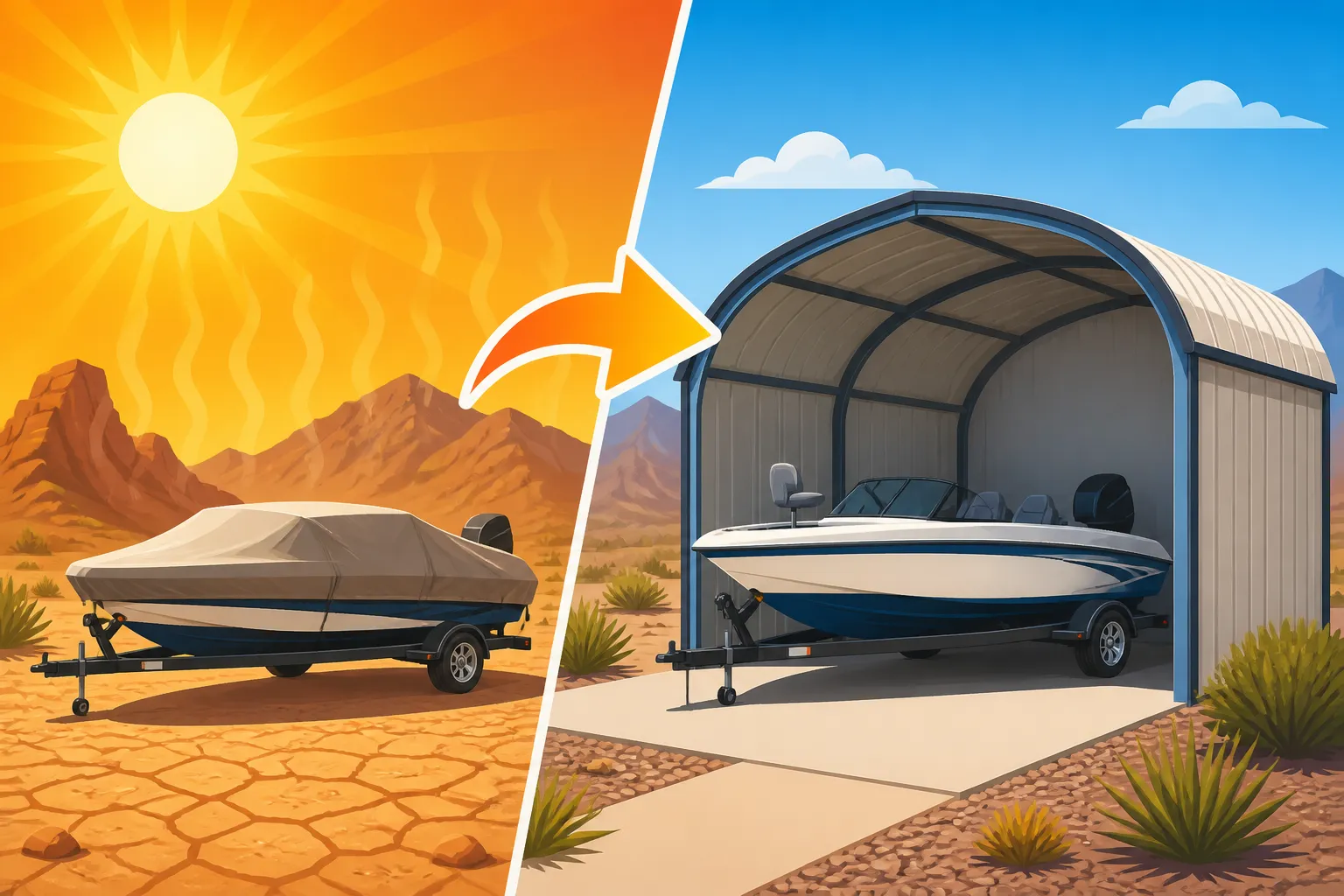
Best way to store a boat in Nevada heat
Nevada's sun is legendary, and while it's fantastic for sunny days on the water, it's an absolute beast for our boats when they're not in use. Leaving your cherished vessel exposed to that relentless desert heat and intense UV radiation is a surefire way to watch your investment slowly, painfully, deteriorate. This guide is all about giving you the battle plan to protect your boat from the harsh Nevada elements, ensuring it stays in top condition for many seasons to come.
Understanding the Enemy: Nevada's Brutal Heat and UV Damage
Let's face it, the Nevada desert is beautiful, but it's also incredibly tough on anything left outdoors. Your boat, with its delicate gel coat, vinyl upholstery, and intricate electronics, is particularly vulnerable. Understanding why the heat is so damaging is the first step in formulating a solid defense.
The Relentless Assault of UV Radiation
Ultraviolet (UV) radiation isn't just a concern for our skin; it's a primary destroyer of boat materials. In Nevada, the sun's rays are intense, and they work tirelessly to break down the chemical bonds in everything from your boat's gel coat to its vinyl seats and plastic components. Think of it like this: every single ray of sunlight is slowly chipping away at the integrity of your boat.
Over time, this relentless exposure leads to a host of ugly problems. Your vibrant gel coat will dull, chalk, and eventually crack, losing its protective sheen. Vinyl upholstery, once supple and comfortable, will become stiff, brittle, and prone to tearing – a particular heartbreak when you remember how nice it looked fresh off the showroom floor. Even your bimini top, designed to offer shade, will degrade, fray, and lose its waterproofing. Plastic components like switch panels, cup holders, and gauge covers will fade, yellow, and become brittle, making them susceptible to breaking with the slightest touch. It’s not just cosmetic; it undermines the structural integrity of these materials.
The Stress of Extreme Temperatures
Beyond UV, the sheer temperature extremes in Nevada are a major concern. Day after day, your boat endures scorching heat that can easily top 100 degrees, often cooling rapidly at night. These constant cycles of expansion and contraction put immense stress on all materials.
Rubber seals and gaskets, crucial for keeping water out of your engine and dry compartments, dry out and crack, leading to potential leaks. Wiring insulation becomes brittle, increasing the risk of electrical issues. Batteries, even those kept on a tender, can suffer internal damage from prolonged high temperatures, shortening their lifespan significantly. Fuel systems are also at risk; fuel lines can degrade, and the extreme heat can contribute to fuel evaporation or the breakdown of fuel, potentially causing engine problems down the line. It's a silent killer, slowly but surely impacting every component. Just imagine what your car's interior feels like after sitting in the sun all day; now multiply that for days, weeks, and months for your boat.
Outdoor Storage Options: Navigating the Sun and Dust
For many boat owners in Nevada, outdoor storage is the most practical option. Whether it’s in your driveway or a dedicated storage lot, there are ways to mitigate the damage, but it requires a proactive approach. It's not just about parking it and walking away; it's about strategic protection.
Uncovered Parking: A Recipe for Disaster
I'll be blunt: leaving your boat uncovered in Nevada is arguably the worst thing you can do for its long-term health and appearance. It's tempting, especially after a long day on the water, to just tie it down and be done with it. But that convenience comes at a steep price.
An uncovered boat is directly exposed to every single element the desert throws its way. The full brunt of the sun's UV rays, intense heat, relentless dust, sudden monsoon downpours, and even occasional hail. Your boat’s surfaces will degrade at an accelerated rate, requiring constant cleaning, waxing, and potentially costly repairs much sooner than necessary. The interior will suffer immensely, with seats cracking, carpets fading, and electronics baking. Dust, a constant companion in Nevada, will infiltrate every nook and cranny, turning your pristine boat into a gritty mess. This option is truly only advisable if you plan to use your boat almost daily and are prepared for heavy maintenance and rapid depreciation.
Covered Carports and Awnings: A Step in the Right Direction
If outdoor storage is your only choice, a covered carport or awning is a significant improvement over leaving your boat completely exposed. This provides crucial shade, blocking direct overhead UV rays and reducing surface temperatures dramatically. This alone can extend the life of your gel coat and interior materials considerably.
However, it's not a complete solution. While it protects from direct overhead sun and some rain, your boat will still be exposed to indirect UV radiation that bounces off the ground and surrounding structures. Dust will still be a major issue, settling on and in your boat. Wind can still whip around, bringing abrasive particles. This is where a high-quality, fitted boat cover becomes absolutely non-negotiable. Think of the carport as the first layer of defense, and the boat cover as the essential second layer. Without both, you're still leaving too much to chance. Many boat owners opt for custom-fit covers made from durable, UV-resistant materials that breathe to prevent mildew but effectively repel water and dust. Consider checking options from Bass Pro Shops or online retailers like Amazon for robust Best Boat Cover for Desert Sun and Dust.
Professional Shrink-Wrapping: Temporary, but Effective
For extended periods of outdoor storage, especially if you're leaving your boat for several months or over the hottest part of the summer, professional shrink-wrapping is an excellent, albeit temporary, option. This process involves encasing your entire boat in a tight, durable plastic film that is heat-shrunk for a snug fit.
Shrink-wrapping creates a formidable barrier against UV, dust, dirt, and moisture. It effectively seals your boat, protecting every surface from the elements. It also deters pests and reduces the need for constant cleaning. The downsides are the cost and its temporary nature; it needs to be removed before launching, and it's not a permanent storage solution. However, for those times when you absolutely need maximum protection for a significant duration, it's a fantastic investment. Make sure to choose a reputable service that includes proper ventilation to prevent moisture buildup and mildew inside the wrap.
Indoor Storage Solutions: The Ultimate Shield
When it comes to protecting your boat from the Nevada heat, indoor storage is the undisputed champion. It offers the most comprehensive protection from UV, extreme temperatures, dust, and pests. The trade-off, of course, is typically cost and accessibility, but for many, it’s worth the peace of mind.
Self-Storage Units: A Solid Upgrade
Renting a dedicated self-storage unit for your boat is a popular choice for smaller vessels. This moves your boat out of direct sunlight and provides a secure, enclosed environment. Even a non-climate-controlled unit will offer vastly superior protection compared to outdoor options.
Inside a standard storage unit, your boat is safe from UV rays, rain, hail, and the vast majority of airborne dust. While temperatures inside can still get quite warm during summer, they won't reach the same scorching highs as direct sun exposure, and the lack of direct UV means less material degradation. It's still highly recommended to use a good quality boat cover even inside a storage unit to keep dust off and provide an extra layer of protection, particularly if the unit isn't perfectly sealed. Ensure the unit is large enough to comfortably accommodate your boat on its trailer, with some room to spare for access. For trailers, remember to keep up with maintenance, especially tires; information like Best Boat Trailer for Nevada Reservoirs can be helpful.
Dedicated Boat Storage Facilities: Climate-Controlled Comfort
For the ultimate protection, dedicated indoor boat storage facilities, especially those offering climate control, are the way to go. These facilities are specifically designed for boats, often with taller doors and ample maneuvering space. Climate control maintains a consistent temperature and humidity level, essentially creating a perfect environment for your boat.
In a climate-controlled environment, your boat is shielded from UV, extreme heat, cold, dust, and humidity fluctuations. This preserves everything from your engine's seals and hoses to your upholstery and electronics, significantly extending the lifespan of all components. It's the closest thing to keeping your boat in a showroom year-round. While this is typically the most expensive option, it minimizes wear and tear, reduces maintenance needs, and ultimately preserves your boat's resale value far better than any other method. Consider it an investment in your investment. These facilities often come with added security measures, which is a nice bonus. When considering the overall costs of boat ownership, including Nevada Boat Registration Fees by Length, the added cost for premium storage can often save you money on repairs down the road.
Your Home Garage: The Convenient Haven
If you're lucky enough to have a garage large enough to fit your boat, this is often the most convenient and cost-effective indoor storage solution. Your garage offers all the benefits of a self-storage unit – protection from UV, weather, and dust – right at home.
Storing your boat in your garage means easy access for pre-trip checks, cleaning, and maintenance. It's protected from the elements, and temperatures inside are generally more stable than outside. For smaller fishing boats or kayaks, this is truly ideal. Just ensure you have enough space to move around your boat for proper cleaning and preparation. Even in a garage, a light boat cover can still be beneficial to keep dust off the boat between uses. You might also want to look into Best Storage Solutions for Fishing Gear to keep all your rods, tackle boxes, and safety equipment organized alongside your boat.
Here's a quick comparison of common storage options:
| Storage Type | UV Protection | Temperature Control | Dust Protection | Security | Cost (Relative) | Pros | Cons |
|---|---|---|---|---|---|---|---|
| Outdoor Uncovered | Poor | None | Poor | Low | Low | Easiest, always accessible | Maximum degradation, high maintenance, low security |
| Outdoor Covered | Moderate | Limited | Moderate | Moderate | Moderate | Protects from direct sun/rain, still accessible | Still exposed to indirect UV, dust, wind, moderate security |
| Shrink-Wrapped | Excellent | Limited | Excellent | Moderate | High (temporary) | Superior short-term protection from all elements | Temporary, costly, removal required, limited access |
| Indoor Self-Storage | Excellent | None/Limited | Excellent | Good | Moderate | Fully enclosed, protects from weather/UV, good security | Can still get hot, less convenient access |
| Indoor Climate-Controlled Facility | Excellent | Excellent | Excellent | Excellent | High | Optimal preservation, stable environment, high security | Most expensive, less convenient access than home |
| Home Garage | Excellent | Moderate | Excellent | Excellent | Low (if available) | Most convenient, excellent protection, free if you have space | Requires available space, may not be climate-controlled |
Essential Prep for Any Nevada Boat Storage Method
No matter where you decide to store your boat, proper preparation is key. Neglecting these steps can lead to issues, even in the most protected environments. Think of it as a pre-flight checklist for storage.
Cleaning, Waxing, and Protecting Surfaces
Before you tuck your boat away, a thorough cleaning is paramount. Salt, grime, fish blood, and even freshwater residues can cause stains, corrosion, and mildew if left unchecked. Use appropriate boat soaps and cleaners to wash down every surface – hull, deck, seats, console. Pay special attention to areas where dirt and debris accumulate.
Once clean, apply a good quality marine wax or sealant to your gel coat. This creates a protective barrier against UV and makes future cleaning much easier. For vinyl upholstery, use a marine-grade vinyl cleaner and then apply a UV protectant. This will help keep the vinyl supple and prevent cracking. Don't forget metal surfaces; a quick wipe-down with a metal polish or protectant can ward off corrosion. For the interior, ensure everything is dry to prevent mildew. Using a boat detailer from Bass Pro Shops can make this task much easier, and you can find a huge range of waxes and protectants on Amazon.
Engine and Systems Preparation
The engine is the heart of your boat, and it requires special attention before storage. Even in Nevada's dry heat, proper engine prep is crucial to prevent issues when you're ready to hit the water again.
First, stabilize your fuel. Add a marine-grade fuel stabilizer to your tank, run the engine for a few minutes to ensure it circulates through the entire fuel system, and then top off the tank to minimize condensation. This prevents fuel from breaking down and causing blockages. Next, flush your engine with fresh water if you've been in saltwater or brackish water, or if you just want to clear out any sediment. This is vital for outboard and sterndrive engines. Consider fogging the engine cylinders, especially for longer storage periods, to prevent rust and corrosion. Finally, disconnect your battery or keep it on a trickle charger or battery tender. Even in storage, a battery can slowly drain, and extreme heat can accelerate this process. Nevada Fishing Gear Essentials includes considerations for proper engine maintenance items.
Trailer Maintenance and Tire Care
Your boat trailer often gets overlooked, but it's just as important to maintain, especially when storing your boat. The intense Nevada sun and heat are brutal on tires, and neglecting them can lead to dangerous blowouts or flat spots.
Before storage, check your tire pressure and inflate them to the recommended PSI. If your boat will be sitting for an extended period, consider placing the trailer on jack stands to take the weight off the tires, or at least rotate them periodically to prevent flat spots. Inspect the wheel bearings – this is a good time to ensure they're properly greased. Check all trailer lights and wiring for any damage or corrosion. Remember, a well-maintained trailer ensures a safe and smooth journey to and from the water. Refer to resources like Nevada Boat Registration Paperwork Checklist to ensure your trailer's documentation is also in order.
By understanding the unique challenges presented by Nevada's heat and implementing these comprehensive storage and preparation strategies, you can significantly extend the life of your boat, protect your investment, and ensure it's always ready for your next adventure on the water.
Disclaimer
This article is for general informational purposes only and does not constitute professional advice. Laws, prices and regulations vary by location and change over time. Consult a qualified professional for guidance on your specific situation.