Nevada Boat Registration Paperwork Checklist
There's nothing quite like the thrill of launching your boat onto the expansive waters of Lake Mead, the serene beauty of Lake Tahoe, or the ancient mysteries of Pyramid Lake. But before you can feel that wind in your hair, there's a vital hurdle many new and seasoned boaters dread: the mountain of paperwork that comes with boat registration in Nevada. It can feel overwhelming, with different forms, fees, and requirements depending on your vessel and where you bought it. This guide is here to untangle that knot of confusion, providing you with a clear, step-by-step checklist to ensure your Nevada boat registration process is as smooth as calm water on a summer morning.
Understanding Why Nevada Boat Registration Matters
For many, boat registration feels like just another bureaucratic hoop to jump through, but it's actually a foundational element of safe and responsible boating in the Silver State. It's not just about a sticker on your hull; it's about legal compliance, safety for all waterway users, and contributing to the health of Nevada's precious aquatic ecosystems. Ignoring it can lead to hefty fines and major headaches, turning your dream day on the water into a nightmare.
Beyond Just a Sticker: The Legal Imperatives
First and foremost, boat registration is a legal requirement for most motorized vessels operating on Nevada's public waters. This isn't a suggestion; it's the law. The Nevada Department of Wildlife (NDOW) is the governing body that oversees boat registration, ensuring that all vessels are properly identified and accounted for. This system is critical for law enforcement, allowing game wardens and other authorities to identify boat owners in cases of accidents, violations, or even recovery of stolen vessels. Think of it like registering your car – you wouldn't drive without proper plates and registration, and the same principle applies to your boat. It ensures everyone is playing by the same rules, which ultimately makes our waterways safer and more enjoyable for everyone.
Moreover, proper registration helps establish legal ownership, which is crucial if you ever decide to sell your boat or if it's involved in any kind of legal dispute. Having your paperwork in order from day one can save you a world of trouble down the line. It's about peace of mind, knowing that you're operating within the bounds of Nevada's boating laws. You might find it useful to check out our Nevada Fishing License Guide for similar legal requirements around fishing itself.
Supporting Nevada's Waterways: Conservation Through Registration
Beyond the legalities, your boat registration fees play a direct and vital role in the conservation and management of Nevada's aquatic resources. These funds go towards crucial programs such as fisheries management, habitat restoration, invasive species prevention, and boater education initiatives. When you register your boat, you're directly investing in the future of the very waters you love to explore. This includes efforts to combat destructive invasive species like quagga and zebra mussels, which pose a significant threat to Nevada's lakes and reservoirs. Without these funds, the health and accessibility of our waterways would be severely impacted.
It's a collective effort, and every registered boat contributes to the greater good. Think about the clear waters of Lake Tahoe, the thriving fish populations in Wildhorse Reservoir, or the efforts to preserve the Lahontan cutthroat trout in Pyramid Lake – all of these benefit from the financial support generated by boat and fishing license registrations. It's a tangible way for boaters to give back to the environment that provides so much enjoyment.
The Foundational Paperwork for a New Motorized Boat
Getting a brand-new boat is an exciting time, but don't let that excitement overshadow the importance of correct registration paperwork. While a dealership often helps with some of this, understanding the core documents is key, especially if you're purchasing directly from a manufacturer or an out-of-state seller.
Proof of Ownership: Your Title or Manufacturer's Statement of Origin (MSO)
This is perhaps the most critical document. For a new boat, you'll need the Manufacturer's Statement of Origin (MSO), sometimes called a Manufacturer's Certificate of Origin (MCO). This document is issued by the manufacturer to the dealership and then transferred to you, the first retail owner. It's essentially the birth certificate of your boat, proving it's new and that you are its rightful owner. Make sure the MSO is properly signed off and assigned to you by the dealership. It will contain all the vital information about your vessel, including its Hull Identification Number (HIN), make, model, and year.
If your new boat already has a title (which sometimes happens with certain types of vessels or if it's considered new but was part of an inventory transfer), then that signed-over title will serve as your proof of ownership. Always double-check with your seller which document applies. Without clear proof of ownership, NDOW simply cannot register your boat. This document is the cornerstone of your entire registration application.
The All-Important Sales Tax Documentation
Nevada requires proof that sales tax has been paid on the purchase of your boat. This usually comes in the form of a sales receipt from a licensed dealer, clearly showing the purchase price and the amount of sales tax collected. If you purchased the boat out-of-state, or from a private party where sales tax wasn't collected, you might be responsible for paying Nevada's use tax directly to NDOW or the Department of Taxation. This is a common point of confusion for many new boat owners, especially those moving to Nevada with a recently purchased vessel.
Always keep your original sales receipt handy, as NDOW may require it. The exact tax calculation can sometimes be complex, particularly if there are trade-ins involved. Don't hesitate to ask the NDOW office for clarification if you're unsure about your sales tax obligations. Paying sales tax is a requirement before you can finalize your registration, so factor this into your financial planning for your new vessel.
Proving Your Identity and Nevada Residency
Just like with any official government process, you'll need to prove who you are and that you reside in Nevada to qualify for resident rates (which are typically lower than non-resident rates). For identification, a valid driver's license or state-issued ID card is usually sufficient. For residency, your driver's license often doubles as proof, but utility bills, voter registration, or other official documents showing your Nevada address might also be accepted if your ID is new or doesn't reflect your current address.
If you're not a Nevada resident, you can still register your boat here, but you'll be subject to Nevada Nonresident Fishing License Types rates and possibly different application procedures. The key is to have readily verifiable proof of your identity and, if applicable, your status as a Nevada resident. Always bring original documents, not just photocopies, as they may need to be verified in person.
Navigating Registration for a Used Boat Purchase
Buying a used boat can be a fantastic way to get on the water without the "new boat" price tag, but the registration process has its own unique set of requirements. It's critical to ensure a clean transfer of ownership to avoid any lingering issues from the previous owner.
Transferring an Existing Nevada Title: What to Look For
When purchasing a used boat already titled in Nevada, the process centers around the existing Nevada Certificate of Title. The seller must properly endorse the title over to you. This means they need to sign it in the designated seller's section, and you will sign in the buyer's section. Crucially, they should also fill in the purchase date and the sale price. Without these details, the transfer is incomplete, and NDOW will likely reject your application. Always verify the Hull Identification Number (HIN) on the title matches the HIN physically stamped on the boat itself – usually on the transom. Any discrepancies can cause significant delays.
Sometimes, if there was a lien on the boat, the lienholder (like a bank) might still be listed on the title. You'll need a lien release document from that financial institution to prove the lien has been satisfied before the title can be transferred cleanly into your name. A lost lien release can be a major headache, so confirm this with the seller before you finalize the purchase. This is a critical step to ensure you actually own the boat free and clear. For more details on the transfer process, check out How to transfer a boat title in Nevada.
Out-of-State Used Boats: Bringing Your Vessel to the Silver State
If you've purchased a used boat from another state and are bringing it to Nevada, the process is slightly different. You'll need the original title from the previous state, properly endorsed by the seller to you. Just like with a Nevada title, ensure all the seller's information, signatures, date of sale, and purchase price are filled out accurately. Additionally, NDOW might require a physical inspection of the vessel to verify the HIN and ensure it hasn't been tampered with. This inspection can often be performed by NDOW staff or sometimes by other authorized personnel.
You'll also need to be prepared to pay Nevada's use tax if sales tax wasn't collected at the point of sale in the other state, or if the tax paid out-of-state was less than Nevada's rate. Keep a detailed bill of sale showing the purchase price, date, and seller's information, even if you have an out-of-state title. This ensures there's a clear paper trail for the transaction. Remember, each state has its own titling and registration nuances, so being thorough here will save you repeat trips to the NDOW office.
When the Title is Missing: Steps to Take
This is perhaps one of the trickiest situations. If you're buying a used boat and the seller can't produce a physical title, proceed with extreme caution. In Nevada, boats typically require a title. If the title is truly lost, the seller should be the one to apply for a duplicate title from the state where the boat was last registered before selling it to you. You should never purchase a boat without a title and expect to easily get one yourself, as you won't have the necessary proof of ownership.
In rare cases, for very old boats or certain types of non-titled vessels (though this is less common for motorized boats), a notarized bill of sale might be accepted in conjunction with other sworn statements. However, this is the exception, not the rule, and often involves extra scrutiny from NDOW. My advice? If the title is missing, make it the seller's responsibility to acquire a duplicate before you hand over any money. You can find forms and guidance on obtaining a duplicate title through the NDOW website or by visiting one of their offices. Trying to register a boat without a proper title is a guaranteed recipe for frustration.
Beyond the Basics: Unique Scenarios and Essential Extras
The general rules cover most situations, but Nevada boating has its own set of unique circumstances and additional requirements you need to be aware of. Overlooking these can lead to penalties or prevent you from getting on the water at all.
Do Non-Motorized Vessels Need Registration? Kayaks, Canoes, SUPs
This is a common question, and the answer, thankfully, is generally no, if they are truly non-motorized. In Nevada, non-motorized vessels like canoes, kayaks, stand-up paddleboards (SUPs), and rafts do not typically require state registration with NDOW. This exemption makes getting on the water with these types of vessels much simpler. However, there are still responsibilities you need to uphold. You must adhere to all safety regulations, including carrying appropriate Nevada required safety equipment checklist for boats like life jackets (PFDs) for everyone on board.
The key distinction here is "non-motorized." If you add even a small electric trolling motor to your kayak, for example, it immediately becomes a motorized vessel and does require registration. So, while the initial barrier to entry is lower for human-powered craft, be mindful of any modifications. You can delve deeper into this topic with Nevada Nonmotorized Boat Rules to understand all the nuances.
Boater Education Card: More Than Just a Recommendation
While not strictly part of the registration paperwork itself, a Nevada Boater Education Card is a mandatory requirement for many operators and is something you'll definitely need before you hit the water. It's essentially a boater's license. Generally, anyone born on or after January 1, 1983, who operates a motorboat over 15 horsepower on Nevada waters must possess a Boater Education Card. Even if you're not legally required to have one, taking a boater safety course is highly recommended for everyone. It covers essential safety practices, navigation rules, and Nevada-specific regulations, making you a more confident and responsible operator.
You can take approved boater education courses online or in person. Many organizations offer these, and some major retailers like Bass Pro Shops might even host informational clinics or provide resources for finding local courses. Getting your card early means you're prepared and compliant, avoiding potential citations from game wardens. Find out Who needs a boater education card in Nevada for the specifics.
Additional Permits and Inspections (Quagga/Zebra Mussel Prevention)
Nevada is extremely proactive in combating invasive species, particularly quagga and zebra mussels, which pose an enormous threat to our delicate aquatic ecosystems. Because of this, many popular lakes, including Lake Mead, Lake Mohave, and Lake Tahoe, require an invasive species decal and may require an inspection before you launch your boat. You'll purchase this decal, and an inspection will verify that your vessel is "clean, drained, and dry" to prevent the spread of these harmful mussels. This isn't just a recommendation; it's mandatory, and fines for non-compliance can be substantial.
These decals and inspections often have their own specific requirements and costs, separate from your standard boat registration. Always check the rules for your specific destination lake before you travel, especially if you're bringing a boat from out of state or have recently used it in other waters. Ignoring this can lead to being turned away at the launch ramp, or worse, facing a penalty. This extra step is vital for protecting Nevada's precious waters for future generations of anglers and boaters.
Keeping Your Boat Legal: Renewals and Updates
Boat registration isn't a one-and-done deal. Just like your car registration, it needs to be maintained. Staying on top of renewals and updating your information ensures you remain compliant and avoids unnecessary hassle.
The Annual Renewal Cycle: Don't Let it Lapse
Nevada boat registrations are typically renewed on an annual basis. The exact renewal date usually corresponds to the month you originally registered your boat. NDOW generally sends out renewal notices as a courtesy, but ultimately, it's your responsibility to remember to renew on time. You can usually renew online, by mail, or in person at an NDOW office or authorized vendor. Missing the Nevada Boat Registration Renewal deadline can lead to late fees and, if prolonged, potential penalties for operating an unregistered vessel.
It's a good idea to mark your calendar or set a reminder on your phone for your renewal month. Proactive renewal saves you time, money, and stress. Many anglers plan their renewal around the same time they're getting their Nevada Annual Fishing License Renewal done, streamlining their paperwork. Getting this done early means you're ready to hit the water as soon as the weather permits without a last-minute scramble.
Updating Your Information: Address Changes and Major Modifications
Life happens, and sometimes your information changes. If you move, you're required to update your address with NDOW promptly. This ensures you receive important notices, including your renewal reminder. Beyond address changes, if you make any significant modifications to your boat that alter its description (e.g., changing the primary motor type or hull material, though this is rare), you should notify NDOW. While minor cosmetic changes typically don't require updates, anything that changes the fundamental classification or identification of your vessel should be reported.
This isn't just bureaucratic red tape; it's about maintaining accurate records for safety and law enforcement. In an emergency, having accurate contact information linked to your vessel can be crucial. When in doubt about whether a modification needs to be reported, it's always best to contact NDOW directly for clarification.
Consequences of Skipping Registration or Renewals
Operating an unregistered or expired boat in Nevada is a violation of state law, and there are real consequences. These can range from fines to, in more severe cases, your boat being impounded. A game warden checking your vessel on the water will always look for current registration decals. If they're missing or expired, you'll be facing a citation. The penalties can increase with repeat offenses, and the costs associated with fines and late fees can quickly outweigh the cost of timely registration.
Imagine planning a relaxing weekend trip to Lake Mohave, only to have your day cut short by a game warden because your registration lapsed. It's not worth the risk. Staying compliant not only keeps you legal but also ensures you're contributing to the upkeep and safety of the waterways you enjoy.
Where and How to Complete Your Registration
Once you have all your documents in order, the final step is submitting them. Nevada offers several convenient options for registration, but knowing what to expect can make the process much smoother.
Visiting a Nevada Department of Wildlife (NDOW) Office
For many, especially first-time registrants or those with complex situations (like missing titles), visiting a physical NDOW office is the most straightforward approach. You can get personalized assistance, ask questions, and have your documents reviewed in real-time. NDOW has regional offices across the state, including in Las Vegas, Reno, and Elko. Be sure to check their operating hours and consider going during off-peak times to minimize wait times. Bring all your original documents, payment for fees and taxes, and be prepared to fill out the necessary application forms on-site.
Having a direct interaction can be incredibly helpful, especially if you have an out-of-state title or a unique scenario that requires a bit more explanation. The staff can guide you through the process and ensure everything is correctly submitted the first time around. Many sporting goods stores or even some boat dealerships are also authorized agents for NDOW registration, offering another convenient in-person option for some transactions.
Leveraging Online Services for Convenience
For renewals and simpler transactions, NDOW often provides online registration services. This is a fantastic option for busy boaters who prefer to handle things from the comfort of their home or office. You'll typically need your existing boat registration number, personal identification, and payment information. The online portal usually walks you through the steps, allowing you to pay fees and receive a temporary registration that you can print out immediately. Your official decals and registration card will then be mailed to you.
While incredibly convenient, online services are usually best for straightforward renewals or re-registrations. If you're registering a new boat for the first time, transferring a title, or dealing with a lost title, an in-person visit is often recommended to ensure all the nuances are correctly handled. Always use the official NDOW website to avoid scams or unofficial services.
Tips for a Smooth Registration Process
To ensure your registration goes as smoothly as possible, here are a few pro tips:
- Gather Everything in Advance: Use a checklist (like the one below!) and make sure you have every single required document before you head to the office or start an online application. Missing even one piece of paper can mean a wasted trip.
- Make Copies: Always keep photocopies or digital scans of all your submitted documents for your records. This is invaluable if anything gets lost or if there's ever a dispute.
- Know Your Boat's Details: Have your Hull Identification Number (HIN), make, model, year, and motor details (horsepower, serial number) readily available.
- Call Ahead: If you have specific questions or a unique situation, call your local NDOW office before you visit. They can often clarify requirements and save you a trip.
- Payment Methods: Be prepared with accepted payment methods (credit card, check, cash) for fees and taxes.
- Consider a Notary: Some documents, like bills of sale, might need to be notarized, especially for private party sales. Check the NDOW requirements for this. You can often find notary services at banks, shipping stores, or even some local Bass Pro Shops customer service desks if they offer such a service.
By following these tips and utilizing the resources available, you can navigate the Nevada boat registration process with confidence and get out on the water much faster.
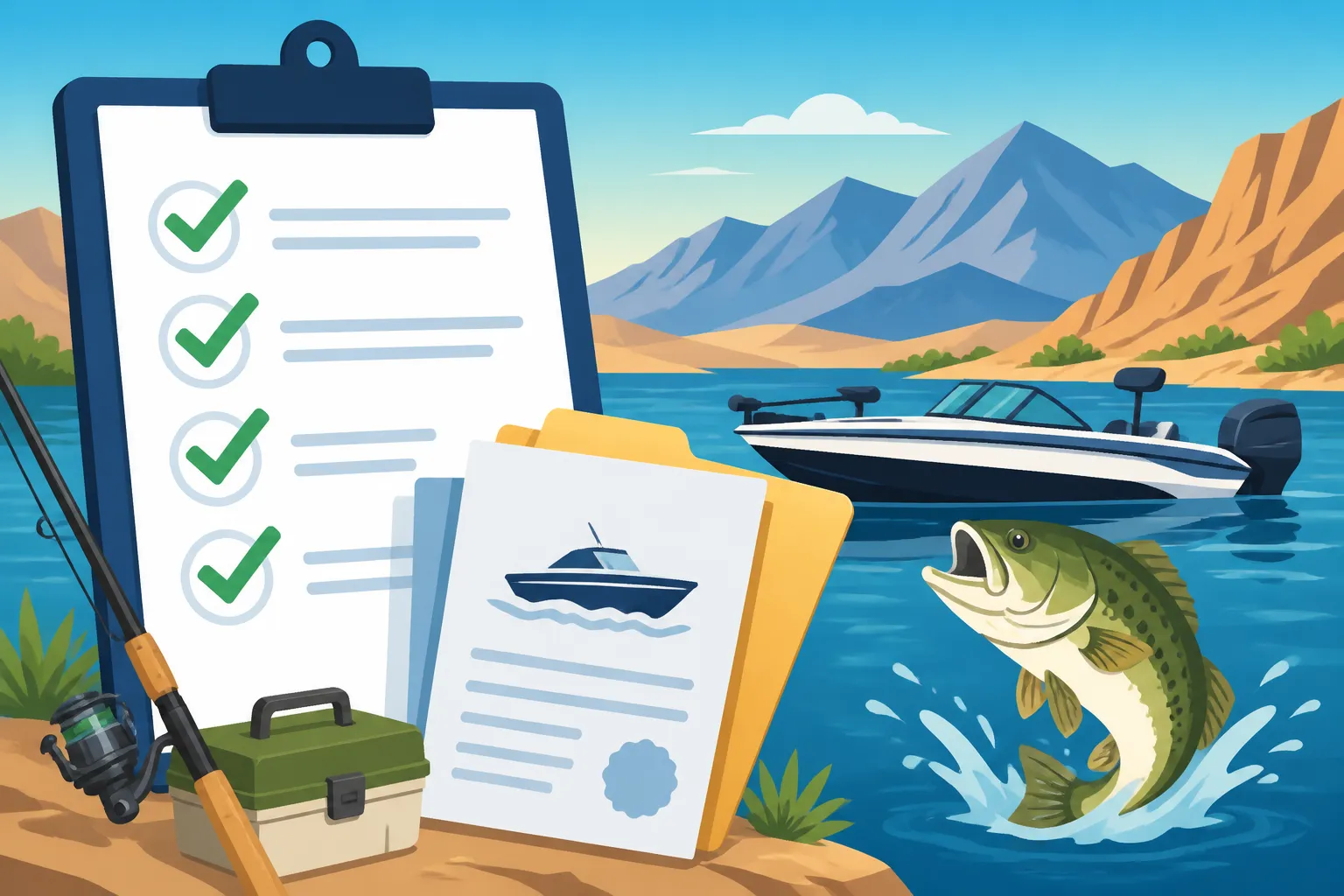
Here's a handy checklist to help you visualize what you'll need for various scenarios:
| Document Type | New Motorized Boat | Used Motorized Boat (NV Title) | Used Motorized Boat (Out-of-State Title) | Non-Motorized Vessel (Exempt) |
|---|---|---|---|---|
| Nevada Application Form (e.g., 2200) | Required | Required | Required | Not Required |
| Manufacturer's Statement of Origin (MSO) | Required | Not Applicable | Not Applicable | Not Applicable |
| Original Nevada Certificate of Title (Endorsed) | Not Applicable | Required | Not Applicable | Not Applicable |
| Original Out-of-State Title (Endorsed) | Not Applicable | Not Applicable | Required | Not Applicable |
| Bill of Sale (Detailed, Notarized if req.) | Recommended | Required | Required | Not Applicable |
| Proof of Sales/Use Tax Paid | Required | Required | Required (or pay Nevada Use Tax) | Not Applicable |
| Valid Photo ID | Required | Required | Required | Not Applicable |
| Proof of Nevada Residency | Required (for resident rates) | Required (for resident rates) | Required (for resident rates) | Not Applicable |
| Lien Release (if applicable) | Not Applicable | Required | Required | Not Applicable |
| HIN Inspection (for some out-of-state) | Not Applicable | Not Applicable | May be Required | Not Applicable |
| Boater Education Card (if required by age/HP) | Not for registration, but for operation | Not for registration, but for operation | Not for registration, but for operation | Not for registration, but for operation |
| Invasive Species Decal Fee | Required (at some lakes) | Required (at some lakes) | Required (at some lakes) | Required (at some lakes) |
Remember, this table provides a general overview. Always confirm the most current requirements with NDOW directly or on their official website. Using an online resource like Amazon can be helpful for gathering essential safety items that might be required after you get your boat registered, but always ensure your registration paperwork is complete first.
Disclaimer
This article is for general informational purposes only and does not constitute professional advice. Laws, prices and regulations vary by location and change over time. Consult a qualified professional for guidance on your specific situation.