Best Small Boat for Desert Lakes
Choosing the perfect small boat for fishing Nevada's vast, often challenging desert lakes can feel like a real head-scratcher. You want something nimble enough to get into those secret coves, but sturdy enough to handle the sudden gusts that whip across places like Lake Mead or Lake Mohave. This comprehensive guide is here to help you navigate the myriad of options, ensuring you find a small vessel that’s just right for your Silver State angling adventures.
Why Small Boats for Desert Lakes?
When most people picture fishing in Nevada, they often think of expansive reservoirs and wide-open spaces. While bigger boats certainly have their place, there’s a strong argument to be made for smaller vessels, especially when you consider the unique characteristics of our desert waters.
The Unique Challenges of Nevada's Waters
Nevada's desert lakes aren't your typical placid ponds. They present a set of distinct challenges that can quickly turn a peaceful fishing trip into a stressful experience if you're not prepared. First and foremost, wind is a constant factor. Gusts can appear out of nowhere, transforming calm water into choppy, white-capped waves in a matter of minutes. This can be especially true on large bodies of water like Lake Mead or even some of the more exposed sections of Pyramid Lake. A smaller, lighter boat can be tossed around quite a bit, making stability a top priority.
Then there's the intense sun and heat. Exposed to relentless UV rays for hours, both you and your equipment take a beating. This means materials need to be durable, and you need to prioritize sun protection not just for yourself, but for your boat and gear. Many of our lakes also experience significant water level fluctuations, which can impact boat ramp accessibility. What might be an easy launch one season could be a long, muddy trek the next. These changing conditions can make traditional large boat launching a real headache, favoring vessels that are easier to maneuver, launch, and retrieve.
Finally, while many of Nevada's prime fishing spots are expansive, there are also countless hidden coves, shallow flats, and river backwaters that larger boats simply can't access. Think about those peaceful mornings when you wish you could just sneak into that narrow channel or motor quietly into a secluded bay. A smaller boat opens up these possibilities, allowing for a more intimate and often more productive fishing experience.
Advantages of a Smaller Vessel
Despite the challenges, small boats offer a compelling list of advantages that make them incredibly suitable, and often preferable, for fishing Nevada's desert lakes. One of the biggest draws is maneuverability. Imagine being able to effortlessly navigate tight spots, weave through submerged brush, or quickly change positions to follow a schooling of striped bass without alarming them. This agility can be a game-changer when you're targeting specific fish in diverse habitats.
Another significant benefit is the ease of transport and storage. Larger boats often require a dedicated truck, a sturdy trailer, and a substantial storage space, which can be a financial and logistical burden. Smaller boats, on the other hand, can often be towed by a wider range of vehicles, launched by hand or with minimal assistance, and stored in a garage, backyard, or even on a roof rack. This flexibility means you can hit the water more often without the hassle. Plus, for anglers who are just starting out or working with a tighter budget, the initial investment for a small boat is typically much lower, making fishing more accessible.
Furthermore, a smaller boat often means less maintenance and lower operating costs. Less fuel consumption for smaller outboards, easier cleaning, and fewer complex systems to worry about all contribute to a more straightforward and enjoyable experience on the water. This allows you to focus more on fishing and less on the logistical demands of boat ownership.
Types of Small Boats Best Suited for Nevada Fishing
When we talk about "small boats" for desert lakes, we're actually looking at a pretty diverse category. Each type has its own strengths and weaknesses, making it crucial to understand which one aligns best with your personal fishing style and the specific waters you plan to explore.
Aluminum Jon Boats and Utility V-Hulls
These are often the workhorses of the small boat world, and for good reason. Aluminum jon boats are typically flat-bottomed, offering excellent stability in calm waters and shallow drafts, making them perfect for skinny water or navigating tricky, low-water launch areas. Their open layout allows for plenty of customization – you can add swivel seats, rod holders, a trolling motor, or even a small casting deck. Utility V-hulls, while also aluminum, offer a slightly different experience. The V-shaped hull cuts through chop more effectively than a flat bottom, providing a smoother, drier ride when the wind picks up on bigger lakes like Lake Mead. They might not be as stable when standing still as a jon boat, but they excel in covering distance comfortably.
The durability of aluminum is a massive plus in the harsh desert environment. Unlike fiberglass, which can be prone to cracks and gel coat damage from impacts, aluminum can take a beating from rocks, stumps, and accidental bumps at rudimentary launch sites. They're also relatively lightweight for their size, making them easier to launch, retrieve, and trailer. You can often find these boats with a small outboard motor, offering enough power to get across larger bodies of water without breaking the bank on fuel. For those looking for a versatile, robust, and budget-friendly option that can handle a variety of Nevada's fishing scenarios, from urban ponds to larger reservoirs, an aluminum jon boat or utility V-hull is a fantastic choice.
Inflatable Boats and Kayaks
If portability and silent stealth are high on your list, then inflatable boats, canoes, and fishing kayaks are definitely worth considering. Inflatable boats, especially those with a rigid floor option, can provide surprising stability and can be deflated and packed down for easy transport in a car trunk or RV. They’re fantastic for accessing remote ponds or smaller reservoirs where boat ramps are nonexistent, allowing you to carry your vessel to the water’s edge. While not ideal for extremely choppy conditions, they can handle a reasonable amount of swell and are quite puncture-resistant with modern materials.
Fishing kayaks, on the other hand, have exploded in popularity among anglers. These aren't just recreational kayaks; they're purpose-built for fishing, featuring ample storage, accessory tracks for customization, and incredibly stable platforms for standing and casting. Imagine silently paddling along a remote shoreline at Lake Mohave, stealthily approaching a bass in the shallows. The ability to access extremely tight spots, maneuver through reeds, and even fish in inches of water gives kayak anglers a distinct advantage. Plus, the exercise is an added bonus! Many anglers transport their kayaks on a roof rack, like those found on Amazon, making it easy to hop from one spot to another. Some fishing kayaks can even accommodate a small electric trolling motor, turning them into highly efficient mini-fishing machines. For a deeper dive into what you might need, check out our guide on Kayak Fishing Gear for Nevada.
Small Bass Boats and Skiffs
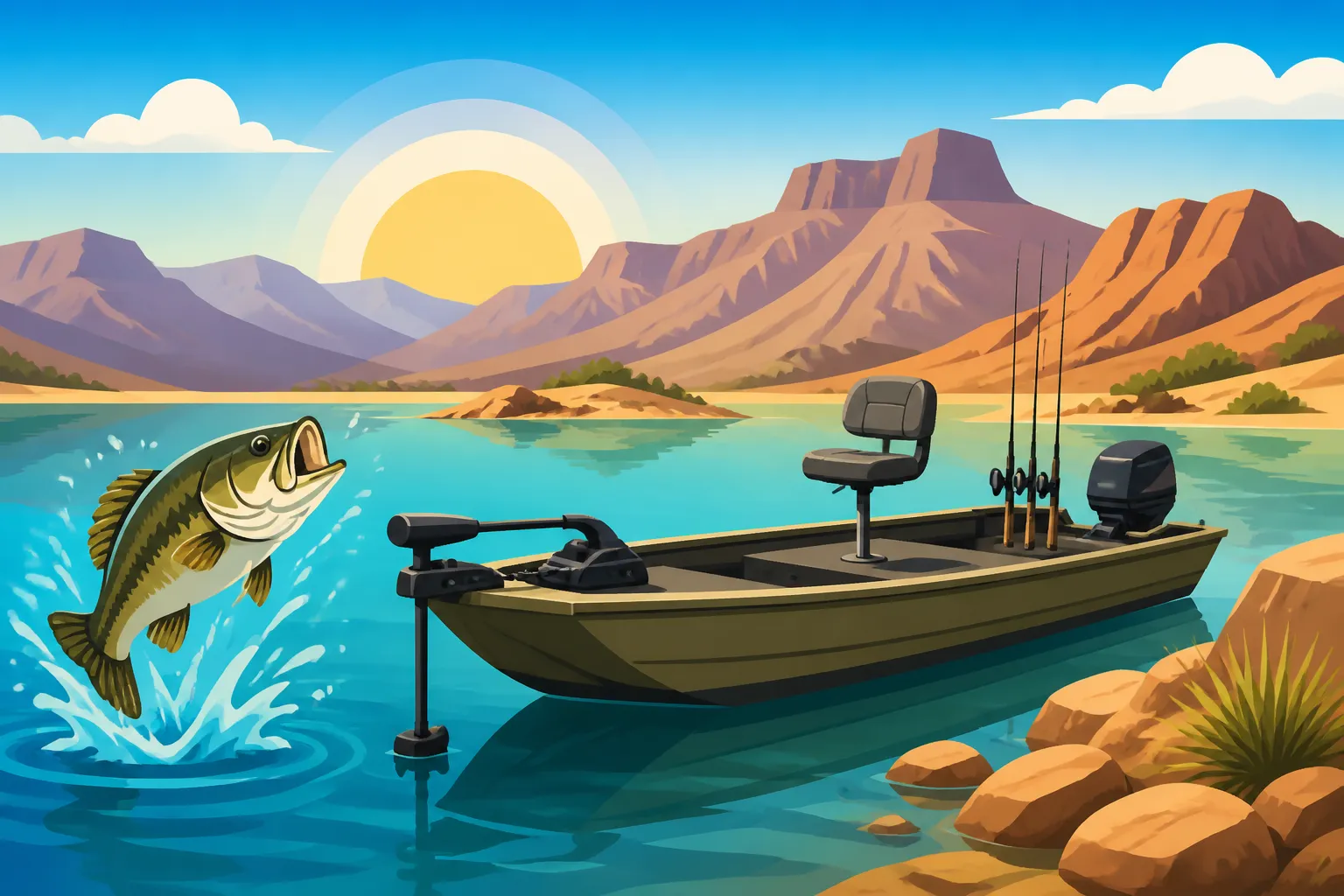
For those who prioritize speed, comfort, and specialized fishing features in a compact package, small bass boats (typically 14-16 feet) or fiberglass skiffs can be excellent options. These boats are designed with serious fishing in mind, often coming equipped with powerful outboards, livewells to keep your catch fresh, comfortable pedestal seats, and ample storage for tackle. While they might be considered "small" in the grand scheme of bass boats, they offer a level of performance and amenity that aluminum utility boats typically don't. Their hull designs are optimized for speed and stability, making them suitable for navigating the larger expanses of lakes like Lake Mead or Lake Mohave even when the afternoon chop begins to build.
Fiberglass skiffs, similar to small bass boats but often with a more open layout, are also fantastic. They offer a stable platform for multiple anglers and can handle varying water conditions with ease. While they come with a higher price tag and require more substantial towing and launching infrastructure than a kayak, they provide a premium fishing experience in a manageable size. They are perfect for anglers who want to target larger game fish, carry a significant amount of gear, and spend long days on the water with maximum comfort. Brands like Tracker, often available at stores like Bass Pro Shops, offer excellent options in this category.
Key Features to Consider in a Small Fishing Boat
Choosing the right small boat isn't just about the type; it's also about digging into the specific features that will make your time on Nevada's waters more productive and enjoyable. These elements can drastically impact your boat's performance, stability, and overall utility.
Hull Design and Stability
The hull design is arguably the most critical feature, dictating how your boat handles various water conditions. For Nevada's desert lakes, you'll encounter everything from glass-smooth mornings to aggressive afternoon chop. A flat-bottomed hull, common on jon boats, offers incredible initial stability. This means when you stand up to cast, the boat feels very steady. It also has a very shallow draft, allowing you to motor into extremely shallow water where other boats might run aground. However, the trade-off is a rougher ride in choppy conditions, as the flat bottom tends to pound against the waves rather than cut through them.
On the other hand, a V-hull design, found in many utility V-boats, small bass boats, and skiffs, excels at cutting through waves. This provides a much smoother, drier ride when you're crossing open water or battling wind-driven chop. The deeper the "V" at the bow, the better it will handle rough water. The compromise here is often less initial stability when standing still, and a deeper draft, meaning you can't get into quite as shallow water. For larger desert lakes where wind can be a significant factor, a V-hull or a modified V-hull (which combines elements of both for a balance of stability and wave-cutting ability) might be more comfortable. Consider the beam width (the width of the boat) as well; a wider beam generally contributes to better stability.
Motorization Options
How you power your small boat is another critical decision, especially in Nevada where long distances or strong currents might be involved. Outboard motors are the most common choice for jon boats, utility V-hulls, and small bass boats. These range from small, portable gasoline engines (think 5-25 horsepower) that are easy to clamp on and remove, to more integrated, higher-horsepower units. Consider fuel efficiency, as distances on large lakes can add up, and the ability to troll at very slow speeds is often important for certain fishing techniques.
Electric trolling motors are indispensable for many small boat anglers, even those with outboards. They allow for quiet, precise maneuvering, which is perfect for sneaking up on fish in shallow water or maintaining position over a submerged structure. For kayaks and inflatable boats, a transom-mounted or even bow-mounted electric trolling motor can transform a paddle-powered vessel into a more efficient fishing platform. When selecting an electric motor, pay attention to thrust (how much pushing power it has), shaft length (important for different transom heights), and battery life. Deep cycle marine batteries are essential, and having a good quality charger is paramount for ensuring you have power for a full day of fishing. Remember to look into Nevada Nonmotorized Boat Rules if you plan to rely solely on electric power.
Storage and Customization
A small boat doesn't mean you have to leave all your gear at home! Smart storage and customization options can make a huge difference in your fishing experience. Look for boats that offer integrated storage compartments, even if they're small. These are perfect for stashing tackle boxes, rain gear, safety equipment, and extra clothes, keeping them dry and out of the way. If integrated storage is limited, consider adding aftermarket options like waterproof bags, seat boxes, or even modifying existing spaces.
For fishing, rod holders are a must. Whether they're flush-mounted, clamp-on, or rail-mounted, having a secure place for your rods keeps them safe and accessible. Many small bass boats and skiffs will come with a livewell to keep your caught fish alive and healthy, which is great for catch-and-release or for transporting your dinner home. If your boat doesn't have one, portable aerated livewells are available. Furthermore, accessory tracks (common on fishing kayaks) allow you to easily mount fish finders, GPS units, camera mounts, and other electronics. Even simple additions like cup holders, tool holders, and anchor management systems can greatly enhance comfort and efficiency. Customization is key to making a small boat truly yours and optimized for your specific Nevada fishing adventures.
Transporting and Launching Your Small Boat
Getting your small boat to and from the water in Nevada's diverse landscapes requires some thought. From bustling urban lake ramps to secluded, primitive access points, understanding your transport and launching options will save you a lot of frustration.
Trailer Considerations
For most jon boats, utility V-hulls, and small bass boats, a trailer is indispensable. Even though these are "small" boats, a proper trailer ensures safe and efficient transport. When choosing a trailer, consider its size and weight capacity relative to your boat. An undersized trailer can be dangerous on the highway, while an oversized one is unnecessary bulk. Many smaller fishing boats can get by with a single-axle trailer, which is generally lighter and easier to maneuver than a double-axle. However, a double-axle offers more stability for longer hauls and provides a backup in case of a flat tire, which can be a real issue on remote desert roads.
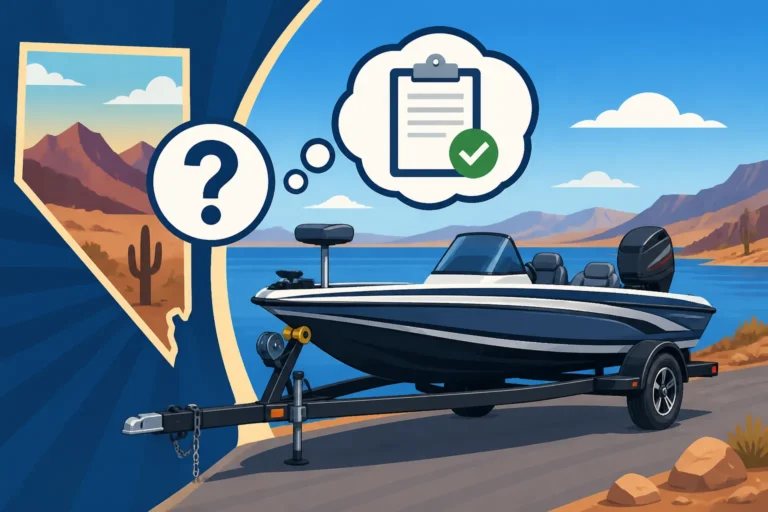
Maintenance is also key, especially in the dry, dusty conditions of Nevada. Regularly check tire pressure, wheel bearings, and trailer lights. Saltwater use (if you ever take your boat to the coast) or even brackish lake water can accelerate corrosion, so freshwater rinsing after each use is a good habit. Also, ensure your towing vehicle is rated for the combined weight of your boat, motor, and trailer. You'll also need to get your boat registered and titled in Nevada. For all the specifics, our Nevada Boat Registration and Titling Guide has you covered, and don't forget to review the Nevada Boat Registration Fees by Length to anticipate costs.
Roof Racks and Truck Beds
For ultralight vessels like kayaks, canoes, and inflatable boats, roof racks or truck beds are often the preferred method of transport. This eliminates the need for a separate trailer, making your setup incredibly versatile and allowing you to take your boat almost anywhere your vehicle can go. A quality roof rack system designed for kayaks or canoes will securely hold your vessel during highway travel and can be found at retailers like Bass Pro Shops or online through Amazon. Make sure to use proper straps and tie-downs, securing both the bow and stern of your boat to your vehicle to prevent shifting or lift at highway speeds.
If you have a truck, simply loading a kayak or small inflatable into the bed can be the easiest option, especially if your truck bed is long enough to accommodate it without excessive overhang. If your boat extends beyond the tailgate, remember to attach a red flag for visibility, as required by law. For inflatable boats, the ability to deflate and pack them into a duffel bag means they can often be stowed inside an RV, camper, or even a large car trunk, opening up possibilities for impromptu fishing trips to remote waters without any towing at all.
Navigating Nevada's Boat Ramps
Nevada's boat ramps can vary wildly, from modern, multi-lane concrete ramps at major lakes to rudimentary, unpaved access points at smaller reservoirs or rivers. One of the biggest challenges at larger lakes like Lake Mead or Lake Mohave is fluctuating water levels. Ramps can become steep, shallow, or even unusable at certain times of the year. A smaller boat, being lighter and requiring less draft, is often easier to launch in these conditions, sometimes even allowing for hand-launching if the ramp is too shallow or covered in mud.
Busy boat ramps, especially on weekends and holidays, are another factor. The ease of maneuvering a small boat and trailer, or simply carrying a kayak to the water's edge, can save you significant time and stress compared to wrangling a much larger vessel. Always be mindful of other boaters, launch and retrieve quickly and efficiently, and prepare your boat (load gear, put in drain plug, attach lines) before you get to the ramp itself. Understanding the local conditions and having a flexible approach will make your launching experience much smoother across Nevada.
Essential Gear and Safety for Desert Lake Boating
Fishing in Nevada's desert environment comes with its own set of risks and necessities. Whether you're in a tiny kayak or a small bass boat, prioritizing safety and having the right gear is non-negotiable for an enjoyable and secure outing.
Navigation and Communication
While you might not need a full array of marine electronics on every small boat, having reliable navigation and communication tools is crucial, especially on large, complex lakes. A simple, waterproof GPS unit or even a smartphone app with offline maps can be invaluable for finding your way around, marking hot spots, and ensuring you can return to your launch point, especially if you venture far from shore or fishing Lake Tahoe Nevada Fishing License Rules where landmarks can be deceptive. Many modern fish finders now incorporate GPS functionality, offering a powerful two-in-one tool.
For communication, a marine VHF radio is highly recommended for larger lakes like Lake Mead or Lake Mohave, where cell service can be spotty. It allows you to contact park rangers, other boaters, or emergency services if needed. Even a fully charged cell phone in a waterproof case should be considered a minimum backup. Whistles or horns are mandatory safety equipment for audible signaling. While a powerful fish finder might seem like an extravagance for a small boat, even a basic portable model can help you locate structure and fish, drastically improving your chances of success. Our guide to the Best Fishing Rods for Nevada Lakes can help you choose the right tools for the job.
Personal Safety Equipment
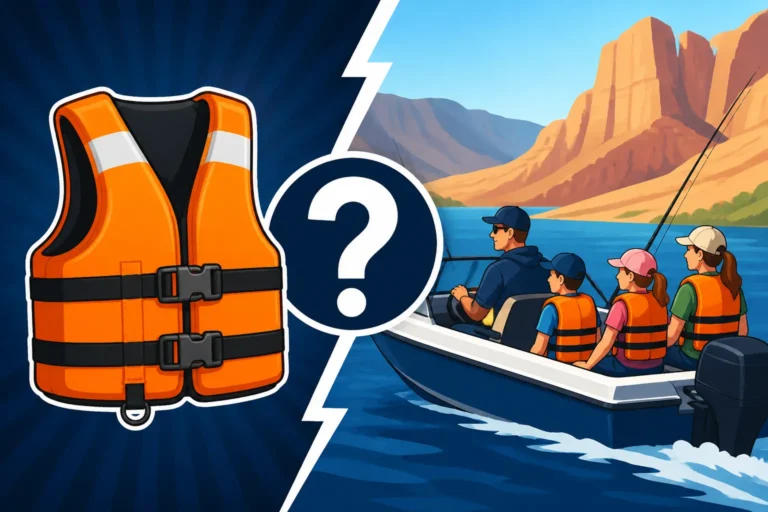
This is where you absolutely cannot cut corners. Life jackets are paramount. Nevada law requires that you have one readily accessible for every person on board, and children under a certain age must wear one at all times. Given the potential for unexpected winds and rough water, wearing your life jacket at all times, especially on smaller, less stable vessels, is the smartest move. This is reinforced by the Nevada Boater Education Card Requirement which emphasizes safe boating practices.
Beyond life jackets, a first-aid kit is essential, stocked with basics for cuts, scrapes, insect bites, and sun-related issues. The desert sun is intense, so robust sun protection gear is a must: wide-brimmed hats, UV-protective clothing, sunglasses, and high-SPF sunscreen. Carry plenty of fresh water – far more than you think you'll need – to stay hydrated. A small anchor with adequate rope length (even for a kayak) can be a lifesaver if you need to hold position in wind or current, or if your motor breaks down. For a comprehensive list, consult our guide on Essential Safety Gear for Boating on Lake Mead and Desert Fishing Gear and Sun Protection.
Environmental Considerations
As responsible anglers, we all need to do our part to protect Nevada's fragile aquatic ecosystems. Invasive species prevention is critical. Always clean, drain, and dry your boat, trailer, and gear after every outing, especially if moving between different bodies of water. This prevents the spread of harmful invaders like quagga and zebra mussels, which can devastate local fish populations and damage infrastructure.
Understanding anchoring techniques is also important. Avoid dropping anchor directly onto sensitive habitats if possible. Heat management for your catch is another key consideration. On a scorching Nevada day, fish can spoil quickly. A good cooler filled with ice is essential if you plan to keep your fish. For details on protecting delicate species, particularly the iconic Lahontan Cutthroat Trout, be sure to review responsible practices for Handling and Releasing Lahontan Cutthroat Trout.
Maintenance and Longevity in Harsh Conditions
Nevada's desert environment is tough on everything, and your small boat is no exception. Intense sun, dust, fluctuating temperatures, and abrasive shorelines can take a toll. Proper maintenance isn't just about keeping your boat looking good; it's about ensuring its reliability and extending its lifespan so you can enjoy countless fishing trips.
Protecting Your Boat from the Elements
The sun is arguably the most destructive force on boats in Nevada. Constant UV exposure can fade gel coats, crack plastic components, and degrade fabrics. If your boat is stored outdoors, a quality, UV-resistant boat cover is a non-negotiable investment. This cover should be breathable to prevent mildew but tough enough to withstand dust storms and high winds. Even if stored indoors, direct sunlight through windows can still cause damage over time. Regularly applying marine-grade UV protectants to vinyl seats, dashboards, and fiberglass surfaces can also help ward off sun damage.
Dust and sand are also pervasive. After each trip, especially if you've been on dirt roads or launching from sandy ramps, give your boat a good rinse. Dust can get into moving parts, cause scratches, and simply make your boat look neglected. For long-term storage, especially during the colder months (yes, Nevada does get cold!), proper winterization is essential to prevent freeze damage to your engine and plumbing systems. This proactive care will prevent costly repairs down the road and ensure your boat is ready to hit the water when the fishing bug bites.
Engine Care and Routine Checks
Whether you have a small outboard motor or an electric trolling motor, regular engine care is crucial. For outboards, flushing the engine with fresh water after each use is vital, even if you've only been in freshwater. This removes any sediment, mineral deposits, and prevents corrosion within the cooling system. Regularly check your oil levels (for 4-stroke engines) or ensure your fuel mixture is correct (for 2-stroke engines). Keep an eye on spark plugs, fuel filters, and the propeller for any damage. Running your engine with clean fuel and regular maintenance will prevent breakdowns on the water, which can be a serious issue in remote areas.
For electric trolling motors, focus on battery health. Always charge your deep cycle batteries fully after each use. Check battery terminals for corrosion and keep them clean. Ensure all electrical connections are secure and free from fraying. Overheating can be a concern for any motor, so be aware of any unusual sounds or smells. Carrying a basic tool kit with spare spark plugs, a prop wrench, and basic fasteners can get you out of a bind in a pinch. Remember, a reliable engine means more time fishing and less time stranded.
Registration, Permits, and Legalities
Beyond physical maintenance, staying on top of the legal requirements for your boat is equally important. In Nevada, all motorized vessels, and even some non-motorized boats, must be registered with the Department of Wildlife (NDOW). This involves annual renewals and keeping your registration decals current. Make sure you understand the nuances of Nevada Boat Registration and Titling Guide so you don't face unexpected issues.
Additionally, certain bodies of water, like the renowned Pyramid Lake, require special permits beyond your state fishing license. Our Pyramid Lake Fishing Permit Guide covers everything you need to know to fish those unique waters legally. It’s always a good idea to keep a copy of the current Nevada Fishing Regulations Explained on board, either a physical copy or a digital one on your phone, to ensure you're in compliance with all local rules, bag limits, and seasons. Having all your paperwork in order, from your boat registration to your fishing license, means you can focus on the reason you got the boat in the first place: enjoying the incredible fishing opportunities that Nevada has to offer.
| Boat Type | Pros for Nevada Lakes | Cons for Nevada Lakes | Ideal Nevada Use Cases |
|---|---|---|---|
| Aluminum Jon Boat | Excellent stability for casting, shallow draft, highly durable against rocks/abrasion, very customizable, affordable. | Rougher ride in chop/wind, generally slower, limited storage unless customized. | Urban ponds, small reservoirs, rivers, low-water launches, targeting bass and panfish in coves, exploring shallow flats at Lake Mohave or Lake Mead. |
| Utility V-Hull (Aluminum) | Smoother ride than jon boat in chop, durable, good balance of stability and wave handling, relatively easy to trailer. | Less initial stability than jon boat, slightly deeper draft, may still be wet in heavy chop. | Larger desert reservoirs like Lake Mead or Lake Mohave for general fishing, moderate distances, diverse conditions, chasing striped bass or trout. |
| Fishing Kayak | Extremely portable, stealthy (silent), access to very shallow/tight spots, great exercise, low operating cost. | Slower speed (paddle-dependent), limited capacity for gear/passengers, exposed to elements, can be unstable for beginners. | Remote mountain lakes, river fishing (Truckee River), sneaking into coves on larger lakes, solo fishing for bass, trout, or panfish, exploring areas inaccessible to larger boats. |
| Inflatable Boat | Highly portable (can deflate), good stability, durable materials, surprisingly spacious for its size, easy storage. | Can be slow, susceptible to wind (acts like a sail), inflation/deflation time, limited speed/power. | Camping trips where storage is limited, accessing remote or small bodies of water without ramps, quiet cruising for families, urban pond fishing for kids. |
| Small Bass Boat/Skiff | Fast, comfortable ride in chop, dedicated fishing features (livewells, rod lockers), stable casting platform, ample power. | Higher cost, requires more robust trailer/towing vehicle, deeper draft, more maintenance, heavier to launch/retrieve. | Anglers who prioritize speed and specialized features, targeting trophy bass or striped bass on large lakes like Lake Mead, Lake Mohave, or even certain areas of Pyramid Lake. |
Disclaimer
This article is for general informational purposes only and does not constitute professional advice. Laws, prices and regulations vary by location and change over time. Consult a qualified professional for guidance on your specific situation.