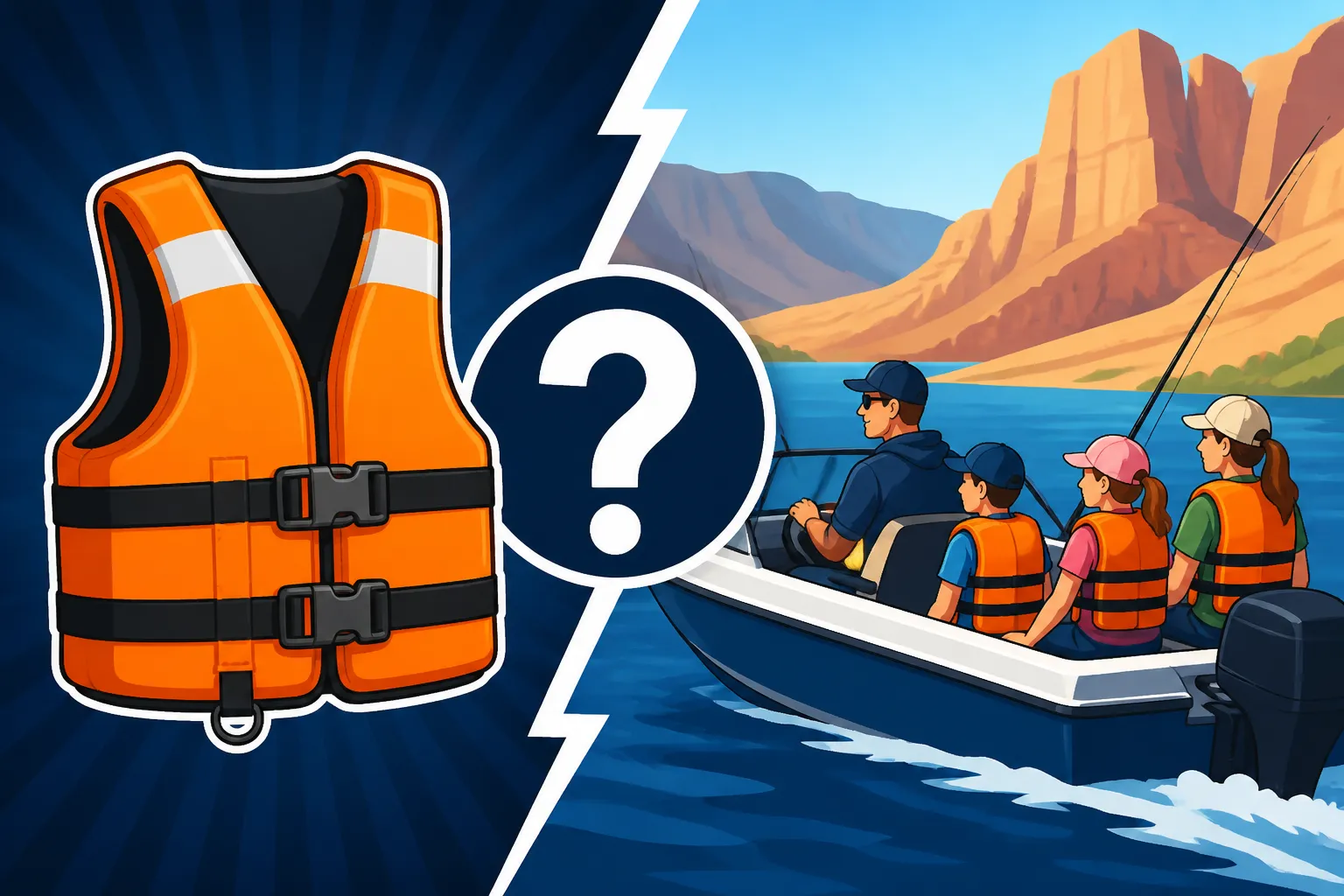
Do you need a life jacket for every passenger in Nevada?
It's a common question, and one that trips up a lot of folks heading out onto Nevada's beautiful waters: do you really need a life jacket for every passenger on your boat? The short answer is a resounding yes, and understanding the nuances of these regulations is crucial not just for staying legal, but more importantly, for staying safe. This guide will walk you through Nevada's personal flotation device (PFD) requirements, who needs to wear them, and how to make sure you're always in compliance, ensuring your fishing trips are both fun and secure.
The Short Answer: Yes, Mostly!
When you're out on the water in Nevada, whether it's a vast reservoir like Lake Mead or a smaller, tranquil pond, the rules regarding life jackets are pretty clear. It's not just a suggestion; it's a fundamental safety and legal requirement that could literally save a life.
Understanding Nevada's PFD Requirements
Nevada law, in alignment with federal regulations, mandates that all recreational vessels must carry at least one U.S. Coast Guard-approved wearable personal flotation device (PFD) for each person on board. This isn't just about having them somewhere on the boat; they need to be readily accessible. Imagine a sudden squall blows up on Lake Mohave or someone accidentally tumbles overboard. You don't want to be fumbling around in a storage locker trying to dig out a PFD when every second counts. Readily accessible means they should be immediately available for use – think hanging on seats, under an open hatch, or on deck, not buried under tackle boxes and coolers.
Beyond the basic "one per person" rule for wearable PFDs, there's another layer: if your boat is 16 feet or longer (excluding canoes and kayaks), you also need to carry one U.S. Coast Guard-approved throwable PFD, like a cushion or a ring buoy. This serves as an additional safety measure, especially helpful for someone who might fall in far from the boat or if you need to quickly assist another vessel. All these PFDs must be in good, serviceable condition, meaning no rips, tears, or broken straps, and they must fit the intended user.
Who Needs to Wear a Life Jacket and When
While having a PFD for everyone is mandatory, the "wearing" requirement has specific conditions, particularly concerning age. This is where many anglers, especially those with families, need to pay close attention.
- Children Under 13: Any child under the age of 13 years old must wear a U.S. Coast Guard-approved PFD at all times while underway on any vessel. This is a non-negotiable rule, whether they're fishing from a bass boat, a pontoon, or a kayak. It applies even if they're just sitting quietly, observing. This rule exists for a very good reason: children can fall overboard quickly and silently, and a properly fitted life jacket dramatically increases their chances of survival. It's important to make sure these PFDs fit snugly; a loose-fitting jacket can ride up around a child's ears and not provide proper flotation.
- Specific Activities: Beyond age, certain activities require anyone participating to wear a PFD, regardless of age. If you're waterskiing, wakeboarding, tubing, or being towed in any way, you must wear a PFD. Similarly, operators and passengers of personal watercraft (like jet skis) are required to wear a PFD.
- Non-Motorized Vessels (Strong Recommendation): While the wearing requirement for adults on canoes, kayaks, and stand-up paddleboards isn't always as strict as for children on motorized boats, it's highly recommended, and sometimes locally mandated, to wear a PFD. Many experienced kayak anglers wouldn't dream of hitting the water without theirs securely fastened. Given that non-motorized boats can capsize more easily, and the waters can be surprisingly cold even on a hot day, it's simply smart practice. You can find more details in our guide on Nevada Nonmotorized Boat Rules.
- Cold Weather/Water: Even if not legally mandated for adults, consider the conditions. If you're out fishing in Nevada during colder months, or on deep, cold bodies of water like Lake Tahoe, wearing your PFD is a critical safety measure. Cold water shock can incapacitate even strong swimmers in minutes.
Types of Life Jackets and Their Importance
Understanding the different types of PFDs is key to choosing the right one for your Nevada fishing adventures. They aren't all created equal, and each is designed for specific uses and environments.
Different PFD Types Explained
The U.S. Coast Guard categorizes PFDs into five main types, each with varying levels of buoyancy and design. When you're browsing for options, perhaps at a reputable outdoor retailer like Bass Pro Shops or even online at Amazon, you'll see these types clearly labeled.
- Type I: Offshore Life Jackets: These offer the most buoyancy and are designed for open, rough, or remote waters where rescue may be delayed. They can turn an unconscious person face-up in the water. They're bulky, but for serious offshore boating or very dangerous conditions, they're the best choice. For most recreational fishing on Nevada's lakes and reservoirs, they might be overkill, but they certainly provide maximum safety.
- Type II: Near-Shore Buoyancy Vests: These are designed for calmer, inland waters where there's a good chance of a quick rescue. They might turn an unconscious person face-up in some situations. They are less bulky than Type I and more comfortable for extended wear. Many of the standard "orange horse collar" style PFDs you see are Type II. They're a good general-purpose option for fishing.
- Type III: Flotation Aids: These are typically vests or jackets that offer excellent comfort and freedom of movement, making them very popular with anglers, waterskiers, and kayakers. They are designed for conscious wearers in calm, inland waters where quick rescue is likely. However, they are not designed to turn an unconscious person face-up. This type is probably the most common choice for those looking for comfort while fishing for bass or trout, as they allow for casting and movement.
- Type IV: Throwable Devices: These are not designed to be worn but are intended to be thrown to a person in the water. This category includes ring buoys and boat cushions. Remember, these are required on vessels 16 feet or longer in addition to wearable PFDs. They're excellent for emergencies where someone unexpectedly falls overboard, providing immediate flotation while you maneuver the boat closer.
- Type V: Special Use Devices: This is a broad category for PFDs approved for specific activities. This might include certain inflatable PFDs, deck suits, or work vests. Many inflatable PFDs fall into this category and are popular with experienced anglers because they are incredibly comfortable and less bulky when not inflated. However, they require regular maintenance, and generally, they are not approved for children under 16 or for non-swimmers, and they must be worn to be counted as a legal PFD. Always read the label carefully for any Type V PFD to understand its specific limitations and approvals.
Choosing the Right Fit for Comfort and Safety
A PFD is only effective if it fits properly. This is especially true for children, where a life jacket that's too big can slip right off, or one that's too small won't provide enough flotation.
For adults, the key is a snug fit that allows for full range of motion. You should be able to breathe comfortably, but the jacket shouldn't ride up when you lift your arms. If it comes up past your ears when you try it on, it's too big. For fishing, look for features like large armholes for casting, pockets for small tackle, and breathable materials that won't make you overheat on a sunny Nevada day. Many anglers opt for fishing-specific PFDs that are designed with these considerations in mind. Brands often offer specific vests tailored for angling activities, maximizing comfort while maintaining safety. You can easily compare options and read reviews on platforms like Amazon before making a purchase.
For children, proper fit is paramount. Look for PFDs designed specifically for infants, toddlers, and youth, often categorized by weight. Test the fit: lift the child by the shoulders of the PFD. If their chin or ears slip through, it's too large. Some child PFDs even come with a crotch strap to prevent them from riding up, and a grab handle on the back, which is incredibly useful for pulling a child out of the water.
| PFD Type | Description | Best Use for Anglers | Key Feature |
|---|---|---|---|
| Type I | Offshore Life Jacket (most buoyant) | Open, rough, or remote waters | Can turn unconscious person face-up |
| Type II | Near-Shore Buoyancy Vest | Calm, inland waters; quick rescue likely | May turn unconscious person face-up |
| Type III | Flotation Aid (vests, jackets) | General recreational boating, fishing, watersports | Comfortable, good for active use; not for unconscious |
| Type IV | Throwable Device (cushions, ring buoys) | To be thrown to a person in distress (secondary PFD) | Provides temporary flotation |
| Type V | Special Use Device (inflatables, work vests) | Specific activities or conditions, often must be worn to count | Requires careful reading of label; often less bulky |
Practical Considerations for Anglers
Just knowing the rules isn't enough; you need to integrate these safety practices into your routine. For anglers, who are often focused on the next bite, it's easy to overlook PFD specifics.
Keeping Life Jackets Accessible (Not Just Stored)
This is a critical distinction that many boaters misunderstand, often leading to citations during random inspections. Having a life jacket for every person is one thing; having them readily accessible is another.
Imagine you're out on Lake Mead, enjoying a calm morning. A game warden pulls up for a routine safety check. You declare you have enough PFDs. The warden asks to see them. If they're stuffed deep in a bow storage compartment, under a mountain of camping gear, or in a zippered bag that takes effort to open, they are not readily accessible. In a real emergency, you simply won't have time to retrieve them.
Proper accessibility means they should be on deck, hanging from seats, or in an open, easily reachable compartment. They need to be in good, serviceable condition, free from mildew, rips, or sun damage, with all buckles and zippers functioning. For anglers, this means thinking about where you place your tackle boxes and coolers so they don't block access to the PFDs. Consider mesh bags or open bins that keep PFDs organized and within arm's reach.
Special Situations and Exemptions (or Lack Thereof)
Nevada's boating regulations are designed to cover a wide array of watercraft and activities. There are very few exemptions when it comes to PFD requirements.
- Kayaks, Canoes, and Paddleboards: As mentioned, even on non-motorized vessels, while adults aren't always mandated to wear a PFD, you must have one readily accessible on board for each person. For these types of craft, where capsizing is a higher risk, wearing it is always the safest bet. Many specialized fishing kayaks come with comfortable seats that integrate a PFD or have designated spots for easy attachment. If you're out on the Truckee River or any of Nevada's beautiful mountain lakes in a kayak, having your Kayak Fishing Gear for Nevada properly stowed, including your PFD, is non-negotiable.
- Private Property vs. Public Waters: Generally, Nevada's PFD laws apply to all public waters. If you're fishing on a truly private pond that isn't connected to any public waterway, the state regulations might not strictly apply. However, for any water body accessible to the public, or waters managed by the state, you'll need to follow the rules. This includes urban ponds in Las Vegas, state park lakes, and, of course, the major reservoirs.
- Catch-and-Release: The type of fishing you're doing (catch-and-release versus keeping your catch) has no bearing on PFD requirements. Safety regulations apply to all boating activities.
- Inflatable PFDs: These are common among experienced anglers due to their comfort and low profile. However, most inflatable PFDs are Type V (special use) and must be worn to count as a legal PFD. They also need to be regularly inspected and maintained, with CO2 cartridges checked and replaced as needed. Make sure you understand the specific requirements for any inflatable PFD you choose. If you're considering one, check out options for Best Life Jackets for Reservoir Boating that might include these advanced designs.
Ensuring Compliance and Avoiding Penalties
Nobody wants their peaceful day of fishing interrupted by a citation. Understanding what enforcement officers are looking for can help you avoid unnecessary trouble and ensure you’re always prepared.
What Game Wardens Look For
Game wardens and other marine patrol officers in Nevada are primarily focused on safety. When they conduct a vessel stop, they're typically checking for a few key things related to PFDs:
- Quantity: Is there one U.S. Coast Guard-approved wearable PFD for every person on board? If your boat is 16 feet or longer, is there also a throwable PFD?
- Condition: Are all PFDs in serviceable condition? This means no excessive rips, tears, or deterioration. Are all straps, buckles, and zippers working properly? A PFD with a broken buckle isn't going to save anyone.
- Accessibility: Are the PFDs readily accessible? Can a person grab one quickly in an emergency without having to dig through gear or unlock a compartment?
- Fit (Especially for Children): If there are children under 13 on board, are they wearing a properly fitted PFD? Officers will often check to ensure the jacket isn't too large or too small for the child.
- Approval: Is each PFD U.S. Coast Guard-approved? Look for the approval stamp or label on the inside of the jacket.
Failing to meet these requirements can result in a citation and fines. The penalties for not complying with boating safety regulations, including PFD requirements, can be significant. It's much cheaper and far less stressful to simply follow the rules. Our comprehensive guide on Nevada Fishing Violation Penalties delves into the specifics of what could happen if you're found in violation.
Beyond the Law: Why Safety Matters Most
While avoiding a fine is certainly a motivator, the real reason for carrying and wearing life jackets goes far beyond legal compliance. It’s about protecting lives. Drowning is one of the leading causes of recreational boating fatalities, and the vast majority of these incidents involve victims who were not wearing a life jacket.
Consider these scenarios:
- Unexpected Fall Overboard: Even on a calm day, a sudden bump, a slippery deck, or losing balance while casting can send someone into the water. If you're wearing a PFD, you immediately have flotation. If not, the shock of the cold water, the struggle to get back to the boat, or an injury could quickly lead to a tragic situation. This is especially true when fishing alone; there's no one to help you get back in.
- Cold Water Shock: Many of Nevada's popular fishing lakes, like Lake Tahoe or even the deep parts of Lake Mead, have surprisingly cold water, even in summer. Cold water shock can cause involuntary gasping, hyperventilation, and rapid loss of muscle control. A PFD gives you buoyancy, keeping your head above water while your body adjusts, and buys you precious time for rescue.
- Boat Capsizing or Sinking: While rare, boats can capsize or sink due to severe weather, collision, or mechanical failure. In such a chaotic situation, finding and donning a PFD becomes extremely difficult, if not impossible. If you're already wearing one, you're immediately safer.
Making life jackets a mandatory part of your Essential Safety Gear for Boating on Lake Mead or any Nevada waterway isn't about bureaucracy; it's about common sense and ensuring everyone returns home safely after a day of enjoying the outdoors. Before you head out, always do a quick check to ensure you meet the Nevada required safety equipment checklist for boats. It takes just a few minutes and could make all the difference.
Disclaimer
This article is for general informational purposes only and does not constitute professional advice. Laws, prices and regulations vary by location and change over time. Consult a qualified professional for guidance on your specific situation.