Is the Nevada boater education course free?
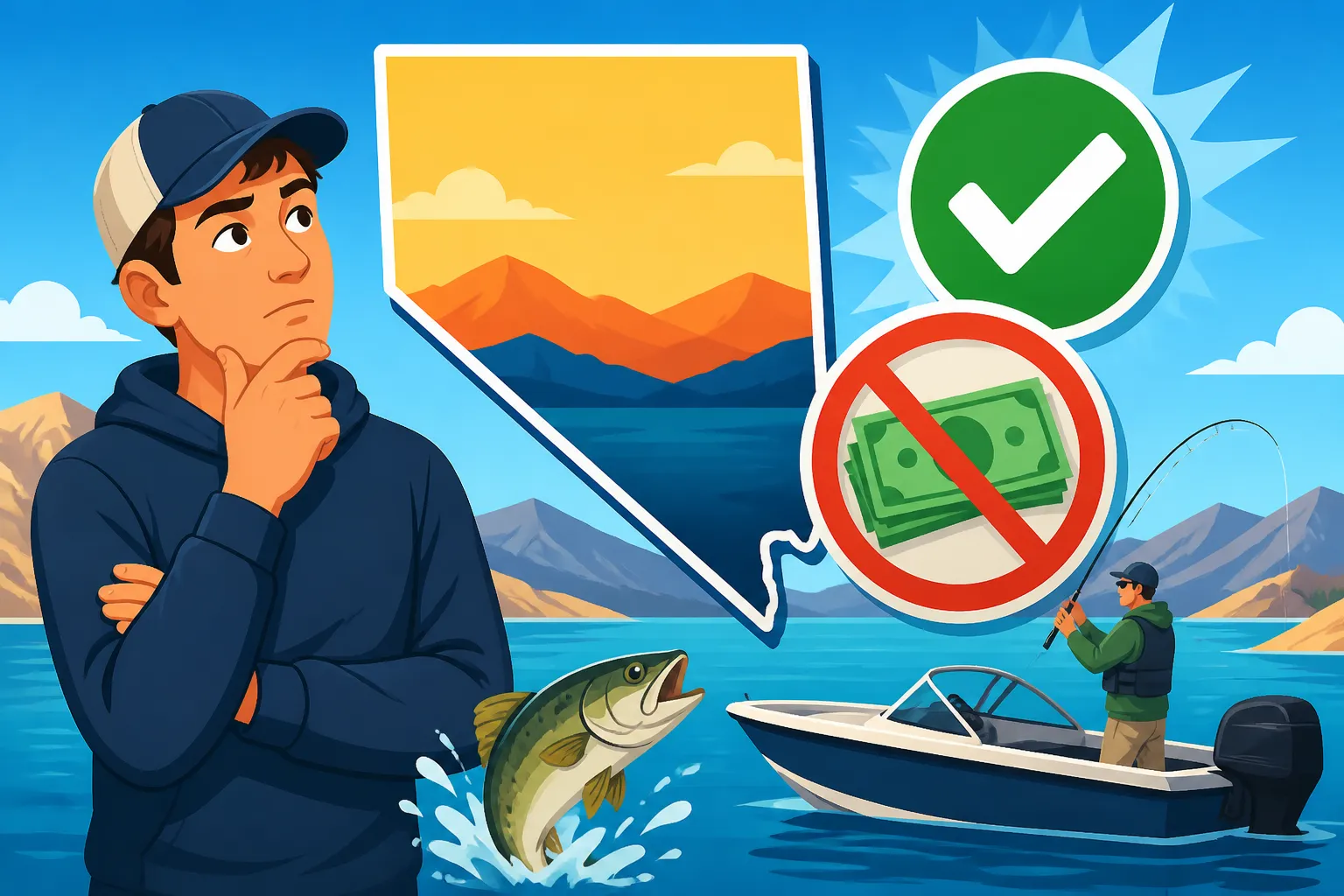
It's totally understandable to wonder if something as essential as a boater education course, which is often a state requirement, comes with a hefty price tag or if there are free options available. Many folks assume that since it's about public safety on the water, the state might offer it for free. This guide is going to clear up that confusion, explaining the realities of boater education course costs in Nevada and how you can get certified without any surprises.
The Nevada Boater Education Card Requirement: What You Need to Know
Getting out on the water in Nevada, whether it's the vast expanse of Lake Mead or the beautiful shores of Lake Tahoe, is an incredible experience. But just like driving a car, operating a boat comes with responsibilities and rules. The state of Nevada, through its Department of Wildlife (NDOW), has put certain boater education requirements in place to ensure everyone stays safe and our waterways are protected.
Who Needs a Boater Education Card in Nevada?
This is where the rubber meets the road, so to speak. Generally, if you're going to be operating a motorboat on Nevada waters, there's a good chance you'll need a boater education card. The primary requirement revolves around age and engine size. If you were born on or after January 1, 1983, and you plan to operate a motorboat with an engine of 15 horsepower or more, you need to complete an approved boater education course and carry your card. This applies to everyone, whether you're a Nevada resident or just visiting for a fantastic fishing trip. It’s not just for those behind the wheel of a big cruiser; even if you're using a small fishing boat with a decent outboard, you might fall under this requirement. You can find more detailed information on specific age and motor size regulations in our guide on Nevada Boater Education Card Requirement.
For instance, imagine you've got a fantastic new bass boat with a 150-horsepower engine. If you were born in, say, 1985, then absolutely, you'll need that card. Even if you're just borrowing a friend's pontoon for a leisurely afternoon on Lake Mohave, if you're operating it and meet the age criteria, you're expected to have the certification. The idea is that everyone operating a significant motorized vessel has a baseline understanding of safety and navigation.
Why is Boater Education Mandatory?
The reason for mandatory boater education is simple and truly important: safety. Boating accidents, while sometimes rare, can be severe and life-altering. These courses are designed to drastically reduce the risk of incidents on the water by educating operators about everything from proper navigation and rules of the road to emergency procedures and responsible stewardship of our natural resources.
Think about it this way: on the road, you learn about traffic laws, defensive driving, and how to react in various situations. It's no different on the water. Boater education courses teach you how to properly share the waterways, understand buoy systems, react to adverse weather, and ensure your vessel is equipped with the necessary safety gear. It’s not just about protecting yourself and your passengers, but also other boaters, swimmers, and even the wildlife that calls these waters home. Knowing how to correctly operate your vessel, understand right-of-way rules, and respond to potential hazards is crucial for preventing tragic outcomes.
What the Course Covers
These boater education courses are pretty comprehensive, covering a wide array of topics crucial for safe and responsible boating. You'll dive into subjects like:
- Navigation Rules: Understanding channel markers, buoys, and how to safely pass other vessels. It’s like learning the traffic signals and lane rules for the water.
- Vessel Operations: Safe docking, anchoring, trailering, and basic maintenance to prevent breakdowns.
- Safety Equipment: What is legally required on board your vessel, from life jackets for everyone (and we even have a guide on Nevada life jacket requirements for kids) to fire extinguishers and sound-producing devices.
- Emergency Procedures: How to handle capsizing, man overboard situations, engine failure, and calling for help.
- Environmental Responsibility: Preventing pollution, understanding aquatic invasive species, and minimizing your impact on the delicate ecosystems of Nevada's lakes and rivers.
- Nevada-Specific Regulations: Local laws that might differ from federal guidelines, ensuring you're compliant with the specific rules of the Silver State.
The goal isn't just to pass a test, but to instill a deep understanding of these principles, making you a more confident and safer boater. This comprehensive approach ensures that once you've earned your card, you're genuinely prepared for most situations you might encounter on Nevada's diverse waterways.
Understanding the Cost: Is "Free" Really Free?
Now, let's get to the heart of the matter: the cost. When people ask if the Nevada boater education course is free, they're often hoping for a no-cost option to fulfill the mandatory requirement. It's a fair question, especially when many public safety initiatives are state-funded. However, the reality is a bit more nuanced.
The Reality of Online Course Providers
While the idea of boater safety education is definitely supported by the state, the actual delivery and certification process for these courses are typically handled by third-party private providers, often online. These providers are approved by organizations like the National Association of State Boating Law Administrators (NASBLA) and recognized by NDOW, but they are not generally state-run entities offering their services for free.
Think of it like getting your driver's education. While the DMV sets the rules, you usually pay a private driving school for the lessons and behind-the-wheel training. Similarly, these online boater education providers have developed robust, interactive courses with videos, quizzes, and study materials, and they charge a fee for access to their content and to cover the administrative costs of issuing your certificate. So, while the information might feel universally available, the official, state-recognized certification usually comes with a cost. You might find introductory materials or quizzes that are free, but to complete the full, approved course and receive your official boater education card, you'll almost always encounter a fee.
Comparing Course Provider Options
There are several reputable online providers that offer Nevada-approved boater education courses. While I can't give you exact figures (as prices can change), I can tell you that the fees are generally in a similar range across these approved platforms. They all aim to meet the state's educational requirements and offer a convenient way to get certified.
Here’s a general idea of what you might consider when looking at different options:
| Feature | Online Self-Paced Course | Instructor-Led (Online/In-Person) | Study Guide + Test (Less Common) |
|---|---|---|---|
| Cost Structure | Typically a flat fee for the course and certificate. | Higher fee, as it includes instructor time. | Often a smaller fee for exam, but materials may cost. |
| Flexibility | High – learn at your own pace, anytime, anywhere. | Moderate – fixed schedule, but may have interactive Q&A. | High – self-study, then schedule exam. |
| Learning Style | Good for independent learners, visual/text-based. | Best for those who benefit from direct instruction, questions. | Best for those who absorb information well from reading. |
| Pacing | You control the speed. | Set schedule, usually over a few days or weeks. | Completely self-paced for study, exam is scheduled. |
| Pros | Convenient, often more affordable. | Direct interaction, immediate feedback. | Potentially lower cost if you already know some info. |
| Cons | Requires self-discipline, no direct Q&A. | Less flexible, usually higher cost. | Less structured learning, might miss nuances. |
| Typical Availability | Widely available through official providers. | Limited availability, often through boating clubs or community colleges. | Varies by state; always check NDOW for approval. |
When you're comparing, check out providers like Boat-Ed or BoatUS Foundation courses. They are widely recognized and often the go-to for many states, including Nevada. While the course itself isn't free, the investment is generally modest for the critical knowledge and legal compliance it provides. Many people find the convenience of online courses, which you can complete from your living room or even while traveling, to be well worth the fee.
Potential Hidden or Related Costs
It's not just the course fee you need to keep in mind. While most reputable online providers bundle the certificate fee into the initial cost, always double-check. Sometimes, there might be a small additional fee for printing a physical card if you prefer that over a digital version, or a fee for a replacement card if you lose yours down the line.
Also, consider the possibility of study materials. Most online courses are all-inclusive with their digital resources, but if you opt for an in-person class or want supplemental books, those could add to your overall expense. While Bass Pro Shops or Amazon might not offer the course directly, they are fantastic resources for picking up boating safety guides, first-aid kits, or even just waterproof bags to protect your valuable documents, including your new boater education card, while you're out on the water. These aren't costs for the course itself, but they are related expenses that contribute to being a safe and prepared boater.
Finding and Choosing a Nevada-Approved Boater Education Course
Okay, so we've established that "free" isn't generally how it works for the official certification. But finding an approved course that fits your learning style and schedule is totally achievable. The key is to make sure whatever course you choose is recognized by the Nevada Department of Wildlife (NDOW) to ensure your certificate is valid.
Where to Find Approved Online Courses
The easiest and most common way for many Nevada boaters to get their education card is through an approved online course. The NDOW website is always the best place to start, as they will list or link directly to the approved providers. These providers have been vetted to ensure their curriculum meets state and national standards.
Here's how it generally works:
- Visit the NDOW Website: Head over to the official Nevada Department of Wildlife boating education section. They usually have a dedicated page outlining the requirements and approved course providers.
- Choose an Approved Provider: You'll likely see a list of nationally recognized online education platforms that are approved for Nevada. Examples often include Boat-Ed, BoatUS Foundation, and America's Boating Course.
- Enroll and Complete: Once you select a provider, you'll register on their site, pay their fee, and begin the course. These courses are designed to be self-paced, allowing you to stop and start as needed. They often include interactive modules, videos, and quizzes to keep you engaged.
Many people appreciate the flexibility of online courses. If you work a busy schedule or live far from any in-person class locations, completing the course from your home on your own time is a huge advantage. Just make sure you're comfortable with online learning and have a reliable internet connection.
In-Person Course Options
While online courses are incredibly popular, some individuals prefer the traditional classroom setting or learn better with direct instructor interaction. In-person boater education courses are less common but can still be found in some areas.
These might be offered by:
- Boating Clubs or Organizations: Local chapters of national boating organizations might offer weekend courses. These often provide a great opportunity to network with other boaters in your community.
- Community Colleges or Adult Education Programs: Sometimes, these institutions will host boater safety courses, especially in areas with popular boating destinations.
- Private Instructors: Certified private instructors occasionally offer small group or one-on-one lessons.
The availability of in-person courses can vary greatly depending on your location within Nevada. For example, you might find more options around Reno, Carson City, or the Las Vegas area near Lake Mead. Always check with NDOW or local boating communities for current listings. While these might come with a higher price tag due to instructor time and facility costs, they offer the benefit of direct questions and hands-on discussions.
Tips for Selecting the Right Course for You
Choosing the right course isn't just about finding the cheapest or most convenient option; it's about finding one that will truly help you learn and retain the information.
- Learning Style: Are you a visual learner who loves videos and diagrams? Do you prefer reading text? Or do you thrive in a group discussion setting? Most online courses offer a mix, but some lean heavier on certain methods.
- Pacing: If you have a tight deadline, a self-paced online course might be best. If you prefer a structured schedule to keep you accountable, an instructor-led class could be better.
- Compatibility: Ensure the online course platform is mobile-friendly if you plan to study on a tablet or smartphone. Nobody wants to be frustrated by a clunky interface.
- Reviews and Reputation: While not common for boater education courses, a quick search for reviews might give you an idea of user experience with a particular provider.
- NDOW Approval: This is non-negotiable! Always confirm that the course you select is officially approved by NDOW to ensure your efforts and investment lead to a valid certification.
Taking the time to choose a course that genuinely suits you will make the learning process more enjoyable and, more importantly, ensure you truly absorb the critical safety information. After all, this isn't just about checking a box; it's about gaining vital skills for the water.
After the Course: Getting Your Nevada Boater Education Card
So, you've put in the time, studied the rules, and mastered the material. Congratulations! The finish line is in sight, but there are a few more steps to officially getting your Nevada Boater Education Card and ensuring you're fully compliant.
Passing the Exam and Receiving Your Certificate
Once you've completed all the course modules, quizzes, and practice tests, you'll typically take a final exam. This exam usually consists of multiple-choice questions covering all the topics you've learned. Most online courses allow you to retake the exam if you don't pass on your first attempt, sometimes after a brief waiting period or after reviewing specific sections again. Don't stress too much about it; the courses are designed to prepare you well.
Upon successfully passing the final exam, the course provider will issue you a certificate of completion. This certificate is proof that you've fulfilled the educational requirement. Depending on the provider, you might receive a printable PDF certificate immediately, or they might mail a physical certificate to you. Some providers might also handle the notification directly with NDOW, while others will instruct you on how to formally obtain your physical boater education card from the state. Always follow the specific instructions provided by your chosen course provider.
Carrying Your Card and Staying Compliant
Receiving your certificate isn't quite the very last step. Once you have your official Nevada Boater Education Card (whether it's a physical card from the state or a printable certificate from an approved provider that serves as your proof), you are required to carry it with you whenever you are operating a motorboat on Nevada waters.
This is a critical point for compliance. Just like you need to have your driver's license with you when driving a car, you need to have your boater education card when boating. Game wardens and other law enforcement officials can and do perform checks on the water. If you're required to have the card and you don't, you could face penalties. It's truly a hassle to deal with a fine when you could have just had your card readily available.
A great tip is to keep your card in a waterproof pouch along with your boat registration and any Nevada Fishing License Guide or specific permits, like a Pyramid Lake Fishing Permit Guide, you might need. Consider a digital copy on your phone as a backup, but always be prepared with the official proof. Staying compliant means you can enjoy your time on the water without any worries, knowing you've done your part to be a safe and responsible boater.
Disclaimer
This article is for general informational purposes only and does not constitute professional advice. Laws, prices and regulations vary by location and change over time. Consult a qualified professional for guidance on your specific situation.