Best Kayak for Fishing Nevada Reservoirs
Choosing the right kayak for fishing in Nevada's diverse and often challenging reservoirs can feel like a real puzzle. You're not just looking for a boat; you're searching for a reliable partner that can handle the wide-open, sometimes windy waters of Lake Mead, the vast expanses of Lake Mohave, or even the unique conditions of Wildhorse Reservoir, all while providing a stable platform for casting and reeling. This guide aims to cut through the confusion, offering a deep dive into what makes a kayak truly excel in the Silver State's fishing scene, helping you make an informed decision so you can spend less time worrying and more time catching.
Understanding Nevada's Unique Reservoir Challenges
Nevada's reservoirs are magnificent, but they present a distinct set of challenges for kayak anglers that are quite different from fishing a calm river or a small, sheltered lake. These aren't just puddles; they're often massive bodies of water carved into the high desert landscape, meaning you need a kayak that's up to the task. Overlooking these unique conditions can lead to a less-than-ideal experience, or worse, a truly uncomfortable and even unsafe day on the water.
The Wind Factor: A Kayaker's Arch-Nemesis
If you've spent any time near Nevada's bigger reservoirs like Lake Mead or Lake Mohave, you know that the wind can pick up with startling speed and intensity. What starts as a gentle breeze can transform into a relentless gale, creating chop and whitecaps that can quickly turn a peaceful paddle into a grueling workout. A lightweight, short kayak might be easy to transport, but it can feel like a toy boat being tossed around when the wind really starts to howl.
This isn't just about comfort; it's about control. Fighting a strong headwind or trying to hold a position in a crosswind to fish a specific structure can be exhausting and frustrating. Imagine finally finding that perfect drop-off or submerged cover, only to be constantly blown off course. You need a kayak that has enough inherent stability and tracking ability to stand up to these conditions, allowing you to maintain your position and focus on fishing, not just paddling.
Expansive Waters and Long Paddles
Many of Nevada's prime fishing spots, especially on our larger reservoirs, are not right next to the boat ramp. You might need to cover significant distances to reach productive coves, remote shorelines, or deep-water structures where fish are holding. While a shorter, wider kayak might be super stable, it often sacrifices speed and efficiency in the water. This means a long paddle can feel twice as long, burning through your energy reserves long before you're ready to pack it in.
Consider the sheer scale of places like Lake Mead or even larger sections of Lake Tahoe on the Nevada side. If you're planning to explore, cover water, and move between different fishing zones, a kayak that can maintain a decent cruising speed with minimal effort is invaluable. This is where the hull design really comes into play, balancing stability with hydrodynamics to cut through the water efficiently. You want to save your strength for fighting fish, not just getting to them.
Rocky Shorelines and Launch Woes
Unlike some fishing destinations with soft, sandy beaches, many of Nevada's reservoirs feature rugged, rocky shorelines. Launching and landing your kayak can be tough on both you and your boat. Dragging a heavy, delicate fiberglass kayak over jagged rocks is a recipe for scratches, dings, and potential hull damage. Even portaging a lighter kayak can be a challenge if you have to scramble over uneven terrain.
This is a practical consideration that often gets overlooked in the excitement of choosing a new boat. You need a kayak that can take a bit of a beating or, at the very least, be handled relatively easily in less-than-ideal launch conditions. Durability of materials and ease of transport from your vehicle to the water's edge are significant factors. No one wants to spend their fishing day worrying about their kayak getting damaged before they even wet a line.
Key Features to Look for in a Fishing Kayak
When you're trying to decide on the best kayak for fishing Nevada reservoirs, it's not just about what looks cool or has the most gadgets. It's about how the boat performs on the water, how it holds up to the environment, and how it enhances your actual fishing experience. These core features are the bedrock of a good fishing kayak, particularly in the demanding conditions found across our state.
Stability: Your Foundation on the Water
For any serious kayak angler, stability is king. Nevada's reservoirs can get choppy, and you often find yourself needing to stand up to cast, sight fish, or just stretch your legs. A wobbly kayak is not only uncomfortable but can be downright dangerous, potentially leading to gear loss or an unexpected swim. The best fishing kayaks prioritize a wide, flat hull design, sometimes with pronounced chines, to offer exceptional primary and secondary stability. Primary stability is that initial feeling of solidness when you first step in, while secondary stability is how resistant the kayak is to capsizing when it's rocked or tilted.
This means you can confidently cast a heavy lure, battle a hard-fighting Mackinaw Trout at Lake Tahoe, or even reach for gear without feeling like you're constantly fighting to stay upright. Think about the moment you finally hook into a big Lake Mead Striped Bass Hotspots – you'll want a stable platform that lets you focus on the fight, not on balancing. Manufacturers achieve this with wider beams, often 30 inches or more, and specialized hull shapes. Many modern fishing kayaks are so stable you can easily stand and cast, which is a huge advantage for spotting fish in clear water or getting a better angle on a target.
Tracking and Speed: Covering Ground Efficiently
While stability is crucial, you can't sacrifice everything for it, especially on expansive waters. Tracking refers to how well a kayak holds a straight line with each paddle stroke, minimizing the amount of corrective steering you need to do. Speed, of course, is how quickly and efficiently the kayak moves through the water. A kayak with poor tracking will constantly wander off course, making you waste energy on corrections, which is particularly frustrating when battling Nevada's notorious winds.
Longer, narrower kayaks with a more defined keel tend to track better and are generally faster, as they have less wetted surface area and cut through the water more efficiently. However, this often comes at the cost of some stability. The trick is finding a balance. Many fishing kayaks for larger waters will be on the longer side (12-14 feet) to offer a good blend of speed and tracking without compromising too much on stability. This allows you to cover vast distances on a place like Lake Mohave without exhausting yourself, getting you to those prime fishing grounds quickly and with less effort.
Storage and Rigging Options: Gear for the Long Haul
Fishing requires gear, and kayak fishing is no exception. From tackle boxes and rods to coolers and safety equipment, you'll need ample, accessible storage. The best fishing kayaks are designed with this in mind, offering multiple hatches, large tankwells with bungee systems, and even integrated rod holders. Think about how much gear you typically bring on a trip and ensure your chosen kayak can accommodate it safely and securely.
Beyond basic storage, the ability to customize and rig your kayak is a huge plus. Look for features like accessory tracks (often called gear tracks or rail systems) that allow you to easily mount rod holders, fish finders, GPS units, and camera mounts without drilling into the hull. A good kayak will have flat mounting surfaces or pre-drilled points for transducers and other electronics. Whether you're a minimalist angler or someone who likes to bring every possible tool, having versatile Kayak Fishing Gear for Nevada options means you can tailor your setup to your specific needs and the type of fishing you plan to do, from chasing Pyramid Lake cutthroat to stalking Lake Mead Largemouth Bass Coves.
Types of Fishing Kayaks Best Suited for Nevada
The world of fishing kayaks has expanded dramatically, offering a specialized craft for nearly every type of angler and water body. For Nevada's diverse reservoirs, three main types typically stand out, each with its own advantages and considerations. Understanding these differences is key to matching the kayak to your fishing style and the waters you intend to tackle.
Sit-on-Top Kayaks: Versatility and Open Decks
Sit-on-top (SOT) kayaks are arguably the most popular choice for fishing, especially in warmer climates like Nevada. Their open-deck design means you sit on top of the hull rather than inside it, offering a few distinct advantages. Firstly, they are incredibly easy to get on and off, which is a huge benefit if you need to quickly dismount for a wade or in the unlikely event of a capsize. Secondly, the scupper holes allow water to drain right through, so you don't have to worry about bailing out water that comes over the bow or from a splashy fish.
Beyond convenience, SOT kayaks offer superior deck space for rigging and storage. Many come with large tankwells in the stern for coolers or tackle crates, plenty of flat areas for mounting accessories, and comfortable, elevated seating systems that keep you dry and provide a better vantage point for casting. Their width and inherent buoyancy also contribute to excellent stability, making them ideal for standing and casting. For general reservoir fishing in Nevada, from the urban ponds to the vastness of Lake Mead, a well-designed sit-on-top kayak provides a versatile and angler-friendly platform. Best Kayak for Fishing Nevada Reservoirs will often fall into this category due to their adaptability.
Pedal-Drive Kayaks: Hands-Free Fishing Freedom
For many serious kayak anglers, the pedal-drive system has been a game-changer. Instead of paddling, you use a bicycle-like pedaling motion to power a propeller or fin-drive system, leaving your hands completely free for casting, reeling, managing your electronics, or even snacking! This hands-free operation is a massive advantage when trying to maintain position in wind or current, troll a lure, or actively fish a shoreline.
While pedal kayaks typically come with a higher price tag and can be heavier to transport, their efficiency and the ability to cover vast distances with less effort make them incredibly appealing for Nevada's larger reservoirs. Imagine effortlessly following a school of Lake Mead Striped Bass Hotspots while continually casting, or precisely working a drop-off at Lake Mohave Willow Beach Fishing without constantly having to put your rod down to paddle. Brands like Hobie and Old Town are leaders in this space, offering robust and reliable pedal systems. While they often sit a bit higher in the water and can be more susceptible to strong crosswinds, the ability to maintain boat control without a paddle frees up a lot of mental and physical energy for fishing.
Inflatable and Hybrid Kayaks: Portability and Niche Use
While traditional hard-shell kayaks are popular, don't overlook the utility of inflatable and hybrid kayaks, especially if portability and storage are primary concerns. Modern inflatable fishing kayaks are a far cry from flimsy pool toys. Made from durable, multi-layered PVC or Hypalon, they are surprisingly tough and stable, often featuring drop-stitch floors that create a rigid, stand-up-friendly platform. Their main advantage is obvious: they pack down into a bag, making them perfect for anglers with limited storage space or those who need to transport their kayak in a smaller vehicle.
Hybrid kayaks, often a cross between a canoe and a kayak, offer enhanced stability and capacity, sometimes with a transom capable of mounting a small electric motor. While perhaps not as fast or as rigid as their hard-shell counterparts, the best inflatable fishing kayaks can still perform admirably on smaller to medium-sized Nevada reservoirs and are excellent for accessing remote areas where launching a traditional kayak is difficult. You might find a good option for an inflatable kayak from a brand like Sea Eagle, which offers models specifically designed for fishing, often with features like rod holders and elevated seats. These are fantastic for Nevada Urban Pond Fishing Rules or exploring quieter coves on larger lakes.
| Kayak Type | Primary Stability | Tracking & Speed | Storage/Rigging | Portability | Best For (Nevada) |
|---|---|---|---|---|---|
| Sit-on-Top | Excellent | Good-Very Good | Excellent | Moderate-Heavy | General reservoir fishing, standing & casting |
| Pedal-Drive | Excellent | Very Good | Excellent | Heavy | Large, open reservoirs, trolling, hands-free fishing |
| Inflatable | Good-Excellent | Good | Good | Excellent | Remote access, small vehicle transport, urban ponds |
| Hybrid | Excellent | Good | Excellent | Moderate-Heavy | Stability-focused, motor option, calm to moderate waters |
Considering Propulsion Methods: Paddle, Pedal, or Motor?
The way you move your kayak across the water is just as important as the kayak itself, especially when you're tackling Nevada's varied fishing environments. Each propulsion method comes with its own set of benefits and considerations, directly impacting your efficiency, comfort, and ultimately, your fishing success. Making the right choice here can be the difference between a productive day and an exhausting one.
Traditional Paddle Power: Simplicity and Control
The classic paddle is the simplest and most direct way to propel your kayak. It's universally understood, requires no complex maintenance beyond occasional cleaning, and gives you a very direct connection to the water. For many anglers, the rhythmic motion of paddling is part of the allure of kayak fishing, a peaceful way to connect with nature. Paddles are also incredibly versatile, allowing for quick, precise maneuvers, back-paddling to slow your drift, or quiet movements to sneak up on wary fish in shallow coves.
However, paddling can be physically demanding, especially when covering long distances or battling strong winds on large reservoirs. Your hands are occupied, meaning you often have to put your rod down to move, adjust position, or fight a fish while simultaneously paddling. While a good paddle is essential even for pedal or motor-driven kayaks as a backup, relying solely on paddle power on vast, windy lakes like Lake Mead can be tiring. Choosing the right paddle – lightweight, strong, and sized correctly for you and your kayak – can make a significant difference in reducing fatigue and improving your overall experience.
Pedal Power Systems: Efficiency and Multitasking
As discussed earlier, pedal-drive systems offer hands-free propulsion, using your powerful leg muscles to move the kayak. This is a huge advantage for anglers, allowing you to constantly cast, retrieve, and manage your tackle while simultaneously steering and maintaining your position. Imagine trolling a lure across a big flat at Wildhorse Reservoir or holding steady against the wind to jig for Lake Tahoe Deep Water Mackinaw Spots – all without ever touching a paddle. The efficiency of pedal drives also means you can cover much greater distances with less perceived effort compared to paddling.
The two main types are prop-driven (like Hobie's MirageDrive) and fin-driven (like Old Town's PDL Drive). Both are robust and offer forward and reverse capabilities, which is invaluable for precise boat control. While pedal kayaks are typically heavier and more expensive, the investment often pays off in increased fishing time and reduced fatigue. They are exceptionally well-suited for the big, open waters of Nevada where covering ground and precise boat control are paramount. Just remember that these systems do have components that can snag on weeds or bottom out in very shallow water, so knowing your fishing grounds is key.
Electric Motor Add-Ons: Extending Your Range
For those who want to maximize their range and minimize effort, adding an electric trolling motor to a kayak is a popular option. Many fishing kayaks are now designed with motor mounts or offer accessories to easily add a small electric motor, often powered by a 12V marine battery. This can transform your kayak into a formidable fishing machine, allowing you to cruise long distances, fight strong currents, and even manage boat positioning with a foot pedal or remote control system. This is especially useful for targeting distant structures or navigating expansive waters like those found at Lake Mead Nevada Fishing Guide.
Before going this route, make sure your kayak is rated for a motor and consider the weight of the battery and motor, as well as where they will be positioned for balance. You'll also need to check Nevada Boat Registration for Anglers requirements, as adding a motor often means your kayak is no longer considered a "non-motorized vessel" and may require registration. Brands like Minn Kota and Motorguide offer excellent small trolling motors that are perfect for kayak applications. The freedom and expanded range an electric motor provides can be a game-changer for serious anglers looking to explore every inch of Nevada's vast reservoirs.
Essential Kayak Fishing Accessories for Nevada Waters
Getting the right kayak is just the first step. To truly optimize your fishing experience on Nevada's reservoirs, a suite of essential accessories can make all the difference, enhancing safety, comfort, and your ability to find and catch fish. Don't skimp on these additions; they're often critical for a successful and enjoyable day.
Safety Gear: Non-Negotiables for Open Water
Safety should always be your top priority, especially when heading out onto large, open bodies of water where conditions can change rapidly. The most important piece of safety gear is a properly fitted life jacket (Personal Flotation Device or PFD). It’s not just a recommendation; it’s a legal requirement to have one on board, and wearing it is always the smartest choice, especially when the water is cold or if you're alone. Choose a PFD designed for kayaking, which typically has larger armholes for unrestricted paddling and fishing movements.
Beyond your PFD, always carry a whistle or air horn to signal for help, and a visual signaling device like a brightly colored flag, especially if you're on busy waters. A good first-aid kit, a bilge pump or sponge for bailing out water, and a spare paddle are also critical. Many anglers also carry a communication device like a fully charged cell phone in a waterproof case, or a VHF radio for more reliable communication on larger lakes. Remember, Nevada's high desert sun can be intense, so bring plenty of water and sun protection. Essential Safety Gear for Boating on Lake Mead provides a comprehensive checklist that applies broadly to all Nevada waters.
Electronics and Navigation: Finding the Fish
In the vast and often deep waters of Nevada's reservoirs, a good fish finder and GPS unit can drastically improve your success rate. These tools help you locate submerged structures, identify baitfish schools, and pinpoint larger game fish that might be holding in specific depths. Portable fish finders are perfect for kayaks, offering crisp displays and easy mounting options. Look for models with GPS capabilities to mark waypoints, track your path, and navigate back to your launch point, especially important on big lakes where shorelines can look similar.
Mounting options include transducer arms that deploy over the side or through-hull mounting kits. Power usually comes from a small, sealed lead-acid battery or a lithium-ion battery pack. Brands like Humminbird and Lowrance offer excellent compact units suitable for kayaks. Having a Best Portable Fish Finder for a Kayak can save you countless hours of blind casting, directing you straight to where the fish are hiding. Many kayak anglers also carry a physical map of the area or load detailed charts onto their electronics, providing an extra layer of navigational safety and insight into the underwater topography.
Comfort and Convenience: Making Long Days Enjoyable
Kayak fishing often involves long hours on the water, so comfort and convenience accessories are key to extending your time and enjoyment. A high-quality, adjustable seat is paramount. Many factory seats are basic, so upgrading to an aftermarket seat with better back support and padding can make a world of difference. Proper seating posture also contributes to more efficient paddling and less fatigue.
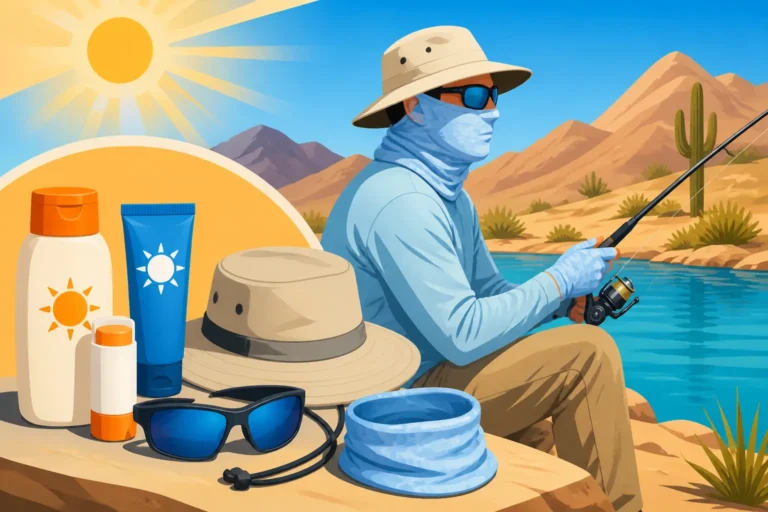
Rod holders are another essential. Beyond the flush-mount holders that often come integrated, adjustable rod holders that clamp onto accessory tracks allow you to position your rods precisely for trolling or holding them while you switch lures. A cooler for drinks and snacks, and importantly, for keeping your catch fresh, is a must in Nevada's heat. Consider a smaller, insulated soft-sided cooler that fits snugly in your tankwell. Finally, don't forget sun protection – a wide-brimmed hat, polarized sunglasses, and ample sunscreen are vital for protecting yourself from the intense desert sun. A quality Best Cooler for Keeping Fish on Hot Days and Best Sun Protection Gear for Desert Fishing can mean the difference between enjoying your trip and suffering through it.
Where to Find Your Perfect Fishing Kayak
Once you have a good idea of the type of kayak and features you're looking for, the next step is actually finding one. The market is full of options, and knowing where to look can save you time and ensure you get the right boat for your Nevada fishing adventures. Whether you prefer to see and touch before you buy or leverage the convenience of online shopping, there are great resources available.
Local Outfitters and Test Drives
One of the best ways to choose a kayak is to visit local outdoor outfitters or specialty kayak shops. While Nevada might not have a huge abundance of dedicated kayak stores, larger sporting goods retailers often carry a decent selection. Stores like Bass Pro Shops are excellent resources, usually stocking a wide variety of fishing kayaks and offering knowledgeable staff who can walk you through the different models and features. The huge advantage here is the ability to physically inspect the kayak, sit in it (even if it's on land), and get a feel for its size and ergonomics.
Even better, some specialized kayak dealers offer "demo days" or allow test drives on nearby water. This is an invaluable opportunity to experience how different kayaks feel and perform before making a significant investment. You can gauge stability, paddle efficiency, and seat comfort in real-world conditions. Talking to experienced staff and fellow anglers at these stores can also provide local insights into which kayaks perform best on specific Nevada reservoirs, helping you make a truly informed decision tailored to your regional fishing goals. Don't be shy about asking questions and taking your time to explore your options; this is a big purchase.
Online Retailers and Community Forums
For an even wider selection and competitive pricing, online retailers are an excellent resource. Websites like Amazon, as well as specialized paddling and fishing gear sites, offer an almost endless array of kayaks from various manufacturers. You can spend hours comparing models, reading detailed specifications, and reviewing customer feedback and ratings, all from the comfort of your home. This is particularly useful for researching specific features or finding niche brands that might not be carried by local stores.
However, buying online means you can't physically inspect the kayak before it arrives. This is where relying heavily on detailed product descriptions, high-quality images, and robust customer reviews becomes critical. Many online retailers also have excellent return policies, but shipping a large item like a kayak back can be a hassle. Complement your online research by visiting community forums and social media groups dedicated to Nevada kayak fishing. Here, you can get unbiased opinions, practical advice, and real-world experiences from local anglers who are already out there tackling the same waters you plan to fish. They can offer insights on Best Small Boat for Desert Lakes or recommend specific models that hold up well to the unique challenges of our state.
Disclaimer
This article is for general informational purposes only and does not constitute professional advice. Laws, prices and regulations vary by location and change over time. Consult a qualified professional for guidance on your specific situation.