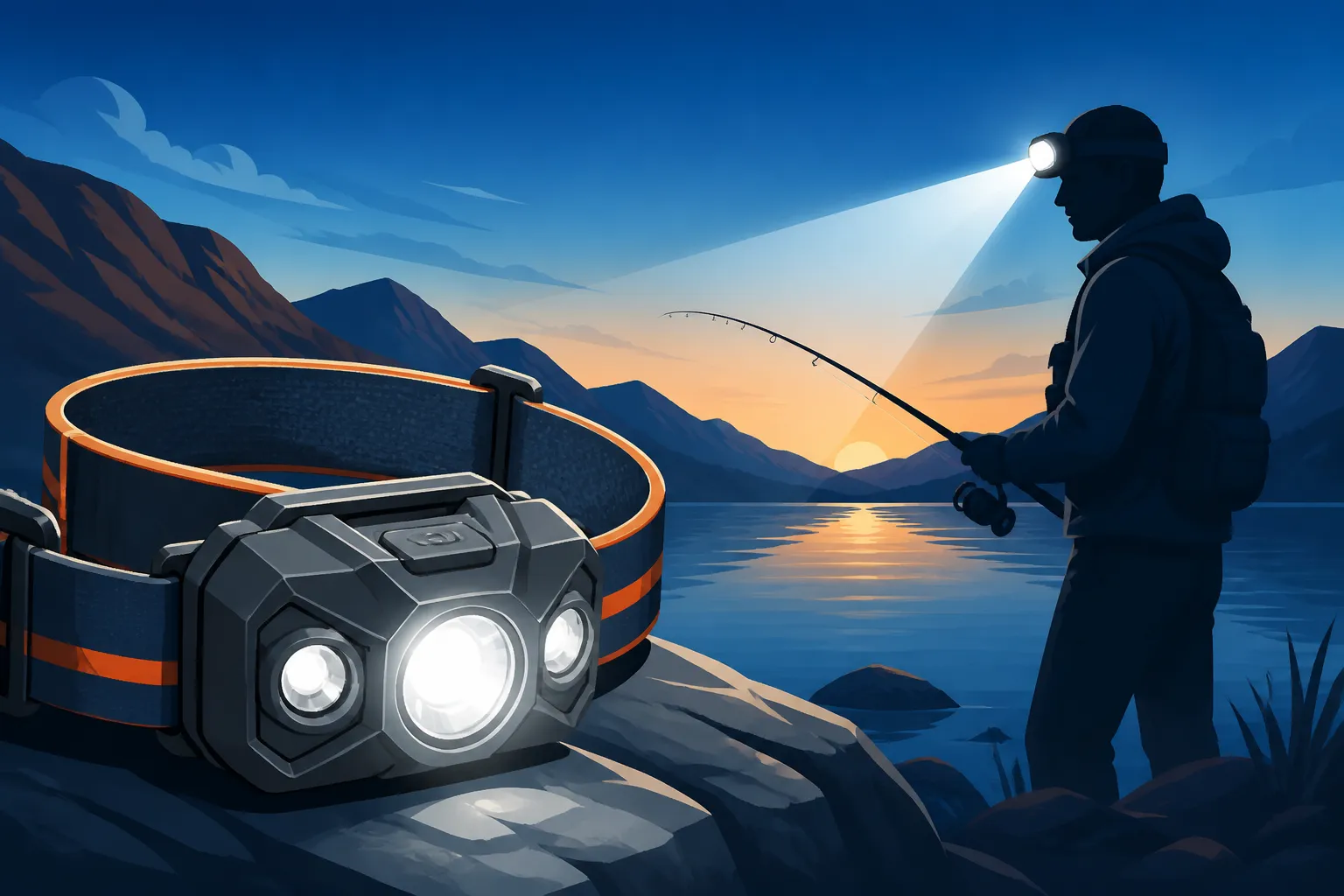
Best headlamp for early morning fishing
That pre-dawn alarm goes off, and you're filled with that familiar thrill of anticipation, ready to hit the water before the sun even thinks about peeking over the horizon. But then the reality sets in: it's pitch black, you're fumbling with your tackle, trying to tie a knot, and navigating unseen obstacles. It's a recipe for frustration, lost gear, or worse, a twisted ankle. This guide is all about helping you pick the perfect headlamp to illuminate your early morning fishing adventures in Nevada, making those critical first hours smooth, safe, and ultimately more successful.
Why a Good Headlamp is Non-Negotiable for Pre-Dawn Anglers
Let's be real, nobody enjoys tripping over a cooler or accidentally dropping their favorite lure in the dark, especially when the fish are biting in those magical twilight hours. A proper headlamp isn't just a convenience; it's an essential piece of safety and efficiency gear that can make or break your early morning trip. Think of all the tasks you need to perform before the sun fully graces the Nevada landscape. From loading up your vehicle at home to launching your boat at Lake Mead, or simply finding your way to a secluded spot on the Truckee River, light is your best friend.
Without adequate, hands-free illumination, you're constantly juggling a flashlight, trying to hold it in your mouth, or relying on your phone's dim beam – none of which are practical or safe when you're dealing with sharp hooks, slippery terrain, or uneven boat ramps. A quality headlamp frees up your hands, allowing you to focus on the task at hand, whether it's rigging a line or safely walking to your preferred casting location. It truly transforms the pre-dawn scramble into a focused, enjoyable start to your fishing day.
Safety First on the Water and Shore
Picture this: you're walking along the rocky shoreline of Pyramid Lake well before dawn, carrying your rods, tackle box, and a thermos of coffee. The ground isn't perfectly flat, there could be loose stones, unseen holes, or even discarded fishing line. Without a powerful, consistent beam directly where you're looking, it's incredibly easy to misstep and injure yourself. This isn't just a minor inconvenience; a fall in the dark could end your fishing trip before it even begins, or worse, lead to a serious injury far from help.
The same goes for launching a boat. Navigating a boat ramp in the dim light, especially when it might be slick with dew or algae, requires all your attention. A good headlamp ensures you can clearly see the edges of the ramp, avoid submerged debris, and securely fasten your boat without guessing. It illuminates the trailer hitch, the winch, and the dock lines, giving you confidence and control in a potentially hazardous situation. Many experienced anglers can share stories of near-misses that could have been avoided with better lighting. Don't let yourself become one of those stories.
Rigging Up and Navigating in the Dark
One of the most frustrating things about fishing in low light is trying to rig your line. Whether you're tying a complex knot, threading a tiny hook through a soft plastic bait, or re-spooling after a snag, doing it by feel or with a handheld light is an exercise in patience-testing futility. Your headlamp points the light precisely where you're looking, illuminating those intricate details that are crucial for a solid setup. This means less wasted time, fewer frayed nerves, and more efficient fishing.
Beyond rigging, a headlamp is invaluable for general navigation. Finding your way through a campsite, locating your tackle bag in the boat, or simply checking your watch without fumbling in the dark becomes effortless. If you're exploring new territory, perhaps trying out a different section of Lake Mohave or a new spot at Wildhorse Reservoir, knowing you can clearly see your path and surroundings is a huge confidence booster. It allows you to move purposefully and quietly, minimizing disturbance to the fish you're hoping to catch.
The Difference Between "Any Light" and the "Right Light"
You might think, "I'll just grab any flashlight, it'll be fine." And yes, technically, any light is better than no light. But there's a world of difference between a weak, flickering beam that drains batteries in an hour and a purpose-built fishing headlamp. Cheap lights often lack the brightness needed to cut through the absolute darkness of a Nevada desert night or the ability to focus a beam for detailed work. Their battery life might be abysmal, leaving you stranded in the dark just as the bite turns on.
The "right light" for fishing offers specific features tailored to an angler's needs. It's often brighter, has longer battery life, and includes functions like a red light mode to preserve night vision. It's designed to withstand the elements, like a sudden spray of water or an accidental drop onto the bank. Investing in a good headlamp, even if it feels like a small thing, is investing in a more enjoyable, safer, and ultimately more productive fishing experience. It's a foundational piece of your Nevada Fishing Gear Essentials.
Key Features to Look for in a Fishing Headlamp
When you're sifting through all the options for headlamps, it's easy to get overwhelmed by jargon and different specifications. But for early morning fishing, a few key features stand out as absolutely essential. Understanding these will help you choose a headlamp that actually meets your needs rather than leaving you frustrated when you're out on the water. We're talking about more than just brightness; it's about thoughtful design that caters to the unique demands of fishing in low-light conditions.
You'll find a vast selection of headlamps at reputable outdoor retailers, whether you prefer browsing in person at a Bass Pro Shops or the convenience of online shopping through Amazon. Just make sure you're focusing on the practical benefits of each feature rather than getting swept up by marketing hype. The goal is reliability and functionality, not just the latest gadget.
Brightness and Beam Type Lumens, Spot vs. Flood
Brightness, measured in lumens, is often the first thing people look at. While a higher lumen count usually means a brighter light, it's not the only factor. For detailed tasks like tying knots, 100-200 lumens might be plenty. But for navigating unfamiliar terrain or spotting landmarks on a big lake, you'll appreciate a headlamp with a higher output, perhaps 300-600 lumens or even more. Many quality headlamps offer adjustable brightness settings, allowing you to conserve battery when maximum power isn't necessary.
Equally important is the beam type. A "spot" beam is narrow and focused, great for long-distance visibility, like scanning the water for ripples or identifying hazards far off. A "flood" beam, on the other hand, provides a wide, diffused light that's perfect for close-up tasks like rigging tackle or setting up camp, illuminating your immediate workspace without creating harsh shadows. The best fishing headlamps often offer both, allowing you to switch between them or even combine them for versatile illumination, adapting to whether you're walking or working with your hands.
Battery Life and Power Source
Nothing is more frustrating than a headlamp dying on you in the middle of a crucial moment. Pay close attention to battery life specifications. Manufacturers usually list run times at different brightness settings. Look for models that offer a decent run time (several hours) on a medium-to-high setting, not just the lowest, dimmest mode. Rechargeable batteries (often lithium-ion) are popular for their convenience and environmental benefits, allowing you to charge them at home or even via a portable power bank on longer trips.
However, some anglers prefer headlamps that use standard AA or AAA batteries. The advantage here is the ease of carrying spares. If your batteries die, you can quickly swap them out and be back in business without needing an outlet. This can be particularly appealing if you're planning multi-day trips to remote locations where charging might not be an option. Consider your typical trip length and access to power when deciding between rechargeable and replaceable battery options.
Red Light Mode and Water Resistance IPX Rating
The red light mode is a game-changer for anglers. Unlike white light, red light doesn't constrict your pupils as much, meaning it preserves your natural night vision. This is crucial when you need to switch between illuminating a task and then looking out into the dark water or sky. It also spooks fish less and is less disruptive to other anglers or wildlife. Any serious fishing headlamp should have a dedicated red light option.
Given that fishing involves water, water resistance is paramount. Look for an IPX rating, which indicates how well a device is sealed against liquids and solids. An IPX4 rating means it's splash-proof, suitable for light rain or splashes. An IPX7 rating, however, means it can be submerged in water for a short period (usually up to 1 meter for 30 minutes) – a much better choice for fishing where accidental drops are always a possibility. This higher rating offers peace of mind, especially if you find yourself battling a fish in the rain or near a choppy shoreline.
Comfort and Durability
You'll be wearing this headlamp for potentially hours, so comfort is key. Look for a lightweight design with an adjustable, comfortable headband that won't dig into your head. A top strap can help distribute weight and keep the lamp from slipping, especially during vigorous activity. Consider the weight of the battery pack; if it's at the back, it can balance the lamp and prevent it from feeling front-heavy.
Durability is also vital. Fishing environments are often rugged, and gear can get bumped, dropped, or exposed to the elements. A headlamp made from robust materials, perhaps with rubberized housings or impact-resistant lenses, will stand up better to the rigors of frequent use. Checking reviews for feedback on construction quality can give you a good idea of how well a particular model holds up over time. A durable headlamp is an investment that will serve you well for many seasons to come.
Top Headlamp Considerations for Nevada's Unique Fishing Environments
Nevada is a land of incredible contrasts, from vast desert lakes to high-altitude mountain streams. The "best" headlamp can actually vary depending on where you plan to cast your line. The needs for fishing a sprawling reservoir under a moonless sky are different from those for navigating a dense, forested riverbank. Understanding these regional nuances will help you fine-tune your headlamp choice, ensuring it's perfectly suited for your specific Nevada fishing adventures.
Consider the ambient light, the terrain, potential weather conditions, and the presence of other anglers when making your choice. A truly versatile headlamp will offer a range of features, but some areas might prioritize certain aspects over others.
Desert Lakes and Reservoirs Lake Mead, Lake Mohave, Pyramid Lake
When you're out on the immense stretches of Lake Mead, Lake Mohave, or Pyramid Lake before sunrise, you're often dealing with wide-open spaces, clear skies, and absolute darkness. Here, a headlamp with a powerful, long-distance spot beam is incredibly useful. You'll need to illuminate boat ramps, spot buoys or navigational markers, and potentially scan for distant shorelines or hazards. The sheer size of these bodies of water means you might be moving at speed in a boat, requiring clear visibility ahead. For more information on fishing specific areas, check out our Lake Mead Nevada Fishing Guide or Pyramid Lake Nevada Fishing Guide.
Battery life is also paramount here, as help might be far away, and a dead light could be a serious safety issue. Rechargeable options are great if you have power on your boat or vehicle, but carrying spare disposable batteries is a smart backup plan. Water resistance (IPX7) is highly recommended, given the possibility of splashes from waves or accidental drops into the water. The open, often windy conditions also mean you'll want a secure and comfortable fit, perhaps with a top strap to keep it from shifting.
Mountain Streams and High-Elevation Lakes Ruby Mountains, Lake Tahoe
Fishing in Nevada's mountains, whether it's the pristine streams of the Ruby Mountains or the deep, clear waters of Lake Tahoe, presents a different set of challenges. Here, the terrain is often uneven, with slippery rocks, dense vegetation, and steep banks. You'll need a headlamp that provides excellent close-up, wide-angle illumination (flood beam) for careful footing and intricate fly tying. A strong spot beam is still useful for scanning upstream or across a lake, but immediate visibility is key. For more on this region, see our Lake Tahoe Nevada Fishing Guide.
The air in the mountains can be crisp, even chilly, which can affect battery performance, so choosing a headlamp with good cold-weather battery efficiency or having insulated spare batteries is wise. While less likely to be submerged in a stream, strong splash resistance (IPX4 or higher) is still important for unexpected rain or slipping into shallow water. Look for lightweight designs that won't feel cumbersome during long hikes to remote fishing spots, and a comfortable, secure fit over a hat or beanie.
Urban Ponds and Shore Fishing Las Vegas Ponds
For those quick, convenient fishing trips to the urban ponds around Las Vegas, your headlamp needs are slightly different. While brightness is still good, you might not need the extreme long-distance beam required for large reservoirs. Here, a good flood beam for rigging tackle and navigating paved paths or grassy banks is often sufficient. The key benefit of a headlamp for urban ponds is often courtesy to other anglers and preserving your own night vision.
A red light mode is especially valuable in these more populated areas. It allows you to see what you're doing without blinding nearby anglers or attracting undue attention. Since you're often close to your vehicle, battery life might be less of a critical concern, but reliable power is always a plus. Water resistance is still a good idea for dew or accidental splashes, but perhaps not as critical as for open water boating. Comfort for extended wear while sitting and waiting for a bite is important.
Tips for Using Your Headlamp Effectively and Extending Its Life
Having the best headlamp won't do you much good if you don't use it wisely or take care of it properly. Just like your fishing rods, reels, and Best Boats for Nevada Reservoir Fishing, a headlamp is a piece of gear that benefits from understanding its capabilities and a little tender loving care. Mastering a few simple techniques can dramatically improve your early morning fishing experience and ensure your headlamp remains a reliable partner for many seasons.
From how you manage its light output to how you store it, every little detail contributes to the overall effectiveness and longevity of your investment. It's about being strategic, proactive, and mindful of the conditions.
Strategic Lighting for Minimal Spooking
One of the biggest mistakes anglers make with headlamps is using too much light, or the wrong kind, at the wrong time. Blasting a high-lumen white light directly onto the water can easily spook fish, especially in shallow or clear conditions. Fish are acutely aware of sudden changes in light, and a bright beam can send them scattering. This is where your red light mode becomes your secret weapon.
Use the red light for anything that involves looking at the water, tying knots, or moving stealthily along the bank. It provides enough illumination for most tasks without disrupting the natural environment or alerting wary fish. Save the bright white light for specific, short-duration tasks like packing up, emergency navigation, or when you're far from the water and not actively fishing. By being strategic with your light, you can maintain your stealth advantage during those critical low-light hours. You might even find that your Night Fishing Techniques for Striped Bass improve with careful light usage.
Battery Management and Storage
Effective battery management is crucial for headlamp reliability. Always start your fishing trip with fully charged batteries, or fresh disposable ones. If your headlamp uses rechargeable batteries, consider investing in an extra set or a small portable power bank for longer excursions. Knowing the estimated run times for different light modes will help you plan and conserve power. For instance, if you only need high brightness for short bursts of navigation, switch back to a lower setting or red light when doing less critical tasks.
Proper storage also extends battery life. For disposable batteries, remove them from the headlamp during prolonged storage to prevent corrosion, especially in Nevada's dry climate where heat can accelerate battery degradation. Rechargeable batteries should be stored at a partial charge (around 50-70%) if not used for long periods, rather than fully charged or completely drained, to maintain their lifespan. Keeping your headlamp in a dry, cool place, away from extreme temperatures, is always a good practice. For general gear organization, check out our insights on Best Storage Solutions for Fishing Gear.
Maintenance and Care for Longevity
Taking a few moments for maintenance can significantly extend the life of your headlamp. After each trip, especially if it's been exposed to water, dust, or sand, wipe down the body and lens with a clean, damp cloth. Pay attention to the battery compartment, ensuring it's free of any debris that could interfere with the electrical contacts. If your headlamp has a removable headband, washing it periodically will remove sweat, dirt, and fish grime, making it more comfortable to wear.
Regularly check the O-rings and seals if your headlamp has a high IPX rating, as these are critical for its water resistance. Replace them if they show signs of wear or cracking. Periodically test all the modes and functions to ensure everything is working correctly. If you're heading to a truly remote location, a quick check before you leave home can prevent an unpleasant surprise when you're miles from civilization. Treat your headlamp like the essential tool it is, and it will serve you faithfully on countless early morning adventures.
| Feature | Why It Matters for Fishing | Ideal Specs/Considerations |
|---|---|---|
| Brightness (Lumens) | Illuminates surroundings, tasks, and distant objects. | 100-600+ Lumens (adjustable for versatility) |
| Beam Type | Spot for distance, flood for close-up tasks. | Dual-beam or adjustable focus (spot to flood) |
| Red Light Mode | Preserves night vision, reduces spooking fish/wildlife. | Dedicated red light mode, easy to access |
| Battery Life | Ensures light doesn't die mid-trip; critical for safety. | 4+ hours on medium-high setting; consider spares. |
| Power Source | Rechargeable (convenience) vs. Disposable (backup in remote areas). | Match to trip length and charging access. |
| Water Resistance (IPX) | Protects against splashes, rain, and accidental submersion. | IPX4 (splash) to IPX7 (submersible) for peace of mind. |
| Comfort | Essential for long hours of wear; prevents distractions. | Lightweight, adjustable strap, balanced weight distribution. |
| Durability | Withstands bumps, drops, and harsh fishing environments. | Robust materials, impact-resistant housing. |
Disclaimer
This article is for general informational purposes only and does not constitute professional advice. Laws, prices and regulations vary by location and change over time. Consult a qualified professional for guidance on your specific situation.