Best umbrella or shade tent for desert bank fishing
Spending a glorious day fishing on a Nevada lake sounds like a dream, but anyone who's actually done it knows the harsh reality of that desert sun. You can go from comfortable to cooked in what feels like minutes, and a severe sunburn or heatstroke can quickly ruin your trip, or worse. This guide will help you understand why portable shade is crucial for bank fishing in Nevada and what specific features to look for in an umbrella or shade tent to keep you cool, protected, and focused on reeling in your next catch.
Why Sun Protection is Non-Negotiable for Nevada Anglers
It’s easy to underestimate the power of the sun, especially when you’re caught up in the excitement of a bite or the serene beauty of a Nevada reservoir. However, the desert environment presents unique challenges that make robust sun protection an absolute must, not just a nice-to-have. Long hours spent on exposed shorelines without adequate shade can lead to serious health consequences, and even minor discomfort can drastically cut your fishing time short.
The Harsh Reality of Desert Sun
Nevada's desert climate is characterized by intense sunlight, high UV indexes, and often, dry heat that can dehydrate you rapidly. Unlike fishing from a boat with a canopy, bank fishing often means you're completely exposed to direct sunlight for hours on end, with no natural cover in sight. This isn't just about feeling hot; it's about persistent exposure to harmful ultraviolet (UV) radiation. Even on a cloudy day, UV rays can penetrate the cloud cover and cause damage. Think about those days you've felt just a little "crisp" after an outing – that's your skin trying to tell you something important.
The sun here doesn't just hit you from above, either. The reflective surfaces of water and light-colored desert terrain can amplify UV exposure, hitting you from multiple angles. This means your skin, even areas you might think are shaded, is constantly being bombarded. Proper sun protection, therefore, needs to account for this multi-directional assault. This relentless exposure can also cause your gear to overheat, making tackle boxes scorching to the touch or even affecting your bait.
Common Misconceptions and Risks
Many anglers rely solely on sunscreen and a hat, thinking that's enough. While these are vital components of sun safety, they are often insufficient for the prolonged exposure typical of a full day of bank fishing in Nevada. Sunscreen needs frequent reapplication, especially if you're sweating or getting wet, and it's easy to miss spots or forget altogether when you're focused on the fishing. A standard baseball cap might shade your face, but it leaves your neck and ears vulnerable, which are common spots for sun damage.
The risks extend beyond just sunburn. Heat exhaustion and heatstroke are genuine threats in the Nevada desert. Symptoms like dizziness, nausea, headaches, and extreme fatigue can creep up on you subtly, escalating quickly into an emergency. Dehydration compounds these issues, making you more susceptible to both heat-related illnesses and impaired judgment, which can be dangerous when you're near water. Ignoring these risks isn't just uncomfortable; it can be life-threatening. Protecting yourself with adequate shade helps reduce your core body temperature and minimizes direct UV exposure, acting as a crucial first line of defense against the desert's relentless elements.
Types of Shade Solutions for Bank Fishing
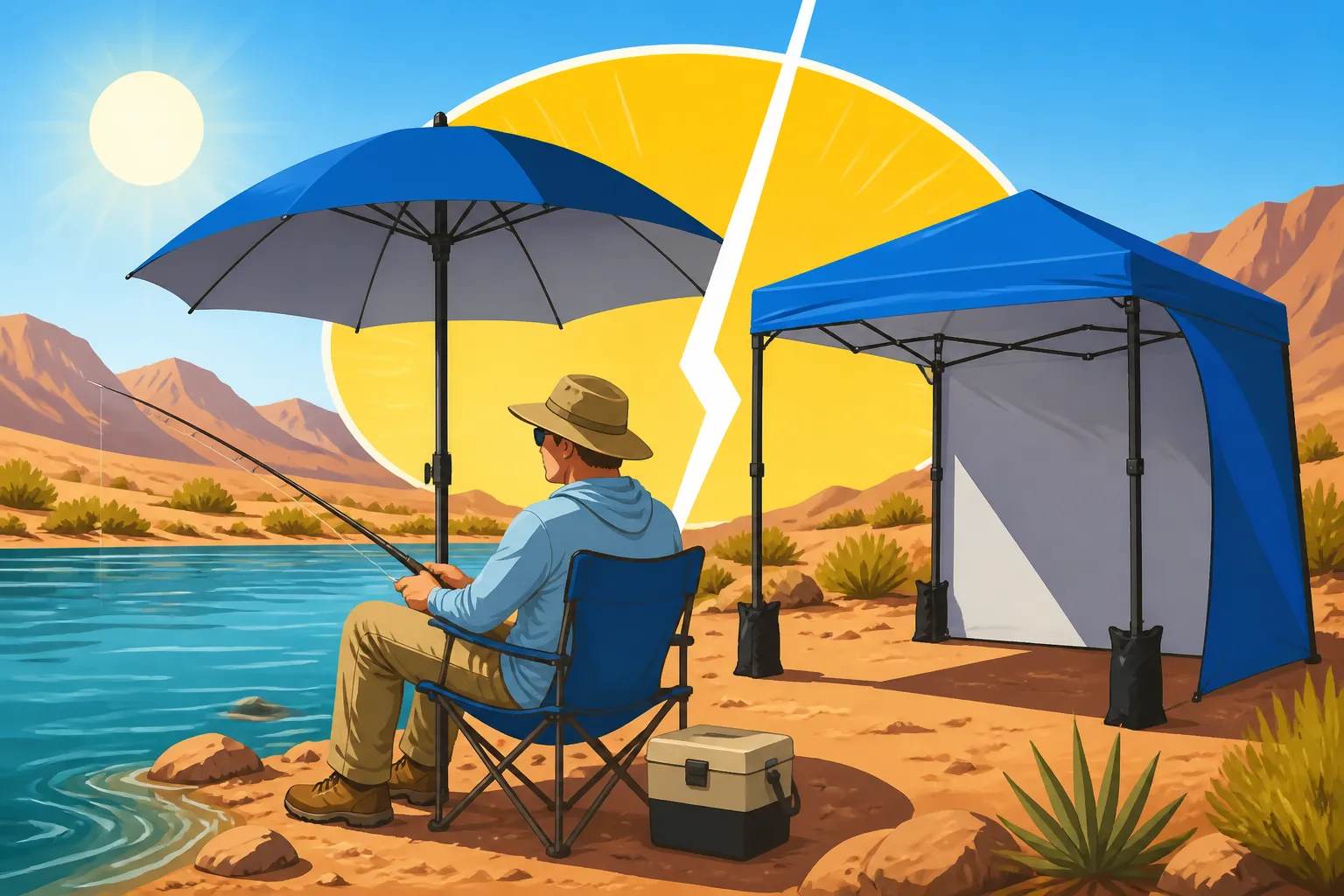
When it comes to portable shade for your bank fishing adventures, you've got a couple of main contenders: the classic fishing umbrella and the more robust shade tent or shelter. Each has its own set of advantages and drawbacks, and the best choice for you really depends on your specific needs, how much gear you bring, and the typical conditions you face out on the water.
Fishing Umbrellas
Fishing umbrellas are often the go-to for many bank anglers due to their simplicity and ease of use. These aren't your average patio umbrellas; they're designed with features like adjustable angles, ground stakes, and sometimes even side flaps for extra protection. They're typically lightweight and relatively compact when folded, making them easy to carry down to your favorite spot, whether you're heading to Hemenway Bay Fishing Access at Lake Mead or trying your luck at one of the Las Vegas Nevada Urban Pond Fishing Guide locations.
The main advantage of an umbrella is its quick setup. You can usually have it up and providing shade within minutes, which is fantastic when you arrive at a sunny spot and just want to get your lines in the water. They are excellent for solo anglers or for shading one or two people comfortably. However, their biggest weakness often lies in their stability. A sudden gust of wind, which is not uncommon across Nevada's open landscapes, can turn a poorly anchored umbrella into a kite, or worse, send it tumbling into the water. While some models offer better wind resistance with sturdy poles and multiple anchor points, they generally provide less overall coverage and are more susceptible to strong breezes compared to a tent.
Portable Shade Tents and Shelters
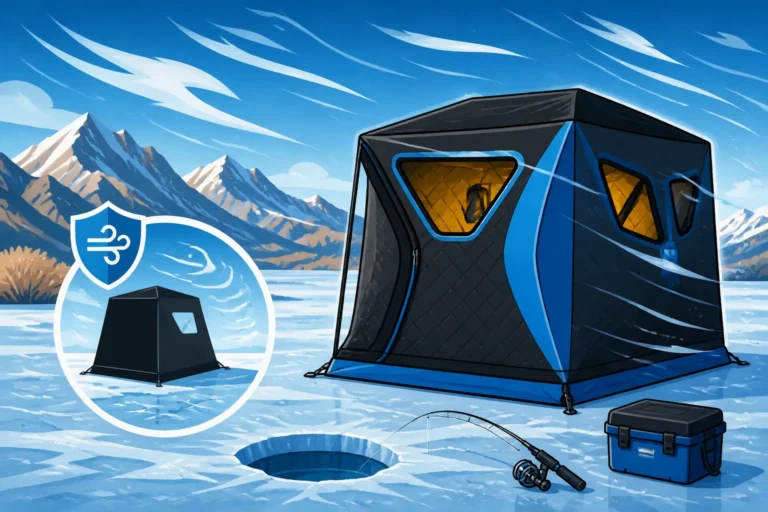
For those seeking more comprehensive protection, a portable shade tent or shelter might be the answer. These range from simple pop-up canopies to more enclosed "fishing bivvies" or "screen houses." They offer significantly more coverage than an umbrella, often shading several people and all their gear. This is particularly beneficial if you're fishing with family or friends, or if you bring a lot of tackle, a Best cooler for keeping fish on hot days, and other supplies that also need to be kept out of the sun. Many designs include walls, which can offer protection not only from the sun but also from wind, dust, and even light rain.
The downside? Portability and setup time. While modern designs, especially pop-up versions, have made setup much faster, they are generally heavier and bulkier than fishing umbrellas. Hauling a larger tent down a long, uneven trail to a remote fishing spot might be a deterrent for some. However, if you're setting up for a longer session, perhaps at Wildhorse Reservoir Boat Ramp and Camping or a similar location where you'll be stationary for several hours, the enhanced comfort and protection a tent provides can be well worth the extra effort. Brands like Bass Pro Shops and Amazon offer a wide variety of these, from basic canopies to more advanced fishing shelters.
Hybrid Solutions
Sometimes, the best solution is a combination of approaches, or a product that blends features from both umbrellas and tents. You might find large, rectangular fishing umbrellas that come with detachable side panels, effectively creating a mini-shelter. Or perhaps a compact shade tent that focuses on lightweight design and rapid deployment, sacrificing some interior space for enhanced portability.
Consider how you fish. Do you move frequently along the bank, or do you pick one spot and stay put for hours? If you're a rover, a highly portable umbrella might be best. If you're a stationary angler, especially if you're fishing with kids, a more robust tent provides a much better base camp. Think about how much gear you typically bring, and whether protecting that gear from direct sun is as important as protecting yourself. Ultimately, the right shade solution should seamlessly integrate with your existing Nevada Fishing Gear Essentials and enhance your overall experience without becoming a burden.
Key Features to Look For in a Desert Fishing Shade
Choosing the right umbrella or shade tent for bank fishing in Nevada isn't just about picking the first one you see. The desert environment demands specific features that ensure both your comfort and safety. From battling relentless UV rays to standing firm against unexpected wind gusts, your chosen shade needs to be up to the task.
UV Protection and Material Quality
This is arguably the most critical feature. When you're out under the Nevada sun, you're not just looking for visual shade; you need protection from harmful UV radiation. Look for products that clearly state their UPF (Ultraviolet Protection Factor) rating. A UPF of 50+ is ideal, meaning the fabric blocks 98% or more of UVA and UVB rays. Don't settle for less, especially if you plan on spending extended periods outdoors.
The material itself matters too. Polyester and nylon are common, but look for those with a silver coating on the underside. This coating helps reflect sunlight and heat, keeping the area beneath the shade noticeably cooler. Durable, tear-resistant fabrics are also crucial, as they'll stand up better to the wear and tear of being packed, unpacked, and exposed to the elements over many fishing trips. Cheaper materials might offer some shade initially, but they can degrade quickly under the harsh desert sun, losing their protective qualities and becoming prone to rips. Consider checking product descriptions on sites like Amazon or Bass Pro Shops for specific UPF ratings and material specifications.
Stability and Wind Resistance
Nevada isn't just sunny; it can be incredibly windy, especially in open areas around lakes and reservoirs. A shade solution that can't withstand a decent gust is more of a liability than an asset. For umbrellas, look for sturdy, thick poles (aluminum or steel are generally better than fiberglass for strength) and multiple tie-down points or sand anchors. Some fishing umbrellas come with a corkscrew-style base that screws deep into the ground, offering superior stability. For tents and shelters, robust frame construction is key. Fiberglass poles are common and flexible, but aluminum or steel offers greater rigidity.
Pay attention to how many guy lines and stakes are included, and whether they seem adequate for securing the shelter. Extra-long, heavy-duty stakes are a definite plus for soft or sandy ground. Features like vent panels or adjustable height can also improve wind resistance by allowing air to pass through rather than creating a sail. Before you head out, always practice setting up your shade at home to ensure you understand how to properly anchor it. You don't want to be fumbling with stakes and lines when the wind suddenly picks up and your fishing gear is at risk. This is particularly important for spots like Pyramid Lake Shoreline Access Points, where the winds can be notoriously unpredictable.
Portability and Setup Ease
Nobody wants to wrestle with complicated gear before they even get to cast a line. Your shade solution should be easy to transport and quick to set up. Consider the packed weight and dimensions. If you have to hike a distance to your fishing spot, a lighter, more compact option will save you a lot of energy. This is especially true if you’re exploring some of the more remote Northern Nevada Mountain Lake Fishing spots.
For umbrellas, look for models with a compact carrying bag and a simple locking mechanism for extending the pole. For tents, pop-up designs are incredibly convenient, reducing assembly time to just a few minutes. If it requires threading multiple poles through sleeves, make sure the process is intuitive and the poles are clearly color-coded. Remember, the easier and faster your shade is to deploy, the more likely you are to use it consistently, thereby maximizing your protection and enjoyment.
Size and Coverage
Finally, think about how much space you actually need. Are you a solo angler who just needs to shade yourself and a small tackle box? A 6-foot or 7-foot diameter umbrella might be perfect. Do you often fish with a buddy or your kids, and bring multiple rods, a cooler, and chairs? Then a larger shade tent, perhaps 8×8 feet or 10×10 feet, would be more appropriate.
Consider not just the overhead coverage, but also the angle of the sun at different times of the day. Some umbrellas and tents offer adjustable side walls or panels that can be repositioned to block low-angle sun. This flexibility can make a huge difference in providing continuous shade as the sun moves across the sky. Make sure there’s enough room to comfortably sit, store your gear, and even stand up to stretch without constantly bumping into the fabric. The goal is a comfortable, shaded haven where you can relax between bites, not a cramped sweat lodge.
Beyond the Shade: Complementary Sun Protection
While an umbrella or shade tent is an incredible tool for battling the Nevada sun, it's not the only piece of your sun protection puzzle. Think of it as your base camp – a central point of refuge. But when you step out from under its cover to cast, retrieve, or just move around, you still need comprehensive personal protection. Layering your defense is the smartest way to ensure you stay safe and comfortable throughout your entire fishing trip.
Apparel and Personal Gear
Your clothing plays a massive role in protecting you from the sun's harsh rays. Forget the cotton t-shirt; it offers minimal UV protection once it gets wet. Instead, invest in lightweight, long-sleeved fishing shirts made from moisture-wicking fabric with a high UPF rating (again, 50+ is ideal). These shirts actively block UV rays, keep you cool by wicking away sweat, and often feature vents for increased airflow. Similarly, long pants are better than shorts, even in the heat, especially if they're light-colored and breathable.
A wide-brimmed hat is absolutely non-negotiable. It should provide shade for your face, ears, and neck. Many anglers opt for a full-coverage neck gaiter or "buff" that can be pulled up to protect the face and neck. And don't forget your eyes! Quality polarized sunglasses are essential not only for reducing glare and helping you spot fish but also for protecting your eyes from UV damage, which can lead to serious long-term issues. Look for sunglasses that block 100% of UVA and UVB rays. For more tips on this, check out our guide on Best sunscreen and sun gear for all-day desert fishing or Best polarized sunglasses for spotting fish in clear water.
Hydration and Timing
Staying hydrated is perhaps as crucial as physical shade when fishing in the desert. The dry air and high temperatures mean your body loses moisture rapidly, often before you even realize you're thirsty. Always bring more water than you think you'll need. A good rule of thumb is to have at least a gallon per person for a full day of fishing, and even more if you're engaging in strenuous activity or if temperatures are exceptionally high. Electrolyte-rich drinks can also be beneficial to replenish salts lost through sweating. Keep your drinks in an insulated cooler, as warm water won't be as refreshing or effective.
Another smart strategy is to plan your fishing times around the sun's peak intensity. The early morning hours, right after sunrise, and the late afternoon/early evening hours, as the sun begins to set, are often the most productive fishing times anyway. This is when the fish are often more active, and it naturally avoids the harshest part of the day, typically between 10 AM and 4 PM. If you must fish during these peak hours, ensure your shade setup is solid, and you take frequent breaks in the coolest part of your shelter, sipping water constantly. For more on this, you might find our article on Best Time of Day to Fish in Summer Heat very helpful. Remember, combining personal protective gear with smart timing and robust hydration is the ultimate defense against the Nevada desert's unforgiving elements.
Here's a quick comparison to help you weigh your options:
| Feature | Fishing Umbrella | Portable Shade Tent / Shelter |
|---|---|---|
| Coverage | Limited; often for 1-2 people and minimal gear | Extensive; for multiple people and all their gear |
| Setup Time | Very fast, often minutes | Moderate, but quick with pop-up designs |
| Portability | Lightweight, compact; easy to carry | Heavier, bulkier; better for less mobile trips |
| Wind Resistance | Generally lower; requires good anchoring | Higher; robust frames, multiple tie-downs |
| UV Protection | Varies; look for UPF 50+ | Varies; look for UPF 50+ |
| Weather Protection | Primarily sun; some rain protection | Sun, wind, rain, dust; more enclosed |
| Cost | Generally less expensive | Typically more expensive, but wider range |
| Best Use | Solo angler, frequent movement, short trips | Group fishing, stationary long trips, more gear |
Ultimately, the best choice depends on your specific fishing style and needs. Many anglers even own both, choosing the right tool for the specific adventure they're embarking on.
Disclaimer
This article is for general informational purposes only and does not constitute professional advice. Laws, prices and regulations vary by location and change over time. Consult a qualified professional for guidance on your specific situation.