Hemenway Bay Fishing Access
There's nothing quite like the allure of Lake Mead, especially when you're dreaming of a day out on the water, rod in hand, ready to tackle some of Nevada's most exciting sport fish. But let's be real, figuring out where to go, what to use, and how to navigate the vastness of this desert oasis can feel a bit overwhelming, especially if you're new to the area or even just new to a specific access point. This comprehensive guide is here to demystify Hemenway Bay, a true gem on Lake Mead, ensuring you have all the insider knowledge to make your next fishing trip a resounding success.
Unveiling Hemenway Bay: A Prime Lake Mead Fishing Spot
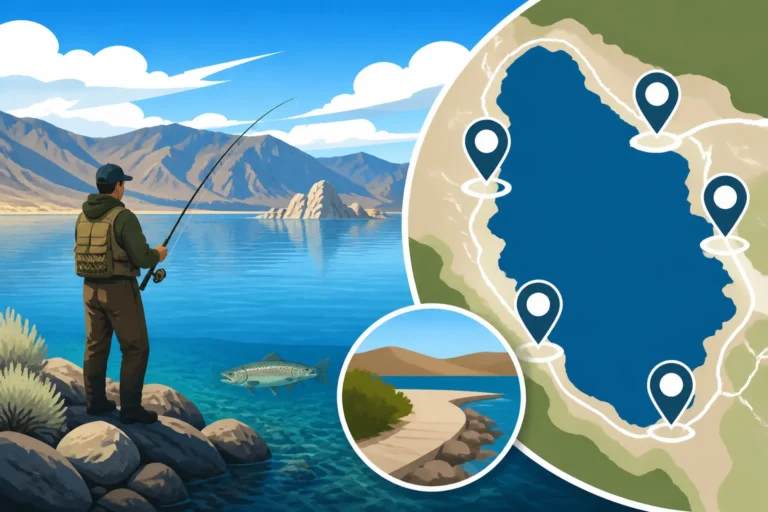
Hemenway Bay isn't just another launch ramp on Lake Mead; it's a gateway to some incredible angling experiences, blending convenience with excellent fishing opportunities. Situated in the heart of the Lake Mead National Recreation Area, it offers a diverse environment that appeals to both shore anglers and those with boats, kayaks, or even float tubes. The bay itself is a dynamic ecosystem, constantly shifting with Lake Mead's fluctuating water levels, which means understanding its nuances is key to consistent success.
Location and Accessibility
Hemenway Bay is located just outside of Boulder City, Nevada, making it incredibly accessible for folks coming from the greater Las Vegas metropolitan area, Henderson, or even those just passing through on their way to the Hoover Dam. From Las Vegas, it's typically a straightforward 30-40 minute drive, heading east on US-93/US-95. You'll take the Lake Mead Parkway exit and follow the signs into the Lake Mead National Recreation Area. Remember, there's an entrance fee to the park, so be prepared for that, or if you're a regular visitor, consider an annual pass.
Once inside the park, follow the signs for Hemenway Harbor. You'll find a well-maintained multi-lane boat launch ramp, suitable for nearly all sizes of recreational boats, from small aluminum boats to larger bass boats and pontoons. The parking lot for trailers and vehicles is expansive, though it can fill up quickly on busy weekends, especially during peak seasons like spring and fall. For shore anglers, there are plenty of spots around the perimeter of the bay, particularly near the picnic areas and the edges of the launch facility. These spots offer decent access to deeper water without needing a boat. Amenities typically include restrooms, picnic tables, and sometimes even a small convenience store or marina shop, depending on the season and concessions. For those who prefer a guided experience, services like FishingBooker often list local charter captains who launch directly from Hemenway or nearby marinas.
The Unique Environment of Hemenway Bay
What makes Hemenway Bay truly special is its unique geography and how it interacts with the dynamic water levels of Lake Mead. The bay itself is relatively shallow in many areas, gradually sloping into deeper channels and drop-offs further out. It features a mix of rocky points, sandy flats, and submerged structures that provide excellent cover and feeding grounds for a variety of fish species. Decades ago, before the significant drop in Lake Mead's water levels, Hemenway used to be a bustling marina with extensive infrastructure. While much of that infrastructure is now exposed, the remaining submerged remnants of old docks, pilings, and artificial reefs continue to attract fish, creating hidden hotspots for those who know where to look.
The water in Hemenway Bay, like much of Lake Mead, tends to be quite clear, especially away from the immediate launch area. This clear water means fish can be spooky, requiring a more stealthy approach and lighter lines at times. However, it also means you can often spot schooling fish or visible structure more easily. Temperatures can vary dramatically throughout the year, with summer surface temperatures often soaring into the 80s, while winter can see them dip into the 50s. These temperature swings dictate fish behavior and movements, pushing them shallow in cooler months and deep during the sweltering summer. Understanding these environmental factors is crucial for adapting your Best Time of Year to Fish in Nevada strategy and ensuring a productive outing.
What You'll Catch: Target Species at Hemenway Bay
Hemenway Bay is a multi-species angler's paradise, primarily known for its incredible striped bass fishery, but also offering fantastic opportunities for both largemouth and smallmouth bass, as well as an assortment of panfish and catfish. Knowing what's biting and where to find them is half the battle, and Hemenway consistently delivers on variety.
The Mighty Striped Bass
If there's one fish that truly defines the Hemenway Bay fishing experience, it's the striped bass, or "striper" as locals call them. These powerful, schooling predators are abundant in Lake Mead, and Hemenway often serves as a key access point for anglers targeting them. Stripers here can range from small "schoolies" in the 1-2 pound range, perfect for light tackle fun, to trophy-sized fish pushing into the double digits. The Nevada state record striped bass has come from Lake Mead, and while Hemenway itself might not produce the very biggest, it certainly offers consistent action.
Stripers are nomadic, constantly chasing baitfish like threadfin shad. Their seasonal movements are highly influenced by water temperature and the presence of bait. In spring and fall, when water temperatures are comfortable, stripers often move into shallower areas of the bay, making them accessible to both boat and shore anglers. They can be found cruising rocky points, suspending over submerged structure, or busting bait on the surface. During the hot summer months, they'll often retreat to deeper, cooler water, but can still be caught early in the morning or late in the evening when they push shallow to feed. Winter fishing can mean targeting them deep with jigs. For more specific insights on where these voracious feeders gather, check out our guide on Lake Mead Striped Bass Hotspots.
Largemouth and Smallmouth Bass Opportunities
Beyond the famous stripers, Hemenway Bay also provides excellent habitat for both largemouth and smallmouth bass. These "black bass" offer a different kind of challenge, often preferring structure and cover over open water. Largemouth bass tend to be found in the shallower, warmer parts of the bay, especially around any remaining submerged vegetation, rocky outcroppings, or artificial structure like old tires or concrete debris. They are ambush predators, so targeting areas with abrupt depth changes or cover is usually your best bet.
Smallmouth bass, on the other hand, typically prefer cooler, clearer water and gravitate towards rocky bottoms, ledges, and deeper breaks. Hemenway has plenty of these rocky areas, particularly as you move further out into the main body of Lake Mead from the bay. The smallmouth here are known for their feisty fights, often jumping and pulling hard. Both species can be caught using a variety of artificial lures, but live bait can also be incredibly effective. Understanding the subtle differences in their preferred habitats is key to targeting them effectively. Our guide on Lake Mead Largemouth Bass Coves might offer some crossover tips for the bay's black bass populations.
Other Species: Catfish, Bluegill, and Crappie
While stripers and bass steal most of the headlines, Hemenway Bay is also home to a healthy population of other species, making it a fantastic spot for a more relaxed fishing experience or for introducing kids to the sport. Channel catfish are quite common, especially in the deeper, muddier sections of the bay or around submerged structure. They are often active during low light conditions or at night, and they respond well to pungent baits like cut bait, stink baits, or even hot dogs.
Bluegill and various sunfish species can be found in abundance in the shallower, calmer waters, especially around any protected coves or areas with sparse vegetation. These panfish are perfect for younger anglers, as they are usually eager to bite small pieces of worm under a bobber. Crappie are also present, though often less frequently targeted than the other species. They tend to congregate around submerged brush or schools of baitfish. A good way to find them is to slowly troll or drift small jigs or minnows. For a general overview of the fish you might encounter, our Nevada Fish Species Guide offers a broader look.
Essential Techniques for Hemenway Bay Success
Fishing Hemenway Bay successfully often comes down to adapting your techniques to the specific species you're targeting, the prevailing conditions, and whether you're fishing from shore or a boat. It's a versatile fishery, so having a few tricks up your sleeve will definitely improve your chances.
Shore Fishing Strategies
Hemenway Bay offers some fantastic opportunities for shore anglers, which is a huge plus for those without a boat or who prefer to stay grounded. The key is to find spots where you can cast into deeper water or near visible structure. The areas around the main boat launch, as well as the more remote rocky points on either side of the bay, can be very productive.
For striped bass from shore, popular techniques include casting heavy spoons, swimbaits, or topwater lures during low light conditions when stripers are actively chasing bait near the surface. Bait fishing with anchovies (cut or whole), sardines, or even chicken livers can be incredibly effective, especially when fished on the bottom with a sliding sinker rig. Cast out, let it sink, and wait for that distinctive striper pull. For black bass, look for rocky outcroppings or areas with submerged timber. Casting soft plastic worms, jigs, or small crankbaits parallel to the shoreline and slowly working them back can entice a strike. For panfish and catfish, a simple bobber rig with a small hook and a piece of worm or corn is usually all you need in the shallower, calmer areas. Make sure to consult the Nevada Fishing Regulations Explained for any specific bait restrictions.
Boat and Kayak Fishing Tactics
Having a boat or kayak at Hemenway Bay opens up a whole new world of possibilities, allowing you to access deeper water, more remote coves, and prime offshore structure. For boat anglers targeting striped bass, trolling is a highly effective method, especially with spoons, deep-diving crankbaits, or umbrella rigs. Vary your speed and depth until you find what the fish are keying into. Jigging with heavy spoons or large soft plastics vertically over schools of bait or known structure, especially in deeper water, is another killer technique. Watch your fish finder closely for bait balls or arches indicating fish.
Kayak anglers have the advantage of stealth and maneuverability. They can quietly paddle into cions or navigate tighter spots that larger boats can't reach. Casting swimbaits, topwater lures, or small jerkbaits to rocky points or submerged cover can be very productive for both stripers and bass. Using a fish finder on your kayak can also greatly enhance your success, helping you pinpoint those crucial underwater features and suspended fish. Fishing from a float tube is also popular in the calmer areas of the bay, offering a unique, low-profile way to target fish. If you're considering buying or registering a boat, our Nevada Boat Registration and Titling Guide can help.
Seasonal Considerations and Adjustments
The fishing at Hemenway Bay, like any large body of water, changes significantly with the seasons. Adapting your approach to these seasonal shifts is crucial for consistent success.
- Spring (March-May): This is often considered prime time. As water temperatures rise, fish become incredibly active. Stripers will move shallower, often schooling up and chasing bait near the surface. This is a great time for topwater lures or throwing swimbaits. Both largemouth and smallmouth bass will be in their pre-spawn and spawning phases, making them aggressive and relatively predictable in shallower coves and rocky areas.
- Summer (June-August): The desert heat means surface temperatures soar. Fish will move to deeper, cooler water during the day. Early mornings and late evenings become prime fishing windows, when stripers might push shallow for a quick feed. During the day, target deeper points, submerged humps, and drop-offs with vertical jigging or deep trolling. Summer Fishing Techniques for Hot Desert Lakes become essential during these months.
- Fall (September-November): Another fantastic season. As temperatures cool, baitfish become more active, and stripers often go on a massive feeding frenzy, schooling up and busting bait on the surface in spectacular fashion. This is a thrilling time for casting spoons, topwater, or swimbaits into the chaos. Bass will also be aggressively feeding, fattening up for winter, and can be found in a variety of depths.
- Winter (December-February): Fishing slows down considerably, but opportunities still exist. Fish will typically hold in deeper water, moving slower. This is a good time for deep vertical jigging for stripers or slowly working jigs and finesse baits for bass on deeper structure. Consistency and patience are key in winter.
| Target Species | Best Season | Preferred Habitat | Recommended Techniques | Effective Baits/Lures |
|---|---|---|---|---|
| Striped Bass | Spring, Fall | Open water, rocky points, bait balls | Trolling, Jigging, Casting to boils, Bait fishing | Spoons, Swimbaits, Topwater, Anchovies, Sardines |
| Largemouth Bass | Spring, Fall | Shallow coves, submerged structure | Casting to cover, Flipping/Pitching, Spinnerbaits | Soft plastics (worms, craws), Jigs, Crankbaits, Frogs |
| Smallmouth Bass | Spring, Fall | Rocky ledges, deeper breaks, clear water | Drop-shotting, Carolina Rig, Jerkbaits, Tubes | Small jigs, Tubes, Grubs, Jerkbaits, Crayfish imitations |
| Channel Catfish | Summer (Evening/Night) | Deeper, muddier areas, structure | Bottom fishing, Drifting | Stink bait, Cut bait, Chicken livers, Worms |
| Panfish (Bluegill) | Spring, Summer | Shallow, calm areas, sparse vegetation | Bobber fishing | Worms, Crickets, Small jigs |
Gear Up for Hemenway Bay
Having the right gear can make all the difference between a frustrating day and a fantastic fishing adventure at Hemenway Bay. While you don't need the most expensive equipment, having reliable and appropriate tackle for the conditions and target species is essential.
Rods, Reels, and Line Recommendations
For a versatile approach to Hemenway Bay, suitable for both striped bass and black bass, a medium-heavy action spinning or baitcasting rod, around 7 feet in length, is a great all-around choice. This setup provides enough backbone to handle a hard-fighting striper yet offers enough sensitivity for detecting subtle bass bites. If you plan to specifically target larger stripers, especially with heavier lures or for trolling, a longer, heavier action rod might be more appropriate. For shore fishing, a longer rod (7'6" to 9') can help with casting distance.
Pair your rod with a good quality spinning reel (size 3000-4000) or a baitcasting reel that can handle 10-20 lb test line. For line, a strong braided line (20-30 lb test) is often favored for its sensitivity and casting distance, especially when paired with a fluorocarbon leader (10-15 lb test) for abrasion resistance and stealth in the clear Lake Mead water. Monofilament (12-17 lb test) is also a good, more forgiving option, particularly for bait fishing. Our guide to Nevada Fishing Gear Essentials provides a broader overview of what you might need.
Must-Have Lures and Baits
Your tackle box for Hemenway Bay should be diverse, reflecting the variety of species and conditions. For striped bass, some staples include:
- Spoons: Chrome or white spoons (e.g., Kastmasters, A.C. Plugs) are deadly, especially when stripers are chasing shad.
- Swimbaits: Soft plastic swimbaits, particularly those mimicking shad or trout, rigged on a jig head, are incredibly effective for both casting and trolling.
- Topwater Lures: Walk-the-dog style lures or poppers can provide explosive surface strikes during low-light conditions when stripers are ambushing bait.
- Live/Cut Bait: Fresh anchovies, sardines, or even threadfin shad (if legally obtained) are hard to beat for stripers, especially when fished on a sliding sinker rig.
For largemouth and smallmouth bass, consider:
- Soft Plastics: Senkos, creature baits, plastic worms (Texas-rigged or Carolina-rigged), and drop-shot worms are essential. Natural colors like green pumpkin, brown, or watermelon seed are often best in clear water.
- Jigs: Flipping jigs or football jigs can be highly effective around rocky structure and cover.
- Crankbaits: Medium to deep-diving crankbaits in shad or crawfish patterns are great for covering water and finding active bass.
- Spinnerbaits: Chartreuse and white or white and silver spinnerbaits are excellent for enticing strikes, especially around submerged brush or in slightly stained water.
For panfish and catfish, don't forget a supply of nightcrawlers, small pieces of corn, or pre-made stink baits. You can also book a local guide via FishingBooker to get direct advice on what's working best right now.
Safety and Comfort on Lake Mead
Fishing on Lake Mead, particularly in the summer, requires a strong emphasis on safety and comfort due to the extreme desert environment.
- Sun Protection: The Nevada sun is intense. Wide-brimmed hats, UV-protective clothing, sunglasses (polarized ones are great for spotting fish!), and plenty of high-SPF sunscreen are not optional; they are essential.
- Hydration: Always carry more water than you think you'll need. Dehydration can set in quickly in the dry desert air. Electrolyte drinks can also be beneficial.
- Life Jackets: If you're on a boat or kayak, ensure everyone has a properly fitted life jacket. Nevada law requires children 12 and under to wear one while underway. Even for adults, wearing one is a smart choice, especially on a large lake like Mead where conditions can change rapidly.
- Emergency Gear: A first-aid kit, a fully charged cell phone (though service can be spotty in some areas), a whistle or horn, and a throwable flotation device are critical for boaters. Always let someone know your float plan – where you're going and when you expect to return.
- Navigation: While Hemenway Bay is relatively easy to navigate, venturing further into Lake Mead can be tricky with fluctuating water levels exposing new hazards. Always consult up-to-date navigational charts and be aware of your surroundings.
Navigating Regulations and Permits for Hemenway Bay
Fishing in Hemenway Bay means you're operating within the Lake Mead National Recreation Area, which is managed by the National Park Service (NPS), and also subject to Nevada state fishing regulations. Understanding these rules is paramount to enjoying your trip without any unnecessary headaches.
Nevada Fishing Licenses and Lake Mead Rules
First and foremost, everyone aged 12 and older needs a valid Nevada Fishing License Guide to fish in Hemenway Bay. If you're a resident, there are various options, including annual licenses or shorter-term permits. Non-residents also have options, from a 1-day permit to an annual license. You can purchase these licenses online through the Nevada Department of Wildlife (NDOW) website, or at authorized license vendors like sporting goods stores across the state. It's always a good idea to have a physical copy or a digital copy on your phone to present if asked by a game warden.
Beyond the state license, remember that Hemenway Bay is part of the Lake Mead National Recreation Area. This means you'll need to pay the park entrance fee upon arrival. This fee is typically a per-vehicle charge or covered by an annual pass (like the America the Beautiful Pass). While the park entrance fee allows you access, it does not replace your state fishing license. Additionally, familiarize yourself with the specific bag and size limits for the species you intend to target. Our Nevada Statewide Bag Limits Explained article can provide details. For instance, striped bass often have a generous limit, but black bass (largemouth and smallmouth) usually have stricter regulations regarding daily limits and minimum size. NDOW regulations are updated annually, so it's wise to grab the latest fishing regulation booklet or check their website before each season.
Responsible Angling Practices
As stewards of our natural resources, responsible angling is crucial to maintaining the health and vibrancy of the Hemenway Bay fishery for generations to come.
- Catch and Release: While not always mandatory for all species (check regulations!), practicing catch and release, especially for larger breeding fish or if you've already met your harvest needs, is highly encouraged. When releasing fish, handle them gently with wet hands, minimize their time out of water, and use de-hooking tools to reduce stress and injury.
- Avoiding Invasive Species: Lake Mead, unfortunately, has been affected by invasive species like quagga mussels. It's critical to "Clean, Drain, and Dry" your boat, kayak, or any fishing gear after each outing. This simple practice prevents the spread of these harmful organisms to other waterways. Ensure your boat is inspected if required by the park or state agencies.
- Waste Management: "Pack it in, pack it out" is the golden rule. Take all your trash with you, including fishing line, bait containers, and food wrappers. Litter not only detracts from the beauty of the area but can also be harmful to wildlife. Respecting the natural environment and fellow anglers ensures a pleasant experience for everyone.
Following these guidelines not only keeps you compliant with the law but also contributes to the sustainability of one of Nevada's most cherished fishing destinations.
Disclaimer
Please note that fishing regulations, conditions, and accessibility can change. Always consult the official Nevada Department of Wildlife (NDOW) website and the Lake Mead National Recreation Area website for the most current regulations, fees, and safety advisories before planning your trip. This guide is for informational purposes only and should not be considered a substitute for official sources.