Best Nevada lake for trophy bass
Finding that truly colossal bass in Nevada can feel like searching for a needle in a desert haystack. With so many diverse waters, it's easy to spend endless hours chasing shadows, never quite connecting with the legendary fish that makes your heart pound. This guide is here to cut through the noise, revealing the undisputed champion lake for trophy bass in Nevada and arming you with the strategies and gear you need to land that fish of a lifetime.
Identifying the Trophy Bass Hotspot
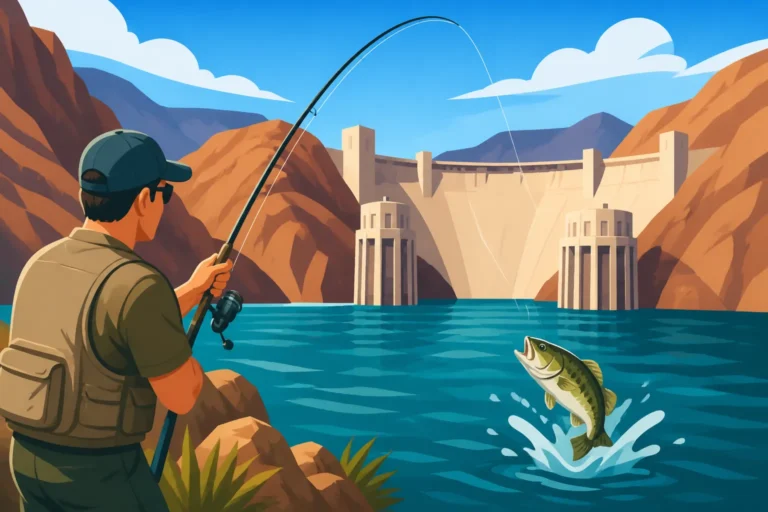
When we talk about "trophy bass" in Nevada, we're not just talking about any bass. We're talking about those giants that tip the scales and make anglers' dreams come true. While many waters hold bass, only one consistently produces the kind of fish that truly earns the "trophy" moniker: Lake Mead. This massive reservoir, straddling the Nevada-Arizona border, is a proven powerhouse for big bass, year after year.
Why Lake Mead Stands Out for Trophy Bass
Lake Mead's reputation as a trophy bass fishery isn't accidental; it's a testament to its vastness, incredible forage base, and diverse underwater structure. Covering over 1.5 million acres when full, this colossal body of water offers an immense amount of habitat for bass to thrive and grow to exceptional sizes. Its sheer volume means less fishing pressure per square mile compared to smaller, more confined lakes, giving bass the space and time they need to mature.
The primary reason for Lake Mead's trophy potential, however, lies in its abundant food sources. The lake is teeming with threadfin shad and gizzard shad, which are high-protein, fast-growing forage fish that bass gorge on, leading to rapid growth rates. Coupled with a healthy population of crayfish, these food sources provide a consistent buffet for both largemouth and smallmouth bass, allowing them to pack on the pounds. This rich ecosystem supports not only a high density of bass but also a significant percentage of truly large fish.
Historically, Lake Mead has produced numerous state record-class fish and continues to be the go-to destination for serious bass anglers. Its complex underwater topography, featuring everything from deep canyons and submerged towns to shallow coves and rocky points, offers endless opportunities for bass to ambush prey and grow undisturbed. If you're serious about catching a trophy bass in Nevada, your journey begins and likely ends on the expansive waters of Lake Mead. For a broader look at prime locations, check out our guide on the Best Nevada Bass Lakes.
Largemouth versus Smallmouth Bass for Trophy Potential
At Lake Mead, you have a legitimate shot at catching a trophy-sized largemouth or smallmouth bass. While both species can grow large, they offer slightly different trophy experiences and present unique challenges. Understanding these differences is key to focusing your efforts.
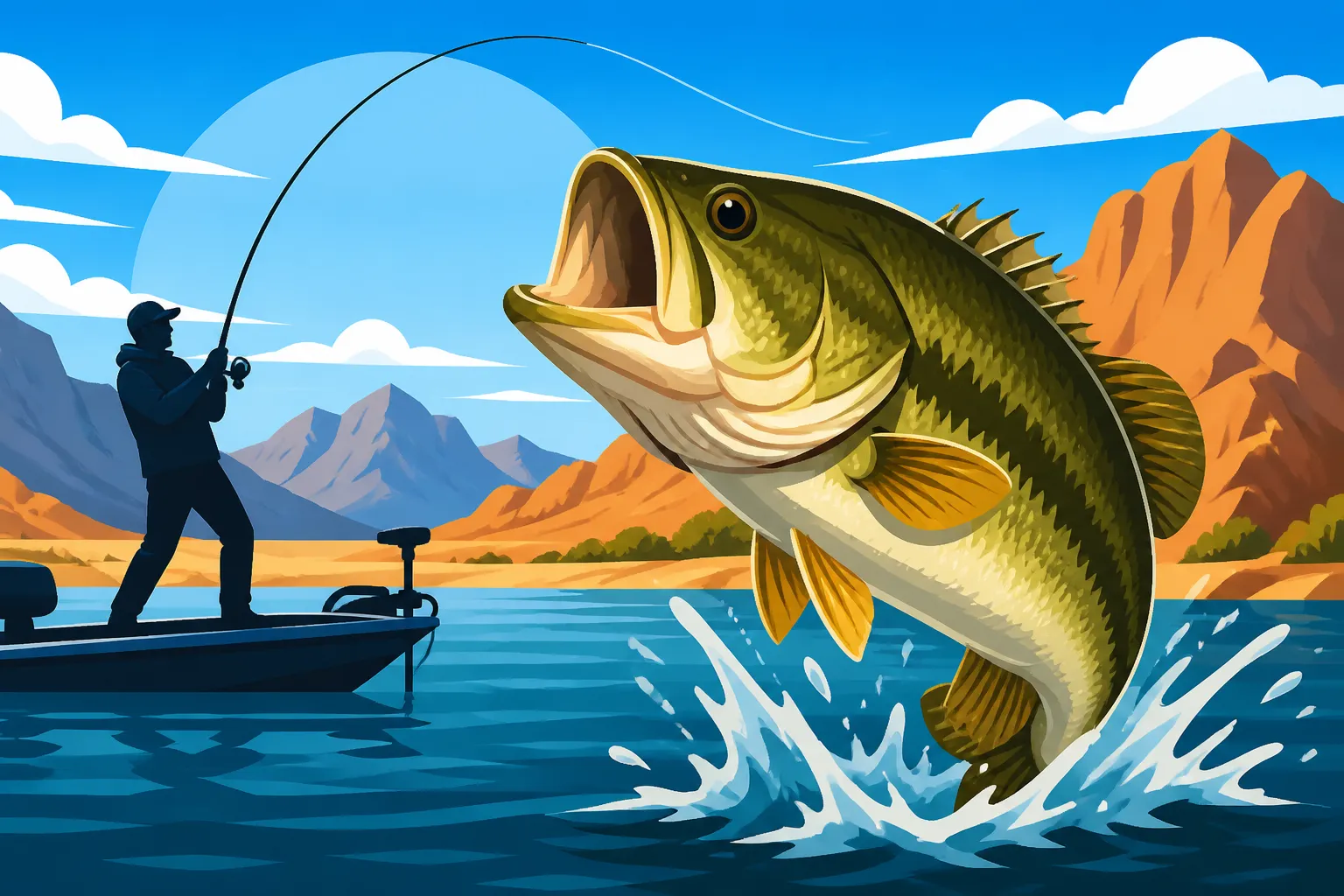
Largemouth bass, or "bucketmouths," are often what anglers envision when they hear "trophy bass." Known for their aggressive strikes and thick bodies, a trophy largemouth in Lake Mead typically pushes the 7-pound mark, with double-digit fish being the ultimate prize, though rare. These fish prefer warmer, shallower waters with plenty of cover – think submerged brush, cattails, rocky overhangs, and deep coves. Their diet consists heavily of shad and crayfish, leading to impressive girth. Pursuing trophy largemouth often means flipping and pitching heavy cover or slowly working larger swimbaits in open water.
Smallmouth bass, on the other hand, are the "bronzebacks" of Lake Mead, revered for their incredible fighting spirit and acrobatic leaps. While they don't typically reach the same upper weight limits as largemouth, a smallmouth over 4 pounds is considered a trophy, with fish exceeding 6 pounds being truly exceptional. Smallmouth prefer cooler, clearer water and relate more to rocky structures – points, ledges, humps, and steep drop-offs. Their diet also includes shad and crayfish, but they are often more opportunistic feeders. Catching trophy smallmouth requires precision casting and often finesse techniques. Our article on Smallmouth Bass Fishing in Nevada delves deeper into targeting these fighters.
For the pure weight and size, largemouth often hold the edge for state record-contending fish. However, for sheer fight and the challenge of finding a truly robust bronzeback, smallmouth offer an equally rewarding trophy hunt. Many anglers targeting Lake Mead will pursue both, adapting their tactics to the specific areas they are fishing.
Understanding Lake Mead's Ecosystem
To consistently catch trophy bass on Lake Mead, you need to appreciate its complex and ever-changing ecosystem. This isn't your average farm pond; it's a massive, dynamic desert reservoir with unique challenges and opportunities. The sheer size of Lake Mead means that fish aren't evenly distributed; they follow food, cover, and comfortable water temperatures.
The lake's water levels, which can fluctuate significantly due to drought and water management, play a crucial role. When water levels drop, previously submerged brush and structure become exposed, concentrating fish into remaining cover. Conversely, rising water can open up new feeding grounds, flooding terrestrial vegetation that attracts baitfish and, subsequently, bass. Keeping an eye on current water levels is paramount for success. You can find detailed information about fishing this massive body of water in our comprehensive Lake Mead Nevada Fishing Guide.
Lake Mead's structure is incredibly varied. The main body features steep canyon walls and deep basins, while numerous coves and bays offer shallower, more protected environments. Bass will use different types of structure depending on the season, water temperature, and time of day. Largemouth often relate to the backs of coves like Lake Mead Largemouth Bass Coves where submerged trees, brush, and sparse grass offer ambush points. Smallmouth prefer hard, rocky bottom, seeking out boulders, ledges, and sheer rock walls along main lake points and humps. Understanding these preferences and reading your electronics to identify the structure is vital.
The forage base is another critical element. Threadfin and gizzard shad are everywhere, often schooling in open water or congregating in protected coves. Bass will follow these schools. Crawfish are also a major food source, especially for larger bass looking for a more substantial meal. Matching the hatch, whether it's imitating a schooling shad with a swimbait or a bottom-dwelling crawfish with a jig, is a core principle for consistent success on Lake Mead.
Strategies for Catching Giant Bass at Lake Mead
Landing a trophy bass on Lake Mead requires more than just luck; it demands a strategic approach, a deep understanding of bass behavior, and patience. The vastness of the lake can be intimidating, but by breaking it down into manageable segments and understanding seasonal patterns, you can significantly increase your odds.
Targeting Largemouth Bass in Cover
Trophy largemouth bass are often found lurking in or near dense cover, using it as an ambush point for unsuspecting prey. This means focusing your efforts on areas with submerged brush, standing timber, rock piles, and thick vegetation in the backs of coves or along protected main lake shorelines. The key is to get your lure into these tight spots where the big ones hide.
During the pre-spawn (late winter/early spring), largemouth will start moving towards shallower staging areas, often suspending near deeper cover at the mouths of coves. This is a prime time to throw large swimbaits or slow-roll spinnerbaits. As the water warms and the spawn approaches (spring), these fish move into very shallow, protected areas to build nests. Flipping and pitching jigs or creature baits into heavy cover or sight fishing for bedding bass can be highly effective. During the post-spawn, they might move slightly deeper but still relate to cover to recover.
In the warmer summer months, big largemouth often retreat to deeper, cooler water, but they will still use cover—just deeper cover. Look for submerged trees, brush piles, or rock ledges in 15-30 feet of water. Deep-diving crankbaits, heavy jigs, and Carolina rigs are excellent choices here. In the fall, as temperatures cool, bass become very aggressive, chasing baitfish in open water but also relating to prominent structure. Topwater lures and reaction baits can be deadly during this "fall feed." Learn more about effective tactics in our guide on Largemouth Bass Fishing in Nevada.
Pursuing Smallmouth Bass on Rocky Structure
Smallmouth bass are structure-oriented fish, meaning they live on and around rocks, ledges, points, and humps. Their preference for cooler, clearer water often puts them in main lake areas, especially where current or deeper water is present. Unlike largemouth, smallmouth are constantly on the move, patrolling these rocky zones for food.
In early spring, smallmouth will congregate on main lake points and secondary points, often in 15-30 feet of water, feeding heavily on crawfish and shad as they prepare for the spawn. Jerkbaits, lipless crankbaits, and tube jigs fished slowly along the bottom are excellent choices. During the spawn (late spring/early summer), smallmouth will move onto rocky flats and shallower points to build nests, often in 5-15 feet of water. Drop shots, Ned rigs, and small tube jigs can be incredibly effective when fished patiently around these areas.
Summer sees smallmouth retreat to deeper water, often 30-60 feet or even deeper, suspending over humps or relating to deep rock piles. Drop shot rigs, deep-diving crankbaits, and metal jigs are critical for getting to these fish. Your fish finder becomes an indispensable tool for locating them. In the fall, smallmouth again become aggressive, chasing shad in open water but returning to rocky points and shelves to feed. Crankbaits, topwater lures (especially on calm mornings), and swimbaits can entice explosive strikes. Targeting the right locations is key, as highlighted in our coverage of Lake Mead Smallmouth Bass Habitat.
The Importance of Seasonal Patterns and Water Levels
Ignoring seasonal patterns and water levels on Lake Mead is a surefire way to come home empty-handed. These two factors dictate bass behavior more than almost anything else.
Spring (Pre-spawn, Spawn, Post-spawn): This is often considered the prime time for trophy bass. As water temperatures climb into the 50s and 60s Fahrenheit, bass move from their deep winter haunts into shallower staging areas. The pre-spawn period (March-April) is characterized by fish gorging themselves, offering opportunities for heavy catches. The spawn itself (April-May, depending on water temps) sees fish moving onto beds in sheltered coves, providing a chance for sight fishing. Post-spawn, fish are recuperating but still relate to nearby cover.
Summer: As surface temperatures soar (often into the 80s and even 90s), bass seek refuge in deeper, cooler water. This means focusing on main lake points, submerged humps, and deep ledges. Early mornings and late evenings can still produce shallow bites, but mid-day requires deep water tactics. Look for shaded areas provided by steep canyon walls. Fishing at night can also be incredibly productive for striped bass, and sometimes bass too.
Fall: As water temperatures begin to drop, bass become highly active again, aggressively feeding to build up fat reserves for winter. This is a fantastic time for reaction baits, as bass will chase down anything resembling a shad. Fish can be found both shallow and deep, depending on the day's conditions, but often congregate on points and channel swings.
Winter: Bass generally move to their deepest haunts, often suspending over channel ledges or relating to deep structure. The bite can be slow but consistent if you locate the fish. Slow-moving baits like jigs, spoons, and blade baits are often most effective. Patience is paramount during the colder months.
Water Levels: Lake Mead's water levels are a constant variable. A rising lake floods new cover, dispersing fish but offering new feeding grounds. A falling lake concentrates fish in remaining cover and can expose previously hidden structures. Always check the current lake level reports before your trip. Adaptability is your greatest asset on this reservoir.
Essential Gear and Techniques for Trophy Bass Fishing
You can't catch a trophy bass with subpar gear. Lake Mead's big fish demand specific setups that can handle powerful runs, heavy cover, and deep water. Investing in quality equipment designed for the job will pay dividends.
Rods, Reels, and Line for Heavy Duty Bass
For trophy largemouth bass, especially when targeting heavy cover, you'll want a heavy action casting rod, typically 7' to 7'6" in length. This provides the backbone needed to pull big fish out of thick brush and control their powerful surges. Pair this with a high-quality baitcasting reel with a strong drag system and a fast retrieve ratio (7.1:1 or higher) for quick line pickup. Spool up with 15-20 lb fluorocarbon or 50-65 lb braided line. Braided line offers superior strength and sensitivity, especially when flipping jigs into dense cover. Our guide on the Best rod power for largemouth bass fishing offers more specific advice.
When pursuing smallmouth, while they still pack a punch, a medium-heavy to heavy action rod, usually 6'6" to 7'2", is often preferred. This allows for better casting accuracy with smaller baits while still having enough power. A versatile baitcasting reel or a stout spinning reel (3000-4000 size) works well. For spinning setups, use 8-12 lb fluorocarbon or a braided main line with a fluorocarbon leader (e.g., 10 lb braid to 8 lb fluoro). Fluorocarbon is less visible in clear water and offers good abrasion resistance against rocky bottoms. For a full breakdown of different line types, see our article on the Best Line for Desert Reservoir Fishing.
Remember, stout gear isn't just about fighting the fish; it's about casting heavy baits, feeling subtle bites, and protecting your line from abrasion on rocks and brush. Don't skimp on quality; a broken line on a trophy fish is a heartbreak you want to avoid.
Top Lures and Baits for Lake Mead Giants
The right lure can make all the difference when targeting trophy bass. Lake Mead's giants are often less interested in small, subtle offerings and prefer a substantial meal.
For Largemouth:
- Jigs: Heavy football jigs or flipping jigs (3/8 oz to 1 oz) in crawfish patterns (brown, green pumpkin) with a bulky trailer are lethal around rock piles, submerged brush, and docks.
- Large Swimbaits: Both hard and soft swimbaits, especially in shad or trout patterns, can entice giant largemouth. These are often thrown for suspended fish or worked slowly along structure.
- Deep-Diving Crankbaits: When bass are in deeper water (15-25 feet), crankbaits that reach these depths in shad or crawfish colors can be highly effective, especially when bumped off rocks.
- Creature Baits/Flipping Baits: Used with heavy weights, these are perfect for punching through matted vegetation or flipping into submerged timber.
For Smallmouth:
- Drop Shot Rigs: This finesse technique is incredibly effective for deep-water smallmouth. Use small worms, leeches, or crawfish imitations on a nose-hooked or wacky-rigged hook, keeping the bait suspended above the bottom.
- Tube Jigs: Imitating crayfish, tube jigs are classic smallmouth baits. Drag them along rocky bottoms or hop them near ledges.
- Ned Rigs: Another finesse staple, a small mushroom-head jig with a soft plastic worm, is deadly for reluctant smallmouth on hard bottom.
- Jerkbaits: Especially in spring and fall, suspending jerkbaits in clear-water shad patterns can draw explosive strikes from aggressive smallmouth.
Live bait, particularly larger shiners or crawfish, can also be incredibly effective for enticing trophy bass, though often less common among competitive anglers. Whatever your preference, having a variety of these proven baits in your tackle box, as discussed in our guide on the Best Lures for Nevada Bass, will prepare you for diverse conditions on Lake Mead.
Advanced Electronics and Boat Control
In a lake as vast and complex as Lake Mead, advanced electronics are no longer a luxury; they're a necessity for consistently finding trophy bass. Your fish finder, side imaging, and a reliable trolling motor are your eyes and hands underwater.
A quality fish finder with good sonar resolution is crucial for identifying baitfish schools, individual bass, and changes in bottom contour. Learning to interpret the arches and marks on your screen will tell you if fish are relating to structure, suspending in open water, or holding tight to cover. Modern units offer incredibly clear displays, allowing you to distinguish between different fish species or even baitfish size.
Side imaging (or side scan sonar) is a game-changer for covering vast areas quickly. It allows you to scan wide swaths of water on either side of your boat, revealing submerged structures, rock piles, brush, and even individual fish that might be off to the side, outside of your traditional sonar cone. This is invaluable for locating hidden hotspots that might otherwise go unnoticed.
A reliable trolling motor with GPS capabilities is another essential tool. Spot-Lock features allow you to hold your boat precisely in position over a productive spot, even in windy conditions, without constantly adjusting. This is critical when you find a school of deep-water smallmouth or are trying to meticulously work a jig through a brush pile. Boat control is paramount for presenting your lure effectively and staying on top of active fish. Services like FishingBooker can connect you with guides who use these high-tech tools, maximizing your chances of a trophy catch.
By integrating these tools into your fishing strategy, you move beyond just "fishing" and into precise "hunting" for those elusive trophy bass. Understanding how to use your electronics, as explored in our guide on Deep Water Techniques for Lake Mead Bass, is a skill that will elevate your bass fishing immensely.
Beyond Lake Mead: Other Nevada Trophy Bass Options
While Lake Mead is the undisputed king for trophy bass in Nevada, it's worth acknowledging that other waters hold bass and, on rare occasions, can produce a surprising catch. However, managing expectations is key when venturing beyond Mead's expansive waters.
Lake Mohave for Quality Bass
Just downstream from Lake Mead, Lake Mohave offers some excellent bass fishing, though perhaps not with the same consistent "trophy" potential as its larger neighbor. Lake Mohave is known for its clear, cool waters and diverse habitat, including rocky cliffs, submerged vegetation, and sandy coves. Both largemouth and smallmouth bass thrive here, growing to respectable sizes.
Anglers regularly pull 3-5 pound bass from Lake Mohave, with larger fish certainly possible. The lake's clear water often dictates a more finesse approach, with lighter lines and natural bait presentations being effective. Topwater fishing can be explosive during the right conditions, and dropshotting deep structure is often productive. While a 7-pound largemouth or a 6-pound smallmouth from Mohave would be an exceptional catch, it's not typically the place you'd exclusively target for a true state-record contender. It's an excellent option for consistent quality bass fishing and a beautiful place to spend a day on the water, especially if Lake Mead feels too overwhelming.
Smaller Reservoirs and Ponds
Nevada has numerous smaller reservoirs and urban ponds that are regularly stocked with trout, but some also hold populations of bass. While these waters are fantastic for family outings and catching numbers of smaller bass, they very rarely produce true trophy-sized fish. The limited forage, smaller habitat, and often higher fishing pressure in these locations typically restrict bass growth.
For example, places like Sunset Park Pond or Floyd Lamb Park in the Las Vegas area are stocked with rainbow trout and have resident populations of smaller largemouth bass. You might catch a 1-3 pound bass here, which is a blast for kids and casual anglers, but don't expect a 10-pounder. These spots are better for introducing someone to fishing or enjoying a quick outing without the travel to a major reservoir.
Occasionally, some of the less-pressured, larger state park reservoirs might surprise an angler with a quality bass, but these occurrences are sporadic rather than consistent. If your goal is specifically a trophy bass, these smaller waters should be seen as practice grounds or alternative destinations, not primary trophy hunting locations. Stick with Lake Mead for the best odds of landing that fish of a lifetime.
| Feature | Lake Mead Largemouth Bass | Lake Mead Smallmouth Bass |
|---|---|---|
| Typical Trophy Size | 7+ lbs (double-digits rare but possible) | 4+ lbs (6+ lbs truly exceptional) |
| Preferred Habitat | Warmer, shallower coves, submerged brush, vegetation | Cooler, clearer water, rocky points, ledges, humps |
| Primary Forage | Shad, crayfish, bluegill | Shad, crayfish, smaller fish |
| Fighting Style | Powerful runs, head shakes, dives into cover | Hard pulls, acrobatic jumps, strong endurance |
| Best Lure Types | Jigs, large swimbaits, deep crankbaits, creature baits | Drop shots, tubes, Ned rigs, jerkbaits, small crankbaits |
| Seasonal Location | Shallow in spring/fall, deeper cover in summer/winter | Deep structure in summer/winter, shallow rocks in spring/fall |
| Patience Required | Often slow, methodical presentations into heavy cover | More active search, precise presentations on structure |
Ultimately, if your quest is to catch the best Nevada lake for trophy bass, all signs point to Lake Mead. It's a challenging, yet incredibly rewarding fishery that consistently gives up truly impressive fish. Whether you prefer battling the brute strength of a largemouth or the acrobatic leaps of a smallmouth, Lake Mead offers the best environment to make your trophy bass dreams a reality. Consider booking a guided trip through a service like FishingBooker to leverage local expertise on this vast lake, especially if it's your first time targeting trophy bass there. A good guide can help you navigate the complexities and put you on fish much faster.
Disclaimer
Fishing conditions and regulations in Nevada can change. Always consult the latest Nevada Department of Wildlife (NDOW) regulations before heading out. Be aware of local conditions, especially regarding water levels and weather, for your safety and a successful trip. This guide is for informational purposes only.