Best Nevada lake for trophy trout
The dream of hooking a true trophy trout in Nevada is a powerful one, but knowing where to go and how to target these elusive giants can feel like searching for a needle in a vast, rugged haystack. Many anglers spend years chasing rumors or fishing unproductive spots, getting frustrated when those picture-perfect fish remain just that—a picture. This guide is here to cut through the noise, revealing the premier lakes in Nevada that consistently produce impressive trout and equipping you with the knowledge to make that trophy dream a reality.
Understanding What Makes a "Trophy Trout" in Nevada
Before we dive into the best spots, it's really important to get on the same page about what "trophy" actually means in the Silver State. It's not just about a big fish; it's about a fish that stands out, a true testament to its survival and the rich environment it inhabits. Different trout species will have different benchmarks, and what's considered a monster in one lake might be just a good fish in another.
Defining Trophy Size by Species
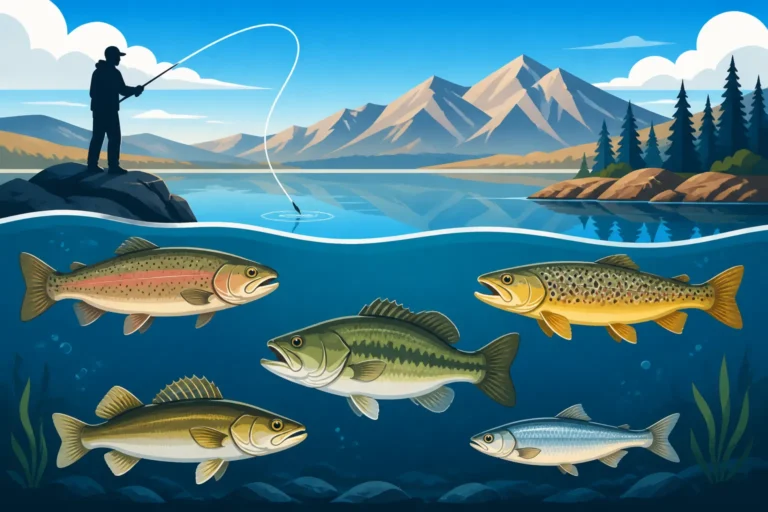
When you're talking about a "trophy" trout in Nevada, the size can vary quite a bit depending on the species you're chasing. For many anglers, a personal best is a trophy, but when we talk about the truly exceptional fish, we're looking at specific benchmarks.
- Lahontan Cutthroat Trout (LCT): These are Nevada's most iconic trophy fish. Anything over 20 inches is a respectable catch, but a true trophy Lahontan cutthroat often starts around the 24-inch mark, with some giants pushing well past 30 inches and into the double-digit weight range. The state record Lahontan cutthroat trout is over 41 pounds, caught right here in Nevada's most famous trophy water. These fish are ancient, revered, and truly unique to our region.
- Mackinaw (Lake Trout): Primarily found in the deep, cold waters of Lake Tahoe, Mackinaw are built for size. A trophy Mackinaw in Lake Tahoe usually means anything over 10-15 pounds, with many anglers dreaming of those 20-pound plus monsters. The Nevada state record Mackinaw tipped the scales at over 37 pounds, so there are truly massive fish swimming in those blue depths.
- Rainbow Trout: While stocked rainbows are common and usually smaller, wild or long-term resident rainbows in certain lakes can grow very large. A trophy rainbow in Nevada would generally be over 20 inches and could easily weigh 5-8 pounds, with bigger ones certainly possible in specific, well-fed environments.
- Brown Trout: Known for their elusive nature and predatory instincts, brown trout can also achieve impressive sizes. A brown trout exceeding 20 inches and weighing 5 pounds or more would be considered a trophy in most Nevada waters, especially considering their challenging nature to catch.
- Tiger Trout: This sterile hybrid of brown and brook trout is known for its aggressive fight and striking patterns. While not as common, a trophy tiger trout in Nevada would typically be in the 18-24 inch range, offering a unique and memorable catch.
It's not just about the numbers on the scale or tape measure, though. Sometimes, the sheer age of a fish, its perfect markings, or the incredible fight it put up can make a slightly smaller fish feel like a true trophy.
Factors Contributing to Large Trout Growth
So, what makes a trout grow to such epic proportions? It's a complex interplay of several crucial factors, and understanding these elements can help you predict where you might find your next big catch. It's not just luck; it's science and environment working in harmony.
Firstly, deep, cold water is absolutely essential, especially for species like Lahontan cutthroat and Mackinaw. These fish thrive in stable, oxygen-rich environments that stay cool even during the hot Nevada summers. Lakes with significant depth offer thermal refuge, allowing trout to remain comfortable and active year-round. Shallow, warm lakes simply can't support the kind of metabolic rates needed for extreme growth in cold-water species.
Secondly, an abundant and high-quality food source is paramount. Trout are opportunistic predators, and to grow large, they need a consistent supply of protein-rich forage. This could mean other baitfish like tui chub or redside shiners, or even kokanee salmon in some lakes. A healthy ecosystem with a thriving food web ensures that the trout have everything they need to pack on the pounds. Without a robust forage base, even the best genetics will result in smaller fish.
Finally, genetics and age play a massive role. Some strains of trout are simply predisposed to grow larger and live longer. In addition, it takes years for a trout to reach trophy size. Lakes with low fishing pressure or strong catch-and-release ethics allow fish to mature and grow without being removed from the population prematurely. It's often the older, wiser fish that are the biggest, having survived countless challenges. Water quality, habitat structure (like submerged rocks, ledges, and drop-offs), and disease resistance also contribute significantly to a fish's ability to reach true trophy status.
The Top Contenders: Nevada's Premier Trophy Trout Lakes
Now for the exciting part—where can you actually go to chase these giants? Nevada is a high desert state, but its aquatic treasures hold some truly remarkable opportunities for trophy trout. While many lakes offer good fishing, a select few stand out as consistent producers of truly massive fish.
Pyramid Lake: The Reigning King for Lahontan Cutthroat
Without a doubt, if you're talking about trophy trout in Nevada, the first place that comes to mind for most serious anglers is Pyramid Lake. This vast, ancient lake, located about an hour northeast of Reno, is home to the world-famous Lahontan Cutthroat Trout (LCT). It's not just a good place; it's the place to catch an LCT that could shatter personal records and even challenge state records.
Pyramid Lake is truly unique, being the remnant of ancient Lake Lahontan. Its alkaline waters and deep, clear expanses provide the perfect habitat for the Lahontan cutthroat, which are native to this basin. These fish grow to astounding sizes, routinely reaching 10-20 pounds, with anglers landing 25-pounders and even larger specimens every season. The lake's management by the Pyramid Lake Paiute Tribe has been instrumental in restoring and maintaining this incredible fishery. When planning your trip, you'll need a special Pyramid Lake Fishing Permit Guide and sometimes a Pyramid Lake Tribal Fishing Permit, which is separate from a standard Nevada state license. You can easily purchase these permits online or at various tribal stores around the lake.
Fishing here is a special experience. Many anglers fish from shore using ladders, casting large indicator rigs with balanced leeches or midges, or stripping streamers. Others opt for boat fishing, trolling or casting to structure. The best times to target these giants are typically in the cooler months, from October through April, with peak activity often in late fall and early spring. The average trophy size Lahontan cutthroat trout from Pyramid Lake is truly impressive. It's a challenging but incredibly rewarding fishery. If you're coming from out of state or want to maximize your chances, consider booking a trip with a local guide. Services like FishingBooker can help you find experienced captains who specialize in Pyramid Lake's unique techniques and know the hotspots. They can provide invaluable local knowledge, proper gear, and even a ladder for shore fishing.
Lake Tahoe: Deep Waters for Gigantic Mackinaw
While Pyramid Lake gets much of the trophy trout glory, the crystal-clear, cobalt-blue waters of Lake Tahoe hold their own secret: massive Mackinaw (Lake Trout). Spanning the Nevada and California border, Lake Tahoe is one of the deepest lakes in North America, and these depths are where the Mackinaw thrive and grow to incredible sizes.
Catching a trophy Mackinaw in Lake Tahoe is a different game altogether. These fish typically hold in very deep water, often 100 to 300 feet or more, particularly during the warmer months. This means specialized techniques like deep-water trolling with downriggers or vertical jigging are essential. You'll need stout rods, heavy line, and specialized lures or bait setups to reach them. The rewards, however, can be immense. Mackinaw in Tahoe commonly reach sizes of 10-20 pounds, with fish over 30 pounds being caught each year. The Nevada side of Lake Tahoe offers excellent opportunities, but remember that Lake Tahoe Nevada Fishing License Rules apply, and you'll need a valid Nevada fishing license to fish in these waters.
While Lake Tahoe can be fished year-round, the prime trophy Mackinaw season often runs from late spring through fall. The cooler water temperatures in the spring can bring them slightly shallower, while in summer and fall, they go deep. Knowing How to Catch Mackinaw Trout at Lake Tahoe involves understanding sonar, boat positioning, and a lot of patience. Again, if you're new to this specific type of deep-water fishing, hiring a local guide, perhaps found through FishingBooker, can make a huge difference in your success rate. They have the necessary equipment, electronics, and years of experience navigating Tahoe's vastness and targeting these specific fish.
Wildhorse Reservoir: High Desert Giants and Hybrids
Moving away from the super-deep giants, Wildhorse Reservoir in northeastern Nevada offers a fantastic opportunity for trophy-sized Rainbow Trout, Brown Trout, and even the unique Tiger Trout. Located near Elko, this high-desert reservoir is a gem that consistently produces quality fish, making it a favorite for many local anglers.
Wildhorse is known for its excellent stocking program by the Nevada Department of Wildlife (NDOW), which includes a good number of larger "catchable" trout, but it's the holdovers that really grow into trophy status. The reservoir has a healthy population of baitfish and ample forage, allowing these trout to thrive and put on significant weight. Anglers often report rainbows in the 20-inch range, with browns and tigers also reaching impressive sizes. It’s not uncommon for anglers to land Rainbows and Browns that push or exceed 5 pounds, with the occasional Tiger Trout reaching similar dimensions. To learn more about this fishery, check out our dedicated Wildhorse Reservoir Nevada Fishing Guide.
Fishing at Wildhorse can involve a variety of techniques. Shore anglers can do well with PowerBait, worms, or Kastmasters, especially near the dam or accessible points. Boat anglers have more options, from trolling with various spoons and plugs to casting lures around submerged structure and creek channels. Ice fishing in winter can also be incredibly productive for large trout, provided ice conditions are safe. The spring and fall months generally offer the most consistent action for bigger fish as water temperatures are ideal and trout are actively feeding. Wildhorse offers a more accessible trophy trout experience compared to the extreme depths of Tahoe or the unique rules of Pyramid Lake, but the fish here are no less impressive.
Other Notable Trophy Trout Waters
While Pyramid, Tahoe, and Wildhorse are arguably the top three for consistent trophy trout potential, Nevada has other spots where determined anglers might hook into a memorable catch. These typically involve smaller, more remote waters or specific seasonal opportunities.
- Ruby Lake National Wildlife Refuge: Nestled in eastern Nevada, Ruby Lake can produce large Lahontan Cutthroat Trout in its marshy, spring-fed waters. While not as large as Pyramid, these fish can still reach impressive sizes, often exceeding 20 inches, and are a challenge to target in the unique aquatic vegetation. The experience here is more about solitude and wild trout.
- High Mountain Lakes: Nevada's various mountain ranges, including the Ruby Mountains and the Jarbidge Wilderness, harbor numerous high-elevation lakes and streams. These often contain self-sustaining populations of Brook, Rainbow, and Cutthroat trout. While individual fish might not reach the colossal sizes of Pyramid Lake, catching a vibrant, chunky 15-20 inch trout in a pristine alpine setting feels every bit like a trophy. Access often requires hiking, adding to the adventure. These fisheries are heavily dependent on snowpack and ice-out timing.
- Cave Lake State Park & Comins Lake: These eastern Nevada reservoirs are regularly stocked and can hold over some impressive rainbows and browns. While primarily known for good numbers of average-sized fish, the occasional large trout can surprise an angler. These are generally more family-friendly spots, but don't count out the possibility of a lunker, especially in the cooler months.
Each of these spots offers a different flavor of trophy trout fishing, from the unique challenges of Pyramid to the serene beauty of a high mountain lake. Researching the specific regulations and conditions for each before you go is always a smart move.
| Lake | Primary Trophy Species | Avg. Trophy Size (inches) | Primary Fishing Method | Unique Features |
|---|---|---|---|---|
| Pyramid Lake | Lahontan Cutthroat Trout | 24-30+ | Shore (ladders), Trolling | World-record LCTs, alkaline lake, tribal permit |
| Lake Tahoe | Mackinaw (Lake Trout) | 25-35+ | Deep Trolling, Jigging | Extreme depth, clear water, trans-state |
| Wildhorse Reservoir | Rainbow, Brown, Tiger Trout | 18-24+ | Trolling, Casting, Ice Fishing | High desert, diverse trout species, excellent stocking |
| Ruby Lake NWR | Lahontan Cutthroat Trout | 18-22+ | Fly Fishing, Still Fishing | Marshy habitat, scenic, wild LCT |
Strategies for Landing Your Nevada Trophy Trout
Landing a trophy trout isn't just about showing up at the right lake; it's about employing the right strategies, understanding the fish's behavior, and respecting the environment. It takes patience, knowledge, and sometimes, a bit of grit.
Optimal Seasons and Times for Trophy Hunting
Timing is everything when it comes to trophy trout. Just like us, fish have periods of higher activity and specific conditions they prefer. Missing these windows can mean a slow day, while hitting them just right can lead to the fish of a lifetime.
Generally, the cooler months of fall, winter, and spring are the most productive for large trout in Nevada. As water temperatures drop, trout become more active, moving into shallower waters to feed aggressively. This is particularly true for Lahontan cutthroat at Pyramid Lake, where the peak season runs from October to April. During these times, the fish are less stressed by heat and often concentrate their feeding efforts, making them more accessible. Our guide on Nevada Fishing Seasons by Month provides a comprehensive breakdown.
In the height of summer, when Nevada's desert lakes can get quite warm, trout will retreat to the deepest, coolest parts of the lake. This makes them harder to reach and often requires specialized deep-water techniques, like those used for Mackinaw in Lake Tahoe. For high mountain lakes, the best window is typically after ice-out in late spring or early summer, and then again in the fall before winter sets in.
Time of day also plays a crucial role. Trophy trout, especially the larger, more cautious ones, are often most active during low-light conditions – dawn, dusk, and even into the night. These periods offer them a sense of security from predators and bright sunlight, encouraging them to move into feeding areas. Fishing during a new or full moon phase can also sometimes correlate with increased activity. Check out our Best Time of Year to Fish in Nevada guide for more in-depth seasonal advice.
Essential Gear and Techniques for Big Trout
To consistently land trophy trout, you simply can't rely on flimsy gear or generic techniques. These are big, powerful fish, and they demand respect in your equipment and approach. Skimping on tackle can lead to heartbreak when that monster finally bites.
First, let's talk about rods and reels. For species like the large Lahontan cutthroat or Mackinaw, you'll want a medium-heavy to heavy action spinning or casting rod, typically 7 to 9 feet in length. This provides the backbone needed to cast heavy lures or battle a powerful fish. Pair it with a robust reel (size 3000-5000 for spinning, or a comparable baitcasting reel) loaded with strong braided line (20-30 lb test) for sensitivity and power, often with a fluorocarbon leader (10-20 lb test) for abrasion resistance and stealth. Our Best Fishing Rods for Nevada Lakes article has more specifics.
For lures and bait, the general rule is "big bait, big fish." For Pyramid Lake LCT, think large streamer flies, balanced leeches, or heavy spoons and jigs in baitfish patterns. For Lake Tahoe Mackinaw, large plugs, spoons, and live bait (like shiners) fished deep are key. At Wildhorse, larger spoons, crankbaits, or even substantial PowerBait/worm combinations can entice bigger rainbows and browns. Remember to match the hatch if possible, or use lures that imitate the primary forage species in that particular lake.
Finally, proper fish handling is non-negotiable for trophy trout, especially if you plan to release them. These older, larger fish are vital for the health of the fishery. Use a large, knotless rubber net to safely land the fish. Minimize their time out of water, use de-hooking tools, and support their body weight horizontally if taking a quick photo. Revive them carefully before release. It’s an ethical responsibility, particularly for species like the Lahontan cutthroat, which have gone through incredible conservation efforts. Our comprehensive Nevada Fishing Gear Essentials outlines other crucial items you should have on hand for any serious outing.
Understanding Regulations and Conservation
Fishing for trophy trout in Nevada isn't just about personal achievement; it's about participating in a sustainable sport and respecting the incredible natural resources we have. That means understanding and adhering to the rules set forth by the Nevada Department of Wildlife (NDOW) and, in some cases, tribal authorities.
Every angler is responsible for knowing the current fishing regulations for the specific body of water they are visiting. These regulations can vary significantly from lake to lake, especially concerning bag limits, size restrictions (like slot limits), and even permitted gear. For instance, Pyramid Lake has very specific regulations regarding the type of lures, barbless hooks, and slot limits for Lahontan Cutthroat Trout to protect the spawning population. Our detailed Nevada Fishing Regulations Explained guide is an excellent resource, but always consult the most current NDOW fishing handbook or the Pyramid Lake Paiute Tribe fishing regulations before heading out.
Conservation plays an enormous role in maintaining trophy fisheries. Many of the large trout you encounter, especially the Lahontan Cutthroat, are crucial broodstock for future generations. Catch-and-release is highly encouraged, particularly for larger, older fish. If you do choose to keep a fish within legal limits, ensure you know the Nevada Trout Daily Limit Rules and that your catch complies with any size slot limits. For example, some lakes might have a slot limit where you can only keep fish under a certain size or over a certain size, specifically to protect the prime spawning-size fish.
Purchasing the correct fishing licenses and permits is also non-negotiable. Whether it's a Nevada Fishing License Cost Breakdown for residents or non-residents, or a special permit for tribal lands like Pyramid Lake, ensure you have all the necessary documentation before you cast a line. These fees directly support the conservation and management efforts that make these trophy fisheries possible. By being informed and responsible, you contribute to the longevity of trophy trout fishing for everyone.
Disclaimer
Please remember that fishing conditions, regulations, and fish populations can change. Always check the latest Nevada Department of Wildlife (NDOW) fishing regulations and specific rules for tribal lands (like Pyramid Lake) before your trip. This guide is for informational purposes only and does not supersede official regulations.