Pyramid Lake Shoreline Access Points
Trying to figure out where you can actually fish from the shore at Pyramid Lake can feel like navigating a maze, especially with all the talk about permits, tribal lands, and varied terrain. Many anglers, myself included, have pulled up to a promising spot only to realize it's closed, private, or requires a different approach than they'd planned. This guide is here to cut through that confusion, offering a detailed look at the most popular and accessible shoreline fishing spots around this incredible Nevada gem.
Understanding Pyramid Lake's Unique Access Rules
Before you even think about casting a line at Pyramid Lake, it's absolutely crucial to understand that this isn't your typical state park or reservoir. Pyramid Lake is entirely within the Pyramid Lake Paiute Reservation, which means there's a distinct set of rules and regulations that govern everything from where you can go to what kind of permit you need. Ignoring these rules isn't just a minor inconvenience; it can lead to hefty fines and even a ban from the lake, which would be a real shame given its world-class Lahontan cutthroat trout fishing. The tribal council manages this precious resource with great care, and respecting their guidelines is paramount for every angler.
The Importance of a Pyramid Lake Fishing Permit
First things first: you must have a valid Pyramid Lake fishing permit. A standard Nevada state fishing license won't cut it here. This is one of those critical details that often catches newcomers off guard, leading to unnecessary stress and frustration. The revenue generated from these permits goes directly back into managing the fishery and the reservation, ensuring the lake remains a prime destination for generations to come. You can usually purchase these permits online, at several local businesses in Sutcliffe, Nixon, and Reno, or even at some tackle shops. Make sure you get the right permit for the duration of your stay, whether it's a day permit or a longer-term option. It's not uncommon for tribal rangers to check permits, so always have yours readily available. If you're planning a trip, check out our comprehensive guide on the Pyramid Lake Fishing Permit Guide to ensure you're squared away before you arrive.
Purchasing your permit is more than just a formality; it's an acknowledgement of the lake's unique jurisdiction and your commitment to responsible angling. Many anglers find the process straightforward, but it's essential not to procrastinate, especially if you're traveling a long distance. Some local stores might have limited hours, so securing your permit online beforehand is often the most convenient option. Always double-check the current permit prices and any new regulations before your trip, as they can occasionally change.
Tribal Land and Restricted Zones
Beyond the permit, it's vital to recognize that not all shoreline is open to public fishing. Certain areas are designated as tribal lands for specific purposes or are simply not suitable for angling. Understanding these restricted zones is key to a smooth and enjoyable fishing experience. For instance, the area around the Marble Bluff Dam and fishway is typically closed to fishing, as it's a critical facility for the Lahontan cutthroat trout spawning operations. Violating these closures can result in serious penalties, not to mention disrupting vital conservation efforts. Always look for signage and refer to the official Pyramid Lake Paiute Tribe fishing regulations map, often available where you purchase your permit or online through the tribe's official website. These maps clearly delineate what is open and what is closed, helping you plan your day effectively.
Some areas might be closed seasonally, especially during critical spawning periods, to protect the fish population. It's not about being exclusive; it's about preserving the incredible resource that draws anglers from all over the world. When you respect these boundaries, you're contributing to the long-term health of the fishery. If you're ever unsure about a specific spot, err on the side of caution and choose a clearly marked public access point. Resources like Pyramid Lake Tribal Fishing Permit offer more detailed information about specific rules and regulations that apply to fishing on reservation lands.
Popular Shoreline Access Points for Anglers
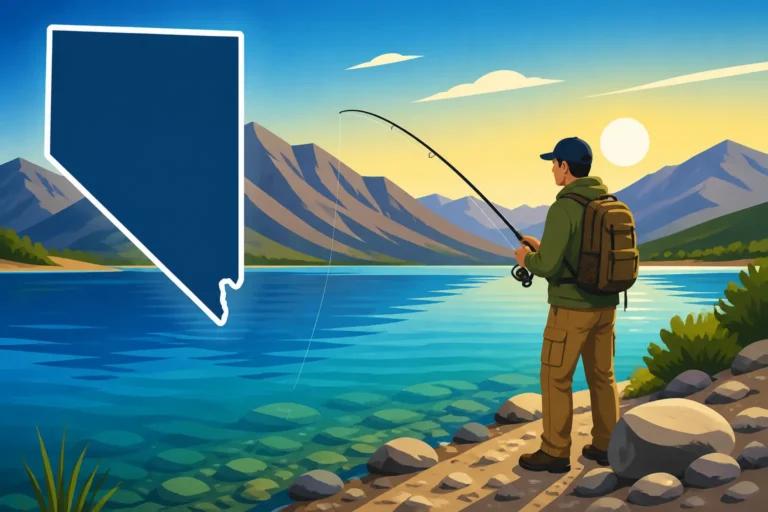
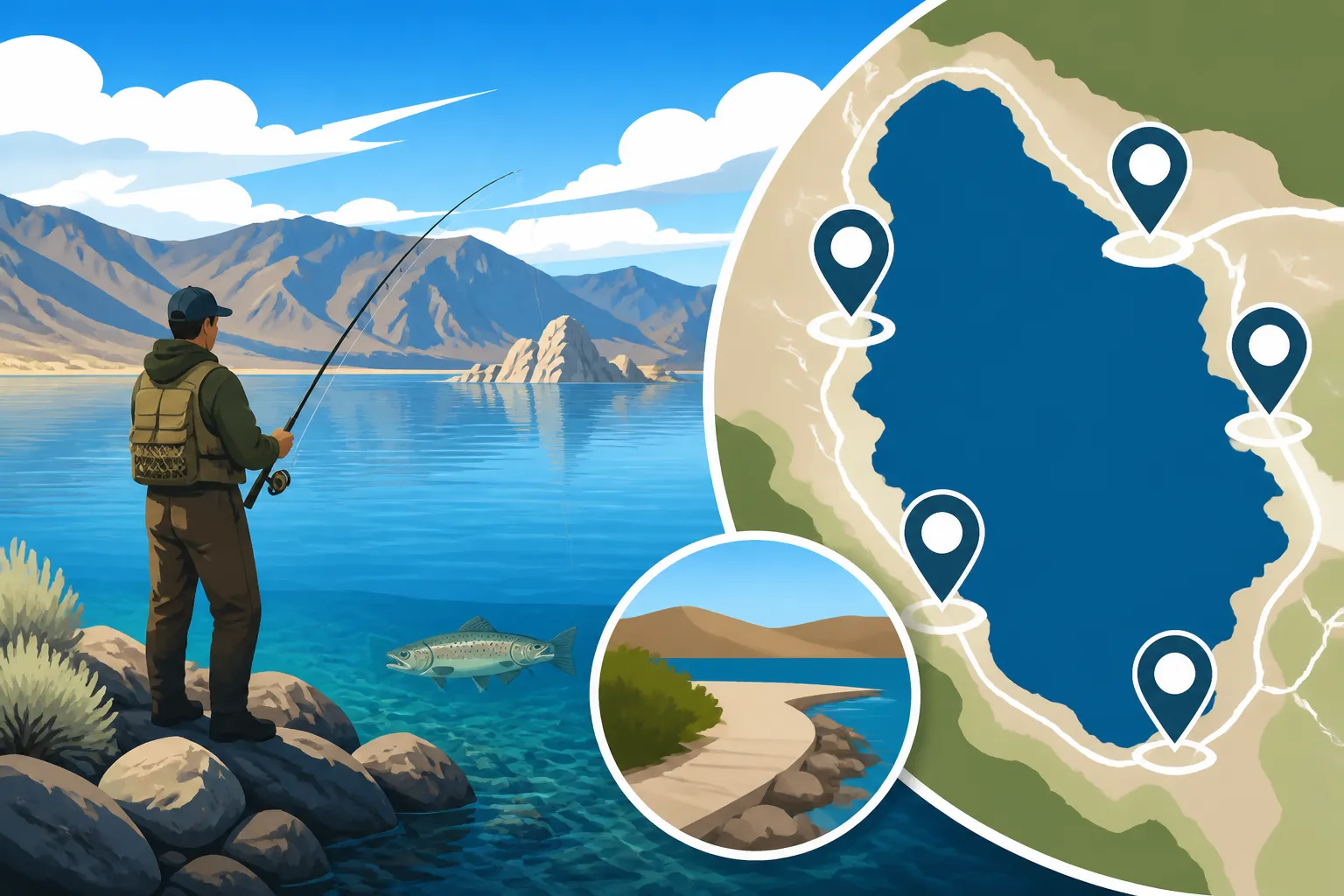
Pyramid Lake boasts miles of accessible shoreline, each offering its own unique characteristics and angling opportunities. From expansive sandy beaches perfect for walking and casting, to rocky points that allow for deeper water access, there's a spot for almost every type of shore angler. Getting to know these various locations can significantly enhance your fishing strategy and overall enjoyment of the lake. The sheer vastness of Pyramid Lake can be intimidating at first, but with a little guidance, you'll quickly find your favorite spots to target those trophy Lahontan cutthroat.
Warrior Point and Pelican Point
Starting in the northern reaches of the lake, Warrior Point is a renowned fishing location famous for its long, sloping beaches and relatively easy access. It's a favorite among fly anglers who like to "strip" flies from the shore, as well as spin casters looking to cover a lot of water. The point itself extends out into the lake, providing access to deeper water without needing a boat, especially during higher water levels. The varied contours here often create current breaks and drop-offs that attract feeding fish. Parking is generally available near the main access roads, and you'll often see a good spread of anglers along the shore, creating a friendly, communal atmosphere. It's a great spot to stretch your legs and cast without feeling too crowded, even on busier days.
Just a bit further south, Pelican Point offers similar sandy beaches but with some rockier outcroppings that can be excellent for targeting cruising cutthroat. The point is quite prominent, providing a good vantage point for spotting schools of baitfish or surfacing trout. Access here is usually straightforward, with a dirt road leading down to the shore. Both Warrior Point and Pelican Point are known for their consistent action, especially during peak seasons like spring and fall. These areas also tend to be a bit more exposed to the wind, which can be a double-edged sword: great for pushing baitfish, but challenging for casting. Many anglers appreciate the solitude that can still be found here, even with its popularity, as the shoreline stretches for miles, allowing everyone to find their own space.
Popcorn Beach and Blockhouse
Moving down the western shore towards the middle of the lake, Popcorn Beach gets its name from the distinctive, small, popcorn-like white stones that make up its shore. This unique geological feature makes for surprisingly comfortable walking and wading, and it's a highly productive area for shore anglers. The beach here offers a consistent slope into the water, allowing anglers to wade out a bit for better casting distance, which is often crucial for reaching deeper holding water. It's particularly popular during the early morning and late evening hours when fish are actively feeding closer to shore. The distinct look of Popcorn Beach also makes it easy to identify on a map or from the road.
Further south, the Blockhouse area is another iconic spot, named after an old concrete structure. This location provides excellent access to deeper water, often with pronounced drop-offs relatively close to shore. Anglers here can target fish that might be holding in deeper thermal layers or following baitfish schools. Blockhouse is known for producing some truly large Lahontan cutthroat, making it a favorite for those seeking a trophy catch. Access can be a bit more rugged compared to the smooth sandy beaches, with some rocky sections, so sturdy footwear is advisable. This spot is also well-regarded for its accessibility to different fishing depths without requiring extensive wading, catering to anglers who prefer to stay closer to the bank. It's a fantastic place to try out various casting and retrieval techniques as the depths and structure change, making it an engaging spot for experienced anglers looking to hone their skills.
The Nets Area and Sutcliffe
The Nets Area, located closer to the town of Sutcliffe, is perhaps one of the most historically significant and consistently productive spots on the lake. It refers to the area where the Pyramid Lake Paiute Tribe traditionally managed net fishing operations, particularly for cui-ui sucker fish and Lahontan cutthroat trout. Today, it remains a prime fishing location for shore anglers. The access here is typically very good, with well-maintained dirt roads and ample parking. The shoreline often features a mix of sand and gravel, with various depths and structures that hold fish. It's also conveniently close to amenities in Sutcliffe, making it easy to grab supplies or a quick bite to eat. Due to its popularity and historical significance, you'll often find many anglers enjoying the waters here, sharing tips and camaraderie.
The immediate shoreline around Sutcliffe itself also provides good fishing opportunities, especially for those staying at local lodges or campgrounds. While perhaps not as wild or remote as some other spots, the convenience of fishing right near town can't be beaten. These areas often benefit from periodic stocking, and anglers can find success targeting trout closer to shore. Remember that specific rules and regulations apply around marinas and docks, so always be mindful of signage. If you're looking to explore more about specific regulations or need a guide for these popular spots, consider checking out the Pyramid Lake Nevada Fishing Guide. Booking a trip with a reputable guide through a service like FishingBooker can also provide invaluable local knowledge and access to prime spots, especially for those new to the lake. They often know the nuances of these popular spots and can help you navigate crowded areas or suggest less-frequented but equally productive alternatives.
Navigating the Varied Terrain of Pyramid Lake's Shores
One of the most exciting aspects of fishing Pyramid Lake from the shore is the sheer diversity of its terrain. It's not just one type of beach; you'll encounter everything from soft sand to chunky gravel, and even dramatic rocky cliffs. Understanding these variations isn't just about comfort; it's about strategizing your approach, ensuring your safety, and ultimately, improving your chances of success. Each type of shoreline offers unique advantages and challenges, and adapting your gear and technique accordingly is crucial for a productive day.
Sandy Beaches versus Rocky Points
The long, expansive sandy beaches of Pyramid Lake, like those found at Warrior Point or parts of Popcorn Beach, are often the most welcoming for anglers. They offer easy walking, comfortable wading, and provide a relatively clean back-casting area, which is a huge plus for fly anglers. These areas are excellent for covering wide expanses of water with various casting techniques, from long fly casts to powerful spin casts with spoons or swimbaits. The bottom composition here typically slopes gently, allowing fish to cruise in relatively shallow water, especially during low-light conditions. However, the sandy bottom might not hold as much structure for fish to relate to, requiring anglers to be more proactive in locating schools or actively feeding trout.
In contrast, rocky points and outcroppings, such as those near Blockhouse or certain sections of Pelican Point, offer distinct advantages. These rocky structures often provide immediate access to deeper water, as the lake bottom drops off more sharply. Fish, particularly larger Lahontan cutthroat, frequently hold near these underwater structures, using them for ambush points or as breaks from strong currents. The rocks also attract baitfish, creating a natural feeding ground. However, navigating rocky shores requires sturdy footwear, and casting can be more challenging due to potential snags or limited back-cast space. It's a trade-off: more structure and deeper water access often means more challenging footing and increased risk of snagging your line. Knowing the characteristics of both—and how to fish them—will make you a much more versatile angler on Pyramid Lake.
Considerations for Mobility and Vehicle Access
Another practical consideration when planning your shoreline adventure is mobility and vehicle access. While some popular spots have well-maintained dirt roads leading directly to the water's edge, many others require navigating rougher terrain. A 4×4 vehicle is highly recommended, if not essential, for accessing some of the more remote or less-traveled areas, especially after rain or snow. Getting stuck in the soft sand or mud can quickly turn a peaceful fishing trip into a stressful ordeal. Always check road conditions, especially during or after inclement weather, and be prepared with recovery gear like tow straps and a shovel. Information on road conditions can often be found at local tackle shops or through online forums dedicated to Pyramid Lake fishing.
Beyond vehicle access, consider your own physical mobility. Some prime fishing spots involve a fair amount of walking over uneven terrain, sometimes carrying heavy gear. If you have mobility concerns, focus on areas known for easier access, such as some of the more developed stretches around Sutcliffe or popular, well-traveled beaches. Planning is key here; don't just pick a spot on a map and hope for the best. Talk to locals, read recent fishing reports, or consult guides through services like FishingBooker for up-to-date information on the easiest and safest access points given your vehicle and physical capabilities. A little reconnaissance beforehand can save you a lot of trouble and ensure you spend more time fishing and less time worrying about how to get to your spot.
Essential Gear and Safety for Shoreline Fishing
Pyramid Lake's high desert environment is beautiful but unforgiving. Preparing for its unique conditions is just as important as knowing where to cast. Anglers often underestimate the desert sun, the sudden winds, or the lack of amenities, leading to uncomfortable or even dangerous situations. To truly enjoy your time chasing Lahontan cutthroat from the shore, you need to be well-equipped and mindful of your surroundings. Having the right gear not only enhances your fishing experience but also ensures your safety and comfort throughout the day.
What to Bring for a Day on the Shore
When heading out for a day of shoreline fishing at Pyramid Lake, packing smart is non-negotiable. First and foremost, water is critical. The desert climate, even in cooler months, can quickly lead to dehydration. Bring more water than you think you'll need. Next, sun protection is paramount: a wide-brimmed hat, sunglasses (polarized are a huge plus for spotting fish and structure), and high-SPF sunscreen are absolute musts. The sun's intensity reflected off the water and the white sand is no joke. For fishing gear, a sturdy rod and reel combo capable of long casts is essential. Many anglers favor longer rods (9-11 feet) for increased casting distance. A variety of lures, such as spoons, jigs, and large streamers (for fly fishing), are also necessary, as fish preferences can change throughout the day. Don't forget a landing net with a long handle; those Lahontan cutthroat can be big, and you'll want to safely land and release them, especially if you're practicing Handling and Releasing Lahontan Cutthroat Trout.
Beyond the basics, consider comfortable, quick-drying clothing, especially if you plan to wade. Waders can be beneficial, particularly in colder months, to stay warm and extend your casting reach. A good pair of sturdy, waterproof boots is essential for navigating rocky or muddy sections of the shore. A small backpack or tackle bag to carry your essentials, along with some snacks, will keep you fueled. Always have a first-aid kit, fully charged phone, and a spare car key (kept separate from your main set) for emergencies. Checking the local weather forecast before you leave is always a good idea, as conditions can shift rapidly from calm to windy, or from warm to surprisingly chilly, even in the same day. For specific tackle recommendations, our guide on Best Bait for Pyramid Lake Cutthroat or Fly Fishing Gear for Pyramid Lake can provide more in-depth advice.
Staying Safe in the High Desert Environment
Safety at Pyramid Lake extends beyond just having the right gear; it's about being prepared for the realities of the high desert. The vastness of the lake and its surroundings means help can be a long way off. Weather changes are a significant concern. While the sun can be brutal, sudden winds can kick up, creating whitecaps on the lake and making casting nearly impossible. These winds can also drop temperatures quickly, so always carry extra layers of clothing, even if the morning feels warm. If you're wading, be aware of the sudden drop-offs and uneven bottom; never wade beyond your comfort level or without knowing the bottom contours. The water can also be surprisingly cold, even on warm days, posing a hypothermia risk if you take an unexpected plunge.
Wildlife encounters, though rare, can also occur. Be mindful of rattlesnakes, especially in rocky areas or around brush. Always look where you step and place your hands. Inform someone of your fishing plans – where you're going and when you expect to return. Cell service can be spotty in certain areas, so don't rely solely on your phone for communication. Driving on unpaved roads carries its own risks; maintain a safe speed, watch for washouts, and be aware of other vehicles creating dust clouds. A good local guide, often bookable through FishingBooker, can also provide invaluable safety insights and navigate you to safe, productive spots. Remember, the goal is to enjoy the incredible fishing, and part of that enjoyment comes from knowing you're prepared for whatever the desert might throw your way.
Maximizing Your Chances from the Bank
Fishing from the shoreline at Pyramid Lake is a unique and rewarding experience, offering an intimate connection with this ancient body of water. However, success isn't just about showing up; it requires strategy, patience, and a deep understanding of the lake's rhythms and the behavior of its prized Lahontan cutthroat trout. Many anglers find themselves overwhelmed by the sheer size of the lake, unsure of how to effectively target fish from a stationary position. But with the right approach, you can significantly increase your odds of a memorable catch, even without a boat.
Best Times and Techniques for Shore Anglers
Timing is everything when fishing Pyramid Lake from the bank. The early morning and late evening hours are almost always the most productive. During these low-light periods, Lahontan cutthroat often move closer to the shore to feed, making them more accessible to bank anglers. The sun's intensity is also lower, providing more comfortable fishing conditions. As for techniques, long casting is usually key. Whether you're using a spinning rod with heavy spoons (like Daredevils or Kastmasters) or jigs, or a fly rod with shooting heads and large streamers, getting your offering out to deeper water where fish might be cruising is paramount. Vary your retrieve speed and depth until you find what the fish are reacting to. Often, a slow, steady retrieve with occasional pauses can entice a strike. Don't be afraid to experiment with different lure colors and sizes throughout the day. Remember, adherence to local regulations like Are barbless hooks required at Pyramid Lake? is essential.
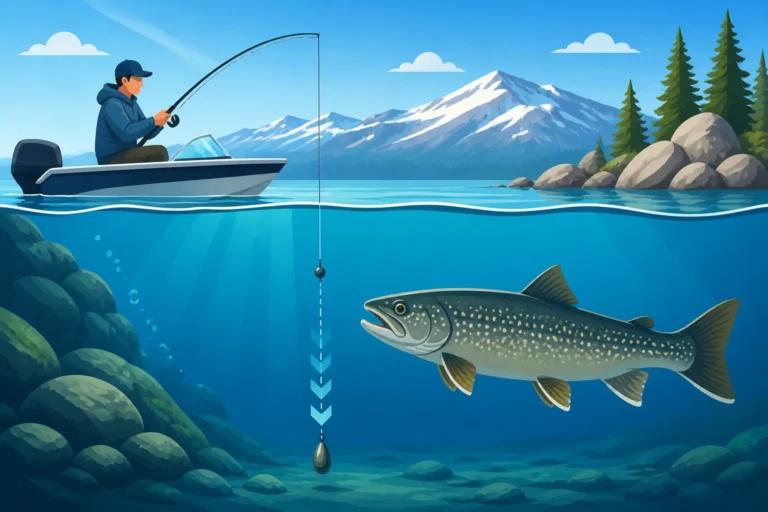
Wading can significantly extend your casting range and allow you to reach water that's otherwise inaccessible. However, always be cautious of sudden drop-offs and the cold water temperatures. Another effective technique, particularly for fly anglers, is the "indicator nymphing" rig, which allows you to suspend flies at a specific depth, imitating the midges and other insects that make up a large part of the cutthroat's diet. For specific legal fishing times, you might want to consult Pyramid Lake legal fishing hours to ensure you're fishing within permissible periods. The fish often relate to structure, so look for submerged rocks, shelves, or drop-offs, even if you can't see them directly. Using a good pair of polarized sunglasses helps spot these underwater features or even cruising fish.
Respecting the Resource and Other Anglers
Beyond the fishing itself, being a responsible angler at Pyramid Lake involves a deep respect for both the natural resource and your fellow fishermen. The Lahontan cutthroat trout are a precious species, and catch and release is highly encouraged, especially for the larger, trophy-sized fish, even if legal limits allow for keeping some. Knowing What the size slot limit means at Pyramid Lake is vital for compliance. When you do catch a fish, handle it minimally and release it gently to ensure its survival. Avoid dragging fish onto the sand or rocks, and use a net to safely bring them to shore for quick photos before release.
Maintaining a clean shoreline is also part of being a good steward. Pack out everything you pack in, including all trash, broken fishing line, and discarded bait. Litter not only detracts from the beauty of the lake but can also be harmful to wildlife. Finally, be mindful of other anglers. Pyramid Lake can get busy, especially on weekends and during prime seasons. Maintain a respectful distance from other fishermen, avoid casting over their lines, and keep noise levels down. Sharing information and tips (when appropriate) can foster a friendly atmosphere. Remember, everyone is there to enjoy the tranquility and incredible fishing opportunities the lake offers. By practicing ethical angling and showing courtesy, you contribute to a positive experience for all and help preserve Pyramid Lake as a world-class fishing destination.
| Shoreline Access Point | Primary Terrain | Key Features | Best for (Angler Type) | Typical Challenges |
|---|---|---|---|---|
| Warrior Point | Sandy Beach | Long casts, open water | Fly, Spin (Long Casting) | Wind exposure, depth |
| Pelican Point | Sand/Rocky | Deeper water access, structure | Fly, Spin (Covering Water) | Wind, occasional snags |
| Popcorn Beach | Small Stones | Easy wading, consistent slope | Fly, Spin (Wading) | Can be crowded |
| Blockhouse | Rocky/Gravel | Deep water close to shore | Spin (Jigs, Spoons) | Rough footing, snags |
| The Nets Area | Sand/Gravel | Good access, varied depth | All Anglers (Convenient) | Popular, can be busy |
| Sutcliffe Shoreline | Mixed/Developed | Near amenities, easy access | Beginner, Family | Less remote, boat traffic |
Disclaimer
The information provided in this guide is for general informational purposes only. Fishing conditions, regulations, and access points at Pyramid Lake can change due to tribal decisions, weather, water levels, and other factors. Always check the most current regulations and conditions directly with the Pyramid Lake Paiute Tribe and the Nevada Department of Wildlife before planning your trip. Angling at Pyramid Lake is at your own risk.