Lake Mohave Rainbow Trout Water
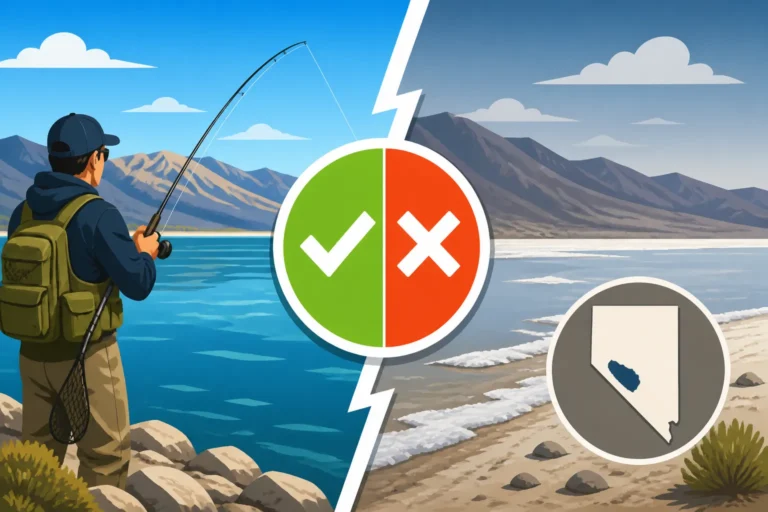
Lake Mohave holds a reputation for incredible rainbow trout fishing, but for many anglers, the sheer size of this reservoir can be daunting. Finding those elusive, hard-fighting rainbows often feels like searching for a needle in a haystack, leading to frustrating days on the water. This comprehensive guide will cut through the confusion, revealing the secrets to successfully targeting and catching rainbow trout in Lake Mohave's unique waters.
Understanding Lake Mohave's Unique Rainbow Trout Habitat
Lake Mohave is not your average desert reservoir when it comes to trout. Its unique water source and thermal stratification create an ideal environment for rainbow trout, differentiating it from many other bodies of water in Nevada. Understanding these ecological factors is key to unlocking consistent success on the water.
The Influence of Cold Water Inflows
The Colorado River is the lifeblood of Lake Mohave, and critically, the water flowing into the lake comes from the bottom of Lake Mead, which itself is fed by the mighty Hoover Dam. This deep water release from Hoover Dam is consistently cold, providing a cool, oxygen-rich environment for trout, even in the scorching Nevada summers. This constant influx of cold water is perhaps the single most important factor that allows rainbow trout to thrive in Lake Mohave, particularly in its northern stretches. The area immediately below Hoover Dam, often referred to as the Black Canyon, is prime territory due to this consistent cold water. Anglers often flock to Willow Beach, a well-known access point in Arizona, where these pristine conditions are most pronounced. For more on this specific location, check out our guide on Lake Mohave Willow Beach Fishing.
This cold water influence means that while other desert lakes might see trout retreat to extreme depths or suffer from stress during warmer months, Lake Mohave's rainbows can often be found in relatively accessible areas, especially closer to the dam. The constant flow also brings nutrients, supporting a robust ecosystem that benefits the trout. However, it also means that trout will seek out these cooler pockets, making temperature a crucial factor in locating them.
Forage Base and Trout Diet
Lake Mohave's rainbow trout have a diverse diet, which changes seasonally and by location. Primarily, they feed on small baitfish like threadfin shad, various insect larvae, crustaceans, and even zooplankton. The presence of abundant shad is a huge draw for the trout, and often, finding schools of shad on your fish finder is a strong indicator that trout are nearby. They are opportunistic feeders, however, and will also gobble up aquatic insects, especially during hatches, or smaller terrestrial insects that fall into the water from the shoreline vegetation.
Understanding their diet helps in selecting the right bait and lures. If trout are keying in on shad, a lure that mimics a distressed baitfish will be highly effective. If insects are abundant, fly fishing can be incredibly productive, especially in calmer sections or during certain times of the day. Unlike some high-alpine lakes where trout might exclusively feed on insects, Lake Mohave's diverse ecosystem offers a buffet, requiring anglers to be versatile in their approach. This adaptability is what makes fishing Lake Mohave so engaging, and a good reason to always carry a variety of offerings.
Preferred Depths and Structures
Rainbow trout in Lake Mohave, much like other trout species, prefer areas with good cover, cooler temperatures, and access to food. In Mohave, this translates to deeper channels, rocky points, submerged structure, and areas where the current creates natural eddies and feeding lanes. While the cold water from Hoover Dam keeps the upper lake cool, trout will still seek out specific depths where conditions are optimal, especially as you move further south in the lake.
They often suspend in the water column over deeper areas, particularly when chasing shad. When not actively feeding, they might hug the bottom near ledges, submerged rocks, or underwater humps. Shoreline anglers often find success near steep drop-offs or areas with submerged brush. The confluence of current, depth, and structure creates ambush points for trout, making these areas highly productive. Understanding these preferences will guide your choice of fishing method, whether you're trolling in open water or casting towards a rocky outcropping.
Prime Rainbow Trout Fishing Locations on Lake Mohave
Lake Mohave is a long, winding reservoir, and not all its waters are equally productive for rainbow trout. Knowing the hotspots can drastically improve your chances of a successful outing. While trout can be found throughout, some areas consistently stand out.
Willow Beach and the Black Canyon Stretch
Without a doubt, Willow Beach is the crown jewel for rainbow trout fishing on Lake Mohave. Located on the Arizona side, just downstream from Hoover Dam, this area receives the freshest, coldest, most oxygenated water directly from the depths of Lake Mead. This constant influx of pristine water creates an environment where rainbow trout not only survive but thrive, often growing to impressive sizes. The National Park Service actively stocks rainbow trout here, especially in the cooler months, further bolstering the population. For those looking for consistent action and the chance at a truly memorable catch, Willow Beach is often the first recommendation.
Fishing here can be done from the shore, particularly near the fishing pier, or by boat, drifting down the Black Canyon. The currents can be strong, so understanding how to present your bait or lure naturally in the flow is crucial. Many anglers use PowerBait, worms, or small spinners from the bank, while boaters often troll with small crankbaits or spoons. Guided trips, often found through services like FishingBooker, frequently focus on this productive stretch, offering invaluable local knowledge. The stunning canyon scenery also adds an unforgettable backdrop to your fishing adventure.
Cottonwood Cove and Northern Mohave
Moving south from Willow Beach, the area around Cottonwood Cove, still in the northern third of the lake, also offers excellent rainbow trout opportunities. While not quite as cold as the Black Canyon, this section still benefits from cooler water and excellent habitat. Cottonwood Cove itself has a marina, launch ramps, and amenities, making it a convenient base for a fishing trip. The surrounding coves and points offer diverse fishing environments.
Here, trout might be found a bit deeper than at Willow Beach, especially as the seasons warm up. Trolling remains a popular and effective method in the open water and along the deeper contours of the coves. Shoreline anglers can explore the rocky banks and small beaches for productive spots, especially early mornings or late evenings. The fish here can be a mix of stocked trout and wilder, more elusive fish that have adapted to the lake's broader ecosystem. Look for areas with submerged structure or sudden drop-offs where trout might congregate.
Deeper Channels and Rocky Points
Beyond the well-known coves and access points, the main body of Lake Mohave features deep channels and numerous rocky points that are ideal for targeting rainbow trout. As you move further south in the lake, the cold water influence lessens, and trout will often seek out the cooler, deeper sections, especially during the warmer months. These deeper channels, often carved by the original Colorado River, provide thermal refuge and excellent foraging grounds.
Fishing these areas typically involves boat access, using electronics to locate depth changes, submerged structures, and schools of baitfish. Trolling with downriggers or lead core line can be very effective for presenting lures at precise depths. Rocky points that extend into deeper water also act as natural congregating areas for baitfish, which in turn attract trout. Casting spoons or jigs off these points, or slowly retrieving bait along the bottom, can yield good results. Pay attention to changes in bottom contour and look for any submerged brush piles or rock formations that could hold fish.
Seasonal Strategies for Catching Lake Mohave Rainbow Trout
The calendar plays a huge role in how and where you'll find rainbow trout in Lake Mohave. The desert climate means significant temperature swings, and the trout adapt their behavior accordingly. Being mindful of the season will help you tailor your approach for maximum success. This is often covered in detail in a Nevada Fishing Seasons by Month guide, but here we'll focus specifically on Lake Mohave rainbows.
Winter Cold Water Tactics
Winter on Lake Mohave is arguably the prime time for rainbow trout. With ambient temperatures dropping, the surface water cools considerably, and the cold water inflows from Hoover Dam create a more uniform temperature throughout the upper water column. This means trout are often more active and can be found in a wider range of depths, including shallower areas where they might be hesitant to venture in summer.
Anglers often find great success trolling with various spoons, small crankbaits, or even flies behind a dodger or flasher. Popular lures include the Rapala Shad Rap, Berkeley PowerBait (especially in bright colors), and various Kastmaster or Thomas Buoyant spoons. Fishing from the bank with power bait or nightcrawlers off the bottom, especially at Willow Beach, can also be highly productive. The fish are less pressured by heat, making them more aggressive feeders. This is also a fantastic time to book a guided trip, as many experienced guides, often found via platforms like FishingBooker, really shine in these ideal conditions.
Spring Transition and Spawning Behavior
As winter gives way to spring, water temperatures begin a gradual rise. This transition period can be excellent, as trout become more active and start moving into shallower areas to feed more aggressively. While Lake Mohave does not have extensive natural spawning grounds for rainbows, some limited spawning activity may occur in specific gravelly areas with good current, particularly closer to the Black Canyon.
During this time, trout are often gorging themselves, preparing for or recovering from spawning. Trolling speeds might increase slightly, and a wider variety of lures, including some with more erratic actions, can be effective. Shoreline fishing remains strong, with PowerBait, worms, or small marshmallows often producing bites. Pay attention to water clarity and any signs of insect hatches, as trout may shift their focus to emerging insects. Understanding the Nevada Trout Stocking Schedule can also give you an edge, as recently stocked fish are often eager to bite.
Summer Deep Water and Early Morning/Late Evening Bites
Summer fishing for rainbow trout on Lake Mohave can be challenging, but certainly not impossible. With air temperatures soaring, the surface water can become very warm, pushing trout into deeper, cooler water. They'll seek out the thermal refuge offered by the lake's deeper channels and the cold water pockets near the dam. This is when understanding thermal stratification becomes critical.
Targeting trout in summer usually means fishing early in the morning or late in the evening when the sun is less intense and trout might move shallower to feed. During midday, focus on trolling deep, using downriggers or substantial lead core setups to present your lures at depths of 30-60 feet or even deeper. Live bait, like small minnows or worms, can also be effective when fished vertically in these deeper haunts. If fishing from shore, focus on areas with quick access to deep water, such as steep drop-offs at Willow Beach, and fish during the cooler parts of the day.
Fall Feeding Frenzy
Fall brings a welcome cool down to Lake Mohave, and with it, some of the most exciting rainbow trout fishing of the year. As water temperatures drop, trout become much more active throughout the water column. They're often in a "feeding frenzy" mode, trying to fatten up before the colder winter months. This can lead to incredible action.
During the fall, both trolling and casting techniques become highly effective. Trout will chase a variety of lures, from spoons and spinners to small jerkbaits. Shoreline access points like Willow Beach and various coves around Cottonwood can be fantastic. The fish are often spread out more, making it possible to find them in shallower water earlier in the day. This is a great time to experiment with different presentations and retrieve speeds, as the fish are generally less finicky. It's also a beautiful time to be on the lake, with comfortable temperatures and often fewer crowds.
Essential Gear and Techniques for Lake Mohave Rainbows
Having the right gear and knowing how to use it is paramount to successfully catching rainbow trout on Lake Mohave. The varied conditions—from strong currents to deep, open water—require a versatile approach.
Rods, Reels, and Line Choices
For Lake Mohave rainbow trout, a light to medium-light spinning rod, typically 6 to 7 feet in length, with a fast action tip, is an excellent all-around choice. This provides enough sensitivity to detect subtle bites while having sufficient backbone to handle larger, hard-fighting trout. Pair this with a reliable spinning reel in the 1000-2500 size range, spooled with 4-8 pound test monofilament or fluorocarbon line. Monofilament offers a bit more stretch, which can be forgiving with aggressive headshakes, while fluorocarbon is nearly invisible underwater and offers excellent sensitivity. Many anglers also use a braided mainline with a fluorocarbon leader for ultimate sensitivity and strength.
If you plan on trolling, especially with heavier setups like lead core or downriggers, a dedicated trolling rod is advisable. These are often shorter, stiffer rods designed to handle the drag of lines and weights. For bank fishing, a slightly longer rod (7-9 feet) can help with casting distance, especially when trying to reach deeper channels. The key is to have a balanced setup that allows for comfortable casting, good line management, and the ability to feel those delicate trout bites.
Best Baits and Lures for Success
Rainbow trout in Lake Mohave respond well to a variety of offerings. For bait fishing, the classics often prove most effective. PowerBait, especially in popular colors like chartreuse, rainbow, or garlic scent, is a perennial favorite, particularly for stocked fish around Willow Beach. Rigging it on a small treble hook with a sliding sinker setup works wonders. Live worms or mealworms are also highly effective, often fished under a bobber in shallower areas or on the bottom in deeper spots. Small marshmallows can also surprisingly entice bites, often in combination with a worm. You can learn more about Best Bait for Nevada Trout in our detailed guide.
When it comes to lures, a diverse tackle box will serve you well. Small spoons like Kastmasters, Thomas Buoyants, and Little Cleos, in silver, gold, or copper finishes, are excellent for casting or trolling. Spinners such as Panther Martins or Mepps, with their flashy blades, are also very productive. Small crankbaits or jerkbaits that imitate baitfish, like Rapalas or Lucky Craft lures, can be deadly when trolled or retrieved in a stop-and-go fashion. For those who enjoy fly fishing, streamers that mimic shad or nymphs can be very effective, especially in the clear waters of the Black Canyon.
Trolling and Bank Fishing Methods
Trolling: This is one of the most effective ways to cover water and locate active trout on Lake Mohave, particularly from a boat. Trolling allows you to present your lure at a consistent depth and speed across large areas. Depending on the depth you're targeting, you can use various methods:
- Flatlining: Simply letting out a long line with a small spoon or crankbait behind the boat.
- Lead Core Line: Colored line segments allow you to gauge depth, sinking at a predictable rate per color.
- Downriggers: These are mechanical devices that hold your lure at a precise, pre-set depth, releasing the line when a fish strikes. This is especially useful for targeting deep-dwelling trout in summer.
- Diver Discs/Planners: These devices pull your line down to a specific depth without the need for heavy weights on your main line.
Speed is crucial when trolling; experiment with different speeds until you find what the fish are responding to. A general guideline is 1.5 to 3 miles per hour. For detailed techniques, our article on Trolling Techniques for Lake Tahoe Mackinaw offers transferable insights.
Bank Fishing: For anglers without a boat, bank fishing is a viable and popular option, especially at Willow Beach and other accessible coves. The most common setup involves a bottom rig with a sliding sinker, a swivel, and a leader ending in a small hook. PowerBait or worms are cast out and allowed to settle on the bottom. Pay attention to structure and drop-offs near the bank. Another method is to fish a bobber rig, suspending bait a few feet off the bottom, especially in areas with submerged weeds or rocks. Early mornings and late evenings are generally the best times for bank fishing, but in winter, fish can be active all day.
Regulations and Conservation for Lake Mohave Trout
Before you even think about casting a line, understanding the regulations is absolutely vital. Lake Mohave straddles the border of Nevada and Arizona, which can add a layer of complexity. Responsible angling and conservation are paramount to ensuring these fisheries remain healthy for future generations.
Nevada and Arizona Licensing Requirements
This is where it can get tricky! Because Lake Mohave is a border water, you generally need either a valid Nevada fishing license or an Arizona fishing license. However, there are agreements in place to allow anglers licensed in one state to fish certain portions of the lake that border the other. It's critical to know the specifics:
- Nevada Residents: Need a Nevada fishing license. You can find detailed information in our Nevada Fishing License Guide or learn How to Get a Fishing License in Nevada.
- Arizona Residents: Need an Arizona fishing license.
- Interstate Agreement: Anglers holding a valid fishing license from either Nevada or Arizona may fish Lake Mohave, provided they abide by the regulations of the state in which they are licensed. However, if you launch your boat in Nevada, it's generally safest to have a Nevada license, and vice-versa for Arizona. Always double-check the latest regulations from both the Nevada Department of Wildlife (NDOW) and the Arizona Game and Fish Department (AZGFD) before heading out. Don't risk a fine!
Ignorance of the law is not an excuse, and game wardens from both states patrol these waters diligently. It's always best to carry proof of your license and be familiar with the specific rules of where you plan to fish.
Bag and Possession Limits
The daily bag and possession limits for rainbow trout on Lake Mohave are subject to change and can vary between the Nevada and Arizona sides, or even specific areas like the Black Canyon. Typically, these limits are quite reasonable to ensure sustainable fishing. For general information, our Nevada Statewide Bag Limits Explained article provides context, but you must consult the specific regulations booklet for Lake Mohave.
As an example, Nevada's statewide trout daily limit is usually around three to five fish per angler, but on Lake Mohave, there might be specific regulations, especially regarding the Black Canyon below Hoover Dam, which could have more restrictive rules to protect the quality fishery. Always carry the current year's fishing regulations guide (available online or at license vendors) and familiarize yourself with the trout section, including any size restrictions or special regulations for certain species or areas. Our Nevada Trout Daily Limit Rules guide offers more general insight into trout limits across the state.
Practicing Responsible Catch and Release
While you're certainly allowed to keep your legal limit of trout, many anglers choose to practice catch and release, especially for larger, older fish that contribute significantly to the breeding population. When you do decide to release a fish, doing so properly is essential for its survival.
Here are some tips for responsible catch and release:
- Minimize Handling: Try to keep the fish in the water as much as possible.
- Wet Hands: Always wet your hands before touching the fish to protect its protective slime coat.
- Use Barbless Hooks: Crushing the barb on your hooks or using specific barbless hooks makes removal much easier and less damaging.
- Quick Hook Removal: Use needle-nose pliers or a de-hooking tool to remove hooks quickly and cleanly. If the hook is deeply swallowed, it's often best to cut the line as close to the hook as possible rather than tearing internal organs.
- Support the Fish: Support the fish horizontally, especially larger ones, and avoid squeezing its belly or gills.
- Revive Gently: If the fish seems sluggish, hold it upright in the water, facing into the current, and gently move it back and forth until it swims away under its own power.
By following these practices, we all contribute to the long-term health and vitality of Lake Mohave's rainbow trout fishery.
| Season | Best Locations | Recommended Techniques | Preferred Baits/Lures | Notes |
|---|---|---|---|---|
| Winter | Willow Beach, Black Canyon, Deeper Coves | Trolling (slow), Bank Fishing (bottom) | PowerBait, Worms, Small Spoons (silver/gold), Small Crankbaits | Prime time, fish active, less pressured. |
| Spring | Willow Beach, Cottonwood Cove, Shallow Rocky Points | Trolling (medium), Bank Fishing (bottom/bobber), Casting Spinners | PowerBait, Worms, Spinners, Small Crankbaits, Flies (streamers) | Transition period, increased feeding activity. |
| Summer | Black Canyon (deep), Main Channel (deep) | Trolling (deep with downriggers/lead core), Vertical Jigging | Live Minnows, Deep Diving Crankbaits, Heavy Spoons, Soft Plastics | Challenge due to heat, fish deep; early/late day best. |
| Fall | All over, especially near structure and coves | Trolling (medium-fast), Casting (spoons/spinners), Bank Fishing | Spoons, Spinners, Jerkbaits, PowerBait, Worms | Excellent feeding frenzy, fish actively chasing bait. |
Beyond the Basics: Tips for Consistent Success
Even with all the right gear and knowledge, consistent success on Lake Mohave still requires a bit of intuition and an understanding of the subtle nuances of the environment. Sometimes it's the little things that make all the difference.
Reading the Water and Weather Patterns
Experienced anglers know that the water itself tells a story. Look for subtle changes in current, seams where different water flows meet, or areas where birds are diving, indicating baitfish activity. In clear waters like Mohave, water clarity can also dictate lure choice and presentation. Extremely clear water might require lighter lines and more natural presentations, while slightly stained water can allow for bolder colors and actions. Wind direction and intensity also play a significant role. A light breeze can create ripples that break up your silhouette and make fish less wary, while strong winds can make boat control and casting difficult.
Weather patterns, especially changes in barometric pressure, can influence fish behavior. A stable high-pressure system often leads to consistent fishing, while a sudden cold front or a major storm can shut down the bite. Being aware of these environmental cues and adjusting your tactics accordingly will set you apart from less prepared anglers. Sometimes, just changing your approach based on what you're seeing on the water, rather than sticking to a pre-conceived plan, is the key.
Hiring a Local Guide for an Edge
For many, the best way to jumpstart their success on Lake Mohave, particularly for rainbow trout, is to hire a reputable local fishing guide. These professionals spend countless hours on the water, tracking fish movements, understanding seasonal patterns, and knowing the latest hot spots and effective techniques. A good guide isn't just a boat driver; they're an educator who can teach you invaluable lessons about the lake, its fish, and specific strategies that work.
Guides often have access to specialized equipment, like advanced fish finders and custom rigs, that can make a huge difference. They also understand the nuances of the Nevada and Arizona regulations and can navigate the lake safely and efficiently. Services like FishingBooker make it easy to find and book experienced local guides for Lake Mohave, providing reviews and details about their expertise. Even one trip with a knowledgeable guide can dramatically shorten your learning curve and significantly increase your chances of catching quality rainbow trout. It's an investment that often pays off in memorable experiences and improved angling skills.
Disclaimer
Please remember that fishing regulations, conditions, and fish behavior can change. Always consult the latest official Nevada Department of Wildlife (NDOW) and Arizona Game and Fish Department (AZGFD) regulations before your trip. Safety on the water is paramount; be aware of weather conditions and always wear a PFD when boating.