Is Walker Lake still open for fishing?
The question, "Is Walker Lake still open for fishing?" is one that brings a pang of sadness and a deep sense of loss to many anglers who remember its glory days. For decades, this once-thriving desert lake was a jewel in Nevada’s crown, renowned for its incredible Lahontan cutthroat trout. Unfortunately, the simple answer today is a heartbreaking no. This guide will delve into the critical state of Walker Lake, explain the environmental factors that led to its closure, explore the specific regulations currently in place, and offer hopeful alternatives for those still seeking a fantastic fishing experience in the Silver State.
The Heartbreaking Reality: Walker Lake is Closed to Fishing
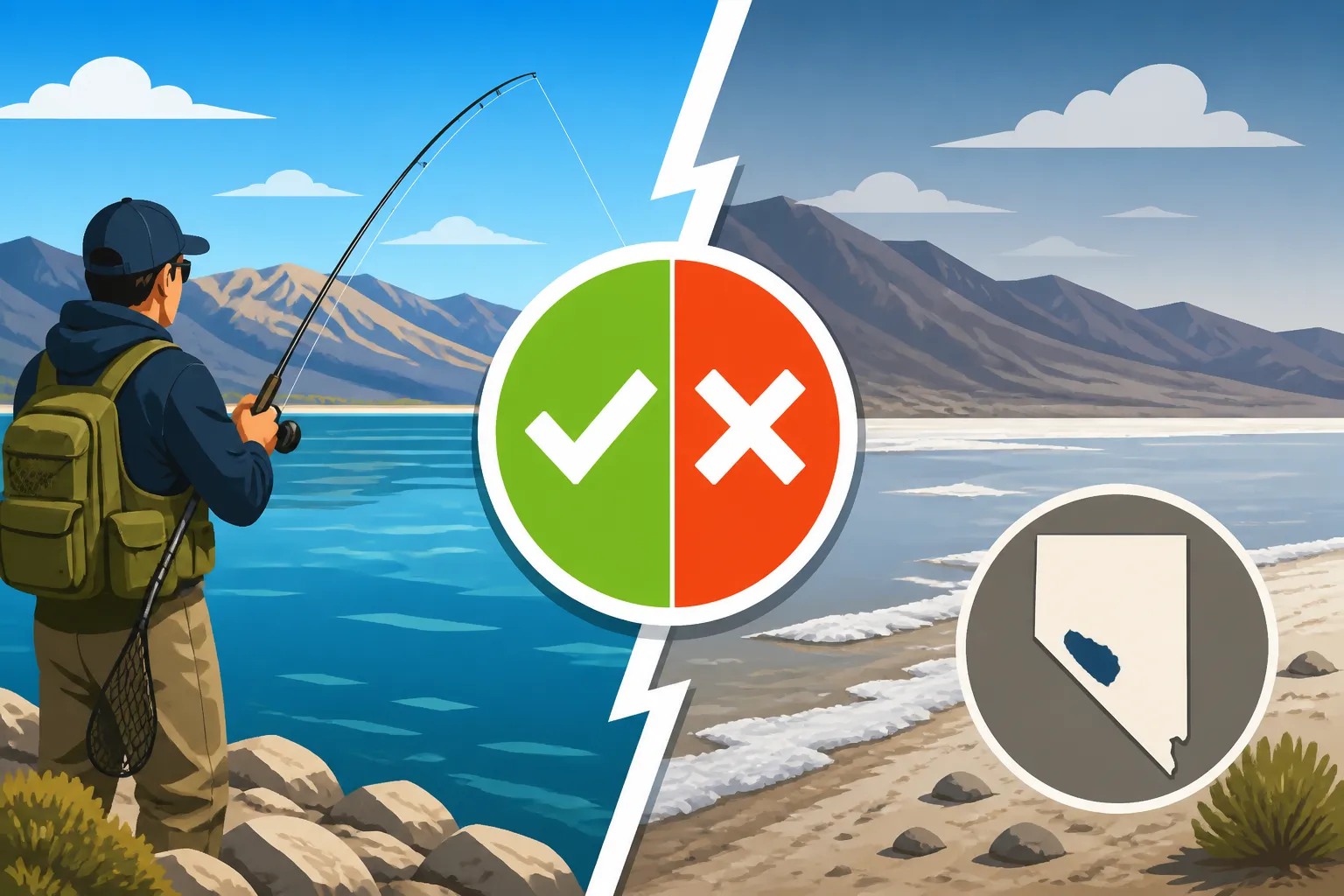
It's tough to deliver news like this, especially when you remember the stories and the sheer excitement that Walker Lake once brought to the angling community. For a long time, Walker Lake was a premier destination, a truly special place where anglers could chase impressive Lahontan cutthroat trout. But the hard truth is that fishing at Walker Lake has been closed indefinitely due to critical environmental conditions, primarily an extreme and prolonged drop in water levels, leading to devastatingly high salinity.
This isn't a temporary closure or a seasonal change; it's a profound ecological crisis that has pushed the lake's ecosystem to its brink. The once-abundant fish populations, including the resilient Lahontan cutthroat, simply couldn't survive the increasing salt content and dwindling habitat. For those of us who have followed the lake's plight, it's been a slow, agonizing decline, watching a vibrant fishery fade away. The closure reflects the grim reality that the lake can no longer support game fish populations, and any attempts at fishing would be futile and potentially harmful to what little aquatic life remains. This decision, while painful, is a necessary conservation measure to protect the remaining fragile ecosystem and any potential future recovery.
The Lasting Impact on the Lahontan Cutthroat Trout
The Lahontan cutthroat trout, a native species to the Great Basin, has a particularly tragic connection to Walker Lake. These magnificent fish once thrived here, growing to impressive sizes and drawing anglers from all over the world. They are known for their distinctive red slashes under their jaws, and they represent a true piece of Nevada's natural heritage. Unfortunately, the environmental changes at Walker Lake have been catastrophic for this specific population.
While other populations of Lahontan cutthroat trout exist in other parts of Nevada, such as the famous Pyramid Lake, the unique genetic strain and the historic fishery at Walker Lake are essentially gone. The rising salinity acted as a slow poison, making the water uninhabitable for the fish and the smaller organisms they relied on for food. Efforts were made over the years to adapt fish or introduce more resilient strains, but the sheer scale of the environmental degradation proved too much. It’s a sobering reminder of how interconnected our water systems are and how fragile even the most robust ecosystems can be in the face of prolonged drought and water diversion. Learning about the specific challenges facing these fish can be found in a detailed guide on Lahontan Cutthroat Trout in Nevada.
Why the Fishing Closure is Indefinite
The "indefinite" nature of the closure is perhaps the most disheartening aspect for many. It signals that there's no clear path or timeline for recovery in the immediate future. The Nevada Department of Wildlife (NDOW) and other conservation groups monitor the lake regularly, but the conditions are so severe that a swift rebound is highly improbable.
For fishing to resume, several things would need to happen: significant, sustained periods of increased water inflow from the Walker River, a dramatic reduction in salinity levels, and successful reintroduction or natural repopulation of fish species. These are monumental challenges that require long-term environmental recovery, climate cooperation, and complex water management solutions. It's not just about adding water back; it's about reversing decades of environmental strain. Until these fundamental conditions are met, the lake will remain closed to angling, a stark monument to what once was.
The Environmental Tragedy: Why Walker Lake Declined
Understanding the "why" behind Walker Lake's closure is crucial, though it doesn't make the reality any less painful. The lake's decline is a complex environmental tragedy, primarily driven by a combination of natural arid conditions, long-term drought, and, critically, extensive upstream water diversions from its sole natural inflow, the Walker River. This isn't just a recent phenomenon; the lake has been shrinking and growing saltier for well over a century.
Walker Lake is a terminal lake, meaning it has no outflow. Water enters from the Walker River, and the only way it leaves is through evaporation. In an arid environment like Nevada, evaporation rates are naturally high. Historically, the river supplied enough water to maintain a healthy balance. However, as agriculture developed upstream in both Nevada and California, vast amounts of water were diverted for irrigation. Less and less water reached the lake, causing its volume to steadily decrease, and the concentration of dissolved minerals – especially salt – to skyrocket. This constant human impact, exacerbated by periods of severe drought, created a perfect storm for ecological collapse.
The Impact of Water Diversion and Drought
The primary culprit in Walker Lake's demise is the continuous and substantial diversion of water from the Walker River. For over a hundred years, agricultural operations in the Walker River Basin have siphoned off a significant portion of the river's flow before it ever reaches the lake. Imagine a bathtub with the faucet barely dripping and the drain wide open – that's essentially what happened to Walker Lake. The natural inflow couldn't keep pace with the high evaporation rates of the desert.
Compounding this issue are the relentless drought cycles that have gripped the Western United States. While droughts are a natural part of the region's climate, their increasing frequency and intensity, likely influenced by climate change, have pushed the lake past a tipping point. During periods of low precipitation, the already diminished flow of the Walker River becomes even more meager, further stressing the lake. This combination of human-induced water scarcity and natural drought has created an unsustainable scenario for any freshwater aquatic life, leading to the devastating salinity levels that ultimately doomed the fishery.
Rising Salinity and the Death of a Fishery
As the lake's volume decreased, the dissolved salts naturally present in the water became more concentrated. This process is similar to boiling down a pot of salty water on the stove – the water evaporates, but the salt remains, making the remaining liquid progressively saltier. For fish like the Lahontan cutthroat trout, there's a delicate balance of salinity they can tolerate. Once the salt content exceeds a certain threshold, their bodies simply can't osmoregulate effectively; they can't process the salt, and it becomes toxic.
By the early 2010s, the salinity in Walker Lake reached critical levels, making it nearly impossible for most fish species, particularly the highly sensitive Lahontan cutthroat, to survive. Any remaining fish were severely stressed, often stunted, and unable to reproduce successfully. This wasn't a sudden event but a gradual, relentless progression that slowly choked the life out of the lake's ecosystem. The closure of fishing was not just about protecting remaining fish, but acknowledging that the fishery, as it once was, no longer existed. This environmental catastrophe underscores the delicate balance of desert ecosystems and the profound impact human activity can have on them.
Navigating the Regulations: Understanding the Fishing Closure
When a lake like Walker Lake faces such severe ecological challenges, the Nevada Department of Wildlife (NDOW) steps in with strict regulations to protect what little remains and to acknowledge the current reality. It's crucial for every angler to respect and understand these rules, not only for legal compliance but also for ethical environmental stewardship. The message is clear: fishing at Walker Lake is currently prohibited.
The reason behind this prohibition is simple: there are virtually no game fish left to catch, and any disturbance could harm the few resilient organisms that are trying to cling to life in the increasingly saline waters. NDOW's regulations are designed to reflect the health of the state's fisheries, and in Walker Lake's case, that health is critically compromised. While other lakes might have seasonal closures or specific bag limits, the indefinite closure at Walker Lake stands as a testament to its dire condition. You can find comprehensive details about other fishing rules in the state by consulting the general Nevada Fishing Regulations Explained.
Official Statements and Enforcement
The Nevada Department of Wildlife has been transparent about the status of Walker Lake, issuing official statements and updates over the years as the situation deteriorated. Their primary goal is conservation, and they regularly publish their findings and decisions. These communications clearly outline that the lake is closed to all fishing activities. Game wardens regularly patrol the area, and anyone found fishing would be subject to penalties, including fines and potentially the loss of their fishing license. It's not a risk worth taking, especially given the lack of fish.
Anglers are always encouraged to check the latest NDOW fishing proclamations before heading out to any body of water, as conditions and regulations can change. While many hopeful individuals visit the lake, often out of nostalgia or curiosity, it's vital to respect the closure. This isn't just about avoiding a ticket; it's about showing respect for a lost fishery and hoping for its eventual, albeit distant, recovery.
What the Closure Means for Visitors
For visitors, the closure means that Walker Lake is primarily a place for reflection rather than recreation. While you can still visit the lake's shores, enjoy the scenic views, and appreciate its unique beauty, you cannot launch a boat for fishing purposes or cast a line from the bank. It's a place to observe nature, albeit a nature that is struggling.
The area around Walker Lake, including the small town of Hawthorne, relies on tourism. While fishing tourists may be disappointed, there are still opportunities for photography, bird watching (though bird populations have also been affected), and exploring the broader region's history. It's a somber experience for many, recognizing the profound environmental change that has taken place. For those looking for active water sports or fishing, other Nevada lakes offer vibrant alternatives.
| Characteristic | Before Decline (Mid-20th Century) | Current Status (Since ~2010s) |
|---|---|---|
| Lake Level | Stable, robust volume | Critically low, rapidly shrinking |
| Salinity | Moderate, freshwater ecosystem | Extremely high, hypersaline |
| Primary Fish | Lahontan Cutthroat Trout (native) | Very few, mostly non-game fish |
| Fishing | World-class fishery, open | Closed indefinitely |
| Ecosystem Health | Thriving, balanced | Severely degraded, fragile |
| Water Inflow | Consistent from Walker River | Severely reduced due to diversions and drought |
Finding Hope: Alternative Fishing Spots Nearby
While the news about Walker Lake is undeniably grim, the good news for anglers is that Nevada still boasts an incredible array of diverse and thriving fishing opportunities. The Silver State is home to some truly spectacular lakes and rivers, offering everything from trophy trout to hard-fighting bass and massive striped bass. Don't let the closure of Walker Lake dampen your fishing spirits; there are plenty of places to cast a line and create new memories. For a comprehensive overview of where else to go, check out our guide on the Best Places to Fish in Nevada.
If you were drawn to Walker Lake for its unique Lahontan cutthroat trout, your best bet is undoubtedly Pyramid Lake. Not too far from Reno, this ancient, sprawling lake is famous for producing some of the largest Lahontan cutthroat trout in the world. It’s a completely different experience than Walker Lake ever was, with its own specific permits and regulations, but it offers a genuine chance at a trophy cutthroat. Many anglers even book guided trips through services like FishingBooker to ensure they have the best chance at success on this challenging, yet rewarding, lake.
Northern Nevada's Premier Fishing Destinations
Northern Nevada, particularly the areas surrounding Reno and Carson City, offers fantastic fishing beyond Pyramid Lake.
- Lake Tahoe: This iconic alpine lake, straddling the California-Nevada border, is a stunning destination. While it's primarily known for its deep-water Mackinaw (Lake Trout), you can also find rainbow trout and kokanee salmon. Trolling is a popular method here, and the scenery alone makes a trip worthwhile. The rules for fishing Lake Tahoe can be specific, so be sure to check them out.
- Topaz Lake: Located south of Carson City on the Nevada-California border, Topaz Lake is a popular spot for rainbow trout and occasionally supports other species like bass. It’s regularly stocked by both states and provides consistent action, especially during the cooler months. Learn more about fishing at Topaz Lake for planning your trip.
- Wildhorse Reservoir: In northeastern Nevada, near Elko, Wildhorse Reservoir is a gem for trout and yellow perch. It’s a bit of a drive, but anglers are often rewarded with good numbers of rainbow and brown trout, and even some tiger trout. Ice fishing here can be fantastic in the winter. A detailed resource is available in our Wildhorse Reservoir Nevada Fishing Guide.
- Rye Patch Reservoir: Located near Lovelock, Rye Patch Reservoir offers diverse fishing for wipers (a striped bass hybrid), walleye, channel catfish, and smallmouth bass. It’s a large, expansive reservoir that provides ample room for both boat and shore anglers. You can discover more about fishing at Rye Patch Reservoir.
These lakes offer a variety of species and experiences, ensuring that Northern Nevada remains a prime destination for anglers. Many local guides also operate on these waters; you can often find reputable charters listed on platforms like FishingBooker to maximize your chances of a great day on the water.
Southern Nevada's Lake Mead and Lake Mohave
For those closer to the bustling lights of Las Vegas, the vast waters of Lake Mead and Lake Mohave offer world-class fishing that stands in stark contrast to Walker Lake's plight. These massive reservoirs on the Colorado River are iconic for their striped bass populations, but also hold excellent opportunities for largemouth bass, smallmouth bass, channel catfish, and even rainbow trout in certain areas.
- Lake Mead: A truly enormous body of water, Lake Mead is famous for its hard-fighting striped bass, which can be caught using various methods, including jigging, trolling, and bait fishing with anchovies. It’s also a fantastic lake for both largemouth and smallmouth bass. The sheer size of Lake Mead means there are countless coves, points, and structures to explore. Remember to brush up on the Nevada statewide bag limits explained for your target species.
- Lake Mohave: Just downstream from Lake Mead, Lake Mohave offers similar species, but with a different character. It's narrower and deeper in sections, known for its clear water and excellent smallmouth bass fishing, as well as plenty of striped bass. The Willow Beach section, specifically, is a hotspot for large rainbow trout that are regularly stocked.
Both Lake Mead and Lake Mohave require careful navigation due to their size and potential for high winds, but the fishing rewards are substantial. If you're looking for an unforgettable guided trip for stripers or bass, searching for experienced captains on platforms like FishingBooker can set you up for success. Remember, a valid Nevada fishing license guide is always essential, and understanding the Nevada fishing license validity period is key to avoiding issues.
Other Local Ponds and Rivers
Don't overlook the smaller, often overlooked fishing opportunities. Nevada has several urban ponds that are regularly stocked by NDOW, providing easy access, especially for families and beginners. Ponds in Las Vegas, Reno, and other towns often receive rainbow trout, catfish, and sometimes bass. For river anglers, the Truckee River (flowing from Lake Tahoe through Reno) offers fantastic trout fishing, particularly for brown and rainbow trout, with dedicated fly-fishing sections. These smaller waters can provide excellent local fishing adventures, sometimes even on a short weekend trip.
It's important to remember that every body of water has its own regulations, seasons, and fish populations. Always check the most current information from NDOW before you go. While Walker Lake's story is a sad chapter in Nevada's fishing history, the resilience of other fisheries and the dedication of anglers and conservationists ensure that fishing in the Silver State remains a vibrant and rewarding pastime.
Disclaimer
The information provided in this guide is for general informational purposes only and is subject to change. Always consult the latest regulations and advisories from the Nevada Department of Wildlife (NDOW) before planning any fishing trip. Fishing conditions and access may vary.