Northern Nevada Mountain Lake Fishing
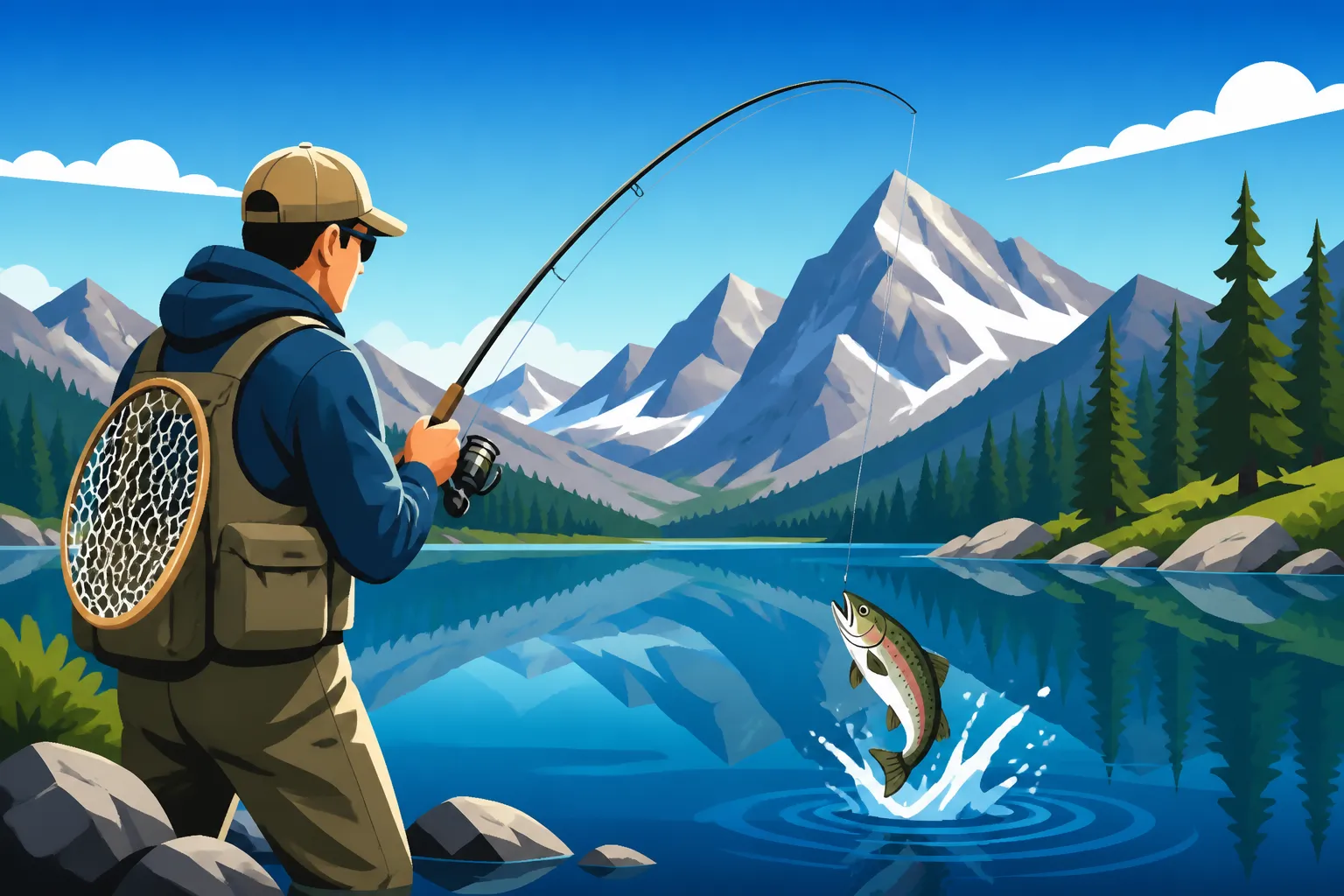
There’s something undeniably captivating about the thought of casting a line into a crystal-clear mountain lake, surrounded by towering pines and granite peaks, far from the hustle and bustle. But if you’ve ever tried to plan such a trip in Northern Nevada, you know the dream can quickly turn into a logistical headache. From navigating challenging terrain to figuring out what fish lurk in those chilly depths, it can feel overwhelming. This guide is here to untangle those complexities, offering practical, real-world advice to help you experience the serene and rewarding world of fishing in Northern Nevada's stunning high-country lakes.
Venturing into the High Country: Access and Challenges
Fishing these pristine mountain lakes isn't like pulling up to your local urban pond. The very elements that make them so beautiful—their remoteness and elevation—are also what make them challenging to reach. But don't let that deter you; with the right preparation, the journey can be as rewarding as the fishing itself.
Navigating Forest Roads and Demanding Trailheads
Many of Northern Nevada's mountain lakes require some serious effort to access. You might find yourself on unpaved forest service roads that can be rough, rocky, and sometimes impassable without a high-clearance 4×4 vehicle, especially early in the season after snowmelt or after heavy rains. It's not uncommon to encounter washouts, deep ruts, or fallen trees. Always check road conditions with the Humboldt-Toiyabe National Forest or Nevada Department of Wildlife (NDOW) before heading out. Some of these roads might only take you within a few miles of your destination, leaving you with a significant hike.
Trailheads, too, can be deceptive. What looks like a short, easy path on a map might be a steep, rocky climb with considerable elevation gain. Trails leading to popular spots like Marlette Lake or those in the Lamoille Canyon area, while well-maintained, still require a good level of physical fitness, especially when carrying fishing gear, water, and emergency supplies. Be prepared for varying terrain, from loose gravel to muddy sections, and always wear sturdy hiking boots. Remember that weather in the mountains can change on a dime, so even if it's sunny at the trailhead, be ready for colder temperatures, wind, or even a sudden thunderstorm at higher elevations.
Exploring Remote Backcountry Lakes
For those truly seeking solitude and a wilder fishing experience, Northern Nevada offers a multitude of remote backcountry lakes, often nameless or marked only on detailed topographical maps. These are typically accessed via multi-day backpacking trips, far off any established roads or even well-trodden trails. Think of the hidden gems tucked away in the Ruby Mountains, the East Humboldt Range, or the Jarbidge Wilderness. The rewards here are often spectacular: untouched waters, breathtaking scenery, and fish that rarely see a hook.
However, the challenges are equally significant. Navigation skills are paramount, as trails might be faint or nonexistent. You'll need to be self-sufficient, carrying all your food, water purification, shelter, and safety gear. Bear canisters are often required in designated wilderness areas to protect food from wildlife. Before embarking on such an adventure, thoroughly research the area, understand the local wildlife (bears, mountain lions), and inform someone of your itinerary. These trips require not just fishing expertise but solid backcountry survival skills. For those who aren't quite ready to tackle a multi-day trek alone, consider looking into a guided trip with a local outfitter, or even hiring a guide through platforms like FishingBooker for an initial experience. This can be a fantastic way to learn the ropes and discover hidden spots safely.
Remarkable Fish Species You'll Encounter Up High
The fish you'll find in Northern Nevada's mountain lakes are as resilient and beautiful as the landscape they inhabit. These waters are often cold, clear, and oxygen-rich, providing ideal conditions for various trout species.
The Illustrious Lahontan Cutthroat Trout
The Lahontan Cutthroat Trout in Nevada is a truly special fish, a native species that has adapted to the high-desert environment. While Pyramid Lake is famous for its trophy-sized Lahontan Cutthroat, many smaller, high-elevation lakes and streams within their historic range still hold populations, often smaller in stature but just as feisty. These fish are characterized by their distinctive red or orange "cutthroat" markings under their jaw, along with black spots concentrated towards the tail. They are predators, often feeding on insects, smaller fish, and even small rodents if they fall into the water.
Fishing for Lahontan Cutthroat in these mountain settings often requires a stealthy approach. They can be wary due to the clear water and lack of cover. Fly fishing with local insect imitations, small spinners, or spoons can be very effective. Remember, many of these populations are either native or managed for conservation, so understanding catch and release practices is vital. Always check the specific regulations for each lake, as some may have special limits or require barbless hooks to protect these iconic fish.
Plentiful Stocked Rainbows and Brooks
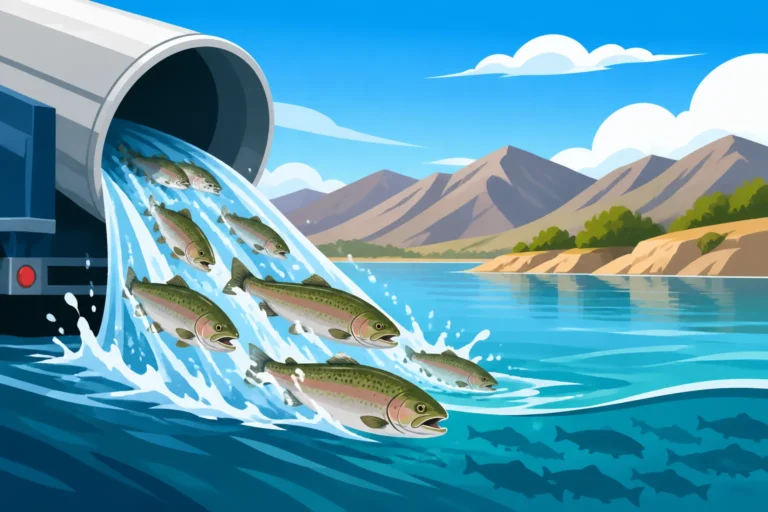
While native cutthroat are a draw, many of Northern Nevada's accessible mountain lakes are regularly stocked by the NDOW with Rainbow Trout, and sometimes Brown Trout and Brook Trout. These stocked fish provide excellent angling opportunities, especially for families and those seeking a more consistent bite. Rainbow trout are known for their vibrant iridescent colors and acrobatic fights, making them a favorite among anglers. Brook trout, with their distinctive worm-like markings and bright red fins, are another beautiful addition, though they generally run smaller in size.
These stocked trout tend to be less selective than their wild counterparts and can be caught using a variety of methods. PowerBait, worms, corn, or small marshmallows fished off the bottom with a simple slip-sinker rig are often very effective. For lure anglers, small spinners (like Mepps, Rooster Tails, or Panther Martins) or spoons (such as Kastmasters or Daredevils) retrieved steadily can elicit strikes. Fly anglers will find success with nymph patterns, small streamers, or dry flies during insect hatches. The Nevada Trout Stocking Schedule is a valuable resource for knowing which lakes have recently received a fresh batch of fish, often leading to excellent fishing right after the plants.
Essential Gear for High Mountain Anglers
When you're miles from the nearest road, what you bring—or don't bring—can make all the difference. Mountain lake fishing demands a balance of lightweight practicality and robust reliability.
Specialized Lightweight Tackle
Forget your heavy offshore rods; mountain lake fishing calls for lighter, more sensitive gear. A 5-7 foot ultra-light to light action spinning rod paired with a small spinning reel (size 1000-2500) spooled with 4-8 pound monofilament or fluorocarbon line is ideal. This setup allows for accurate casting of small lures and baits, provides excellent feel for subtle bites, and makes fighting smaller trout a thrilling experience. For fly anglers, a 3-5 weight fly rod is perfect for casting small dry flies, nymphs, and streamers on these waters. A weight-forward floating line is versatile for most situations.
When it comes to lures and flies, pack a varied but compact selection. For spin fishing, small inline spinners in silver, gold, or black, spoons that imitate baitfish, and a few small jerkbaits will cover most situations. Don't forget a selection of hooks (sizes 8-12), split shots, and small bobbers if you plan to use bait. For fly fishing, a fly box stocked with common insect patterns like Elk Hair Caddis, Adams, Prince Nymphs, Hare's Ear Nymphs, and a few small leech or sculpin patterns will serve you well. A small pair of pliers or forceps for hook removal and a net with a rubberized mesh (kinder to fish for catch and release) are also critical. Learn more about Best Fishing Rods for Nevada Lakes to ensure you have the right tools for the job.
Survival and Safety Essentials
Beyond fishing gear, your backpack needs to contain essentials that could literally save your life in the remote high country. Weather can change quickly, injuries can happen, and getting lost is a real possibility. Always pack extra layers of clothing, including rain gear, even on a sunny forecast. A first-aid kit, whistle, headlamp (with extra batteries), and a multi-tool are non-negotiable. Navigation tools like a map and compass (and knowing how to use them) or a reliable GPS device with downloaded offline maps are crucial, especially if you venture off established trails.
Hydration is also key. Carry plenty of water, but also bring a water filter or purification tablets for refilling from streams or lakes. Food, fire-starting supplies, and emergency shelter (even a small tarp or space blanket) should always be in your pack. In areas with bear activity, a bear spray is a smart addition, and understanding how to use it safely is paramount. Finally, let someone know your exact itinerary and expected return time. Safety in the backcountry is about preparation, not just luck. Consider also packing items like a portable power bank for your phone, as reception can be spotty but crucial in an emergency.
Maximizing Your Success: Best Times and Techniques
Knowing when and how to fish can dramatically increase your chances of a successful and enjoyable trip to these mountain gems.
Understanding Seasonality and Ice-Out
The fishing season for Northern Nevada's mountain lakes is heavily dictated by snowmelt and ice-out. Typically, these lakes are inaccessible from late fall through late spring due to heavy snowpack. The best time to fish usually begins in late May or early June, right after the ice melts, and continues through September or early October, before the first significant snows arrive.
During ice-out, fishing can be phenomenal. The fish, having been under ice all winter, are often hungry and aggressive. They will cruise the shallower waters where insect activity first begins and water temperatures are slightly warmer. This is a prime time for fly fishing with nymphs or small streamers, or spin fishing with bright, active lures. As summer progresses, the fish might move to deeper, cooler waters during the heat of the day, becoming more active during early mornings and late evenings. Checking Nevada Fishing Season Dates and Limits can help you plan your trip within legal windows.
Diverse Methods: Fly Fishing versus Spin Fishing
Both fly fishing and spin fishing have their merits in the mountain lakes, and often, the best approach depends on the conditions and your personal preference.
Fly Fishing: This method is arguably the most traditional and often most rewarding for mountain trout. The natural presentation of a fly mimicking local insects (either on the surface with dry flies or subsurface with nymphs and streamers) can be incredibly effective, especially for wild or wary trout. Focus on areas where insects are hatching, along weed lines, or near rocky drop-offs. Pay attention to what the fish are feeding on, known as "matching the hatch," to select the most effective fly pattern. Small stream fishing techniques can often be applied to small inlets and outlets of these lakes. For a deeper dive, check out our guide on Fly Fishing in Nevada.
Spin Fishing: For many, spin fishing offers a simpler, yet highly effective way to catch mountain trout. The ease of casting and the versatility of lures make it a great option. As mentioned before, small inline spinners and spoons are consistent producers. Vary your retrieve speed and depth until you find what the fish are responding to. When fishing with bait (PowerBait, worms), a slip-sinker rig allows the fish to take the bait without feeling immediate resistance, often resulting in more solid hooksets. Experiment with different colors and scents to see what works best on a given day. These tactics are also covered in our comprehensive guide on How to Fish for Trout in Nevada.
Top Northern Nevada Mountain Lake Destinations
Northern Nevada boasts a variety of stunning mountain lakes, each offering its own unique fishing experience. Here are a few notable examples.
Marlette Lake and Spooner Lake in the Carson Range
Nestled high in the Carson Range between Lake Tahoe and Carson City, Marlette Lake is a true gem. Accessible via a several-mile hike or mountain bike ride (check regulations for bike access days), this serene lake is a haven for Lahontan Cutthroat Trout and some rainbow trout. The fishing here is often challenging but incredibly rewarding, with fish known for their strong fights. The lake is managed to maintain its wild character, offering a truly remote feel despite its proximity to population centers. Barbless hooks are often encouraged or required.
Just below Marlette, and much easier to access, is Spooner Lake, part of the Lake Tahoe Nevada State Park. Spooner Lake is a popular spot for families and beginners due to its easy access and regular stocking of rainbow and brown trout. It's a fantastic place to introduce kids to fishing. While not as "wild" as Marlette, its picturesque setting and reliable action make it a perennial favorite. For specific rules and fish species, you can also look up Lake Tahoe Nevada Fishing License Rules, as these lakes fall within the broader Lake Tahoe management area.
The Scenic Ruby Mountains and Lamoille Canyon Lakes
The Ruby Mountains, often called "Nevada's Alps," offer some of the state's most spectacular high-elevation fishing. Lamoille Canyon, a glacially carved valley, provides access to a network of stunning alpine lakes. Specific examples include Lamoille Lake, Island Lake, and Dollar Lakes, all accessible via hiking trails from the end of the Lamoille Canyon Scenic Byway. These lakes are home to various trout species, including native Lahontan cutthroat, rainbow, brook, and sometimes even brown trout.
Fishing here is primarily a walk-in or pack-in experience, promising solitude and breathtaking views. Fly fishing with terrestrial patterns, nymphs, or small streamers is highly effective, as is spin fishing with small, brightly colored lures. The high elevation means the season is shorter, typically from late June to early October. Before heading out, always consult the Humboldt-Toiyabe National Forest for trail conditions and specific area regulations. This region is truly a highlight for anyone seeking the best of Best Places to Fish in Nevada in a mountain setting.
Wildhorse Reservoir and Nearby Northeastern Lakes
Moving further northeast, Wildhorse Reservoir is a larger, more accessible mountain lake (though still at a respectable elevation) that offers fantastic fishing for a variety of species. While not a true "high mountain lake" in the alpine sense, its elevation and surrounding landscape give it a distinct mountain feel. Wildhorse is renowned for its large Lahontan Cutthroat Trout, Rainbow Trout, Smallmouth Bass, and even some Tiger Trout. It's an excellent destination for both boat and shore anglers. The Wildhorse Reservoir Nevada Fishing Guide provides extensive details on this popular spot.
Beyond Wildhorse, the northeastern corner of Nevada holds other smaller mountain-fed reservoirs and lakes, such as South Fork State Recreation Area, Cave Lake State Park, and Eagle Valley Reservoir. These offer more accessible fishing with consistent stocking programs, making them great options for a day trip or a shorter camping and fishing excursion. They typically hold rainbow and brown trout, with some also featuring bass or crappie. Each of these lakes has its unique charm and angling opportunities, perfect for exploring if you're in the Elko area.
Table of Northern Nevada Mountain Lake Fishing Overview
To help you get a quick overview of some of these fantastic spots, here's a handy table:
| Lake Name | Primary Fish Species | Access Difficulty | Common Techniques | Special Notes |
|---|---|---|---|---|
| Marlette Lake | Lahontan Cutthroat, Rainbow | Moderate to Difficult (Hike/Bike) | Fly, Spin (small lures) | Pristine, high elevation, often barbless hooks required |
| Spooner Lake | Rainbow, Brown | Easy (Paved road) | Bait, Spin, Fly | Family-friendly, regularly stocked |
| Lamoille Lake | Rainbow, Brook, Lahontan Cutthroat | Difficult (Long hike) | Fly, Spin (small lures) | Scenic alpine lake, requires backpacking |
| Wildhorse Reservoir | Lahontan Cutthroat, Rainbow, Smallmouth, Tiger | Easy to Moderate (Paved/Gravel) | Boat, Shore, Fly, Spin, Bait | Larger reservoir, diverse fishing, amenities |
| South Fork Reservoir | Rainbow, Brown, Smallmouth, Catfish | Easy (Paved road) | Bait, Spin, Fly, Trolling | Popular, good for camping, boat ramps available |
Preserving the Pristine: Responsible Angling
The beauty of Northern Nevada's mountain lakes lies in their untouched nature. As anglers, we have a responsibility to keep them that way. Responsible angling practices ensure these environments remain healthy and provide excellent fishing for generations to come.
Mastering Catch and Release Techniques
Many mountain lakes, especially those with native or wild populations, thrive on strict catch and release practices. Even if keeping fish is allowed, consider practicing catch and release for a significant portion of your catch to sustain the populations. The key to successful release is minimizing stress and injury to the fish. Use barbless hooks or crimp down the barbs on your lures and flies—this makes removal much easier and less damaging.
Handle fish as little as possible. Wet your hands before touching a fish to protect its delicate slime coat, which acts as a barrier against disease. Avoid squeezing the fish, especially around its belly. Remove the hook quickly using forceps or pliers, and if the hook is deeply swallowed, cut the line rather than trying to dig it out. Support the fish gently in the water, allowing it to recover and swim away on its own power. Never throw a fish back into the water; always release it gently. These practices are crucial for the long-term health of our fisheries.
Adhering to Leave No Trace Principles
Leave No Trace isn't just a suggestion; it's a philosophy that is particularly important in fragile mountain ecosystems. Every piece of trash, every disturbance, can have a disproportionate impact. Pack out everything you pack in, including all fishing line, bait containers, and food wrappers. Even biodegradable items like orange peels or apple cores can take years to break down in cold mountain environments and can attract wildlife, leading to negative encounters.
Stay on designated trails to minimize erosion and avoid disturbing sensitive plant life. If you need to relieve yourself, bury human waste at least 6-8 inches deep and 200 feet from water sources, trails, and campsites. Avoid building fires unless absolutely necessary and permitted, as fire scars can last for decades. Respect wildlife by observing from a distance and never feeding animals. By following these principles, you contribute to the preservation of these incredible natural landscapes for everyone to enjoy.
Fishing in Northern Nevada's mountain lakes offers some of the most serene and rewarding experiences an angler can find. It's a chance to connect with nature, test your skills, and create lasting memories in truly spectacular settings. Just remember to come prepared, respect the environment, and enjoy the adventure!
Disclaimer
The information provided in this guide is for general informational purposes only and does not constitute legal advice. Fishing regulations in Nevada can change frequently. Always consult the official Nevada Department of Wildlife (NDOW) regulations handbook or website for the most current and specific rules, limits, and license requirements before planning your fishing trip. This guide assumes no liability for any actions taken based on its content.