Nevada Bass Season and Spawn Timing
One of the biggest head-scratchers for anglers in Nevada is figuring out if there's a specific "bass season" or how the spawn timing actually works. Many states have strict open and closed seasons, leading to a lot of confusion, but here in the Silver State, things are a little different for our beloved black bass. This guide will cut through the noise, clarify Nevada's bass regulations, and give you the inside scoop on predicting and fishing the crucial bass spawn.
Understanding Nevada's General Bass Fishing Regulations
When you hear "fishing season," your mind might immediately jump to a specific start and end date, much like hunting seasons or trout seasons in some areas. However, for most black bass species across Nevada's diverse waters, the concept of a strict "season" is often misunderstood. It's not about a specific calendar window opening and closing, but rather about adhering to statewide and regional daily limits and size restrictions that apply year-round. This continuous accessibility means you can pursue bass throughout the year, but understanding the nuances of these regulations is absolutely critical to stay on the right side of the law and protect our valuable fisheries.
Statewide Bass Regulations and Limits
The Nevada Department of Wildlife (NDOW) manages our fisheries, and for bass, their approach focuses primarily on bag and possession limits, along with minimum size requirements, rather than seasonal closures. For instance, the general statewide rule for black bass (which includes both largemouth and smallmouth bass) often allows a daily creel limit of X fish, with a minimum size of Y inches. These numbers can and do change, so it's paramount to check the current Nevada Statewide Bag Limits Explained before every outing. What you caught last year might not be legal this year, or what’s allowed at Lake Mead might differ slightly from a more remote reservoir.
It's also important to distinguish between daily limit and possession limit. Your daily limit is what you can catch and keep in a 24-hour period. Your possession limit, on the other hand, is the total number of fish you can have on your person, in your cooler, or at your campsite at any given time. Often, these limits are the same, but sometimes the possession limit can be double the daily limit. Always verify these details in the latest NDOW fishing guide, which you can usually pick up at a local tackle shop or find online. Understanding these fundamental rules is the first step in any successful and legal bass fishing adventure in Nevada.
Regional Differences for Bass Fishing
While there are general statewide guidelines, Nevada's vast and varied landscape means that regulations aren't always a one-size-fits-all situation. The state is divided into different regions – Western, Southern, and Eastern – and each can have specific rules that apply to certain waters or species. For instance, while Lake Mead and Lake Mohave in the Southern Region might share similar bass rules due to their connected nature, a remote reservoir in the Eastern Region could have entirely different catch limits or size restrictions designed to protect a localized fishery.
These regional differences are particularly common with species like smallmouth bass, which thrive in specific environments, or in waters where NDOW is actively trying to grow a bass population. Sometimes, a specific lake or reservoir might have a slot limit, meaning you can keep fish below a certain size and above another, but not within a "slot" in the middle. This management technique is designed to protect prime breeding-age fish. Always look up the specific body of water you plan to fish in the NDOW regulations booklet. Don't assume that the rules for Lake Mead Largemouth Bass Coves are the same as for, say, Lahontan Reservoir.
Why "Seasons" Aren't Always What You Think
For most black bass species in Nevada, there isn't a traditional "closed season" in the way many anglers might imagine for trout or certain game animals. You can typically fish for largemouth and smallmouth bass year-round. This continuous open status is a huge boon for bass anglers, allowing flexibility in planning trips. However, the lack of a closed season doesn't mean there aren't critical times of the year when special care and consideration are needed, especially during the spawning period.
While NDOW doesn't typically close bass fishing during the spawn, they rely on anglers to practice responsible fishing. During the spawn, bass are highly vulnerable as they guard their nests. Catching a bass off its nest, even if immediately released, can leave eggs vulnerable to predators, drastically impacting recruitment for future generations. So, while the "season" might technically be open, many ethical anglers choose to avoid directly targeting bedding bass or use techniques that minimize disturbance. This is why understanding Nevada Bass Daily Limit and Size Rules in conjunction with the spawn timing is so crucial – it’s about more than just what’s legal, it’s about sustainable angling.
Decoding the Bass Spawning Cycle in Nevada
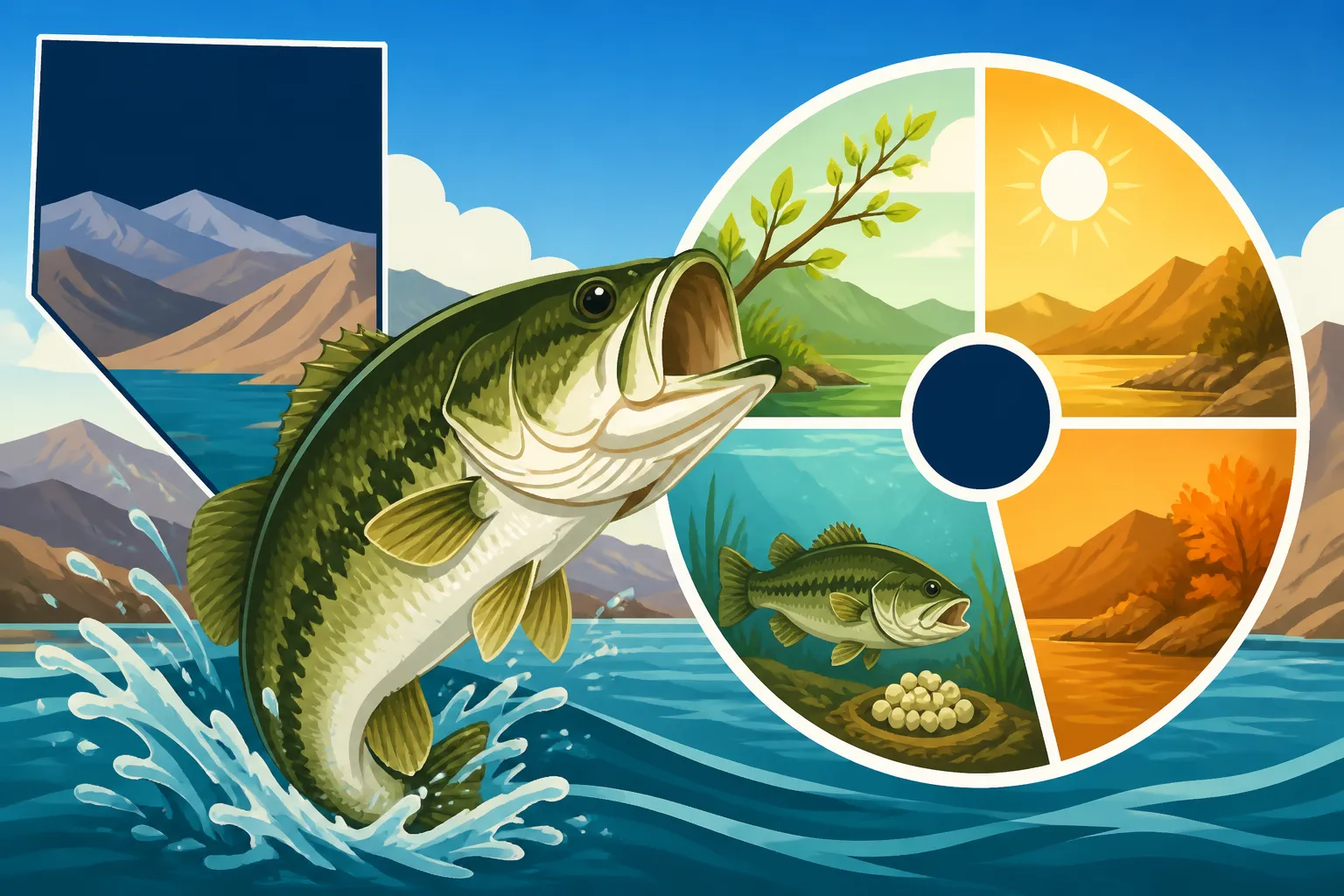
The bass spawn is perhaps the most fascinating and critical period in a bass's annual life cycle. It's when these incredible fish transition from aggressive feeders to dedicated parents, and understanding this cycle is key to both catching more fish and protecting the fishery. Far from a single event, the spawn is a progression, influenced heavily by environmental cues. Knowing the different phases – pre-spawn, spawn, and post-spawn – will not only make you a more effective angler but also a more responsible steward of Nevada's bass populations.
Pre-Spawn: The Feeding Frenzy
Before the actual spawning event, bass enter what's known as the "pre-spawn" phase, and for anglers, this is often considered one of the best times of the year to catch trophy-sized fish. As water temperatures begin to rise in late winter and early spring, male and female bass migrate from their deeper wintering grounds towards shallower areas where they intend to spawn. This migration isn't just a leisurely swim; it's a strategic move to find food and bulk up before the energy-intensive process of reproduction.
During this period, bass are incredibly aggressive feeders. They need to pack on calories to sustain themselves through the spawning period when their focus shifts entirely to nest building and protection. Look for them in transition areas – creek channels, points, humps, and secondary breaks leading into spawning coves. They'll be gorging on anything from shad and crawfish to smaller baitfish. This is a fantastic time for throwing larger crankbaits, spinnerbaits, and even swimbaits. The fish are often schooled up, making it possible to have multiple hook-ups in a short amount of time if you find the right spot. Many anglers find themselves ordering a variety of these larger baits from Amazon during this exciting time, prepping for the action.
The Spawn: Nesting and Reproduction
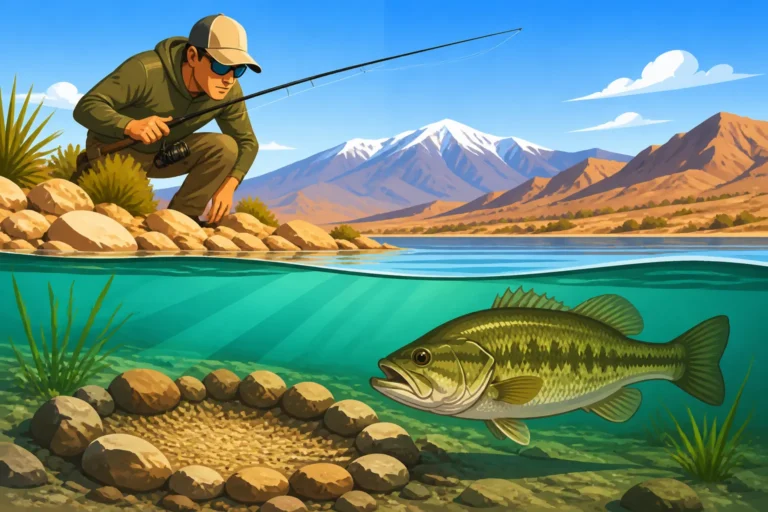
The true "spawn" begins when water temperatures reach a consistent range that triggers the bass to start building nests and lay eggs. In Nevada, this typically occurs when water temperatures are consistently between 60-70 degrees Fahrenheit, though it can vary by species and location. Male bass arrive first, fanning out circular depressions (nests) in gravel, sand, or hard-bottom areas, usually in shallow, protected coves or along gradual banks. These nests are typically visible as light-colored circles on the bottom.
Once a nest is prepared, the female bass moves in to deposit her eggs, which the male then fertilizes. She might lay eggs with multiple males across several nests. After egg deposition, the male bass takes over primary duties, diligently guarding the nest from predators like bluegill, carp, and even other bass. During this time, the male bass is incredibly territorial and will strike at anything perceived as a threat to his offspring, making them susceptible to being caught. While tempting, catching a bass off its nest, especially a male, can leave the eggs vulnerable. If you do accidentally hook a bedding bass, it's vital to release it quickly and gently right back to its nest to give the eggs a fighting chance.
Post-Spawn: Recovery and Summer Patterns
Once the spawning process is complete, bass enter the "post-spawn" phase. This period is often characterized by a bit of a lull in fishing action, especially for the larger females, as they recover from the strenuous act of laying eggs. Females are usually exhausted and will move to slightly deeper water or nearby cover to recuperate, often becoming less aggressive and harder to catch for a week or two. Males, on the other hand, continue to guard the fry for a short period after they hatch, but eventually, they too will disperse.
As the water continues to warm and the bass recover, they gradually transition back into their summer feeding patterns. They might initially stay close to the spawning areas, but then begin to move towards deeper structure, main lake points, submerged brush, or shady areas. They'll start feeding more aggressively again, though perhaps not with the same intensity as the pre-spawn frenzy. This is when understanding Best Lures for Nevada Bass for warmer water comes into play, as bass might prefer different presentations. Targeting them during post-spawn often involves finesse techniques, like drop shots or shaky heads, or slow-moving baits around cover. Knowing this pattern helps anglers adjust their strategies to continue finding success throughout the warmer months.
Key Factors Influencing Bass Spawn Timing
Predicting the exact moment the bass spawn will kick off in Nevada can feel like trying to guess the lottery numbers sometimes. It's not a fixed date on the calendar, but rather a dynamic event driven by several environmental cues. While anecdotal evidence and local knowledge are invaluable, understanding the primary factors that influence this crucial period will give you a significant advantage in timing your fishing trips for optimal success and responsible angling.
Water Temperature is King
Without a doubt, water temperature is the single most critical factor in initiating the bass spawn. Bass are cold-blooded creatures, and their biological processes, including reproduction, are directly tied to the temperature of their environment. In Nevada, the ideal water temperature range for largemouth bass to begin spawning typically falls between 60 and 70 degrees Fahrenheit, with smallmouth bass often preferring slightly cooler temperatures, sometimes starting in the mid-50s.
As winter loosens its grip and spring progresses, shallow water areas warm up much faster than deeper sections of a lake. This is why you'll often find bass moving into these shallower coves and protected flats. Anglers who consistently monitor water temperature, either with a boat's fish finder or a simple handheld thermometer, will have the best chance of pinpointing the start of the spawn. A rapid warming trend, especially after a period of stable weather, can really get things going. Conversely, a sudden cold snap can halt the spawn in its tracks, pushing fish back to deeper water until conditions stabilize. Understanding this thermal trigger is foundational to predicting the spawn.
Lake Elevation and Clarity
Beyond temperature, the specific characteristics of a lake, such as its elevation and water clarity, also play a significant role in when and how the bass spawn unfolds. Nevada is home to reservoirs that range from high-desert impoundments to urban ponds, and each has its unique environmental fingerprint. For example, higher elevation lakes, like those found in the Spring Mountains or northern parts of the state, will typically experience a later spawn than lower elevation desert lakes due to cooler average temperatures and a delayed spring thaw.
Water clarity is another crucial element. In clear water lakes, bass might spawn slightly deeper to avoid direct sunlight and increased predator pressure, or they might prefer areas with more submerged cover. NDOW often provides information on the general conditions of specific fisheries. Conversely, in stained or murky waters, bass might build their nests in shallower areas because the reduced light penetration makes them feel more secure. Heavy rainfall or snowmelt runoff can also temporarily impact clarity and push fish around. Keeping an eye on these factors, along with Reading Water Temperature for Trout Fishing (which applies to bass too), helps paint a complete picture of the spawning environment.
Geographical Location Within Nevada
Nevada is a big state, spanning a wide range of climates and elevations, and this geographical diversity directly impacts when the bass spawn occurs from north to south, and even east to west. You simply cannot expect the bass in the southern reaches of the state to spawn at the same time as those in the northern mountains. For example, bass in the warmer desert waters of the Southern Region, like Lake Mohave Willow Beach Fishing areas, will typically initiate their spawn much earlier in the spring, sometimes as early as late March or April, depending on the year.
As you move north into the Western and Eastern Regions, where winter holds on longer and spring temperatures arrive later, the bass spawn will naturally be delayed. Lakes near Reno or further east towards Elko might not see significant spawning activity until late April, May, or even early June in some colder years. This means if you miss the spawn in one part of the state, you might still catch the tail end of it by traveling to a different region. Local fishing reports and forums are invaluable resources for getting real-time updates on spawning activity in specific areas.
Best Times and Techniques for Catching Spawning Bass
Fishing during the bass spawn requires a nuanced approach. It’s not just about what lure to throw, but when and how to present it, and perhaps most importantly, where to cast your line. Understanding the different phases of the spawn allows you to tailor your techniques for maximum effectiveness while upholding ethical angling practices. It’s a time when bass behavior is predictable, but also when they are most vulnerable, making responsible fishing all the more critical.
Targeting Pre-Spawn Bass
The pre-spawn phase is arguably the most exciting time for many bass anglers, as fish are often at their heaviest and most aggressive. As bass move from deeper wintering holes into shallower staging areas, they are focused almost entirely on feeding. This is when they are actively seeking out high-calorie meals to fuel the upcoming spawn. You'll want to target transition zones – points, humps, ledges, and creek channels that lead directly into shallow spawning flats.
Techniques that mimic large baitfish or crawfish are highly effective. Crankbaits, especially those with a wide wobble, lipless crankbaits, and spinnerbaits, are excellent choices for covering water and triggering reaction strikes. Jigs and creature baits slowly dragged along the bottom can also be deadly, imitating crawfish that bass are often keying in on. Consider using heavier lines, especially if fishing around submerged brush or rock piles, as these fish hit hard! For those looking to stock up, Amazon offers a vast selection of these power fishing baits to ensure you're ready for the pre-spawn bite. Don't be afraid to experiment with retrieve speeds and depths until you find what the fish are responding to.
Fishing During the Actual Spawn Ethical Considerations
Fishing during the actual spawn, when bass are on their nests, is a contentious topic among anglers. While generally legal in Nevada, many choose to avoid directly targeting bedding bass due to ethical concerns. When a bass is caught off its nest, it leaves the eggs vulnerable to predators, which can decimate an entire spawn. If you do find yourself fishing in an area where bass are actively spawning, consider modifying your approach.
If you observe bass on nests, the most responsible practice is often to move on and target pre-spawn or post-spawn fish that are not actively breeding. However, if you choose to fish near bedding bass, prioritize quick, gentle catch and release. Use lures that allow for quick hook sets and easy removal, such as soft plastics rigged weedless. Avoid fighting the fish to exhaustion, and release it immediately back to its nest so it can resume guarding. Minimizing disturbance is key. Remember, preserving the future of the fishery is paramount, and being mindful of the spawn timing allows us to do just that, following good Catch and Release Techniques for Trout principles, adapted for bass.
Post-Spawn Strategies for Success
After the rigors of spawning, bass often enter a "funk," especially the larger females, as they recover their energy. This can make them a bit more challenging to catch, but certainly not impossible. Post-spawn bass will often move to nearby cover, whether it’s deeper weed lines, submerged brush, or shady areas under docks. Their feeding might be less aggressive, requiring more finesse-oriented tactics.
Finesse techniques like drop-shotting, shaky head jigs, weightless Senkos, or small swimbaits can be incredibly effective during this period. These baits offer a more subtle presentation that can entice a lethargic bass. Focus on areas adjacent to spawning flats but with access to deeper water or overhead cover. Early mornings and late evenings are often the most productive times, as bass might be more willing to move and feed under lower light conditions. As the summer progresses and bass fully recover, they'll transition to more typical warm-water patterns, often holding on main lake points, ledges, and deep-water structure, so continually adapting your approach is essential.
Specific Nevada Lakes and Their Bass Spawn Trends
Nevada's diverse aquatic environments mean that bass spawn timing isn't uniform across the state. What holds true for the massive desert reservoirs in the south will be quite different from the high-desert impoundments further north. Understanding these localized trends is crucial for anglers planning a trip, helping them zero in on the best windows of opportunity for an exciting bass fishing experience. Let's break down some of Nevada's prime bass fisheries and their typical spawning characteristics.
Lake Mead's Bass Spawn Dynamics
Lake Mead, a colossal reservoir on the Colorado River, is arguably Nevada's most iconic bass fishery, holding both largemouth and smallmouth bass. Given its vast size and often warm, arid climate, the bass spawn at Lake Mead tends to be one of the earliest in the state. Typically, you can expect to see pre-spawn activity starting in late February or early March, with the full spawn kicking into gear by mid-March and extending through April, sometimes even into early May, depending on the year's specific weather patterns and water temperatures.
The spawn at Lake Mead is heavily influenced by the lake's fluctuating water levels and the availability of suitable shallow, protected coves. When water levels are stable or rising, bass have more access to shallow brush, submerged vegetation, and rocky shorelines, which provide excellent spawning habitat. Look for bass preparing nests in areas like Government Wash, Hemenway Harbor, and the vast network of coves throughout the Boulder Basin and Overton Arm. The largemouth tend to prefer areas with more cover, while smallmouth will often seek out rocky points and ledges. Knowing the specific conditions and patterns at Lake Mead Largemouth Bass Coves is key to success here.
Lake Mohave's Bass Fishing Calendar
Just downstream from Lake Mead, Lake Mohave offers another fantastic bass fishing experience, often with a slightly different flavor. While sharing the same river system, Lake Mohave's narrower, canyon-like structure and cooler inflow from the Hoover Dam can sometimes create slightly different spawning dynamics. Generally, the bass spawn at Lake Mohave also starts early, mirroring Lake Mead's timeline closely, with pre-spawn action beginning in late February to early March, and the main spawn running through March and April.
One notable difference at Lake Mohave is the strong presence of smallmouth bass, which often outnumber largemouth in many areas. Smallmouth tend to spawn a little earlier and in slightly cooler water than largemouth, favoring rocky banks, shelves, and points. The largemouth at Mohave will be found in coves with a bit more protected cover. Areas like Cottonwood Cove, Willow Beach, and the coves around Davis Dam are popular for bass. Similar to Mead, water clarity in Mohave can be very high, which means bass might spawn a bit deeper or be more wary. Always check local reports for the latest conditions, especially around Lake Mohave Willow Beach Fishing spots, as fishing during the spawn demands precision.
Northern Nevada Bass Fisheries Lahontan Reservoir, Rye Patch
Moving north, Nevada's bass fisheries present a later spawning schedule due to the cooler spring temperatures. Lahontan Reservoir and Rye Patch Reservoir are two prominent examples of northern Nevada lakes that offer great bass fishing, primarily for largemouth. At these reservoirs, the pre-spawn period usually begins in April, with the main spawning activity typically peaking in May and extending into early June. This later timing means anglers in the northern part of the state have a different window of opportunity compared to their southern counterparts.
At Lahontan, located east of Carson City, bass will often seek out protected coves with abundant tules or submerged brush, especially along the northern and eastern shores. Rye Patch Reservoir, further north near Lovelock, also offers good largemouth fishing, with bass spawning in similar shallow, protected areas, often near submerged timber or weed beds. Water levels can also play a significant role here; stable or rising water that floods new vegetation provides excellent cover and habitat. Anglers targeting these waters should focus on the transition areas in April and then the shallower, warmer coves in May. Information specific to Rye Patch Reservoir Fishing can further help narrow down tactics for this unique northern fishery.
Essential Gear and Ethical Practices for Bass Anglers
Embarking on a bass fishing adventure in Nevada, especially during the sensitive spawning period, requires more than just knowing where and when the fish are. It demands the right equipment to be effective and, equally important, a commitment to ethical practices that ensure the health and sustainability of our precious bass populations. Being prepared and principled allows for both successful outings and the long-term enjoyment of our natural resources.
Recommended Gear for Spawning Bass
Having the right gear makes all the difference when targeting bass, especially during the spawn. You'll want a versatile setup that can handle both aggressive pre-spawn strikes and more subtle post-spawn bites, while also being suited for the direct approach sometimes used for bedding fish.
- Rods and Reels: A medium-heavy to heavy action casting rod, around 7 feet long, paired with a reliable baitcasting reel, is a solid choice for throwing larger baits in the pre-spawn and for pulling fish out of cover. For finesse presentations often needed in post-spawn or for sight fishing, a medium-light to medium action spinning rod, 6'6" to 7' long, with a sensitive spinning reel, is ideal. Brands like Shimano, Daiwa, or even more budget-friendly options on Amazon can provide excellent performance.
- Line: For general bass fishing, a good quality fluorocarbon line (12-17 lb test) is excellent due to its low visibility and sensitivity. Braided line (30-50 lb test) is a strong choice for heavy cover, often with a fluorocarbon leader. For spinning setups and finesse, 8-10 lb fluorocarbon or monofilament works well. Understanding Best Line for Desert Reservoir Fishing is paramount as the clear waters often demand less visible line.
- Lures:
- Pre-Spawn: Crankbaits (diving and lipless), spinnerbaits, chatterbaits, and swimbaits are power-fishing staples.
- Spawn (ethical considerations): Soft plastic creature baits, lizards, or tubes rigged weedless are often used to provoke strikes from bedding bass, allowing for quick, clean hook sets and release.
- Post-Spawn: Stick worms (like Senkos), drop shot worms, shaky head jigs, and small swimbaits excel.
- Essentials: Don't forget a good pair of polarized sunglasses to spot fish and structure, a wide-brimmed hat, sun-protective clothing (critical in Nevada's desert sun), a pair of long-nose pliers for hook removal, and a net with a rubberized mesh to protect fish. A digital scale can also be handy for weighing your trophy catches. For a comprehensive list, check out Best Tackle for Nevada Bass Fishing.
Practicing Responsible Catch and Release
Catch and release is a cornerstone of ethical angling, particularly vital during the bass spawn. While Nevada typically allows year-round bass fishing, catching a bass off its nest can have serious implications for the survival of the eggs and fry. If you choose to fish in areas where bass are actively spawning, or if you accidentally hook a bedding fish, responsible catch and release practices are non-negotiable.
Here are key principles:
- Minimize Fight Time: Bring the fish in quickly to reduce stress.
- Handle Gently: Support the fish horizontally with both hands. Avoid squeezing the belly or jaw.
- Use Barbless Hooks: Consider pinching down barbs on your hooks to facilitate easier, less damaging removal.
- Quick Hook Removal: Use pliers or a de-hooking tool to remove hooks cleanly.
- Revive if Necessary: If the fish seems sluggish, hold it gently in the water, facing into the current, until it regains its strength and swims away on its own.
- Return to Nest: If it was a bedding bass, release it as close to its nest as possible so it can resume guarding.
By adhering to these practices, we contribute to healthy fish populations and ensure that future generations of anglers can enjoy Nevada's incredible bass fishing.
Understanding Bass Behavior During the Spawn
Understanding bass behavior during the various phases of the spawn is critical for both angling success and ethical considerations. During the pre-spawn, bass are aggressive and territorial, staging in predictable areas to feed. They’re often stacked up, making them a joy to target. As they transition into the actual spawn, their behavior shifts dramatically. Males become nest guardians, fiercely protecting their eggs and fry. They will strike at intruders not out of hunger, but out of a protective instinct. This makes them highly vulnerable to baits presented near their nests.
Females, after laying their eggs, often become lethargic and move to nearby deeper cover to recover. They're less likely to chase a fast-moving bait and require more subtle presentations. Knowing these behavioral patterns helps you decide not only what to throw but where and when to cast. For example, if you see multiple bass on nests in a shallow cove, you might opt to move to a deeper point where pre-spawn or post-spawn fish are actively feeding. Your goal should always be to maximize your enjoyment while minimizing stress on the fish during this crucial reproductive period.
| Spawn Phase | Typical Water Temperature | Bass Behavior | Recommended Techniques |
|---|---|---|---|
| Pre-Spawn | 50-60°F (10-15.5°C) | Aggressive feeding, staging, bulking up. | Crankbaits, spinnerbaits, jigs, swimbaits |
| Main Spawn | 60-70°F (15.5-21°C) | Nest building, egg laying, males guarding. | Soft plastics (ethical consideration: avoid direct targeting) |
| Post-Spawn | 68-75°F (20-24°C) | Females recovering, males guarding fry then dispersing. | Finesse baits (drop shot, shaky head, Senko) |
Disclaimer
The information provided in this guide is for general informational purposes only and is subject to change. Fishing regulations, including daily limits, size restrictions, and specific area rules, are dynamic and can be updated by the Nevada Department of Wildlife (NDOW) at any time. It is the angler's responsibility to consult the most current official Nevada Fishing Regulations prior to any fishing activity. Failure to comply with regulations can result in fines or penalties. Always practice safe and ethical angling.