Winter Fishing Techniques for Nevada Trout
The chilly winds and frosted landscapes of a Nevada winter can make even the most dedicated angler think twice about heading out. It's tough when the water is cold, the fish seem to have vanished, and your fingers are numb, making you wonder if any fish are even biting at all. But don't pack away your rods just yet! This comprehensive guide will walk you through the specialized techniques, essential gear, and prime locations to help you successfully target and catch trout in Nevada's beautiful, albeit frosty, winter months.
Understanding Nevada's Winter Fishing Landscape
Winter fishing in Nevada is a whole different ballgame compared to the warmer seasons. The changes in water temperature dramatically alter trout behavior, making understanding these shifts key to success.
Why Winter Fishing is Different
As the mercury drops, so does the water temperature in Nevada's lakes, reservoirs, and rivers. This isn't just a minor inconvenience for us anglers; it's a major factor influencing the fish. Trout, like most cold-blooded creatures, become less active as their environment cools. Their metabolism slows down significantly, meaning they don't need to feed as often or expend as much energy chasing prey. Instead of aggressively striking at anything that moves, they become lethargic and more selective.
You'll find that trout often congregate in deeper water where temperatures are more stable and slightly warmer than the surface. They seek out thermal refuges, which could be deep channels, submerged structures, or even spring-fed areas. This means your usual summer hotspots might be barren, and you'll need to adjust your approach to target these colder, deeper haunts. It’s a challenge, for sure, but the reward of landing a beautiful winter trout, often larger and healthier from storing up fat for the cold, is incredibly satisfying. Patience and a keen understanding of their winter habits become your best tools.
Prime Nevada Winter Trout Waters
Despite the cold, many of Nevada's waters offer fantastic winter trout fishing opportunities. It's not about if they're biting, but where and how. Some of the most reliable spots include large, deep reservoirs like Lake Tahoe and Wildhorse Reservoir, which maintain stable temperatures throughout the winter. These bodies of water are big enough that only the very surface might freeze, leaving plenty of open water for fishing. These locations often hold larger, wilder trout that are truly magnificent to catch.
Additionally, Nevada's urban ponds, particularly around the Las Vegas and Reno areas, are consistently stocked by the Nevada Department of Wildlife (NDOW) specifically for winter angling. Places like Floyd Lamb Park in Las Vegas or Sparks Marina near Reno are prime examples. These ponds offer easy access and a higher chance of success for those looking for a more casual outing or introducing kids to fishing. Rivers like the Truckee River can also be excellent, though you'll need to focus on slower, deeper pools where trout conserve energy against the current. Understanding the nuances of each type of water body, from high mountain lakes to urban ponds, is essential for a productive winter day. You can often find details on which waters are being stocked in the Nevada Trout Stocking Schedule or check for Nevada Fishing Season Dates and Limits.
Essential Gear and Preparation for Cold Weather
Winter fishing isn't just about what you throw in the water; it's crucially about how you prepare yourself to face the elements. Staying warm and safe is paramount.
Cold Weather Apparel and Safety
When you're out there battling the elements, comfort isn't a luxury, it's a necessity for enjoying your time and staying safe. Layering is your best friend. Start with a moisture-wicking base layer to draw sweat away from your skin, followed by an insulating middle layer like fleece or down to trap warmth. Your outer layer should be waterproof and windproof to protect against the biting Nevada winds and any unexpected precipitation. Don't forget your extremities! A warm hat that covers your ears is vital, as a significant amount of body heat is lost through your head. Insulated, waterproof gloves or mittens are also a must, perhaps with fingerless options for better dexterity when tying knots, which you can find a great selection of on Amazon.
Footwear is equally critical. Opt for insulated, waterproof boots that are rated for sub-zero temperatures. Traction is also important, especially if you're venturing near icy banks or if there’s a chance of snow. Beyond comfort, safety is non-negotiable. If you're considering ice fishing, never go alone and always check ice thickness meticulously. Carry ice picks, a rope, and a fully charged cell phone. Even near open water, always wear a personal flotation device (PFD), as the shock of falling into frigid water can be deadly. Proper preparation can truly make the difference between a memorable day on the water and a miserable, potentially dangerous, experience. For more on staying safe, check out our guide on Ice Fishing Safety on Nevada Reservoirs.
Rods, Reels, and Line for Winter Trout
Given that winter trout bites are often incredibly subtle, your gear needs to be dialed in for maximum sensitivity. A light to medium-light action spinning rod, typically 6 to 7 feet long, with a fast tip is ideal. This allows you to feel those faint taps that might otherwise go unnoticed. Pair this with a small, smooth spinning reel (size 1000-2500) that has a good drag system. A quality reel will perform better in the cold and offer precise control over light lines. Many anglers will find excellent value in rod and reel combos from brands like Ugly Stik or Penn, which are readily available and durable for cold conditions.
For line, lighter is usually better. 4-6 pound test fluorocarbon line is a top choice for winter trout. Fluorocarbon is nearly invisible underwater, which is a huge advantage when fish are wary. It also has less stretch than monofilament, increasing sensitivity. While braided line offers ultimate sensitivity, it can absorb water and freeze on your reel and guides in extreme cold, which is a frustrating problem nobody wants to deal with. If you do use braid, a long fluorocarbon leader (6-10 feet) is essential. The goal is to present your bait or lure as naturally as possible, and light, sensitive gear makes all the difference when fish are lethargic. You can explore more options in our article on Best Spinning Reels for Trout Fishing.
Tackle Box Essentials for Winter Trout
Your winter tackle box should look a little different from your summer setup. Think small, subtle, and scent-driven. When trout aren't actively chasing, they're relying more on their other senses.
Here’s a breakdown of must-haves:
- Hooks: Small, sharp hooks are crucial. Sizes #10 to #16 are perfect for presenting natural baits or small dough baits without being too obvious. Gamakatsu and Owner make incredibly sharp hooks that penetrate easily.
- Weights: A variety of split shots and small sliding sinkers (1/8 to 1/4 ounce) will allow you to adjust your presentation for different depths and currents. The lighter you can go while still reaching the fish, the better.
- Bobbers: Both fixed and slip bobbers are useful. Slip bobbers are fantastic for fishing deeper water, as they allow you to set your bait at a precise depth far below the float.
- Swivels: Small barrel or ball bearing swivels help prevent line twist, especially when using lighter lines and subtle presentations.
- Forceps/Pliers: Essential for safely removing hooks, particularly from smaller trout.
- Hand Warmers: Toss a few in for your pockets and to keep your bait from freezing. These are a lifesaver on a truly frigid day and widely available on Amazon.
Remember, less is often more in winter. A few key items, used effectively, will outperform a tackle box crammed with unnecessary gear.
Proven Winter Trout Fishing Techniques
With fish being more lethargic, your techniques need to be refined. Slow, deliberate presentations are usually the most effective.
Slow and Deep Presentation
This is the golden rule for winter trout fishing. Trout are typically holding in deeper sections of the water column, often near the bottom, where temperatures are more stable. Your first task is to locate these deeper areas, which could be old river channels, submerged humps, or drop-offs. A fish finder is incredibly helpful here, but even without one, you can target obvious deep spots. Once you've found them, the key is to get your bait or lure down to their level and keep it there for an extended period.
When using bait, a Carolina rig or a simple slip sinker rig with a short leader works well. Allow your bait to sit on or near the bottom. If you're using lures, a slow retrieve with frequent pauses is vital. Think of it as barely moving the lure, just enough to give it a little enticing action. Bottom bouncing, where you slowly drag a weight with a lure or bait just off the bottom, can also be very effective. The idea is to make it as easy as possible for a sluggish trout to take your offering without expending much energy. They're not going to chase, so bring the meal right to them.
Still Fishing with Bait
Sometimes, the best technique is no technique at all—just extreme patience. Still fishing with bait is incredibly effective for winter trout, especially in urban ponds or larger reservoirs where fish are schooled up. The classic setup involves a small hook baited with PowerBait, worms, corn, or salmon eggs, fished under a bobber or on the bottom with a small weight.
If using a bobber, a slip bobber rig allows you to easily cast to deeper water while still suspending your bait at the precise depth where fish are holding. The beauty of this method is its simplicity; once your bait is in the strike zone, you simply wait. The key here is not to check your bait too often. Give it 10-15 minutes or more in a productive spot before reeling in. When you do get a bite, it might be a very light tap or just a slight dip of the bobber, so pay close attention. Many experienced anglers bring a comfortable chair, a thermos of hot coffee, and good company, making still fishing a relaxing and often very productive way to spend a winter day. For detailed bait choices, check out our guide on the Best Bait for Nevada Trout.
Small Lures and Subtle Jigging
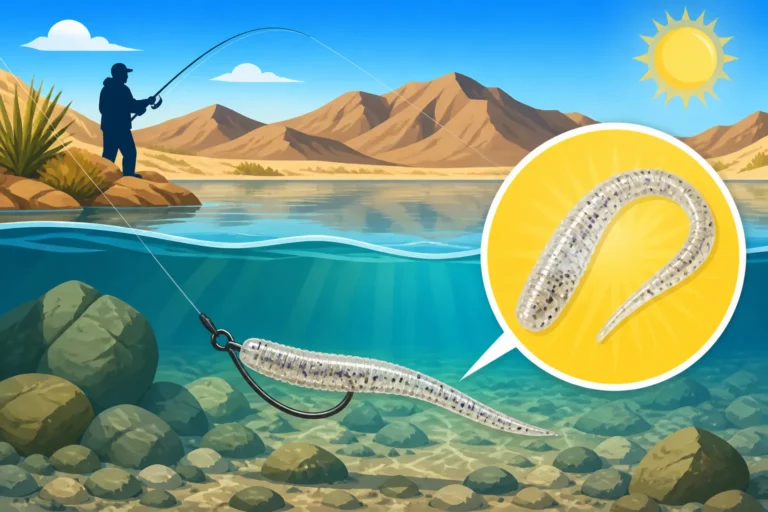
While still fishing is effective, sometimes trout need a little more convincing. That's where small lures and subtle jigging come into play. When trout are lethargic, they respond best to presentations that are small, offer a tantalizing action, and don't require them to move much. Think micro jigs (1/32 to 1/16 ounce), small spoons (1/8 to 1/4 ounce), and tiny soft plastics often referred to as "trout magnets."
The trick with these lures is a very slow, subtle retrieve. Instead of an aggressive jerk, try a gentle lift and fall, or a slow reel with occasional twitches. If jigging from a boat or bank, drop the lure to the bottom, give it a few tiny lifts (just an inch or two), let it settle, and repeat. The idea is to mimic a weak, dying baitfish or insect that's easy pickings. Colors can vary, but natural tones like white, black, brown, and olive often work well, as do bright colors like chartreuse or orange for stained water. Often, the takes are so light they feel like nothing more than a slight increase in line weight, so sensitivity in your rod and line is crucial.
Ice Fishing Specifics
For those truly dedicated to winter trout, ice fishing offers a unique experience, transforming frozen lakes into social hubs and prime fishing grounds. But with ice comes specific risks and techniques.
Identifying Safe Ice
This cannot be stressed enough: safety first! The biggest mistake an ice angler can make is assuming ice is safe without proper checks. Ice conditions can vary dramatically even across a small body of water due to currents, springs, underwater structures, and sun exposure. Always consult local regulations and ice reports from NDOW or reputable bait shops. The general rule of thumb for safe ice walking is a minimum of 4 inches of clear, hard ice. For snowmobiles or ATVs, you'll need at least 5-7 inches, and for a car or truck, 8-12 inches.
However, these are minimums. Always carry an ice spud or auger to test ice thickness as you go. Look for "new" or "black" ice, which is typically the strongest. Avoid discolored ice, slushy areas, or areas near moving water (inlets/outlets) or aerators, as these are often much thinner. Always fish with a buddy, inform someone of your plans, and carry essential safety gear: ice picks, a rope, and a whistle. Never take unnecessary risks; a fish is never worth your life. More critical details can be found in our guide on Nevada Ice Fishing Gear Checklist.
Ice Fishing Gear and Methods
Once you've confirmed the ice is safe, the fun begins! Ice fishing requires specialized gear. An ice auger is essential for drilling holes. Manual augers are fine for a few holes, but a powered auger (gas, propane, or electric) makes quick work of thicker ice and allows you to move and explore more spots. A portable ice shelter, like those from Clam or Eskimo, offers protection from the wind and elements, making your day much more comfortable. Many anglers also bring a portable heater to warm their shelter, especially useful on truly frigid days.
For fishing, short, sensitive ice fishing rods (24-36 inches) with small spinning reels are perfect. You'll primarily use jigging techniques, dropping small jigs (1/16 to 1/8 ounce) tipped with bait (mealworms, wax worms, maggots) or small spoons down the hole. A fish finder specifically designed for ice fishing (a flasher unit) is incredibly useful for locating fish and seeing how they react to your lure in real-time. Another popular method is using tip-ups, which are passive devices that signal a bite when a flag pops up, allowing you to fish multiple holes simultaneously. This is often ideal for larger trout that might cruise through an area.
Best Baits, Lures, and Scents for Winter Trout
Choosing the right offering is critical when trout are less active. You need something that entices them without requiring much effort on their part.
Natural Baits and Prepared Baits
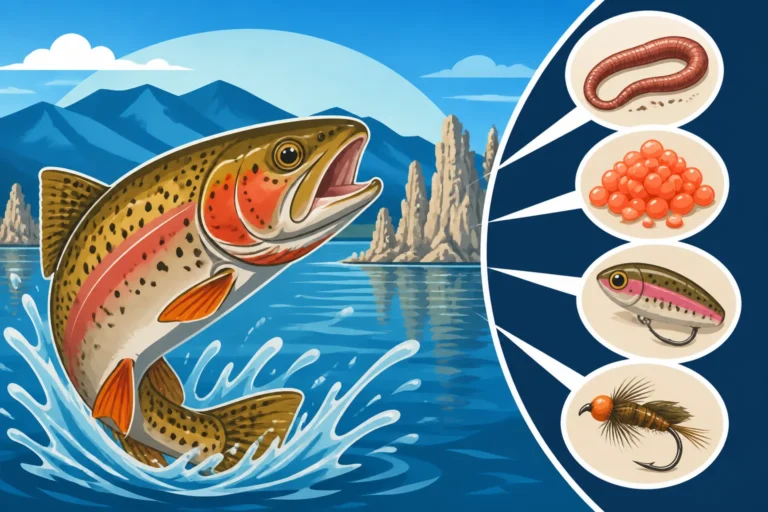
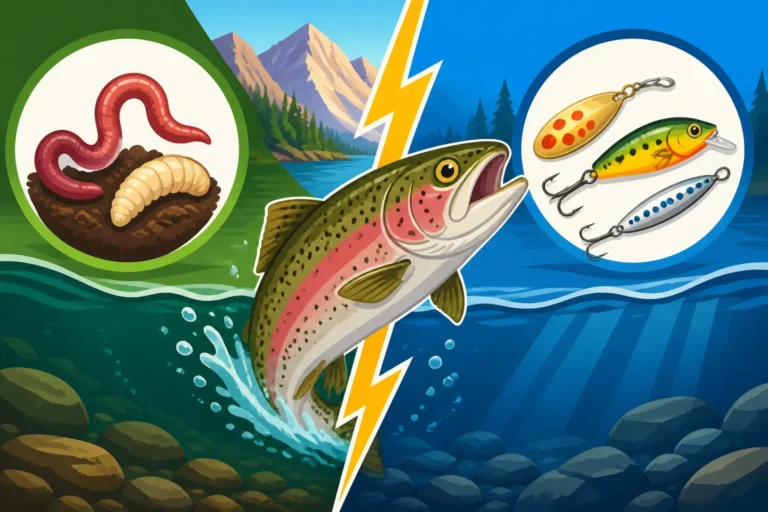
For winter trout, natural and prepared baits often outperform artificial lures due to their scent and taste appeal. Trout in cold water are often looking for an easy, high-calorie meal, and these baits fit the bill perfectly.
- PowerBait: This classic is a go-to for stocked trout. Its scent, color, and buoyancy are irresistible. Mold it around a small treble or single hook so it floats just off the bottom. Different colors work on different days, so bring a variety like chartreuse, rainbow, or even plain white.
- Worms: Nightcrawlers or smaller garden worms are excellent natural baits. Present them on a small hook, either whole or piece, allowing them to wriggle naturally. The scent and movement are very attractive.
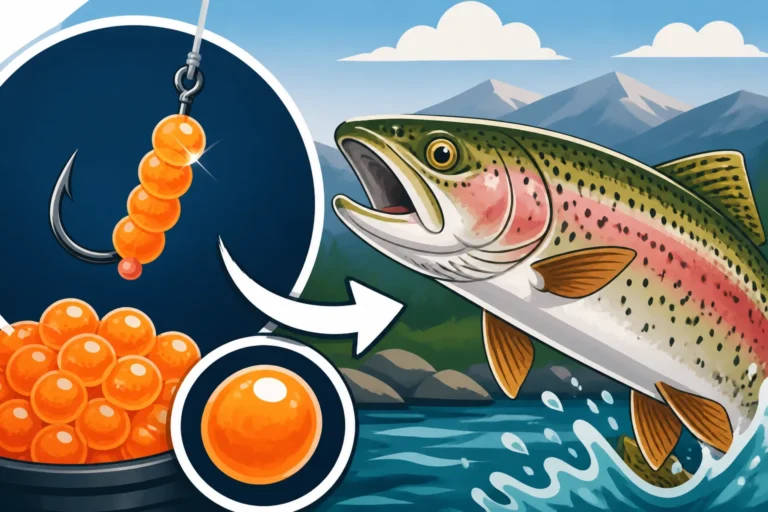
- Salmon Eggs: Real or imitation salmon eggs are fantastic, especially for rainbow trout, which often key in on these in nature. Rig them singularly or in small clusters.
- Corn: Believe it or not, canned corn is a surprisingly effective bait for trout, particularly in heavily fished areas like urban ponds. It's cheap, easy to use, and trout often pick it up. Just ensure you're using plain corn, not creamed or flavored.
- Mealworms/Wax Worms/Maggots: These live baits are especially deadly for ice fishing or open water jigging. Their subtle wiggling action and natural scent are hard for trout to resist. You can find them at most bait shops.
The key with all these baits is a natural, unweighted presentation that allows them to drift or sit enticingly in the strike zone.
Artificial Lures for Cold Water
While natural baits often shine, certain artificial lures can also be incredibly effective, especially when you need to cover more water or want a more active fishing style. The general rule is small and slow.
- Small Spoons: Lures like Kastmasters, Little Cleos, or even smaller vertical jigs (like those for ice fishing) in sizes 1/8 to 1/4 ounce are excellent. They have a fluttering action on the fall that mimics a wounded baitfish. Gold, silver, and fire tiger patterns are often productive. Work them with a lift-and-fall retrieve, letting them flutter back down on a semi-slack line.
- Micro Jigs and Soft Plastics: Tiny jigs (1/32 to 1/16 ounce) tipped with small grub tails, tube baits, or specifically designed trout magnets are phenomenal. Colors like white, black, olive, or pink can be very effective. Fish these slowly under a bobber or with a slow twitching retrieve.
- Small Crankbaits/Stickbaits: Very small, slow-sinking or suspending crankbaits (like Rapala countdowns or Berkley Flicker Shads) can work, especially in larger reservoirs. Retrieve them agonizingly slowly, with long pauses to let them suspend. These are excellent for covering larger areas from a boat.
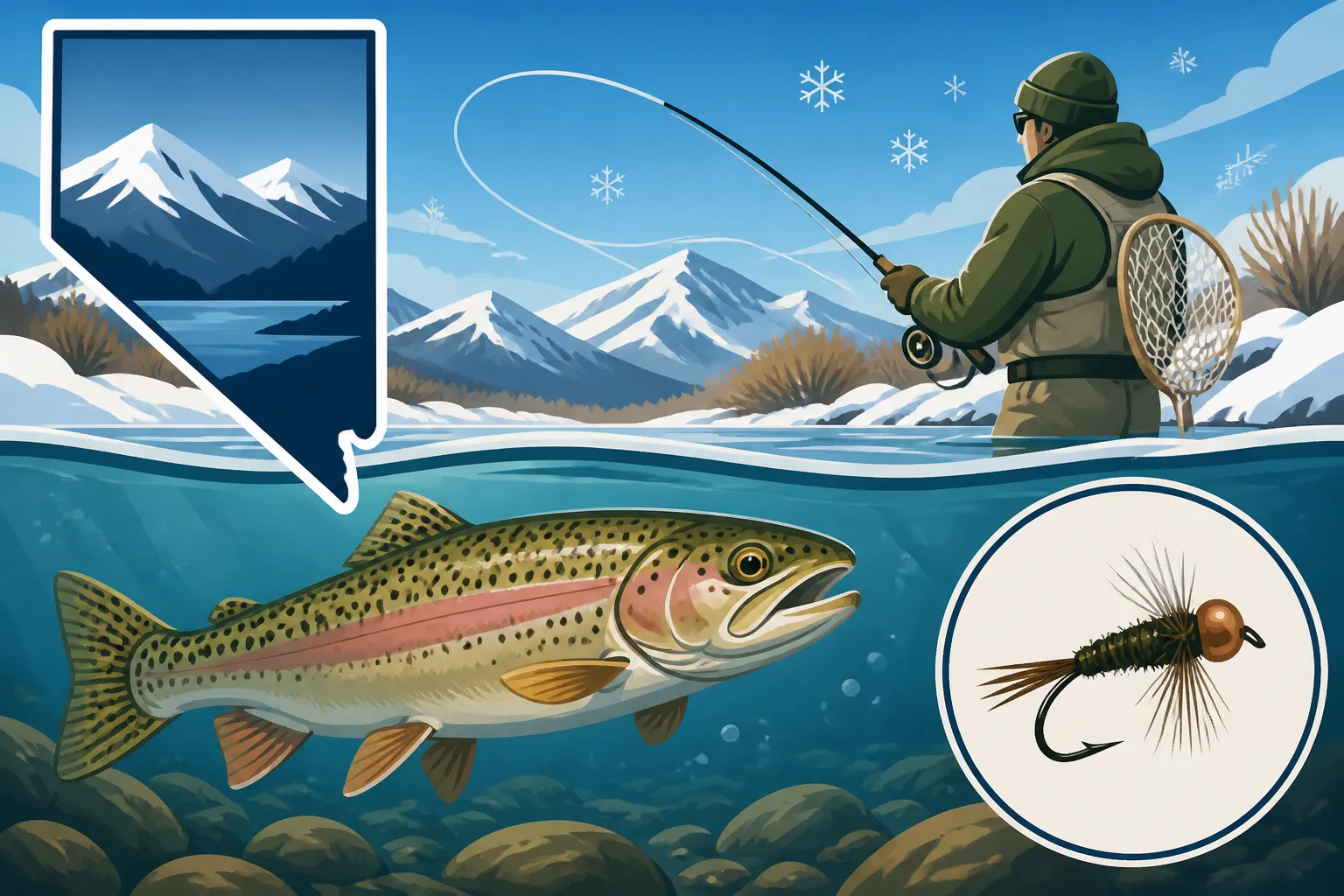
- Fly Patterns: For fly anglers, small nymphs (Zebra Midges, Pheasant Tail Nymphs, Hare's Ear Nymphs) fished deep under an indicator or slowly stripped streamers can be very effective in winter rivers and even lakes.
Remember to experiment with different lures and colors until you find what the trout are keying in on that particular day.
The Role of Scent and Color
In cold water, trout's vision might be slightly less acute, and their response time slower. This makes scent and color even more critical elements in your presentation.
- Scent: Fish attractants, like those from Pro-Cure or Berkley, can significantly increase your strike rate. Apply them generously to your artificial lures or even your natural baits. The added scent trail helps fish locate your offering and encourages them to hold on longer, giving you more time to set the hook. This is particularly effective when trout are scattered or less willing to move far for a meal. Brands like PowerBait are effective precisely because they are infused with powerful attractants.
- Color: While natural colors (browns, greens, blacks) are often good choices for clear water, don't shy away from brighter, more aggressive colors. Chartreuse, orange, and even fluorescent pink can stand out in stained water or on overcast days, triggering a reaction strike. In very clear water, a subtle, almost translucent lure might be best. Pay attention to the light conditions; on a bright, sunny day, reflective silver or gold might catch their eye, while on a cloudy day, a matte or UV-enhanced color could be more visible. Having a selection of colors on hand, easily accessible in a small tackle box or bag you can order from Amazon, allows you to adapt to changing conditions.
Adapting to Changing Conditions and Water Bodies
Nevada's diverse fishing environments mean that a "one-size-fits-all" approach simply won't cut it, especially in winter. You need to tailor your strategy to the specific water body you're targeting.
High Mountain Lakes vs. Urban Ponds
The contrast between fishing a high mountain lake and an urban pond in Nevada during winter is stark, and so are the strategies.
High Mountain Lakes: These pristine, often remote lakes, like those found in the Ruby Mountains or near Lake Tahoe, are typically colder and might be partially or entirely ice-covered. Access can be a challenge, sometimes requiring snowshoes, cross-country skis, or even snowmobiles. The trout in these waters are often wilder, larger, and more wary. If ice fishing, these are prime spots for Mackinaw trout (Lake Tahoe) or robust rainbow and cutthroat trout. You'll need an ice fishing auger and shelter and be prepared for deeper water tactics with heavier jigs and bait. If there's open water, think slow-trolling deep with large spoons or using a float tube to access drop-offs, casting small jigs and spoons. The fish here are less pressured, but also less abundant, making each catch a hard-earned trophy. For Mackinaw trout at Lake Tahoe, our guide on How to Catch Mackinaw Trout at Lake Tahoe can provide more in-depth strategies.
Urban Ponds: These smaller, easily accessible ponds, like those around Las Vegas (e.g., Lorenzi Park, Sunset Park) or Reno, are regularly stocked by NDOW with catchable rainbow trout during the cooler months. This makes them ideal for families, beginners, or anyone looking for a more relaxed and reliable fishing experience. The fish here are accustomed to being fed, so they often respond well to common baits like PowerBait, worms, or corn fished on the bottom or under a bobber. Light tackle is perfect, and you don't need to cast far. The biggest challenge here can be crowds, so arriving early is often a good strategy. You can find more specific rules and stocking info in our Las Vegas Nevada Urban Pond Fishing Guide. The approach is less about hunting and more about presentation and patience in a concentrated area.
Winter River Fishing Considerations
River fishing in winter presents its own set of challenges and rewards. Unlike lakes, rivers maintain a constant flow, which can both complicate and simplify things. The water is often much colder, and trout will actively seek out areas where they can conserve energy.
Your primary focus should be on locating slower, deeper pools, eddies, and seams where the current is minimized. Trout won't be in fast-moving riffles or shallow runs. Look for the calm water behind large rocks, submerged logs, or in deep bends. These are their winter holding lies.
- Presentation: A natural drift is paramount. For fly anglers, deep nymphing rigs with heavy split shot to get your flies down to the bottom quickly are effective. Think small, heavily weighted nymphs. For spin anglers, a small jig or a worm under a small float (bobber) that drifts naturally with the current can be deadly. You want your bait or lure to tumble along the bottom slowly, mimicking an insect or piece of food being carried by the flow.
- Patience and Persistence: Work each likely-looking pool thoroughly. Make multiple drifts, adjusting your depth and weight until you find the strike zone. Bites in cold river water can be incredibly subtle, often feeling like a slight hesitation in the line rather than a hard tug.
- Wading: If wading, proceed with extreme caution. Cold water can quickly lead to hypothermia if you take an accidental plunge. Wear appropriate waders (neoprene or layered breathable waders with good insulation underneath) and always use a wading staff for stability. Rivers like the Truckee River or parts of the East Walker River can offer fantastic winter trout fishing for the determined angler, but they demand respect for the cold and current. For a broader overview of tactics, refer to our How to Fish for Trout in Nevada guide.
Here's a handy comparison of gear for different winter trout fishing scenarios:
| Category | Open Water Reservoir (Boat/Shore) | Urban Pond (Shore) | Ice Fishing (Frozen Lake) | Winter River (Wading) |
|---|---|---|---|---|
| Rod | Light-Med Light Spin (6-7 ft) | Light Spin (5-6 ft) | Ice Rod (24-36 inch) | Light-Med Light Spin (6-7 ft) |
| Reel | Small Spinning (1000-2500) | Small Spinning (500-1000) | Small Spinning (500-1000) | Small Spinning (1000-2000) |
| Line | 4-6 lb Fluorocarbon/Mono | 2-4 lb Mono/Fluorocarbon | 2-6 lb Mono/Fluorocarbon | 4-6 lb Fluorocarbon/Mono |
| Primary Baits | PowerBait, Worms, Corn, Minnows | PowerBait, Worms, Corn | Wax Worms, Maggots, Minnows | Worms, Roe, Small Jigs |
| Primary Lures | Small Spoons, Jigs, Crankbaits | Small Jigs, Trout Magnets | Small Jigs, Spoons | Small Nymphs (Fly), Micro Jigs |
| Key Gear | Fish Finder, Layers, Anchor | Chair, Bobbers, Hand Warmers | Auger, Shelter, Flasher | Waders, Wading Staff, Nets |
| Safety | PFD, Warm Clothes | Warm Clothes, Traction | Ice Picks, Rope, Buddy | Wading Belt, Layers, PFD |
No matter where you choose to fish, remember that winter trout fishing can be incredibly rewarding. The peace and quiet of the cold landscape, combined with the challenge of outsmarting a cold-blooded fish, makes for an unforgettable experience. Stay warm, stay safe, and enjoy the unique beauty of Nevada's winter waterways! For more general gear advice, check out Nevada Fishing Gear Essentials.
Disclaimer
Fishing conditions and regulations in Nevada can change. Always consult the most current Nevada Department of Wildlife (NDOW) regulations before heading out. This guide is for informational purposes only and does not constitute legal advice. Adhere to all local, state, and federal laws and prioritize safety on the water.