Best fishing spot for a first-timer in Nevada
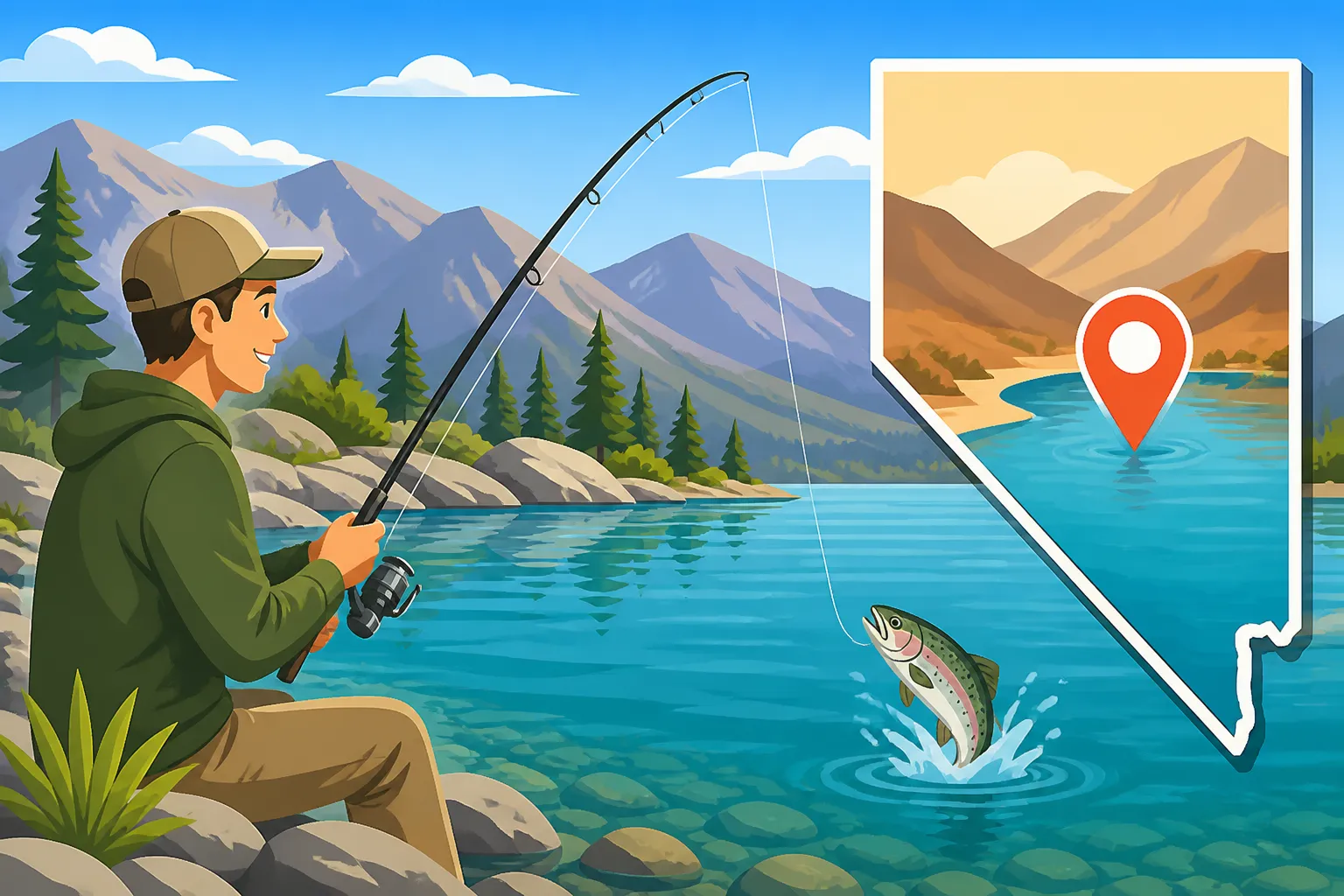
Stepping into the world of fishing, especially in a new state like Nevada, can feel a bit daunting. You dream of that serene moment, rod in hand, reeling in your first catch, but the reality of choosing where to go can quickly turn exciting anticipation into frustrating indecision. This guide is crafted specifically for first-timers, cutting through the noise to help you find that perfect, low-stress, and rewarding fishing spot in Nevada, ensuring your inaugural angling adventure is nothing short of fantastic.
Why Choosing the Right Spot Matters for Your First Fishing Experience
It's easy to get swept up in the idea of "just going fishing," but for a true beginner, the location you pick can make or break your entire experience. Nevada offers an incredible array of fishing opportunities, from vast, deep reservoirs to tranquil urban ponds, but not all waters are created equal when you're just starting out.
Avoiding Frustration and Building Confidence
Imagine this scenario: You've packed up the car, driven for hours to a remote lake, wrestled with unfamiliar gear, and after an entire day, you haven't had a single bite. That's a surefire way to deflate anyone's enthusiasm, especially if it's your first time out. A tough first outing can easily make you think fishing isn't for you, when in reality, it was just the wrong spot for a beginner.
The key to a successful first trip is consistent action and a high chance of a catch. There’s nothing quite like the thrill of feeling that first tug on the line, whether it's a small panfish or a feisty trout. That immediate gratification builds confidence, teaches you the basics of reeling and handling fish, and most importantly, hooks you on the sport for good. We want your first taste of Nevada fishing to be sweet, not a struggle.
Understanding Nevada's Diverse Fishing Landscape
Nevada’s fishing landscape is incredibly varied, stretching from the high desert mountains to the bustling urban centers. You have massive bodies of water like Lake Mead and Lake Tahoe, which are stunning but can be incredibly challenging for a novice. These lakes often require specialized gear, knowledge of deep-water techniques, and can be intimidating due to their sheer size and complex fish behavior. Then there are the wild rivers and remote streams, which might offer pristine beauty but demand advanced fly-fishing skills or rugged access.
For a first-timer, these places are generally not ideal. The goal isn't just to find water, it's to find water that gives you a genuine shot at catching something without needing a marine biology degree or a full suite of professional gear. We need to focus on spots where fish are abundant, accessible, and often accustomed to angler activity, making them more forgiving for those learning the ropes.
The Ideal Characteristics of a Beginner-Friendly Fishing Spot in Nevada
When we talk about the "best" spot for a first-timer, we're not necessarily talking about where the biggest trophy fish live, or the most remote wilderness experience. Instead, we're looking for a combination of factors that ensure ease, enjoyment, and a high probability of success.
Easy Access and Amenities
One of the biggest hurdles for new anglers is simply getting to and navigating a fishing spot. An ideal beginner location should offer:
- Paved Roads and Ample Parking: No one wants to worry about getting stuck on a dirt road or hiking miles with gear on their first trip. Easy, well-maintained access is paramount.
- Restrooms and Picnic Areas: Comfort makes a huge difference, especially if you're bringing family or spending several hours. Basic amenities keep the focus on fishing, not logistics.
- Proximity to Cities: Minimizing travel time means more time fishing and less time driving. Spots near Las Vegas or Reno are often ideal for this.
- Nearby Bait and Tackle Shops: You're bound to forget something or need a last-minute item. Having a readily available supply of bait, hooks, or even a simple Where to Buy a Nevada Fishing License close by makes the trip much smoother. Convenience is king for a stress-free outing.
Consistent Stocking and Predictable Catches
This is perhaps the most crucial element for a first-timer. The Nevada Department of Wildlife (NDOW) does an excellent job of stocking certain waters specifically for angler success, especially for families and beginners.
- Stocked Fisheries: These are your golden ticket. Waters that are frequently stocked with fish like Rainbow Trout are perfect because these fish are often less wary and more aggressive, making them easier to tempt with common baits. You can often find a current Nevada Trout Stocking Schedule to plan your visit for optimal results.
- Variety of Species: While trout are great, many beginner spots also hold other forgiving species like Channel Catfish, Bluegill, and even smaller Largemouth Bass. These fish offer different fighting styles and can be caught using simple techniques, increasing your chances of getting a bite no matter the season.
- Higher Catch Rates: Predictability is key. Knowing that you're likely to get bites keeps morale high and provides repeated opportunities to practice casting, setting the hook, and reeling in.
Simple Regulations and Safe Environment
Navigating complex regulations can be intimidating. A beginner-friendly spot usually has straightforward rules, adhering mostly to standard statewide regulations without too many local nuances.
- Clear, Understandable Rules: You don't want to spend your entire trip poring over a dense Nevada Fishing Regulations Explained booklet. Simpler rules mean less stress about accidental violations.
- Safe, Calm Waters: Strong currents, deep drop-offs, or heavy boat traffic can be overwhelming. Calm, relatively shallow waters are ideal for practicing casting, and for overall peace of mind, especially if children are involved.
- Family-Friendly Atmosphere: Spots where other families are present, and the environment is generally relaxed, contribute to a positive first impression. FishingBooker often highlights spots with good family reviews, pointing out locations that cater well to beginners and children. These are the kinds of endorsements that speak volumes about a location's suitability.
Our Top Recommendation: Las Vegas Urban Ponds for First-Timers
Without a doubt, for a first-time angler in Nevada looking for ease, accessibility, and a high chance of success, the urban ponds in and around Las Vegas are the absolute best choice.
Why Las Vegas Urban Ponds Shine
These little oases in the desert are specifically managed by NDOW to provide convenient and rewarding fishing experiences for the public. We're talking about gems like:
- Floyd Lamb Park at Tule Springs: This park, located in the northwest part of Las Vegas, boasts multiple ponds that are regularly stocked. It's incredibly scenic with lush greenery, peacocks roaming freely, and plenty of picnic spots. It feels like an escape without being a long drive.
- Sunset Park Pond: Located closer to the central and east side of Las Vegas, Sunset Park is another fantastic option. It's a large, well-maintained park with a good-sized pond that sees regular stocking activity.
- Lorenzi Park Pond: Another centrally located option, Lorenzi Park offers a tranquil setting right in the city.
- Boulder City Pond: A bit south of the main Las Vegas area, this pond is smaller but also regularly stocked and very beginner-friendly.
These ponds consistently receive fresh batches of Rainbow Trout during the cooler months (roughly fall through spring), and in warmer weather, they offer Channel Catfish, Largemouth Bass, and various panfish like Bluegill. The fish here are often actively feeding and easier to entice, making them perfect for learning. The ease of access, combined with ample amenities like restrooms, walking paths, and picnic areas, makes for a supremely comfortable and low-stress fishing experience. For a deep dive into these spots, check out our Las Vegas Nevada Urban Pond Fishing Guide.
Getting Started at a Las Vegas Urban Pond
You don't need fancy gear to have a great time at these ponds. Keep it simple and effective:
- Basic Rod and Reel: A lightweight spinning rod and reel combo is perfect. Something in the 5-7 foot range with 4-6 lb test line will do the trick. Brands like Ugly Stik or Shakespeare offer affordable and durable beginner combos.
- Terminal Tackle: A small assortment of hooks (sizes 8-12), some split-shot sinkers, and a few bobbers are all you really need.
- Bait: This is where the magic happens for beginners. For stocked trout, try PowerBait (the neon-colored, moldable kind works wonders) or salmon eggs. For catfish, nightcrawlers (worms), hot dogs, or stink baits are excellent choices. Bluegill and small bass will hit small worms or even bread. Our guide on Best Bait for Nevada Trout has even more specific recommendations.
- Technique: For trout, a simple bottom rig with PowerBait (a small ball molded around the hook, floating off the bottom a few inches with a sinker) or a bobber rig with a worm suspended a few feet down works best. For catfish, just put a chunk of hot dog or worm on the bottom. It’s truly that straightforward!
- Best Times: For trout, early morning or late afternoon when the water is cooler tends to be most productive. For catfish and bass, the warmer parts of the day can be great. Always check local weather conditions and aim for comfortable temperatures. If you're looking to simplify things even further, FishingBooker can help you find local guides who specialize in these urban ponds, providing all the gear and expertise you need for an even easier start.
Rules and Etiquette for Urban Pond Fishing
While urban ponds are beginner-friendly, it’s still important to understand the basic rules and common courtesies.
- Licensing: Anyone aged 12 and older needs a Nevada fishing license. You can purchase these online through the NDOW website or at many sporting goods stores. Information about Nevada Youth Fishing License Rules is especially helpful if you're bringing kids along.
- Bag and Possession Limits: Be aware of the daily limits for the species you’re targeting. These are clearly outlined in the Nevada fishing regulations booklet, which you can often pick up where you buy your license or download online.
- Catch and Release: While you can keep your legal limit of stocked fish, practicing catch and release for some fish helps maintain the population and ensures good fishing for others. Always handle fish gently if you plan to release them.
- Respect Others: These parks can get busy, especially on weekends. Give other anglers space, keep noise levels down, and be mindful of your casting area. Pack out everything you pack in – leave no trace.
Other Beginner-Friendly Options (and Why Urban Ponds Still Win)
While the Las Vegas urban ponds are our top pick, Nevada does offer other accessible options that can be good for beginners, with a few caveats.
Lake Mead's Calm Coves for Stripers and Bass
Lake Mead, a vast reservoir formed by the Hoover Dam, is an iconic Nevada fishing destination. While much of it can be overwhelming for a beginner, certain calm coves and protected areas, particularly in the lower basin closer to Boulder City, can offer good shore fishing opportunities for Striped Bass, Largemouth Bass, and Channel Catfish.
- Pros: The chance to catch larger fish, beautiful scenery, and the experience of fishing a major body of water. Some areas like Hemenway Bay or Government Wash offer decent shore access. For more information, check out our Lake Mead Nevada Fishing Guide.
- Cons: Lake Mead is enormous, and finding fish can be challenging without local knowledge or a boat. Shore access can be limited and sometimes rocky. Success here can be less consistent than at stocked urban ponds. The regulations, while standard, might feel a bit more significant due to the size of the lake.
- Why Urban Ponds Win: For a true first-timer, Lake Mead’s scale can be intimidating. You might spend more time searching for a spot and less time fishing. However, if you're set on Lake Mead and want a guaranteed experience, FishingBooker can connect you with charter captains who know the lake inside and out and can put you on fish.
Small State Park Reservoirs
Nevada has several beautiful state parks with smaller reservoirs that are regularly stocked, particularly in the eastern and central parts of the state. Examples include Echo Canyon Reservoir, Eagle Valley Reservoir, and Cave Lake.
- Pros: Often stocked with trout and other species, offering good catch rates. These parks are usually well-maintained, offer camping, and provide a more "outdoorsy" feel than urban ponds.
- Cons: The primary drawback for a first-timer is distance. Many of these parks are a significant drive from major population centers like Las Vegas or Reno, adding considerable travel time and fuel costs. Fewer amenities might be available right at the fishing spot compared to urban parks.
- Why Urban Ponds Win: While these state park reservoirs are excellent for a slightly more experienced angler or someone looking for a multi-day trip, the sheer convenience and quick access of urban ponds make them superior for that very first fishing experience. When considering the Nevada Fishing License Cost Breakdown and overall trip expenses, a shorter, local trip often makes more sense for beginners.
To help you visualize the differences, here's a quick comparison:
| Feature | Las Vegas Urban Ponds (e.g., Floyd Lamb Park) | Lake Mead (Accessible Coves) | Small State Park Reservoirs (e.g., Echo Canyon) |
|---|---|---|---|
| Accessibility | Excellent (paved, close to city) | Moderate (can be spread out, rocky) | Moderate (longer drive, fewer amenities) |
| Fish Stocking | Frequent (Trout, Catfish, Panfish) | Natural populations (Stripers, Bass) | Frequent (Trout, Bass, Panfish) |
| Catch Predictability | High | Moderate | Moderate to High |
| Regulations Ease | Simple (standard state rules, park specifics) | Standard state rules | Standard state rules |
| Amenities | High (restrooms, picnic, playgrounds) | Moderate (boat ramps, some facilities) | Moderate (campgrounds, basic facilities) |
| Crowd Level | Can be busy, especially on weekends | Varies widely by spot | Generally lighter |
Essential Tips for Your First Nevada Fishing Trip
Regardless of where you choose to cast your line, a few universal tips will help ensure your first Nevada fishing trip is safe, enjoyable, and successful.
Licensing and Permits
This is non-negotiable! If you are 12 years old or older, you need a valid Nevada fishing license. It's the law, and game wardens do check.
- Where to Get One: The easiest way to purchase your license is online through the NDOW website. You can print it at home or save it to your phone. Alternatively, many sporting goods stores, like Bass Pro Shops or Big 5 Sporting Goods, sell them. For a detailed walkthrough, refer to our How to Get a Fishing License in Nevada guide.
- Age Requirements: While anyone 12 and older needs a license, younger kids can often fish for free. Always check the current Nevada Fishing License Age Requirements for the most up-to-date information. Fishing without a license can result in fines, so it’s crucial to be compliant.
Sun Protection and Hydration
Nevada's sun is incredibly intense, even during cooler months. Dehydration and sunburn can quickly ruin a fishing trip.
- Sunscreen: Apply a high SPF sunscreen generously and reapply frequently, especially if you're sweating.
- Hat and Sunglasses: A wide-brimmed hat offers excellent protection for your face and neck. Polarized sunglasses are not just for eye protection; they also help reduce glare on the water, allowing you to see fish or submerged structures more clearly.
- Water: Bring plenty of water – more than you think you'll need. Dehydration can creep up quickly in the dry desert air. Consider a reusable water bottle and a small cooler. Our comprehensive guide on Desert Fishing Gear and Sun Protection offers even more advice on staying safe under the Nevada sun.
Respecting the Environment and Fellow Anglers
Part of being a good angler is being a responsible steward of the environment and respectful of others enjoying the outdoors.
- Leave No Trace: This means taking all your trash with you, including discarded fishing line, bait containers, and food wrappers. Even small bits of litter can harm wildlife.
- Fish Responsibly: Adhere to all size and bag limits. If practicing catch and release, handle fish gently with wet hands and release them quickly to maximize their survival chances.
- Be Considerate: Share the space with other anglers, hikers, and park visitors. Keep noise levels down and avoid casting over other people's lines. Always check FishingBooker listings for any specific site rules or local etiquette that might apply to your chosen spot.
By keeping these tips in mind and choosing a welcoming, well-stocked spot like the urban ponds of Las Vegas, your first fishing adventure in Nevada is sure to be a memorable and exciting start to a lifelong passion.
Disclaimer
The information provided in this guide is for general informational purposes only and does not constitute legal advice. Fishing regulations, license requirements, and stocking schedules can change. Always consult the official Nevada Department of Wildlife (NDOW) regulations and local park rules before planning your fishing trip to ensure compliance. Fishing activities inherently involve risks; please prioritize safety and wear appropriate personal protective equipment.