Best bait for Lahontan cutthroat trout
Trying to figure out the absolute best bait for those elusive Lahontan cutthroat trout can feel like cracking a secret code. These fish are legendary in Nevada, especially at Pyramid Lake, and they don't just bite on anything. It's frustrating to spend hours on the water, casting and reeling, only to come up empty-handed because you didn't have the right offering. This guide is here to unravel the mystery, providing you with a deep dive into the most effective baits, lures, and techniques to help you land those magnificent Lahontan cutthroat trout.
Understanding Lahontan Cutthroat Trout Behavior and Diet
Before you even think about tying on a hook, it’s crucial to understand the fish you’re after. Lahontan cutthroat trout (LCT) aren't your average stocked rainbow. They are apex predators in their ecosystem, highly adapted to their unique environment, and their preferences for food reflect that.
Native Habitat and Forage
The most famous—and arguably the best—place to target Lahontan cutthroat trout is Pyramid Lake, a vast, ancient lake in western Nevada, just north of Reno. This lake is truly special, and it's where these fish can grow to truly enormous sizes, often exceeding 15 pounds and sometimes much, much larger. The LCT here have evolved to feed on specific native forage. Their primary diet consists of the cui-ui, a sucker fish found only in Pyramid Lake, and tui chub, another native baitfish. They also opportunistically feed on Sacramento perch, aquatic insects, and even terrestrial insects that fall into the water.
Because these trout are so keyed in on these specific prey items, your most effective baits will be those that closely mimic these natural food sources in appearance, action, and even scent. Thinking like a cutthroat means understanding what they naturally hunt. When you're standing on the shore, watching the waves roll in, try to imagine a school of cui-ui or tui chub swimming by – that’s the profile and movement you want your bait to emulate. This insight is foundational to successful LCT fishing and is often overlooked by anglers just throwing any old lure. Remember to always check the Pyramid Lake Fishing Permit Guide before you head out, as regulations can be specific to this unique fishery.
Seasonal Changes and Water Conditions
Just like any other fish, Lahontan cutthroat trout change their feeding habits and locations based on the seasons and prevailing water conditions. This isn't a static fishery where one bait works all year round. In the cooler months of spring and fall, when water temperatures are optimal (typically in the 40s to low 50s Fahrenheit), the trout tend to be more active and often move into shallower areas, closer to shore, to feed. This is when they're aggressively chasing baitfish.
As the Nevada summer heat sets in, the surface waters warm up significantly, pushing these cold-water loving trout into deeper, cooler pockets of the lake. Their activity might slow down, and they might become more selective. Conversely, during the deep winter, if the lake doesn't freeze (which is rare at Pyramid Lake), they'll still be in deeper water, and a slower presentation might be required. Water clarity also plays a huge role; in clear water, natural colors and subtle presentations are often best, while in choppier or cloudier conditions, brighter colors and more aggressive actions can help your bait stand out. Understanding these shifts is key to adapting your bait choice and presentation throughout the year, ensuring you're always offering something appealing. It really pays to know the Best Time of Year to Fish in Nevada for these magnificent fish.
Top Natural Baits for Lahontan Cutthroat Trout
When it comes to Lahontan cutthroat trout, "natural" often means "baitfish." These are predatory trout, and while they'll occasionally take an insect imitation, their bread and butter comes from eating other fish.
Live and Dead Baitfish Imitations
Hands down, one of the most consistently effective baits for Lahontan cutthroat trout is some form of baitfish imitation. At Pyramid Lake, the use of live bait is generally prohibited, and even specific types of dead bait might have restrictions, so it's absolutely vital to consult the current Nevada Fishing Regulations Explained before you even consider what you're bringing to the water. However, when permitted, dead tui chub or other minnows, presented naturally, can be deadly. Many anglers swear by salted anchovies or sardines, especially when fishing from shore or trolling. The natural oils and scent released by these dead baitfish can be incredibly attractive to a cruising cutthroat.
The key with dead bait is presentation. You want it to look like an injured or disoriented baitfish struggling in the water. This might involve using a specialized rig that allows the bait to spin or tumble slowly, or simply allowing it to drift naturally with the current or wave action. Many dedicated LCT anglers will rig their dead bait on a short leader behind a dodger or flasher when trolling, giving it an enticing wobble. For shore anglers, casting a salted anchovy on a Carolina rig with a long leader can allow it to drift enticingly along the bottom or mid-water column, where these trout often hunt. You can find quality salted baitfish and rigging accessories on sites like Amazon, which offer a wide variety of choices to experiment with. Remember, if you're fishing Pyramid Lake, you'll also need a separate Pyramid Lake Tribal Fishing Permit.
Worms and PowerBait
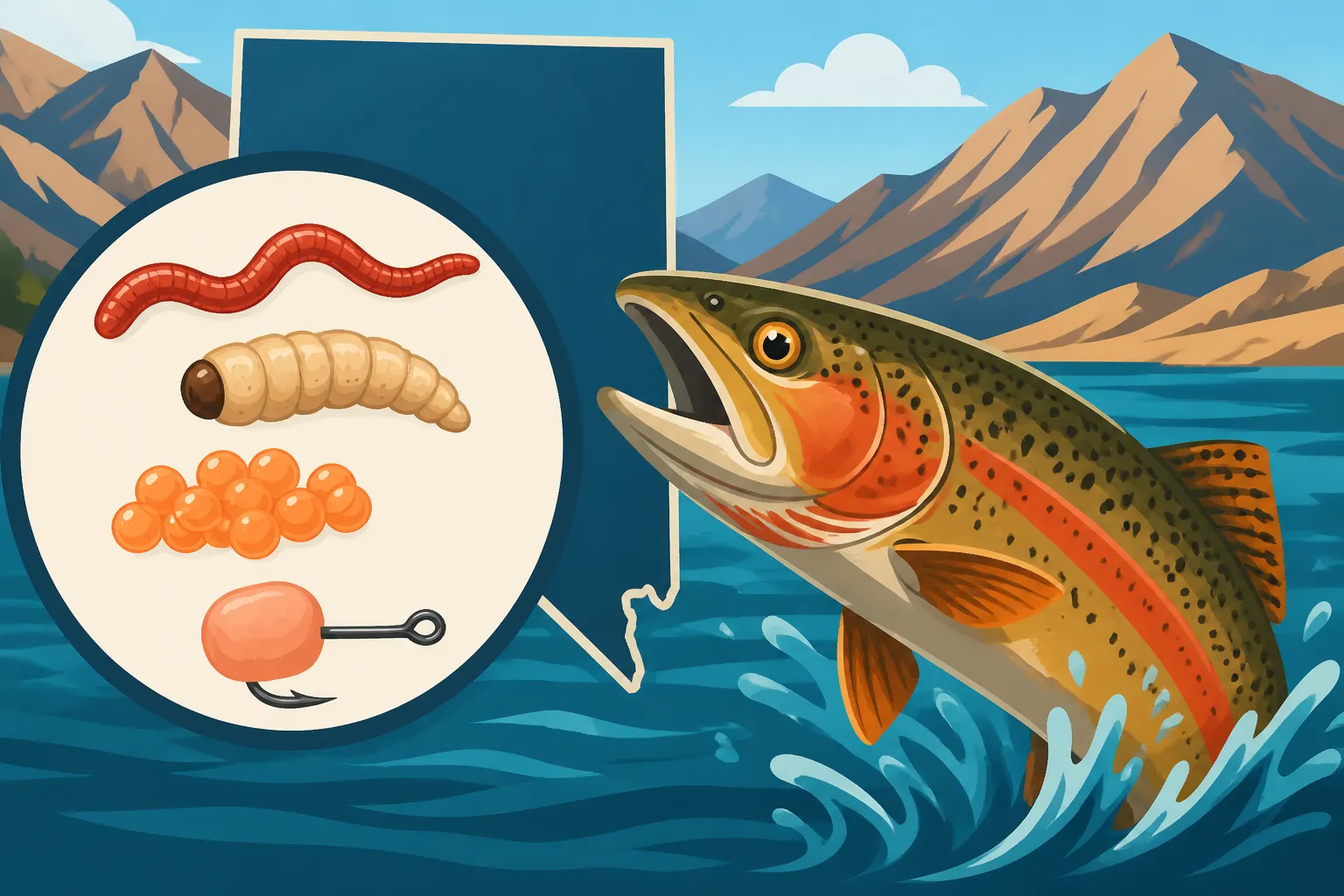
While not the go-to for trophy Lahontan cutthroat at Pyramid Lake, garden worms, nightcrawlers, or even dough baits like Berkley PowerBait can occasionally tempt smaller LCT, particularly in other Nevada waters where LCT populations might be supplemented with hatchery fish or where they share water with other trout species. For the massive, wild LCT of Pyramid Lake, these options are generally less effective than baitfish imitations or lures.
However, if you're fishing a different lake or stream in Nevada where LCT exist alongside other trout, a simple nightcrawler under a bobber or on a bottom rig can sometimes produce results. PowerBait, in various colors and scents, is more commonly associated with stocked rainbow trout, but it's readily available and easy to use for beginners. While it might not be your primary choice for a monster cutthroat, it’s always good to have a jar in your tackle box for those days when the fish are less discerning, or if you encounter smaller, more opportunistic trout. For those looking to try, a quick search on Amazon will reveal a plethora of PowerBait options and colors to choose from.
Effective Artificial Lures for Lahontan Cutthroat Trout
When natural baits aren't an option, or when the fish are actively chasing, artificial lures become your best friend. LCT are aggressive predators, and they will absolutely smash a well-presented lure.
Spoons and Spinners
Spoons and spinners are classics for a reason: they work. Their flashing, wobbling action perfectly imitates a wounded baitfish, which is like ringing the dinner bell for a Lahontan cutthroat trout. Some of the most popular and consistently effective spoons for LCT include the Kastmaster, Daredevil, Krocodile, and Thomas Buoyant spoons.
When it comes to colors, silver, gold, and blue/silver combinations are incredibly effective, mimicking the natural sheen of tui chub or cui-ui. Firetiger or other bright, contrasting patterns can also be great, especially in stained water or on overcast days when you need more visibility. The retrieve speed is crucial; often, a slow to medium retrieve with occasional pauses or jerks can trigger a strike. Trolling spoons behind a boat, especially with a dodger or flasher, can cover a lot of water and present the lure at the ideal depth. For shore anglers, casting these spoons a long distance and varying your retrieve speed is key. Make sure your hooks are sharp, and consider using barbless hooks if you plan on practicing Catch and Release Techniques for Trout, especially for these sensitive native fish, as specified in rules like Are barbless hooks required at Pyramid Lake?.
Jigs and Soft Plastics
Jigs, especially those with soft plastic tails, are incredibly versatile and can be highly effective for Lahontan cutthroat trout, whether you're fishing from shore, boat, or even through the ice (where safe and permitted). Leadhead jigs tipped with curly-tail grubs, paddle-tail swimbaits, or even tube baits can mimic smaller baitfish or even crayfish, which the LCT will readily consume.
Colors like white, chartreuse, black, and various natural baitfish patterns (like pearl white, silver flake, or olive) are excellent starting points. The beauty of jigs lies in their presentation; they can be cast and retrieved with a jigging motion, allowed to flutter down through the water column, or slowly dragged along the bottom. Experiment with different weights to match the depth and current. For a more subtle presentation, especially in clear water or when fish are finicky, a smaller jig head with a slender soft plastic can be incredibly effective. Anglers often find success by letting the jig sink to the bottom, then slowly lifting and dropping it, creating a "dying baitfish" action. Again, you can find a wide assortment of quality jigs and soft plastics on Amazon to build out your tackle box.
Streamers and Flies (for Fly Fishing)
For the fly fishing enthusiast, Lahontan cutthroat trout offer an incredible challenge and reward. Fly fishing for LCT, particularly at Pyramid Lake, is a world unto itself and often involves specialized techniques. The most successful fly patterns are typically streamers that imitate the native baitfish or large aquatic insects.
Popular streamer patterns include various "Buggers" (like the Woolly Bugger in black, olive, or white), Pyramid Lake beetles, and large baitfish imitations that mimic tui chub or cui-ui. Colors that imitate the natural forage—like grey, white, silver, black, and olive—are top choices. Techniques can vary widely. Stripping streamers with an intermediate or sinking line is often effective, mimicking a swimming baitfish. Indicator nymphing with larger nymph patterns can also work, especially when the trout are feeding on insects in the water column. Fly fishing requires specific gear, and exploring options in a guide like Fly Fishing Gear for Pyramid Lake can be incredibly helpful. The thrill of landing a large cutthroat on a fly rod is unmatched, and many dedicated anglers commit solely to this method.
Essential Tips for Success and Presentation
Having the best bait is only half the battle. How you present it, and how you adapt to the conditions, is what truly separates successful anglers from those who leave empty-handed.
Matching the Hatch (or Baitfish)
The concept of "matching the hatch" isn't just for fly anglers; it applies to all forms of fishing, especially for opportunistic predators like Lahontan cutthroat trout. It means trying to present a bait or lure that closely resembles what the fish are currently feeding on. If you see schools of small baitfish darting around, a small silver spoon or a white grub jig might be perfect. If there are larger baitfish present, you'll want to scale up your offering.
Observing your surroundings is paramount. Are there birds diving for baitfish? Are there any visible insect hatches? Even asking other anglers (politely!) what they're seeing can provide valuable clues. Don't be afraid to experiment with different sizes and colors until you find what triggers a strike. Sometimes, a subtle change in lure size or even the rate of retrieve can make all the difference. For specific insights into these fish, checking out Lahontan Cutthroat Trout Identification can help you understand their typical size and coloration, further informing your lure choices.
Presentation is Key
You could have the most expensive, highly recommended bait on the market, but if your presentation is off, it won't matter. Lahontan cutthroat trout can be surprisingly wary, especially the larger, older fish.
- Depth Control: Knowing where the fish are holding in the water column is critical. This could be near the bottom, suspended in open water, or close to the surface. A good fish finder can be invaluable for identifying these zones, especially if you're fishing from a boat. If you don't have one, experimenting with different retrieve counts or using weighted lines can help. Learning How to find fish in a new lake often starts with understanding depth.
- Retrieve Speed: Sometimes a fast, erratic retrieve mimics a fleeing baitfish, triggering a reaction strike. Other times, a slow, methodical retrieve is necessary to tempt a less active fish.
- Action and Sensitivity: Using a rod with the right action allows you to impart subtle movements to your lure and feel even the lightest bite. A sensitive rod can transmit those delicate taps and bumps that indicate a fish is investigating your bait.
- Scent Attractants: Don't underestimate the power of scent. Many anglers add a commercial scent attractant, or even a piece of real bait (like a small chunk of anchovy or a worm) to their artificial lures to add an extra layer of appeal. Brands like Pro-Cure or Pautzke Fire-Gel offer a range of scents that can be applied directly to lures.
Gear Considerations for Lahontan Cutthroat Trout
Having the right equipment not only makes fishing more enjoyable but also significantly increases your chances of success. Lahontan cutthroat trout can grow very large and fight hard, so your gear needs to be up to the task.
- Rod and Reel: For casting from shore with heavy spoons and jigs, a medium-heavy to heavy spinning or baitcasting rod, typically 8 to 10 feet long, is ideal. This length helps with casting distance and managing fish in the waves. For trolling, specialized trolling rods with a softer tip but strong backbone are preferred.
- Line Choice: A good quality monofilament or fluorocarbon line in the 10-15 lb test range is a versatile choice. Braided line (often 20-30 lb test) offers superior sensitivity and casting distance, but it's crucial to tie on a fluorocarbon leader (10-15 lb test) for abrasion resistance and invisibility, as these fish can be line-shy in clear water.
- Terminal Tackle: Use strong swivels to prevent line twist, and high-quality snap swivels for quick lure changes. Ensure your leader material is abrasion-resistant, as cutthroat often fight near rocks.
- Hooks: Many lures come with treble hooks, which are effective but can be harder on the fish if you're practicing catch and release. Consider replacing trebles with single, barbless hooks, especially given the emphasis on conservation for LCT. This is especially important for the Handling and Releasing Lahontan Cutthroat Trout guidelines.
Always ensure your gear is in good condition, as a trophy Lahontan cutthroat can quickly expose any weak links in your setup. You can find robust rods, reels, and other essential gear to tackle these impressive fish at retailers like Amazon.
Bait and Lure Selection for Lahontan Cutthroat Trout
Here’s a quick overview of bait and lure options, their best conditions, and their pros and cons.
| Bait/Lure Type | Best Conditions & Seasons | Pros | Cons |
|---|---|---|---|
| Dead Bait (Anchovy/Sardine) | Year-round, especially trolling or still fishing from shore. Good for wary fish. | Strong natural scent, highly effective for large LCT. Cost-effective. | Can be messy to handle. May require specific rigging. Regulations vary; check local rules. |
| Spoons (Kastmaster, Krocodile) | Active feeding periods, spring/fall. Good for casting distance. | Excellent flash and wobble, covers a lot of water. Versatile. | Can get snagged easily on rocky bottoms. May not be effective for finicky or deep-holding fish. |
| Spinners (Mepps, Rooster Tail) | Similar to spoons, often better in slightly shallower or moving water. | Enticing rotation, easy to use. Good for reaction strikes. | Can cause line twist. Less casting distance than heavy spoons. |
| Jigs & Soft Plastics | Deeper water, when fish are less active, or mimicking bottom forage. | Highly versatile in presentation, can be subtle or aggressive. | Requires finesse and feel. Jigging action needs to be learned. |
| Streamers/Flies | Varies by pattern, highly effective for specific "hatches" or baitfish. | Exceptional for purist fly anglers. Can be highly targeted. | Requires specialized gear and technique. Limited casting range without practice. |
| PowerBait/Worms | Primarily for stocked trout in other waters; less so for large LCT. | Easy to use, readily available. Appeals to smaller, opportunistic trout. | Generally ineffective for trophy-sized wild Lahontan cutthroat. Less natural appeal. |
Disclaimer
The information provided in this guide is for general informational purposes only. Fishing regulations, season dates, and permit requirements are subject to change. Always consult the latest Nevada Department of Wildlife (NDOW) regulations and any specific rules for tribal lands (like Pyramid Lake) before fishing. Adhere to all safety guidelines and practice responsible angling.