Where fish go in a reservoir during winter
That crisp, cold air in Nevada signals a challenge for many anglers: where on earth do all the fish go? It's easy to feel like the lakes and reservoirs have emptied out when the mercury drops, leaving you wondering if it's even worth bundling up. But fear not, because fish don't just vanish; they simply change their address, often congregating in predictable winter sanctuaries. This guide will dive deep into the fascinating world of cold-water fish behavior, revealing precisely where to find your finned targets in Nevada's reservoirs during the chilly months.
The Chilling Truth: How Water Temperature Drives Fish Movement in Winter
Understanding how water temperature dictates fish movement is paramount to successful winter fishing. It’s not just about the surface being cold; the entire water column undergoes significant changes that directly influence where fish can comfortably and efficiently survive. Nevada’s reservoirs, with their varying depths and unique structures, all experience this seasonal shift, even if they don't always freeze over completely.
The Impact of Thermocline Disappearance
During the warmer months, most deep reservoirs develop a thermocline – a distinct layer where water temperature changes rapidly with depth. This creates distinct zones that fish utilize based on their preferred temperature, oxygen levels, and food availability. However, as autumn progresses and surface temperatures drop, the entire water column cools. Eventually, the surface water becomes as dense as the deeper water, leading to what's known as "fall turnover." This process mixes the water, eliminating the thermocline and creating a more uniform temperature from top to bottom.
In winter, after the turnover, the water column often becomes "isothermal," meaning the temperature is relatively consistent throughout. This might sound like fish could be anywhere, but it's not quite that simple. While there isn't a strong thermocline to guide them, fish still seek out the warmest possible water, which often means the deeper, more stable sections of the reservoir. They also look for areas with sufficient oxygen, which is less of an issue after turnover but still a factor in some stagnant zones.
How Cold Water Affects Fish Metabolism
Just like us, fish don't like being uncomfortably cold, and their bodies react significantly to dropping temperatures. As the water cools, a fish's metabolism slows down considerably. This means they digest food slower, move less, and generally require less energy. Think of it like a cold-blooded animal going into a state of semi-hibernation. They're still active, but their movements are deliberate and their feeding windows become much shorter and less frequent.
This metabolic slowdown directly impacts their behavior. They won't chase bait as aggressively or travel long distances to feed. Instead, they'll conserve energy, often grouping up in tight schools in specific areas that offer protection, a stable temperature, and an occasional, easy meal. As an angler, this means your presentation needs to be slow, subtle, and right in their strike zone, as they're unlikely to expend much effort to pursue a meal. You might find you need to be much more patient, letting your bait sit for longer periods.
The Search for Stable Temperatures
Even with an isothermal water column, some areas of a reservoir will offer slightly more stable or marginally warmer conditions. Deep water, for instance, tends to cool down and warm up slower than shallow water. This means the very deepest parts of a reservoir might retain a slightly higher temperature than the shallower zones, or at least experience less drastic fluctuations due to air temperature changes. Fish, especially larger, more mature ones, will gravitate towards these deeper, more stable environments.
Geothermal influences, though rare, can also create warmer pockets in certain Nevada reservoirs. For example, some areas might have underwater springs or seepage that introduces slightly warmer water, drawing fish like a magnet. These spots are often well-known by local anglers and can be prime targets. Additionally, protected coves or areas with dark, rocky bottoms that absorb more solar radiation can warm up a degree or two on sunny winter days, offering a brief respite for fish to move into shallower water for a quick feed before retreating again.
Unveiling Winter Sanctuaries: Key Locations in Nevada Reservoirs
When the winter chill sets in, fish don't just scatter randomly; they tend to consolidate in areas that provide comfort, safety, and access to food while minimizing energy expenditure. Understanding these common "winter sanctuaries" is key to finding them in Nevada's vast reservoirs.
Deeper Channels and Riverbeds
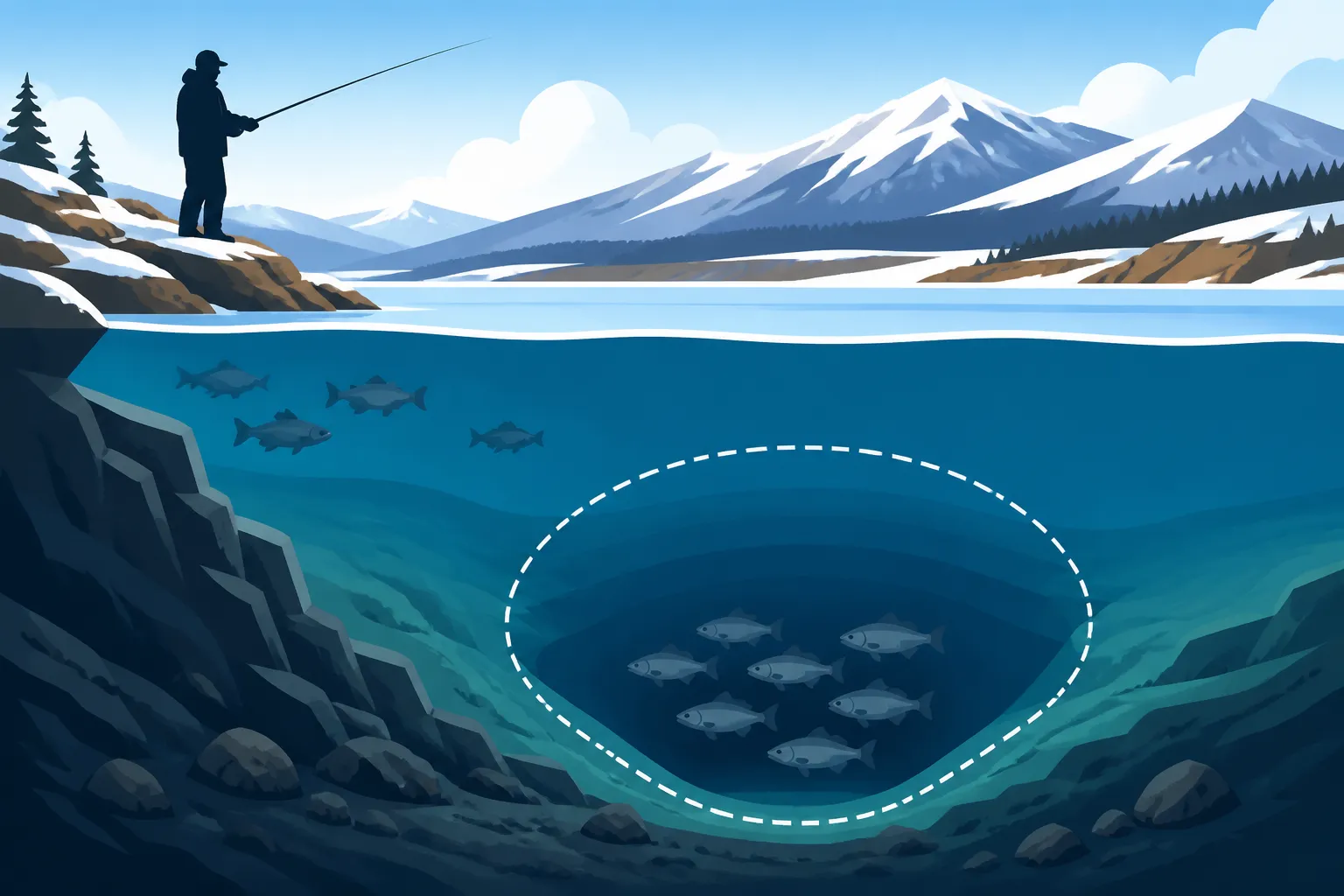
Many of Nevada's reservoirs were formed by damming rivers, leaving behind submerged river channels and old creek beds. These are absolute goldmines for winter anglers. The deeper channels offer consistent depth and often have steeper banks and more structure than the surrounding flats. Fish use these channels like underwater highways, traveling along them, but often holding tight to the steepest drops or the deepest holes within the channel itself.
Imagine a submerged river winding through the bottom of Lake Mead or Lake Mohave. Fish will follow these old paths, especially in areas where the channel narrows or features a significant drop-off. They'll hug the bottom of these channels, seeking shelter from currents and stable temperatures. Often, the largest concentrations of fish will be found not necessarily in the deepest part of the reservoir, but in the deepest parts of these channels. Understanding the original topography of the submerged landscape can give you a significant advantage, helping you pinpoint these crucial holding areas.
Steep Ledges, Drop-offs, and Submerged Structures
Fish are structure-oriented creatures year-round, but this tendency becomes even more pronounced in winter. Steep ledges, sudden drop-offs, and submerged structures like rock piles, old timber, or artificial fish attractors provide critical cover and ambush points. In winter, fish will relate tightly to these vertical breaks in the underwater terrain. They can move up or down the column along these ledges with minimal effort, adjusting their depth to find the most comfortable temperature or to ambush passing prey.
Consider a deep rocky point that drops sharply into an old river channel. Bass, crappie, and even some trout will often stack up on these vertical faces, sometimes suspended just off the bottom or tucked into crevices. The sunny side of a steep bluff or a rock wall can also be a temporary draw on a sunny winter afternoon, as the rocks absorb some warmth. Look for underwater contours that show sharp changes in depth, as these are often magnets for wintering fish. These areas are also less prone to siltation, meaning a firmer bottom and better hiding spots.
Accessing Thermal Refuges
While subtle, thermal refuges exist even in winter-cooled reservoirs. These can be the deepest basins where water temperatures remain marginally warmer and more stable than shallower areas, or, as mentioned before, areas with natural springs. Some reservoirs, particularly those with constant inflows, might have warmer water entering from a creek or a river. Fish will congregate at the confluence of these inflows, especially if the inflowing water is even a degree or two warmer.
Additionally, certain types of bottom composition can offer a slight thermal advantage. Darker, rocky bottoms tend to absorb more heat from sunlight than silty or muddy bottoms. On bright, sunny winter days, fish might move to areas with these darker bottoms, especially if they are adjacent to deeper water they can quickly retreat to. Fishing near dams can also be productive. The deepest part of the reservoir is typically near the dam, and these massive structures themselves can create complex current patterns and deep holding areas that fish utilize throughout the winter months. For more general advice on fishing through the cold, check out our guide on Winter Fishing Techniques for Nevada Trout.
Species-Specific Winter Strategies: Finding Your Target Fish
While many fish species share a general tendency to go deeper and slow down in winter, their exact preferred locations and behaviors can vary. Knowing these subtle differences will greatly enhance your success in Nevada's winter fisheries.
Tracking Nevada's Winter Trout
Trout, especially rainbow trout and brown trout, are often more active in colder water than bass. However, they still become less energetic than in spring or fall. In winter, you'll typically find trout suspended in the water column or cruising deeper flats and points adjacent to steep drop-offs. They're often found around 20-40 feet deep, but this can vary greatly depending on the specific reservoir and whether it's recently been stocked.
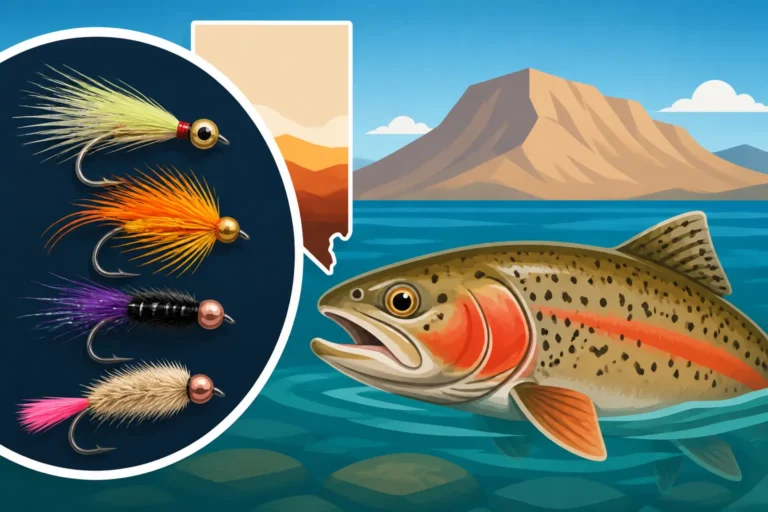
For stocked trout, they often remain somewhat disoriented and will cruise open water before settling into predictable patterns. Look for them near dams, deep points, or along the face of deep submerged structure. They tend to school up, so if you find one, you'll likely find more. Bait fishing with PowerBait, corn, or salmon eggs on a Carolina rig or under a slip bobber in deeper water can be very effective. Lure fishing with small spoons, kastmasters, or slow-retrieved crankbaits can also entice a bite. For those keen on specifics, our guide on How to Fish for Trout in Nevada offers more detailed seasonal advice.
Locating Largemouth and Smallmouth Bass
Bass become significantly less active in winter, seeking out the deepest, most stable water they can find. Largemouth bass will often retreat to deeper brush piles, submerged timber, or rocky crevices in coves and pockets protected from wind. They prefer areas where they can tuck into cover and remain relatively inactive, waiting for an easy meal to pass by. You might find them in depths ranging from 25 to 60 feet, sometimes even deeper in reservoirs like Lake Mead or Lake Mohave.
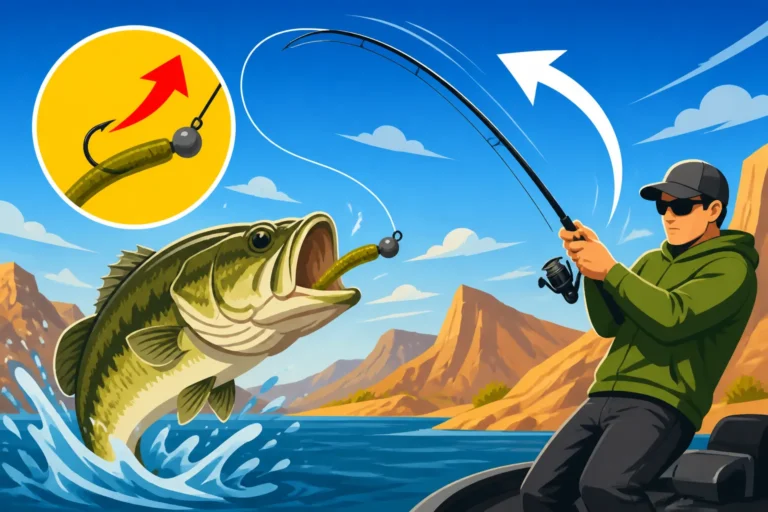
Smallmouth bass, on the other hand, are often found deeper than largemouths, particularly around rocky main lake points, sheer bluff walls, and deep humps. They love hard bottom and structure, often suspending over or near deep rock piles. When fishing for bass in winter, think "slow and low." Jigs, spoons, and drop-shot rigs presented painstakingly slowly are often the ticket. Don't be afraid to let your lure sit motionless on the bottom for extended periods. For specific bass tactics, our article on Deep Water Techniques for Lake Mead Bass is a must-read.
Hunting for Hard-Fighting Striped Bass
Striped bass in reservoirs like Lake Mead and Lake Mohave are pelagic, meaning they often suspend in open water, chasing baitfish. In winter, they still follow their food source, but they'll typically be found deeper than in warmer months. Look for large schools of stripers in the main lake basins, often over or near submerged channels, deep humps, or under schools of baitfish (which your fish finder will be crucial for locating). They might suspend anywhere from 30 to 80 feet deep, sometimes even deeper.
Stripers in winter are less prone to aggressive topwater explosions. Instead, vertical jigging with heavy spoons, blade baits, or soft plastics can be incredibly effective when you mark schools of fish. Trolling deep-diving crankbaits or umbrella rigs can also cover water and locate active schools. Chumming with anchovies can still work wonders, drawing schools of stripers up from the depths, though they might bite more subtly. Remember, a Nevada fishing license is a critical first step before you even cast a line, so be sure to secure yours before heading out!
Adapting Your Approach: Essential Gear and Techniques for Winter Fishing
Winter fishing isn't just about finding the fish; it's also about adjusting your gear and techniques to match their subdued metabolic state and the harsh conditions. A little preparation and patience go a long way.
Slow and Low: The Pacing of Winter Baits
The most crucial adjustment for winter fishing is slowing down your presentation. Fish metabolisms are sluggish, so they aren't going to chase a fast-moving lure. Think about what a fish would eat if it wanted an easy meal – something that's barely moving, perhaps a dying baitfish or an insect struggling on the bottom. Your baits need to mimic this vulnerability.
For jigs, let them sit on the bottom for 10-15 seconds between tiny hops. For crankbaits, use deep-diving, slow-floating models that you can retrieve at a crawl or even "stop and go," letting them suspend enticingly. Live bait, like minnows or worms, presented on a simple Carolina rig or under a bobber that allows for minimal movement, is often deadly. The key is to keep your bait in the strike zone for as long as possible, giving a reluctant fish ample opportunity to commit.
Downsizing and Finesse Tactics
In addition to slowing down, often you'll need to downsize your baits and switch to more finesse-oriented tactics. Smaller lures often appear less intimidating and require less energy for a sluggish fish to swallow. For trout, tiny spoons or small trout worms can be very effective. For bass, consider smaller jigs, finesse worms on a drop-shot rig, or shaky head jigs. Even for stripers, while they can still take a larger bait, sometimes a smaller jig or soft plastic can trigger bites from hesitant fish.
Lighter line can also be beneficial in clear winter waters, offering less visibility and allowing your baits to move more naturally. A sensitive rod is paramount to detect the often incredibly subtle bites. Winter bites are rarely aggressive; they might feel like a slight "tick," a spongy weight, or just your line going slack. This is where high-quality rods and reels make a huge difference, allowing you to feel even the most timid take. You can find excellent options for sensitive rods on Amazon.
Cold Weather Gear and Safety
Winter fishing in Nevada can be truly beautiful, but the elements can also be unforgiving. Proper cold weather gear isn't just about comfort; it's about safety. Layering is key: start with moisture-wicking base layers, add insulating mid-layers, and top with a waterproof and windproof outer shell. A good quality hat that covers your ears, insulated gloves, and warm, waterproof boots are essential. Hand warmers can be a lifesaver, especially for maintaining dexterity for tying knots.
Beyond personal warmth, safety on the water is paramount. If you're ice fishing (which is possible on some of Nevada's higher-elevation lakes during colder periods), always check ice thickness and go with a buddy. For boaters, ensure your boat is properly winterized, your battery is fully charged, and all safety equipment is easily accessible. Falling into cold water can be life-threatening, so inform someone of your plans, wear a life jacket, and carry a means of communication. Staying safe means you can enjoy more days out on the water, even when the temperatures drop. Our comprehensive Nevada Fishing Gear Essentials guide offers a full rundown of what you'll need.
Here’s a quick overview of winter fish locations and common tactics:
| Fish Species | Typical Winter Locations | Recommended Depths (Approx.) | Preferred Baits/Lures | Key Technique |
|---|---|---|---|---|
| Rainbow Trout | Deep flats, points near drop-offs, dam faces, open water over channels. | 20-40 feet | PowerBait, corn, salmon eggs, small spoons, Kastmasters. | Slow retrieve, dead sticking, slip bobber. |
| Brown Trout | Deep rocky points, submerged timber, creek channels, deeper ledges. | 25-55 feet | Jerkbaits (slow retrieve), jigs, spoons, live minnows. | Slow jigging, twitching, live bait presentation. |
| Largemouth Bass | Deep brush piles, submerged timber, rocky crevices in protected coves. | 25-60+ feet | Jigs, football jigs, finesse worms, deep-diving crankbaits (slow). | Slow dragging, hopping, prolonged pauses. |
| Smallmouth Bass | Deep rocky points, bluff walls, humps, main lake deep structure. | 30-70+ feet | Drop-shot rigs, tube jigs, small spoons, blade baits. | Vertical jigging, subtle shaking, very slow retrieves. |
| Striped Bass | Main lake basins, suspended over deep channels, near large schools of baitfish. | 30-80+ feet | Heavy spoons, blade baits, jigs, umbrella rigs, anchovies. | Vertical jigging, slow trolling, chumming and drifting. |
By understanding these winter movements and adjusting your techniques, you can turn a challenging season into one of your most rewarding. So, bundle up, pack your patience, and head out to those Nevada reservoirs – the fish are still there, you just need to know where to look! You might find that the quiet solitude of winter fishing, combined with the thrill of a hard-earned bite, is truly something special.
Disclaimer
This article is for general informational purposes only and does not constitute professional advice. Laws, prices and regulations vary by location and change over time. Consult a qualified professional for guidance on your specific situation.