Nevada trout season start date
It's a common frustration, isn't it? You get all excited about planning a fishing trip, you look up "trout season start date," and you're met with a confusing mix of dates, exceptions, and general statements. Many states have a clear opening day, a ceremonial kickoff to trout fishing, but Nevada tends to do things a bit differently. This guide is here to untangle that confusion, detailing when and where you can genuinely start chasing trout in the Silver State.
Understanding Nevada's General Trout Season Approach
When you first dive into Nevada's fishing regulations, you might be surprised to find that for the vast majority of waters, there isn't a single, definitive "trout season start date" like you might be used to in other states. Instead, the Nevada Department of Wildlife (NDOW) generally operates on a year-round, open-season model for many of its trout fisheries. This means that if a body of water is open to fishing, it's typically open for trout 365 days a year, as long as it's physically accessible and conditions allow.
Statewide Open Season Philosophy
This year-round approach can throw new anglers, or those visiting from states with strict seasonal closures, for a loop. You might spend ages searching for that elusive "opening day," only to find out there isn't one for most places. The philosophy here is often rooted in the diverse aquatic environments Nevada boasts, from high desert reservoirs to alpine lakes. Instead of broad, sweeping closures, NDOW tends to manage trout populations through bag limits, size restrictions, and specific gear regulations that are in effect year-round or for particular periods, rather than shutting down entire fisheries for months. This allows for continuous angling opportunities, which is fantastic news for dedicated trout enthusiasts. It means you don't have to wait for a specific calendar date to hit your favorite trout stream; you just need to ensure the location is open and accessible.
Key Exceptions and Specific Water Closures
While the year-round open season is the general rule, Nevada isn't without its exceptions. These exceptions are usually put in place for specific conservation efforts, often to protect spawning fish or sensitive populations. For instance, certain high-elevation streams or portions of rivers might have seasonal closures to protect spawning wild trout. These closures are typically well-defined in the annual Nevada Fishing Regulations Explained booklet and are often focused on the spring spawning period.
It's absolutely crucial to consult the most current regulations for the specific body of water you intend to fish. A small mountain creek, for example, might have a designated "closed" period, while a large reservoir just miles away remains open. These closures are not about starting a season, but rather pausing fishing activity to ensure the health and longevity of the fish population. Ignoring these can lead to fines and penalties, so always double-check.
Specific Waters and Their Trout Season Nuances
While the general rule is year-round availability, the practical "start date" for good trout fishing can vary wildly depending on the specific water body. Nevada's landscape is incredibly diverse, meaning what applies to a desert reservoir won't apply to a high-alpine lake.
High Mountain Lakes and Streams
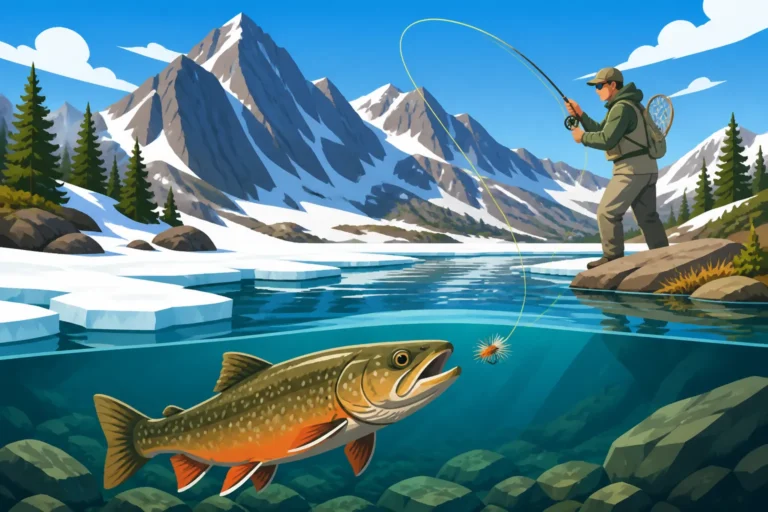
For many of Nevada's stunning high mountain lakes and streams, particularly those in areas like the Ruby Mountains or the Sierra Nevada range, the "start date" is less about a regulation and more about Mother Nature. These waters are often encased in ice and snow for a significant portion of the year. Even if technically open year-round, you simply can't reach them until the snow melts and the roads become passable. The effective "start" of the season for these fisheries typically occurs with the spring thaw, which can range from late May in lower-elevation mountain areas to late June or even early July for the highest alpine lakes. This "ice-out" period is often heralded by anglers as the true opening of the season for these pristine waters, offering spectacular How to Fish for Trout in Nevada opportunities.
Major Reservoirs and Urban Ponds
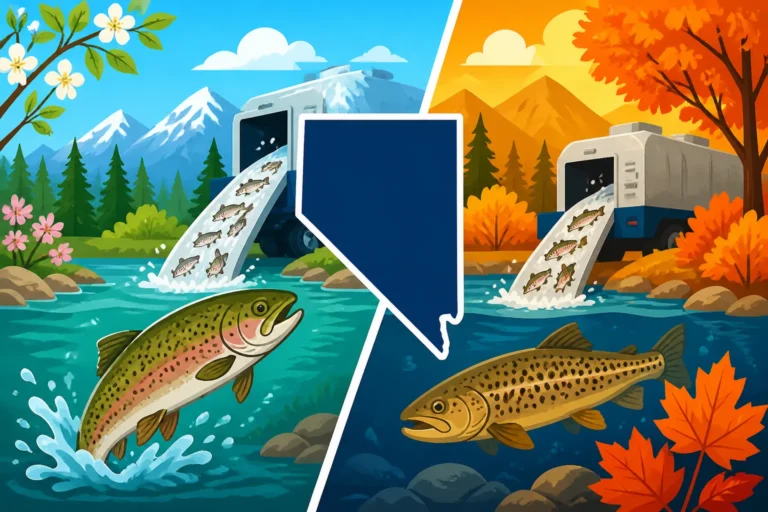
On the flip side, major reservoirs like Wildhorse Reservoir or Lake Tahoe (on the Nevada side), and especially the various urban ponds around Las Vegas and Reno, are generally accessible and fishable year-round. For these locations, the "start date" often aligns more closely with the Nevada Trout Stocking Schedule. NDOW regularly stocks these waters, and the best fishing often occurs shortly after a fresh batch of trout is introduced.
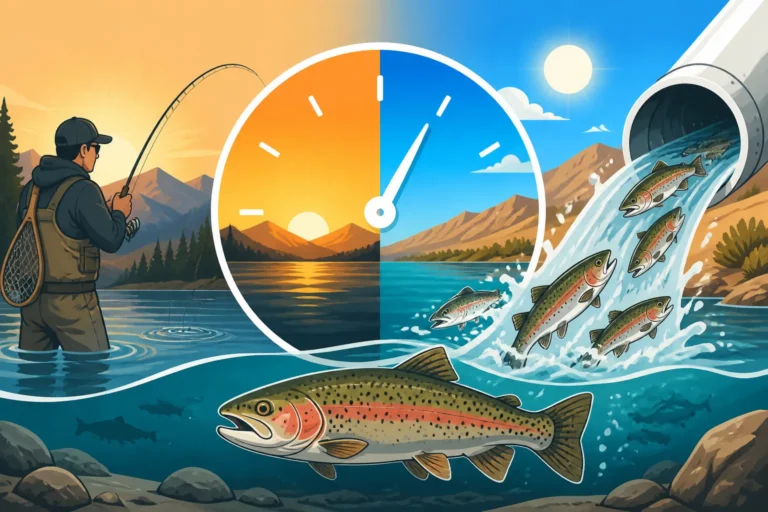
For urban ponds, especially, new fish are brought in frequently throughout the cooler months (fall, winter, spring), providing consistent action. During the hot summer months, trout fishing in these warmer desert waters can slow down considerably as trout prefer cooler temperatures, but they remain open. If you're looking for consistent trout action without waiting for an official "start," these stocked waters are your best bet. You can often find great gear for these ponds on sites like Amazon, from basic spinning rods to smaller tackle boxes.
The Unique Case of Pyramid Lake
Now, here's where we hit a truly definitive "start date" that anglers mark on their calendars: Pyramid Lake. This incredible, ancient lake, managed by the Pyramid Lake Paiute Tribe, is renowned for its world-class Lahontan Cutthroat Trout fishing. Unlike state-managed waters, Pyramid Lake has its own distinct fishing regulations and seasons, and it absolutely has a specific opening and closing date.
The traditional fishing season at Pyramid Lake typically opens on October 1st and runs through June 30th. This means that from July 1st to September 30th, the lake is closed to fishing. The October 1st opening day is a highly anticipated event, with anglers traveling from all over to be among the first to cast a line for the giant cutthroats that Pyramid Lake is famous for. You'll need a special tribal Pyramid Lake Fishing Permit Guide in addition to your state license to fish here. The specific rules, including Pyramid Lake Season and Bag Limit Rules, are critical to follow.
Factors Influencing When You Can Actually Fish for Trout
Even without a hard "start date" for most Nevada waters, there are very real-world factors that dictate when you can realistically and enjoyably fish for trout. Thinking about these can save you a wasted trip.
Weather and Water Conditions
Nevada's weather can be extreme, and this profoundly impacts fishing accessibility and success. In the colder months, many mountain roads leading to prime trout fishing spots are closed due to snow and ice. Even if a lake is technically open, a foot of snow on the access road means you're not getting there. Similarly, ice can cover entire lakes, making traditional open-water fishing impossible. While Ice Fishing in Nevada is an option on some of these frozen lakes, it requires specialized gear and conditions. You'll want to check local forecasts and road conditions before heading out.
Conversely, in the scorching summer, while the lakes are open, the intense desert heat can push trout into deeper, cooler waters, making them harder to catch, especially from shore. Early mornings or late evenings become the only viable times. High water flows in rivers and streams during spring runoff can also make fishing difficult and even dangerous, reducing visibility and making fish spread out.
Trout Stocking Schedules
For many of Nevada's accessible reservoirs and urban ponds, the "start" of a productive trout season often coincides with NDOW's stocking efforts. The department regularly stocks various waters across the state with rainbow, brown, and sometimes tiger trout. While these waters might be technically open year-round, the fishing can be significantly slower before a stocking event. The excitement truly "starts" when those fresh fish are introduced, providing readily available targets for anglers. You can find up-to-date stocking information on the NDOW website or via their social media channels, which is invaluable for planning successful trips to the Best Nevada Trout Lakes. This is especially true for popular spots like the urban ponds in Las Vegas or Reno, which see frequent stockings to keep anglers happy.
Access Limitations
Beyond weather, physical access can be a huge factor. Some remote lakes require hiking or off-roading, and these routes might be seasonal. Private land closures, while less common for public fishing access, can also affect where you can legally cast a line. For certain Nevada Western Region Fishing Regulations, access to specific stretches of river might be seasonal or limited. Always respect private property signs and consult maps for public access points. Sometimes, you might think a body of water is open, but the only way to get to it is through private land, effectively closing it off to you. A good GPS device or reliable fishing app can be a real lifesaver here, helping you find those public access points.
Essential Regulations Beyond Season Dates
Understanding when you can legally fish for trout in Nevada involves more than just "start dates." There are a handful of other critical regulations you need to be aware of to ensure your trip is both enjoyable and legal.
Fishing Licenses and Endorsements
No matter when or where you decide to fish for trout in Nevada, one thing is non-negotiable: you absolutely need a valid Nevada fishing license. Even if a body of water is open year-round, your license is your ticket to legally participate. You can purchase these online through the NDOW website, or in person at various vendors like sporting goods stores (e.g., some larger Amazon-affiliated retailers or local shops).
For trout, specifically, you might also need a Nevada trout stamp, depending on the type of license you hold and where you're fishing. The Nevada Trout Stamp Requirements explain this in detail, but generally, if you're targeting trout, it's a good idea to have one, or ensure your license covers it. There are different types of licenses too, from annual to 1-day or 5-day permits, so choose what fits your trip best.
Bag and Possession Limits
Even when the season is open, you can't just keep every fish you catch. Nevada has strict bag and possession limits for trout, which vary by species and by specific body of water. For example, the Nevada Statewide Bag Limits Explained typically set a daily limit for trout, and there might be size restrictions, such as minimum or maximum lengths for certain species (e.g., Lahontan Cutthroat Trout at Pyramid Lake often have a slot limit).
These limits are designed to protect the fish populations and ensure sustainable fishing for everyone. Always know the current limits for your target species and location. Keeping undersized or oversized fish, or going over the daily limit, can result in hefty fines. It's smart to carry a tape measure and to review the regulations before you start fishing.
Special Gear and Bait Restrictions
Some trout fisheries in Nevada have very specific rules about the type of gear and bait you can use. For instance, in certain "trophy" trout waters or sensitive stream sections, only artificial lures with barbless hooks might be permitted. This is often done to minimize harm to fish if they are caught and released, increasing their chances of survival. Pyramid Lake, for example, has very strict rules about barbless hooks.
Before you head out, check if your chosen fishing spot has any such restrictions. You don't want to show up with a bucket of live minnows only to find out bait fishing is prohibited. Stocking up on appropriate lures, flies, or specific baits can be done easily online, with Amazon offering a vast selection that can be delivered right to your door before your trip. Always double-check your setup to match the local regulations.
Trout Season Overview by Water Type
To simplify things, here's a general overview of trout season accessibility for different types of Nevada waters. Remember, always verify the latest NDOW regulations and local conditions before heading out!
| Water Type | General Season Accessibility | Practical "Start" Factors | Key Regulations/Notes |
|---|---|---|---|
| Major Reservoirs (e.g., Lake Mead, Wildhorse) | Year-round | Consistent stocking (cooler months) | State fishing license + trout stamp. Standard bag/possession limits. |
| Urban Ponds (e.g., Floyd Lamb Park, Sunset Park) | Year-round | Frequent stocking (fall-spring) | State fishing license + trout stamp. Often family-friendly. Check local rules for specific ponds. |
| High Mountain Lakes | Year-round (regulated) | Ice-out (late May – early July) | State fishing license + trout stamp. Access often limited by snow. Check road conditions. |
| Rivers & Streams (lower elevation) | Year-round (regulated) | Spring runoff (May-June) can make fishing tough | State fishing license + trout stamp. May have special gear/bait restrictions or seasonal closures on specific stretches. |
| Pyramid Lake | Seasonal (Oct 1 – June 30) | October 1st (Official Opening Day) | Pyramid Lake Tribal Permit REQUIRED (in addition to state license). Strict barbless hook, slot limits. |
Disclaimer
Please remember that fishing regulations, season dates, and access points can change. This guide is intended for informational purposes only. Always consult the most current Nevada Department of Wildlife (NDOW) regulations booklet or their official website, as well as any specific tribal regulations for areas like Pyramid Lake, before planning your fishing trip. Local conditions, such as weather and water levels, can also significantly impact fishing opportunities and safety.