Best time of year for fly fishing in Nevada
If you've ever stood on the banks of a shimmering Nevada river or a vast, still lake, fly rod in hand, you've probably asked yourself: "Is this really the best time to be here?" It’s a completely valid question! Nevada’s diverse landscapes mean that what works for fly fishing in the spring in the high desert is totally different from what works in the fall in a mountain stream, and figuring out the prime windows for success can feel like a puzzle. This guide is here to untangle that, helping you understand the best times of year for fly fishing across the Silver State's incredible waters.
Understanding Nevada's Diverse Fly Fishing Seasons
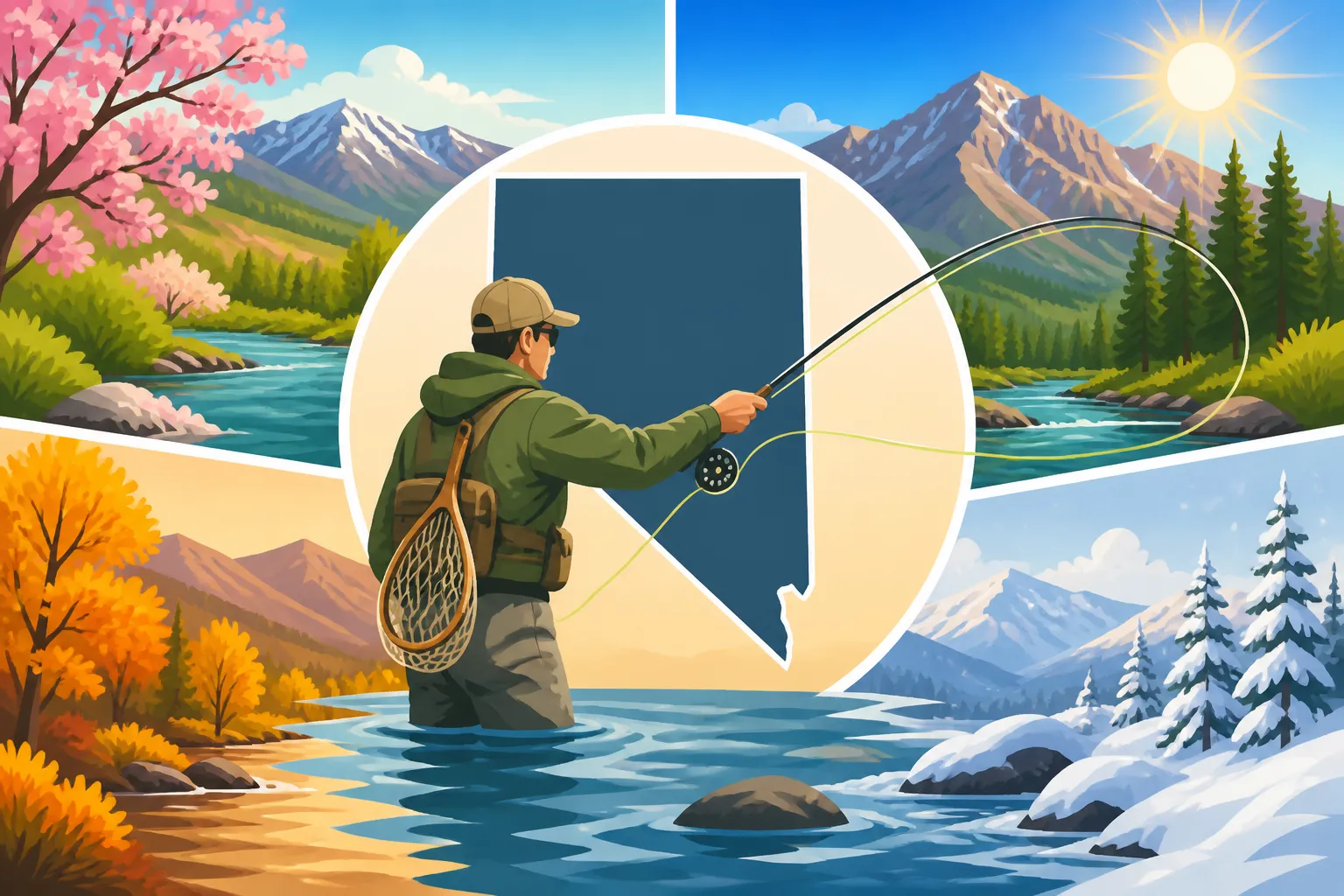
Nevada isn't just a desert; it's a state of extreme contrasts, from scorching low-elevation valleys to snow-capped peaks. This incredible diversity translates directly into wildly varying fly fishing conditions throughout the year. What's "best" often depends on where you are and what species you're targeting. Instead of a single "best time," it’s more about knowing which waters shine in each season.
Spring: Awakening Waters and Hungry Trout
Ah, spring! There's something truly magical about the landscape waking up, and the fish along with it. As the ice melts from higher elevation lakes and reservoirs, and river flows begin to stabilize after the initial snowmelt surge, trout become incredibly active. They’ve been hunkered down all winter, burning through their fat reserves, and now they're ready to feed aggressively.
You’ll typically find the lower elevation waters, like those in the western and southern regions, becoming fishable first. Think early March through May. The water temperatures start to rise, triggering insect hatches. Midges are often the first to appear in large numbers, followed by caddis and then mayflies. This is when indicator nymphing can be incredibly productive, as trout are often focused on subsurface insects. As the season progresses and flows become more consistent, opportunistic trout will start looking up, offering some fantastic dry fly opportunities, especially on warmer afternoons. Just remember that snowmelt can still cause rivers to swell and become turbid, so keeping an eye on local conditions is key for successful outings.
Summer: High Mountain Retreats and Early Mornings
Summer in much of Nevada can be brutally hot, and the low-elevation waters can warm up quickly, making them stressful for trout. This is when the savvy fly angler heads for the hills – literally. The high mountain lakes and streams truly come alive once the snow has fully melted, usually from late June through September. These pristine waters, fed by snowmelt and mountain springs, remain cool and oxygenated, providing ideal conditions for trout.
During the summer, you'll want to focus on early mornings and late evenings for the most consistent action, especially on larger, lower-elevation rivers or reservoirs that still hold trout. Terrestrial patterns, mimicking grasshoppers, beetles, and ants, can be deadly in high mountain meadows or along grassy riverbanks. Dry fly fishing can be exceptional in these cooler, higher waters, with a variety of mayfly and caddis hatches occurring. It’s also a fantastic time to explore remote backcountry lakes where you might find eager wild trout that rarely see a fly. Remember your sun protection, plenty of water, and consider a Best Hat and Sunglasses for Sight Fishing in Bright Water before heading out.
Fall: Golden Opportunities and Aggressive Spawners
Many fly anglers consider fall to be the absolute prime season in Nevada, and it’s hard to argue with them. As temperatures cool, the water temperatures become much more comfortable for trout across all elevations, and fish really begin to put on the feedbag in preparation for winter. The crowds thin out, and the scenery turns spectacular with changing leaves, especially in areas like the Ruby Mountains or along the Truckee River.
This is a fantastic time for streamer fishing, as larger trout become more aggressive and territorial, often chasing bigger meals. Brown trout and brook trout begin their annual spawning rituals in many waters, making them particularly active and often more visible. Kokanee salmon also make their spawning runs in certain lakes and reservoirs, drawing in other predatory fish that follow the buffet. Dry fly action can still be very good on warmer days, especially with late-season caddis or blue-winged olives. If you're looking for a chance at a trophy fish, particularly a brown trout or an aggressive cutthroat, fall is often your best bet. Make sure your fly box is stocked with some good streamer patterns; you might even find some excellent variety packs on Amazon.
Winter: Brave the Cold for Unique Rewards
Winter fly fishing in Nevada isn't for the faint of heart, but for those willing to bundle up and brave the cold, it offers unique rewards: solitude and often very healthy, unpressured fish. Many waters in northern Nevada will develop thick enough ice for ice fishing, but open water opportunities can still be found. Rivers with consistent flows, particularly tailwaters like sections of the Truckee River, will remain ice-free and can offer excellent nymphing.
During winter, fish metabolism slows down, so presentations need to be slower and more deliberate. Small nymphs, midge patterns, and tiny egg patterns drifted slowly along the bottom are often the most effective. Fishing usually picks up during the warmest part of the day, from late morning to early afternoon. While dry fly action is rare, a persistent angler might occasionally find a midge hatch on a calm, sunny day. On larger lakes that don't freeze completely, deep-water nymphing or stripping small streamers can also entice lethargic fish. Remember to layer up, bring hand warmers, and keep an eye on weather forecasts and road conditions.
Regional Nuances: Where and When to Cast Your Line
Nevada's geography is incredibly varied, and understanding these regional differences is crucial for planning your fly fishing adventures. The "best time" will shift dramatically depending on whether you're targeting high desert lakes or rushing mountain rivers.
Northern Nevada: Tailwaters, Lakes, and Mountain Streams
Northern Nevada is truly a fly fishing mecca, boasting some of the state's most iconic waters.
- The Truckee River: This is probably Nevada’s most famous fly fishing destination. The Truckee is a diverse river, offering everything from challenging technical dry fly fishing to productive nymphing for large trout. Its tailwater sections often remain fishable year-round, even through winter. Spring sees good hatches of caddis and mayflies, while summer requires targeting cooler sections or fishing early/late. Fall is spectacular for larger trout moving upriver. Understanding Truckee River Fishing Near the Nevada Line is crucial, as regulations can vary.
- Pyramid Lake: While not a traditional "fly fishing" destination in the classic sense, Pyramid Lake is world-renowned for its enormous Lahontan Cutthroat Trout, and fly anglers have incredible success here. The best time to target these giants is typically from late fall (October/November) through early spring (March/April). The cooler water temperatures bring these fish closer to shore, making them accessible to shore anglers stripping large streamer patterns or fishing chironomids under an indicator. You'll need a special Pyramid Lake Tribal Fishing Permit and specific gear, so checking the Best Fly Box Setup for Pyramid Lake can be a huge help.
- High Mountain Lakes and Streams (e.g., Ruby Mountains, Jarbidge Wilderness, Lake Tahoe tributaries): These waters come into their own during the summer and early fall. Once the snow melts (typically late June/early July), they offer stunning scenery and abundant wild trout. Dry fly fishing can be phenomenal, and a small stream rod is often ideal. Check out guides like How to Fly Fish a High Mountain Stream for specific tips. Fall can extend the season with beautiful colors and active fish before winter sets in.
- Wildhorse Reservoir: Located in northeastern Nevada, Wildhorse offers excellent trout and bass fishing. Spring and fall are prime here for fly anglers targeting trout, with both stocked rainbows and some holdovers providing good action. Stripping streamers or nymphing can be very effective.
Southern Nevada: Surprising Desert Oases
While southern Nevada is best known for its vast desert landscapes, there are still fly fishing opportunities, especially for those seeking warm water species or stocked trout in urban ponds during cooler months.
- Urban Ponds (e.g., Las Vegas area): These ponds are regularly stocked with rainbow trout, particularly from fall through spring when water temperatures are cool enough. They offer a great, accessible opportunity for beginners and families. Small streamers, nymphs, and even some dry flies can work, especially right after a Nevada Trout Stocking Schedule notification.
- Lake Mead/Lake Mohave (Warmwater Species): While not traditional fly fishing waters, determined fly anglers can find success targeting largemouth and smallmouth bass in the cooler months (spring and fall) with bass bug patterns or large streamers. Striped bass are also present, but fly fishing for them is a specialized pursuit often requiring specific techniques.
Eastern Nevada: Hidden Gems and Secluded Waters
Eastern Nevada offers a more secluded fly fishing experience, with numerous smaller reservoirs and mountain ranges holding trout.
- Cave Lake, Comins Lake, Eagle Valley Reservoir, and Spring Valley State Park: These reservoirs, often stocked with trout, offer good fly fishing in spring and fall. Nymphing and stripping streamers are generally productive. Some even offer ice fishing opportunities in the winter.
- Ruby Lake National Wildlife Refuge: Known for its unique marsh environment, this refuge offers excellent fishing for a variety of species, including Lahontan cutthroat trout, especially in the spring and fall.
Essential Gear & Considerations for Year-Round Fly Fishing
Having the right gear isn't just about comfort; it's about success and safety. Nevada's unpredictable weather and diverse fishing environments demand preparedness.
Seasonal Fly Choices and Techniques
The beauty of fly fishing lies in matching the hatch, or at least matching what the fish are expecting to eat.
- Spring: Focus on subsurface presentations. Small midge larvae and pupae (zebra midges, tiny brassies), Caddis larvae and pupae (green rock worms, soft hackles), and baetis nymphs are excellent choices. As water warms, larger stonefly nymphs might become active. For topwater, look for early caddis or blue-winged olives.
- Summer: In high country streams, dry flies are king! Elk Hair Caddis, Adams, Parachute Adams, and Hopper patterns work wonderfully. Terrestrials are also crucial – foam hoppers, ants, and beetles can entice hungry trout. For deeper lakes, small streamers or balanced leeches under an indicator can be effective.
- Fall: This is streamer season! Woolly Buggers, Sculpzillas, and articulated streamers in olive, black, or brown can elicit aggressive strikes. Nymphing with larger stonefly imitations or egg patterns (if legal and ethical in your specific water) can also be highly productive. Blue-winged olives and October Caddis can offer late-season dry fly fun.
- Winter: Go small and slow. Tiny midge larva and pupa patterns, small baetis nymphs (zebra midges, disco midges, WD-40s), and tiny egg patterns are your best friends. Fish them slowly and deep under an indicator. You might even find some excellent, region-specific fly assortments on Amazon that cover these seasonal needs.
For more detailed fly selection, consider checking resources like Best Nymph Patterns for Nevada Trout Streams or Best Fly Patterns for Pyramid Lake Cutthroat.
Apparel and Safety for Nevada's Climate
Nevada's weather can change on a dime, especially in the mountains. Layering is not just a suggestion; it’s a necessity.
- Layers are Key: A moisture-wicking base layer, insulating mid-layers (fleece or down), and a waterproof/windproof outer shell will keep you comfortable from chilly mornings to warm afternoons, and protect you from sudden storms.
- Sun Protection: Even on cool days, the Nevada sun is intense. Wide-brimmed hats, polarized sunglasses, long-sleeved shirts with UPF protection, and plenty of sunscreen are non-negotiable.
- Waders and Boots: Good quality waders are essential for most fly fishing, allowing you to access prime casting positions and stay warm. Choose appropriate wading boots with good grip for slippery riverbeds. Do you need waders for river fishing in Nevada? Often, yes!
- Safety Gear: Always carry water, snacks, a first-aid kit, and know how to use it. A multi-tool, headlamp, and means of communication are also vital, especially when exploring remote areas. Let someone know where you're going and when you expect to return.
Getting Your Gear Ready
Before hitting the water, a quick gear check can save you a lot of frustration. Inspect your fly line for cracks or wear, check your leaders and tippet for nicks, and ensure your reels are clean and smooth. Consider having a few different fly line setups – a floating line for dry flies and nymphs, and maybe a sink-tip or full sinking line for streamers in deeper water. Many anglers find it convenient to stock up on fly tying materials or specialized lines on Amazon, ensuring they're ready for any condition.
Maximizing Your Chances: Tips for Seasonal Success
Beyond knowing the general seasons, a few extra tips can truly elevate your fly fishing game in Nevada.
Monitoring Water Conditions
The single biggest factor affecting fish behavior and your success is water conditions.
- Flow Rates: For rivers, consistent flow rates are your friend. Too high and the water is fast and turbid, making fishing difficult and dangerous. Too low, and fish can be spooked easily in shallow areas. Websites from government agencies often provide real-time flow data for major rivers like the Truckee.
- Water Temperature: Fish are cold-blooded, and their activity levels are directly tied to water temperature. Trout prefer cooler water, generally between 45-65°F (7-18°C). A simple stream thermometer can be an invaluable tool. Learning about Best Water Temperature for Trout Fishing can significantly improve your strategy.
- Water Clarity: Clear water means fish can see your line and presentation more easily, demanding more finesse. Turbid water reduces visibility, making bright or dark, high-contrast flies more effective.
Hatch Charts and Local Knowledge
While general knowledge helps, truly dialing in your fly fishing often comes down to very specific, local information.
- Hatch Charts: Many local fly shops or online forums for specific rivers will have "hatch charts" that detail which insects are active at different times of the year. Knowing what insects are currently hatching, or about to hatch, allows you to "match the hatch" more effectively.
- Local Fly Shops: These are goldmines of information. Stop in, buy a few flies (or a Nevada Trout Stamp Requirements if you need one), and chat with the staff. They'll know what’s working, where the fish are, and what areas to avoid. They often have the most up-to-date reports on river conditions, water levels, and recent stocking events. They're also a great place to pick up any last-minute essentials you might have forgotten.
By combining seasonal strategies with region-specific knowledge and real-time conditions, you'll be well on your way to experiencing the best of Nevada's diverse fly fishing opportunities, no matter the time of year.
| Season | Best Regions/Waters | Key Species | Recommended Fly Types | General Tips |
|---|---|---|---|---|
| Spring | Lower elevation rivers, Reservoirs, Urban Ponds | Rainbow Trout, Brown Trout, Bass | Midges, Baetis Nymphs, Caddis Larvae, Small Streamers | Look for rising water temperatures, focus on subsurface, watch for early hatches. |
| Summer | High Mountain Lakes/Streams | Rainbow Trout, Brook Trout, Cutthroat | Dry Flies (Caddis, Mayflies), Terrestrials (Hoppers, Ants), Small Streamers | Fish early/late in the day, seek higher elevations, focus on cooler, oxygenated water. |
| Fall | Truckee River, Pyramid Lake, Wildhorse Reservoir | Lahontan Cutthroat Trout, Brown Trout, Rainbow Trout | Streamers, Larger Nymphs, Blue-Winged Olives, October Caddis | Excellent feeding and spawning activity, prime for trophy fish, vibrant scenery. |
| Winter | Tailwater Rivers, Ice Fishing Lakes, Urban Ponds | Rainbow Trout, Brown Trout | Small Midges, Baetis Nymphs, Egg Patterns | Go slow and deep, fish warmest part of the day, seek open water on rivers. |
Disclaimer
This article is for general informational purposes only and does not constitute professional advice. Laws, prices and regulations vary by location and change over time. Consult a qualified professional for guidance on your specific situation.