Does a falling lake level hurt the fishing?
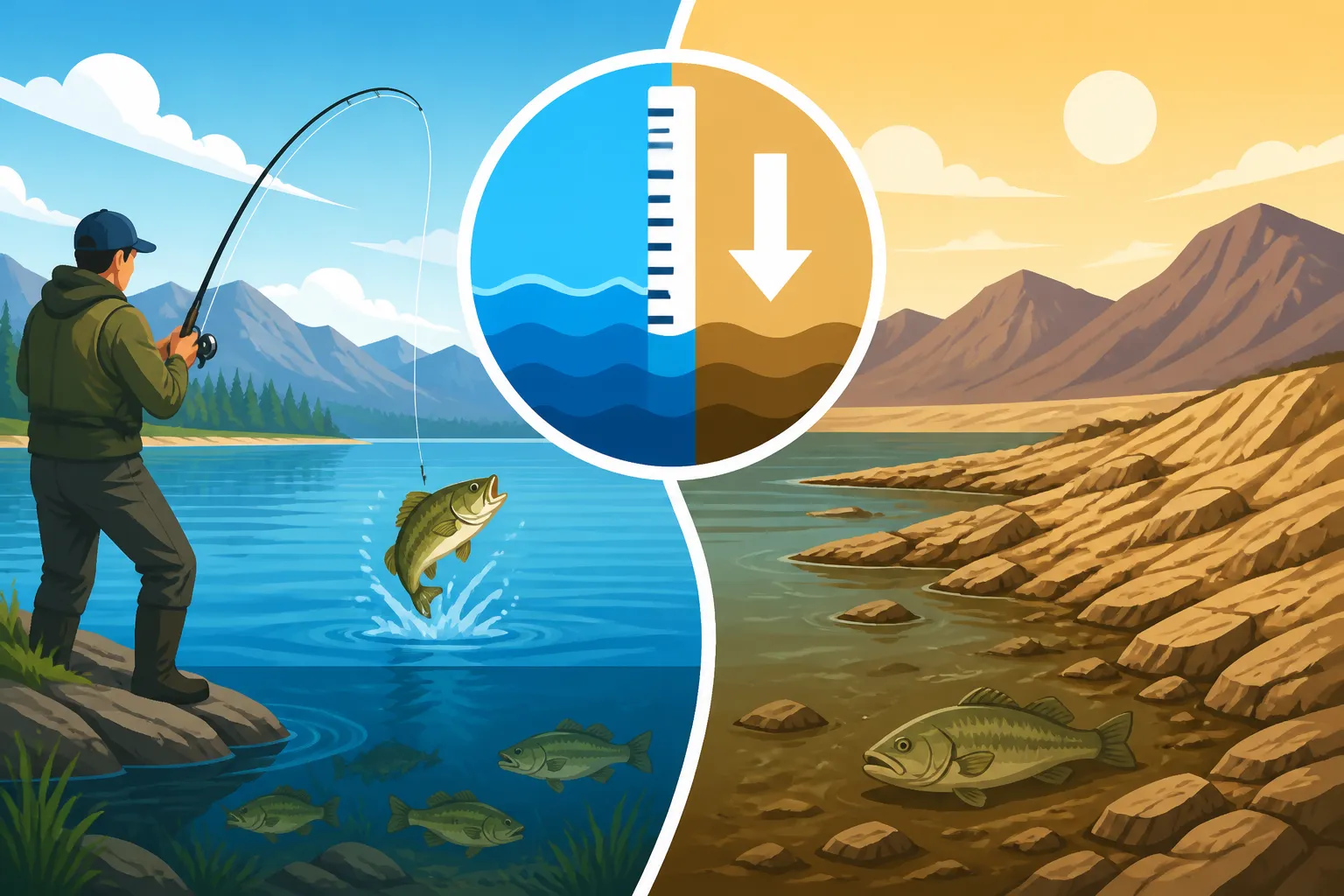
It's a question that weighs heavy on the minds of many anglers, especially here in Nevada where our reservoirs often fluctuate: "Does a falling lake level hurt the fishing?" When you pull up to your favorite spot and see the water line noticeably lower than last month, a pit can form in your stomach. Will the fish still be there? Will they bite? It's a completely valid concern, and the short answer is yes, a falling lake level absolutely impacts the fishing, often making it more challenging in the short term, but it also presents unique opportunities for those willing to adapt. This guide will dive deep into how receding waters affect our beloved fisheries and, more importantly, how you can adjust your strategy to keep catching fish.
The Immediate Impact of Falling Water Levels on Fish Behavior
When the water starts to recede, it's not just the shoreline that changes; the entire underwater world for the fish is turned upside down. Imagine your living room suddenly shrinking and moving around – that's what it feels like to the fish. Their comfort zones are disrupted, their food sources can be scattered, and their protective cover might literally dry up.
Displaced Fish and Changing Cover
Fish, much like us, are creatures of habit. They relate to structure: submerged trees, rocky points, ledges, old creek channels, and even artificial fish habitats. These structures provide ambush points for predators, safety for smaller fish, and crucial shade from the intense Nevada sun. When water levels drop, these structures are often exposed, leaving fish without their familiar hiding spots. They are forced to relocate, often seeking new cover or deeper water.
This displacement means fish might scatter or congregate in unfamiliar patterns. A once productive coves teeming with bass might suddenly be too shallow, forcing those bass out to the main lake points or into deeper, less obvious channels. Conversely, a section of the lake that was previously too deep for good cover might now have newly exposed ledges or rock piles that become prime real estate for relocating fish. It’s a dynamic situation that requires anglers to think like a fish and understand where they might seek refuge.
Water Temperature and Oxygen Levels
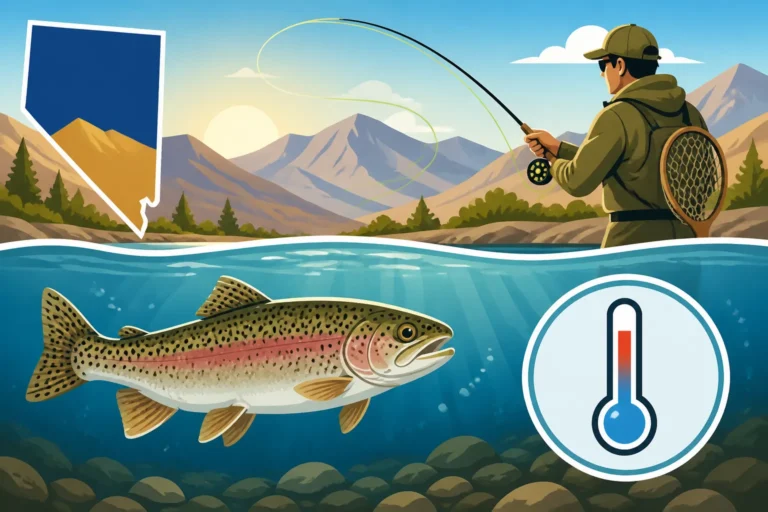
Another critical factor affected by falling lake levels is water quality, specifically temperature and oxygen. As water recedes, shallow areas become even shallower. This means they heat up much faster under the Nevada sun. Many desirable game fish, especially trout and certain bass species, are very sensitive to rapid temperature changes or excessively warm water. They'll seek out cooler, more stable temperatures, which often means moving to deeper water where thermal stratification can offer cooler refuges.
Additionally, reduced water volume can sometimes lead to lower dissolved oxygen levels, especially in warmer, stagnant areas or those with heavy organic decomposition. Fish need oxygen to survive, and a lack of it will push them to areas with better water circulation or deeper, cooler water. This is particularly true for trout, which thrive in cooler, oxygen-rich environments. Understanding "How water level affects fishing at Lake Mead" or any other major reservoir requires observing these shifts in real-time and adjusting your target depths accordingly.
How Anglers Can Adapt to Lower Lake Levels
The good news is that while falling lake levels present challenges, they are far from a death knell for fishing. In fact, seasoned anglers often see these periods as opportunities to discover new spots or refine their techniques. It’s all about observation, adaptability, and a willingness to explore.
Locating New Structure and Drop-offs
When water drops, what was once hidden becomes visible. This is your chance to "scout" the lakebed for future reference. Take note of newly exposed rock piles, old roadbeds, submerged timber, or even brush lines that are now on dry land. These are the very structures that fish will relocate to when the water returns or hold near if the water stabilizes at a lower level. Even better, you can observe where the new, steeper drop-offs are, as fish will often stage along these edges, moving up to feed and retreating to deeper water for safety.
Using electronics like a fish finder becomes absolutely invaluable during these times. A good unit can help you pinpoint those new underwater contours, ledges, and channels that fish are now calling home. Many anglers even find that the fish become more concentrated in the remaining viable habitats, making them easier to locate once you figure out the pattern. Look for areas where submerged channels meet main lake points or where deep water is still accessible close to what was once prime cover.
Adjusting Bait and Lure Presentations
With fish potentially stressed, displaced, or concentrated, your typical go-to lures and baits might not be as effective. It's time to refine your presentation. Often, a more subtle, slower approach can be key. Instead of aggressive power fishing, consider finesse techniques. Think about smaller baits, lighter line, and a slower retrieve. Fish that are stressed might not chase a fast-moving crankbait but might be tempted by a slow-falling soft plastic or a jig fished meticulously along the bottom.
If fish are schooling in deeper water, vertical jigging or drop-shotting might be the ticket. If they're relating to newly formed shallow cover, a weedless Texas-rigged worm or a shaky head jig could be more effective. Consider also the clarity of the water – sometimes low water levels can mean clearer water, requiring more natural colors and less flashy presentations. For species like striped bass, understanding their "Best Lures for Striped Bass" and how these perform at different depths becomes crucial. Experimentation is the name of the game, and sometimes, a slight change in color or retrieve speed can make all the difference.
Exploring Newly Accessible Areas (Carefully!)
One unique aspect of falling water levels is the exposure of areas that were once inaccessible. This could mean miles of new shoreline opening up for bank anglers or even new back channels that are now too shallow for larger boats but perfect for kayak fishing or wading. This can be a goldmine for anglers seeking solitude and potentially unpressured fish.
However, a word of caution: always prioritize safety. Newly exposed areas can be mucky, uneven, or contain hidden hazards. If you're exploring on foot, wear appropriate footwear and be mindful of your footing. For boaters, low water can expose numerous submerged hazards like rocks, stumps, and shallow bars that were previously navigable. Always consult updated navigational charts and proceed with extreme caution, especially in areas you're not familiar with. Even better, consider reviewing your "Nevada Boat Registration and Titling Guide" to ensure you understand all the safety requirements before venturing out.
Long-Term Implications for Fisheries
While adapting to low water levels can be exciting for anglers, it's also important to understand the broader, long-term implications these conditions can have on the health and sustainability of Nevada's fisheries. This isn't just about catching fish today, but ensuring there are fish to catch for generations to come.
Impact on Spawning Grounds
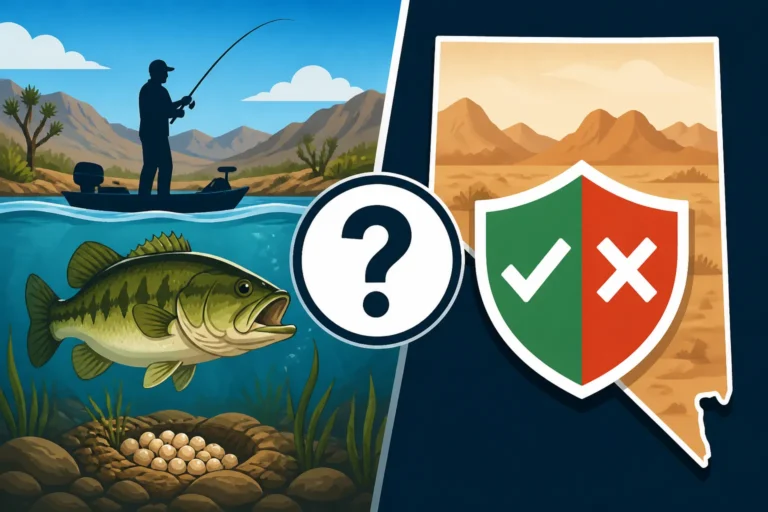
One of the most significant concerns with prolonged low lake levels is the impact on fish spawning. Many popular game fish, such as largemouth bass, crappie, and even some trout species, rely on shallow, vegetated, or rocky areas for successful reproduction. Bass, for instance, build nests in shallow, protected coves. If these areas dry up during the critical spawning period, it can lead to massive reproductive failures, directly impacting future fish populations.
Imagine a lake where bass typically spawn in April and May in 3-5 feet of water among submerged bushes. If the lake level drops by 10 feet in March, those bushes are now high and dry, and the bass have lost their prime spawning habitat. While some fish may adapt and try to spawn in deeper, less ideal locations, the overall success rate will likely plummet. This can lead to a noticeable decline in fish numbers a few years down the line, affecting the overall health and vitality of the fishery for years to come.
Concentrated Forage and Predator Dynamics
In the short term, falling water can sometimes concentrate baitfish and other forage species into smaller areas. This can be a boon for predators like bass and stripers, as they have an easier time finding food. Anglers who locate these "bait balls" can often have incredible fishing days. However, this isn't necessarily a good long-term trend. Over time, excessive predation on concentrated forage can deplete their numbers, leading to a ripple effect throughout the food chain.
Moreover, if fish are forced to congregate in smaller, deeper areas, it can increase competition for food and space, leading to slower growth rates and increased stress. Diseases can also spread more easily in crowded conditions. This shift in predator-prey dynamics can alter the natural balance of the ecosystem, sometimes leading to an overabundance of less desirable species or a decline in the trophy fish many anglers seek.
Ecosystem Resilience and Stocking Efforts
Nevada's desert lake ecosystems are surprisingly resilient, but there's a limit to how much stress they can endure. Fisheries management agencies, like the Nevada Department of Wildlife (NDOW), closely monitor water levels and fish populations to understand these impacts. In response to severe or prolonged low water conditions, they may adjust stocking schedules, introduce different species better suited to the changed environment, or implement specific regulations.
For instance, they might increase their "Nevada Trout Stocking Schedule" in certain urban ponds if larger reservoirs are struggling, or shift stocking efforts to more stable bodies of water. Understanding the "Nevada Fishing Seasons by Month" often requires knowing that these timelines can be influenced by environmental factors like water levels and stocking efforts. While nature is powerful, human intervention plays a crucial role in mitigating the long-term damage caused by significant environmental changes.
Gear and Safety Considerations for Low Water
Navigating a body of water with significantly reduced levels requires not only a change in fishing strategy but also a heightened awareness of safety and, potentially, an adjustment to your gear. What worked perfectly fine when the lake was full might not be sufficient, or even safe, when it's low.
Navigational Hazards and Boat Launches
The most immediate and apparent danger of falling lake levels, especially for boaters, is the emergence of new navigational hazards. Rocks, stumps, humps, and old structures that were once deep beneath the surface can now become prop-wreckers or even hull-piercers. Buoys and markers might be out of place, or entire areas previously marked as safe passage could now be extremely shallow or completely dry. Always approach unfamiliar waters slowly and keep a sharp eye out for visual cues. Investing in a good map chip for your fish finder that shows contours can be a lifesaver, but even those might not be entirely up-to-date with rapid changes.
Furthermore, many boat launches become unusable when water levels drop significantly. Ramps can end abruptly in mud, or the angle might become too steep for safe launching and retrieval. Always check local conditions before heading out, especially if you're planning a trip to a reservoir known for fluctuating levels. For instances like Lake Mead, which has seen significant changes, exploring up-to-date information on "Hemenway Bay Fishing Access" or other major launch points is critical. Have a solid "Best Anchor for Windy Desert Lakes" or a similar robust anchoring system on hand, as you might find yourself in less protected waters or needing to hold position in strong winds.
Essential Gear for Low Water Conditions
Beyond basic safety, certain gear becomes particularly useful, even essential, when fishing in low water.
- Advanced Sonar/Fish Finders: As fish relocate, a high-quality fish finder with side imaging or down imaging can be instrumental in locating schools of fish, new ledges, and hidden structure. Brands like Lowrance, Garmin, or Humminbird offer a range of options, and many anglers turn to online retailers like Amazon to explore the latest models. This kind of technology can help you find "How deep trout go in summer" when they're pushed into thermal refuges.
- Portable Anchors: If you're a kayak angler or fishing from a smaller boat, a reliable, easily deployable anchor is crucial. This allows you to hold your position over newly discovered structure or in windy conditions, which can be even more pronounced on exposed, lower lakes.
- Wading Boots and Gear: For bank anglers, durable wading boots can open up access to areas previously reachable only by boat, allowing you to get closer to fish that might be holding near newly exposed shorelines or features.
- Binoculars: Believe it or not, binoculars can be incredibly helpful for scouting. From a high vantage point, you might be able to spot newly exposed structure or observe birds diving, indicating baitfish activity in specific areas.
- Sun Protection: With more exposed land and less water reflection, the Nevada sun can be even more intense. Wide-brimmed hats, polarized sunglasses, and long-sleeved UPF clothing are not just comfortable, but essential for safety.
Ultimately, while a falling lake level can initially seem disheartening, it's an opportunity for anglers to learn, adapt, and refine their skills. By understanding how fish react, adjusting your techniques, and prioritizing safety, you can continue to enjoy fantastic fishing experiences in Nevada's dynamic waters. It's truly a test of your adaptability, but one that often rewards those who embrace the challenge.
Disclaimer
This article is for general informational purposes only and does not constitute professional advice. Laws, prices and regulations vary by location and change over time. Consult a qualified professional for guidance on your specific situation.