Best technique for fishing a drought-lowered reservoir
The stark reality of drought-lowered reservoirs in Nevada can be incredibly frustrating for anglers. What once were familiar coves and submerged structures can become dry land or dangerously shallow, leaving many wondering how to even begin finding fish in such changed conditions. This guide will walk you through effective strategies and specialized techniques to adapt your approach and find success when fishing a drought-lowered reservoir.
Understanding the Impact of Drought on Reservoirs
When water levels drop significantly in our Nevada reservoirs, it's not just the shoreline that changes; the entire ecosystem is affected. Fish behavior, food sources, and even water quality can be dramatically altered. Understanding these shifts is the first step toward adapting your fishing strategy.
Changes in Fish Habitat and Behavior
Think about your favorite fishing spots when the reservoir is at full pool. Chances are, you're targeting submerged creek channels, deep points, brush piles, or flooded timber. When the water recedes, these prime habitats often become exposed or too shallow to hold fish. The fish don't just disappear; they relocate, often seeking refuge in deeper, more stable water, or concentrating in the remaining suitable cover. This means your old hotspots might be completely barren, and new, temporary hotspots emerge.
One common behavioral change is a shift to deeper water, especially during warmer months. As the shallows shrink and heat up faster, fish will often move to thermal refuges where temperatures are more stable. This also applies to light penetration; deeper water offers more shade and security. Don't forget that areas with access to deeper water that were once far from the banks may now be within casting distance for shore anglers. Conversely, areas that were once easy to reach by boat might now be inaccessible due to exposed hazards or shallow channels.
Water Quality and Food Source Alterations
Lowered water levels can also impact water quality. Less volume can mean higher concentrations of pollutants, more rapid temperature fluctuations, and sometimes reduced oxygen levels, particularly in stagnant areas. While Nevada's reservoirs are generally well-managed, it's a factor to consider. Fish, being sensitive creatures, will seek out areas with better water quality. This often reinforces their move to deeper, cooler sections or areas with fresh inflow.
Food sources can also be affected. Baitfish populations might be displaced or concentrated, leading to different predator-prey dynamics. For instance, if shallow vegetation that housed baitfish disappears, those baitfish might move to deeper, remaining cover, and the bass or trout will follow. Observing these subtle changes, such as schools of baitfish flickering on your fish finder, can give you a significant advantage. It's a continuous puzzle, and understanding how these elements interact is key to figuring out where the fish are hiding. This is especially true when considering "How water level affects fishing at Lake Mead," where these changes are often very pronounced.
Adjusting Your Approach: Locating Fish in Lowered Water
Successfully fishing a drought-lowered reservoir requires a significant shift in your mental approach and your on-the-water tactics. You can't rely on old maps or memories. It's time to become a detective of the new underwater landscape.
Scouting and Reading the New Landscape
Before you even make a cast, take time to scout. If you're fishing from shore, walk the exposed banks and look for remnants of old cover: stump fields that are now dry, old creek beds, or rock piles that once were deep. These features, even if exposed, tell a story about what the bottom contours look like. When the water comes back up, these are often the first places fish will gravitate toward again, but even in low water, they indicate areas of natural structure that might lead to deeper channels or adjacent cover.
From a boat, use your electronics extensively. Your fish finder is your best friend. Look for new, hidden channels, sudden depth changes, and any remaining submerged structure. What was once a gentle slope might now be a steep drop-off leading to deeper water. Pay close attention to points that extend far into the reservoir; these often provide access to deeper water and act as ambush points for predatory fish. Remember, fish are often concentrated in smaller areas, so covering water efficiently while scouting is crucial. Don't be afraid to pull out a map (even an older one) and visualize how the contour lines would look with lower water, then go verify it with your electronics.
Targeting Deeper Water and Remaining Cover
With lower water, fish generally have fewer places to hide, but the places they do hide in become even more important. Concentrate your efforts on the deepest parts of the reservoir that still offer some form of cover or structure. This could be the main lake channel, deep rock formations, or even isolated brush piles that somehow remained submerged.
For bass, this often means focusing on deep points, bluff walls, and the edges of the main river or creek channels. For trout, deeper, cooler water is paramount, so targeting the thermocline (if one exists) or the deepest parts of the lake will be key. You might find fish concentrated tightly in these areas. Instead of spreading out, focus on meticulously working these reduced "sweet spots." When the water is low, they have nowhere else to go, meaning if you find one, you've likely found a whole school. Learning "Deep Water Techniques for Lake Mead Bass" can be highly beneficial here, as those strategies translate well to other lowered reservoirs.
Essential Techniques for Drought Conditions
Fishing in a drought-lowered reservoir demands a refined set of techniques, often favoring precision and adaptability over brute force. You'll need to think about how you present your bait and what you're presenting to entice fish that are likely more stressed and less willing to chase.
Finesse Presentations and Downsizing
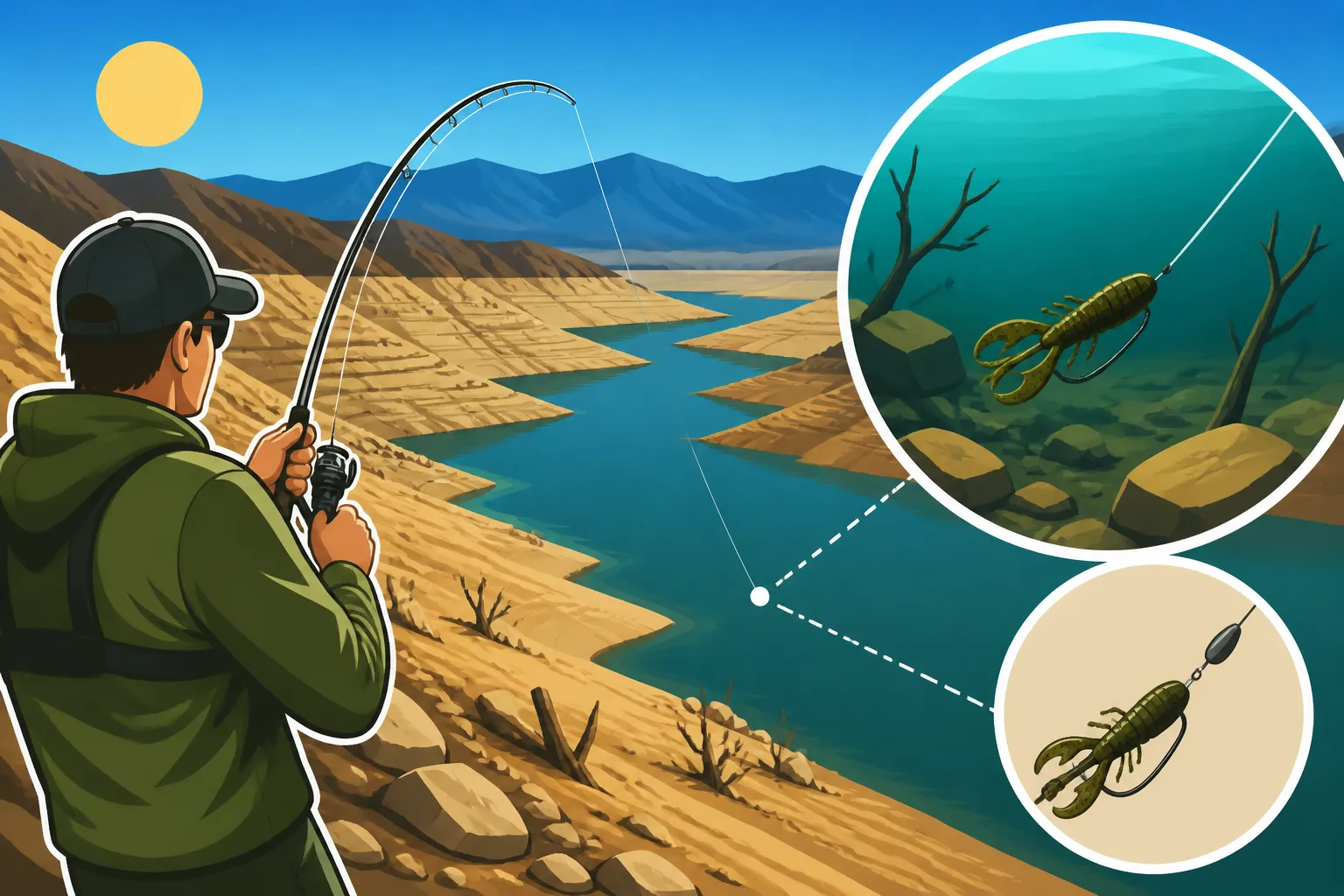
When fish are stressed or concentrated in small areas, they can become wary. This is where finesse tactics truly shine. Think about downsizing your baits, using lighter line, and employing slower, more subtle presentations. Small jigs, drop-shot rigs, shaky heads, and Ned rigs are excellent choices for bass. These allow you to slowly work the remaining structure and present a tempting, easy meal without spooking fish. For trout, smaller spinners, spoons, or even tiny jigs can be more effective than larger, flashier offerings.
Consider the clarity of the water too. Lowered water levels can sometimes lead to clearer water, making fish more visually aware of your line and lure. Fluorocarbon line, which is less visible underwater, can be a game-changer. Take your time, make accurate casts, and pay close attention to subtle bites. Sometimes, fish will simply "tick" the line or add slight weight rather than delivering a definitive strike. These finesse approaches are often found to be highly successful, and you can find a wide range of suitable gear, from delicate rods to specific lure types, easily on Amazon.
Vertical Jigging and Trolling in Deep Water
For those targeting fish in deeper water, especially from a boat, vertical jigging and precise trolling become indispensable. Many game fish, like trout, striped bass, and even some species of bass, will suspend in deeper parts of the water column in low-water conditions. A fish finder is absolutely essential here to pinpoint schools of fish or individual marks. Once located, position your boat directly over them and drop jigs, spoons, or even live bait straight down.
When vertical jigging, experiment with different weights and jigging motions. Sometimes a fast, erratic retrieve works, while other times a slow, rhythmic lift and fall is more effective. For trolling, use downriggers or lead core line to get your lures to the exact depth where fish are holding. Pay attention to your speed and the action of your lure at that depth. This controlled presentation is critical for intercepting fish that might not be actively chasing bait near the surface. You can often find great deals on specialized deep-diving crankbaits or heavy jigs for these techniques on Amazon, ensuring you're ready for deep-water challenges.
Targeting Shoreline Access Points with Bank Fishing Techniques
Even with receding water, many anglers prefer the simplicity and accessibility of bank fishing. The key is to find areas where the remaining water is still deep enough close to shore, or where there's readily available structure. Often, this means looking for natural points, rocky outcroppings, or the mouths of old creek channels that still hold water. These areas provide quick access to deeper water and can be magnets for fish in low water.
When bank fishing, long casts are often necessary to reach deeper zones. Consider using heavier lures or weights to get your bait out there. Additionally, polarized sunglasses are a lifesaver for identifying submerged structure or changes in bottom composition that might indicate a fish-holding area. Early mornings and late evenings can be particularly productive as fish might venture into slightly shallower water to feed under low light conditions. You might also explore "Bank Fishing Techniques for Desert Lakes" to further hone your skills in these conditions.
Gear and Safety Considerations for Low Water Levels
Fishing in a drought-lowered reservoir isn't just about changing your tactics; it's also about being prepared with the right gear and prioritizing safety. Exposed hazards and altered launch conditions can pose significant risks.
Essential Gear for Low-Water Conditions
Having the right gear can make all the difference. Beyond your usual rods and reels, consider these additions:
- Long-handled Net: With lower water and potentially muddy or unstable banks, a longer net can help you safely land fish without having to wade into uncertain depths.
- Wading Boots or Old Shoes: If you plan on walking the banks or wading a bit, expect mud and slippery surfaces. Durable, old shoes or wading boots are far better than sandals or bare feet.
- Polarized Sunglasses: As mentioned, these are invaluable for spotting submerged hazards, structure, and even fish in clear, shallow water.
- Good Fish Finder (Boat Anglers): For boat anglers, a reliable fish finder with good down and side imaging capabilities is no longer a luxury, it's a necessity. It helps you navigate safely and locate fish more efficiently. Many high-quality options are available on Amazon.
- Extra Drinking Water and Sun Protection: Exposed banks mean less shade, and Nevada's sun is no joke. Always carry more water than you think you'll need and apply plenty of sunscreen.
Having an "Emergency Repair Kit for Fishing Gear" on hand can also save a trip, especially if you snag a lure and need to re-tie quickly with precision.
Navigating Hazards and Boat Launch Challenges
One of the biggest concerns in a drought-lowered reservoir is navigation. What was once deep water might now conceal stumps, rocks, or other underwater obstructions that can damage your boat or lower unit. Proceed with extreme caution, especially in unfamiliar areas. Idling speed is your friend, and constantly monitoring your depth finder is non-negotiable. It's truly eye-opening how many new hazards emerge, and a quick glance at "Essential Safety Gear for Boating on Lake Mead" offers insights that apply across many reservoirs.
Boat launches are another significant challenge. Many ramps become unusable or extend only partially into the water, leaving a steep drop-off or soft bottom where the ramp ends. Always inspect the launch area thoroughly before backing your trailer in. You might need 4-wheel drive, or you might find that certain ramps are simply not viable. Be aware of your trailer's capabilities and the potential for getting stuck. Don't be afraid to pull over and observe how other anglers are launching before attempting it yourself. Sometimes, it's simply better to choose a different launch or even opt for bank fishing if conditions are too risky.
Adapting for Specific Nevada Fish Species
Different fish species react to drought conditions in their own unique ways, and tailoring your strategy to their specific habits will increase your chances of success. Understanding these preferences helps narrow down your focus.
Trout Tactics in Lowered Reservoirs
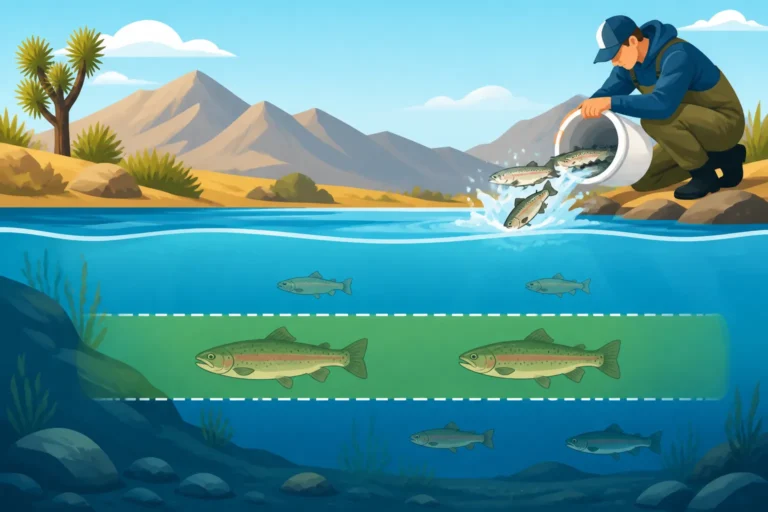
Nevada's trout, including rainbow, brown, and cutthroat, generally prefer cooler, oxygenated water. In a drought-lowered reservoir, this often means they'll retreat to the deepest, coolest sections available, especially during warmer months. Look for them concentrated around springs, aerators (if present), or at the base of dam walls where deeper water is most accessible. They might also suspend in the water column if there's a good thermocline.
For anglers targeting trout from the bank, casting small spoons, spinners, or power bait on a slip-sinker rig out to deeper areas can be effective. From a boat, trolling with downriggers or lead core line is often the best way to reach these suspended fish. Pay attention to your fish finder for schools of baitfish, as trout will likely be nearby. If the water is clear, opt for lighter line and subtle presentations. Remember, understanding "Nevada Trout Daily Limit Rules" is important as you potentially find concentrated schools.
Bass Strategies for Shallow and Deep Concentrations
Bass—both largemouth and smallmouth—are incredibly adaptable, but drought conditions still force them to change their habits. In receding waters, largemouth bass will often relate to the last vestiges of submerged cover, such as brush piles, rock formations, or standing timber that are now closer to deeper channels. They might also pull back into the deepest available pockets of coves or along steep bluff walls. Smallmouth bass, always structure-oriented, will hug deep rock ledges, points, and channel swings.
For largemouth, flipping and pitching jigs or soft plastics into any remaining cover in slightly deeper water can be highly effective. Crankbaits that dive to the maximum depth of the available water can also be good for searching. For smallmouth, drop-shot rigs, tube jigs, and small swimbaits worked slowly along deep structure are excellent choices. During low light conditions (early morning, late evening), bass might temporarily move into slightly shallower areas to feed, offering a window of opportunity for topwater or spinnerbait presentations near the remaining cover. Remember to check "Nevada Bass Daily Limit and Size Rules" before keeping any fish.
Striped Bass and Other Species
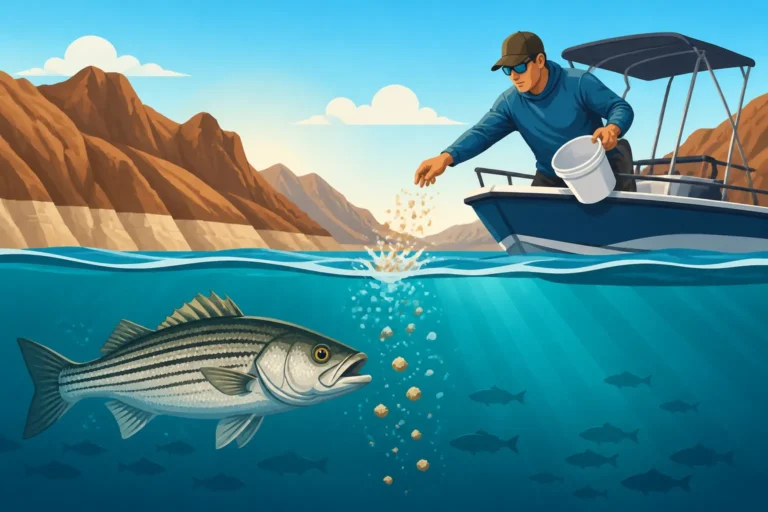
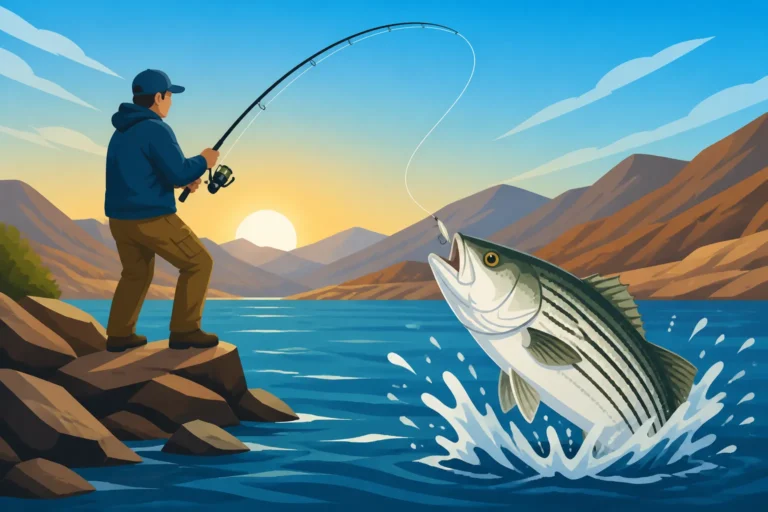
Striped bass, found in larger Nevada reservoirs like Lake Mead and Lake Mohave, are often pelagic, meaning they roam open water. In drought conditions, their movements might be more concentrated around the main river channel or deep points, often suspending over deep water. They are typically schooling fish, so finding one often means finding many. Live bait, such as anchovies or shad (where legal), fished on the bottom or suspended under a balloon, can be incredibly effective. Jigging spoons or heavy swimbaits vertically or casting them to schooling fish are also proven tactics.
Other species, like catfish and panfish, will also be affected. Catfish will often move to deeper holes or areas with current, while panfish might huddle in the remaining patches of aquatic vegetation or around submerged brush. Adapting to the specific behavior of your target species under these conditions is a constant learning process, but one that can lead to surprisingly good results if you're willing to adjust and think outside the box.
Disclaimer
This article is for general informational purposes only and does not constitute professional advice. Laws, prices and regulations vary by location and change over time. Consult a qualified professional for guidance on your specific situation.