Best nymph patterns for Nevada trout streams
Anglers often feel lost amidst the dizzying array of nymph patterns, especially when targeting trout in Nevada's unique and often challenging stream environments. It's easy to walk into a fly shop and become overwhelmed by the sheer volume of choices, wondering which tiny imitation will truly entice those wily fish in our clear, cool waters. This comprehensive guide will cut through the confusion, revealing the most effective nymph patterns specifically for Nevada's trout streams, offering practical advice on selection, presentation, and essential gear to help you consistently fool those wily fish.
The Unique Character of Nevada's Trout Streams and Why Nymphs Reign Supreme
Nevada might be known for its vast deserts, but it's also home to an impressive network of diverse trout streams, from the renowned Truckee River to countless smaller, crystal-clear mountain creeks tucked away in secluded canyons. These waters present unique challenges and opportunities for the fly angler. Unlike some of the more fertile, bug-laden rivers in other states, Nevada's streams often boast extremely clear water, which can make trout incredibly wary and selective. This means your approach to nymphing needs to be precise and well-informed.
Understanding the Bug Life in High Desert and Mountain Waters
The insect life in Nevada's trout streams forms the foundation of what trout eat, and therefore, what nymphs you should be presenting. While you might not see massive hatches daily like on some eastern rivers, these waters are teeming with aquatic insects that spend most of their lives in nymphal stages beneath the surface. Caddisflies, mayflies, and midges are particularly prevalent, with stoneflies making an appearance, especially in larger, colder rivers. The key difference here is often the size and coloration – Nevada's bugs can be smaller and more subdued in color, adapting to the clear, often nutrient-scarce environments. This is why having a diverse fly box, leaning towards smaller and natural-colored patterns, is crucial for success.
When you're wading through a typical Nevada trout stream, whether it's the Truckee, a tributary of the Humboldt, or a high-elevation stream in the Ruby Mountains, you're looking at an ecosystem where trout are constantly foraging subsurface. They're not always waiting for a perfectly presented dry fly to drift over their heads. Instead, they're often grubbing along the bottom, picking off nymphs, larvae, and pupae that are drifting in the current or clinging to rocks. Understanding this primary feeding behavior is the first step in unlocking consistent success with nymphing, especially when those famous "match the hatch" dry fly opportunities are few and far between.
The Subsurface Advantage: Why Nymphs Outfish Dries Many Days
Let's be real: casting a perfect dry fly to a rising trout is one of the most exciting aspects of fly fishing. But if you're solely relying on dry flies in Nevada's trout streams, you're probably missing out on about 80-90% of the trout's feeding activity. Trout, being opportunistic and energy-efficient creatures, spend most of their time feeding on what's readily available and requires the least effort to catch. And more often than not, that's nymphs drifting in the water column or clinging to the riverbed.
Think about it: aquatic insects spend the vast majority of their lives as nymphs or larvae underwater before they ever emerge as adults. This means there's a constant, year-round supply of subsurface food for trout. When a trout sees a juicy nymph drifting naturally past its nose, it's often an easy meal it won't pass up. This reality makes nymphing not just a technique, but often the most effective way to consistently catch trout in Nevada, regardless of the season or what, if anything, is hatching on the surface. It's less about the spectacle of a surface rise and more about the consistent, often subtle, tug of a fish taking your submerged offering.
Navigating Varied Water Conditions: From Riffles to Deep Pools
Nevada's trout streams come in all shapes and sizes, and each presents different nymphing opportunities and challenges. The fast-flowing, technical sections of the Truckee River, for instance, demand different nymph patterns and presentation styles than the slower, deeper pools of a spring-fed creek or a meandering high-mountain stream. In faster, turbulent water, heavier nymphs or tandem rigs might be necessary to get your flies down to where the fish are holding, often tucked behind rocks or in deeper runs.
Conversely, in slower, clearer pools, lighter nymph rigs and extremely subtle presentations are paramount to avoid spooking wary trout. The depth of the water, the speed of the current, and the presence of structure like submerged logs or undercut banks all dictate where trout will hold and what type of nymph presentation will be most effective. It's not a "one size fits all" approach; successful nymphing in Nevada requires adaptability and a keen understanding of how water dynamics influence trout behavior. Mastering this means you're prepared for whatever beautiful, challenging water Nevada throws your way, from the Carson River's bends to the remote creeks of the Jarbidge Wilderness.
The Go-To Nymph Patterns for Nevada Trout Streams
Now that we understand why nymphs are so critical, let's dive into the specific patterns that consistently produce fish in Nevada's unique environments. This isn't just a list of popular flies; these are patterns chosen for their proven effectiveness in our clear waters, mimicking the actual insect life that forms the bulk of a Nevada trout's diet. Having these in your fly box, in various sizes and a few key color variations, will give you a significant edge.
Classic Workhorses: Pheasant Tail and Hare's Ear Nymphs
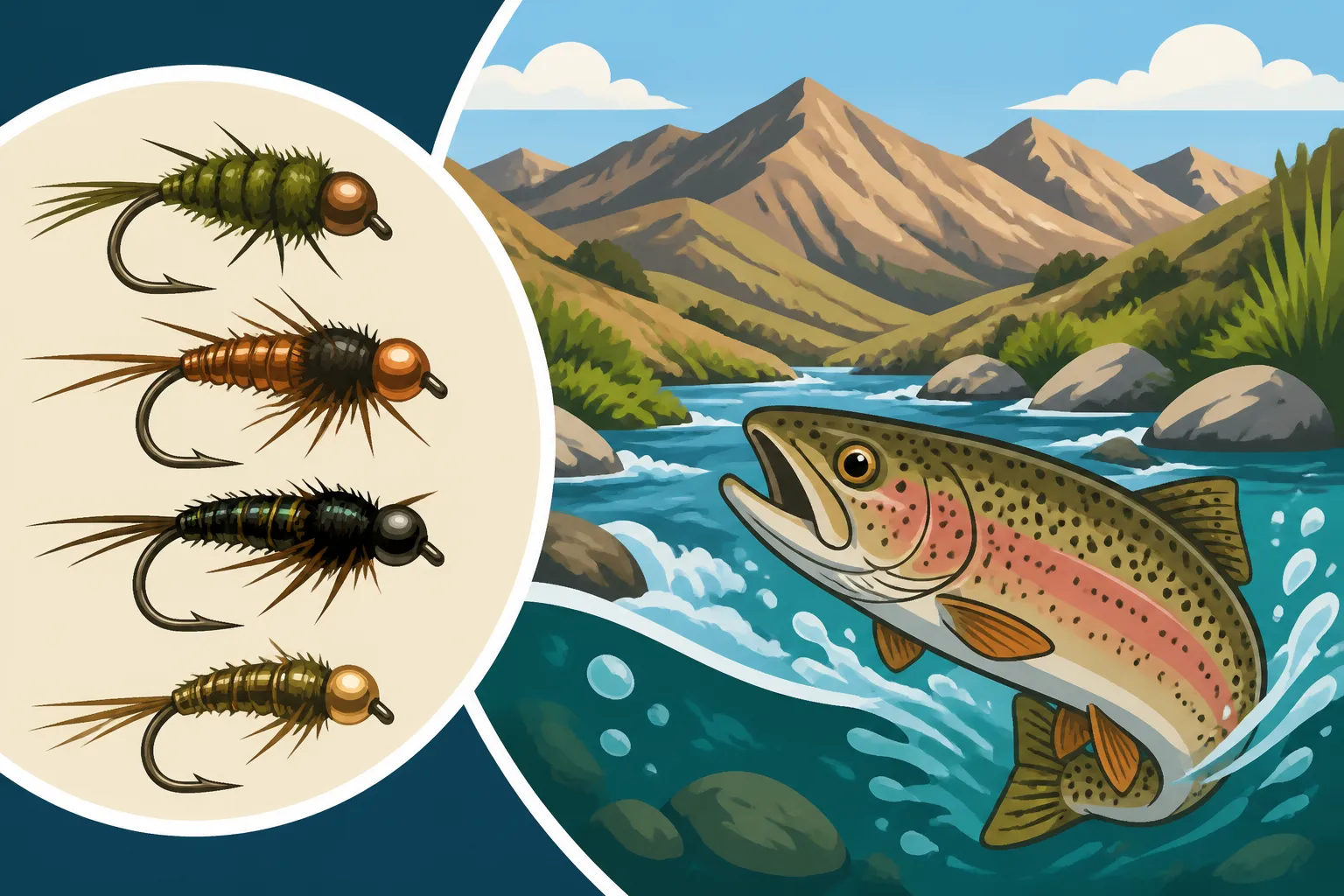
You'd be hard-pressed to find a serious trout angler anywhere in the world who doesn't swear by the Pheasant Tail and Hare's Ear nymphs, and Nevada is no exception. These patterns are absolute staples for a reason: they are incredibly versatile, mimicking a wide variety of aquatic insects like mayflies, caddis, and even midges, depending on their size. Their buggy, lifelike appearance, often with subtle flash, is irresistible to trout.
-
Pheasant Tail Nymph: This pattern, tied with natural pheasant tail fibers, excels at imitating slender-bodied mayfly nymphs. In Nevada, I've had immense success with Pheasant Tails in sizes #16 to #20, especially in the copper or natural brown variations. The bead-head version is usually my first choice, as it helps get the fly down quickly in faster currents, though unweighted versions can be deadly in slower, shallower runs where a more delicate descent is needed. It's a go-to when trout are being selective or when you're simply trying to cover water and see what's biting. Don't underestimate its effectiveness in clearer, colder waters where trout appreciate a subtle, lifelike profile.
-
Hare's Ear Nymph: The Hare's Ear, with its shaggy, impressionistic profile, is fantastic for imitating chunkier mayfly nymphs and some caddis larvae. I favor sizes #14 to #18 for Nevada streams, often with a gold or silver bead head. The beauty of the Hare's Ear is its buggy texture, which moves enticingly in the water, making it look very much alive. It's an excellent attractor pattern even when there's no specific hatch to match, and it performs exceptionally well as a lead fly in a two-nymph rig, drawing attention before a smaller, more imitative fly. Both of these patterns are so fundamental that many anglers stock up on them from places like Amazon to ensure they always have a good supply.
Caddis Larva and Pupa Imitations: The Year-Round Staples
Caddisflies are ubiquitous in Nevada's streams and rivers, from the smallest mountain trickles to the mighty Truckee. Their larval and pupal stages represent a significant food source for trout throughout the year. Ignoring these insects would be a huge mistake, especially since their emergence often triggers aggressive feeding behavior.
-
Green Rock Worm: This simple, effective pattern specifically imitates the green caddis larva that lives in a protective case. Sizes #14 to #18 are ideal, and a weighted version will help it tumble along the bottom where these bugs reside. It's particularly effective during periods of high water or when you suspect trout are focused on bottom-dwelling food items. The bright green body stands out just enough to grab a trout's attention without appearing unnatural.
-
Sparkle Pupa: When caddis are preparing to hatch, they transform into pupae and drift to the surface. The Sparkle Pupa, with its distinctive gas bubble imitation (often a white or clear antron shuck), is a killer pattern for imitating these vulnerable insects. I prefer sizes #14 to #18, in natural tan, olive, or even chartreuse variations. Fish this pattern higher in the water column, often just beneath an indicator, to mimic a rising pupa. It's absolutely deadly during spring and fall caddis hatches, but even on non-hatch days, trout recognize it as an easy meal. This pattern is a must-have for any angler looking to explore Fly Fishing in Nevada more deeply.
Mayfly Nymphs: Baetis, PMDs, and Green Drakes
Mayflies are another cornerstone of the aquatic insect world, and trout eagerly feed on their nymphal stages. Nevada's streams host a variety of mayflies, with smaller species like Baetis (Blue-Winged Olives) being year-round residents, and larger species like Pale Morning Duns (PMDs) and Green Drakes appearing seasonally. Having nymphs that accurately represent these stages is vital.
-
Barr's Emerger / RS2: These patterns are fantastic for imitating emerging mayflies, particularly Baetis and PMDs. They have a slender body and often a small shuck or wing bud that makes them look vulnerable. I typically fish these in sizes #18 to #22, especially the Baetis versions, in olive or gray. They are incredibly effective when trout are keying in on emerging insects, often just before or during a hatch. Present them a little shallower in the water column, sometimes even just a few inches below the surface, to mimic that upward migration.
-
Copper John: While not strictly a mayfly imitation, the Copper John is such a universally effective attractor nymph that it deserves a spot here. Its flashy body and heavy tungsten bead get it down fast, and it can imitate anything from a caddis larva to a large mayfly nymph. I use Copper Johns in sizes #12 to #18, in copper, red, or black. It's an excellent "searching" pattern, especially in deeper pockets or faster runs where you need to get your fly noticed. Often, it's the anchor fly in a two-nymph setup, helping to sink a smaller, more imitative trailing nymph. Many anglers will pair this with a more subtle fly to give trout options.
Stoneflies and Attractor Nymphs: When Bigger is Better
Sometimes, especially in larger rivers with good substrate and colder water, trout will key in on bigger meals. That's where stonefly patterns and other general attractor nymphs come into play. These are particularly effective in higher flows, after rain, or when targeting larger, more aggressive trout.
-
Pat's Rubber Legs (or Girdle Bug): This is a bulky, buggy, and incredibly effective stonefly imitation. Tied with rubber legs and a chenille body, it has a lot of movement in the water, making it very lifelike. I prefer sizes #8 to #14, in black, brown, or olive. It's a fantastic lead nymph in a multi-fly rig, especially in faster, deeper water where trout need a substantial meal. Large trout in rivers like the Truckee or some of the larger freestone streams in northern Nevada will absolutely crush these patterns. Its weight helps get your entire rig down, allowing you to effectively fish deeper pockets and runs. For tips on where to apply these, check out our guide on How to Fish for Trout in Nevada.
-
Worm Patterns (San Juan Worm): While some purists scoff at them, the truth is that trout eat worms, especially after rain or when agricultural runoff is present. The San Juan Worm is a simple, effective pattern that just plain catches fish. I like it in red, pink, or chartreuse, in sizes #10 to #14. It's a great "secret weapon" when nothing else is working, or when water levels are high and murky. It's less about matching a specific insect and more about presenting a juicy, protein-rich meal. It can be surprisingly effective in smaller mountain creeks, especially after a spring runoff or a summer thunderstorm.
| Nymph Pattern | Primary Imitation | Ideal Sizes | Key Characteristics | Best Conditions |
|---|---|---|---|---|
| Pheasant Tail | Mayfly Nymph (slender) | #16 – #20 | Subtle, natural, lifelike | Clear water, selective trout, all year |
| Hare's Ear | Mayfly Nymph (chunky) | #14 – #18 | Buggy, impressionistic, textured | General searching, varying water conditions |
| Green Rock Worm | Caddis Larva (case-less) | #14 – #18 | Bright green, weighted | Bottom feeding, faster currents |
| Sparkle Pupa | Caddis Pupa | #14 – #18 | Shuck imitation, slightly buoyant | Emerging caddis, pre-hatch, higher water column |
| Barr's Emerger/RS2 | Emerging Mayfly (small) | #18 – #22 | Slim body, subtle wing bud | Emerging Baetis/PMDs, slower drifts |
| Copper John | Attractor/General Bug | #12 – #18 | Flashy, heavy, fast-sinking | Deep runs, faster water, "searching" pattern |
| Pat's Rubber Legs | Stonefly Nymph | #8 – #14 | Bulky, rubber legs, lots of movement | High water, larger trout, lead nymph |
| San Juan Worm | Aquatic Worm | #10 – #14 | Simple, segmented, flashy colors | After rain, high runoff, murky water |
Mastering Nymph Presentation and Setup for Success
Having the right nymph patterns is only half the battle; knowing how to present them effectively is just as crucial, especially in Nevada's often challenging waters. A poorly presented nymph, no matter how perfectly tied, will likely be ignored by even the hungriest trout. The goal is to make your fly look as natural and unattached as possible, drifting along with the current as a real insect would.
Rigging for Success: Indicators, Weights, and Droppers
Your nymphing setup is your direct connection to the fish, and tweaking it for local conditions can make all the difference. In Nevada, where clear water and wary trout are common, a refined rig is essential.
-
Indicators: Forget those big, clumsy bobbers. For sensitive nymphing, especially in our clearer streams, you want a strike indicator that is highly visible but provides minimal resistance to the drift. Yarn indicators (like New Zealand Wool indicators) are fantastic because they land softly and don't spook fish, yet are highly buoyant. Small, delicate bobber-style indicators (often called "floaties") can also work well, especially if you get them from brands known for quality materials that resist water absorption. The key is to suspend your nymphs at the correct depth, usually just off the bottom, so your indicator placement needs to be spot-on. If you're fishing a 4-foot deep run, your indicator should be at least 4-5 feet up your leader from your first fly.
-
Weights: Getting your nymphs down to the fish zone often requires extra weight, especially in faster currents. Split shot is your friend here, but placement is critical. I usually start with one or two small pieces of non-toxic split shot (sizes B or BB) placed about 8-12 inches above my first nymph. This allows the nymphs to drift more naturally while the weight sinks the entire rig. Experimentation is key – add more weight if your flies aren't getting deep enough, or remove some if they're dragging the bottom too much. The goal is a delicate balance: heavy enough to get down, light enough for a natural drift.
-
Dropper Rigs: This is where the magic often happens in Nevada. A two-nymph rig (or even three, if regulations allow and you can handle it!) allows you to present multiple food sources and depths simultaneously. I typically tie my first nymph (the heavier "point" fly) directly to my tippet, then attach a second, smaller "dropper" nymph from the bend of the hook of the first fly, using another 12-18 inches of fluorocarbon tippet. Fluorocarbon is less visible underwater and sinks faster than monofilament, which is a huge advantage in clear Nevada waters. This setup allows you to fish a heavier attractor nymph with a smaller, more imitative trailing fly, increasing your chances of finding what the trout are keying into. Having good quality tippet available on Amazon is a game-changer. Our guide on Nevada Trout Season Dates can help you time your visits for optimal nymphing conditions.
The Art of the Dead Drift and Reading the Water
The dead drift is the holy grail of nymphing. It means your nymph is moving at the exact speed of the current, without any drag or unnatural movement imparted by your line. This is what makes your artificial fly appear like a real, helpless insect drifting along. Achieving a perfect dead drift is a skill that takes practice, but it's essential for consistent success.
-
Casting and Mending: Cast your line upstream, slightly angled across the current. As your fly begins its drift, immediately "mend" your line – a subtle flip of your rod tip – to keep your fly line out of the faster surface currents that can drag your nymph prematurely. Continue mending throughout the drift, as needed, to ensure your indicator and nymphs are moving at the same speed as the water. This proactive approach prevents unnatural speed-ups or slow-downs that immediately alert a trout to a fake.
-
Reading the Water: This is arguably the most important skill for any angler. Trout hold in specific places that offer them cover, food, and minimal energy expenditure. Look for seams where fast water meets slow water, the upstream side of large rocks, deeper pools, undercut banks, and the tailouts of runs. These are prime trout lies. Pay attention to changes in current speed and depth, and focus your drifts through these high-probability areas. Remember, your nymphs need to be in the "strike zone" – where the trout are actively feeding – for an extended period. Our comprehensive guide on Best Places to Fish in Nevada offers a great starting point for finding these prime spots. You can also learn more about specific regulations that might impact your choices by reading our Nevada Fishing Regulations Explained.
Essential Gear for the Nevada Nymph Angler
While fly fishing can sometimes seem overly gear-intensive, for successful nymphing in Nevada, a few key pieces of equipment can truly enhance your experience and effectiveness.
-
Rod Selection: For nymphing, especially with an indicator, a longer fly rod is often beneficial. A 9-foot to 10-foot, 4-weight or 5-weight rod provides excellent line control, making it easier to mend your line and manage longer drifts. The extra length helps keep more line off the water, reducing drag. If you're targeting larger trout in the Truckee River, a 6-weight might be a good choice for handling bigger fish and heavier rigs. Consider a specialized nymphing rod if you want to get serious, but a good all-around fast-action trout rod will serve you well. Our guide on Best Fly Rod for High Mountain Streams offers more specific advice.
-
Reel and Line: A quality reel with a smooth drag is always nice, but for nymphing, the fly line is more critical. A weight-forward floating line that matches your rod weight is standard. Some anglers prefer specific nymphing lines that have a more delicate front taper to aid in presentations. Again, good quality gear can often be found readily on Amazon, making it accessible for anglers across the state.
-
Waders and Boots: Many of Nevada's best trout streams require wading to access the best runs and properly present your nymphs. Breathable chest waders are essential for comfort, even in colder months, paired with sturdy wading boots that provide good grip on slippery rocks. Safety on the water is paramount, so investing in good quality wading gear is not just about comfort, it's about staying safe.
Beyond the Patterns: Timing, Technique, and Ethical Angling
Success with nymphs in Nevada is a blend of knowing your patterns, mastering presentation, and understanding the broader context of the fishery. It's about being observant, adapting to conditions, and always respecting the resource.
When to Reach for Specific Nymphs: Seasonal and Hatch Considerations
While nymphs are effective year-round, subtle shifts in insect activity and trout behavior mean that certain patterns might shine brighter during different seasons. You don't always need to "match the hatch" perfectly with nymphs, but having an idea of what insects are active can guide your selection.
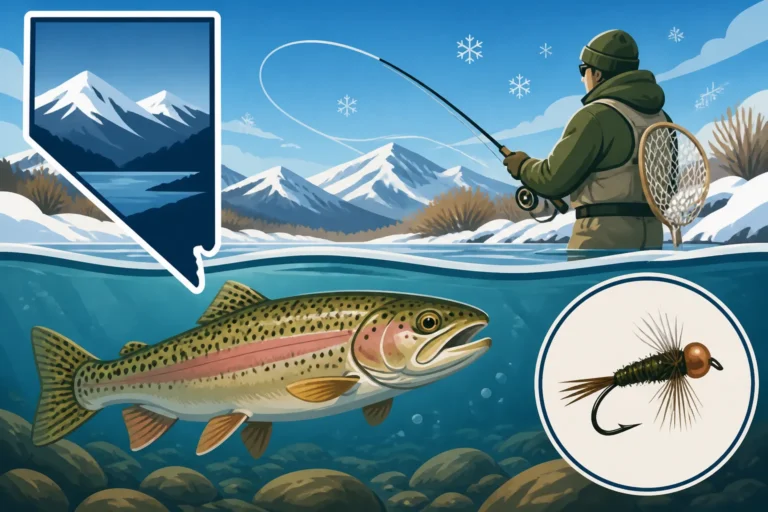
- Winter/Early Spring: During colder months, insect activity slows, and trout often feed on smaller, slower-moving midges and Baetis nymphs. This is when tiny Pheasant Tails, RS2s, and micro-midge patterns (sizes #20-24) become incredibly effective. Fish them slowly and deliberately in deeper, slower pools.
- Spring/Early Summer: As water temperatures rise, caddis and larger mayfly hatches become more common. This is prime time for Green Rock Worms, Sparkle Pupas, and larger Hare's Ears or Copper Johns, especially as a lead fly. Trout become more active and willing to chase a larger meal. Consult the Nevada Trout Stocking Schedule for urban ponds and smaller lakes, as newly stocked trout are often quite aggressive on attractor nymphs.
- Summer: Even in the heat, high-elevation streams remain cool, offering good nymphing. Target pockets and runs with smaller caddis and mayfly nymphs in the early mornings or late evenings. In larger rivers, Pat's Rubber Legs or heavier Copper Johns can work in deeper, oxygenated water.
- Fall: This is often a fantastic nymphing season. Trout are bulking up for winter, and a variety of insects are active. PMDs and Baetis can still be significant, along with caddis. Don't forget that larger fish become more aggressive, making stonefly patterns effective. Always be aware of the Nevada Statewide Bag Limits Explained for any specific water you are fishing, as regulations can vary.
Ethical Nymphing and Handling Nevada's Trout
As anglers, we have a responsibility to protect the precious resources we enjoy. Ethical angling practices, especially when nymphing, are crucial for the health of Nevada's trout populations.
- Barbless Hooks: Many Nevada streams, particularly those with wild trout populations or specific regulations (like the Truckee River or areas targeting Lahontan Cutthroat Trout), require or highly encourage barbless hooks. It makes releasing fish much easier and minimizes harm. If your hooks aren't barbless, simply crimp down the barb with a pair of pliers. This is a small effort with a big impact on fish survival.
- Minimize Handling: When you land a trout, try to keep it in the water as much as possible. If you need a photo, get it quickly and ensure your hands are wet. Avoid squeezing the fish or dragging it on dry ground. Handle them gently and support their weight.
- Proper Release: When releasing a fish, gently hold it upright in the current, allowing water to flow over its gills until it swims away on its own power. Don't just toss it back. For specific guidance, particularly with the sensitive Lahontan Cutthroat Trout, refer to our article on Handling and Releasing Lahontan Cutthroat Trout. These practices ensure that the fish you catch can survive to be caught another day, or to reproduce and sustain the fishery. More general tips can also be found in our guide to Catch and Release Techniques for Trout.
Exploring Nevada's Diverse Trout Streams
Nevada offers an incredible array of trout fishing experiences, and your nymphing skills will open up countless opportunities across the state. Don't limit yourself to just one river; explore the diversity!
From the famous flows of the Truckee River, where large wild trout challenge even the most experienced anglers, to the serene, high-mountain lakes and streams found in places like the Jarbidge Wilderness or the Ruby Mountains, there's a nymphing adventure for every skill level. Some of the Nevada Trout Lakes also have stream inlets and outlets that are perfect for nymphing. Venture into lesser-known creeks where you might find smaller, eager trout in pristine surroundings. Each body of water has its own character, insect life, and trout population, offering endless learning and enjoyment. By combining the right nymph patterns with careful presentation and a deep respect for the environment, you'll discover the immense satisfaction of consistently catching trout in the beautiful Silver State. Remember to always double-check current local regulations before heading out, as these can change. For those specifically interested in smaller, technical water, our guide on How to Fly Fish a High Mountain Stream provides invaluable advice.
Disclaimer
This article is for general informational purposes only and does not constitute professional advice. Laws, prices and regulations vary by location and change over time. Consult a qualified professional for guidance on your specific situation.