Is Lake Mohave good for rainbow trout fishing?
Ah, the shimmering waters of Lake Mohave! Many anglers, especially those new to Nevada's diverse fishing scene, often wonder if this beautiful stretch of the Colorado River is a prime spot for rainbow trout. It's a completely valid question, especially given the desert surroundings. You see, when people think of trout fishing, they often picture clear, cold mountain streams, not vast desert reservoirs. This guide is here to tell you, emphatically, that yes, Lake Mohave can indeed be an excellent place to pursue rainbow trout, and we'll dive deep into why and how to make your trip a success.
The Allure of Rainbow Trout in Nevada's Desert Oasis
It might seem counterintuitive to find thriving rainbow trout populations in a desert environment like Southern Nevada, but Lake Mohave is far from your typical desert lake. It's a unique fishery, greatly influenced by its position below Hoover Dam, which creates specific conditions ideal for these cold-water species. Understanding these nuances is key to appreciating and successfully fishing for trout here.
Understanding Lake Mohave's Unique Ecosystem for Trout
Lake Mohave is essentially a long, narrow reservoir on the Colorado River, stretching approximately 67 miles from Hoover Dam down to Davis Dam. The most critical factor for trout survival here is the water released from the bottom of Hoover Dam. This outflow comes from the deep, cold depths of Lake Mead, maintaining consistently chilly water temperatures in the upper reaches of Lake Mohave, particularly around Willow Beach and down to Cottonwood Cove.
Think of it like this: while the surface of a desert lake might get scorching hot in summer, the depths, constantly replenished by cold water from a massive upstream reservoir, remain cool enough for trout to thrive. This cold, oxygen-rich water creates a distinct thermal layer that trout seek out, especially during the warmer months. The deep channels and submerged structures provide excellent habitat, giving them plenty of places to hide, feed, and escape predators. It’s a delicate balance, but one that allows rainbow trout to exist and even grow to impressive sizes in this seemingly inhospitable landscape.
Stocking Efforts and Population Dynamics
Unlike some wild trout fisheries, the rainbow trout population in Lake Mohave is heavily dependent on regular stocking programs. Both the Nevada Department of Wildlife (NDOW) and the Arizona Game and Fish Department (AZGFD) actively stock rainbow trout into the lake, ensuring a robust and consistent fishery for anglers on both sides of the border.
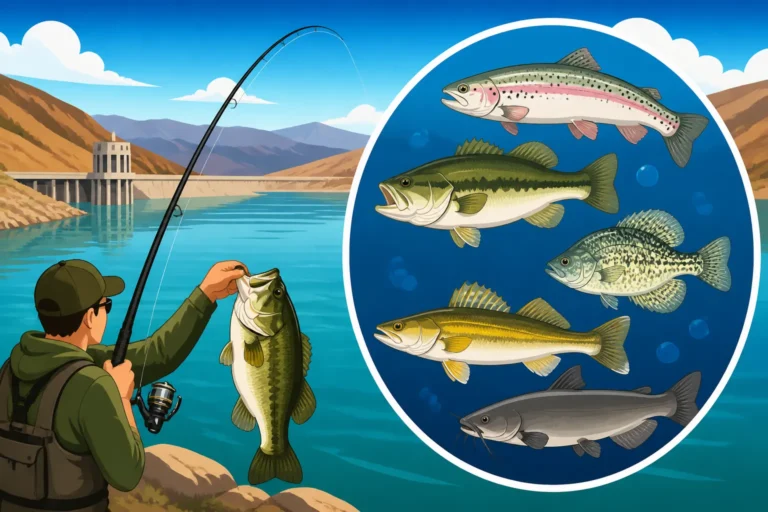
These stocking efforts are vital because while the cold water from Hoover Dam helps, natural reproduction for rainbow trout in Lake Mohave is generally limited. The stocked fish are typically catchable size, meaning they are already large enough to be targeted by anglers shortly after release. Stocking usually occurs weekly or bi-weekly, especially in the cooler months, concentrating around popular access points like Willow Beach and Katherine Landing. This consistent introduction of new fish ensures that anglers always have a good chance of reeling in a beautiful rainbow. For those interested in the specifics of what fish you might encounter, our Nevada Fish Species Guide offers a broader look at the aquatic residents here.
Where to Find Rainbow Trout on Lake Mohave
Knowing that trout are stocked and that cold water is key is one thing; knowing exactly where to cast your line is another. Lake Mohave offers several prime locations for rainbow trout, each with its own advantages, whether you're fishing from shore or a boat.
Key Fishing Locations and Access Points
When it comes to rainbow trout on Lake Mohave, one name almost always comes up first: Willow Beach. Located on the Arizona side, just below Hoover Dam, Willow Beach is renowned for its cold, clear water and consistent trout fishing. This area benefits most directly from the deep-water releases of Hoover Dam, making it a year-round trout haven. Anglers here can fish from designated fishing piers, shoreline access points, or launch boats for deeper water access. The National Park Service runs a marina and campground here, making it a convenient base.
Further downstream, locations like Katherine Landing (on the Arizona side) and Cottonwood Cove (on the Nevada side) also see good numbers of trout, especially during the cooler months or in deeper channels. These areas are popular for boaters who can explore various coves and submerged structures. While the water here might not be as consistently cold as Willow Beach, pockets of cooler water and the frequent stocking keep the trout active. For detailed information on specific areas, our comprehensive Lake Mohave Nevada Fishing Guide can point you in the right direction. If you're looking for an expert to show you around these hotspots, platforms like FishingBooker can help you find experienced local guides who know the lake like the back of their hand and can put you right on the fish.
Seasonal Movements and Preferred Habitats
Rainbow trout in Lake Mohave, like most fish, are creatures of habit dictated by water temperature and food availability. Their movements are highly seasonal:
- Spring and Fall: These are arguably the best times for trout fishing on Lake Mohave. The overall water temperatures are more moderate, allowing trout to spread out and feed actively in shallower areas, closer to shore, and around coves. They'll often be found near submerged ledges, rocky points, and areas with current breaks where baitfish or insects might congregate.
- Summer: As the scorching desert summer arrives, trout will retreat to the colder, deeper parts of the lake. This means targeting them around the deeper channels, near the outflow of Hoover Dam, or any areas with significant depth where cold water pools. Trolling with downriggers or fishing vertically with jigs becomes more effective. Shore anglers will need to focus on areas with deep drop-offs close to shore, such as those found at Willow Beach.
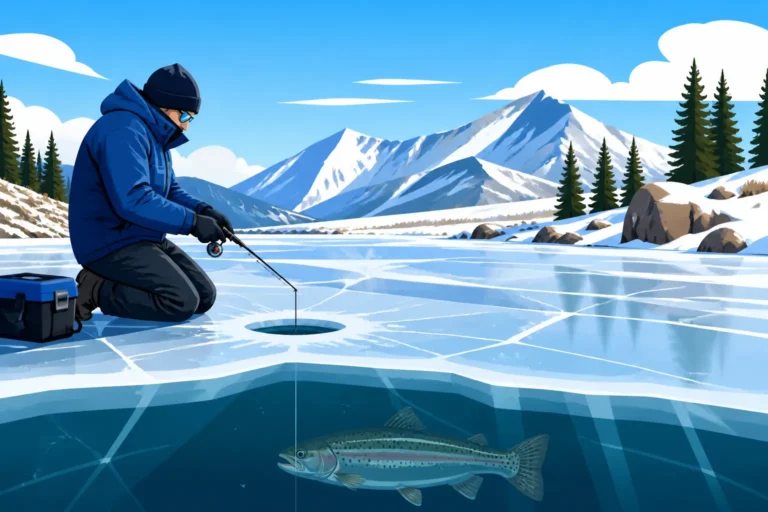
- Winter: Winter fishing can be excellent, especially during mild spells. Trout will still be found in deeper water, but they might also move into shallower areas during the warmest parts of the day, soaking up any available sunlight. Ice fishing isn't really a thing here, but the cold weather often means less fishing pressure and very active trout.
Understanding these seasonal patterns helps you know where to focus your efforts. Trout will always gravitate towards cooler, oxygenated water and structure, whether it's submerged rock piles, ledges, or simply the deeper main channel of the river.
Effective Techniques and Baits for Lake Mohave Rainbows
Once you've zeroed in on the right locations and understood the seasonal movements, the next step is choosing the right tools and techniques. Lake Mohave's rainbow trout aren't overly picky, but certain presentations definitely outperform others.
Best Baits and Lures for Success
When it comes to baits, consistency is key, and stocked trout often have a preference for certain familiar scents and colors:
- PowerBait: This is almost universally effective for stocked rainbow trout. Brands like Berkley PowerBait in colors like rainbow, chartreuse, or even white, often tipped with a piece of corn or a small worm, are highly productive. The key is to use enough PowerBait to float your hook off the bottom, right into their feeding zone.
- Worms: Good old nightcrawlers, either whole or in pieces, are fantastic. They offer natural scent and movement that trout find irresistible.
- Corn: Believe it or not, canned whole kernel corn is a surprisingly effective bait for trout, especially when fished in combination with PowerBait or worms.
- Salmon Eggs: These are another classic trout bait, often fished in clusters on a small hook.
For lures, you'll want something that mimics small baitfish or insects:
- Spinners: Small inline spinners like the classic Rooster Tail or Panther Martin, in sizes #0 to #2, are incredibly effective. Colors like silver, gold, black, or even bright yellow/green can work wonders.
- Spoons: Casting spoons such as Kastmasters or Little Cleos, in silver or gold finishes, can attract aggressive strikes, especially when retrieved with an erratic motion.
- Jigs: Small marabou jigs or Gulp! Minnows on light jig heads can be deadly, particularly when jigged vertically in deeper water or along drop-offs.
- Flies: If you're a fly angler, Willow Beach offers some fantastic opportunities. Small nymphs, emergers, and even streamer patterns can be highly effective, particularly when dead-drifted or slowly stripped in the current. You might find some excellent specific patterns in our guide on Best Fly Patterns for Pyramid Lake Cutthroat as some crossover can apply.
For a deeper dive into the general topic of what draws these fish in, check out our piece on the Best Bait for Nevada Trout.
Recommended Fishing Methods
Your approach will depend on whether you're fishing from shore or a boat:
- Shore Fishing:
- Bottom Rig: The most common and effective method is a slip sinker rig. Use a small egg sinker above a swivel, then a 12-24 inch leader of lighter line (4-6 lb test) tied to a small, sharp hook (size 8-12). This allows the trout to pick up the bait without feeling the weight of the sinker. Bait your hook with PowerBait (to float off the bottom) or a worm.
- Bobber Fishing: In calmer areas or near structure, a slip bobber rig can be very effective, allowing you to suspend your bait at a precise depth.
- Boat Fishing:
- Trolling: This is a popular method, especially for covering large areas and finding fish. Use small spoons, Rapala-style crankbaits, or even rigged worms behind a dodger or flasher. For deeper fish, downriggers or lead core line are essential to get your lures down to the trout's preferred depth.
- Anchor and Bait: Find a likely spot with good structure or known trout concentrations, anchor up, and cast out your bottom rigs. This allows you to soak bait in a productive area.
- Jigging: Using small jigs or soft plastics, drop them vertically down to where you see fish on your fish finder and jig them with subtle movements.
Using light tackle (light action rod, 4-8 lb test line) is generally recommended, as it allows for better presentation of small baits and lures, and makes the fight with a spirited rainbow trout all the more enjoyable. If you need assistance planning your fishing excursion on Lake Mohave, remember that platforms like FishingBooker connect you with local captains and guides who provide all the necessary gear and have honed their techniques on these specific waters.
Essential Tips for a Successful Trip and Regulatory Compliance
A great fishing experience isn't just about catching fish; it's also about being prepared, staying safe, and respecting the rules. Lake Mohave presents unique challenges and requirements that every angler should be aware of.
Gear, Weather, and Safety Considerations
Fishing in the Nevada desert means being prepared for the elements. Even in cooler months, the sun can be intense.
- Sun Protection: Always bring broad-brimmed hats, quality polarized sunglasses, and long-sleeved UPF-rated clothing. Sunscreen is non-negotiable.
- Hydration: Bring plenty of water. Dehydration can sneak up on you quickly in the dry desert air, even if it doesn't feel hot.
- Appropriate Clothing: Dress in layers. Desert mornings can be chilly, but midday can warm up considerably, even in winter.
- First Aid Kit: Always have a basic first aid kit on hand for minor cuts, scrapes, or unexpected issues.
- Boating Safety: If you're on a boat, ensure all required safety equipment is aboard, including life jackets for everyone, a fire extinguisher, and a sound-producing device. Always check local weather forecasts before heading out; sudden winds can whip up the lake quickly. For a comprehensive list, our Nevada Fishing Gear Essentials article is a great resource. If you're unsure about what boat to use, you might find our guide on Best Boats for Nevada Reservoir Fishing helpful.
- FishingBooker guides often provide all the necessary gear, including safety equipment, making it a hassle-free option for visitors.
Understanding Nevada and Arizona Regulations
This is one of the most critical aspects of fishing Lake Mohave. Because the lake borders both Nevada and Arizona, the regulations can be a bit confusing.
- Reciprocal Agreement: Thankfully, Nevada and Arizona have a reciprocal agreement for fishing licenses on the shared border waters of the Colorado River, which includes Lake Mohave. This means that a valid resident or nonresident fishing license from either Nevada or Arizona will generally allow you to fish on the entire lake, regardless of which state's side you are on, provided you comply with the bag and possession limits of the state where the fish was caught. However, it's always best to double-check the latest regulations from both state wildlife agencies before you go, as specific rules and boundaries can sometimes have nuances.
- Lake Mead National Recreation Area: Lake Mohave is part of the Lake Mead National Recreation Area. While your state fishing license is valid, you may need to pay an entrance fee to access certain areas of the recreation area, depending on where you launch or access the shore.
- Bag and Possession Limits: Be very aware of the daily bag and possession limits for rainbow trout. These can change, so consult the current regulations booklet from NDOW or AZGFD. For example, the typical limit for rainbow trout on the lower Colorado River (including Lake Mohave) might be five fish per day, but always verify. Our Nevada Fishing Regulations Explained provides an excellent overview. You should also consult the Nevada Trout Daily Limit Rules for specific numbers.
- License Specifics: Make sure your fishing license is up to date. You can learn more about how to obtain one in our How to Get a Fishing License in Nevada guide, or if you're only visiting for a short period, consider a Nevada 1-Day Fishing Permit Details. Don't forget to check if you qualify for any Nevada Fishing License Exemptions and Discounts.
Here's a quick overview of some common Lake Mohave trout fishing considerations:
| Aspect | Detail | Best Practice |
|---|---|---|
| Primary Location | Willow Beach (AZ side), Katherine Landing (AZ side), Cottonwood Cove (NV side) | Focus on areas below Hoover Dam for coldest water. |
| Best Seasons | Spring & Fall are prime; Summer & Winter require deeper water techniques. | Adjust tactics based on water temperature and fish depth. |
| Effective Baits | PowerBait (rainbow, chartreuse), worms, corn, salmon eggs | Fish floating baits off the bottom on a slip sinker rig. |
| Effective Lures | Small spinners (#0-2), spoons (silver/gold), small marabou jigs | Match lure size to baitfish; retrieve with erratic action. |
| Fishing Methods | Shore fishing (bottom rig, bobber), Boat fishing (trolling, jigging, anchoring) | Utilize electronics to find structure and bait schools from a boat. |
| License Required | Valid Nevada OR Arizona fishing license on shared waters. | Always check current regulations from both NDOW and AZGFD. |
| Daily Limit | Typically 5 rainbow trout (verify current regulations). | Know the limits before you start fishing. |
| Essential Gear | Light action rod/reel, 4-8lb test line, sun protection, plenty of water. | Stay hydrated and protected from the desert sun. |
Lake Mohave is truly a special place, offering a fantastic opportunity to catch beautiful rainbow trout against a stunning desert backdrop. It might require a bit more planning and understanding of its unique ecosystem, but the rewards are definitely worth it. Enjoy your time on the water, and tight lines! You might also find value in consulting Best Time of Year to Fish in Nevada to optimize your trip.
Disclaimer
Fishing regulations and conditions can change. Always consult the official Nevada Department of Wildlife (NDOW) and Arizona Game and Fish Department (AZGFD) regulations before heading out on your fishing trip to ensure compliance and safety.