Does Nevada trout fishing slow down in summer?
It's a frustrating reality for many anglers: you dream of long, sunny summer days on the water, but then you hear the whispers – "trout fishing slows down when it gets hot." It's true that the scorching Nevada summer sun can drastically change how and where trout behave, making those once-easy catches feel like a distant memory. But does it truly shut down completely? Absolutely not! This guide is here to shed light on exactly how trout fishing shifts in Nevada during the warmer months, why these changes occur, and most importantly, the savvy strategies you can employ to keep those lines tight and enjoy successful angling even when the mercury climbs.
Understanding the Summer Shift for Nevada Trout
When those long, hot Nevada summer days arrive, it’s not just us humans who feel the heat. Trout, being cold-water fish, are incredibly sensitive to changes in water temperature. Their entire world revolves around staying cool, and when the water heats up, their instincts kick in to find relief, which directly impacts their activity levels and where they choose to hang out. It’s not that they vanish, but rather they adapt, and as anglers, we need to adapt with them.
The Science Behind Water Temperature and Trout Behavior
Think of trout like us on a sweltering day. When it’s 100 degrees outside, are you running a marathon? Probably not. You’re seeking shade, air conditioning, and a cool drink. Trout operate similarly. Each species of trout has an optimal temperature range where they thrive – they're most active, feeding aggressively, and growing quickly. For most trout species, this ideal range is typically between 50 to 65 degrees Fahrenheit. As water temperatures climb above this, their metabolism speeds up, they need more oxygen, and their overall energy levels dwindle. They become lethargic and stressed, instinctively trying to conserve energy rather than expend it chasing down a meal. This is why you'll find them retreating to cooler zones.
Reduced Oxygen and Increased Stress for Trout
Warm water holds less dissolved oxygen than cold water. This is a crucial factor often overlooked. Imagine trying to breathe through a thin straw – that’s what it can feel like for trout in overly warm, oxygen-depleted water. Their gills work harder, their stress levels increase, and their immune systems can even be compromised. This physiological stress makes them far less likely to actively feed, as the energy required to hunt isn't worth the perceived gain. Furthermore, in highly stressed conditions, trout are more susceptible to disease, and handling them can be far more detrimental, which is why Catch and Release Techniques for Trout become even more critical during summer. Understanding these biological realities helps us approach summer fishing with greater empathy and a focus on fish welfare.
Impact on Natural Forage and Feeding Habits
Just like the trout themselves, many of their primary food sources are also affected by rising water temperatures. Insect hatches, which are often prolific in spring and early summer, tend to slow down or shift to cooler times of day or entirely different areas. Minnows and other baitfish might also seek deeper, cooler waters. This change in the availability and location of natural forage means trout aren't just less inclined to eat due to stress, but their typical buffet might also be much sparser or harder to find. This forces trout to become opportunistic, sometimes leading to short, intense feeding windows when conditions are briefly favorable, or they might stick to areas where some food sources are still plentiful. Adapting your bait and lure choices to mimic these available food sources becomes incredibly important.
Prime Fishing Times and Locations During Nevada's Summer
So, the trout are feeling the heat – literally. But that doesn’t mean you have to hang up your rods! It just means you need to be smarter about when and where you fish. Summer trout fishing in Nevada often becomes a game of hide-and-seek, and knowing the trout’s preferred hiding spots can make all the difference.
Early Mornings and Late Evenings: Your Best Bet
This is perhaps the most fundamental rule for summer trout fishing in Nevada. Forget midday angling; that's when the sun is at its most brutal, and the surface water temperatures are at their highest. Trout will be hunkered down, usually deep or in dense cover, waiting for conditions to improve. Your golden hours are those magical times just after sunrise and just before sunset. In the early morning, the water has had all night to cool down, and the trout feel much more comfortable and active. They’ll often move into shallower areas to feed before the sun gets too high. Similarly, as the sun dips below the horizon in the evening, the water begins to cool again, and trout might resume a brief feeding frenzy before nightfall. Checking the Nevada Fishing Hours and Legal Times for your specific body of water is always a good idea.
Seeking Cooler Waters: High-Elevation Lakes and Deep Reservoirs
When the valley floor sizzles, the mountains often offer a refreshing escape – for both you and the trout! High-elevation lakes, nestled in Nevada's mountain ranges, naturally stay cooler throughout the summer due to their altitude. These pristine waters are often fed by snowmelt and shaded by towering pines, maintaining ideal trout temperatures. If you're looking for consistent summer trout action, pack your hiking boots and head for the hills. Places like those found in the Ruby Mountains or certain reservoirs in Eastern Nevada can be fantastic.
For those closer to the major population centers, deeper reservoirs become your next best option. While surface temperatures might be warm, the thermocline – the layer where water temperature drops rapidly – creates a haven for trout in the deeper sections. Here, the water is cooler and more oxygenated. This means you’ll need to adjust your tactics to fish deeper, using methods like trolling with downriggers or weighted lines, or still fishing with bait on the bottom. Understanding How deep trout go in summer is key to success here.
Targeting Thermal Refuges in Rivers and Streams
Rivers and streams present a unique challenge in summer, as they tend to warm up faster than large lakes. However, they also offer localized "thermal refuges" where trout can find pockets of cooler water. Look for:
- Spring-fed tributaries: Any small stream or spring flowing into the main river will bring in cooler water, creating a noticeable temperature drop. Trout will stack up in these areas.
- Deep pools and eddies: These spots often have less current and more depth, allowing cooler, heavier water to settle at the bottom.
- Undercut banks and heavy cover: Overhanging vegetation, logs, and rocky overhangs provide crucial shade, keeping the water below them cooler.
- Turbulent water: While it might seem counterintuitive, riffles and rapids actually oxygenate the water, which can be just as important as temperature in keeping trout comfortable.
Always pay close attention to the flow and features of the water. Even a small patch of shade or a noticeable current break can hold a surprising number of fish.
Adapting Your Tactics: Lures, Baits, and Techniques for Summer Trout
The summer slowdown isn't just about where and when you fish; it’s also about how you fish. Trout in warm water are often more finicky, less aggressive, and require a more subtle approach. Ditching your power-fishing mentality and embracing finesse can significantly improve your catch rates.
Finesse Presentations and Smaller Baits
When trout are stressed and sluggish, they're rarely going to charge across a wide area to smash a big, flashy lure. Instead, they prefer easy meals that require minimal energy expenditure. This is where finesse shines. Downsize your lures and baits. Instead of large spoons or spinners, opt for smaller, more subtle presentations. Think tiny Panther Martin spinners, small inline spinners like a Rooster Tail, or even micro jigs.
For bait fishing, natural offerings like worms, mealworms, or PowerBait in subtle colors can be highly effective. The key is to present them slowly and naturally. A small split shot a foot or two above a tiny hook, allowing your bait to drift naturally with the current or slowly sink to the bottom, is often more effective than a heavy rig. Checking out Best Bait for Nevada Trout can give you some excellent starting points. On a hot day, a less-is-more approach often yields the best results.
Fly Fishing Strategies for Warm Weather
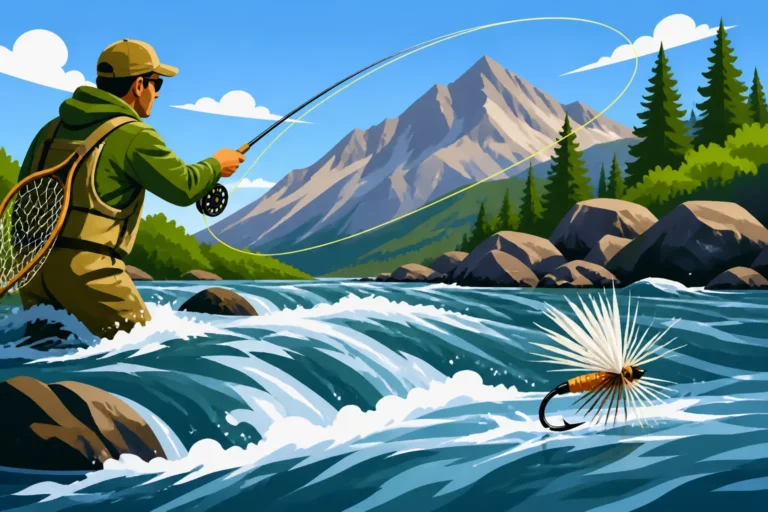
Fly anglers also need to adjust their game when summer hits. While those glorious dry fly hatches of spring might dwindle, nymphing and streamer fishing can still be highly productive.
- Nymphing in deep runs: Focus on getting your nymphs down to where the trout are holding – in the deeper, cooler parts of the river or lake. Use weighted nymphs or add split shot to ensure your presentation is in the strike zone. Patterns mimicking caddis larvae, stoneflies, or mayfly nymphs are often good choices.
- Streamers in low light: In the early morning or late evening, or when targeting larger, predatory trout, stripping smaller streamers can entice a strike. Fish them slowly, allowing them to suspend or sink, mimicking a struggling baitfish.
- Terrestrial patterns: As the summer progresses, grasshoppers, ants, and beetles often fall into the water. Fishing terrestrial dry flies along shaded banks or in grassy areas can be incredibly exciting. Look for areas where the wind might be blowing insects off vegetation. For specific patterns, you might explore the various options available on sites like Amazon.
No matter the technique, stealth is paramount. Trout in clear, warm water are easily spooked. Keep a low profile, make accurate casts, and minimize disturbance.
Protecting the Fish: Catch and Release Best Practices
This cannot be stressed enough: when water temperatures are high, trout are under significant stress. If you plan on practicing catch and release, which is often encouraged in these conditions, do everything you can to minimize harm.
- Handle fish minimally: Keep the fish in the water as much as possible. Avoid dragging them onto hot, dry surfaces.
- Wet your hands: Always wet your hands before touching a trout to protect their delicate slime coat.
- Use barbless hooks: Barbless hooks make removal much quicker and less damaging. If your hooks aren't barbless, simply pinch down the barb with pliers. For specific regulations, always consult the Nevada Statewide Bag Limits Explained and local rules, as some waters may mandate barbless hooks.
- Revive the fish: If a fish seems sluggish, hold it gently in the water, facing upstream, allowing water to flow over its gills until it swims away strongly on its own. Never vigorously push it back and forth.
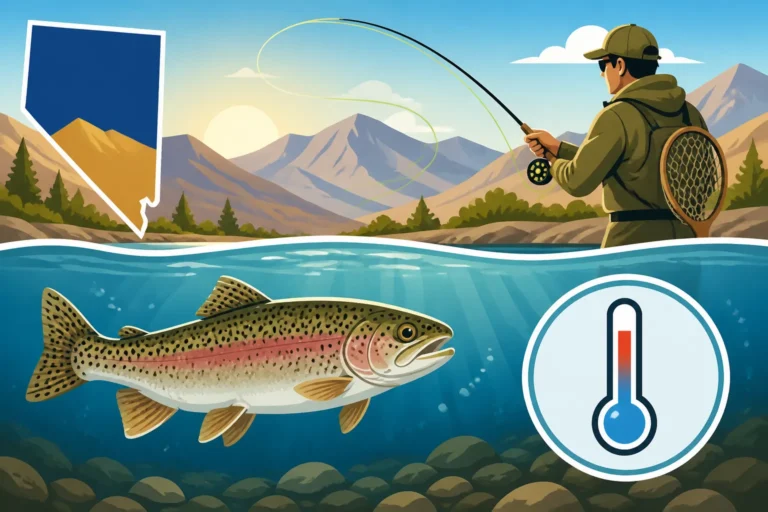
- Consider a thermometer: Carrying a small water thermometer can be incredibly helpful. If the water temperature is consistently above 68-70 degrees Fahrenheit, it might be best to simply stop fishing for trout entirely for their welfare.
Remember, responsible angling ensures healthy fish populations for years to come.
Gear Essentials for Summer Trout Angling in Nevada
Even with the best strategies, having the right gear can make or break your summer trout fishing experience. Nevada’s intense sun and often rugged terrain demand thoughtful preparation, not just for catching fish, but for your own comfort and safety. From specialized tackle to essential personal items, gearing up correctly will ensure you’re ready for whatever the high desert summer throws at you.
Essential Apparel and Sun Protection
Nevada summers are no joke. The sun can be relentless, and prolonged exposure can lead to sunburn, heatstroke, and dehydration. Prioritizing personal protection is just as important as your fishing tackle.
- Lightweight, Long-Sleeved Clothing: While it might seem counterintuitive to wear long sleeves in the heat, lightweight, breathable fabrics with UPF (Ultraviolet Protection Factor) ratings are your best friends. They block harmful UV rays, keeping you cooler than exposed skin and preventing sunburn. Look for performance fishing shirts from brands like Columbia or Simms.
- Wide-Brimmed Hat: A simple baseball cap won't cut it. A wide-brimmed hat provides crucial shade for your face, ears, and neck. Many excellent options are available, easily found on platforms like Amazon.
- Polarized Sunglasses: Beyond reducing glare and helping you spot fish, polarized sunglasses protect your eyes from the sun's harsh rays.
- Neck Gaiter or Buff: These versatile pieces of fabric can be pulled up to cover your neck and face, offering additional sun protection.
- High-SPF Sunscreen: Apply generously and reapply often, especially to any exposed skin.
- Hydration Pack or Water Bottles: This is non-negotiable. Always carry more water than you think you'll need. Dehydration is a serious risk in the desert heat. Many anglers find a hydration pack more convenient for hands-free access while fishing. You can find robust options on Amazon.
Remember, prevention is key to enjoying your time on the water without suffering the consequences of the Nevada sun. For more on this, check out Best Sun Protection Gear for Desert Fishing.
Specialized Tackle for Warmer Waters
While we've already discussed smaller baits and finesse presentations, some specific gear considerations can really improve your summer trout game.
- Light Rods and Reels: When you're using light lines and small lures, a lighter rod and reel setup will give you better feel and casting accuracy. An ultra-light or light action spinning rod, around 6 to 7 feet long, paired with a small spinning reel spooled with 4-6 lb test fluorocarbon or monofilament line, is often ideal. Fluorocarbon is particularly good in clear summer waters due to its low visibility.
- Water Thermometer: As mentioned, a small water thermometer is an invaluable tool. It tells you exactly what the trout are experiencing and helps you make informed decisions about when and where to fish, and if you should even be targeting trout that day.
- Small Tackle Box or Vest: Since you're often fishing on the move, especially in rivers or seeking those high-mountain lakes, a compact tackle box or a fishing vest with plenty of pockets is perfect for carrying your essential small lures, weights, and hooks. You can find a vast selection of these on Amazon to suit your style.
- Wading Boots (for river anglers): If you're venturing into rivers or streams, good quality wading boots (and possibly waders, depending on depth and water temperature) will provide crucial grip on slippery rocks and protect your feet. Do you need waders for Nevada river fishing? discusses this in more detail.
By focusing on these gear essentials, you'll be well-prepared to tackle Nevada's summer trout fishing challenges, keeping yourself comfortable and maximizing your chances of a successful, enjoyable outing.
In conclusion, the idea that Nevada trout fishing "slows down" in summer isn't entirely a myth, but it's not a complete shutdown either. It's more of a transformation, requiring anglers to adjust their mindset, tactics, and gear. By understanding the physiological needs of trout in warmer waters, being strategic about your fishing times, seeking out cooler micro-climates, and refining your presentation, you can absolutely continue to enjoy successful and rewarding trout fishing throughout the Nevada summer. Happy angling, and stay cool out there!
Disclaimer
This article is for general informational purposes only and does not constitute professional advice. Laws, prices and regulations vary by location and change over time. Consult a qualified professional for guidance on your specific situation.