Best season for catching smallmouth bass
If you've ever found yourself staring out at a vast Nevada reservoir, wondering when exactly those elusive smallmouth bass decide to show up and bite, you're certainly not alone. It's a question every angler asks, especially when targeting such a feisty and particular species. This guide is dedicated to demystifying the seasonal patterns of smallmouth bass in Nevada, helping you pinpoint the absolute best times of year to hit the water and maximize your chances of a truly memorable catch.
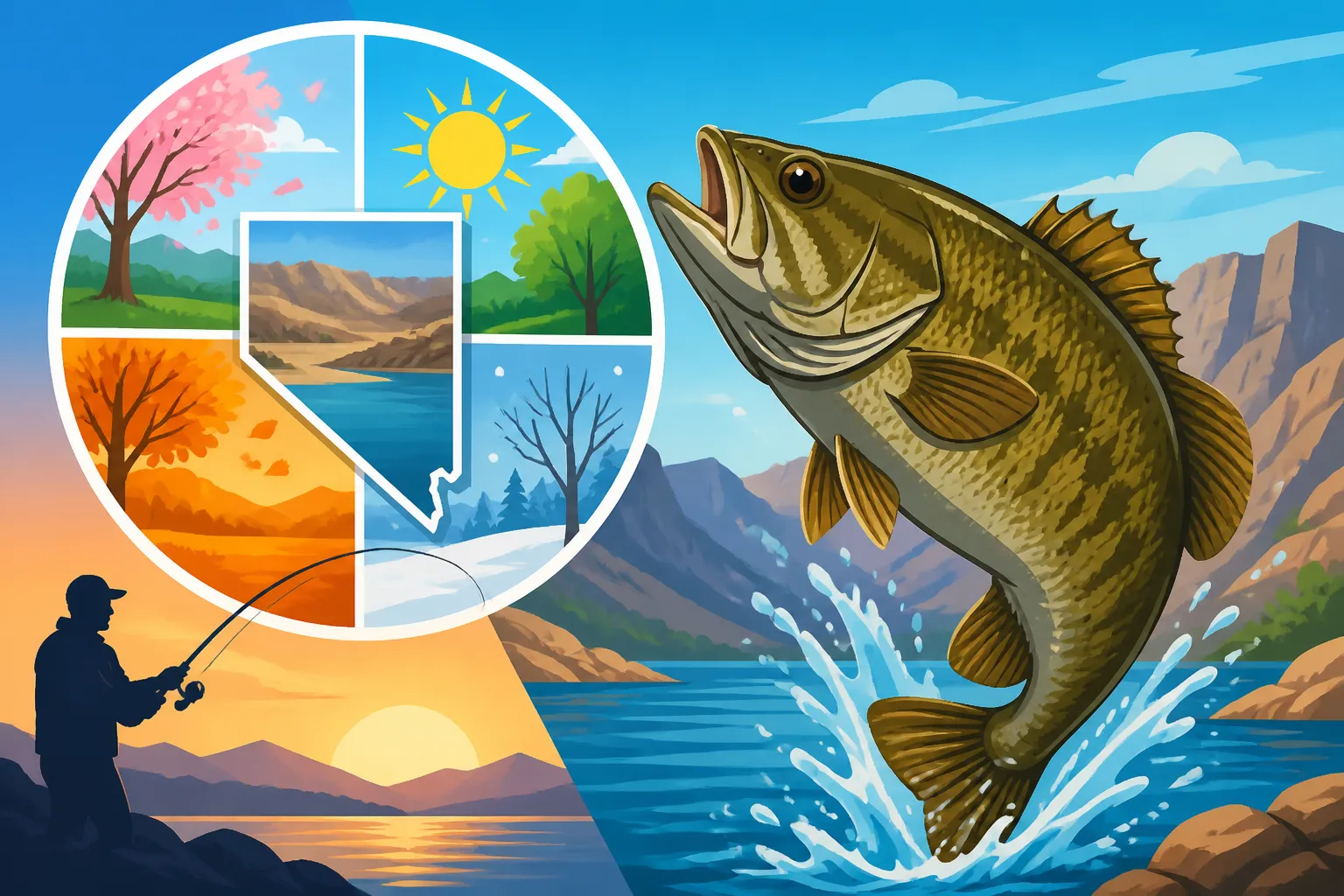
Understanding Smallmouth Bass Behavior Throughout the Year
Smallmouth bass are incredible creatures, highly sensitive to environmental changes, particularly water temperature and light conditions. Unlike their largemouth cousins, who often prefer thick cover and warmer, shallower water, smallmouth tend to gravitate towards rocky structures, drop-offs, and clearer, cooler water. This preference dictates much of their seasonal movement and feeding patterns, which is why understanding the "why" behind their behavior is key to knowing the "when."
Throughout the year, smallmouth bass will shift their locations, their activity levels, and their preferred forage. What works in spring won't necessarily work in the dog days of summer, and trying the same techniques year-round is a surefire way to get frustrated. Knowing these nuances can dramatically improve your success, transforming a quiet day into a bending-rod blast. It's not just about what lure you throw, but when and where you throw it, matching the smallmouth's natural rhythms.
The Influence of Water Temperature
Water temperature is, without a doubt, the single biggest factor influencing smallmouth bass behavior. As the mercury rises and falls in Nevada's lakes and reservoirs, it triggers distinct phases in the smallmouth's annual cycle. From the frigid depths of winter to the scorching heat of summer, their metabolism, spawning instincts, and feeding aggression are all directly tied to the thermometer.
Think of it like this: in colder water, their metabolism slows down significantly. They don't need to eat as often, and when they do, they're not expending much energy chasing prey. They're more lethargic, preferring slower presentations. As the water warms, their metabolism ramps up. They become more active, more aggressive, and need to feed much more frequently. This understanding alone can help you decide if you should be patiently jigging a deep drop-off or rapidly covering water with a topwater lure. Checking a reliable fishing thermometer, often available on Amazon, can be one of your most valuable tools.
Seasonal Diet Shifts
Just as their location and activity change, so does the menu for smallmouth bass. In spring, when crayfish are emerging and baitfish are plentiful, smallmouth will gorge themselves. During the intense heat of summer, they might focus on deeper-dwelling baitfish or even smaller insects that fall into the water. In the fall, they're again bulking up for winter, becoming opportunistic predators on anything they can find.
Matching your lure selection to their likely forage can be a game-changer. Are there a lot of shad in the lake? Try a shad-colored crankbait or swimbait. Are crayfish abundant on the rocky bottom? A brown or green jig with a craw trailer is probably a good bet. Observing the natural environment and understanding what's available to the bass at different times of the year is an essential part of the puzzle. This helps you choose the Best Lures for Nevada Bass in any given situation.
Spring: The Prime Window for Smallmouth Aggression
Ah, spring! For many smallmouth anglers, this is the golden ticket, the time of year when these bronze beauties are at their most active and accessible. As winter's chill loosens its grip and the Nevada sun starts to warm the water, smallmouth bass begin to stir from their deep-water haunts, moving towards shallower areas with a single-minded purpose: to eat and to spawn.
This season offers several distinct phases, each presenting unique opportunities and requiring slightly different approaches. Understanding these transitions, often tied directly to water temperature, is key to consistent success. The pre-spawn, spawn, and post-spawn periods are all crucial, and a slight shift in conditions can mean a big change in what the fish are doing.
Pre-Spawn Frenzy (Water Temps: 45-55°F)
As the water temperatures creep into the mid-40s and low-50s, smallmouth bass kick into high gear. This is the pre-spawn phase, a time of intense feeding as they load up on calories in preparation for the arduous spawning process. They're hungry, they're aggressive, and they're moving shallower. You'll often find them congregating on rocky points, humps, and secondary breaks leading into spawning flats. These areas provide easy access to deeper water for safety and proximity to future nesting sites.
During this time, slow-rolling spinnerbaits, jerkbaits, and swimbaits can be incredibly effective. The bass are actively hunting, and these lures mimic baitfish or even smaller prey that are just starting to become active. Try focusing on depths where sunlight can penetrate and warm the water slightly, as these areas often hold the most active fish. They're not quite locked onto beds yet, but they're definitely on the prowl. Pay close attention to subtle changes in depth and structure, as these transition zones are often prime holding spots.
The Spawn: Nests and Nurturing (Water Temps: 55-65°F)
Once water temperatures consistently hit the mid-50s and climb into the 60s, the smallmouth bass begin to spawn. This is when they move onto rocky flats, gravel beds, and hard-bottom areas to create their nests. Male smallmouth are particularly aggressive during this period, fiercely guarding their beds from any perceived threat. While targeting bedding fish can be controversial, it's undeniable that they are highly catchable due to their protective instincts.
Lures that mimic intruders, like tube jigs, soft plastic craws, or small creature baits, fished directly on or near the beds can elicit a strike. The males aren't necessarily trying to eat; they're trying to remove the threat. If you're going to fish during this time, consider catch and release to ensure the continuation of the species. Remember that Nevada Bass Season and Spawn Timing can vary by lake and elevation, so always check local regulations. Targeting smallmouth around rocky points where they typically spawn can be a very productive strategy.
Post-Spawn Recovery (Water Temps: 65-70°F)
After the rigors of spawning, both male and female smallmouth bass enter a post-spawn recovery phase. The females often retreat to slightly deeper water to rest and recuperate, while the males may remain shallower for a bit longer, guarding fry. This period can sometimes be challenging, as the fish can be lethargic and less aggressive immediately after spawning. However, once they regain their energy, they'll resume feeding heavily to rebuild their strength.
Look for them to move to nearby structure like submerged rock piles, brush, or deeper edges of spawning flats. Topwater lures can be explosive during this time, especially in the early morning or late evening, as they become more active. Carolina rigs, drop shots, and shaky head jigs are also excellent choices for enticing those less aggressive, recovering fish. Don't be afraid to experiment with different depths; some fish will still be relatively shallow, while others will have moved out to deeper cover.
Summer: Adapting to the Heat
Nevada summers are legendary for their heat, and this intense warmth significantly impacts smallmouth bass behavior. As surface water temperatures soar, smallmouth often retreat to cooler, deeper waters, making them a bit more challenging to locate consistently. However, "challenging" doesn't mean "impossible," it simply means you need to adjust your tactics and be willing to explore different parts of the water column.
The key to summer smallmouth fishing in Nevada is understanding that the fish will seek out thermal refuge and ample oxygen. This usually means deeper points, ledges, submerged humps, and areas with current or cooler inflows. Mornings and evenings often provide the most active bites in shallower water, but during the bright, hot midday, you'll need to go deep.
Deep Water Tactics (Water Temps: 70°F+)
When the sun is high and the air is scorching, smallmouth bass will typically suspend over deep water or hug deep structure. This is where your electronics, like a good fish finder, become invaluable. Look for schools of baitfish, and you'll often find smallmouth nearby, preying on them. They might be in 20, 30, or even 50 feet of water, depending on the lake and available structure. This is where mastering Deep Water Techniques for Lake Mead Bass can really pay off, even if you're not on Lake Mead itself.
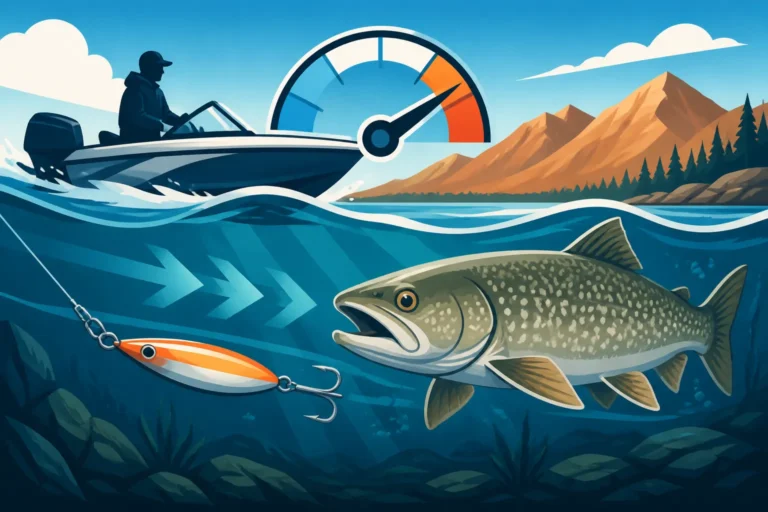
Techniques like drop-shotting, vertical jigging with spoons or blade baits, and deep-diving crankbaits become incredibly effective. The goal is to get your lure down to where the fish are holding and present it in a way that entices a strike without requiring the bass to expend too much energy. A heavier jig head or weighted swimbait might be necessary to combat the depth. Patience is also critical; sometimes, it takes a few passes over a spot to get a reaction strike from a suspended school. A good online retailer like Amazon offers a wide selection of these specialized deep-water lures and weights.
Early Morning & Evening Bites
While the midday sun drives smallmouth deep, the cooler temperatures of early morning and late evening can draw them back into shallower water, particularly around rocky points and breaks. These low-light periods offer a fantastic opportunity for topwater action. The bass feel safer hunting in the dim light, and a popper, walking bait, or prop bait can trigger explosive strikes.
This is also a great time for jerkbaits and spinnerbaits fished along breaklines. As the light increases, they'll gradually move deeper, so capitalize on those prime low-light hours. Focus on areas with good shade or cover, even if it's just the shadow of a cliff face, as these spots often hold active fish for a bit longer into the day. Remember that the Best time of day to catch bass in summer heat is usually at the bookends of daylight.
Fall: The Feeding Frenzy Before Winter
As the oppressive summer heat begins to wane and the air cools, Nevada's waters undergo a transformation. This change ushers in the fall, another phenomenal season for smallmouth bass fishing. Like spring, fall presents a distinct advantage for anglers: the smallmouth are actively feeding and often congregating, preparing for the lean months of winter. This "feeding frenzy" is driven by their biological need to pack on reserves, making them highly aggressive and willing to chase down a meal.
The cooling water temperatures trigger a renewed sense of urgency in the smallmouth, and they'll often move back into shallower to mid-depth ranges, chasing baitfish that are themselves schooling up. This is a time when some of the biggest smallmouth of the year can be caught, as they are at their peak weight and activity.
The Autumn Turnover (Water Temps: 60-50°F)
One of the most significant events in fall is the "turnover" phenomenon in deeper lakes. As the surface water cools, it becomes denser and sinks, pushing the warmer, less oxygenated water from the bottom upwards. This process redistributes nutrients and oxygen throughout the water column, and it can temporarily disrupt fish patterns. Once the lake stabilizes, typically as temperatures drop into the 50s, smallmouth will settle into predictable patterns.
During this period, focus on areas where baitfish are abundant. Smallmouth will be actively pursuing schools of shad or other forage, often pushing them against points, ledges, or submerged islands. Look for subtle changes in the bottom contour, humps, and rocky banks that provide ambush points. Crankbaits, spinnerbaits, and swimbaits are excellent choices for covering water and locating these active schools. The smallmouth during this time are often quite strong, putting up a formidable fight.
Chasing Baitfish
In the fall, smallmouth bass often follow schools of baitfish relentlessly. This means finding the bait is often the key to finding the bass. Use your electronics to locate large schools of shad or other forage, especially in open water or along steeper breaks. Once you find the bait, the smallmouth won't be far behind. They'll actively herd and feed on these schools, sometimes even pushing them to the surface.
Topwater lures can still be incredibly effective in early fall, especially during calm mornings when smallmouth are busting bait on the surface. As the water cools further, jerkbaits, lipless crankbaits, and umbrella rigs (where legal) become powerful tools for imitating schools of baitfish. Pay attention to bird activity, as diving birds can often indicate baitfish near the surface, and thus, hungry bass below. Covering a lot of water with your boat or casting from different shore locations can help you intercept these moving schools.
Winter: A Challenging But Rewarding Pursuit
Winter fishing for smallmouth bass in Nevada is not for the faint of heart, but it can be incredibly rewarding for those willing to brave the cold and adapt their techniques. While the smallmouth's metabolism slows significantly, they still need to eat. The key is understanding that their feeding windows are much shorter, their movements are much more restricted, and their presentations need to be much, much slower.
Don't expect the fast-paced action of spring or fall. Winter fishing requires patience, precision, and a willingness to fish deep. But when you do connect with a winter smallmouth, it's often a hefty, healthy fish that provides a memorable fight against the backdrop of a serene, cold landscape.
Deep, Slow, and Subtle (Water Temps: Below 45°F)
As water temperatures plummet below 45 degrees, smallmouth bass will retreat to their deepest wintering grounds. This often means deep main lake points, sheer bluff walls, deep creek channels, and submerged humps or rock piles adjacent to deep water. They won't be actively chasing lures; instead, they'll be holding tight to structure, conserving energy, and waiting for an easy meal to pass by. This is definitely not the time for fast retrieves or loud baits.
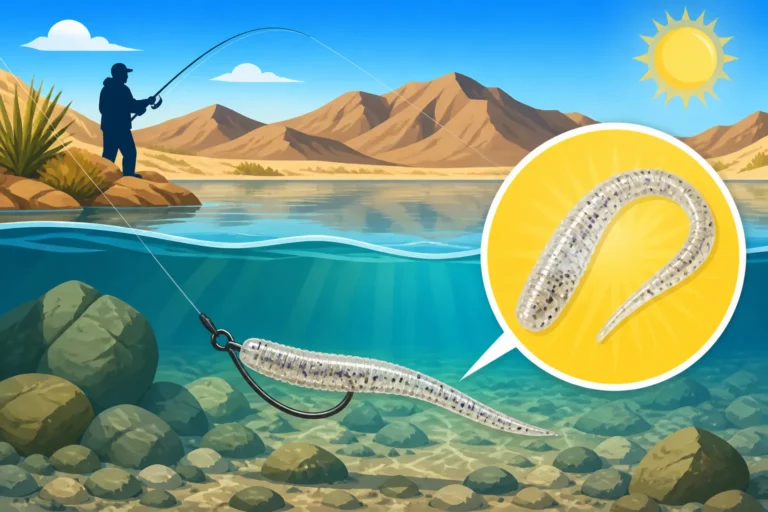
Your best bets are highly sensitive presentations that allow you to detect the most subtle bites. Drop-shot rigs, tiny swimbaits on light jig heads, and blade baits are excellent choices. Vertically jigging spoons or ice fishing jigs (even from a boat if there's no ice) can also be effective. The retrieve must be agonizingly slow, often just barely moving the lure or holding it perfectly still. Light line, like fluorocarbon, helps with sensitivity and a natural presentation. Understanding how to interpret your fish finder to locate these deep-water havens is paramount.
The Role of Clear Water
Many of Nevada's smallmouth bass lakes maintain incredible clarity throughout the winter. While this can make fish spooky in shallow water, in the depths, it means smallmouth can see your bait from a distance. However, it also means you need to be mindful of line visibility and presentation. Fine-tuning your gear with lighter line, often around 6-8 pound test, can make a significant difference.
With such clear water, a natural-looking presentation is crucial. Think about subtle colors – greens, browns, and whites that mimic natural forage. Avoid overly flashy or brightly colored lures unless you're trying to trigger a reaction strike with a jigging spoon. The clear, cold water also means you need to be stealthy; avoid loud noises in the boat or excessive movement that could spook fish holding deep below you. You can find a good selection of specialized fishing line on Amazon, perfect for these clear water conditions.
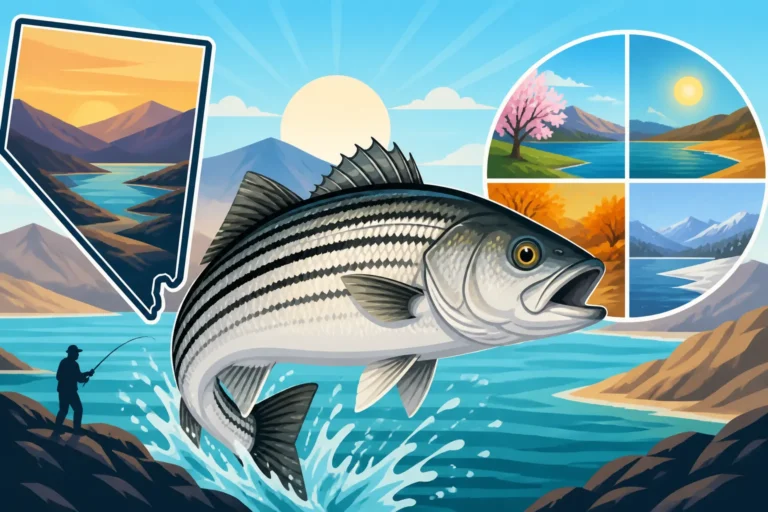
| Season | Water Temperature Range | Smallmouth Behavior | Best Locations | Effective Lures/Techniques |
|---|---|---|---|---|
| Spring | 45-70°F | Pre-spawn feeding, spawning, post-spawn recovery | Rocky points, spawning flats, shallow breaks | Jerkbaits, spinnerbaits, tubes, soft plastic craws, topwater |
| Summer | 70°F+ | Retreat to deep, low-light feeding (morn/eve) | Deep points, ledges, humps, shade, deep current areas | Drop shots, deep cranks, vertical jigs, topwater (low light) |
| Fall | 60-50°F | Aggressive feeding, chasing baitfish | Baitfish schools, rocky points, main lake ledges | Crankbaits, spinnerbaits, jerkbaits, lipless cranks, topwater |
| Winter | Below 45°F | Lethargic, holding deep on structure, short feeding windows | Deep points, bluff walls, submerged humps, channels | Drop shots, light jigs, blade baits, spoons, slow presentations |
Essential Gear for Nevada Smallmouth Fishing
Having the right gear is just as important as knowing the seasons. Smallmouth bass are fierce fighters, and your tackle needs to be up to the task. While specific choices will vary by personal preference and budget, a few core items are essential for any Nevada smallmouth angler. Investing in quality gear pays off in both performance and durability, especially when battling a strong fish or facing harsh desert conditions.
From rods and reels to line and lures, each component plays a role in your overall success. Don't skimp on the fundamentals; a broken rod or snapped line due to cheap equipment can quickly turn a fantastic fishing day into a frustrating one. You want gear that gives you confidence on the water.
Rods and Reels for Smallmouth
For smallmouth bass, a versatile setup is often a medium-light to medium power spinning rod, typically 6'6" to 7' in length, paired with a 2000-3000 series spinning reel. This setup provides the sensitivity needed for finesse techniques while still offering enough backbone to handle a hard-fighting smallmouth. For heavier cover or larger lures, a medium-heavy baitcasting setup might be preferred, especially when throwing bigger crankbaits or swimbaits. The key is balance; you want a rod that feels comfortable in your hand and allows for accurate casting.
A good quality spinning reel with a smooth drag system is crucial for playing out those powerful runs. Look for reels with several ball bearings for smooth operation. For baitcasters, ensure you're comfortable with the casting mechanics, as they offer excellent control and power. Remember to match your line weight to your rod's specifications for optimal performance. You can find excellent options for Best Baitcasting Reels for Bass Fishing and spinning setups from reputable brands.
Line, Lures, and Terminal Tackle
When it comes to line, fluorocarbon is a favorite among many smallmouth anglers due to its low visibility and excellent sensitivity, especially in clear Nevada waters. A 6-10 pound test fluorocarbon line is a great all-around choice. Some anglers prefer braided line for its strength and casting distance, often paired with a fluorocarbon leader for stealth.
For lures, the options are vast, but some staples include tube jigs, grubs, shaky head worms, drop-shot worms, jerkbaits, crankbaits (both shallow and deep diving), spinnerbaits, and topwater plugs. Keep a variety of colors and sizes to match different conditions and forage. Don't forget your terminal tackle: a good selection of hooks (worm hooks, drop-shot hooks), swivels, and weights (bullet weights, tungsten weights for sensitivity) is essential. Having a well-organized tackle box, perhaps one you picked up from Amazon, makes changing rigs quick and easy. For specific advice, check out our guide on Best Soft Plastics for Bass Fishing.
Local Nevada Smallmouth Hotspots
While smallmouth bass can be found in various waters across Nevada, certain locations are legendary for their populations and offer prime opportunities to put these seasonal strategies to the test. These spots, often characterized by rocky shores, clear water, and deep structures, provide the ideal habitat for smallmouth to thrive. Knowing where to go is the first step, then applying the seasonal knowledge brings it all together.
Always remember to check current regulations for specific lakes, as bag limits, size restrictions, and special permits (like those for tribal waters) can vary. A little homework before you go can save you a lot of hassle and ensure a legal and enjoyable trip.
Lake Mohave
Nestled on the Colorado River, just south of Hoover Dam, Lake Mohave is a prime destination for smallmouth bass. Its clear, cool waters and abundant rocky coves, ledges, and drop-offs create perfect smallmouth habitat. Anglers often find success along the steep canyon walls and points that define much of the lake. The smallmouth here grow to impressive sizes, offering a fantastic challenge.
During spring, look for fish to move into shallower coves and rocky flats in the northern sections of the lake. In summer, they'll retreat to deeper water, often suspending over ledges or hugging bottom structure in 20-50 feet. Fall sees them aggressively chasing shad schools around main lake points. For a comprehensive overview, explore our Lake Mohave Nevada Fishing Guide.
Topaz Lake
Located on the Nevada-California border, Topaz Lake is another excellent smallmouth fishery. This high-desert reservoir is known for its clear water and numerous rock piles, submerged humps, and steep banks. While it's popular for trout, its smallmouth population is robust and often overlooked, making it a hidden gem for bass anglers.
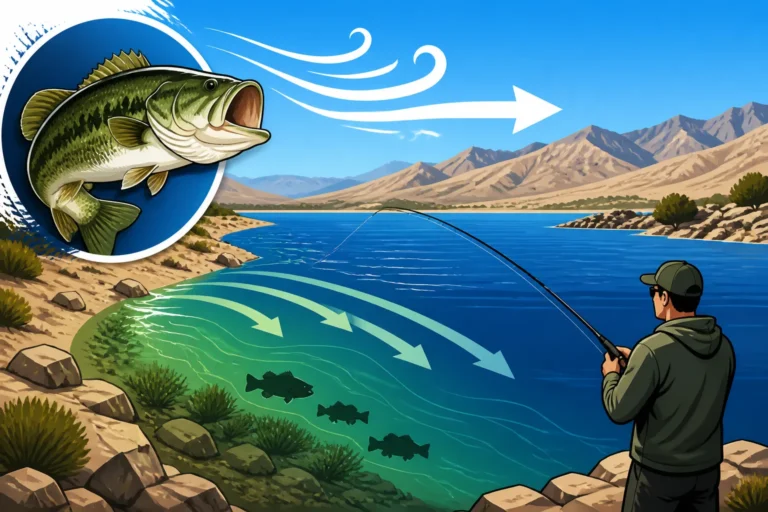
Spring and fall are particularly productive here, as smallmouth move shallower to feed. In summer, focus on the deeper sections of the lake, particularly around the dam or prominent underwater structures. The prevailing winds can also be a factor here, often pushing baitfish and creating feeding opportunities for bass. For more details, see our specific article on Topaz Lake Fishing.
Other Potential Waters
Beyond the prominent destinations, many other Nevada waters hold respectable smallmouth bass populations. Larger reservoirs like Lake Mead also have smallmouth, though they often get overshadowed by the abundant striped bass and largemouth. Smallmouth tend to be found in the clearer, rockier areas of Lake Mead, often away from the main channels and closer to the original riverbed contours.
Smaller, high-elevation lakes and reservoirs in northern Nevada can also harbor smallmouth, offering a different, often more secluded, fishing experience. Always consult the Nevada Department of Wildlife (NDOW) fishing reports and regulations for the latest information on stocking and fish populations in specific waters.
Disclaimer
This article is for general informational purposes only and does not constitute professional advice. Laws, prices and regulations vary by location and change over time. Consult a qualified professional for guidance on your specific situation.