Best season to fish Wildhorse Reservoir
Oh, the age-old question for any angler: "When is the best time to go?" It's a sentiment I hear all the time, especially when folks are planning a trip to a gem like Wildhorse Reservoir. The truth is, "best" is a pretty personal word when it comes to fishing, because what one angler dreams of (say, trophy trout) is different from another's perfect day (a bucket of perch for dinner). This guide is here to untangle the seasonal nuances of Wildhorse, helping you pinpoint the ideal time for your kind of adventure.
Understanding Wildhorse Reservoir: What Makes it Unique?
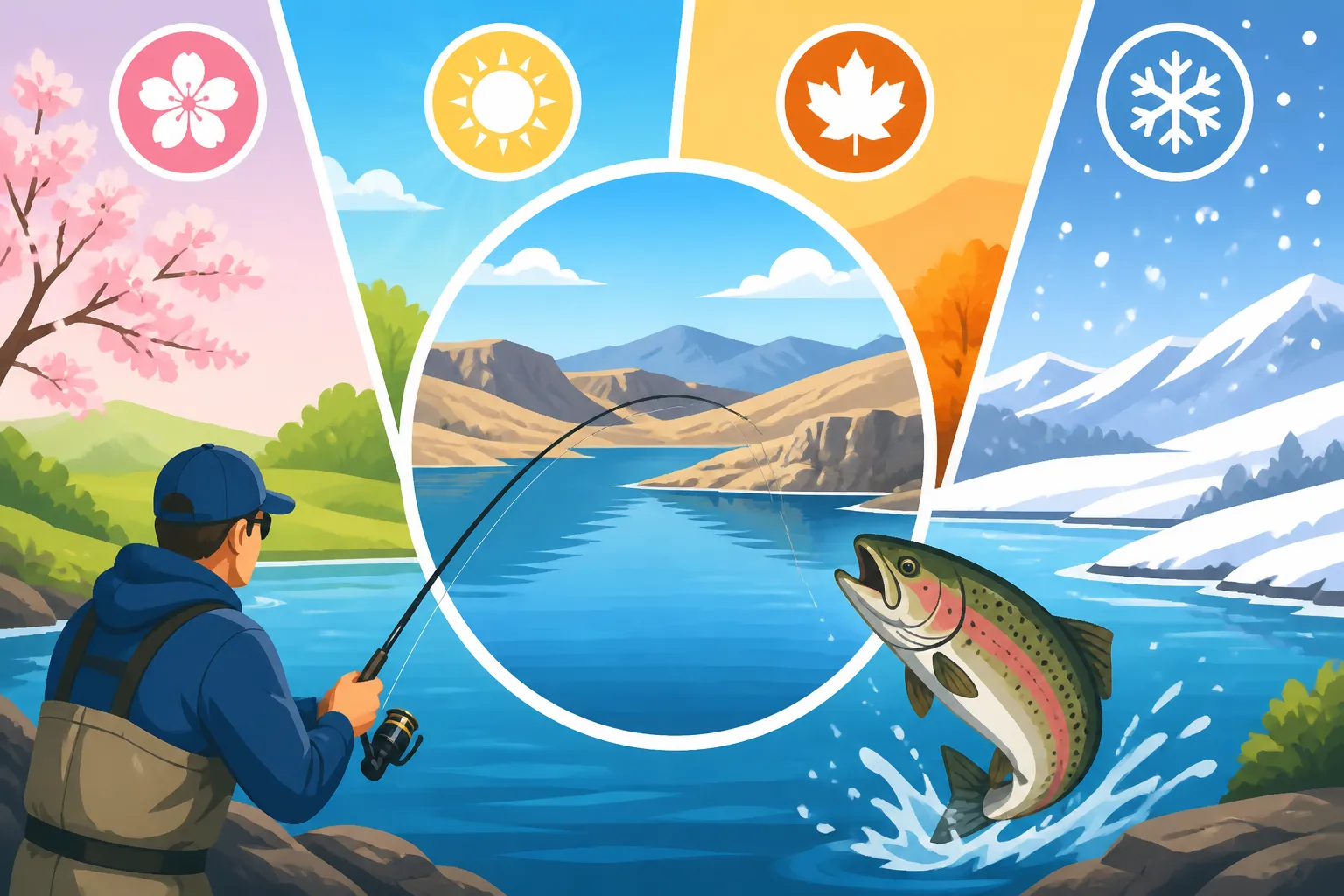
Before we dive into the nitty-gritty of each season, let's take a moment to appreciate what makes Wildhorse Reservoir such a special and sometimes challenging place to fish in Nevada. Nestled up in Elko County, it’s a high-desert reservoir that often feels a world away from the hustle and bustle of city life. This elevation means it experiences all four distinct seasons, often with extremes in temperature and conditions that significantly impact fish behavior.
The reservoir is known for a diverse fishery, primarily excellent rainbow and brown trout, but also a thriving population of yellow perch, smallmouth bass, and even some tiger trout. These different species react uniquely to water temperature, light levels, and food availability throughout the year, meaning the "hot bite" for one might be non-existent for another. Understanding these fundamental dynamics is key to planning your trip. The water levels can also fluctuate throughout the year, which impacts access and fish holding patterns. Knowing what to expect regarding the Wildhorse Reservoir Boat Ramp and Camping situation or shoreline access can save you a lot of headache upon arrival.
The Influence of High Desert Climate
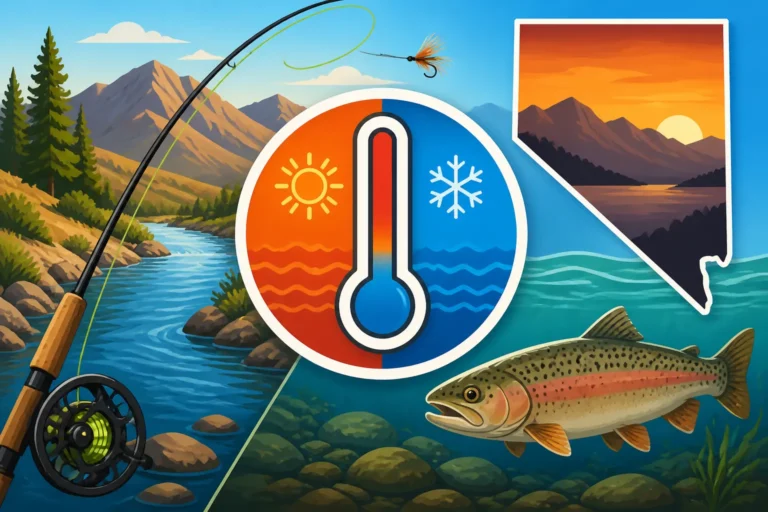
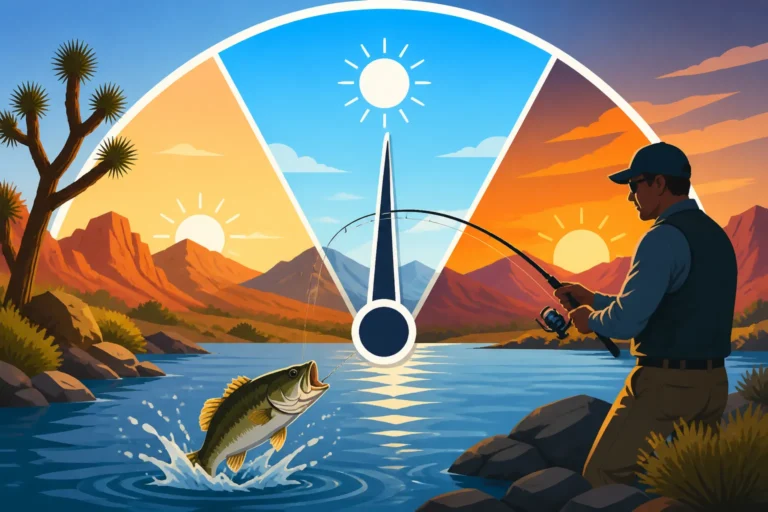
The high desert climate around Wildhorse Reservoir isn't just about pretty scenery; it dictates everything from ice formation to fish activity. Winters are cold, often bringing significant snowfall and thick ice. Summers are hot and dry, making midday fishing a real test of endurance. Spring brings the thaws and often muddy conditions, while fall offers that sweet spot of cooling temperatures. These seasonal shifts directly influence water temperature, which is arguably the most critical factor for cold-blooded fish. When the water warms up, fish metabolisms speed up, making them more active and hungry. When it cools down, they slow down. Simple, right? But the timing and intensity of these changes are what make fishing Wildhorse a year-round puzzle.
Target Species and Their Seasonal Habits
Different fish species at Wildhorse Reservoir have different preferences and thrive at various times of the year. If you're coming for trout, particularly the hard-fighting rainbow and brown trout, you'll find certain seasons more productive than others. These cold-water species are usually most active when the water is cool, but not frozen. The elusive tiger trout, a sterile hybrid, also falls into this category, often displaying aggressive feeding behaviors.
On the other hand, species like yellow perch and smallmouth bass are warm-water tolerant, though they too have optimal temperature ranges. Perch are a fantastic year-round option, especially popular for ice fishing, but they can be caught during the open water months too. Smallmouth bass, like most bass, will become more active and territorial during their spawning periods in warmer waters. Knowing what fish you want to target will heavily influence your "best season" decision.
Spring: The Season of Renewal and Opportunity
Spring at Wildhorse Reservoir, typically from March through May, is a period of transition and burgeoning life. The ice begins to recede, often in dramatic fashion, signaling the start of the open-water fishing season. For many anglers, this is a highly anticipated time, offering some truly fantastic opportunities, especially for trout. However, it also comes with its own set of challenges that can test the unprepared.
Ice-Out and Early Season Trout Action
As the winter ice slowly melts away, usually sometime in March or early April, the water begins to warm just enough to kick-start trout activity. The earliest part of spring, right after "ice-out," can be absolutely phenomenal for trout fishing. The fish, having been under the ice for months, are often hungry and eager to feed on newly available insects and baitfish. This is when the Nevada Department of Wildlife (NDOW) often starts its spring Nevada Trout Stocking Schedule, introducing fresh, feisty rainbows into the reservoir.
Targeting these newly stocked or overwintered trout can be done effectively from shore or a boat. For shore anglers, focusing on accessible points where the ice recently receded or where fresh water is flowing in can be very productive. Small spinners, spoons, and power bait or worm combinations fished on the bottom or under a bobber are classic tactics. If you're boating, trolling small plugs or spoons near the surface or along the edges of the melting ice can yield impressive results. Just be mindful of variable water levels that might affect boat launching conditions during this time.
Perch Awakening and Spring Challenges
While trout often steal the early spring spotlight, the yellow perch also start to become more active as the water warms. They'll often school up in shallower coves and bays, feeding on small invertebrates. These can be a ton of fun on light tackle, and they make for excellent table fare. Small jigs tipped with a piece of worm or even a tiny spoon can be deadly for perch in the spring.
The biggest challenges in spring often revolve around access and weather. Early spring can mean muddy, sometimes impassable, roads leading to the reservoir or boat ramps due to melting snow. The weather itself can be highly unpredictable, swinging from calm, sunny days to cold, windy, and even snowy conditions within hours. Layers are your best friend, and always check local road conditions before you head out. Getting stuck in the mud is no fun for anyone, no matter how good the fishing is.
Summer: Warm Waters and Diverse Targets
Summer at Wildhorse Reservoir, roughly June through August, brings long, sunny days and significantly warmer water temperatures. This shift definitely changes the fishing dynamics. While it's still a productive time, especially for certain species, anglers need to adjust their strategies to account for the heat and where the fish decide to hang out.
Deeper for Trout, Active for Bass
As the surface water warms up considerably during the Nevada summer, trout tend to seek refuge in deeper, cooler parts of the reservoir. This means shore fishing for trout can become more challenging, often requiring longer casts to reach deeper drop-offs or fishing during cooler times of the day like early mornings or late evenings. For boat anglers, this is the time to break out the downriggers or lead core lines to target trout suspended in the thermocline – that invisible layer where cold and warm water meet. Trolling spoons, dodgers with a worm, or deep-diving crankbaits can be effective. How deep trout go in summer can vary, but generally, look for them below 20-30 feet.
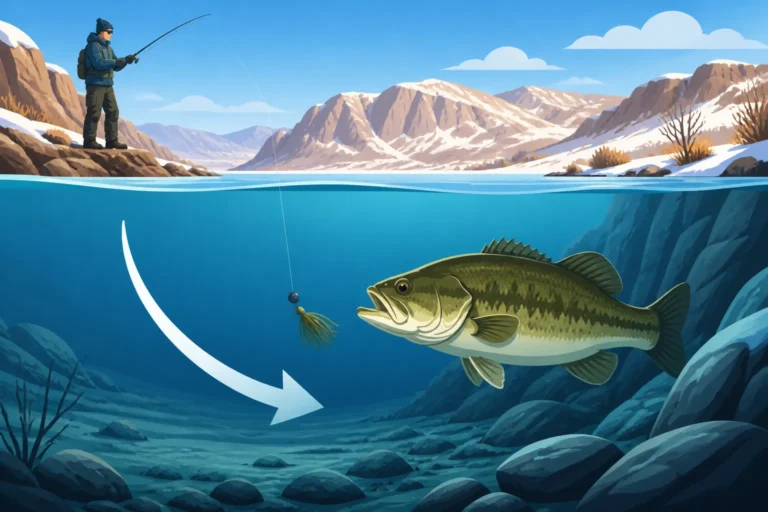
Smallmouth bass, on the other hand, thrive in these warmer conditions. They'll be active around rocky points, submerged structures, and areas with good cover. Casting crankbaits, jigs, or soft plastics can provoke aggressive strikes from these feisty fighters. Focus your efforts during the cooler parts of the day, as intense midday sun can push them into deeper shadows.
Catfish and Perch Opportunities in the Heat
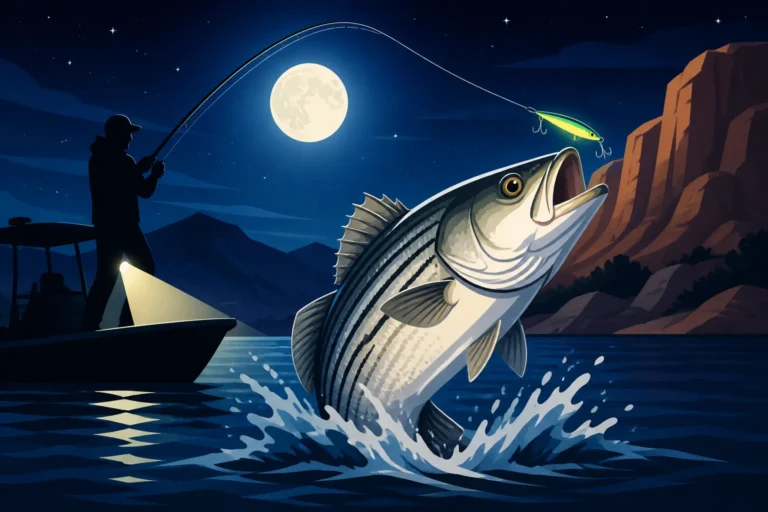
Summer is also prime time for channel catfish at Wildhorse. These whiskered bottom-dwellers love warm water and are often most active during the low-light hours of dusk, dawn, and even throughout the night. Targeting catfish can be a relaxed and rewarding experience, especially with kids. Use smelly baits like chicken liver, cut bait, or commercial stink baits fished on the bottom with a simple Carolina rig. Just make sure to bring a strong headlamp if you plan to Best bait for channel catfish at night.
Yellow perch remain a viable target throughout the summer. While they might not be as concentrated in shallow areas as in spring, they'll still school up and can be found near weed beds or submerged structures. Using small jigs, worms, or even tiny crankbaits can keep the action steady. For extended summer trips, a good cooler and plenty of ice are essential for keeping your catch fresh in the Nevada heat. You can find excellent, durable coolers on Amazon that will stand up to the desert sun. Don't forget ample sun protection – wide-brimmed hats, long-sleeved shirts, and polarized sunglasses are a must.
Fall: Prime Time for Trophy Trout and Panfish Action
For many seasoned anglers, autumn, spanning roughly September through November, is hands down the best season to fish Wildhorse Reservoir. The oppressive summer heat fades, the air becomes crisp, and the water temperatures begin to drop to optimal levels for trout and trigger aggressive feeding patterns across most species. This is truly when the reservoir shines.
Aggressive Trout and Pre-Winter Feeds
As the water cools in the fall, trout become incredibly active. They sense the impending winter and go on a feeding frenzy to pack on reserves. This means they are often more willing to chase down lures and flies, and they can be found in a wider range of depths. Both rainbow and brown trout will be actively cruising shallower flats and rocky points, making them more accessible to both boat and shore anglers. The browns, in particular, can be quite aggressive as they prepare for their fall spawning rituals.
Trolling larger spoons and plugs can entice some of the reservoir's trophy trout, while casting spoons or stickbaits from shore or boat can also be highly effective. Fly anglers will find excellent opportunities for stripping streamers or nymphing subsurface patterns. This is often the time when you have your best shot at a true wall-hanger. The cooler temperatures also mean a more comfortable fishing experience, allowing you to stay out longer without battling the intense sun. When planning your fall trip, consider checking out resources on Wildhorse Reservoir Warm Water Fishing Areas as these might cool faster and become active for trout earlier in the season.
Vibrant Panfish and Fall Colors
The cooling waters of fall also re-energize the yellow perch. They'll often school up in thick numbers, making for fast and furious action. Small jigs, grubs, or pieces of worm are all it takes to fill a cooler with these tasty panfish. The added bonus of fall fishing is the stunning scenery. As the aspen and cottonwood trees around the reservoir begin to change colors, the landscape transforms into a vibrant display of golds, oranges, and reds, making every cast feel a little more special.
While the fishing is often fantastic, be prepared for variable weather. Early fall can still be mild, but late fall can quickly usher in freezing temperatures, strong winds, and even early snowfalls. Always carry extra layers, a thermos of hot coffee, and keep an eye on the forecast. The days are also shorter, so plan your fishing time accordingly.
Winter: The Ice Fishing Frontier
For the truly dedicated and cold-hardy angler, winter at Wildhorse Reservoir, from December through February, offers a unique and often highly rewarding experience: ice fishing. Wildhorse is one of Nevada's premier ice fishing destinations, but it demands respect for the elements and a commitment to safety.
Target Species Through the Ice
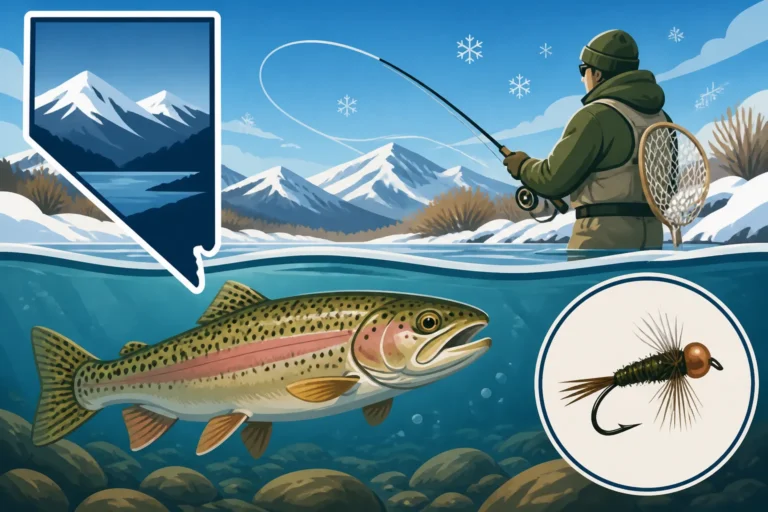
When the reservoir freezes over with sufficient ice thickness, usually by late December or early January, a whole new world of fishing opens up. The primary targets through the ice at Wildhorse are yellow perch and rainbow trout. Perch are incredibly popular for ice fishing due to their schooling behavior and willingness to bite. Anglers often drill multiple holes, moving from one to another until they locate a productive school. Small jigs tipped with mealworms, wax worms, or even small pieces of Gulp! bait are highly effective.
Trout can also be caught through the ice, though they often require a bit more patience. They might be suspended at various depths, so using a fish finder is incredibly helpful for locating them. Larger jigs, small spoons, or even dead bait fished just off the bottom can tempt hungry trout. Ice fishing provides a unique opportunity to access areas of the reservoir that are otherwise unreachable by shore during open water seasons.
Essential Gear and Ice Safety
Ice fishing isn't something you just jump into. It requires specialized gear and a rigorous commitment to safety. An ice auger is essential for drilling holes, and a portable ice fishing shelter can make a huge difference in comfort on windy or snowy days. Appropriate clothing, including insulated boots, gloves, and layers, is non-negotiable. Don't forget a spud bar to check ice thickness as you go, and always carry safety picks. Ice Fishing Gear for Nevada Lakes is a must-read before heading out.
The absolute most critical aspect of winter fishing is ice safety. Never venture onto ice alone, and always let someone know where you are going and when you expect to return. Always check local conditions and ice thickness reports. A general rule of thumb is at least 4 inches of clear, solid ice for walking, and more for ATVs or snowmobiles. Conditions can vary widely across the reservoir, and thin ice spots can exist even on generally thick ice. Remember, no fish is worth risking your life over. You can find reliable ice augers, shelters, and other cold-weather gear on Amazon to ensure you're properly equipped for this chilly adventure.
Seasonal Overview for Wildhorse Reservoir
To help summarize, here's a quick overview of what each season typically offers at Wildhorse Reservoir. Remember, conditions can vary year to year, but this table provides a general guideline to help you plan your ideal trip.
| Season | Primary Species to Target | General Fishing Conditions | Recommended Techniques | Key Considerations |
|---|---|---|---|---|
| Spring | Rainbow Trout, Brown Trout, Yellow Perch | Ice-out, cooling waters, rising fish activity. Can be muddy. | Spinners, spoons, Power Bait, worms (shore); trolling small plugs, spoons (boat); small jigs (perch). | Unpredictable weather, potential muddy roads/ramps, NDOW stocking begins. |
| Summer | Smallmouth Bass, Channel Catfish, Yellow Perch, deeper Trout | Warm surface water, intense sun, trout go deep. | Crankbaits, jigs, soft plastics (bass); smelly baits (catfish); small jigs (perch); deep trolling (trout). | Early morning/late evening best, sun protection essential, bring plenty of water, check for Nevada Bass Season and Spawn Timing. |
| Fall | Trophy Rainbow Trout, Brown Trout, Yellow Perch | Cooling water, active feeding, comfortable weather. | Larger spoons, plugs, stickbaits (trout); stripping streamers/nymphing (fly); small jigs, worms (perch). | Peak season for big trout, beautiful scenery, prepare for varying temperatures, shorter days. |
| Winter | Yellow Perch, Rainbow Trout | Frozen reservoir, thick ice (when safe). | Small jigs, wax worms, mealworms (perch); larger jigs, spoons, dead bait (trout). | Ice safety is paramount, specialized gear required, check ice conditions, can be very cold. |
Making Your Choice: Which Season is "Best" for You?
So, after all that, what truly is the "best" season to fish Wildhorse Reservoir? It really boils down to your personal preferences and what you hope to achieve.
- For the "Trophy Trout" Hunter: Fall is likely your golden ticket. The cooling waters and pre-winter feeding frenzies offer the highest chance of landing a truly memorable rainbow or brown trout. The comfortable weather and beautiful scenery are just icing on the cake.
- For the "Consistent Action" Angler: Spring, particularly after ice-out, offers fantastic trout opportunities, and perch can provide steady action. Fall is also excellent for consistent perch and trout bites.
- For the "Warm Weather, Diverse Species" Enthusiast: Summer allows you to target smallmouth bass and catfish, often providing exciting battles in the warmer parts of the reservoir. You can still find trout, but it requires different techniques.
- For the "Unique Winter Adventure" Seeker: If you love the challenge and camaraderie of ice fishing, winter at Wildhorse is a must-try. The yellow perch provide excellent action, and the occasional ice-caught trout is a huge bonus. Just remember that Ice Fishing in Nevada requires careful preparation.
- For the "Family Fun" Trip: Late spring or early fall might be ideal, offering pleasant weather for camping and easier access to shore fishing spots for stocked trout and readily available perch. Consider checking out Nevada Fishing License for Kids Under 12 rules before you go!
No matter which season you choose, Wildhorse Reservoir offers a truly authentic Nevada fishing experience. It’s a place where you can connect with nature, test your skills against some feisty fish, and make lasting memories. Do your homework, pack smart, and always respect the regulations, which you can read up on in our comprehensive Nevada Fishing Regulations Explained guide. Whether you're chasing that monster trout or simply enjoying a peaceful day with a bobber, Wildhorse rarely disappoints. Just be prepared for whatever the Nevada high desert throws your way! And if you're ever in doubt about local regulations or need a license, remember that Where to Buy a Nevada Fishing License is easier than ever. Happy fishing!
Disclaimer
This article is for general informational purposes only and does not constitute professional advice. Laws, prices and regulations vary by location and change over time. Consult a qualified professional for guidance on your specific situation.