Best time of day to fish in the desert during summer
Fishing in the Nevada desert during the scorching summer months can feel like an impossible mission. You're out there, the sun is beating down, and it seems like every fish has vanished, leaving you wondering if you're doing something wrong or if the fish just packed up and moved to Alaska. It's a common frustration, but don't despair! This guide is here to help you navigate those intense conditions and understand the absolute best times of day to cast your line for success in the heat.
Understanding the Summer Desert Challenge
When the mercury climbs well past 100 degrees Fahrenheit, as it often does in places like Las Vegas, Laughlin, or around Lake Mead, the entire ecosystem shifts. Fish, like us, are looking for comfort and survival, and that means avoiding the brutal midday sun and extreme water temperatures. It's not just about comfort for them; it's about basic biological function.
The Relentless Heat and Its Impact on Fish
Think about how you feel on a 110-degree day – sluggish, thirsty, and probably not eager to sprint a marathon. Fish experience a similar, albeit aquatic, version of this. Water temperatures, especially in shallower areas of desert lakes and ponds, can soar. For cold-blooded creatures like fish, their metabolism is directly linked to water temperature. As the water gets too warm, their oxygen levels drop, and they become stressed. This isn't just uncomfortable; it can be life-threatening. Many popular game fish like trout and even some bass species struggle in overly warm water.
For example, when the surface temperatures at Lake Mead hit the 80s or even low 90s, fish activity drastically changes. Trout, which prefer cooler waters, will seek out deep springs or simply shut down. Bass might move to deeper structure, shaded areas, or completely suspend in the water column. The frustration of casting into what looks like perfect water only to get no bites is often due to these unseen thermal barriers and the fish's natural response to survival. This is why understanding Best water temperature for bass fishing is so crucial during these times.
Why Fish Go Deep or Hibernate During the Day
Just like you wouldn't sunbathe at noon in July without a significant umbrella and a gallon of water, fish aren't going to be actively feeding in the brightest, hottest parts of the day. Their primary reasons for "disappearing" are:
- Temperature Regulation: Deeper water and shaded areas (like under docks, cliffs, or dense vegetation) offer thermal refuge. This cooler water helps regulate their body temperature and maintain optimal metabolic function.
- Predator Avoidance: The bright sun also makes fish more vulnerable to aerial predators like ospreys or eagles, and in clear desert waters, it also makes them more visible to larger fish or human anglers. Low light conditions offer a natural camouflage.
- Forage Availability: Many of their prey items, like baitfish or insects, also become less active or seek cover during the peak heat, reducing the availability of an easy meal in shallow, exposed areas.
So, when the sun is high and the air is shimmering over the water, those fish aren't just being lazy; they're conserving energy and seeking safety. Trying to fish them in these conditions often leads to frustration and limited success.
The Golden Hours: Early Morning and Late Evening
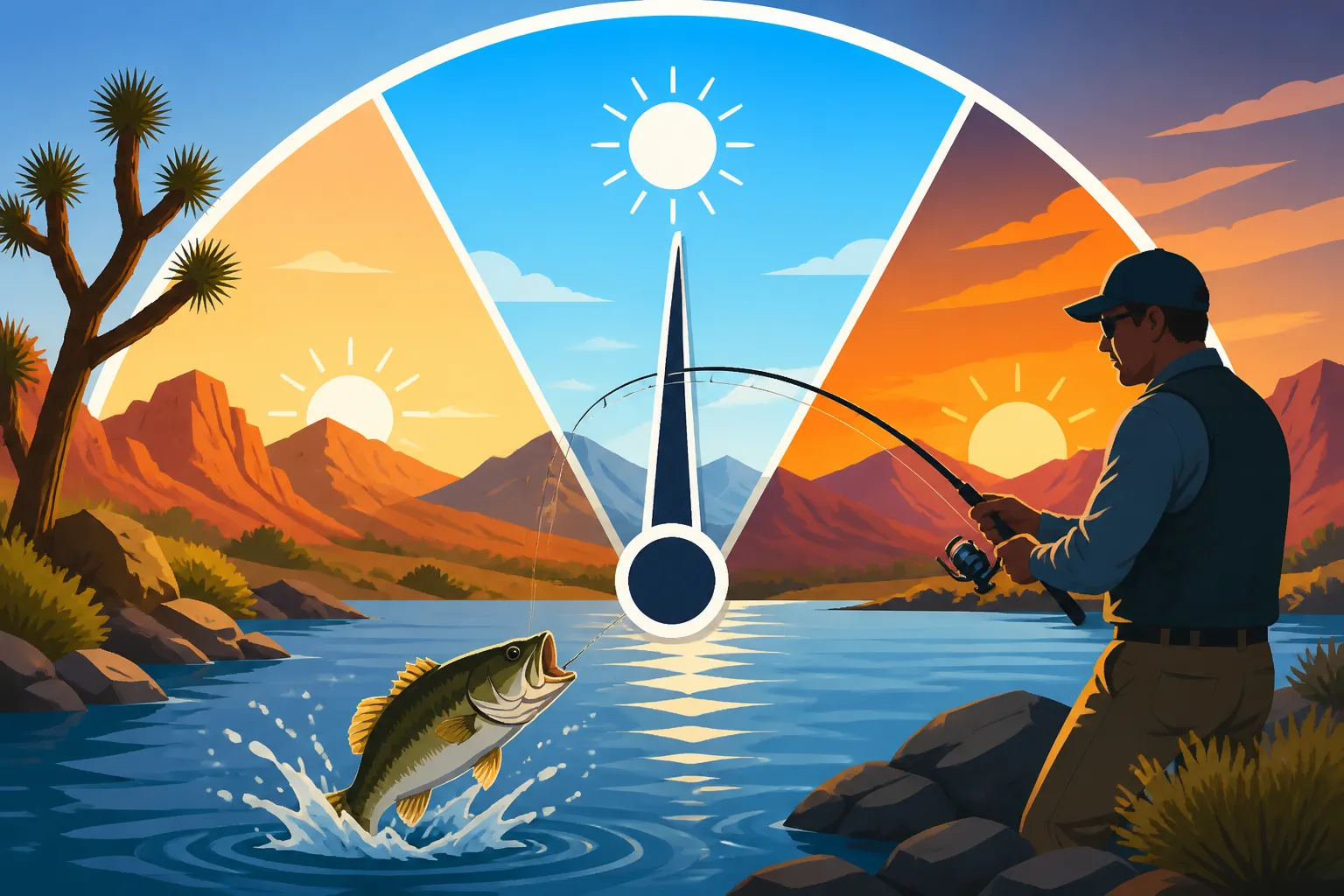
If you're serious about catching fish in the Nevada desert during summer, you absolutely must embrace the bookends of the day. These are the times when the conditions are most favorable for both the fish and, frankly, for you as an angler.
The Dawn Patrol: Why First Light is Prime Time
There's a reason seasoned desert anglers are often launching their boats or setting up their bank fishing spots well before the sun even peeks over the horizon. First light, roughly an hour before and an hour after sunrise, is arguably the single best window of opportunity you'll get.
- Coolest Temperatures: The water has had all night to cool down, especially the shallow banks and coves where baitfish might congregate. This drop in temperature invigorates game fish, making them more active and willing to chase a meal.
- Low Light Advantage: The dim, diffused light of dawn provides excellent cover for predatory fish. They can ambush prey more effectively without being easily seen themselves. This is when species like striped bass, largemouth bass, and even some trout will move into shallower water to feed aggressively.
- Reduced Pressure: Not only are the fish more cooperative, but you'll also encounter far fewer recreational boaters and anglers. This means less noise, less boat traffic, and often, more productive water to yourself.
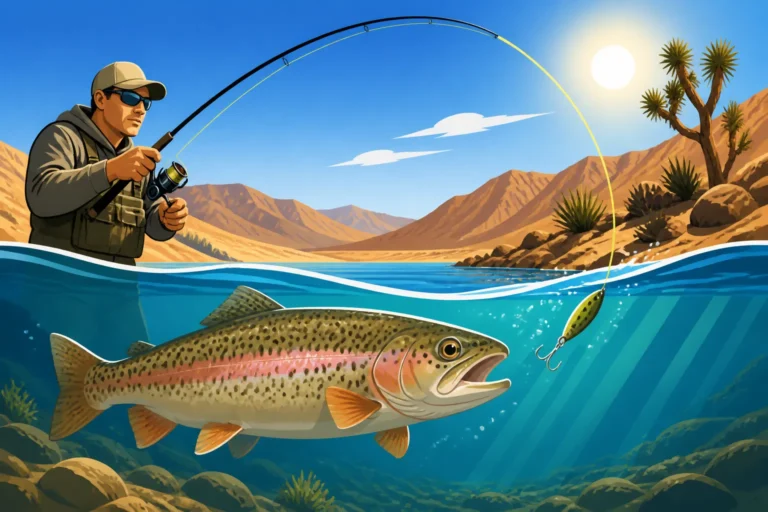
Imagine the peace and quiet of the desert at dawn, the air still cool, the sunrise painting the sky with incredible colors over a lake like Lake Mohave or Lake Mead. It's not just a beautiful experience; it's often your most productive fishing time. Focus on throwing topwater lures for bass, or working shallow-running crankbaits and jigs. For trout in smaller ponds, a simple power bait setup can be deadly as they cruise the edges for food. For detailed tactics, check out Summer Fishing Techniques for Hot Desert Lakes.
Dusk Delights: Capitalizing on the Evening Bite
The period from late afternoon through sunset and into twilight offers a second, often equally productive, window. While the water might not be as cool as at dawn, the sun's intensity is waning, and fish start to feel more comfortable moving out of their deep-water or shaded refuges.
- Decreasing Light: As the sun dips, the light levels diminish, again providing that crucial cover for active predators. The evening bite can be particularly strong for bass as they chase baitfish that are also moving into shallower water.
- Cooling Trend: The air temperature begins to drop, which in turn starts to slowly cool the surface water. This cooling trend, even if slight, signals to fish that it's safe to resume more active foraging.
- Insect Activity: For trout and other insect-eating species in rivers like the Truckee or smaller mountain lakes, the evening often brings hatches of various insects, making it a prime time for fly fishing or using small imitations.
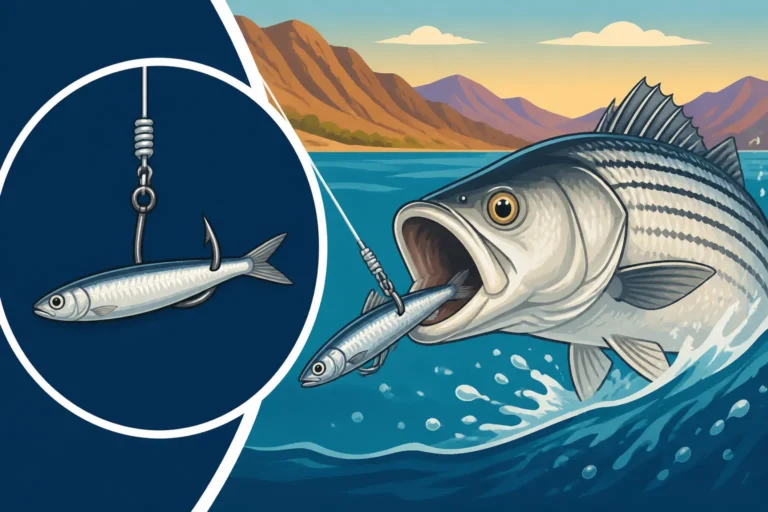
The evening bite can be particularly explosive for striped bass at Lake Mead as they gorge on shad before dark. Try throwing larger swimbaits, Kastmasters, or even live anchovies during this time. Remember, the fish are often looking for a quick, substantial meal before settling in for the night. This is also a fantastic time to use surface lures as the light fades, creating exciting strikes. For specific gear recommendations, consider looking at Nevada Fishing Gear Essentials.
Strategies for Surviving and Thriving Midday (If You Must) & Night Fishing
Sometimes, life happens, and you can't make it out during the golden hours. Or maybe you're just a hardcore angler who refuses to quit when the sun is high. While challenging, there are still ways to find success, and sometimes, the best bite might even happen after dark.
Targeting Deeper, Cooler Waters
If you absolutely must fish during the middle of the day in summer, your strategy needs to shift dramatically. Forget the shallows; you need to think deep and dark.
- Deep Structure: Look for ledges, humps, submerged islands, or old creek channels in the main body of the lake. These areas provide cooler water and cover. Bass will often suspend off these structures or hug the bottom. Using a good fish finder can be invaluable here to pinpoint these deep-water havens.
- Shade and Submerged Cover: Any natural or man-made structure that provides shade will hold fish. Think steep rock walls, large boulders, docks, or even dense brush piles that are still submerged in deeper water. Drop-shot rigs, heavy jigs, or Carolina rigs are excellent for presenting baits slowly in these areas.
- Thermal Layer: In many deeper reservoirs, a "thermocline" forms in summer, which is a layer of rapidly changing water temperature. Fish will often congregate just above or within this cooler layer, so understanding your electronics to find this depth is key. This is especially true when you're learning how to fish for trout in a desert reservoir.
A long, sensitive rod with appropriate line, perhaps something durable like the options found in Best line for desert reservoir fishing, can help you detect subtle bites in deep water. This midday fishing often becomes a game of patience and precision, focusing on vertical presentations directly to fish you've located.
| Best Time | Target Species | Typical Techniques | Gear/Bait Suggestions |
|---|---|---|---|
| Dawn | Bass, Stripers, Trout | Topwater, Shallow Cranks, Jigs, Spoons, Power Bait | Frog lures, small swimbaits, silver spoons, salmon eggs |
| Dusk | Bass, Stripers, Catfish, Trout | Spinnerbaits, Chatterbaits, Swimbaits, Anchovies, Cut Bait | Darker plastics, larger crankbaits, stinger hooks |
| Midday | Deep Bass, Mackinaw, Catfish | Drop-shot, Carolina Rig, Deep Cranks, Heavy Jigs, Live Bait | Finesse worms, deep diving crankbaits, scented soft plastics |
| Night | Stripers, Catfish, Walleye, Bass | Glow Jigs, Cut Bait, Worms, Large Dark Lures | Scented plastics, nightcrawlers, large black or blue swimbaits |
Embracing the Darkness: Night Fishing Opportunities
When the sun finally sets and the desert air cools, a whole new world of fishing opens up. Night fishing can be incredibly productive, especially for certain species that become much more active after dark.
- Striped Bass: Lake Mead is famous for its incredible night bite for striped bass. These fish often follow schools of shad into shallower coves and points under the cover of darkness. Casting glow-in-the-dark jigs, large swimbaits, or even chunking anchovies can lead to explosive action. Many anglers find the biggest stripers of the summer by fishing all night. You can find more specific tactics in Night Fishing Techniques for Striped Bass.
- Catfish: Channel catfish are nocturnal feeders by nature, and summer nights are their prime time. They'll cruise shallow flats and channel edges looking for an easy meal. Stinky baits like chicken livers, prepared stink baits, or cut bait on a bottom rig are irresistible to them.
- Largemouth Bass: While not as consistently active as stripers or catfish at night, largemouth bass can also be caught after dark, especially around structure with artificial lights (like docks) or using large, dark-colored lures that create a strong silhouette and vibration.
- Safety First: When night fishing, safety is paramount. Always let someone know where you're going and when you expect to return. Bring plenty of light sources (headlamps, boat lights, lanterns), ensure your boat has all required navigation lights, and be extra cautious on the water. For more on this, consult Can you fish at night at a Nevada reservoir?.
Night fishing offers a unique, tranquil experience, often with cooler temperatures and incredible stargazing opportunities in the vast Nevada desert. Just remember to pack extra batteries for your lights!
Essential Gear and Preparations for Summer Desert Fishing
Fishing in the Nevada desert during summer isn't just about timing; it's also about being properly equipped. The harsh environment demands respect and preparation, both for yourself and your gear.
Hydration and Sun Protection are Non-Negotiable
This isn't just fishing advice; it's life advice for anyone spending time outdoors in the desert. The heat and intense sun can be dangerous, leading to dehydration and severe sunburn very quickly.
- Water, Water, Water: Bring significantly more water than you think you'll need. A good rule of thumb is at least a gallon per person for a half-day trip, more if you're out longer. Electrolyte drinks can also be very beneficial. Keep it in a high-quality cooler – something like a Yeti or an RTIC from Amazon can make a huge difference in keeping drinks cold for hours, even in extreme heat.
- Sunscreen: Apply broad-spectrum sunscreen with a high SPF (30+) liberally and frequently, even on cloudy days, and don't forget your ears, neck, and the tops of your hands.
- Protective Clothing: Long-sleeved, lightweight, breathable shirts (often with UPF ratings), wide-brimmed hats, and polarized sunglasses are absolute musts. Many companies, including brands available on Amazon, specialize in fishing apparel designed for sun protection and cooling. These can feel counterintuitive in the heat, but they're far more effective than trying to stay cool while constantly exposed. For more details, see Best sunscreen and sun gear for all-day desert fishing.
- Shade: If bank fishing, consider a portable pop-up shade tent or a large umbrella. If boating, a Bimini top or other boat cover provides crucial relief from the relentless sun.
Staying hydrated and protected is not just about comfort; it's about preventing heat exhaustion or heat stroke, which can turn a fun fishing trip into a serious emergency.
Gear That Makes a Difference in the Heat
Beyond personal protection, certain fishing gear choices can enhance your success and comfort in summer desert conditions.
- Cooler for Fish: If you plan on keeping your catch, a well-insulated cooler with plenty of ice is essential. Fish spoil quickly in high temperatures. Pack enough ice to ensure your fish stays cold until you get home, and don't forget to review Best cooler size for a full day of fishing.
- Live Bait Management: If using live bait (like anchovies or minnows), a good aerated bait tank is critical. Warm water and low oxygen levels will quickly kill your bait, rendering it useless. Consider an insulated bait well or one with a constant pump to circulate fresh water.
- Appropriate Tackle: Your fishing line and leader should be able to withstand higher water temperatures without becoming brittle. Fluorocarbon leaders, available on Amazon and in local tackle shops, are often preferred for their low visibility and abrasion resistance. Stronger hooks are also a good idea, as fish can fight harder when they're fresh out of cooler, deeper water.
- Electronics: A quality fish finder is almost indispensable for locating those deeper, cooler pockets where fish are hiding. Understanding how to use it to read water temperature and identify structure will drastically improve your midday success.
- Safety Gear: Beyond the fishing essentials, always have a well-stocked first-aid kit, enough fuel for your boat (and extra), and communication devices. For boaters, having all the Essential Safety Gear for Boating on Lake Mead is a legal requirement and a life-saver.
Fishing in the Nevada desert during summer can be incredibly rewarding, but it demands a strategic approach. By focusing on the cooler, low-light periods, adapting your techniques for deeper water during the midday, and prioritizing your personal safety and gear, you can still have fantastic days on the water.
Disclaimer
The information provided in this guide is for general informational purposes only and does not constitute professional advice. Fishing regulations, conditions, and safety recommendations can change. Always check the latest Nevada Department of Wildlife (NDOW) regulations and local weather forecasts before heading out. Fishing involves inherent risks, and personal safety should always be your top priority.