Best time to fish the spawn for bass
Ah, the bass spawn! It's one of those times that can either be incredibly rewarding or utterly baffling for us anglers here in Nevada. We all dream of those incredible days when the big mama bass are shallow and aggressive, but knowing exactly when and where to find them, and how to fish responsibly, can feel like chasing a desert mirage. This guide is here to demystify the bass spawn, helping you understand the key conditions, locations, and techniques to maximize your success while respecting these incredible fish in the Silver State.
Understanding the Bass Spawn in Nevada
The bass spawn is, without a doubt, one of the most anticipated events on the annual fishing calendar for many anglers. It's a period of intense activity where bass move shallow, become highly visible, and often more aggressive as they prepare to reproduce. However, it's also a delicate time, and understanding the biological drive behind it is crucial for ethical and successful fishing.
The Biological Imperative: What is the Spawn?
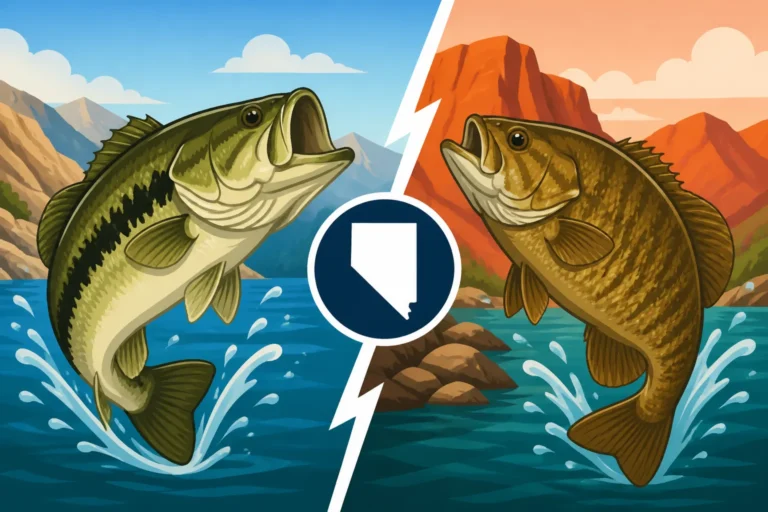
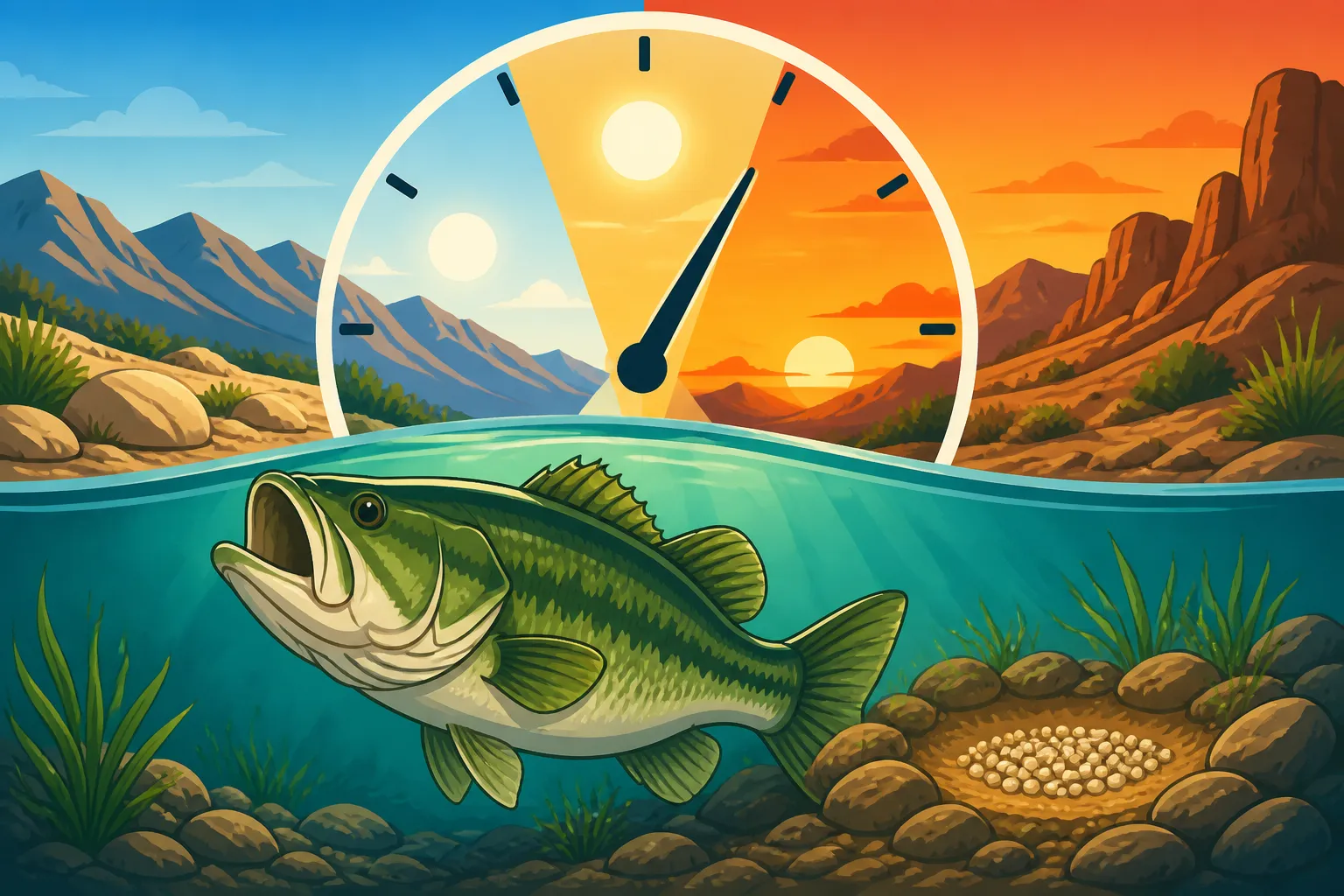
At its core, the bass spawn is the annual reproductive cycle of these popular game fish. Both largemouth and smallmouth bass engage in this process, driven by instincts to ensure the survival of their species. It typically involves the male bass moving into shallow, protected areas to scout and clean out a "bed" – a circular, fanned-out depression on the bottom. Once the bed is ready, a female will move in to deposit her eggs, which the male then fertilizes. After spawning, the female usually retreats to deeper water, leaving the male to guard the nest. He becomes incredibly territorial and protective, fanning the eggs to keep them clean and chasing off any perceived threats, which is why they become so catchable during this period. The eggs will hatch into fry, and the male continues his guard duty for a short time until the tiny bass are ready to disperse. Understanding this full cycle highlights why ethical handling and quick release are so important; removing a guarding male for too long can leave the entire clutch of eggs vulnerable to predators.
Key Environmental Triggers
The timing and success of the bass spawn are heavily influenced by a confluence of environmental factors. It's not just a specific date on a calendar; rather, it's a dynamic interplay of nature's cues.
First and foremost is water temperature. This is perhaps the most critical trigger. Bass are cold-blooded creatures, and their biological processes, including reproduction, are directly tied to the water temperature. While exact ranges can vary slightly by species and even individual fish, largemouth bass generally initiate their spawning rituals when water temperatures consistently reach the mid-50s to low-60s Fahrenheit, with optimal spawning occurring in the low to mid-60s. Smallmouth bass often prefer slightly cooler temperatures, typically starting in the low 50s and peaking in the upper 50s to low 60s. Monitoring water temperature with a reliable thermometer, perhaps one you picked up from Amazon, is your absolute best tool.
Secondly, photoperiod, or the length of daylight hours, plays a significant role. As the days grow longer in spring, this natural signal tells fish that conditions are becoming favorable for reproduction. It works in conjunction with water temperature, ensuring that the spawn doesn't kick off too early during a brief warm spell in winter.
Finally, lunar cycles and weather patterns also influence the spawn. Many anglers swear by the full moon phases in spring, believing they trigger more intense spawning activity. While not scientifically proven across the board, it's a pattern many successful anglers observe. More undeniably, stable, warm weather leading up to and during the spawn is ideal. A sudden cold front can quickly drop water temperatures, causing bass to temporarily retreat from their beds and making them much harder to catch. Conversely, a few days of sunshine and calm winds after a cold snap can bring them right back to their shallow haunts. For a broader understanding of how these factors influence fish activity, consider reading Best Time of Year to Fish in Nevada.
Timing the Nevada Bass Spawn: Regions and Conditions
Nevada is a vast state with diverse climates, meaning the bass spawn doesn't happen at the same time everywhere. What's true for the warm southern reservoirs won't necessarily apply to the cooler northern lakes.
Northern vs. Southern Nevada Differences
The most significant factor influencing spawn timing across Nevada is geography. Southern Nevada, with its warmer, high-desert climate, sees the bass spawn kick off much earlier than its northern counterpart. Lakes like Lake Mead and Lake Mohave, part of the expansive Colorado River system, can see bass staging for the spawn as early as late February or early March, with the main event often peaking in April and sometimes extending into May, especially for later waves of spawners.
In contrast, Northern Nevada's waters, such as Lahontan Reservoir, Rye Patch Reservoir, and the various urban ponds around Reno, experience colder, longer winters. Here, you'll typically find the spawn starting later, usually in April, and often peaking in May, possibly running into early June in higher elevation or particularly cold years. Even within a region, different bodies of water can vary; smaller, shallower ponds will warm up faster than large, deep reservoirs. This variation is why general advice isn't enough; you need to understand the local conditions for your chosen fishing spot. Exploring Nevada Bass Season and Spawn Timing can provide even more regional insights.
Water Temperature as Your Guide
As mentioned, water temperature is your ultimate guide. Don't rely solely on air temperature, as water warms and cools at a different rate. You need to be checking the water directly.
For largemouth bass, look for sustained water temperatures in the 58-68 degree Fahrenheit range.
- Pre-spawn (50-57°F): Bass will be staging, moving from deeper winter haunts to shallower transition areas like points, humps, and channel swings adjacent to spawning flats. They'll be feeding heavily to build energy for the spawn.
- Spawning (58-68°F): Bass are on beds. Males are fanning, females are depositing eggs. This is when they are most vulnerable and visible.
- Post-spawn (68°F and rising): Females retreat to deeper, cooler water to recover. Males guard fry for a period before moving off the beds themselves.
For smallmouth bass, the temperatures are slightly lower, often in the 55-65 degree Fahrenheit range.
- Pre-spawn (48-54°F): Smallmouth will stage on rocky points and humps near deeper water.
- Spawning (55-65°F): They prefer rocky or gravel bottoms for their beds.
- Post-spawn (65°F and rising): Similar retreat and recovery, though smallmouth may stay slightly shallower than largemouth in their post-spawn recovery.
Invest in a quality water thermometer. You can easily find clip-on or handheld models on Amazon that will give you accurate readings. Check water temperatures in various areas of the lake – in protected coves, on main lake points, and near potential spawning flats – to get a comprehensive picture of where the fish might be.
Impact of Weather Patterns
Weather during the spring can be fickle, and it significantly impacts bass behavior during the spawn.
- Cold Fronts: These are the bane of the spawning angler. A sudden drop in air temperature, accompanied by clear skies and high pressure, can send water temperatures plummeting a few degrees. This is often enough to push bass off their beds or prevent them from moving onto them. They might retreat to nearby deeper cover, becoming lethargic and much harder to entice. Fishing can become very tough during and immediately after a strong cold front.
- Stable Warm Weather: This is what you're hoping for. Several days of consistent sunshine and moderate temperatures allow water temps to stabilize and slowly rise, encouraging bass to move up and commit to spawning. These are the days for active sight fishing and productive shallow-water action.
- Wind: A gentle breeze can be your friend, creating a ripple on the water that makes it harder for fish to see you and gives you a bit more stealth. However, strong winds can make boat control difficult, stir up sediment in shallow spawning areas, and make sight fishing impossible. Sometimes, a protected cove that's out of the wind will hold more active spawners simply because the conditions are calmer.
Keep a close eye on the long-range forecast. Aim to fish during periods of stable, warming weather leading up to and during the spawn.
Locating Spawning Bass: Key Habitats and Visual Cues
Once you've got the timing down, the next challenge is actually finding those elusive bass beds. It requires patience, keen observation, and understanding their preferred real estate.
Prime Spawning Locations
Bass don't just spawn anywhere; they have specific preferences that offer safety for their eggs and fry.
- Shallow Coves and Protected Bays: These are absolute hotspots. They're often shielded from prevailing winds, allowing the water to warm up faster and remain more stable. The shallower depths also get more direct sunlight. Look for areas with a depth of 1-5 feet, though sometimes beds can be found slightly deeper in very clear water.
- Rocky Points and Submerged Structure: Smallmouth bass, in particular, favor rocky bottoms. They'll fan out beds on gravelly points, along rocky shorelines, or around submerged rock piles and boulders. Largemouth might also use these if softer bottoms aren't available, but generally prefer something a bit softer like sand or fine gravel. For understanding how to identify these areas, check out How to read a reservoir for bass structure.
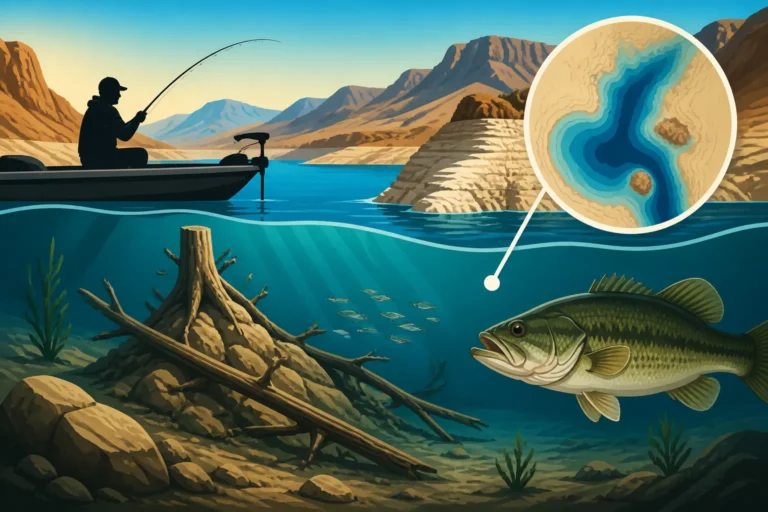
- Woody Cover: Laydowns, submerged brush piles, and even docks or fallen trees can offer crucial protection for spawning beds. Bass will often situate their beds right next to these structures, using them as ambush points against predators that might try to eat their eggs.
- Clear Water: While bass can spawn in stained water, clear water conditions are often ideal for sight fishing and locating beds visually. Many of Nevada's reservoirs, especially Lake Mead and Lake Mohave, offer exceptional water clarity, making sight fishing a productive method during the spawn. Within Lake Mead, Lake Mead Largemouth Bass Coves are known producers.
Sight Fishing and Bed Detection
Sight fishing for spawning bass is an exciting and highly effective technique, but it demands stealth and good optics.
- High-Quality Polarized Sunglasses: These are non-negotiable. They cut the glare off the water's surface, allowing you to peer beneath and spot beds. A good pair can be found readily on Amazon.
- Stealth and Observation: Approach potential spawning areas slowly and quietly. Use your trolling motor minimally or drift with the wind. Stand up if possible for a better vantage point. Scan the bottom carefully for circular, lighter-colored depressions – these are bass beds, fanned clean of debris.
- Identifying Fish on Beds: You'll often see one or two bass on or near a bed. The male is usually smaller and darker, diligently guarding the nest. The female, if present, might be larger and slightly lighter, often hovering just off the bed or swimming slowly nearby. Be mindful that sometimes the fish might spook and leave the bed temporarily if they detect your presence.
- Targeting the Bed: Once you spot a bed with fish, cast your bait (often a soft plastic creature bait or jig) directly onto the bed or just beyond it, then slowly drag it into the bed. The guarding bass, especially the male, will often strike not because it's hungry, but because it perceives your bait as a threat to its eggs.
Remember, the goal is often to provoke a strike, not necessarily to feed the fish. Be patient; it might take several casts and different approaches to get a bite from a wary bass.
Reading the Water for Activity
Even if you can't explicitly see beds, other subtle cues can tell you that bass are spawning or are about to.
- Visible Movement: Look for bass cruising in the shallows. They might be staging, searching for partners, or actively fanning beds just out of sight. A sudden splash or boil in a calm, shallow area could indicate a bass chasing off a bluegill from a bed.
- Bluegill and Other Panfish Activity: Where there are bass beds, there are often bluegill and other panfish trying to sneak in and eat the eggs. If you see panfish unusually active in a shallow area, especially if they're darting around or getting chased off, there's a good chance bass beds are nearby.
- Fry Balls Later On: If you're a bit late to the party, you might start seeing "fry balls" – tight schools of tiny, newly hatched bass fry, usually guarded by the male bass. These schools look like a small, dark cloud moving slowly in the water. If you see these, you know spawning has occurred, and the post-spawn female bass are likely retreating while the males are still shallow guarding. This is a great sign that more bass might be in various stages of the spawning cycle nearby.
Ethical Fishing During the Spawn and Best Practices
While fishing the bass spawn can be incredibly productive and exciting, it comes with a significant responsibility. The fish are at their most vulnerable, and our actions can have a direct impact on the future population.
Catch and Release for Future Generations
The single most important practice during the bass spawn is catch and release. These fish are literally ensuring the future of the fishery. Removing a male bass from its bed, even for a short time, can expose the eggs to predators like bluegill, crayfish, and even other bass, leading to a significant loss of an entire spawn.
When you do catch a spawning bass:
- Minimize Fight Time: Bring the fish in quickly to reduce stress.
- Wet Hands: Always handle fish with wet hands to protect their slime coat.
- Support the Fish: Support the entire body of the fish, especially larger bass. Avoid hanging them vertically by the jaw alone.
- Quick Release: Get the hook out gently and quickly. Use needle-nose pliers or a dehooking tool.
- Revive if Necessary: If the fish seems lethargic, hold it upright in the water, facing into any current, until it swims away strongly.
By practicing responsible catch and release, particularly for these bed-guarding fish, we ensure that there will be plenty of bass for future generations of anglers to enjoy. This ethical approach is critical, as highlighted in broader discussions on Catch and Release Techniques for Trout.
Recommended Lures and Techniques
Because spawning bass are often protecting a bed rather than actively feeding, your lure choice and presentation need to trigger a defensive strike. The goal is to annoy or threaten them into biting.
- Soft Plastic Creature Baits and Jigs: These are go-to choices. Think about small lizards, crawfish imitations, or bulky jigs with trailers. Colors like green pumpkin, watermelon red, or black and blue are often effective. The idea is to present something that looks like a predator or intruder. You can find a wide variety of these on Amazon to stock your tackle box.
- Finesse Worms and Senkos: When bass are particularly wary, a lighter, more subtle presentation can work. Wacky-rigged Senkos or drop-shotting a finesse worm directly into the bed can sometimes entice a bite when nothing else will.
- Slower, Deliberate Presentations: Don't rip your bait through the bed. Cast it in, let it sit for a few seconds, then twitch it gently. Let it sit again. The idea is to make it seem like a persistent threat. Sometimes, a stationary bait right on the bed is the most annoying thing to a guarding bass.
- Sight-Fishing Specifics: When sight fishing, make accurate casts. If the bass swims off the bed after your cast, let your bait sit there. Often, the bass will return, and its curiosity or aggression will pique when it sees the "intruder" still there. This is when the strike usually happens.
Avoiding Undue Stress: What Not to Do
While targeting spawning bass can be effective, there are definitely things to avoid to protect the fish and the fishery.
- Don't Keep Fish Off Beds for Too Long: If you catch a fish off a bed, release it immediately. Prolonged fighting or photo sessions mean the eggs are unprotected for longer, increasing their vulnerability.
- Avoid Excessive Pressure: If a particular bed has been fished heavily, or if a fish seems highly stressed and unwilling to bite, move on. Constantly casting at a fish that's not responding only adds stress without productive results. There are usually other beds to find.
- Minimize Snagging: Aim for clean hooksets in the mouth. Aggressive, foul-hooking techniques that target the body of the fish are unethical and can cause severe harm.
- Respect Private Property and Other Anglers: Be mindful of where you're casting and respect others who might be fishing the same area. The spawn can draw crowds, so patience and courtesy go a long way.
Fishing during the bass spawn is an incredible experience that connects us intimately with the life cycle of these amazing fish. By combining a solid understanding of their biology and environmental triggers with ethical practices and smart techniques, you can have a truly rewarding season on Nevada's waters. Whether you're chasing the impressive largemouth of Lake Mead or the feisty smallmouth in northern reservoirs, responsible angling ensures these opportunities continue for years to come.
Nevada Bass Spawn General Timing Guide
This table provides a generalized guide to bass spawn timing and optimal water temperatures for popular Nevada fisheries. Remember, these are averages, and actual timing can shift year to year based on weather patterns. Always check current conditions at your specific fishing spot.
| Location / Region | Primary Bass Species | General Spawn Timing | Optimal Water Temp (F) | Key Characteristics for Spawning |
|---|---|---|---|---|
| Southern Nevada | ||||
| Lake Mead / Lake Mohave | Largemouth, Smallmouth | March – May | 58-68 (LM), 55-65 (SM) | Clear, protected coves; rocky points, shallow flats |
| Urban Ponds (Las Vegas) | Largemouth | March – April | 58-65 | Shallow weed lines, structure, protected banks |
| Northern Nevada | ||||
| Lahontan Reservoir | Largemouth, Smallmouth | April – June | 58-68 (LM), 55-65 (SM) | Muddy banks, rocky structure, sheltered bays |
| Wildhorse Reservoir | Smallmouth, Largemouth | May – June | 55-65 (SM), 58-68 (LM) | Rocky shorelines, submerged brush |
| Urban Ponds (Reno/Sparks) | Largemouth, Smallmouth | April – May | 58-65 | Shallow banks, woody cover |
Understanding these regional differences and focusing on the crucial environmental cues will dramatically improve your chances of being in the right place at the right time. For more information on general bass fishing, check out Largemouth Bass Fishing in Nevada and Smallmouth Bass Fishing in Nevada.
Disclaimer
This article is for general informational purposes only and does not constitute professional advice. Laws, prices and regulations vary by location and change over time. Consult a qualified professional for guidance on your specific situation.