How to target largemouth around brush and coves
Trying to target largemouth bass around dense brush and within those inviting, calm coves can feel like you're searching for a needle in a haystack, especially when they seem to disappear into the cover. It’s frustrating when you know they’re in there, but your casts just aren’t hitting the mark or you’re getting snagged constantly. This guide is all about demystifying how largemouth bass use these habitats in Nevada's lakes and reservoirs, and equipping you with the strategies, gear, and techniques to consistently pull those lunkers out of their leafy hideouts and tranquil pockets.
Understanding Largemouth Behavior in Brush and Coves
Largemouth bass aren't just randomly hanging out in brush piles or coves; they choose these spots for very specific reasons tied to their survival and feeding instincts. Understanding why they're there is the first step to figuring out how to catch them.
Why Largemouth Love Brush
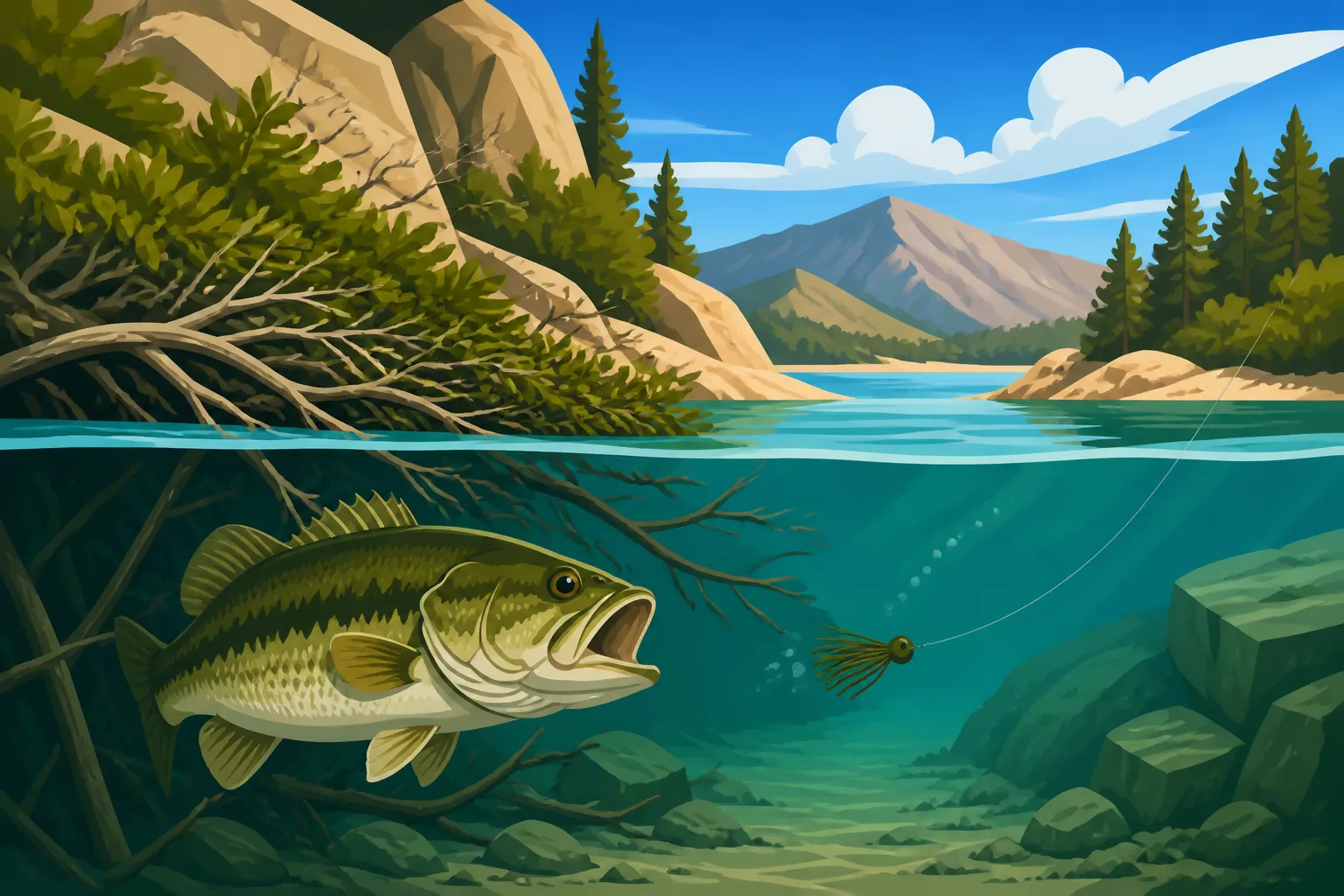
Brush, whether it's submerged trees, fallen timber, or dense aquatic vegetation, is a bass's best friend. Think of it as their ultimate multi-purpose facility. First and foremost, it offers unparalleled shelter from predators. While an adult largemouth doesn't have many natural enemies in the water, younger bass certainly do, and larger bass appreciate the cover from ospreys, eagles, and even boat traffic. It gives them a sense of security, allowing them to relax and conserve energy.
Beyond safety, brush provides exceptional ambush points. Bass are opportunistic predators, and these dense environments allow them to hide almost completely, waiting for an unsuspecting baitfish, crayfish, or even a smaller sunfish to swim by. They can burst out from the cover, grab their meal, and retreat just as quickly. The intricate network of branches and leaves breaks up their silhouette, making them virtually invisible to their prey until it's too late.
Finally, brush is often teeming with food sources. Algae and microscopic organisms thrive on submerged wood, attracting smaller insects and invertebrates, which in turn attract baitfish. Crayfish love to hide and forage among submerged logs and branches. This means that a good brush pile isn't just a home; it's a buffet line. Identifying these areas is crucial, and knowing when the baitfish are most active around them can really key you into a hot bite.
The Allure of Coves
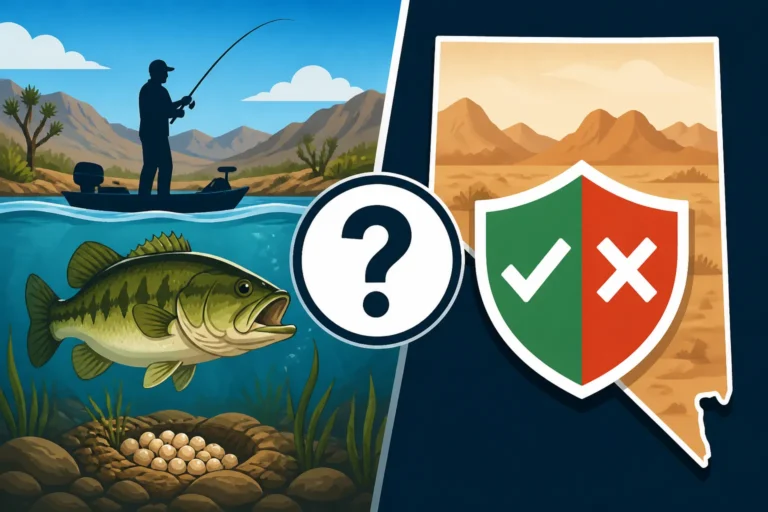
Coves, those sheltered inlets and pockets found along the shorelines of large reservoirs like Lake Mead or smaller lakes, also hold a special place in a largemouth's life cycle. They are often shallower and warm up faster in the spring, making them prime spawning grounds. The calm, protected waters reduce wave action, which is ideal for bass to build their nests and guard their fry.
Even outside of spawning season, coves are magnets for baitfish. The sheltered environment allows schools of shad, minnows, and other forage fish to congregate, often feeding on algae and plankton that flourish in the calmer waters. This makes coves a predictable hunting ground for hungry bass. You'll often find bass patrolling the edges of these baitfish schools, picking off stragglers.
Furthermore, coves frequently feature varied bottom contours and structure, providing diverse habitats within a single area. You might find a rocky point extending into the cove, a patch of submerged weeds, or a fallen tree – all offering additional cover and ambush opportunities. These micro-habitats within a cove can concentrate bass, making them easier to locate if you know what to look for. Exploring different sections of a cove, especially near its mouth or where it narrows, can yield excellent results.
Seasonal Movements
Understanding how largemouth bass use brush and coves changes with the seasons is key to consistent success. In spring, as water temperatures rise, coves are often the first places to warm up. This draws bass in for the pre-spawn staging and then, of course, the actual spawning activities. During this time, you’ll find them shallower, often focused on the sun-exposed flats or the protected backs of coves where they can build their nests. This is a prime time for targeting them with slower presentations. For more details on this crucial period, check out our guide on Nevada Bass Season and Spawn Timing.
As summer heats up, especially in Nevada's warm desert lakes, bass might move a bit deeper within coves or relate more tightly to the densest, shadiest brush. They'll seek thermal refuge from the scorching sun, often hunkering down in the coolest, darkest parts of a submerged brush pile or under thick canopy on the shore. They might become more active early mornings, late evenings, or even at night. Focusing on brush that offers overhead cover or deeper water access becomes more important. Our article on Best Time of Day to Fish in Summer Heat offers great tips for these conditions.
In the fall, as temperatures begin to drop, bass become highly active, feeding aggressively to build up fat reserves for winter. They'll often push baitfish into the backs of coves, creating explosive feeding frenzies. Brush piles at the mouths of coves or along migration routes become hot spots. During winter, bass will typically retreat to deeper water, often still relating to submerged brush, but in areas that provide more stable temperatures. They become less active, requiring slower presentations directly on their noses.
Essential Gear for Fishing Brush and Coves
When you’re targeting largemouth in their favorite brushy hideouts and cozy coves, you can’t just show up with any old setup. You need gear that's up to the task of not only getting your lure into the thick stuff but also getting a big bass out of it. This isn't finesse fishing; it's about power and precision.
Rods, Reels, and Line
For brush and cove fishing, a heavy-action rod is your best friend. Look for something in the 7 to 7.6-foot range, with a fast or extra-fast tip for sensitivity and solid backbone. This power is crucial for driving hooks through tough mouths and then horsing a strong bass away from tangles. When you're trying to pull a three-pound largemouth out of a submerged mesquite tree, a flimsy rod just won't cut it. Many anglers find excellent options for specialized rods like these on Amazon, often with detailed reviews from other bass enthusiasts.
Pair that heavy rod with a stout baitcasting reel. You want a reel with a high gear ratio (7.1:1 or higher) to quickly pick up slack line after a cast or to rapidly retrieve your lure if it's not in the strike zone. More importantly, it needs reliable drag system to handle those powerful runs. A good quality reel also typically has robust gears and a strong frame to withstand the constant stress of fighting fish in heavy cover.
Line selection is paramount. Braided line, in the 30 to 65-pound test range, is often the top choice. Its zero stretch gives you incredible sensitivity to detect subtle bites in dense cover and provides maximum power for pulling fish out. Its abrasion resistance is also superior, which is vital when rubbing against branches and rocks. Alternatively, heavy fluorocarbon (17-25 pound test) can be used, especially in clearer water, as it's nearly invisible and also very abrasion resistant, though it has more stretch than braid. Consider looking on Amazon for bulk spools of your preferred line, as you'll go through it if you're fishing these challenging spots regularly. Our guide on Best Fishing Rods for Nevada Lakes goes into more detail on specific setups.
Lure Selection
When it comes to lures for brush and coves, weedlessness is the name of the game, combined with a profile that mimics natural forage.
- Jigs: A standard for heavy cover. Flipping or pitching jigs (1/4 to 3/4 oz) with weed guards, paired with a craw-style trailer, are incredibly effective. The skirt and trailer give it bulk and action, while the weed guard helps it slide through branches without snagging. Dark colors like black and blue are popular, especially in stained water.
- Texas-Rigged Soft Plastics: The ultimate weedless presentation. Worms, creature baits, and craws, rigged with a heavy tungsten weight and a stout EWG (Extra Wide Gap) hook, are perfect for punching through thick cover. The weight helps them penetrate dense brush, while the buried hook point keeps them snag-free. Experiment with colors, but greens, browns, and junebug are often productive. For specific plastic worm colors in clear desert lakes, check out Best plastic worm color for clear desert lakes.
- Topwater Baits: When conditions are right (low light, calm water), topwater frogs, toads, and hollow-body swimbaits can be explosive. These baits are designed to be fished directly over mats of vegetation or around lily pads, making them perfect for shallower coves with dense surface cover. The key is to wait for the fish to actually eat the bait before setting the hook.
- Swim Jigs: These are essentially a jig with a paddle-tail swimbait trailer, designed to be retrieved through cover. They offer a more horizontal presentation than a standard jig and can be very effective when bass are actively chasing baitfish around the edges of brush piles or through open lanes in vegetation.
Essential Tools
Don't underestimate the importance of a few key accessories. A good pair of long-nose pliers or a hook remover is absolutely crucial. When a bass swallows a jig deep in its gullet, or you need to extract a hook from a thick branch, these tools save time and prevent injury. Another must-have is a strong pair of line scissors or braid cutters; attempting to bite through heavy braid with your teeth is a losing battle.
Polarized sunglasses are non-negotiable. They cut the glare off the water, allowing you to see submerged brush, rock piles, and even the bass themselves, which is a huge advantage when fishing visible cover. A good hat and sun-protective clothing are also essential in Nevada's intense sun. Finally, a small, durable tackle box or bag that you can keep organized will ensure you're not fumbling for the right lure when the bite is hot. Searching for "fishing pliers" or "polarized fishing sunglasses" on Amazon will give you a plethora of options.
Techniques for Success in Dense Cover
Fishing dense brush and tight coves demands a combination of precise casting, careful presentation, and a keen sense of what’s happening beneath the surface. It’s not about just throwing a lure out; it’s about strategically placing it where bass live and then working it to trigger a strike.
Pitching and Flipping
These two techniques are absolutely fundamental for targeting bass in heavy cover. They both involve short, accurate casts that minimize splash and allow you to precisely drop a lure into small openings or right next to a piece of cover.
Pitching is typically done with a short, pendulum-like swing of the rod, sending the lure out a bit further, often 10-20 feet. You keep your thumb on the spool to control the line and feather it as the lure approaches the target. This technique is great for working the edges of a brush line or targeting individual logs. The goal is to make the lure enter the water quietly, almost like a natural food item falling in. It's less disruptive than a long cast and allows for multiple, quick presentations to different pieces of cover.
Flipping is an even shorter, more controlled presentation, usually within 5-10 feet of the boat. You strip line off the reel by hand, then swing the rod to propel the lure with a subtle flip of the wrist. The bait swings out like a pendulum. This is the stealthiest way to get a bait into the densest cover, like directly into the heart of a submerged tree or under an overhang. You're essentially working the bait vertically in tight quarters. Both pitching and flipping require practice to master, but the reward is often a big bass that other anglers miss because they can't get their baits into these inaccessible spots.
Texas Rigging and Jigging
Once your lure is in the brush, how you work it makes all the difference. Texas rigging is perfect here because of its weedless nature. With a weighted Texas rig (a worm or creature bait with a bullet weight and hook point buried in the plastic), you can literally crawl, hop, and drag your bait through the thickest cover imaginable. The key is to maintain constant, light contact with the bottom and the cover.
Feeling the bite with a Texas rig in brush can be tricky. Often, it's not a violent strike but a subtle "thump," a feeling of weightlessness, or simply your line moving unexpectedly. Because you're often working through branches, discerning a bite from a snag takes practice. After you feel something, it’s important to drop your rod tip slightly, reel down any slack, and then deliver a powerful, sweeping hookset. Don't be afraid to lean into it; you need to drive that hook home and get the fish moving away from the cover immediately.
Jigging in brush involves similar principles. A weedless jig (often a rubber-skirted bass jig with a craw-style trailer) can be hopped, dragged, or even swam through submerged wood. The profile of a jig is often perceived as a crawfish, a favorite meal for largemouth. When jigging, pay close attention to the fall. Many strikes occur as the jig descends, so keeping a "tight line" (just enough tension to feel the bait, but not restrict its fall) is important. When it hits bottom or structure, let it sit for a few seconds before giving it a subtle hop or drag. This mimics a crawfish poking around.
Topwater Assaults
Nothing gets the adrenaline pumping like a topwater strike. While often associated with open water, topwater lures can be incredibly effective around brush and coves, especially when there's overhead cover or dense surface vegetation like lily pads or emergent grass.
Topwater frogs and toads are designed to be fished directly over these mats of vegetation. You can literally walk them across the surface, pausing them in open pockets or along the edges of the cover. The weedless design allows them to slide over and through dense growth without snagging. Bass lying underneath see the silhouette against the sky and ambush it from below. The key here is patience after the strike; wait until you feel the fish or see your line moving before setting the hook. Many anglers prematurely set the hook on the splash.
Poppers, walk-the-dog baits, and prop baits can also be used effectively in calmer coves, especially around visible structure like docks, stumps, or the edges of submerged brush that are close to the surface. These baits create a disturbance on the water's surface, mimicking a struggling baitfish or insect. Early mornings and late evenings, or on overcast days, are prime times for topwater action. Remember that you can always search for these specific types of topwater lures on Amazon to see the variety and read reviews before purchasing.
Navigating and Reading Coves Effectively
Coves might look like simple indentations on a map, but they are complex ecosystems that require careful observation and methodical fishing to unlock their secrets. Understanding how to approach, interpret, and systematically fish a cove will dramatically increase your success.
Identifying Key Structures
Just because you're in a cove doesn't mean bass are everywhere. They'll relate to specific features within the cove. Start by looking for extensions of the shoreline, often called points, that jut into the cove. These act as ambush positions where bass can intercept baitfish moving in and out. Submerged points are even better, as they offer deeper access while still concentrating fish.
Docks and boat houses are also prime targets, offering both shade and artificial structure. Bass love to hide under them, ambushing passing prey. Fish all sides, and don't be afraid to skip your lure underneath the dock if you have the clearance. Submerged timber and rock piles, which might not be visible from the surface, are goldmines. Bass will often stack up on these hidden structures, especially if they are close to a depth change. If you're fishing an area that sees varying water levels, pay attention to how former shoreline brush might now be submerged, creating new fish habitats.
Finally, pay attention to any changes in bottom composition. A transition from a soft, silty bottom to a harder, rocky bottom, or vice-versa, can create a subtle current or temperature difference that attracts baitfish and, consequently, bass. These subtle changes often hold fish that are overlooked by anglers who only target visible cover. For more on finding bass structure, our piece on How to read a reservoir for bass structure provides invaluable insights.
Fan Casting and Grid Patterns
To effectively cover a cove and not miss any potential holding spots, a systematic approach is necessary. Fan casting involves casting to a particular point and then making subsequent casts gradually to your left or right, covering an arc of water. This ensures you're presenting your lure at different angles to the same piece of cover, or covering a wider area if you're searching for active fish.
For larger coves or when searching for less obvious structure, employing a grid pattern can be highly effective. This involves breaking the cove down into smaller, imaginary squares and fishing each square thoroughly. Start at one end of the cove, work your way across, and then move parallel to your original line, working back in the opposite direction. This ensures you cover every inch of the water, especially useful for finding those hidden submerged brush piles or subtle depth changes. This systematic approach is especially useful when you're uncertain where the fish are holding or if they're spread out.
Using Electronics
In today's fishing world, electronics are powerful tools for uncovering the secrets of coves, especially those hidden structures. A good fish finder with down-imaging and side-imaging capabilities can reveal submerged brush piles, rock formations, and even schools of baitfish that are invisible from the surface.
When you enter a cove, start by slowly idling through it (if safe and legal), scanning with your side imaging. This allows you to "see" underwater structures extending out from the boat, covering a wide swath of water. Mark any promising targets on your GPS, then circle back to fish them more thoroughly. Down imaging will give you a detailed view directly beneath your boat, helping you interpret what you're seeing on the side imaging and fine-tune your casting approach. While some might think fish finders are just for deep water, they are incredibly useful for revealing cover in shallower coves as well. Even budget-friendly portable fish finders, often available on Amazon, can make a huge difference in your ability to locate fish-holding structure. Our article, Do you need a fish finder for reservoir fishing, offers a broader perspective on their utility.
Disclaimer
This article is for general informational purposes only and does not constitute professional advice. Laws, prices and regulations vary by location and change over time. Consult a qualified professional for guidance on your specific situation.