Chumming and Anchovy Techniques for Stripers
There’s nothing quite like the rush of a striped bass hitting your line, but let’s be honest, getting those powerful fish to bite consistently can feel like a guessing game. It's incredibly frustrating when you know they're in the lake but just can't seem to locate them or entice them. If you’ve ever found yourself wondering how some anglers consistently pull in stripers while others struggle, the secret might just lie in a technique that draws them in and gets them feeding: chumming with anchovies. This guide will walk you through everything you need to know about using chum and anchovy presentations to turn those frustrating outings into successful ones, especially in Nevada's expansive reservoirs.
Understanding Striped Bass Behavior in Nevada Reservoirs
Before you even think about tossing chum overboard, it’s crucial to understand what makes striped bass tick in big bodies of water like Lake Mead or Lake Mohave. These aren't your typical lazy pond fish; stripers are built for pursuit, and their behavior dictates how we should approach catching them.
Seasonal Movements and Feeding Habits
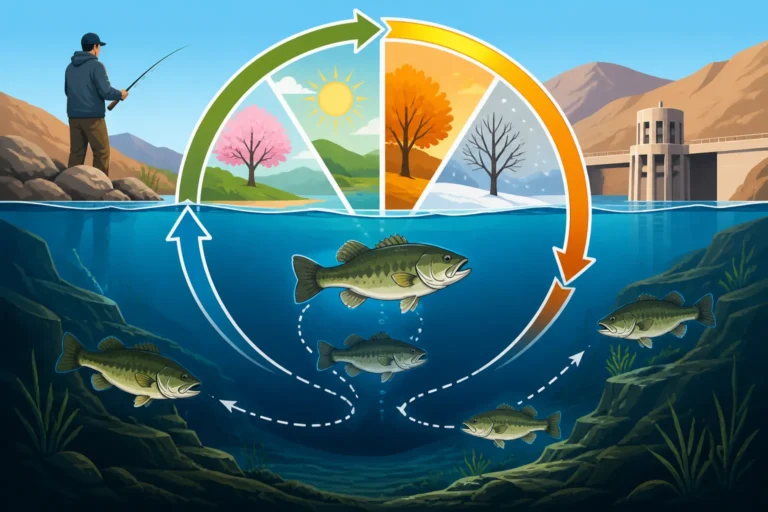
Striped bass, often simply called "stripers," are highly nomadic and keenly attuned to water temperature, light levels, and the availability of their primary food source – baitfish. In Nevada’s major reservoirs, their movements are heavily influenced by the seasonal patterns of shad and other small baitfish. In spring, as water temperatures rise, stripers become incredibly active. They'll often move into shallower coves and bays to spawn and chase schooling baitfish that are also moving into warmer waters. This is a fantastic time for aggressive feeding, and they can be found in relatively predictable areas.
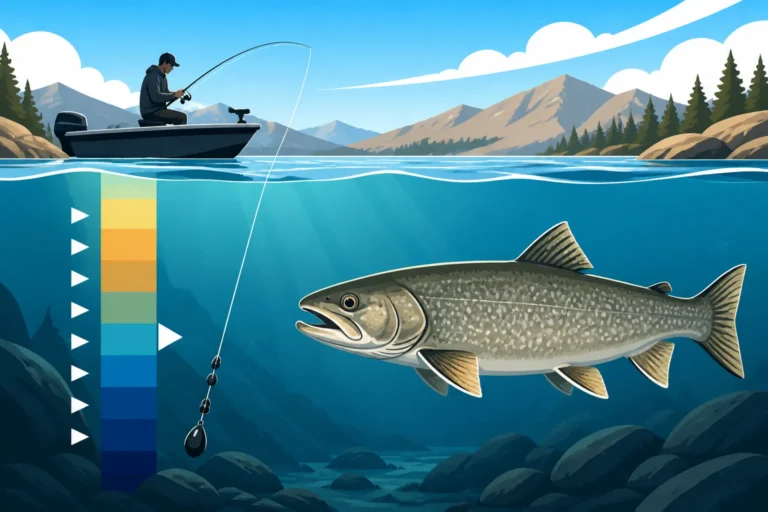
As the brutal Nevada summer heat sets in, the stripers will generally retreat to deeper, cooler waters where they can find thermal refuge and continue to ambush baitfish. You'll often find them suspended over humps, along ledges, or near the main channel. This deep-water behavior is precisely where chumming can become a game-changer, as it brings the fish up or draws them in from the depths. Fall sees a resurgence of activity as temperatures cool, mimicking spring conditions. The stripers become incredibly active again, often forming massive schools and engaging in aggressive surface boils, particularly on Lake Mead. In winter, they'll hold in deep water, often near drop-offs and structure, becoming a bit more lethargic but still catchable if you can present bait right in front of them. Understanding these Seasonal Movement of Fish in Reservoirs is key to predicting where they might be.
Why Chumming Works So Well for Stripers
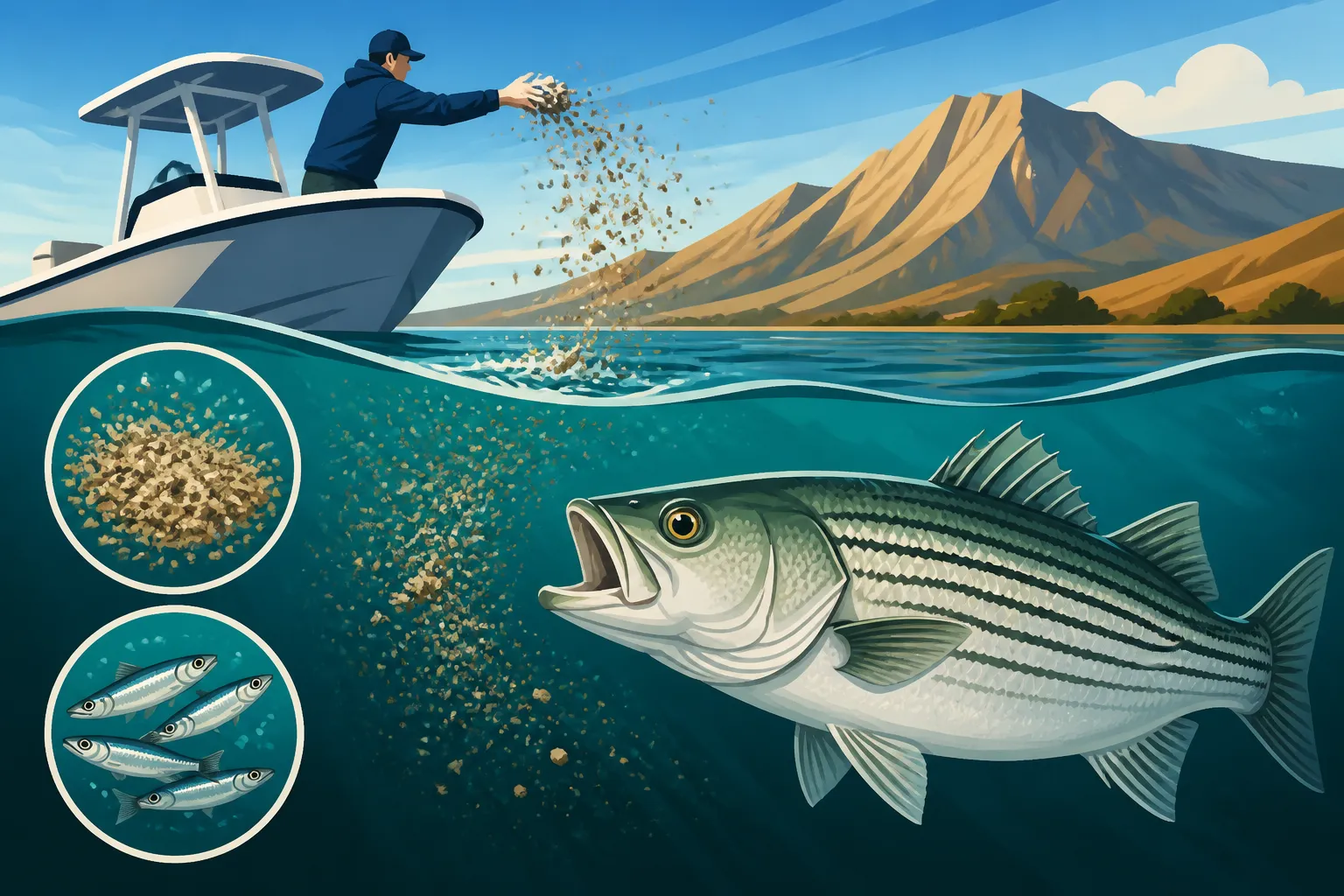
The primary reason chumming is so effective for striped bass is their powerful sense of smell and their schooling nature. Stripers are apex predators, but they're also opportunistic feeders. When a consistent stream of appealing scent and small food particles drifts through the water column, it triggers their primal feeding instincts. It's like ringing a dinner bell that they can't ignore, no matter how deep or spread out they might be.
The frustration of spending hours scanning with your fish finder, seeing big schools of bait, and maybe even some striper marks, only to have them ignore your offerings, is something many anglers know all too well. Chumming solves this problem by actively drawing the fish to you. Instead of having to find individual schools and chase them, you're creating an irresistible scent trail that acts as a magnet. This is particularly valuable when stripers are suspended or scattered in open water, making them difficult to target with traditional casting or trolling methods. The chum creates a feeding zone, concentrating the fish and putting them into an aggressive feeding mode, making your anchovy presentations much more likely to get picked up.
The Essentials of Chumming for Striped Bass
Chumming isn't just about throwing food overboard; it's a strategic process that requires the right materials and methods to be truly effective. Getting your chum mixture and delivery system dialed in can make all the difference.
Choosing the Right Chum Mixture
The best chum for stripers typically revolves around oil-rich, smelly baitfish, and anchovies are at the top of that list. You have a few options when it comes to your chum mixture:
- Store-bought Chum Blocks: Many tackle shops, especially those near prime striper waters like Lake Mead, sell frozen chum blocks. These are often made from ground shad, anchovies, or a mix of various baitfish. They’re convenient, mess-free until thawed, and consistently effective. Brands like "Chum King" are widely available and popular for good reason.
- Homemade Ground Baitfish: If you have access to fresh or frozen whole shad, mackerel, or even smaller anchovies, you can grind them yourself. A meat grinder makes quick work of this, creating a potent, oily concoction. The fresher the bait, the stronger the scent trail, which is exactly what you want. You can even add a bit of menhaden oil or pure anchovy oil to boost the appeal.
- Binder Additives: To help your chum sink and disperse at a controlled rate, especially in strong currents or deeper water, you might want to add binders. Things like stale bread, oats, or even cat food (the fish-flavored kind) can be mixed in. The goal is to create a consistency that slowly breaks apart as it drifts down, leaving a consistent trail without creating a giant, single pile on the bottom. Too much binder, and it won't break up; too little, and it disperses too quickly or floats away. A good rule of thumb is to aim for a consistency that holds together when squeezed but crumbles easily when submerged.
Essential Chumming Gear
To effectively deploy your chum, you'll need a few specialized pieces of gear. This isn't something you want to wing with a leaky bucket and a butter knife!
- Chum Bag or Dispenser: This is non-negotiable. A mesh chum bag (like those found on Amazon) is ideal for holding your chum block or mixture. You'll tie it off to your boat and let it hang in the water. For more controlled release, especially with loose chum, a dedicated chum dispenser or a simple five-gallon bucket with holes drilled in the bottom can work. Some anglers even use weighted onion bags. The key is to allow the current to slowly wash away the scent and small particles.
- Sturdy Rope: You’ll need a long, durable rope to attach your chum bag to your boat. Consider the depth you'll be fishing and the potential current. A good quality nylon rope that won't chafe or snap under pressure is essential. You don’t want to lose your chum bag (and your fish-attracting efforts) to the depths.
- Buckets and Scoops: Have a dedicated bucket for mixing any loose chum and a small scoop or cup for spooning it into your chum bag or directly into the water, if you're doing a more active dispersion.
- Gloves and Cleaning Supplies: Let's be honest, chumming is a messy business. Fish oils are potent and they get everywhere. Keep a pair of disposable gloves handy and have plenty of soap and water, or boat cleaner, for cleanup. You don’t want your boat smelling like a fish market for weeks after your trip. A little preparation here goes a long way in managing the inevitable mess.
Mastering Anchovy Presentations with Chum
Once your chum slick is established, the next critical step is presenting your bait in a way that perfectly mimics the chum and entices a strike. Anchovies are the hero here, whether live, dead, or imitated with artificials.
Live Anchovy Rigs and Techniques
Using live anchovies is arguably the most effective way to capitalize on a striper chum slick. Their natural movement is irresistible to hungry stripers, and when they're feeding on chum, a lively anchovy looks like an easy meal.
- Hook Selection: For live bait, size 1/0 to 3/0 circle hooks are often preferred. Circle hooks greatly reduce gut-hooking, improving the survival rate of released fish, which is important for responsible angling. They also tend to set themselves when a fish runs, requiring less effort from the angler.
- Leader Material: A fluorocarbon leader in the 15-20 lb test range is excellent. Fluorocarbon is nearly invisible underwater, and its abrasion resistance is a huge plus when fishing around structure or the rough mouths of stripers.
- Weighting: This is crucial for matching the drift of your chum. You want your live anchovy to drift naturally in the chum line, not sink too fast or float too high. Start with a light split shot or a small, sliding egg sinker just above your hook. The goal is to get your anchovy to drift down at the same rate as the chum particles. You might need to experiment to find the perfect weight to keep it in the "strike zone" – the depth where the stripers are feeding in the chum slick. A good technique is to rig your anchovy through the nose or just behind the dorsal fin, allowing it to swim naturally.
- Presentation: Cast your live anchovy upcurrent from your boat and allow it to drift back into the chum line. Keep your bail open or use a baitrunner reel to allow the fish to take the bait freely. Any resistance, and a wary striper might drop it. When you feel a solid pull, gently close the bail and let the circle hook do its job. For more on specific rigging, check out Best Anchovy Rigging Technique for Striped Bass.
Dead Anchovy Rigs and Techniques
Live bait isn't always feasible or readily available. Thankfully, dead anchovies, when presented correctly, are still incredibly effective within a chum slick. The scent they release is just as powerful, if not more so, once they're cut.
- Whole Dead Anchovy: You can fish whole, dead anchovies on a similar rig to live bait, perhaps with slightly more weight to get them down. Hook them through the eye socket or tail to give them a natural, dying fish appearance as they drift. The key is to make them look like injured baitfish struggling in the chum.
- Cut Bait: This is where dead anchovies really shine. Cut them into 1/2 to 1-inch chunks. The exposed flesh releases a potent scent trail that drives stripers wild. Rig these chunks on smaller, sharper hooks (size 2 or 4 octopus hooks work well) with a small split shot. The goal is a completely weightless or very lightly weighted presentation that drifts perfectly with your chum. You can even use a small bait-holder hook to keep the soft pieces of anchovy secure.
- Sliding Sinker Rig: A popular setup for both whole and cut dead anchovies is a sliding sinker rig. Thread an egg sinker (1/4 to 1/2 ounce, depending on current) onto your main line, then tie on a barrel swivel. To the other end of the swivel, attach a 12-24 inch fluorocarbon leader and your hook. This allows the fish to pick up the bait without feeling the weight of the sinker, increasing your hook-up ratio. This is a common setup also used in Jigging Techniques for Lake Mead Stripers.
- Enhancements: Some anglers will lightly salt their dead anchovies to toughen them up and enhance their scent, especially if they're a bit old. Others will inject them with scent attractants, though the natural oils of anchovies are usually more than enough.
Artificial Lures Mimicking Anchovies
While real anchovies are king in a chum slick, there are times you might want to throw an artificial lure. Perhaps you're running low on bait, or you prefer the active feel of working a lure. Many artificials are designed to perfectly imitate the size, shape, and flash of anchovies.
- Soft Plastics: Swimbaits, flukes, and paddle-tail grubs in shad, white, or silver colors are excellent choices. Rig them on a jig head that's light enough to allow for a slow, fluttering descent that mimics a stunned baitfish. Cast these upcurrent and retrieve them slowly through the chum slick, imparting subtle twitches to give them a lifelike action. The scent of the chum will already have the fish in a feeding mood, making them less wary of a well-presented artificial.
- Hard Baits: Small jerkbaits, spoons, and lipless crankbaits can also be effective. Look for baits with a tight wobble and a reflective finish. Spoons, in particular, can be very effective when retrieved with a lift-and-fall action, flashing like a wounded anchovy. You can cast these out and work them back through the chum, or even jig them vertically beneath the boat if you're seeing fish stacked up.
- Technique is Key: The most important thing when using artificials in a chum slick is to make them behave as naturally as possible. You want them to look like another easy meal floating through the "free food zone." Match your retrieve speed and depth to the drift of your chum, ensuring your lure stays in the most active part of the feeding frenzy. For more options, check out Best Lures for Striped Bass.
Strategic Chumming and Anchovy Deployment
Chumming isn't a random act; it's a calculated strategy. How and where you deploy your chum and anchor your boat will dictate your success.
Setting Up Your Chum Slick Effectively
The goal is to create a long, consistent, and appealing scent trail that draws stripers to your boat.
- Positioning: Always deploy your chum bag upcurrent from your boat. The current (whether from wind, river flow, or even boat drift) will carry the scent and particles downstream, creating the desired slick. If you deploy it downcurrent, your chum will drift away from your fishing zone.
- Chumming Rate: This is a delicate balance. You want a steady stream of particles, not an overwhelming dump. Start slowly and adjust. Too much chum too quickly can overfeed the fish, making them less likely to bite your hooked anchovies. Too little, and it won't be enough to draw them in. The idea is to keep them interested and searching, not satiated. For frozen blocks, the current will do most of the work. For loose chum, a small handful every few minutes is a good starting point.
- Depth and Dispersal: Consider the depth you're fishing. If stripers are holding deep, you want your chum to slowly sink and disperse throughout the water column. Weighted chum bags or incorporating binders can help achieve this. The chum should break down gradually, painting a vertical column of scent and food from your boat to the desired depth.
- Wind and Current: These are your biggest allies and potential enemies. Strong winds can make boat positioning difficult, and strong currents can disperse your chum too quickly or in an undesirable direction. Always factor these in when choosing your spot and deploying your chum. Sometimes, a subtle current is better than a raging one.
Anchoring and Boat Positioning for Success
Once you've chosen a promising location – perhaps a point, a hump, or a channel edge where stripers are known to congregate – precise boat positioning is paramount.
- Secure Anchoring: This is where many anglers fail. If your boat constantly drifts off your chum slick, you’re just feeding the lake, not catching fish. Use a robust anchor system appropriate for the bottom type and depth of Nevada's large reservoirs. Often, two anchors (one from the bow, one from the stern) are needed to effectively "stake out" your boat and prevent it from swinging. This is especially true on large, windy bodies of water like Lake Mead. Make sure you have enough anchor line for the depth, typically a 7:1 scope (7 feet of line for every 1 foot of depth) for good holding power.
- Position Relative to Chum: Once anchored, ensure your boat is positioned so your fishing lines will drift directly through the chum slick. If the current is moving from right to left, you'll want to be slightly to the right of where you expect the fish to intercept the chum, allowing your bait to drift into their path. Experiment with casting lines at various distances from the boat. Some stripers will be right under the boat, drawn in by the concentrated chum, while others will be farther back in the slick.
- Electronics are Your Friend: Use your fish finder not just to find fish, but to monitor your chum slick. You can often see the chum particles descending on your sonar screen. This helps you verify that your chum is dispersing correctly and reaching the desired depth. You’ll also be able to see the stripers move into the chum line, sometimes rising from deeper water to feed. This immediate feedback helps you adjust your chumming rate or bait presentation in real-time. For a guide to this essential equipment, see Nevada Fishing Gear Essentials.
Common Challenges and Troubleshooting
Even with the perfect setup, fishing isn't without its curveballs. Chumming and anchovy techniques, while highly effective, come with their own set of challenges. Knowing how to troubleshoot these can save your day.
Dealing with Unwanted Species and Bait Stealers
One of the most common frustrations with chumming is the attention it draws from every non-target species in the vicinity. Bluegill, carp, smaller catfish, and even tiny baitfish can swarm your chum slick, devouring your precious anchovies before a striper even gets a sniff.
- Bait Selection and Presentation: If smaller fish are a nuisance, try using slightly larger pieces of cut anchovy, or switch to a whole dead anchovy that's harder for small mouths to swallow. You can also try fishing a slightly deeper presentation, below the main concentration of smaller fish, as stripers might be holding beneath the smaller foragers. Sometimes, stripers will cruise below the frenzy, picking off larger, easier meals.
- Hook Size: Using a slightly larger hook can deter tiny bait stealers, as they simply can't get it in their mouths.
- Patience and Persistence: Often, you just have to fish through the smaller fish. Stripers are typically larger and more aggressive, and once they move into the chum slick, they often displace or scatter the smaller fish. Be prepared to re-bait frequently, and don't get discouraged. The big bite will come. If the problem persists, sometimes a change in chum consistency (making it slightly chunkier) or a temporary pause in chumming can reset the situation.
- Fish Finder Insight: Watch your fish finder. If you see a dense cloud of small marks on your screen, those are likely bait stealers. If you see larger, distinct arches moving through or below them, that's your cue to keep fishing, as the stripers are present.
Adjusting to Changing Conditions
Nevada's weather and water conditions can change rapidly, and what worked an hour ago might not work now. Being able to adapt is crucial for consistent success.
- Wind and Current Shifts: If the wind changes direction, your chum slick will shift. This means your boat might need to be re-anchored, or you'll have to adjust your casting angles to keep your bait in the new slick. A strong current can also dilute your chum or push it past your desired fishing zone too quickly. You might need to increase your chumming rate or use heavier chum blocks to get it down effectively.
- Fish Activity Levels: Stripers aren't always in a feeding frenzy. On slower days, you might need to slow down your chumming rate and present your anchovies with even more subtlety. Let them soak longer. On high-activity days, especially during a surface boil, you can be more aggressive with your chum and presentations. Night Fishing Techniques for Striped Bass can also involve different chumming strategies, as fish behavior changes after dark.
- Water Temperature and Depth: As the day progresses and water temperatures rise, stripers might move deeper. Adjust your bait presentation to match their depth. Use heavier weights to get your anchovies down faster and hold them in the deeper strike zone. Conversely, if you notice fish rising on the sonar, lighten your weight to allow for a slower, more natural fall.
- Time of Day: Early mornings and late evenings are often prime times for stripers, but a consistent chum slick can extend the bite into less productive hours. Be prepared to adjust your tactics based on these factors, maintaining a keen eye on your surroundings and your electronics.
| Factor | Live Anchovy Pros | Live Anchovy Cons | Dead/Cut Anchovy Pros | Dead/Cut Anchovy Cons |
|---|---|---|---|---|
| Action & Scent | Natural movement, subtle scent | Can die quickly, less scent initially | Strong, immediate scent; no movement | Less natural movement unless worked |
| Availability | Can be hard to find/keep alive | Expensive, requires livewell | Readily available, easy to store | Can be messy, softer texture |
| Effectiveness | Often irresistible, triggers aggressive strikes | Can be ignored if sluggish | Potent scent draws fish from afar | Can be picked apart by small fish |
| Rigging | Nose/dorsal fin hook, minimal weight | Delicate hooking, easily lost | Through eye, chunked on smaller hooks | Can fall off hook easily if soft |
| Targeting | Best for active, feeding fish | Less effective for lethargic fish | Excellent for drawing fish in, active or passive | Can attract more unwanted species |
Safety and Ethical Considerations
While chumming can be a highly effective technique, it’s important to practice it responsibly. As veteran anglers, we have a duty to protect our fisheries and ensure our actions don't harm the environment or other anglers.
Responsible Chumming Practices
Chumming should never lead to pollution or attract unwanted wildlife to shore areas.
- Environmental Impact: Avoid over-chumming. The goal is to entice, not to litter or alter the natural feeding habits of the fish too drastically. Excess chum can create oxygen depletion issues or attract nuisance species if left in concentrated amounts. Always use natural, biodegradable chum materials.
- No Trash Left Behind: This should go without saying, but always pack out everything you pack in. This includes empty chum bags, bait containers, and any other trash. Leaving behind discarded materials is not only disrespectful to the environment but can also result in fines.
- Respect Other Anglers: Be mindful of other boats and anglers in the area. Chumming can draw fish to your boat, potentially impacting the fishing experience of those nearby. Maintain a respectful distance and avoid deploying large chum slicks that could interfere with their lines or fishing grounds. A general understanding of Nevada Fishing Regulations Explained is always a good idea, though specific chumming rules are rare for most public waters.
Handling and Releasing Striped Bass
Striped bass are incredible fighters, and landing a big one is a thrill. However, it's vital to handle them properly, especially if you plan to release them.
- Minimize Time Out of Water: Stripers, especially larger ones, can suffer from stress and oxygen deprivation when out of the water. Land them quickly and get them back in the water as soon as possible for revival.
- Wet Hands or Gloves: Always wet your hands or use wet gloves when handling fish. Dry hands can remove the protective slime layer that helps fish fight off diseases.
- Support Their Body Weight: If you're holding a large striper for a photo, support its body horizontally, especially its belly. Avoid holding them vertically by the jaw only, as this can damage their internal organs and spine.
- Barbless Hooks: Consider using barbless hooks. They make hook removal much easier and quicker, reducing stress and injury to the fish, especially if you're practicing catch and release. Many serious anglers will pinch down the barbs on their hooks for this reason. This is a common practice when targeting Lahontan Cutthroat Trout in Nevada at Pyramid Lake, for example.
- Revival: If a fish seems lethargic after being caught, hold it gently in the water, facing into the current, and move it back and forth to help water flow over its gills until it swims away under its own power. Ensure it's strong enough to swim on its own before releasing it.
By mastering these chumming and anchovy techniques, understanding striper behavior, and practicing responsible angling, you'll significantly increase your chances of consistent success on Nevada's waters. It's a method that truly delivers, making those challenging striper days a thing of the past.
Disclaimer
Please note that fishing regulations can change. Always consult the latest Nevada Department of Wildlife (NDOW) regulations before heading out on the water to ensure you are compliant with all current laws and permit requirements. This guide is for informational purposes only.