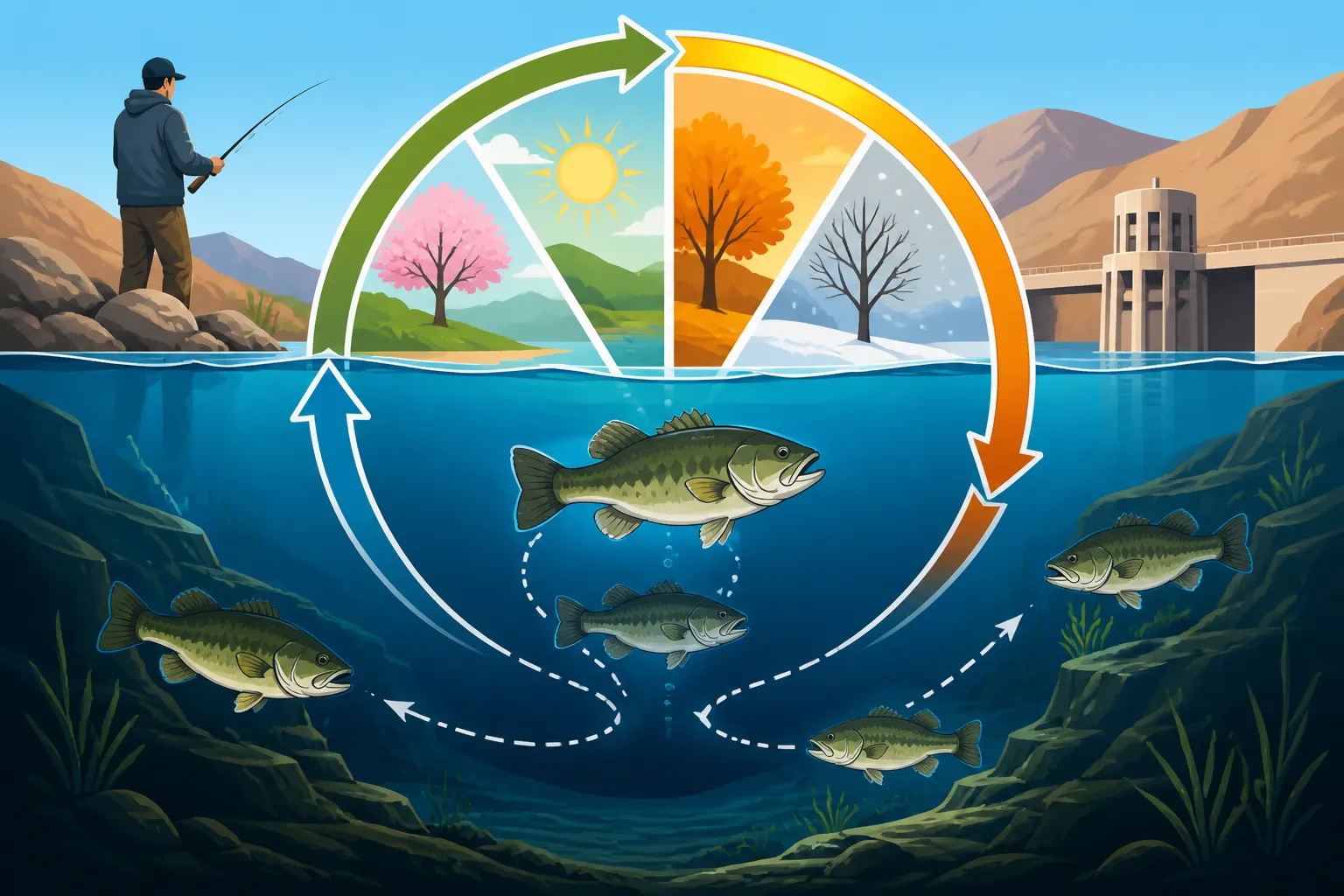
Seasonal Movement of Fish in Reservoirs
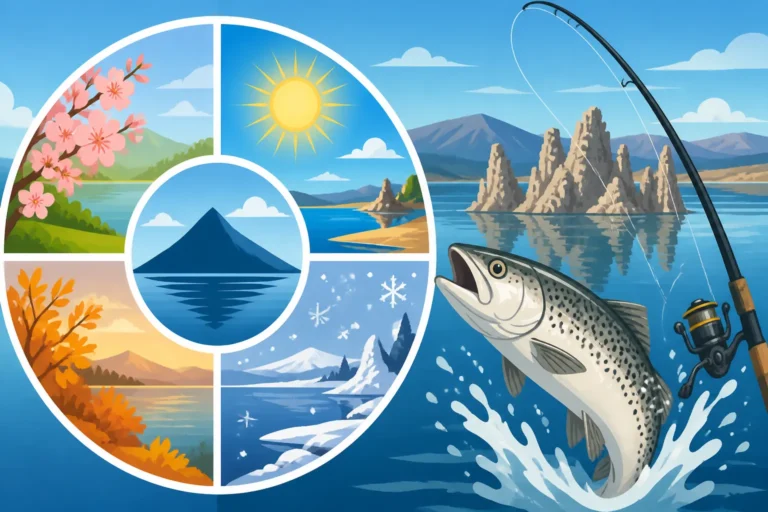
There’s nothing quite as frustrating as heading out to your favorite Nevada reservoir, brimming with anticipation, only to find the fish seemingly vanished into thin air. You hit the same spots, use the same lures, and at the same time, but some days it’s just crickets. This common frustration often stems from not understanding how the changing seasons dictate where fish live, what they eat, and how active they are. This guide will walk you through the predictable, yet often puzzling, seasonal movement of fish in Nevada’s reservoirs, giving you the insights to adapt your strategies and consistently find success on the water.
Understanding the Calendar: Why Seasons Matter for Fish
Think of a fish in a Nevada reservoir like any other wild creature; its life revolves around a cycle of survival. The sun, the water, and the availability of food all play a huge role in where they decide to hang out. It’s not just about what month it is on your calendar, but how those months translate into critical environmental shifts under the surface. Ignoring these shifts is often the reason a spot that was red-hot last month is now completely barren.
The Basic Instincts: Spawning, Feeding, and Survival
At their core, fish are driven by a few key instincts: procreation (spawning), finding enough to eat (feeding), and staying safe (survival). These instincts dictate their movements more than anything else. When it's time to spawn, fish will migrate to specific areas, often shallower or with certain types of cover, to lay and fertilize eggs. Once the spawning urge passes, the focus shifts heavily to feeding, as they recover energy and bulk up for the next season. And throughout it all, they're constantly looking for areas that offer protection from predators and comfortable conditions.
For example, a species like the Lahontan Cutthroat Trout in Pyramid Lake has a very distinct spawning run, moving into shallower areas of the lake or tributaries during certain times of the year. Similarly, bass will move into protected coves to spawn. Understanding these biological imperatives is the first step to predicting where they’ll be. It's a fundamental part of mastering Nevada Fishing Seasons by Month.
Water Temperature: The Master Key to Fish Movement
If there's one factor that rules all others in fish movement, it's water temperature. Fish are cold-blooded, meaning their body temperature is the same as the water around them. This directly impacts their metabolism, activity levels, and comfort zones. Different species have different preferred temperature ranges, but generally, when water temperatures are ideal, fish are more active and feed more aggressively. When temperatures are too hot or too cold, they become lethargic and seek refuge.
In Nevada's desert reservoirs like Lake Mead or Lake Mohave, the summer sun can really heat up the surface water, driving fish deeper to find cooler, more oxygenated zones. Conversely, in the dead of winter, especially in our high-elevation lakes, fish might seek slightly warmer, more stable deep water to conserve energy. Learning how to gauge and understand Reading Water Temperature for Trout Fishing is a game-changer for any angler, regardless of the species you're targeting.
Spring into Action: Fish Patterns from Thaw to Spawn
Spring is a time of awakening and transition in Nevada's reservoirs, a period that sees a dramatic shift in fish behavior as the water begins to warm. It’s a dynamic time for anglers, offering some of the year's most exciting fishing, but only if you know where the fish are heading.
Post-Winter Revitalization: Shallow Water Opportunities
As winter's icy grip loosens and the sun climbs higher, the surface waters of our reservoirs begin to warm up. This initial warming invigorates fish that have been relatively dormant in the deeper, stable waters of winter. The shallowest areas of the lake, like coves, flats, and rocky points, are the first to absorb the sun's energy, drawing baitfish and hungry game fish alike. For species like rainbow trout, which might have been holding deeper through the colder months, this often means they'll start cruising these warmer, nutrient-rich shallow zones, actively feeding after a period of lower activity. This is an excellent time to target them with spoons or spinners that mimic baitfish.
This post-winter movement is particularly noticeable in places like Wildhorse Reservoir or even some of the more accessible areas of Lake Tahoe, where the initial thaw brings a flurry of activity. Fish are eager to feed and regain energy lost during the colder months, making them more susceptible to a variety of presentations. This is also when the Nevada Department of Wildlife (NDOW) often starts its Nevada Trout Stocking Schedule, adding fresh fish to many urban ponds and smaller reservoirs, which further boosts shallow water action.
Pre-Spawn Feast: Aggressive Feeding Behavior
As spring progresses and water temperatures continue to climb towards optimal spawning conditions for various species, fish enter a critical pre-spawn phase. This is arguably one of the best times to be on the water. Fish, especially bass and even some trout species, engage in an aggressive feeding frenzy to build up energy reserves needed for the taxing spawning process. They're not just looking for a meal; they're looking for big, high-calorie meals.
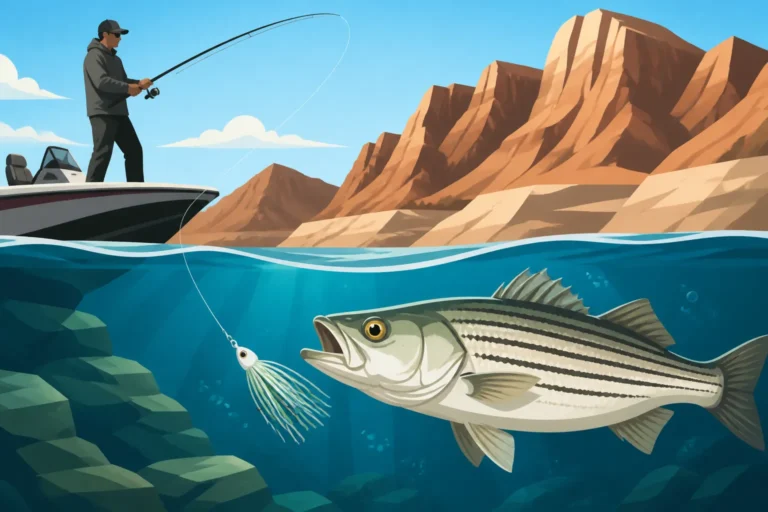
You'll find largemouth and smallmouth bass gorging themselves on baitfish and crawfish, often patrolling the edges of spawning grounds like submerged timber, rocky banks, and weed lines. This is when heavy jigs, spinnerbaits, and crankbaits can be incredibly effective. Anglers targeting striped bass in Lake Mead or Lake Mohave will also notice increased activity as these powerful fish chase schools of shad in preparation for their own reproductive cycle. Understanding these aggressive feeding patterns is crucial for learning How to Fish for Bass in Nevada during this prime season.
The Spawn: Protecting the Nest
Finally, as water temperatures reach their ideal range (which varies by species, but often hovers around 60-70°F for bass), the spawning ritual begins. Fish will move onto their chosen nesting sites, which are typically shallow, protected areas with a firm bottom for egg attachment. During this period, their focus shifts entirely from feeding to reproduction and protecting their eggs or fry.
For bass, this means they'll be highly territorial, aggressively striking anything that approaches their nest, not out of hunger, but out of a protective instinct. This can make them easy targets for sight fishing, but many ethical anglers choose to minimize disturbing spawning fish. Trout, depending on the species, may also exhibit distinct spawning behaviors. Lahontan Cutthroat Trout, for instance, in Pyramid Lake will stage in specific areas before moving into rivers or tributary areas to spawn. While they might still strike a lure, it’s usually a reaction strike rather than a feeding one. Respecting these biological cycles is important for maintaining healthy fish populations, and it helps to understand the Nevada Fishing Regulations Explained to ensure you're compliant.
Summer's Heat: Deep Dives and Early Mornings
When the scorching Nevada summer hits, reservoir fishing can get tough. The relentless sun, coupled with rising water temperatures, forces fish to make significant adjustments. If you're still fishing the shallow coves at noon in July, you're likely going to be disappointed.
Thermal Stratification and the Thermocline
One of the most significant changes in reservoirs during summer is thermal stratification. This is when the water separates into distinct layers based on temperature. The warmest water, called the epilimnion, sits on top. Below that is the thermocline, a transitional layer where the temperature drops rapidly. Underneath the thermocline is the hypolimnion, the deepest and coolest layer.
Most game fish will seek out the thermocline or just above it, as this layer often provides a comfortable temperature, good oxygen levels, and access to baitfish that also prefer these conditions. Fishing above or below this comfort zone often yields little success. Using a good fish finder, perhaps one you found on Amazon, becomes incredibly valuable here to pinpoint the thermocline. In deep desert lakes like Lake Mead, this can mean finding fish 30, 40, or even 60 feet down.
Low Light and Cooler Depths: Finding Relief
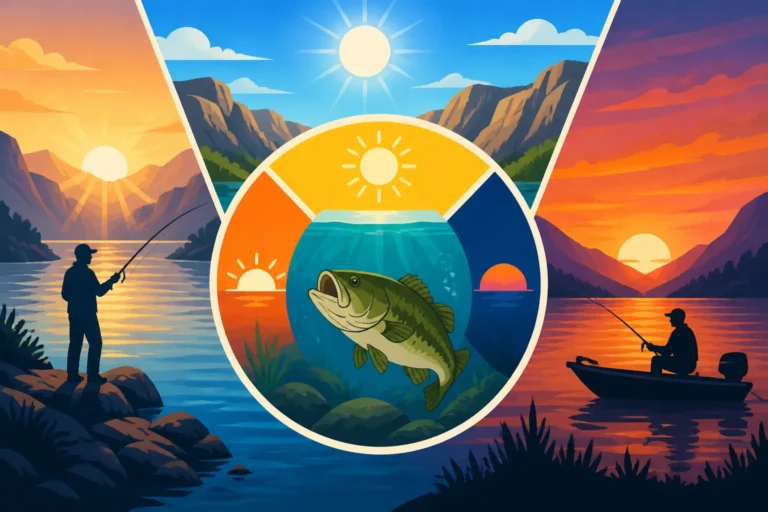
With the intense midday sun pushing fish deep, anglers need to adjust their schedules. The best summer fishing often occurs during periods of low light: early mornings, late evenings, and even night. During these cooler times, fish, particularly striped bass and largemouth bass, will move shallower to feed under the cover of darkness or reduced light. They might cruise rocky points, submerged humps, or channel edges that were too warm during the day.
This is a prime time for topwater lures or shallow-running crankbaits for bass in the twilight hours. For striped bass, especially in Lake Mead, night fishing can be incredibly productive, as they move up from the depths to chase baitfish. Using a sturdy headlamp (you can find many options on Amazon) for rigging and navigation is essential for these low-light adventures. Don't forget, understanding Best Time of Day to Fish in Summer Heat is crucial for summer success.
Oxygen Levels and Fish Comfort
While temperature is primary, oxygen levels are also critical. In the deepest layers (hypolimnion) of stratified reservoirs, especially those with decaying organic matter, oxygen can become depleted. This means even if the water is cool, fish won't stay there if they can't breathe. The sweet spot is often where the cooler temperatures meet adequate oxygen, which is frequently around the thermocline.
Fish might also congregate near areas with incoming cooler, oxygenated water, such as river inlets or spring feeds, if available. Understanding this interplay between temperature and oxygen helps explain Where fish go in a reservoir during winter in reverse for summer—they're looking for the sweet spot, not just the deepest water. Targeting species like How to Fish for Striped Bass in Nevada effectively requires a good understanding of these deep-water summer patterns.
Fall's Bounty: The Autumn Feeding Frenzy
Fall is a beloved season for many anglers in Nevada, and for good reason. As the scorching summer heat gives way to cooler temperatures, the entire reservoir ecosystem undergoes a significant shift, often leading to some of the year's most productive fishing. Fish sense the coming winter and initiate a major feeding push.
Water Turnover and Oxygenation
One of the most important events in many reservoirs during the fall is what's known as "fall turnover." As the surface water cools to the same temperature as the deeper layers, the thermal stratification that characterized summer breaks down. Wind and convection currents can then mix the entire water column, bringing oxygenated water to the depths and pushing nutrients up from the bottom.
This turnover re-oxygenates deeper areas, making them more hospitable for fish. It can temporarily scatter fish as they adjust, but once settled, it often revitalizes the entire system. Fish that were previously confined to the thermocline now have a wider range of depths to explore, and they'll actively pursue baitfish that are also enjoying the freshly oxygenated water. This increased oxygen throughout the water column often correlates with more widespread fish activity.
The Winter Prep: Bulking Up Before the Freeze
With winter on the horizon, fish become intensely focused on building up fat reserves. This is the "fall bite" that anglers dream of. Their metabolism is high, and they're actively chasing food. You'll find fish moving more freely between different depths and structures, often less particular about exactly where they are, as long as there's a food source.
Bass, in particular, will be incredibly active, patrolling main lake points, rocky outcroppings, and channel swings, often in schools, pushing baitfish into tighter balls. For trout, like those found in How to Fish for Trout in Nevada or Lake Tahoe, they'll be feasting on insects, smaller fish, and other forage as they prepare for the lean winter months. This period of intense feeding makes them very responsive to a variety of lures and baits.
Baitfish Migration and Predatory Pursuit
A major driver of fall fish movement is the migration of baitfish. As water temperatures drop, many baitfish species, like shad in Lake Mead, will begin to school up in larger numbers and often move into shallower coves or against main lake points, where the water might still retain a bit more warmth or where they are simply easier to corral.
Predatory fish like striped bass, largemouth bass, and even larger trout will follow these baitfish schools relentlessly. This creates incredible opportunities for anglers. Look for signs of active baitfish on your fish finder, or even visual cues like birds diving or baitfish flickering on the surface. Where the baitfish are, the game fish won't be far behind. Often, a good-quality swimbait or a crankbait that mimics the local baitfish (many effective options are available on Amazon) can be absolutely deadly during this autumnal chase.
Winter's Chill: Slow and Steady Tactics
Nevada winters can be harsh, especially in the higher elevations. For anglers, this means a significant shift in fish behavior and required tactics. While the bite might slow down, it doesn't mean fishing completely stops. It simply requires a more nuanced, patient approach.
Deep Water Holds: Inactive but Catchable
As water temperatures plummet, fish metabolism slows dramatically. They become less active, conserve energy, and typically retreat to deeper, more stable water where temperatures are relatively consistent. For many species, this means finding deep structure: submerged humps, ledges, old river channels, or the deepest parts of coves. They're not actively chasing food as much as they are suspending in schools, waiting for an easy meal to pass by.
Think about a largemouth bass at Lake Mead or a rainbow trout in a high mountain lake; they're not going to expend much energy to eat. This means your presentations need to be slow, subtle, and right in front of their faces. Vertical jigging or slow-drifting live bait can be very effective in these deep-water haunts. This is particularly true for species like Mackinaw trout in Lake Tahoe, which are deep-water dwellers year-round, but become even more lethargic in winter. Knowing Best water temperature for bass fishing in winter is key to understanding their reduced activity.
Ice Fishing Opportunities on Frozen Reservoirs
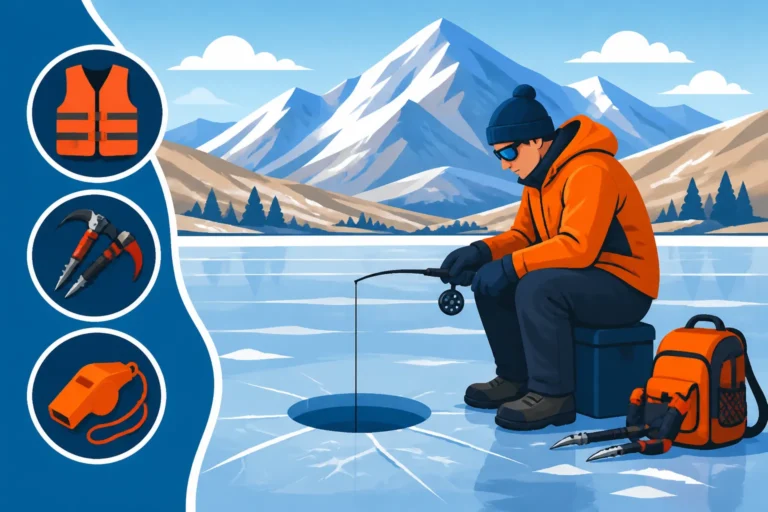
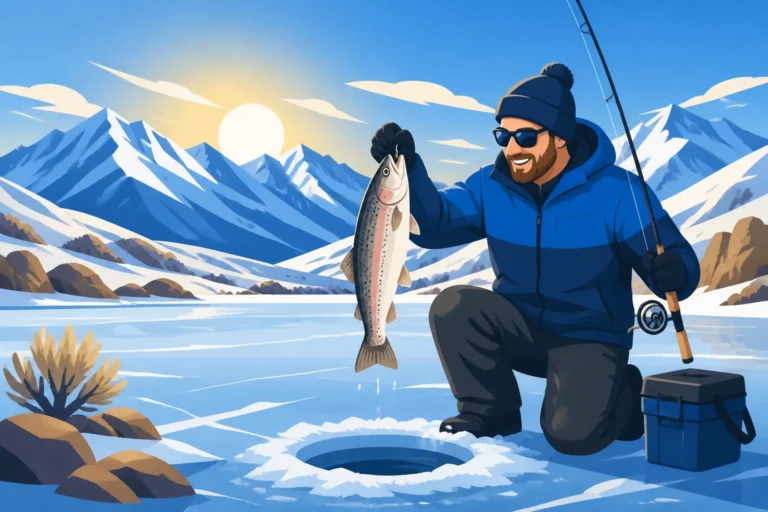
For those brave enough to embrace the cold, winter offers the unique experience of ice fishing. In northern Nevada's higher elevation reservoirs, like Wildhorse Reservoir, Spooner Lake, or sometimes even Cave Lake State Park, the ice can get thick enough for safe access. When ice fishing, you're directly over the fish, which are still holding in those deeper, more stable zones.
Ice fishing requires specialized gear, including ice augers, tip-ups, and short ice fishing rods. Fish are still lethargic, so small jigs, often tipped with a mealworm or piece of corn, fished very slowly, are usually the most productive. Always prioritize safety: check ice thickness, go with a buddy, and be aware of changing conditions. For more on this chilly pursuit, check out our guide on Ice Fishing in Nevada.
The Slow Retrieve: Matching Fish Metabolism
Regardless of whether you're fishing through the ice or open water in winter, the overarching theme is "slow." Fish simply don't have the energy or inclination to chase fast-moving baits. Your retrieve speed should match their reduced metabolism. Think finesse techniques, small baits, and minimal movement.
For trout, a small PowerBait worm or a salmon egg fished on a light line with a slip sinker can be deadly. For bass, a slow-crawled jig or a shaky head worm might entice a bite. It’s a test of patience, but the rewards can be substantial, as winter often produces some of the biggest fish of the year for dedicated anglers who are willing to adapt. This patient approach is part of mastering Best bait for Nevada Trout during the colder months.
Adapting Your Approach: Tools and Techniques
Understanding the seasonal movement of fish is only half the battle; the other half is knowing how to translate that knowledge into actual catches. It’s all about adapting your strategy, from how you read the water to the gear you choose to bring.
Reading the Water and Environmental Cues
Being a successful angler in Nevada's diverse reservoirs means constantly "reading the water." This isn't just about looking at your fish finder, though that's a powerful tool. It's about observing everything around you.
- Surface Activity: Are there birds diving, indicating baitfish being pushed to the surface? Are there ripples or splashes that suggest feeding activity? In the fall, especially, these visual cues can pinpoint active schools of striped bass on Lake Mead.
- Structure and Cover: Where are the deepest drop-offs, the submerged timber, the rock piles, or the weed lines? These are year-round magnets for fish, offering food, cover, and temperature breaks. The difference is which structure to focus on during which season. For example, during summer, deep offshore humps are hot, while in spring, shallower coves are key.
- Wind and Current: Wind can push baitfish and warm surface water, concentrating fish in certain areas. Current, especially in river-fed reservoirs, can also position fish in predictable ways as they ambush prey. For instance, understanding How water level affects fishing at Lake Mead can reveal how currents and structural changes impact fish.
- Baitfish Presence: If you can see or locate baitfish on your sonar, you're usually in the right area. Game fish are never far from their food source.
Developing this observational skill takes time and experience, but it’s invaluable for finding fish regardless of the season.
Essential Gear for Every Season
While the basic rod and reel might remain the same, your terminal tackle, lures, and even other essential gear will need to change with the seasons and the fish's behavior.
- Spring: Focus on reaction baits as fish are aggressive—crankbaits, spinnerbaits, jerkbaits. For trout, power bait, worms, or small spinners are effective. Light to medium rods work well for most species.
- Summer: Go deep! Heavier jigs, drop shot rigs, deep-diving crankbaits, and swimbaits become critical for bass and stripers. For trout, try trolling spoons or using live bait at cooler depths. A good quality fish finder is almost non-negotiable for finding the thermocline and suspended fish. Don't forget ample sun protection, often available on Amazon, including wide-brimmed hats, UV-protective clothing, and polarized sunglasses.
- Fall: This is a fantastic time for a mixed bag of lures. Continue with reaction baits for aggressive fish, but also be ready with soft plastics and jigs for when they're feeding on specific baitfish. Trolling for trout in high country lakes can be very productive.
- Winter: Finesse is key. Small jigs, shaky heads, small spoons, and live bait are often the best choices. Light line is crucial for a subtle presentation. If ice fishing, specific ice fishing rods, augers, and shelters are necessary.
Always carry a variety of gear. A well-stocked tackle box should have options for different depths, retrieve speeds, and baitfish imitations. Knowing your options, like Best Lures for Striped Bass or specific presentations for How to Fish for Trout in Nevada during different times of the year, will significantly increase your success.
Here's a quick overview to help visualize these shifts:
| Season | Water Temperature Trend | General Fish Activity | Typical Depths | Recommended Lures/Baits | Key Behavior/Frustration |
|---|---|---|---|---|---|
| Spring | Warming up | High, aggressive pre-spawn | Shallow to Mid-depth | Crankbaits, spinnerbaits, jigs, PowerBait | Fish moving fast; finding them pre-spawn |
| Summer | Very warm surface, cool deep | Deep, lethargic during day; active low light | Deep (thermocline) | Deep jigs, drop shot, slow-trolled spoons, live bait | Disappearing fish midday; intense sun |
| Fall | Cooling down | High, aggressive feeding frenzy | All depths | Reaction baits, swimbaits, jerkbaits, spoons | Following baitfish schools |
| Winter | Cold, stable deep water | Low, slow metabolism | Deep, structured | Small jigs, live bait, finesse plastics | Slow bite; finding concentrated schools |
Remember, these are general guidelines. Local conditions, specific reservoir characteristics, and even daily weather patterns can all influence fish behavior. But by understanding these fundamental seasonal movements, you'll be well on your way to cracking the code and enjoying more productive days on Nevada's waters.
Disclaimer
Fishing conditions and regulations in Nevada can change. Always consult the latest Nevada Department of Wildlife (NDOW) regulations before heading out. This guide is for informational purposes only and does not supersede official rules or recommendations. Be safe, practice good sportsmanship, and always prioritize conservation.