Best life jacket for a dog on a fishing trip
Bringing your beloved canine companion along for a fishing trip in Nevada is one of life's true joys, but the thought of them accidentally falling overboard or struggling in the water can be a constant worry for any dog parent. This comprehensive guide is here to put those fears to rest by walking you through everything you need to know about selecting the best life jacket for your dog, ensuring their safety and your peace of mind while you're out enjoying Nevada's beautiful waterways.
Why Your Dog Absolutely Needs a Life Jacket for Nevada Fishing
It's easy to assume that because your dog can swim, they don't need a life jacket. But as any experienced angler or boat owner knows, open water on a lake or river is vastly different from a calm backyard pool. There are so many unseen factors that can turn a fun day into a scary situation quickly.
Unexpected Falls and Water Conditions
Imagine you're out on Lake Mead, casting for striped bass, and your dog, excited by a passing bird, makes an unexpected leap or slip from the boat. Even a strong swimmer can be disoriented by a sudden fall into deep, cold water. Lakes like Tahoe, known for their crystal-clear depths, can also be surprisingly cold, even in summer. That cold water can rapidly sap a dog's energy, leading to hypothermia and exhaustion much faster than you might think. Strong currents, especially in rivers like the Truckee or areas below dams, can quickly pull even a powerful swimmer downstream. A life jacket provides that immediate buoyancy, keeping their head above water and giving them a fighting chance to recover or be retrieved. It's not just about if they can swim, but how long they can swim, and under what conditions.
Fatigue and Prolonged Activity
Even the most athletic dogs can get tired. A full day of swimming, treading water near the boat, or even just being on high alert can wear them out. If you're planning a longer outing on a large body of water like Lake Mead Nevada Fishing Guide or Pyramid Lake Nevada Fishing Guide, your dog might be in and out of the water multiple times. Cumulative fatigue can be a real issue. A life jacket helps them conserve energy, allowing them to swim more efficiently and for longer periods without becoming exhausted. This is particularly crucial if you're fishing in remote areas where a quick rescue might not be possible, or if you need to maneuver your boat to reach them.
Visibility and Retrieval in Emergency Situations
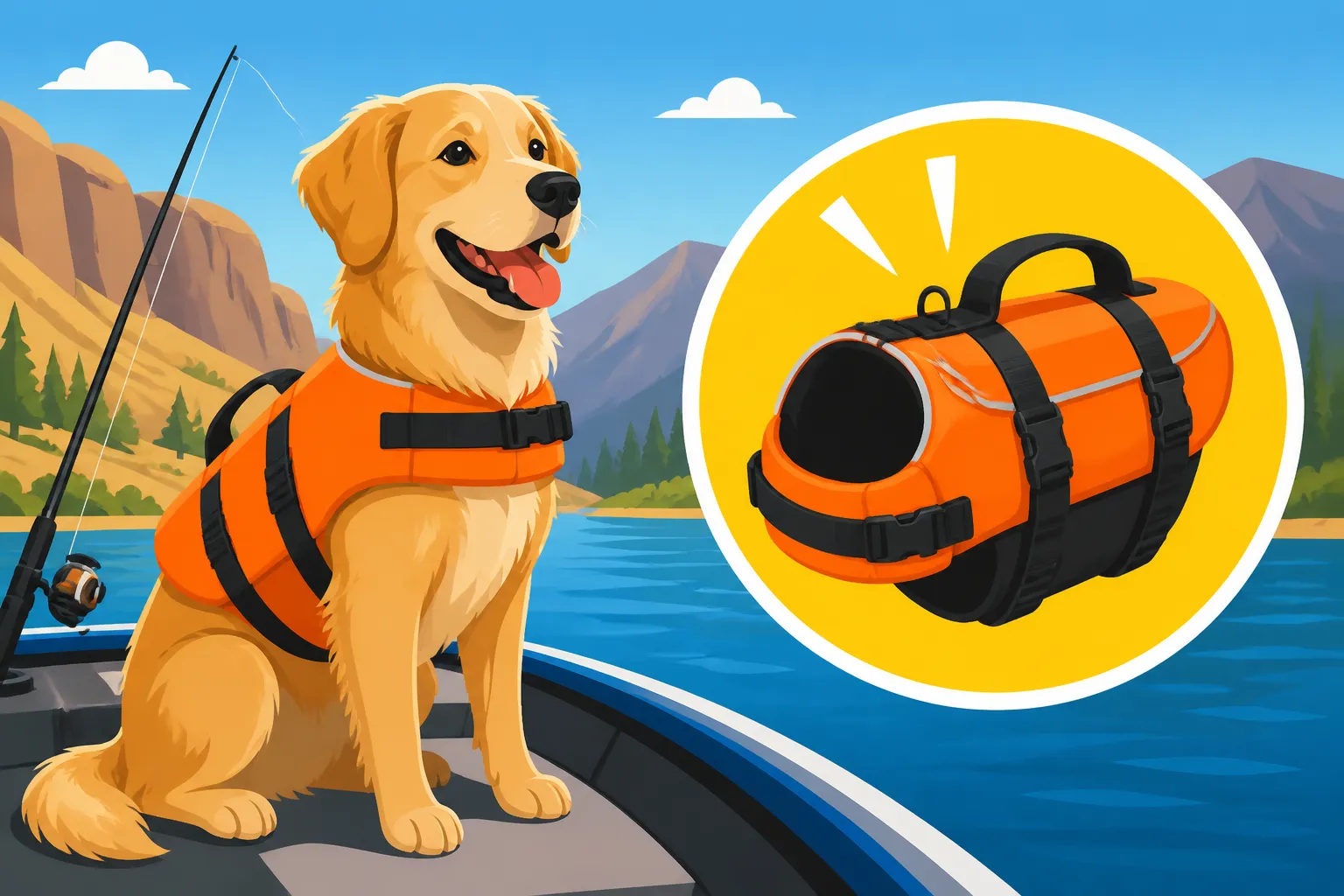
Let's face it, a dog in the water can be surprisingly hard to spot, especially in choppy conditions, at dusk, or if they've drifted away from the boat. Most dog life jackets come in bright, high-visibility colors like neon yellow, orange, or pink, often with reflective strips. These features are game-changers for quickly locating your dog in the water, a critical factor when every second counts. Furthermore, a good dog life jacket will have sturdy handles on the back. These aren't just for show; they are absolutely essential for lifting your dog back into the boat, especially if they're large, wet, and struggling. Trying to hoist a wet, heavy dog without a proper handle is not only difficult but can be dangerous for both you and your pet. It’s important to think about these practical aspects of Nevada Fishing Gear Essentials beyond just your own tackle box.
Key Features to Look For in a Quality Dog Life Jacket
Not all dog life jackets are created equal. Just like you wouldn't buy the cheapest human life vest for serious boating, you want to invest in a quality one for your furry best friend. Here’s what makes a difference.
Superior Buoyancy and Material Construction
The primary function of a life jacket is buoyancy, and you need to make sure the one you choose provides enough lift for your dog's size and weight. Look for jackets made with durable, rip-resistant materials like neoprene, nylon, or Cordura. These fabrics are not only tough but also resist fading and degradation from sun and saltwater exposure, ensuring the jacket lasts through many fishing seasons.
The distribution of flotation material is key. A good life jacket will have flotation panels strategically placed around your dog’s torso and under their chin. The chin float is often overlooked but it's crucial for keeping your dog’s head above water, especially if they become unconscious or severely fatigued. Some brands, like those you might find at Bass Pro Shops, are known for their robust flotation and marine-grade materials, offering superior durability and peace of mind.
Ergonomic Design and Secure Fastening Systems
A life jacket needs to fit comfortably and securely without chafing or restricting your dog's movement. Look for designs that allow for a full range of motion in their legs, especially when swimming. Adjustable straps with strong buckles around the chest and belly are paramount. These straps should be easy to adjust for a snug fit but difficult for your dog to wiggle out of. Many high-quality vests feature a D-ring near the handle, allowing you to attach a leash, which can be useful when you need to guide them into or out of the water, or secure them briefly on deck.
Avoid jackets with thin, flimsy straps or buckles that look like they could snap under pressure. Remember, this jacket needs to withstand the weight and force of a wet, possibly struggling dog being lifted from the water. A good fit means no gaps where they could slip out, but also no pinching or rubbing that could cause discomfort during a long day on the water.
Visibility Features and Grab Handles
As mentioned earlier, high visibility is a non-negotiable feature. Bright colors make your dog stand out against the water, especially in low light conditions or if they swim away from the boat. Reflective strips or piping enhance this visibility, making them easier to spot with a flashlight or boat lights during early morning or late evening fishing excursions, which are often the best times for chasing species like Lake Mead Striped Bass Hotspots.
The grab handle (or handles for larger dogs) on the back of the jacket is arguably the most critical feature. It should be robust, securely stitched, and comfortable for your hand. This handle is your direct link to your dog if they go overboard. Think about the leverage you'll need – a flimsy handle won't cut it when you're trying to haul a fifty-pound Labrador back into a rocking boat. Test the handle's strength when you’re looking at options; if it feels weak, move on.
Choosing the Right Size and Fit for Your Dog
Getting the right size isn't just about comfort; it's absolutely crucial for the life jacket to perform its job effectively. A jacket that's too loose won't provide adequate buoyancy or can slip off, while one that's too tight will restrict movement and cause discomfort.
Taking Accurate Measurements
Before you even start looking, you need to measure your dog. Don't just guess based on their weight or breed – dogs come in all shapes and sizes! The three most important measurements are:
- Chest Girth: This is the measurement around the widest part of your dog's rib cage, usually just behind their front legs. This is the most critical measurement for ensuring a secure and buoyant fit.
- Neck Girth: Measure around the base of your dog's neck, where a collar would naturally sit. This helps ensure the neck flotation piece isn't too tight or too loose.
- Back Length: Measure from the base of the neck (between the shoulder blades) to the base of the tail. While less critical for buoyancy, this helps ensure the jacket covers enough of their body for optimal support and doesn't impede tail wagging.
Many manufacturers, including popular brands available on Amazon, provide detailed sizing charts. Always check these charts against your dog's specific measurements. If your dog falls between sizes, it’s often recommended to go with the larger size, as long as it can be cinched down securely without being too loose.
Ensuring a Proper, Secure Fit
Once you have the life jacket, it's time for a fitting session. Put the jacket on your dog and adjust all the straps until it’s snug, but not overly tight. You should be able to comfortably slide two fingers under the straps.
- Check Buoyancy: A good test is to gently lift your dog by the grab handle. The jacket should lift their body evenly and securely, without putting all the pressure on one spot or having the jacket ride up around their ears.
- Observe Movement: Let your dog walk, run (if space allows), and even try to "swim" in a shallow pool or bathtub (if they're comfortable). The jacket shouldn't chafe under their armpits, restrict their leg movement, or twist excessively. Pay close attention to the chin float – it should keep their nose and mouth clear of the water without pushing their head back uncomfortably.
- Trial in Water: If possible, do a trial run in a calm, shallow body of water before your fishing trip. This allows your dog to get used to the feel of the jacket in the water and for you to make any final adjustments. Remember, even if they’re a great swimmer, the extra bulk of the jacket will feel different to them. This is a good time to practice retrieving them by the handle.
A properly fitted life jacket feels like a second skin, providing support and freedom, not hindrance. It's an investment in their safety that you won't regret.
| Feature | Importance Level | Description | Why it Matters for Nevada Fishing |
|---|---|---|---|
| Buoyancy Rating | High | Adequate flotation for your dog's weight. | Critical for keeping your dog's head above water, especially in choppy reservoir conditions or if they become fatigued in cold mountain lakes. |
| Grab Handle(s) | Essential | Sturdy, reinforced handle(s) on the back. | Allows for quick and safe retrieval from the water, vital when reeling in a big catch or navigating rough waters on Best Boats for Nevada Reservoir Fishing. |
| High Visibility | High | Bright colors (neon, orange) and reflective accents. | Helps you spot your dog quickly in wide-open desert lakes, at dawn/dusk, or in low light conditions often experienced when fishing for Nevada Trout Daily Limit Rules at high elevations. |
| Secure Straps | High | Adjustable straps around chest and belly with strong buckles. | Ensures a snug fit that won't shift or come off during active swimming or a rescue. Essential for maintaining safety during maneuvers on your boat. |
| Chin/Neck Float | Medium | Extra flotation under the chin to support the head. | Helps keep your dog's airway clear, especially if they are exhausted or disoriented after an unexpected fall, like from a Kayak Fishing Gear for Nevada where space is limited. |
| D-Ring for Leash | Medium | Attachment point for a leash. | Useful for securing your dog briefly on deck or guiding them during entry/exit from the water. |
| Durable Material | Medium | Rip-resistant, quick-drying fabrics (nylon, neoprene). | Withstands wear and tear from sun, water, and dog claws. Important for longevity, especially in the harsh desert environment of Nevada. |
| Ergonomic Design | Medium | Allows full range of motion without chafing. | Ensures comfort during long periods of wear, allowing your dog to enjoy the trip without irritation. A comfortable dog is a happy dog, whether on a pontoon or a Best Small Boat for Desert Lakes. |
Training Your Dog to Wear a Life Jacket
Just like getting used to a new collar or harness, some dogs need a little time and positive reinforcement to feel comfortable in their life jacket. Don't wait until you're on the boat to introduce it!
Gradual Introduction and Positive Association
Start by letting your dog sniff and explore the life jacket on the floor. Give them treats and praise for showing interest. Then, gently put the jacket on them for very short periods inside your home. Don't buckle it up fully at first, just let them feel the weight and sensation. Distract them with their favorite toys or a quick game.
As they get more comfortable, gradually increase the time they wear it, and slowly start buckling the straps. Always associate the jacket with positive experiences. Take them for a short walk around the yard while wearing it, or give them their dinner while they have it on. The goal is for them to see the life jacket as a normal, even good, part of their routine, not something scary or restrictive. Many dog owners find great success with this method, preparing their pups for everything from a simple walk to a Nevada Boat Registration for Anglers adventure.
Practice in Shallow Water
Once your dog is comfortable wearing the jacket on land, move to shallow water. A kiddie pool, a calm pond, or the shallow edge of a lake are perfect spots. Let them wade in with the jacket on. Observe how they move and swim with it. The buoyancy will feel different, and some dogs might be a bit awkward at first. Keep it fun and lighthearted, throwing toys they can retrieve or praising them enthusiastically.
This practice helps them adjust to the feeling of the flotation and allows you to confirm the fit in real-world conditions. It's also a great opportunity to practice calling them back to you and, if necessary, using the grab handle to lift them. The more positive experiences they have in the water with the jacket, the more confident they'll become, making your actual fishing trips much smoother. Knowing your dog is safe and happy lets you focus on catching that next big fish!
Safety First: Always Supervise
Even with the best life jacket and training, constant supervision is crucial when your dog is on or near the water. A life jacket is a safety tool, not a substitute for your vigilance. Always be aware of your dog's location, energy levels, and any potential hazards. Currents can be tricky, and even a well-fitting jacket won't guarantee safety if your dog gets caught in a dangerous situation without your immediate attention. Think of it like wearing your own life vest when you’re out on a boat – it’s a critical piece of Essential Safety Gear for Boating on Lake Mead, but you still need to be aware of your surroundings and operate your vessel safely. Enjoy those fishing trips with your best friend by your side, knowing they're as safe as they can be.
Disclaimer
This article is for general informational purposes only and does not constitute professional advice. Laws, prices and regulations vary by location and change over time. Consult a qualified professional for guidance on your specific situation.