Does a boat need insurance in Nevada?
There's a common misconception that boat insurance in Nevada is a straightforward, non-negotiable requirement, much like auto insurance. Many boat owners, especially those new to the state's incredible waterways, feel a little lost trying to figure out the legalities and practicalities. This comprehensive guide will navigate you through everything you need to know about boat insurance in Nevada, separating fact from assumption and helping you make informed decisions for your time on the water.
Understanding Nevada's Boat Insurance Mandates
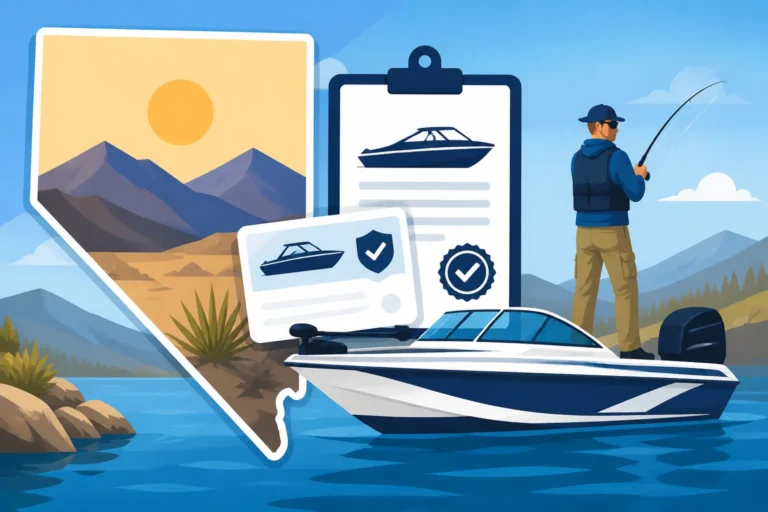
Let's cut right to the chase because this is where many people get tripped up: Nevada state law generally does not require boat owners to carry liability insurance solely for the purpose of registering their vessel. This is a significant difference from how automobile insurance works, and it can catch people off guard. You can typically register your boat with the Nevada Department of Wildlife (NDOW) without showing proof of an insurance policy.
State Registration Versus Insurance
When you go through the process of registering your boat in Nevada, whether it's a small fishing boat or a larger recreational vessel, the primary focus is on identification, ownership, and ensuring proper fees are paid. The state wants to know who owns the boat, that it meets safety standards, and that it's accounted for. You'll deal with requirements like getting your Nevada Boat Registration and Titling Guide paperwork in order, understanding Nevada Boat Registration Fees by Length, and potentially needing a Nevada Boater Education Card Requirement depending on your age and vessel type. However, conspicuously absent from the state's core registration checklist is a mandate for liability insurance. This doesn't mean insurance isn't important, just that it's not a direct prerequisite for getting your registration sticker.
Why the Lack of a State Mandate?
This lack of a statewide mandate might seem puzzling given the potential for accidents on the water. The reasoning often boils down to a few factors. One is that boating, while popular, historically hasn't had the same universal participation as driving. Another is the complexity of different vessel types, from kayaks to large cruisers, each posing different risk profiles. Unlike public roads, many waterways are managed by various entities, and the state often leaves the insurance decision to individual owners and specific operational requirements (which we'll delve into next). So, while you might not face a penalty for not having insurance from the state itself, other forces often make it an absolute necessity.
The Unspoken Requirements: When Insurance Becomes Essential
While the state might not demand insurance for every single vessel, there are several common scenarios where boat insurance moves from optional to absolutely essential. Ignoring these can lead to significant headaches or prevent you from enjoying your boat altogether.
Marinas and Docking Agreements
One of the most frequent "silent mandates" for boat insurance comes from marinas, boatyards, and even private dock owners. If you plan on mooring your boat at a facility like the ones at Lake Mead or Lake Tahoe, or even just keeping it in a dry storage yard, almost every reputable operation will require you to carry a certain level of liability insurance. They need to protect their property, their employees, and other boaters from potential damage caused by your vessel, whether it's a collision in the harbor, a fire, or an accidental sinking. Many marinas will not allow you to sign a slip agreement or lease a storage space without proof of current coverage. It's simply good business practice for them to mitigate risk. This applies whether you have a basic fishing rig or a fancy cruiser you picked up at Bass Pro Shops.
Financing Your Boat
If you've taken out a loan to purchase your boat, just like with a car or home, your lender will almost certainly require you to carry comprehensive and collision insurance. This protects their investment in case the boat is damaged, stolen, or totaled before the loan is paid off. The bank wants to ensure that if something happens to the asset, they can recover their funds. This is a standard practice across the financial industry, and boat loans are no exception. They’ll typically require you to name them as an additional insured or loss payee on your policy. Without this coverage, you likely won't be able to secure the financing you need.
Operating on Certain Federally Regulated or Private Waters
While Nevada state parks and wildlife areas generally fall under state rules, some larger, federally managed bodies of water, or private lakes with specific agreements, might have additional requirements. For instance, while generally not mandated just to fish, certain activities or vessel types in national recreation areas could involve specific regulations. Always check with the managing authority of any particular body of water you plan to frequent, especially if you're engaging in commercial activities or operating larger vessels. Additionally, if you take your boat out of state, say across Lake Tahoe into California waters, you'll want to be aware of the Nevada fishing license reciprocity with other states and any differences in their boating regulations, including insurance.
Why Boat Insurance is Still a Smart Investment in Nevada
Even if you’re one of the lucky few who don't face a direct mandate for boat insurance (perhaps you own your boat outright and keep it in your driveway), choosing to forego coverage is a huge gamble. The potential financial risks far outweigh the cost of a premium.
Protecting Your Investment
Let's be real, boats aren't cheap. Whether it's a modest fishing skiff or a high-performance wake boat, you've invested your hard-earned money and time into this passion. Think about all the accessories you might have added, from a new fish finder to safety gear you might have found on Amazon. Accidents happen, and they happen quickly on the water. A sudden storm could damage your hull, an engine could fail catastrophically, or your boat could be stolen right from your driveway. Without insurance, you're personally responsible for every dollar of repair or replacement. This means facing a potentially massive out-of-pocket expense that could effectively sink your boating dreams for good.
Liability Protection for Accidents and Damages
This is arguably the most critical reason to have boat insurance. Imagine you’re enjoying a beautiful day on Lake Mohave, and through no fault of your own, another boater cuts you off, or perhaps you misjudge a turn near a dock. Collisions on the water can be incredibly damaging, not just to property but also to people. If you are found at fault for an accident, you could be liable for:
- Property Damage: This includes damage to other boats, docks, navigational aids, or even shoreline property. Repair costs for even minor boat damage can quickly escalate.
- Bodily Injury: If anyone on another vessel, your own boat, or even a swimmer is injured, the medical bills, lost wages, and pain and suffering claims can be astronomical. A serious injury could lead to a lawsuit that could financially devastate you for years.
Without liability coverage, all these expenses fall squarely on your shoulders. This is why, even without a state mandate, smart boaters ensure they are protected. It's about protecting your financial future.
Peace of Mind on the Water
Ultimately, having boat insurance buys you peace of mind. Knowing that you're covered in the event of an accident, theft, or unforeseen damage allows you to truly relax and enjoy your time on the water. Instead of constantly worrying about "what if," you can focus on the joy of fishing, watersports, or simply cruising the beautiful Nevada landscapes. This peace of mind extends beyond just financial protection; it’s about knowing you’ve acted responsibly and are prepared for the unpredictable nature of boating. You’ve already gone through the effort of understanding Nevada Fishing Regulations Explained and getting your license; insurance is just another layer of responsible preparation.
Navigating Your Options: Types of Coverage and Cost Factors
Once you decide that boat insurance is a smart move (and it almost always is), understanding the different types of coverage and what influences your premium will help you choose the right policy.
Common Types of Boat Insurance Coverage
Boat insurance policies are typically quite flexible, allowing you to tailor coverage to your specific needs and vessel. Here’s a breakdown of the common types you’ll encounter:
| Coverage Type | What It Covers | Why It's Important |
|---|---|---|
| Liability Coverage | Damage to other boats or property, and bodily injury to other people for which you are at fault. | Protects your assets from lawsuits and claims if you cause an accident. Often the most critical coverage to have. |
| Physical Damage / Hull Coverage | Damage to your own boat, its motor, and permanently attached equipment from accidents, theft, fire, vandalism, or natural disasters. | Covers repair or replacement costs for your vessel, protecting your significant investment. Essential for financed boats. |
| Uninsured/Underinsured Boater | Covers your medical expenses and damage to your boat if hit by a boater with no insurance or insufficient insurance. | Unfortunately, not everyone carries insurance. This protects you when the other party can't pay. |
| Medical Payments | Medical costs for you or your passengers if injured in a boating accident, regardless of fault. | Helps cover immediate medical expenses, providing an extra layer of protection for everyone on board. |
| Personal Property | Covers personal items on your boat, like fishing gear, water skis, or clothing, if they are stolen or damaged. | Especially valuable for anglers with expensive rods and reels (even those you might find on Amazon or at Bass Pro Shops), or families with lots of recreational equipment. |
| Towing and Assistance | Covers the cost of towing your disabled boat to the nearest repair facility, as well as on-water labor. | Boating breakdowns can leave you stranded. This coverage is invaluable for unexpected engine trouble or running aground. |
| Salvage and Wreck Removal | Covers the cost of raising or removing your boat if it sinks or is submerged, as required by law. | Environmental regulations often require removal of sunken vessels. This can be a very expensive process. |
It’s always a good idea to speak with an insurance professional to ensure your policy aligns with how and where you use your boat. For instance, if you regularly take your boat on Lake Tahoe, you might need different considerations than someone who sticks to smaller urban ponds like those mentioned in our Las Vegas Nevada Urban Pond Fishing Guide.
Factors Influencing Your Insurance Premium
The cost of boat insurance isn't a one-size-fits-all figure. Several factors play a role in how much you'll pay:
- Type and Value of Your Boat: Larger, more expensive boats, especially those with high-performance engines, will generally cost more to insure than a smaller, less powerful vessel. The make, model, and year all matter.
- Engine Horsepower: Higher horsepower often means higher risk, leading to higher premiums.
- Navigation Area: Where you boat matters. If you primarily stick to inland lakes like Lake Mead or Lake Mohave, your rates might differ from someone who takes their boat out into coastal or international waters (which is less common for Nevada-based boaters, of course).
- Storage Location: How and where you store your boat (e.g., in a secure marina, a private garage, or a public storage lot) can impact your rates.
- Your Boating Experience and Driving Record: Experienced boaters with a clean record typically get better rates. Some insurers even offer discounts for completing approved boating safety courses, like those that lead to a Nevada Boater Education Card Requirement.
- Claims History: A history of previous claims can unfortunately lead to higher premiums.
- Credit Score: In some states, a good credit history can help you secure lower insurance rates.
- Deductible Amount: Choosing a higher deductible (the amount you pay out-of-pocket before insurance kicks in) can lower your premium, but means more expense for you if you have a claim.
Shopping for Boat Insurance in Nevada
When you're ready to get a quote, you have a few avenues. You can often start with your existing auto or home insurance provider, as many companies offer multi-policy discounts. Alternatively, specialized marine insurance brokers or dedicated boat insurance companies can provide tailored policies. Be prepared to provide details about your boat, its value, where you'll use it, and your boating history. Don't be afraid to get multiple quotes to compare coverage and pricing. Remember, while the state might not always demand it, being covered means you’re protecting your fun, your finances, and your freedom on Nevada’s beautiful waters.
Disclaimer
This article is for general informational purposes only and does not constitute professional advice. Laws, prices and regulations vary by location and change over time. Consult a qualified professional for guidance on your specific situation.