Nevada fishing license reciprocity with other states
It's incredibly frustrating, isn't it? You're out on the water, maybe straddling a state line or just visiting, and you start to wonder if your hard-earned Nevada fishing license is actually valid in that next cove over, or if you need a whole new permit. The rules can be a real headache, making what should be a relaxing day into a puzzle of regulations. This comprehensive guide is here to clear up all that confusion, detailing exactly where your Nevada fishing license is accepted and what you need to know about reciprocity with neighboring states.
Unpacking Nevada's General Fishing License Reciprocity
Let's be upfront about it: the general rule of thumb when it comes to fishing licenses is that they are issued by a specific state for the waters within that state's jurisdiction. Think of it like your driver's license – it's valid throughout the country, but the state it was issued in sets the rules and collects the fees. Fishing licenses are a bit more restrictive. For the most part, a Nevada Fishing License Guide means you're good to go in Nevada's lakes, rivers, and streams, but typically nowhere else.
Why State Boundaries Matter for Your License
Every state has its own Department of Wildlife (or similar agency) responsible for managing its natural resources, including fish populations. This involves everything from stocking programs and habitat restoration to enforcing bag limits and seasons. The revenue generated from fishing license sales directly funds these critical conservation efforts. So, when you buy a license, you're not just getting permission to fish; you're contributing to the health of that specific state's fisheries. If a Nevada license was universally accepted everywhere, Nevada wouldn't be collecting revenue for its own vital work, and neither would other states.
This system ensures that the funds collected from anglers are reinvested into the waters they're fishing. It's a localized approach to conservation that, while sometimes inconvenient for cross-border anglers, is fundamental to sustainable fishing. This is why you'll find that for most waters that aren't specifically designated as "reciprocal," you’ll need a separate license for each state you plan to fish in.
The Standard: Nevada-Only Validity
Unless there's a very specific, written agreement in place between Nevada and another state for a particular body of water, your Nevada state fishing license is strictly valid for fishing within Nevada's state lines. This includes popular spots like Lake Mead (within Nevada's boundary), Lake Mohave (on the Nevada side), Wildhorse Reservoir, and the urban ponds in Las Vegas like Floyd Lamb Park. It’s a pretty straightforward system in most cases, but the border areas are where things often get blurry for anglers.
Navigating Border Waters and Shared Fisheries
The most common source of confusion for anglers when it comes to reciprocity is fishing on large bodies of water that straddle state lines. Nevada shares significant water with California and Arizona, and each of these shared waters has its own unique set of rules.
Lake Tahoe Nevada Fishing License Rules
Lake Tahoe is arguably the most famous and beautiful example of a shared fishery with specific reciprocity rules. This massive, crystal-clear lake sits right on the border between Nevada and California, and thankfully, both states have an agreement in place that makes fishing there a lot simpler.
Here's the deal: if you have a valid California state fishing license, you can fish anywhere on Lake Tahoe, including the Nevada side. The same goes if you have a valid Nevada Fishing License Guide; you can fish anywhere on Lake Tahoe, including the California side. This means you don't need to buy two separate licenses just to chase Mackinaw or Kokanee salmon across the state line. It's a huge relief for many anglers who want to explore the entire lake.
However, there’s a critical nuance: this reciprocity applies only to the waters of Lake Tahoe itself. If you decide to fish a tributary stream that flows into Lake Tahoe, or if you fish a small pond or lake on the shore, you must adhere to the license requirements of the state that water body is located in. For instance, if you're fishing the Truckee River on the California side, your Nevada license won't cut it. Always confirm the specific regulations for any non-Tahoe waters, as the Nevada Fishing Regulations Explained can be complex.
Colorado River System: Lake Mead and Lake Mohave
The Colorado River forms a significant portion of Nevada's southeastern border with Arizona, creating the expansive Lake Mead and Lake Mohave. Unlike Lake Tahoe, these waters generally do not have full reciprocity agreements for state fishing licenses. This often comes as a surprise to anglers, leading to potential fines if not properly understood.
If you are fishing on the Nevada side of Lake Mead or Lake Mohave, you need a valid Nevada fishing license. If you drift into or explicitly fish on the Arizona side of these lakes, you are required to have a valid Arizona fishing license. This means many anglers who regularly fish these massive reservoirs end up purchasing both a Nevada and an Arizona fishing license. It's an added expense, but it's essential to avoid legal trouble with game wardens from either state.
Imagine you're targeting striped bass near Hoover Dam on Lake Mead, a popular spot that’s right on the border. If your boat drifts even a few hundred feet into Arizona waters while your lines are still in the water, you could be cited if you only have a Nevada license. It's a good idea to have a GPS unit with boundary maps or clearly understand the physical markers that denote the state line, which can be tricky on such large, open waters. You can find more details on Nevada Out-of-State Angler Requirements to ensure you're covered.
Other Border Waters and Their Unique Rules
While Lake Tahoe and the Colorado River system are the most prominent examples, Nevada shares other, smaller border waters, particularly with California. One such example is Topaz Lake, located on the Nevada-California border south of Carson City.
For Topaz Lake, similar to Lake Tahoe, there has traditionally been a reciprocal agreement where a valid fishing license from either Nevada or California is accepted anywhere on the lake. However, these agreements can sometimes change or have specific conditions attached (e.g., specific dates, species rules). It is absolutely critical to verify the current regulations with both the Nevada Department of Wildlife (NDOW) and the California Department of Fish and Wildlife (CDFW) before you head out. These agencies publish annual regulation handbooks that detail these specific border water rules, and you can usually grab a physical copy at a local tackle shop or download a PDF online. When in doubt, carrying both state licenses is the safest bet, especially if you plan to venture onto any adjacent waters.
Specific Scenarios and License Exemptions
Beyond the general reciprocity question, there are a few unique situations and exemptions in Nevada that are worth understanding, especially for those who might be considering a cross-state fishing trip. These can sometimes feel like "reciprocity" but are often just specific state-level exemptions.
Tribal Waters and Sovereign Nations: The Pyramid Lake Example
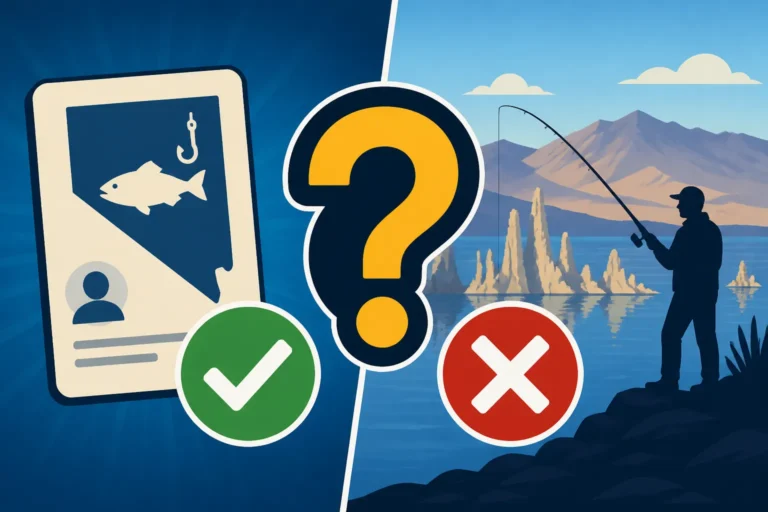
One of the most important distinctions to understand in Nevada fishing is the concept of tribal waters. A prime example is Pyramid Lake, home to the world-famous Lahontan cutthroat trout. This incredible fishery is located entirely within the Pyramid Lake Paiute Tribe Reservation. As a sovereign nation, the Pyramid Lake Paiute Tribe sets its own fishing regulations and requires its own specific Pyramid Lake Fishing Permit Guide.
This means that no state fishing license – not a Nevada one, not a California one, nor any other state's license – is valid on Pyramid Lake. You must purchase a tribal permit directly from the Pyramid Lake Paiute Tribe. These permits are available at various businesses on the reservation, in nearby towns like Nixon and Sutcliffe, or sometimes online. If you are ever caught fishing on Pyramid Lake without the correct tribal permit, you will face significant fines and penalties from the tribal authorities, regardless of whether you have a state license in your pocket. Always check the tribe's official website for the most current rules and where to purchase permits.
Youth Anglers and Other Exemptions
Nevada has specific rules regarding age requirements for fishing licenses. Generally, children under the age of 12 do not need a fishing license to fish in Nevada. This is a fantastic opportunity to get kids hooked on fishing without the added cost and paperwork. However, this exemption is only for Nevada waters. If you take your child to fish in California or Arizona, they will be subject to that state's age requirements and license laws. Some states may require a license for younger children, while others have similar exemptions.
It’s easy to grab some basic gear for young anglers, like a simple rod and reel combo, which you can often find readily available on Amazon for a great price, ensuring they have the right tools for the water. Other exemptions, such as for disabled veterans or specific cultural activities, are also typically state-specific. While Nevada offers a Nevada Disabled Veteran Fishing License, this specific discount or exemption would not apply if that veteran were fishing in California or Arizona, where they would need to meet that state's criteria for any discounts.
Nevada Free Fishing Day
Nevada offers an annual Nevada Free Fishing Day Guide once a year, usually in early June. On this designated day, both residents and non-residents can fish in most public waters across Nevada without needing a state fishing license. This is a wonderful initiative to encourage people to try fishing, introduce kids to the sport, and simply enjoy the outdoors.
While it feels like a form of universal "reciprocity" for one day, it’s actually a temporary exemption from the state's licensing requirements. All other fishing regulations, such as bag limits, size restrictions, and specific gear rules outlined in the Nevada Fishing Regulations Explained, still apply. For instance, if you're fishing on Pyramid Lake on Nevada's Free Fishing Day, you would still need a Pyramid Lake Tribal fishing permit because the state's exemption does not override tribal law. It's a great day to fish, but remember it's not a free-for-all on all rules!
Practical Steps for Cross-State Anglers
Fishing across state lines can be incredibly rewarding, offering access to diverse fisheries and new challenges. However, the regulatory patchwork demands diligence. Here’s some practical advice to ensure your trip goes smoothly and legally.
Always Verify Current Regulations and Agreements
Fishing regulations are not set in stone. They can change annually, sometimes even mid-season, due to conservation needs, environmental factors, or policy shifts. Therefore, the single most important piece of advice is to always check the most current regulations for both states you plan to fish in, especially for border waters.
The best places to do this are the official websites of the state wildlife agencies:
- Nevada Department of Wildlife (NDOW): ndow.org
- California Department of Fish and Wildlife (CDFW): wildlife.ca.gov
- Arizona Game and Fish Department (AZGFD): azgfd.com
These sites provide downloadable regulation booklets, updates, and information on how to buy licenses. Don't rely solely on information from a few years ago or what a friend "heard." A quick check online before your trip can save you a lot of grief. For those who frequently visit, considering an annual license is often more cost-effective than multiple Nevada 1-Day Fishing Permit Details if you're hitting the water regularly.
How to Get Licenses for Multiple States
If you determine that you need a license for more than one state, the process is usually quite straightforward, though it might involve an extra step or two.
- Online Purchase: Most state wildlife agencies offer online purchasing portals. This is often the quickest and most convenient way to secure your licenses. For instance, if you need an Arizona license, you can usually buy it directly from the AZGFD website with a credit card. You can even print it at home immediately. This method is incredibly convenient, especially if you're planning your trip last minute. Check out our guide on Buying a Nevada Fishing License Online for more details on that process.
- Sporting Goods Stores: Major retailers like Bass Pro Shops, Cabela's, and even many Walmart stores with a sporting goods section often sell licenses for the state they are located in. Smaller, independent tackle shops are also great resources and often have the most up-to-date local knowledge.
- Department Offices: You can always visit a state wildlife department office in person, though these tend to have more limited hours and locations.
Remember, when purchasing a non-resident license for another state, expect the cost to be higher than a resident license. This is standard practice across the country, as non-residents generally contribute less to the state's tax base that also supports wildlife management. Consider the duration of your trip; sometimes a short-term, multi-day non-resident permit is more economical than an annual one if you're only visiting for a weekend. You can compare the options by looking at Nevada Nonresident Fishing License Types available.
Penalties for Non-Compliance
Fishing without the appropriate license or permit is a serious offense that can lead to significant penalties. A game warden has the authority to check your license at any time, whether you're actively fishing or just packing up your gear. Ignorance of the law is rarely an acceptable excuse.
Penalties can vary, but generally include:
- Fines: These can range from a few hundred dollars to well over a thousand, depending on the state, the specific violation, and if it's a repeat offense.
- Seizure of Gear: In some cases, your fishing rod, reel, and even your catch can be confiscated.
- Loss of Future Privileges: You might lose your fishing privileges for a certain period, not just in the state where the violation occurred, but potentially in other states as well through interstate compacts.
- Court Appearances: Serious violations might require a mandatory court appearance.
It's simply not worth the risk. A few extra dollars spent on the correct license is a small price to pay for peace of mind and knowing you're supporting vital conservation efforts. Our article on Nevada Fishing Violation Penalties goes into more detail about the consequences.
To avoid any headaches, always double-check your permits, understand the specific regulations for the water you're fishing, and keep your license accessible. Whether it's a physical copy, or a digital version on your phone if allowed (many states now permit this), being able to produce it when asked is crucial.
| Water Body | State(s) Involved | Nevada License Valid? | Other State License Valid? | Notes |
|---|---|---|---|---|
| Lake Tahoe | Nevada & California | Yes (entire lake) | Yes (entire lake, CA license) | Reciprocal agreement. Either a valid NV or CA license is accepted on the lake itself. Does NOT apply to tributary streams or adjacent waters. |
| Lake Mead | Nevada & Arizona | Yes (NV side only) | Yes (AZ side only, AZ license) | NO general reciprocity. You need a NV license for NV waters and an AZ license for AZ waters. Understanding the state line is crucial. |
| Lake Mohave | Nevada & Arizona | Yes (NV side only) | Yes (AZ side only, AZ license) | NO general reciprocity. Similar to Lake Mead, separate licenses are required for each state's waters. |
| Topaz Lake | Nevada & California | Yes (entire lake) | Yes (entire lake, CA license) | Generally reciprocal, but always verify current regulations as agreements can change. |
| Pyramid Lake | Nevada (Tribal) | No | No | Requires a specific Pyramid Lake Paiute Tribe fishing permit. State licenses (NV or CA) are NOT valid here. |
| Colorado River | Nevada & Arizona | Yes (NV side only) | Yes (AZ side only, AZ license) | Below Hoover Dam/Willow Beach, specific rules apply, often requiring an Arizona license for the river itself. Always check very localized regulations for the stretch of river you intend to fish. A general Nevada Fishing License Guide will not suffice for AZ waters. |
Disclaimer
Please remember that fishing regulations are subject to change. Always consult the official Nevada Department of Wildlife (NDOW) website or other relevant state agencies for the most current and accurate information before planning your fishing trip.