Nevada trout limit at high mountain lakes
There's nothing quite like the crisp air and stunning solitude of fishing in Nevada's high mountain lakes, but let's be honest, figuring out the specific trout limits for these often-remote gems can feel like trying to solve a puzzle. It’s a common frustration for anglers, seasoned and new alike, who just want to enjoy their time on the water without worrying about breaking the rules. This guide is here to untangle the complexities, helping you understand the specific regulations that apply to trout in Nevada's beautiful, high-altitude fishing destinations.
Understanding Nevada's High Mountain Lake Trout Limits
When you dream of casting a line into a pristine alpine lake, surrounded by towering peaks, it’s easy to forget that these beautiful places often come with their own set of rules, especially when it comes to how many trout you can keep. Nevada’s high mountain lakes are unique ecosystems, and the Nevada Department of Wildlife (NDOW) takes great care to manage them sustainably.
Why High Mountain Lakes Have Special Rules
High mountain lakes, often glacial in origin and fed by snowmelt, are distinct from larger, lower-elevation reservoirs. Their unique characteristics directly influence fishing regulations:
- Fragile Ecosystems: These environments are often more sensitive to pressure. Trout in high mountain lakes typically grow slower due to colder water temperatures and a shorter growing season, making their populations more vulnerable to overfishing. A fish that might reach a keeper size in a lower-elevation pond in a year or two could take several years in an alpine setting. NDOW’s regulations are designed to protect these delicate balances, ensuring that fish populations remain healthy and sustainable for future generations of anglers.
- Unique Stocking Programs: While some high mountain lakes sustain wild populations, many are stocked, often with species like rainbow trout, brook trout, or even the native Lahontan cutthroat trout where appropriate. The type of fish, stocking frequency, and the lake's ability to support growth all play a role in setting harvest limits. These programs are meticulously planned to enhance fishing opportunities while preserving the ecological integrity of the lake.
- Conservation of Native Species: Some high mountain lakes are critical habitats for native trout, which might be threatened or endangered. For example, certain areas might have specific regulations to protect populations of particular cutthroat subspecies. In such cases, regulations are often stricter, sometimes requiring catch-and-release only, to ensure these precious fish continue to thrive. The goal is always to balance recreational access with the imperative to conserve Nevada's natural heritage.
General Statewide Trout Regulations as a Baseline
Before diving into the specifics of high mountain lakes, it's helpful to understand the general statewide trout regulations in Nevada, as these often serve as a starting point, with high mountain lakes then having more restrictive rules. For most general trout waters across the state, the standard daily limit is usually 5 trout, with a possession limit of 10. This means you can catch and keep up to five fish per day, and you can have a maximum of ten fish in your possession at any given time (this typically applies if you’re on a multi-day trip and have caught fish on previous days).
However, it’s crucial to understand that this is a general guideline. The NDOW's regulations are incredibly detailed, often differentiating between species, size, and specific bodies of water. For a full breakdown of the broader rules, you might want to consult a guide on Nevada Statewide Bag Limits Explained to get a comprehensive overview of what applies to the state's more accessible waters. But remember, the moment you head into those higher elevations, things tend to change significantly.
Specific Regional and Lake-Specific Variations
This is where the rubber meets the road, or more accurately, where your hiking boots meet the trail. High mountain lakes in Nevada rarely adhere to the general statewide trout limits. Instead, each lake, or often each specific drainage or mountain range, can have its own tailored regulations. This is because NDOW wildlife biologists carefully assess the unique characteristics of each waterbody – its size, depth, forage base, water quality, and fish population dynamics – to determine what level of harvest is sustainable.
For instance, a small, remote lake in the Ruby Mountains might have a daily limit of 2 trout, with a specific size restriction (e.g., only one fish over 14 inches), or it might even be designated as catch-and-release only to protect a fragile population. Another lake just a few miles away, perhaps more heavily stocked or with a more robust ecosystem, could have a slightly higher limit. These micro-regulations are vital for ensuring the long-term health of these precious fisheries. Always assume that high mountain lakes will have more restrictive limits than the general state rules, and always, always double-check the specific regulations for your chosen destination.
Navigating Specific High Mountain Lake Trout Limits
The real challenge for anglers is drilling down to the exact rules for the specific high mountain lake they plan to visit. It’s not always a one-size-fits-all situation, and being informed is your best defense against inadvertently violating a regulation.
Common Scenarios and Typical Regulations
While it's impossible to list every single high mountain lake regulation here (they literally change from lake to lake in some cases!), we can look at common patterns you’ll encounter:
- Reduced Daily Limits: It’s very common to see daily limits of 2 or 3 trout in high mountain lakes, significantly lower than the statewide 5. This allows for some harvest but reduces pressure on slower-growing fish populations.
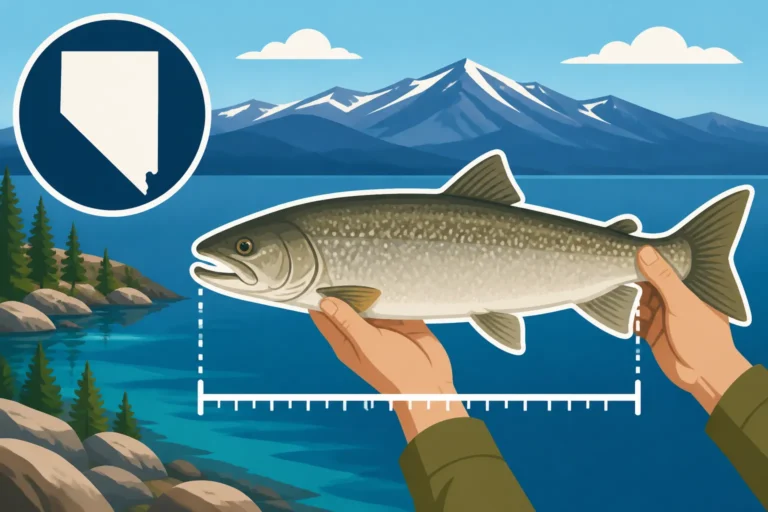
- Size Restrictions: Often, there will be minimum or maximum size limits, or slot limits. For example, you might be allowed to keep 2 trout, but only one can be over 14 inches. This helps protect larger, breeding-size fish.
- Species-Specific Limits: If a high mountain lake has multiple trout species, there might be different limits for each. For instance, you might be able to keep 3 brook trout but only 1 rainbow trout.
- Catch-and-Release Only: For very sensitive populations, or for lakes managed for trophy potential, catch-and-release is often mandated. This means you must immediately release any fish you catch unharmed. This is particularly common for certain populations of Lahontan cutthroat trout in their native ranges. For more detail on these specific types of regulations, check out our guide on Nevada Trout Daily Limit Rules.
- Artificial Lures/Flies Only: To reduce fish mortality from bait ingestion, some high mountain lakes may restrict tackle to artificial lures or flies with single, barbless hooks. This is another layer of protection for the fish.
Let's consider an example: Imagine you're hiking into a secluded lake in the Toiyabe Range. You might find that for this specific lake, the limit is 2 trout, with a maximum size of 12 inches for one of them, and catch-and-release required for any fish over 18 inches. Without checking the booklet, you could easily assume the general statewide limit applies, leading to a violation.
The Role of NDOW's Fishing Regulations Booklet
There is absolutely no substitute for the official NDOW Fishing Regulations booklet. This document is your bible for fishing in Nevada, especially when it comes to the highly specific rules governing high mountain lakes. NDOW publishes a new booklet annually, typically in the spring, and it contains all the up-to-date regulations.
- Where to Find It: You can usually pick up a physical copy for free at most sporting goods stores like Cabela's or Bass Pro Shops, or at smaller local tackle shops throughout Nevada. The most convenient way for many is to download the digital PDF version directly from the NDOW website. Having it on your phone or a printed copy tucked into your gear is essential. We have a whole guide dedicated to Where to find the Nevada fishing regulations booklet which can walk you through the specifics.
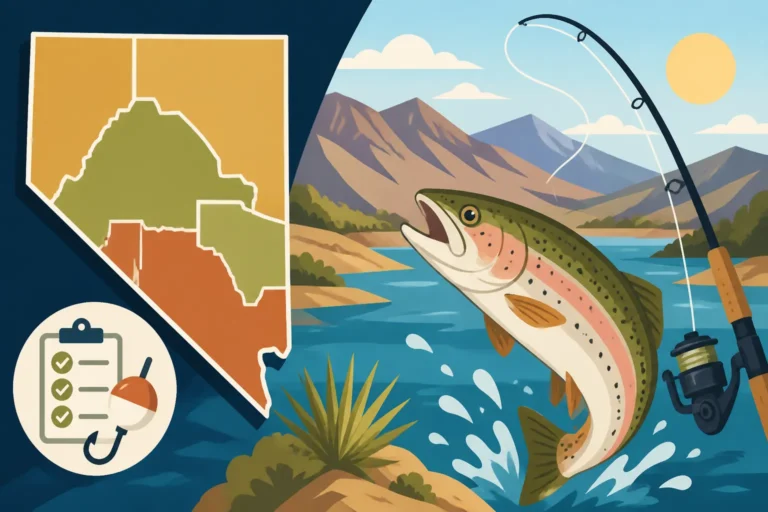
- How to Use It: The booklet is organized by region and then by specific water bodies. You'll need to locate the section pertaining to the specific region of your high mountain lake (e.g., Eastern Region, Western Region) and then find the lake by name. Pay close attention to all columns for that particular water body: daily limit, possession limit, size restrictions, season dates, and any special tackle restrictions. It's often helpful to highlight or mark the relevant pages for your destination before you head out.
- Staying Updated: Regulations can change year to year, and sometimes even mid-season if emergency closures or changes are needed. Always ensure you have the most current regulation booklet for the year you are fishing. Don't rely on old printed copies or hearsay from friends; the official document is the only reliable source. For convenience and organization, some anglers even purchase waterproof map cases or small, durable binders, available on Amazon, to keep their printed regulations safe and accessible while out on the trail.
Catch and Release Versus Harvest Limits
Understanding the difference between catch-and-release and harvest limits is paramount, especially in high mountain lakes.
- Catch and Release: This means any fish you catch must be immediately returned to the water, unharmed. Often, this rule is in place to protect endangered species, allow a fishery to recover, or manage for a trophy-size population. If a lake is designated catch-and-release, it means no fish can be kept, regardless of size or species. Learning Catch and Release Techniques for Trout is crucial if you plan on fishing these waters, as improper handling can still lead to fish mortality.
- Harvest Limits: These are the daily and possession limits that allow you to keep a certain number of fish. Even when a harvest limit is in place, practicing selective harvest (keeping only what you'll eat and releasing the rest) is a responsible angling practice, especially in these often-fragile high-altitude environments.
- Special Considerations for Native Species: If you're fishing a lake known for native Lahontan cutthroat trout, like some waters in the Eastern Nevada ranges, you might encounter very specific slot limits (e.g., all fish between 12-18 inches must be released, but you can keep one over 18 inches) or even catch-and-release for certain sizes. These rules are designed to protect the breeding stock. Always be prepared to release fish, even if you planned to keep some, and treat every fish with care. The health of these wild populations depends on it.
Practical Tips for Anglers Targeting High Mountain Trout
Fishing high mountain lakes isn't just about knowing the rules; it's about preparation, respect for nature, and being equipped for the unique challenges of these environments.
Gear Considerations for High Altitude Fishing
Your gear choices can significantly impact your success and comfort when targeting trout in Nevada's high mountain lakes. Given that many of these lakes require a hike, lightweight and versatile gear is key.
- Rods and Reels: A lightweight spinning rod (6-7 feet, light to medium-light power) paired with a small spinning reel spooled with 4-6 lb test line is often ideal. For fly anglers, a 3-5 weight fly rod is versatile enough for most high mountain trout. Durability is also important; choosing a rod that can withstand being strapped to a backpack without snapping is a smart move. You can find excellent travel-friendly rod and reel combos, perfect for backpacking, on Amazon.
- Lures and Flies: High mountain trout often respond well to small inline spinners (like Panther Martin or Mepps), tiny spoons, or jigs. For fly fishing, a selection of dry flies (like Adams, Elk Hair Caddis), nymphs (Pheasant Tail, Hare's Ear), and small streamers will cover most situations. Matching the hatch, if you can discern it, is always a bonus. For more specific lure and bait advice, our guide on Best Tackle for Nevada Trout Fishing can offer excellent insights.
- Backpack and Essentials: A comfortable, adequately sized backpack is non-negotiable. Beyond fishing gear, you’ll need to carry water, snacks, layers of clothing (weather changes rapidly at elevation), a first-aid kit, and sun protection (hat, sunglasses, high-SPF sunscreen). Don't forget a map and compass or GPS device; cell service is often nonexistent.
- Footwear: Sturdy, waterproof hiking boots are essential for navigating rocky, uneven terrain and potentially stream crossings.
Planning Your Trip to Remote Locations
Successful high mountain lake fishing trips require careful planning, as these are often remote areas with limited access and amenities.
- Research Trail Conditions: Before you head out, check with the local U.S. Forest Service or Bureau of Land Management office for current trail conditions, road closures, and any fire restrictions. Snow can linger at high elevations well into summer, and sudden storms can make trails impassable.
- Weather Awareness: Mountain weather is notoriously unpredictable. Always check the forecast for the elevation of your destination, not just the nearest town. Pack layers, including rain gear, even if the forecast looks clear. A sunny morning can quickly turn into an afternoon thunderstorm.
- Permits and Fees: While your Nevada fishing license covers most high mountain lakes, some specific areas, like those within tribal lands or certain designated wilderness areas, might require additional permits or fees. Always verify these requirements beforehand to avoid any surprises. Our guide on Best High-Elevation Lake for Summer Trout Fishing in Nevada might offer some specific location insights.
- Safety First: Inform someone of your itinerary, including your expected return time. Carry enough water for your entire trip, and know how to filter or purify additional water if necessary. Be aware of wildlife, including bears, and know how to store food properly.
Environmental Stewardship and Conservation
Fishing in Nevada's high mountain lakes is a privilege, and respecting these pristine environments is paramount.
- Leave No Trace: Practice the seven principles of Leave No Trace. Pack out everything you pack in, including all trash and food scraps. Stay on designated trails, dispose of human waste properly, and avoid disturbing wildlife. These delicate ecosystems take decades to recover from human impact.
- Respect Fish Populations: Adhere strictly to all regulations. If a lake has a catch-and-release mandate, ensure you handle fish with wet hands, minimize their time out of water, and use barbless hooks to reduce injury. Understand that even if you can keep fish, thoughtful harvest helps sustain the fishery. For specific details on conserving fish in these regions, you might look into Threatened and Protected Fish Species in Nevada.
- Prevent Invasive Species: Clean, drain, and dry all your fishing gear, including waders, boots, and boat equipment (if using float tubes or kayaks), before moving between different water bodies. This helps prevent the spread of aquatic invasive species, which can devastate native ecosystems.
- Report Violations: If you witness any poaching or blatant disregard for regulations, report it to NDOW. Protecting these fisheries is a community effort.
Navigating the regulations for high mountain lakes can seem like a lot, but the reward of clean air, stunning views, and the thrill of catching beautiful trout makes it all worthwhile. By being informed, prepared, and respectful, you can enjoy these incredible fishing experiences for years to come.
Nevada High Mountain Lake Trout Limits Overview
To help visualize some common differences, here's a table summarizing potential regulations for various high mountain lake scenarios compared to general statewide rules. Remember, these are examples and not exhaustive for every lake. Always consult the current NDOW regulations booklet for your specific destination.
| Water Body Type | Daily Limit (Trout) | Possession Limit (Trout) | Size Restrictions (Example) | Special Regulations (Example) |
|---|---|---|---|---|
| General Statewide Waters | 5 | 10 | None (usually) | Varies by species, general bait/lure allowed |
| Typical High Mtn. Lake | 2-3 | 4-6 | Only 1 over 14 inches | Barbless hooks advised |
| Sensitive/Trophy Mtn. Lake | 1-2 | 2 | All fish under 12" released | Artificial lures/flies only; sometimes specific gear restrictions |
| Native Trout Habitat | Catch & Release Only | 0 | N/A | Barbless hooks, specific gear, immediate release |
| Heavily Stocked Mtn. Pond | 5 | 10 | None (usually for smaller fish) | Open to all legal methods, often accessible |
Disclaimer
The information provided in this guide is for general informational purposes only and is not a substitute for the official Nevada Department of Wildlife (NDOW) fishing regulations. Regulations can change frequently. Always consult the current year's official NDOW Fishing Regulations booklet or their website before planning any fishing trip to ensure you are aware of all applicable rules and laws. Failure to do so may result in penalties.